Artwork
The Death of the Virgin
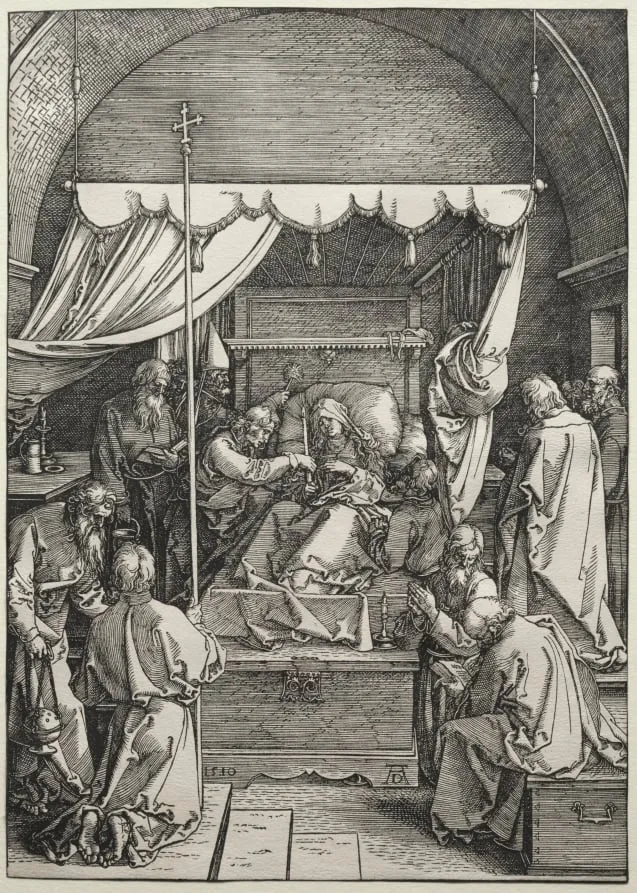
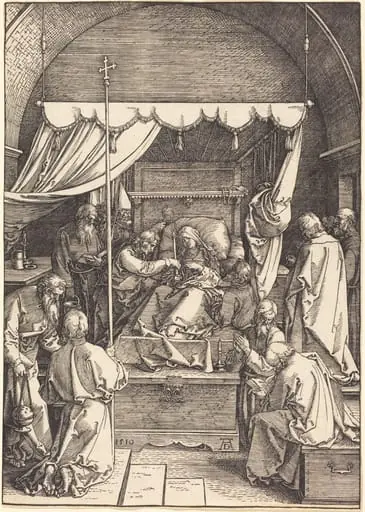
The Death of the Virgin is a print by the Renaissance artist Albrecht Dürer. It dates from 1510 and is held in the collection of the Cleveland Museum of Art.
About this work
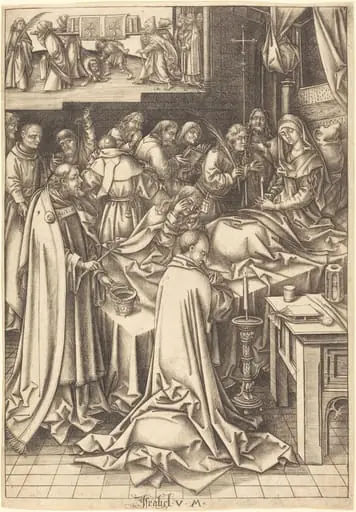
The painting shows the Virgin Mary on her deathbed, surrounded by apostles.
They are keeping vigil around her.
The scene is intimate and quiet.
The artist included many details in this scene. The apostles are sad and praying. This shows the artist's attention to emotion.
You can learn more about this style by looking at the work of artist: Albrecht Dürer (German, 1471–1528).
Overview
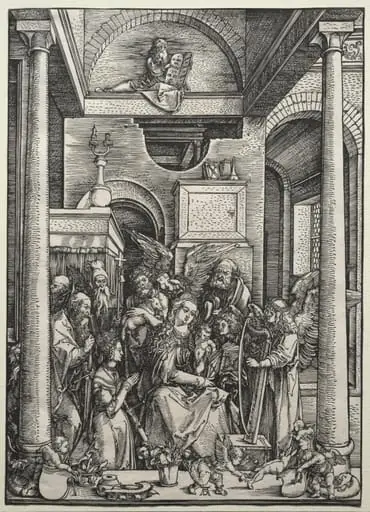
Though the third print diverges in composition from the narrative sequence, it serves as a devotional conclusion, emphasizing her sanctity beyond death.
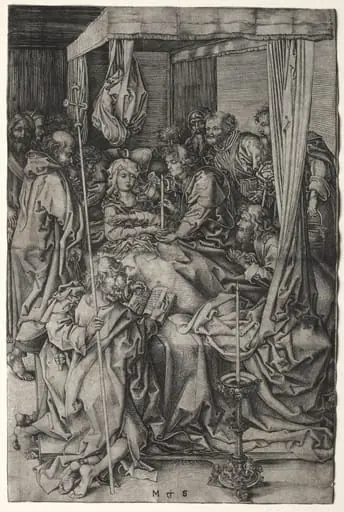
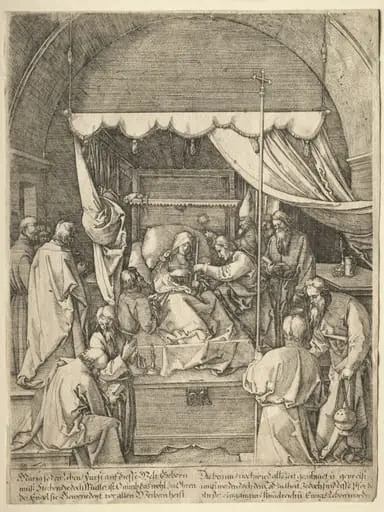
Albrecht Dürer created a series of three prints illustrating the death and ascension of the Virgin Mary. The first depicts her final moments surrounded by grieving apostles, the second shows her bodily assumption into heaven, and the third presents a celestial celebration of her life. Though the third print diverges in composition from the narrative sequence, it serves as a devotional conclusion, emphasizing her sanctity beyond death.
Subject & Meaning
The prints trace the Virgin’s passage from earthly death to heavenly glory, reflecting medieval and early modern beliefs in her bodily assumption. The intimate vigil of the apostles underscores her human vulnerability, while the final image—featuring saints, angels, and putti—transcends narrative to affirm her divine status as Queen of Heaven. This progression merges human sorrow with celestial triumph, reinforcing theological themes of redemption and grace.
Technique & Style
Dürer employed fine, precise lines characteristic of his engraving technique, rendering textures of fabric, hair, and stone with meticulous detail. Facial expressions convey quiet grief and reverence, avoiding theatricality. The compositions are tightly framed, focusing attention on emotional stillness rather than grandeur. His use of light and shadow enhances the solemnity, grounding sacred events in tangible, human space.
History & Provenance
The three prints, cataloged as 1959.99.18–20, entered the collection as a unified set, though scholarly debate persists over whether the final image was originally intended as part of the sequence. Their survival in good condition suggests early and sustained interest among collectors. Dürer’s reputation as a printmaker ensured wide dissemination, contributing to their preservation across European collections.
Context
Created during the early 16th century, these prints emerged amid growing devotional interest in Marian themes and the rise of print culture in Northern Europe. Dürer’s engagement with humanist ideals and religious reform shaped his approach: personal piety, emotional authenticity, and textual fidelity to apocryphal traditions informed the scenes, bridging popular devotion and scholarly theology.
Legacy
Dürer’s Virgin series influenced later Northern Renaissance depictions of Marian subjects, particularly in their psychological depth and compositional restraint. The prints were widely circulated, shaping how generations visualized the Virgin’s death and ascension. Their integration of intimate realism with spiritual symbolism became a model for devotional imagery beyond the confines of traditional altarpieces.
Artist & collection
Artist
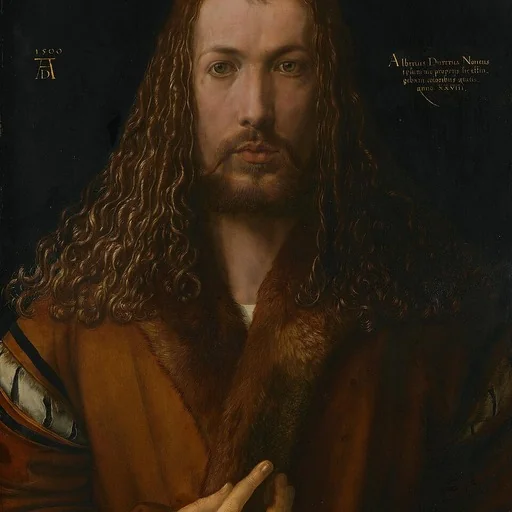
Albrecht Dürer spent his life in Nuremberg, a busy German city where artists traded prints like currency.

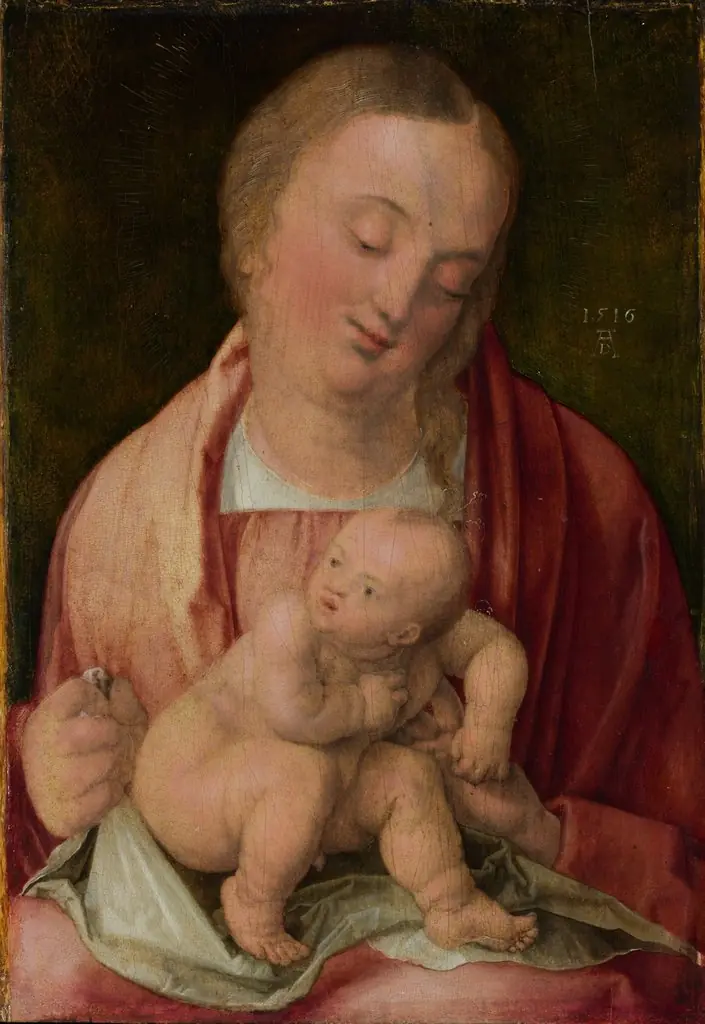
![Madonna and Child [obverse], by Albrecht Dürer](https://artifactworldgallery.com/img/albrecht-durer--madonna-and-child-obverse--d7b8ebf05d22ebe5-w320.webp)
![Lot and His Daughters [reverse], by Albrecht Dürer](https://artifactworldgallery.com/img/albrecht-durer--lot-and-his-daughters-reverse--b4ebf9b282faa17a-w320.webp)