Artwork
The Four Horsemen, from The Apocalypse
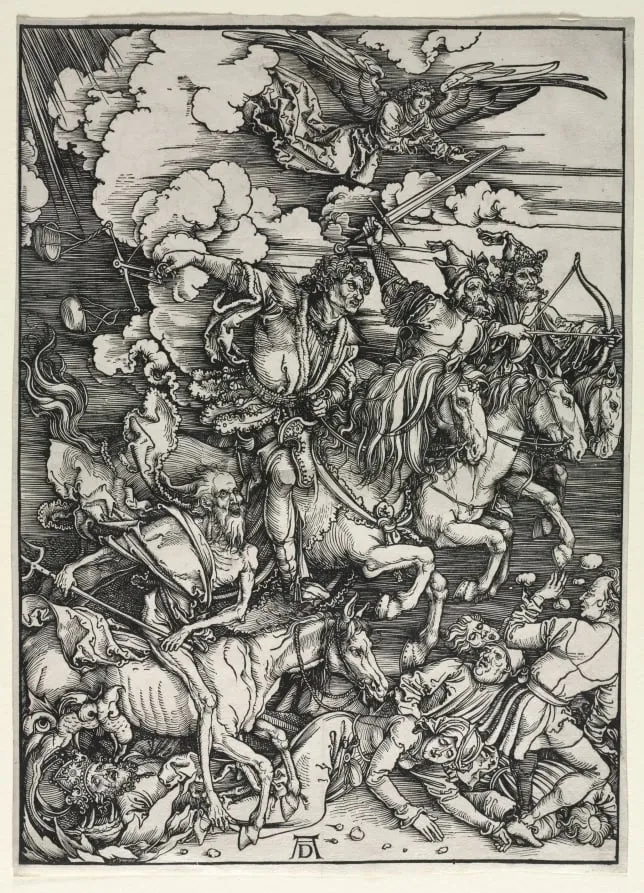
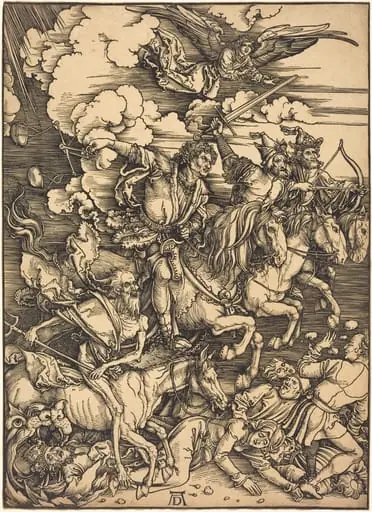
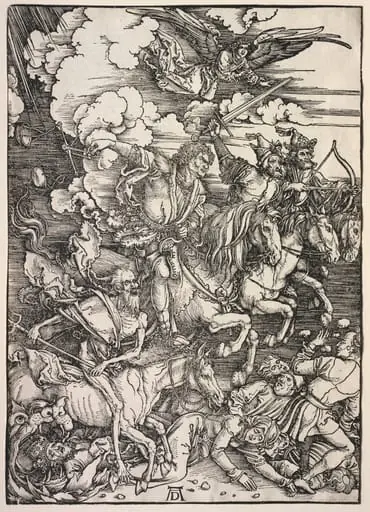
The Four Horsemen, from The Apocalypse is a print by the Renaissance artist Albrecht Dürer. It dates from 1498 and is held in the collection of the Cleveland Museum of Art.
About this work
Overview
The Four Horsemen is a woodcut from Albrecht Dürer's 1498 publication of the Apocalypse, a series illustrating the Book of Revelation. Notably, this was the first book both published and illustrated by the artist, featuring 15 full-sheet woodcuts, including this piece.
Subject & Meaning
Depicting a scene from Revelation 6:1-8, the print shows four horsemen of the apocalypse on charging horses, each symbolizing a different aspect of judgment: conquest (bow), war (sword), famine (scales), and death (pitchfork), trampling figures beneath them.
Technique & Style
Executed as a woodcut, Dürer carved the design into a wood block before printing. Characteristic of his style, the work features sharp, densely packed lines and intricate details, such as windblown clothing and clouds, conveying dynamic energy.
History & Provenance
Printed in 1498, the finest impressions, like this one, were often issued without accompanying text to preserve the image's integrity. The absence of verso text in this print highlights its status as a carefully preserved example.
Context
Part of a broader 15th-century European fascination with the Apocalypse, Dürer's series stood out for its large scale and unified design approach. The use of chiaroscuro, though not uniquely Dürer's, enhances the dramatic contrast between light and dark in the composition.
Legacy
The Four Horsemen, as part of Dürer's Apocalypse suite, influenced subsequent depictions of apocalyptic themes in European art, demonstrating the enduring impact of his innovative woodcut techniques and interpretive vision.
Artist & collection
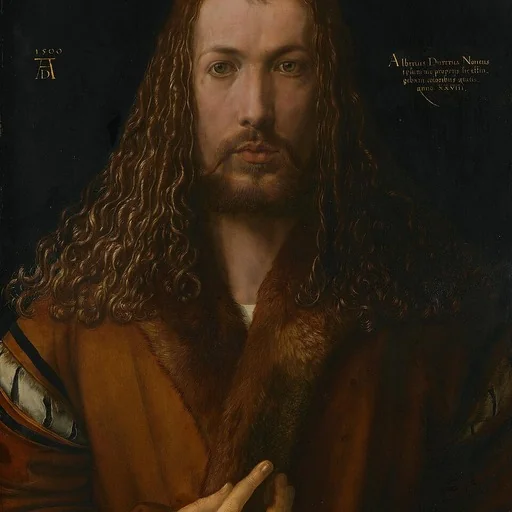
Artist
Albrecht Dürer spent his life in Nuremberg, a busy German city where artists traded prints like currency.

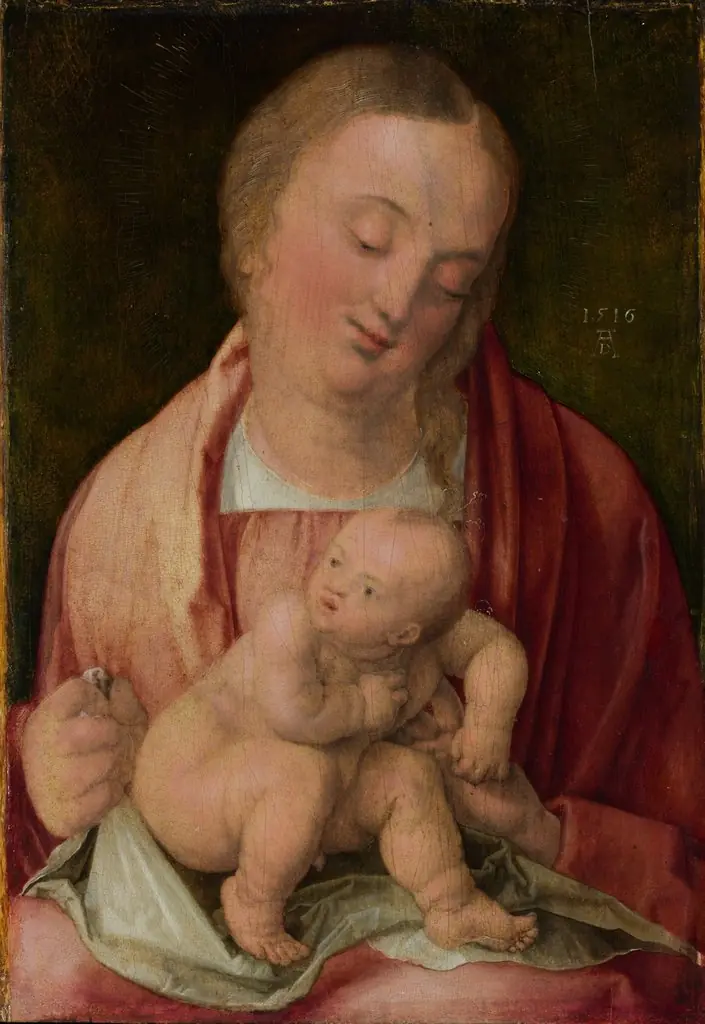
![Madonna and Child [obverse], by Albrecht Dürer](https://artifactworldgallery.com/img/albrecht-durer--madonna-and-child-obverse--d7b8ebf05d22ebe5-w320.webp)
![Lot and His Daughters [reverse], by Albrecht Dürer](https://artifactworldgallery.com/img/albrecht-durer--lot-and-his-daughters-reverse--b4ebf9b282faa17a-w320.webp)