Artwork
The Four Horsemen of the Apocalypse
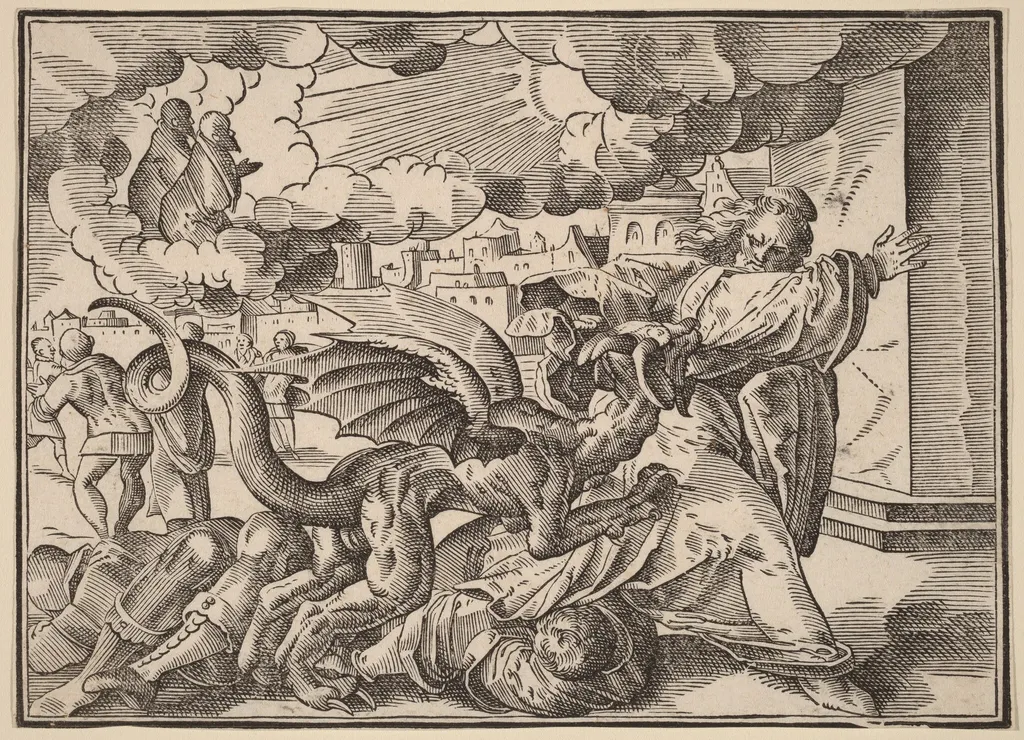
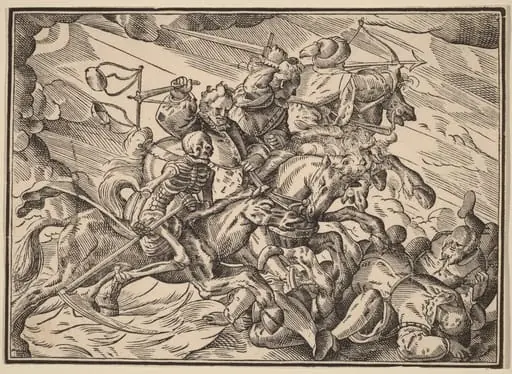
The Four Horsemen of the Apocalypse is an ink print by the Renaissance artist Christoph Murer. It dates from 1630 and is held in the collection of the National Gallery of Art.
About this work
Overview
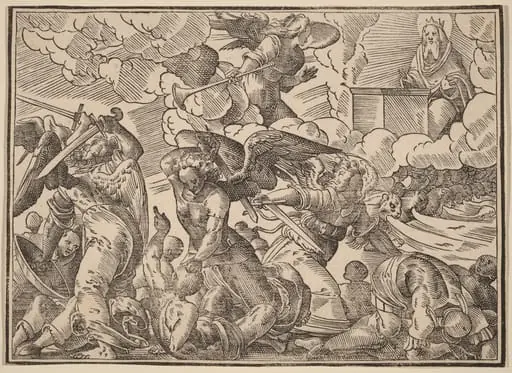
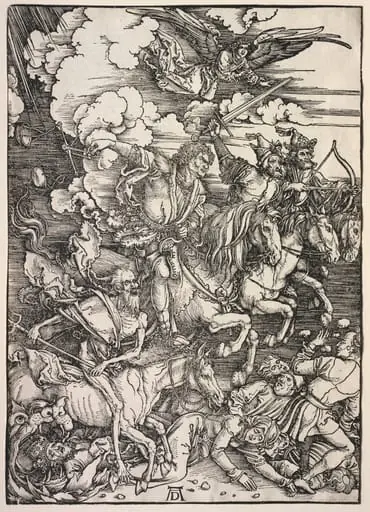
Christoph Murer’s woodcut entitled *The Four Horsemen of the Apocalypse* dates from 1630. Executed on laid paper, the black‑and‑white image presents a turbulent sky over which four mounted figures charge, their bodies entwined in billowing drapery. Below, a burning settlement and anguished figures convey a scene of widespread devastation.
Subject & Meaning
The composition visualises the biblical vision of the Four Horsemen, each rider traditionally linked to conquest, war, famine and death. Murer amplifies the apocalyptic tone by depicting the riders’ faces contorted in rage or suffering, while the inferno below suggests the catastrophic impact of their passage on human society.
Technique & Style
Created through the woodcut process, the design was incised into a wooden block, inked, and then transferred onto paper. The lines are vigorous and densely packed, giving the print a sketch‑like intensity. The stark contrast of black ink against the laid‑paper surface heightens the dramatic, chaotic atmosphere.
History & Provenance
The print emerged in the early seventeenth century, a period when woodcut reproductions were widely circulated for their affordability. Murer’s work, like many contemporary prints, was intended for broad distribution, allowing the apocalyptic imagery to reach a diverse audience across Europe.
Context
Produced amid religious turmoil and the lingering effects of the Thirty Years’ War, the image reflects contemporary anxieties about divine judgment and societal collapse. The stark visual language aligns with other Protestant-era prints that used biblical catastrophe to comment on the instability of the era.
Artist & collection


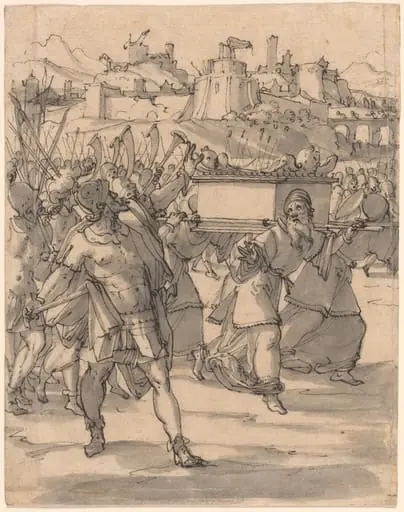 Joshua and the Israelites before the Walls of Jericho
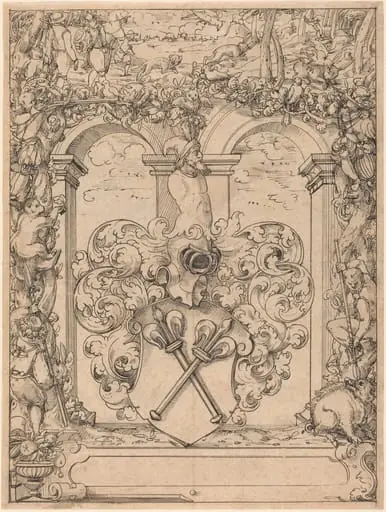 Design for a Window (Hunting Scene)
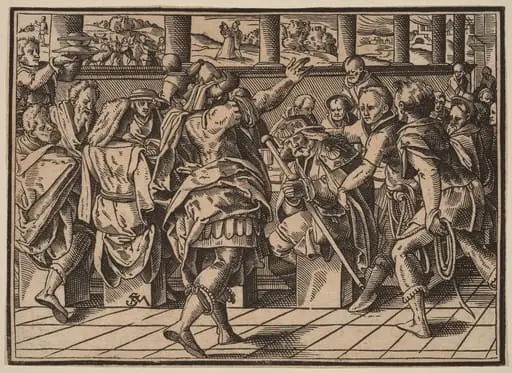 The Martyrdom of Saint James (?)
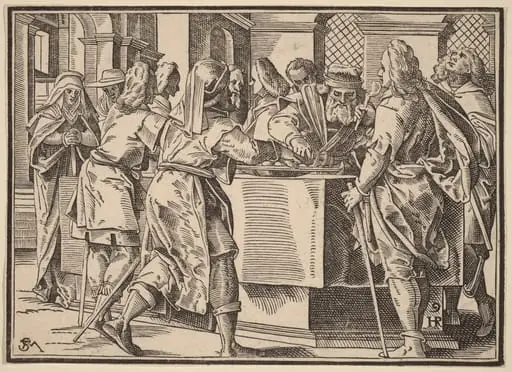 Christ Tells His Disciples of the Last Judgment
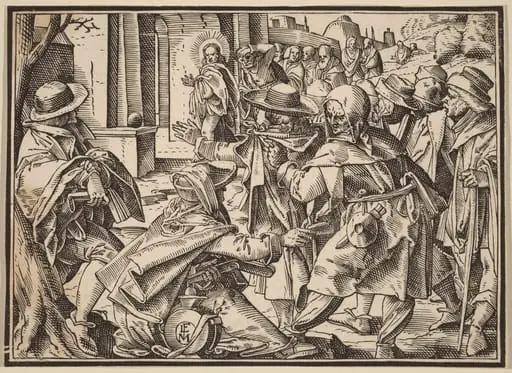 Christ Tells His Disciples of the Last Judgment
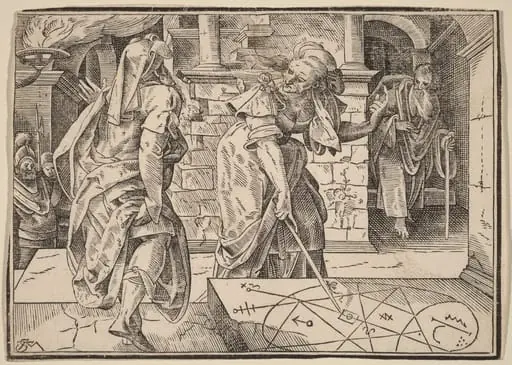 Christ Tells His Disciples of the Last Judgment
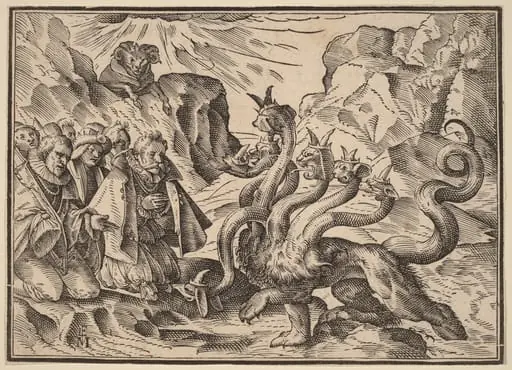 The Four Horsemen of the Apocalypse
 Christ Tells His Disciples of the Last Judgment