Artwork
Revelation of St. John: The Four Horsemen
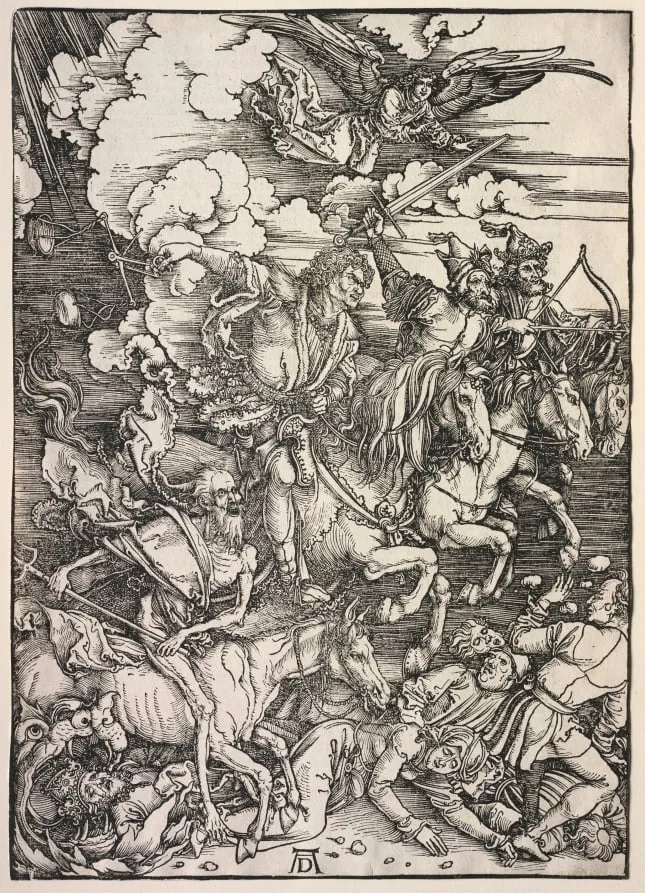
Revelation of St. John: The Four Horsemen is a print by the Renaissance artist Albrecht Dürer. It dates from 1511 and is held in the collection of the Cleveland Museum of Art. Created in 1511, *Revelation of St.
About this work
Overview
Produced in Nuremberg, the print reflects Dürer’s mastery of the medium and his engagement with religious themes during the German Renaissance.
Created in 1511, *Revelation of St. John: The Four Horsemen* is a woodcut by Albrecht Dürer, part of a larger series depicting scenes from the Book of Revelation. Produced in Nuremberg, the print reflects Dürer’s mastery of the medium and his engagement with religious themes during the German Renaissance. The work was widely distributed, contributing to the circulation of apocalyptic imagery across Europe in the early 16th century.
Subject & Meaning
The image illustrates the four horsemen of the Apocalypse as described in Revelation 6:1–8. Each rider represents a calamity: conquest, war, famine, and death. Their chaotic advance over a landscape of fleeing figures conveys divine judgment. Dürer’s composition emphasizes inevitability and scale, transforming biblical prophecy into a visceral, universal warning rather than a literal narrative.
Technique & Style
Dürer employed fine, controlled lines in woodcut to render texture, movement, and depth. The dense cross-hatching and dramatic contrasts between light and shadow heighten the sense of turmoil. Figures are compressed into a dynamic, overlapping space, with horses rearing and riders angled aggressively. The precision of the carving reveals Dürer’s technical discipline and his ability to convey motion within a rigid medium.
History & Provenance
The print was produced as part of Dürer’s first major illustrated book, *Apocalypse*, published in 1498 with text and images. The 1511 version is a later, refined state. It entered the Cleveland Museum of Art’s collection through documented acquisitions in the 20th century, following a lineage of European private and institutional holdings that trace back to early collectors of Northern Renaissance prints.
Context
Dürer created this work amid religious upheaval and widespread fear of impending doom, as the end of the millennium neared and the Protestant Reformation began to take shape. His prints responded to both popular piety and intellectual currents, blending humanist detail with medieval symbolism. The work’s popularity reflects a broader European appetite for visual interpretations of scripture during a time of social and theological instability.
Legacy
Dürer’s *Four Horsemen* set a visual standard for apocalyptic imagery in print culture. Its influence extended beyond religious art, shaping how later generations depicted catastrophe and divine retribution. The print’s technical innovation and emotional intensity ensured its continued study and reproduction, securing its place as a defining image of Northern Renaissance printmaking.
Artist & collection
Artist
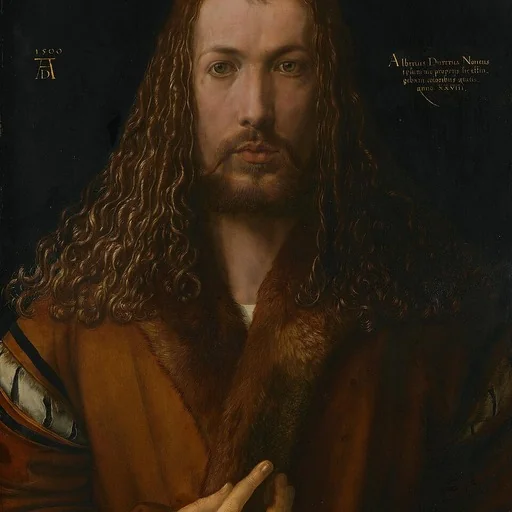
Albrecht Dürer spent his life in Nuremberg, a busy German city where artists traded prints like currency.

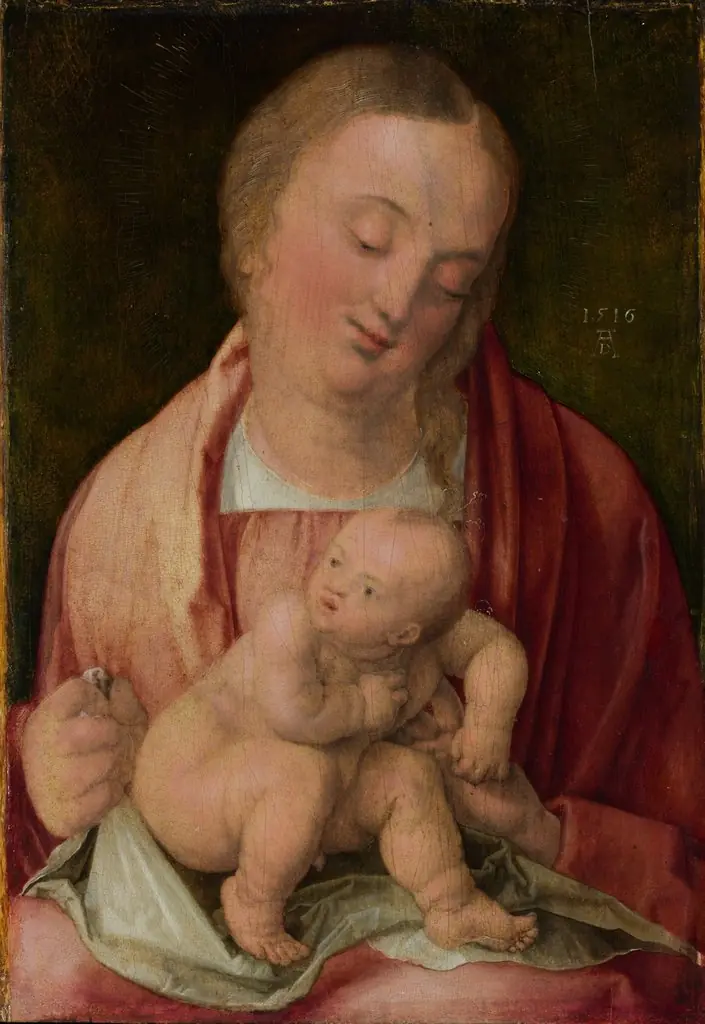
![Madonna and Child [obverse], by Albrecht Dürer](https://artifactworldgallery.com/img/albrecht-durer--madonna-and-child-obverse--d7b8ebf05d22ebe5-w320.webp)
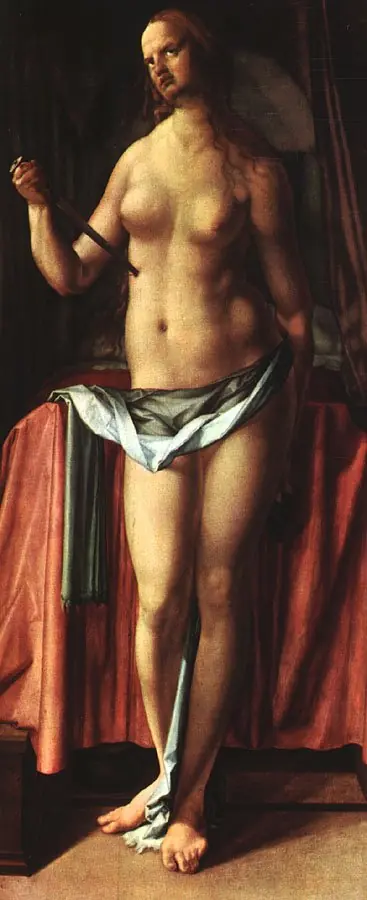
![Lot and His Daughters [reverse], by Albrecht Dürer](https://artifactworldgallery.com/img/albrecht-durer--lot-and-his-daughters-reverse--b4ebf9b282faa17a-w320.webp)
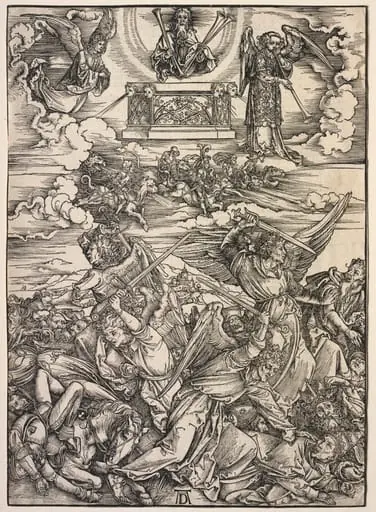 Revelation of St. John: The Four Destroying Angels
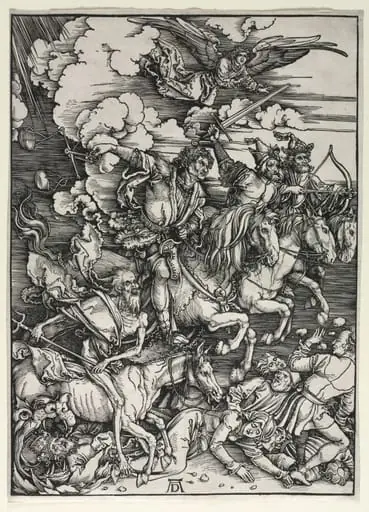 The Four Horsemen, from The Apocalypse
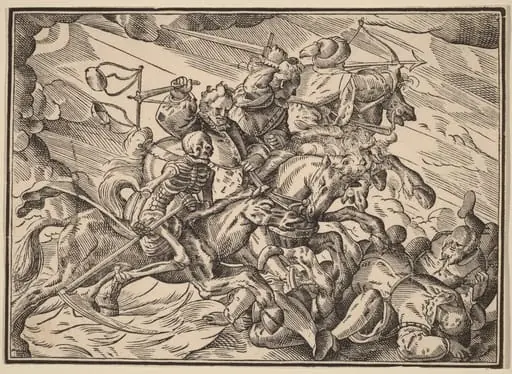 The Four Horsemen of the Apocalypse
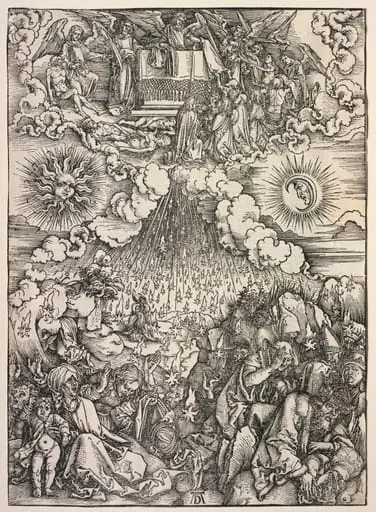 Revelation of St. John: Opening of the Sixth Seal
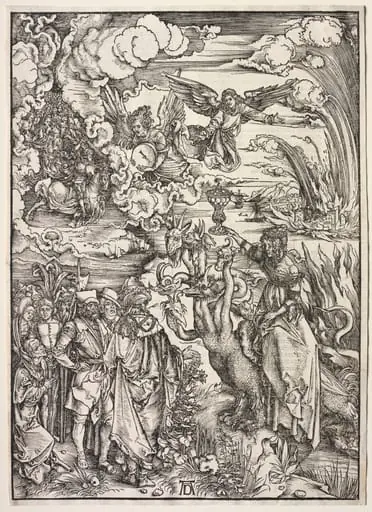 Revelation of St. John: The Woman of Babylon
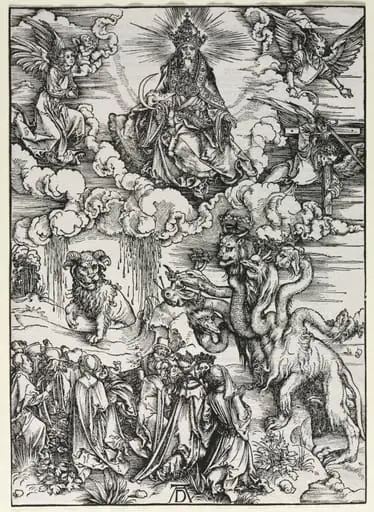 Revelation of St. John: Beast with Ram's Horns
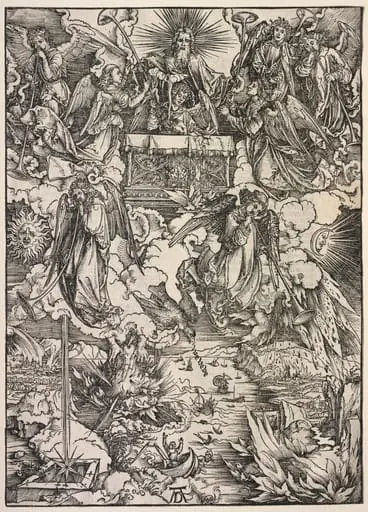 Revelation of St. John: Seven Angels with Trumpets
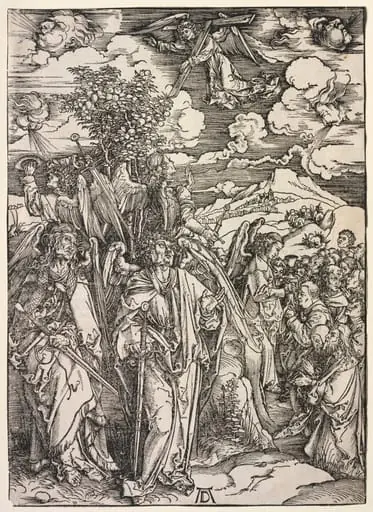 Revelation of St. John: Four Angels Holding up the Winds
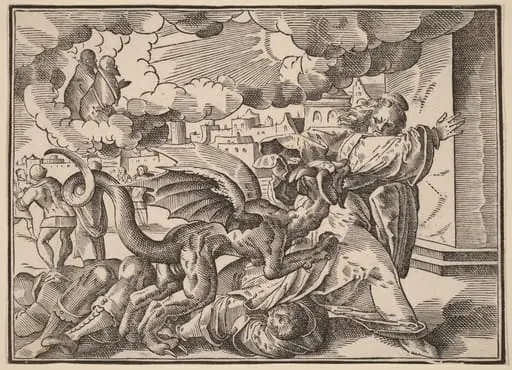 The Four Horsemen of the Apocalypse
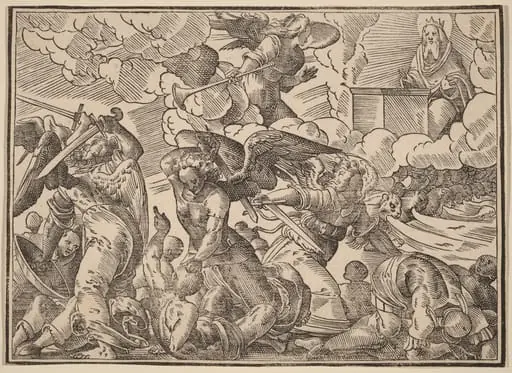 The Four Horsemen of the Apocalypse