Artwork
The Masquerade
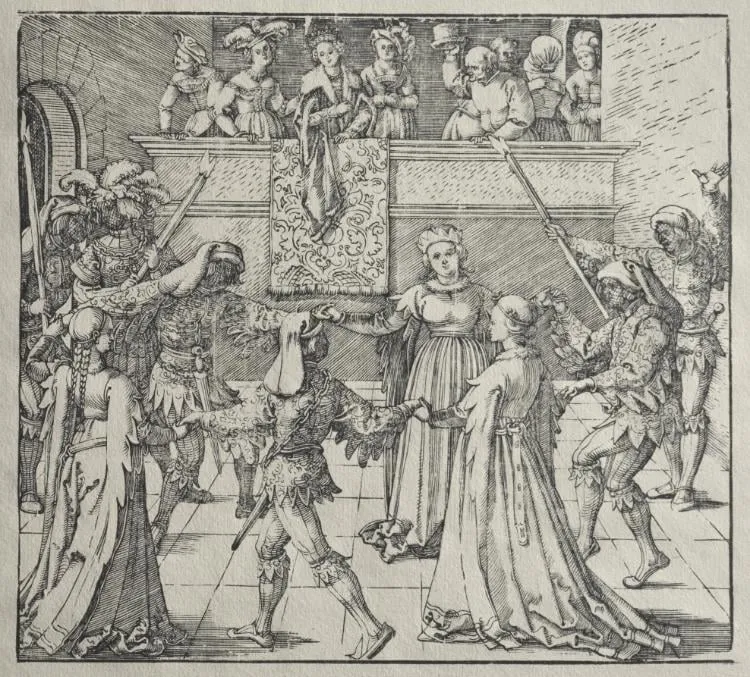
The Masquerade is a print by Albrecht Dürer. It dates from 1509 and is held in the collection of the Cleveland Museum of Art.
About this work
Overview
Created around 1509, *The Masquerade* is a print by Albrecht Dürer, reflecting his deep engagement with the visual culture of the German Renaissance.
Created around 1509, *The Masquerade* is a print by Albrecht Dürer, reflecting his deep engagement with the visual culture of the German Renaissance. Though less known than his religious or portrait works, this piece belongs to a series of prints exploring social behavior and disguise. Dürer’s technical precision in engraving allowed him to capture subtle gestures and textures, establishing his reputation beyond Germany’s borders.
Subject & Meaning
The scene depicts figures in elaborate costumes, possibly attending a carnival or masked gathering. The composition suggests a critique of social pretense, with individuals concealing identity behind ornate attire. Dürer does not idealize the event but observes it with detached curiosity, inviting viewers to consider the tension between appearance and authenticity in urban life.
Technique & Style
Executed in fine-line engraving, the work showcases Dürer’s control over line weight and cross-hatching to model form and suggest texture. The figures are rendered with anatomical accuracy, while the background remains sparse, focusing attention on their interactions. His use of intricate detail reflects the influence of Italian Renaissance draftsmanship, adapted to the Northern tradition of meticulous printmaking.
History & Provenance
The print entered the collection of the Cleveland Museum of Art in the 20th century, following earlier ownership by European collectors. Its survival in good condition is notable, as many early engravings were worn through repeated impressions. Documentation traces its circulation among private collections in Germany and the Low Countries before its acquisition by the museum.
Context
In early 16th-century Nuremberg, masked festivals were common during Carnival season, blending folk tradition with urban elite culture. Dürer, deeply observant of social rituals, recorded these events alongside religious and mythological subjects. His prints served both as artistic statements and as records of contemporary life, reflecting a growing interest in secular themes among Northern artists.
Legacy
Though not among Dürer’s most widely reproduced works, *The Masquerade* contributes to understanding his range beyond religious imagery. It influenced later Northern artists interested in social observation through print. Scholars continue to study it as an example of how Renaissance artists used everyday scenes to explore human behavior with psychological nuance.
Artist & collection
Artist
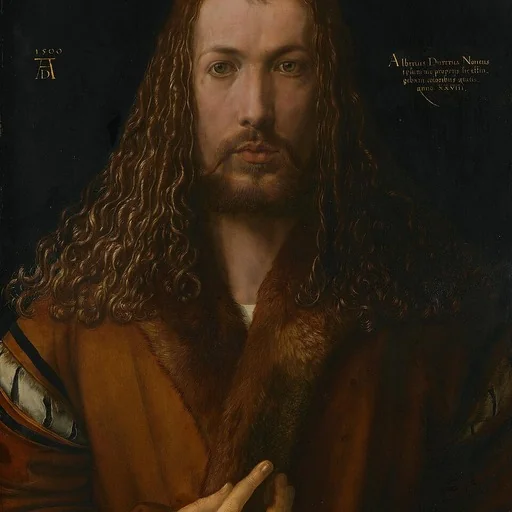
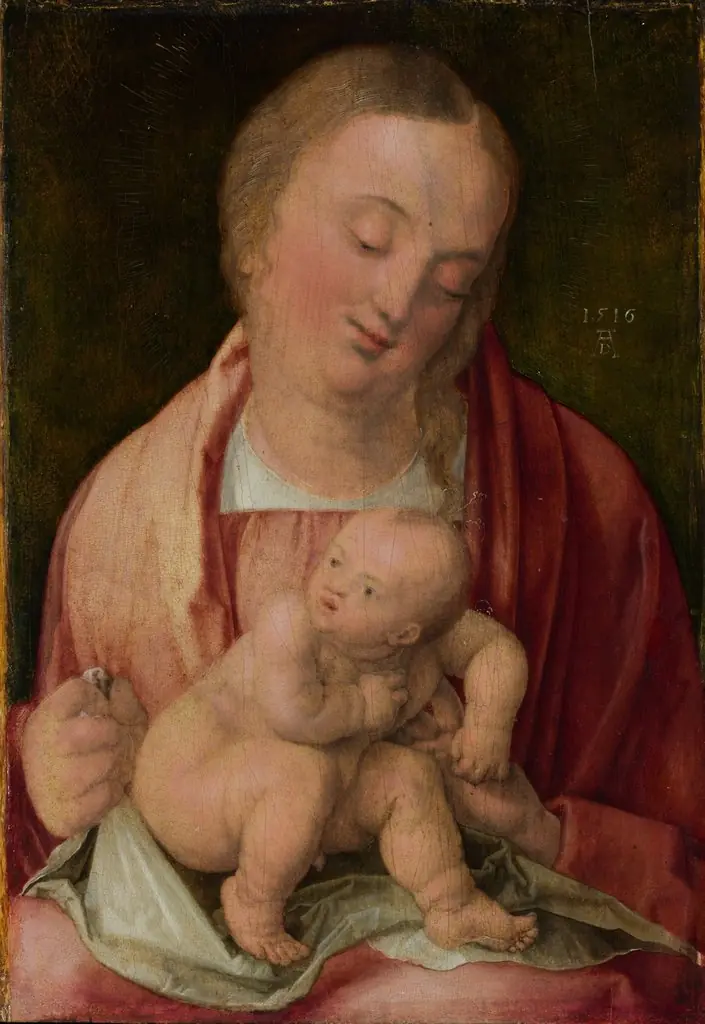
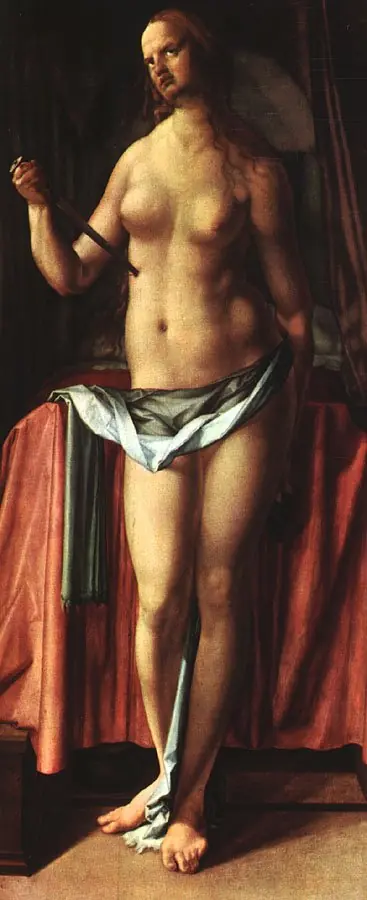
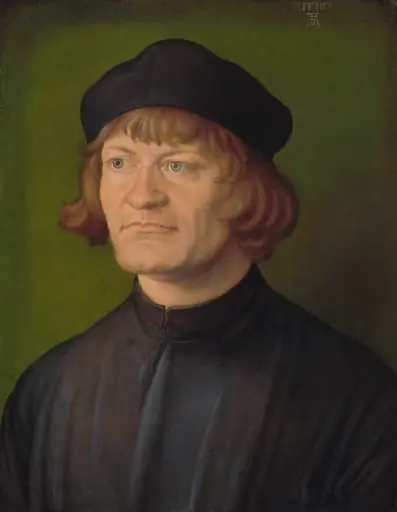
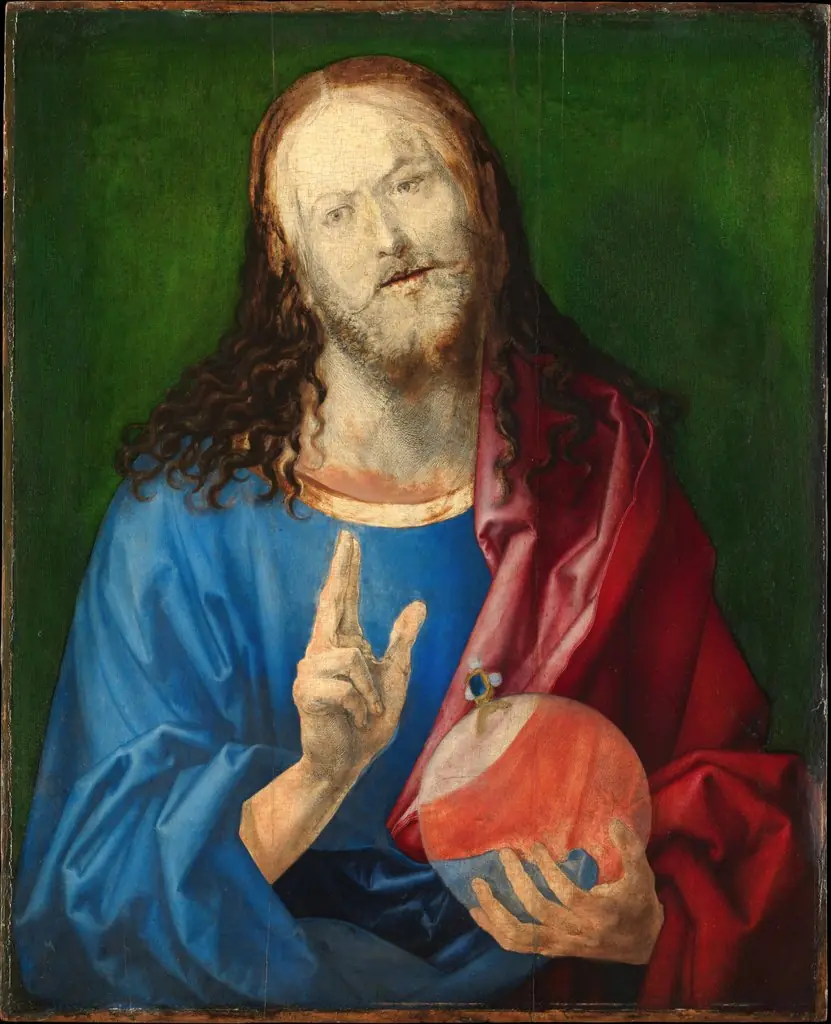
Albrecht Dürer spent his life in Nuremberg, a busy German city where artists traded prints like currency.

![Madonna and Child [obverse], by Albrecht Dürer](https://artifactworldgallery.com/img/albrecht-durer--madonna-and-child-obverse--d7b8ebf05d22ebe5-w320.webp)
![Lot and His Daughters [reverse], by Albrecht Dürer](https://artifactworldgallery.com/img/albrecht-durer--lot-and-his-daughters-reverse--b4ebf9b282faa17a-w320.webp)
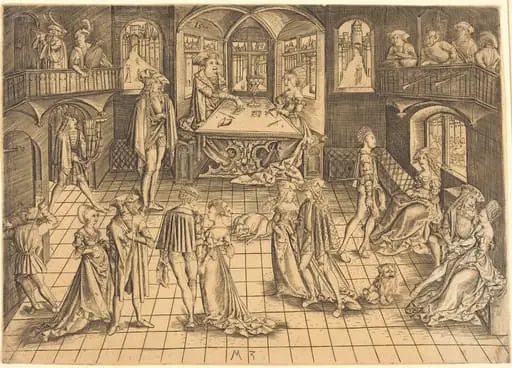 The Ball
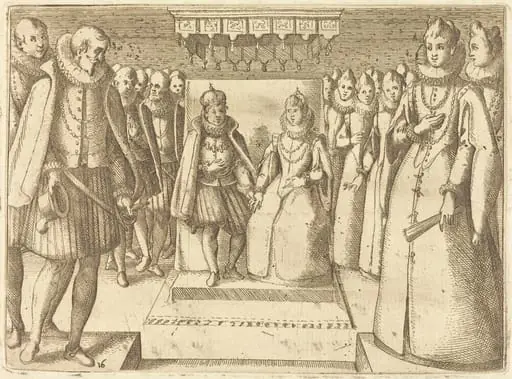 Meeting of Margaret of Austria and Philip III
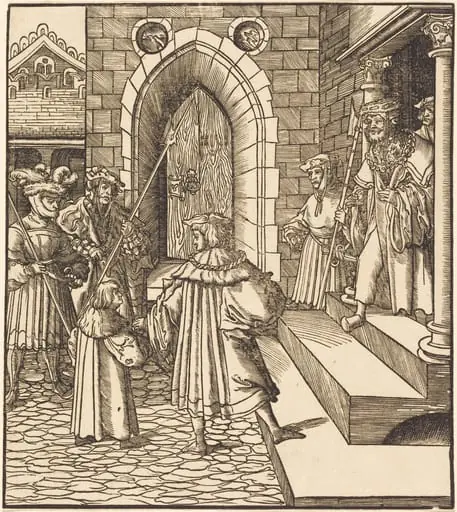 Three Men and a Boy in the Court of a Castle, to the Right Three Men on a Staircase
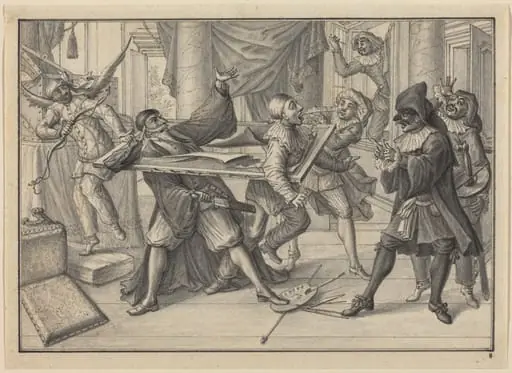 Mezzetin and Harlequin Use the Picture Frame to Catch Pantaloon and Pierrot
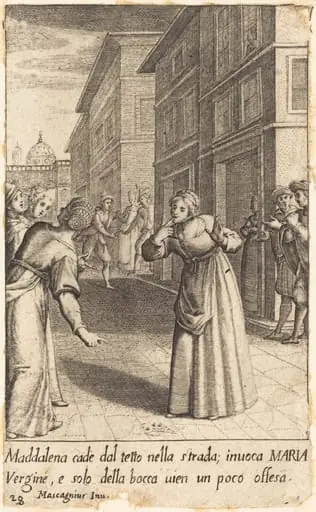 Maddalena
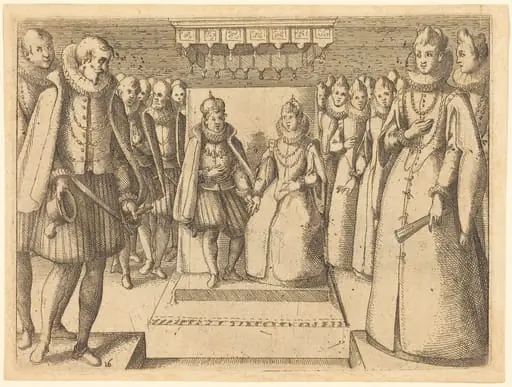 Meeting of Margaret of Austria and Philip III
![The Queen Laying the First Stone for the Church of the Poor Clares in Spain [verso], by Jacques Callot](https://artifactworldgallery.com/img/jacques-callot--the-queen-laying-the-first-stone-for-the-church-of-the-poor--4409b13517e9beb4-w320.webp) The Queen Laying the First Stone for the Church of the Poor Clares in Spain [verso]
The Queen Laying the First Stone for the Church of the Poor Clares in Spain [verso]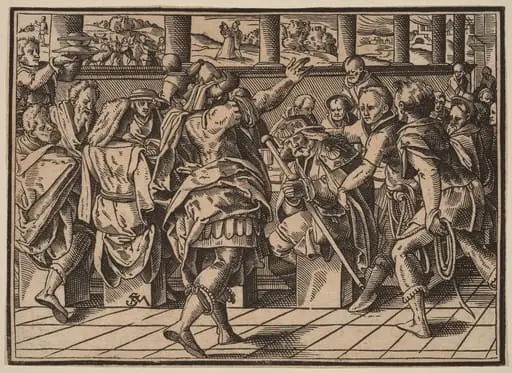 The Martyrdom of Saint James (?)