Artwork
Heller Altarpiece
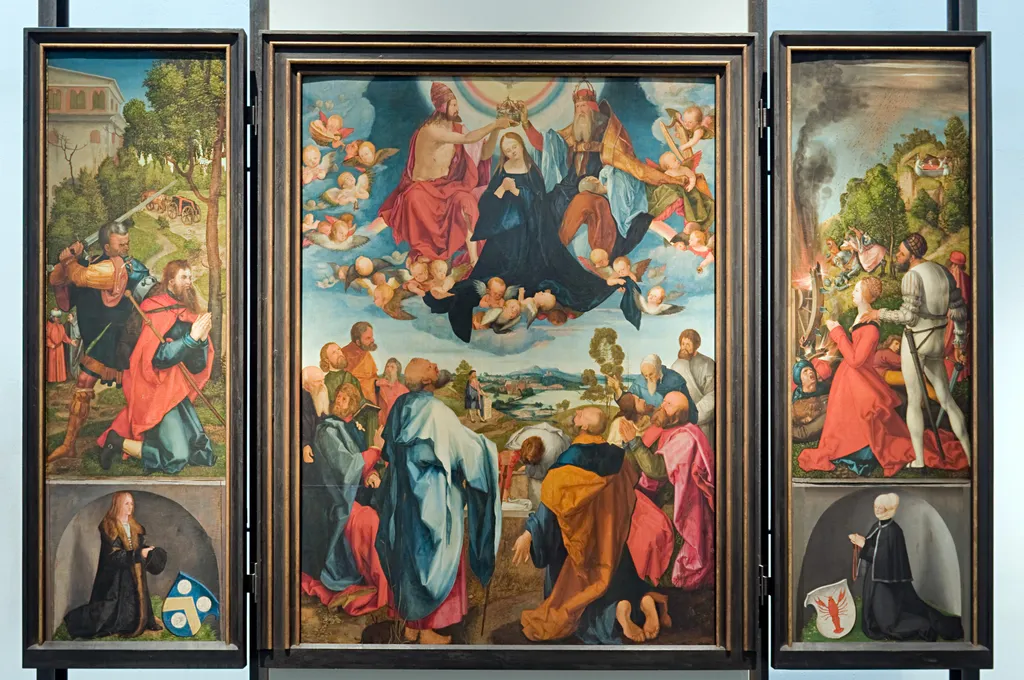
Heller Altarpiece is an oil painting by the Northern Renaissance artist Albrecht Dürer. It dates from 1500 and is held in the collection of the Städel Museum.
About this work
Overview
It combined the work of two leading German Renaissance painters: Albrecht Dürer handled the interior panels, while Matthias Grünewald executed the exterior.
Commissioned by the merchant Jakob Heller, the Heller Altarpiece was a triptych created between 1507 and 1509 using oil on panel. It combined the work of two leading German Renaissance painters: Albrecht Dürer handled the interior panels, while Matthias Grünewald executed the exterior. The altarpiece was designed for private devotion in Heller’s home chapel, reflecting both religious function and the patron’s social standing.
Subject & Meaning
The interior depicted the Virgin Mary, Christ Child, and saints in a solemn, hierarchical composition, emphasizing divine intercession. The exterior showed the Crucifixion, rendered with Grünewald’s characteristic emotional intensity, intended to evoke penitence when the panels were closed. Together, the two sides framed a devotional journey from earthly suffering to heavenly grace.
Technique & Style
Dürer’s interior panels display precise draftsmanship and balanced composition, characteristic of his Nuremberg training and Italian influences. Grünewald’s exterior used thick pigment and expressive brushwork to convey spiritual anguish. The side panels, though painted by Dürer’s assistants, followed his preparatory drawings, maintaining stylistic coherence while acknowledging workshop practices of the period.
History & Provenance
The original altarpiece was dismantled in the early 17th century. In 1615, Jobst Harrich produced a faithful copy of Dürer’s interior, now held by the Städel Museum in Frankfurt. The side panels, attributed to Dürer’s workshop, were preserved separately and reside in the Staatliche Kunsthalle Karlsruhe. Grünewald’s exterior panels have not survived.
Context
The altarpiece emerged during a period when wealthy German patrons commissioned religious art for domestic chapels, blending personal piety with civic pride. Dürer’s involvement signaled the rising status of the artist as an intellectual, while Grünewald’s contribution reflected the enduring power of emotional religious imagery in the years before the Reformation.
Legacy
Though incomplete, the surviving fragments illustrate the collaborative nature of Renaissance workshop production and the distinct artistic voices within it. The Harrich copy preserves Dürer’s composition for study, while the Karlsruhe panels offer insight into how his designs were interpreted by assistants, shaping later understandings of his influence.
Artist & collection
Artist
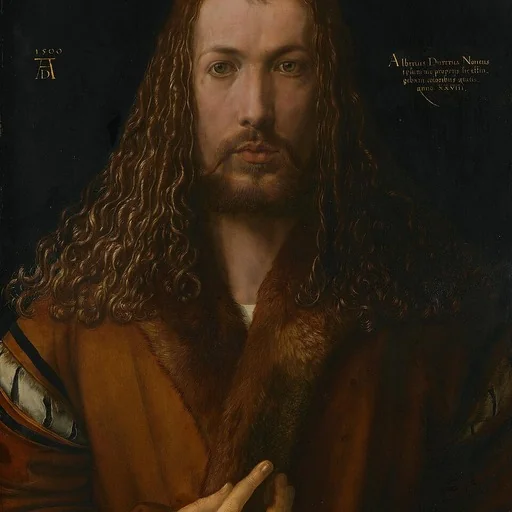
Albrecht Dürer spent his life in Nuremberg, a busy German city where artists traded prints like currency.

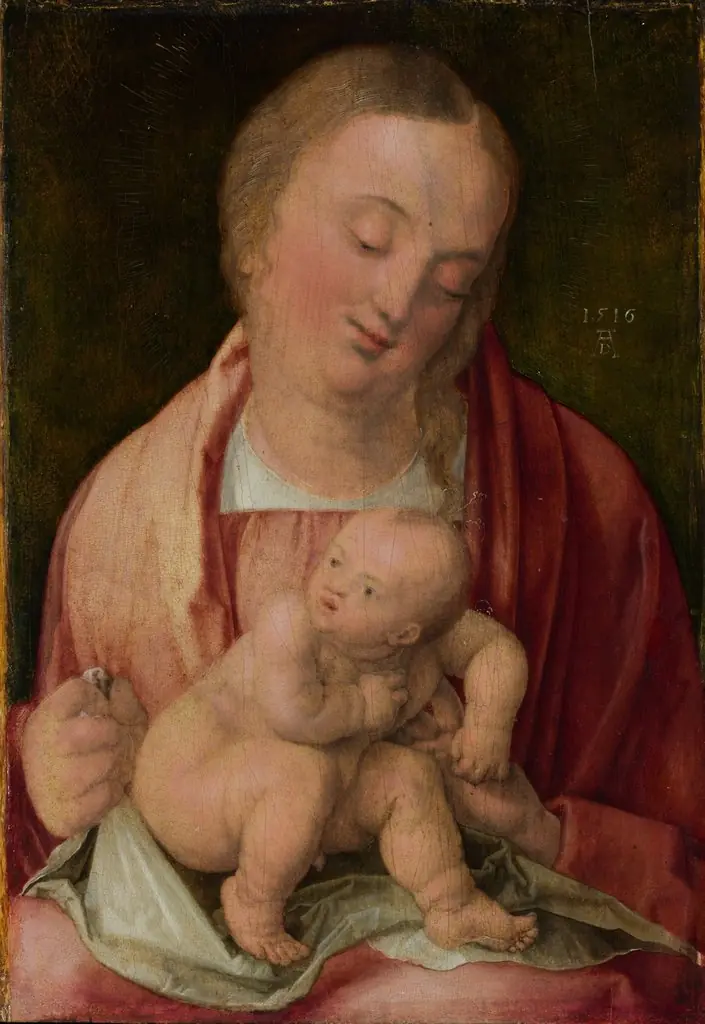
![Madonna and Child [obverse], by Albrecht Dürer](https://artifactworldgallery.com/img/albrecht-durer--madonna-and-child-obverse--d7b8ebf05d22ebe5-w320.webp)
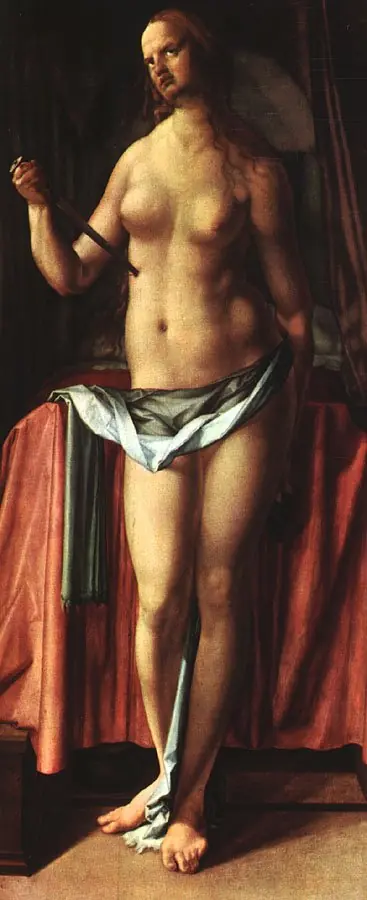
![Lot and His Daughters [reverse], by Albrecht Dürer](https://artifactworldgallery.com/img/albrecht-durer--lot-and-his-daughters-reverse--b4ebf9b282faa17a-w320.webp)
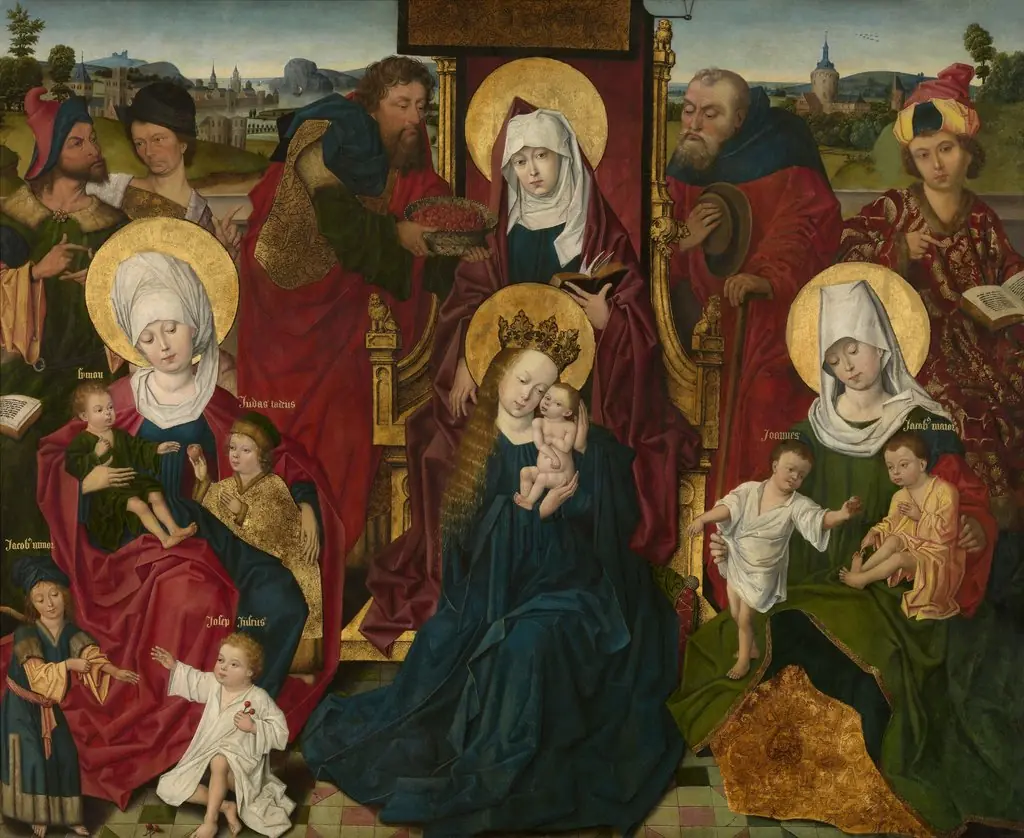 Holy Kinship
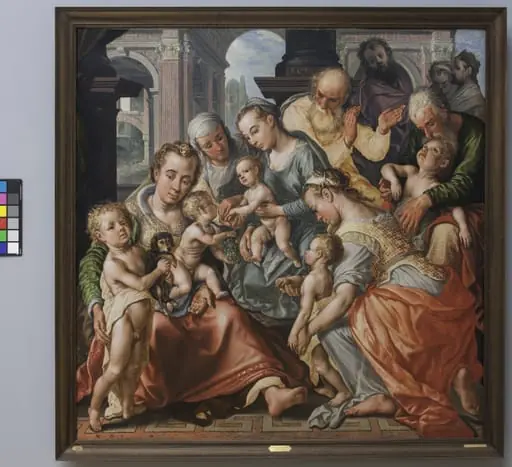 The Holy Kinship
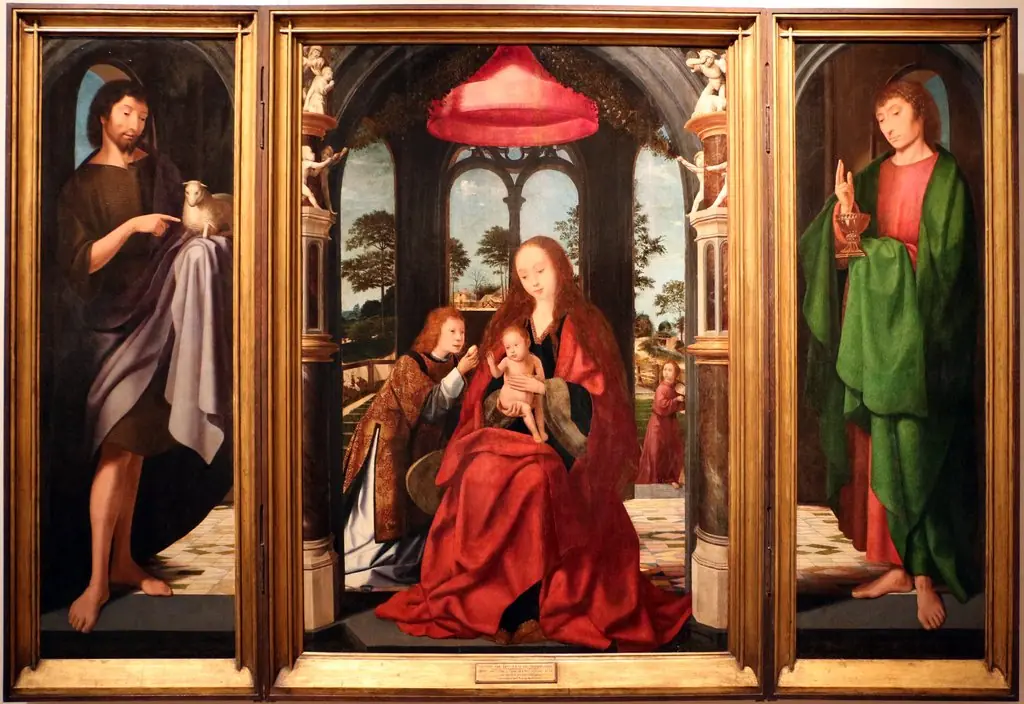 Triptych of the Virgin with the Child and Angels, St. John the Baptist and St. John the Evangelist
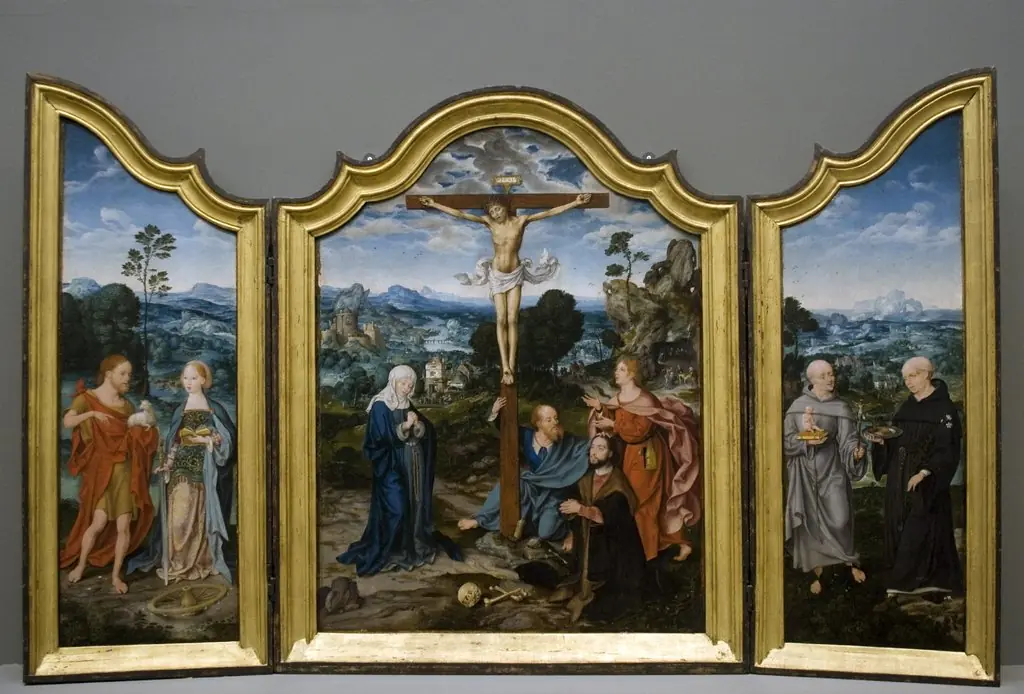 The Crucifixion with Saints and a Donor
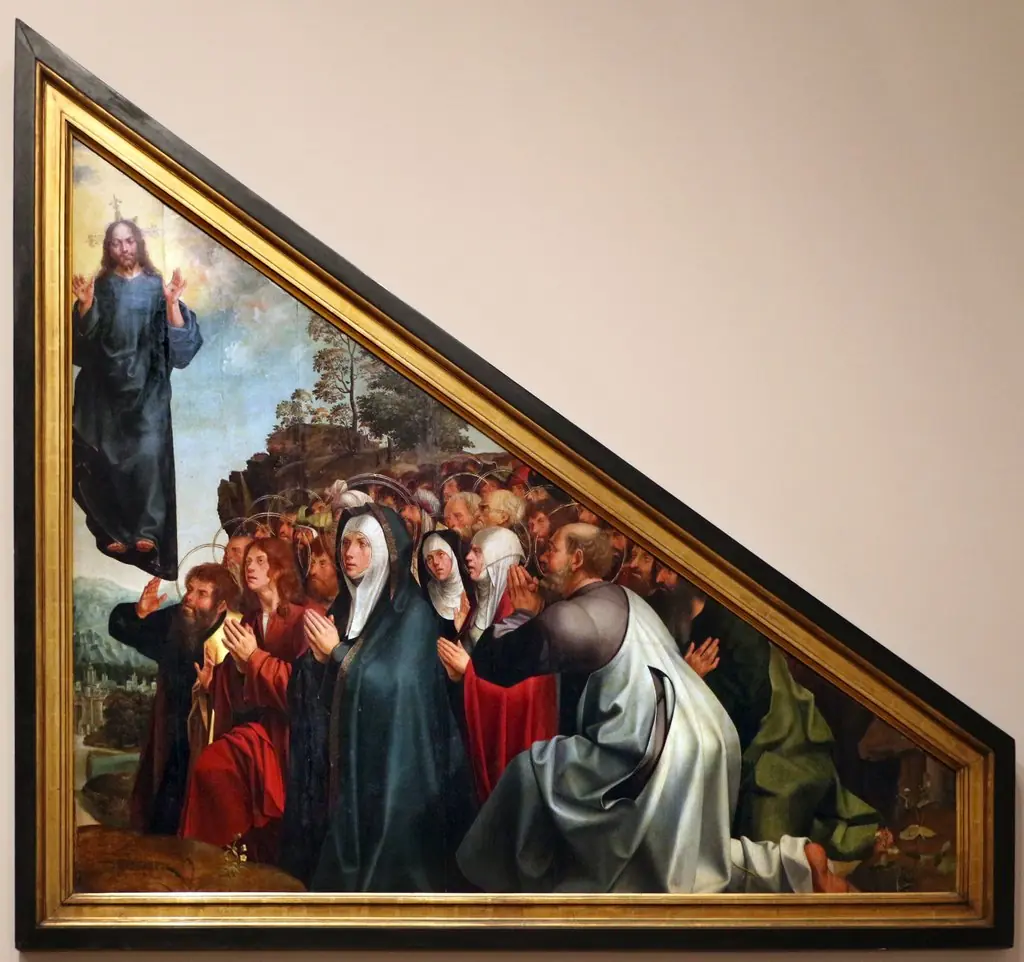 Ascension of Christ
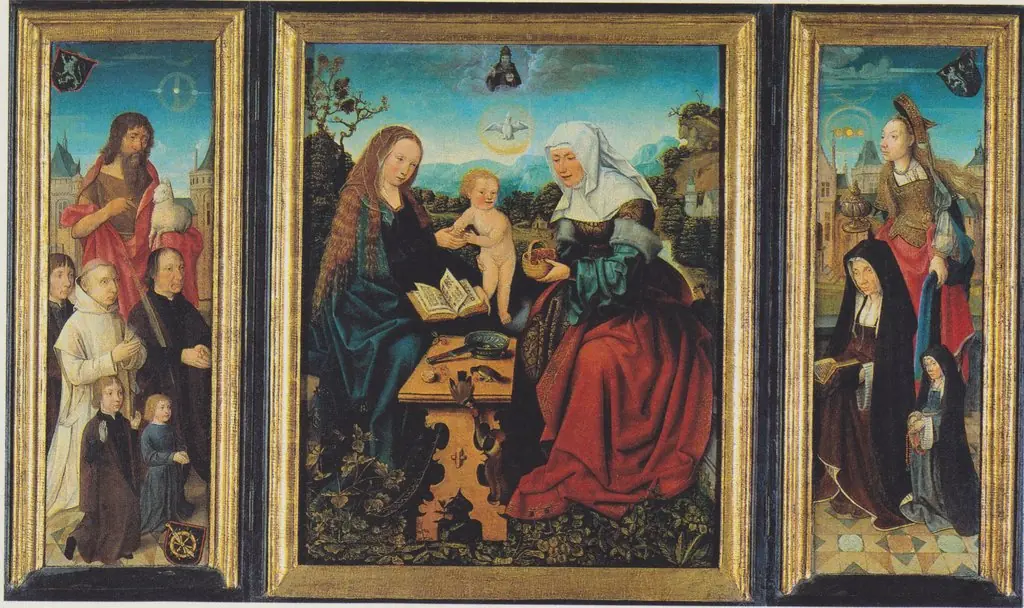 Portrait of Dirck van Heemskerck van Beest & sons with John the Baptist, Madonna and Child with St Anne, and Gertruid van Diemen & daughter with Mary Magdalene
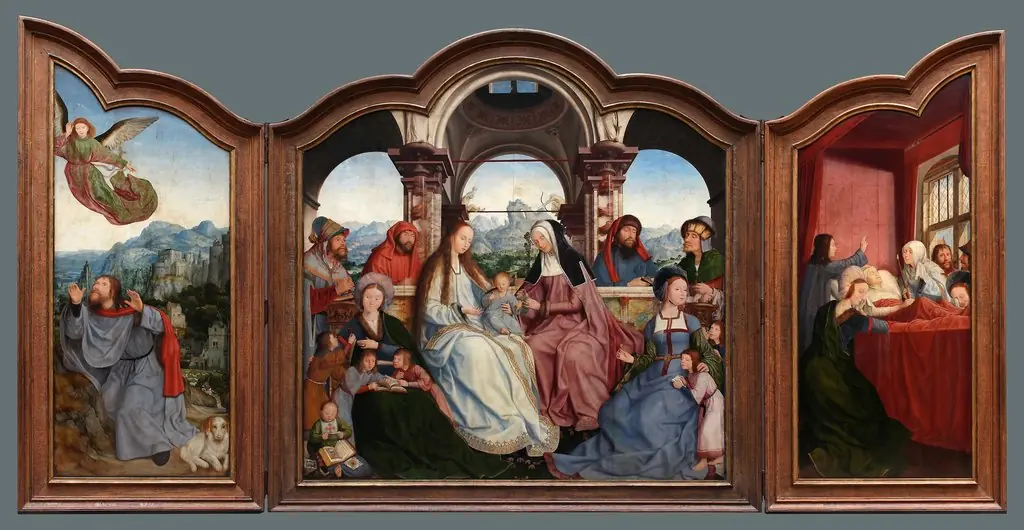 St Anne Altarpiece
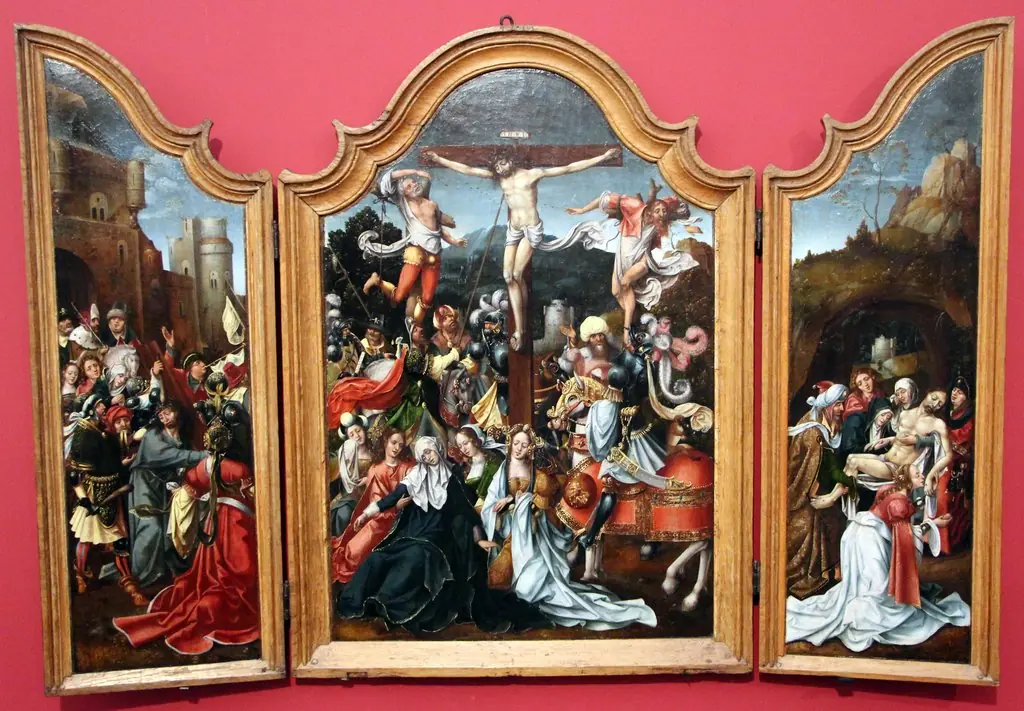 Triptych with the Crucifixion