Artwork
Triptych with the Crucifixion
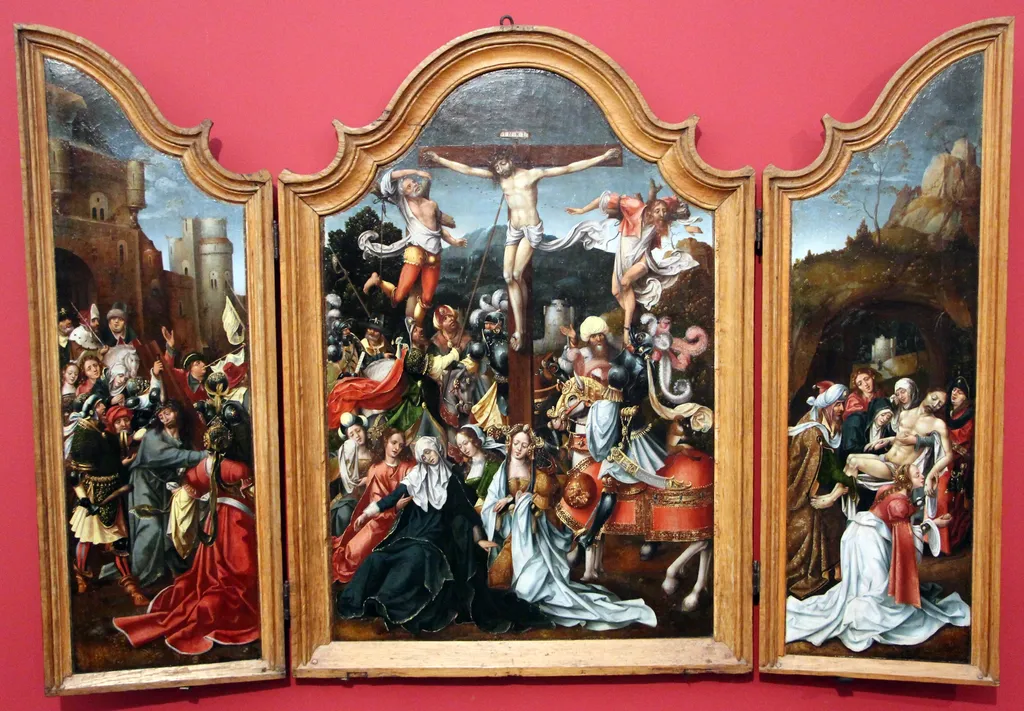
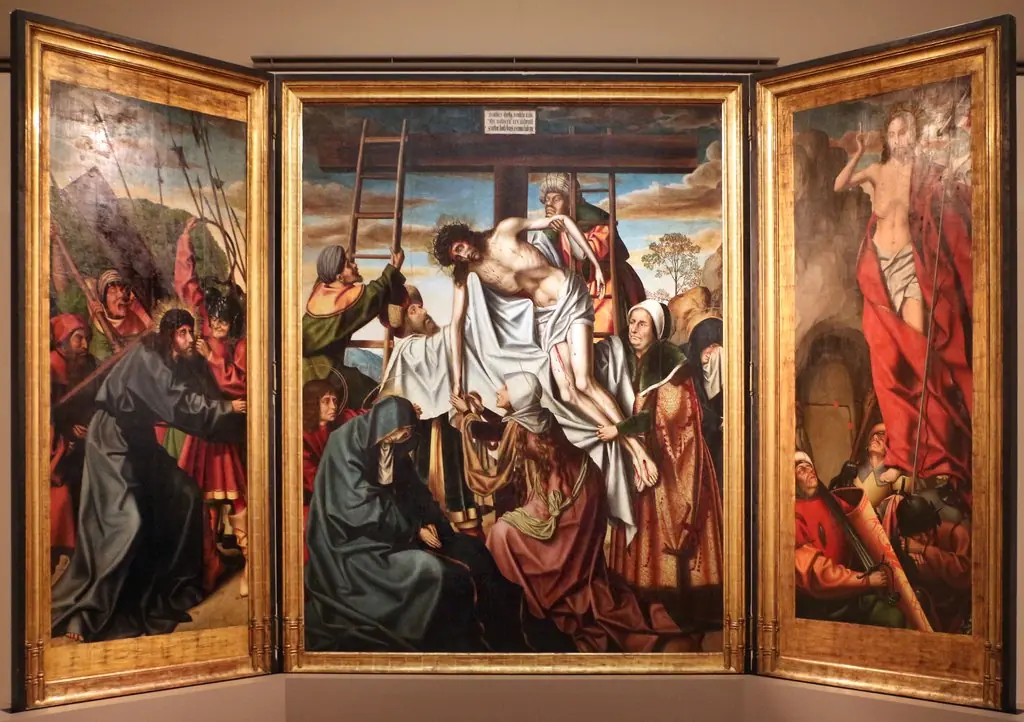
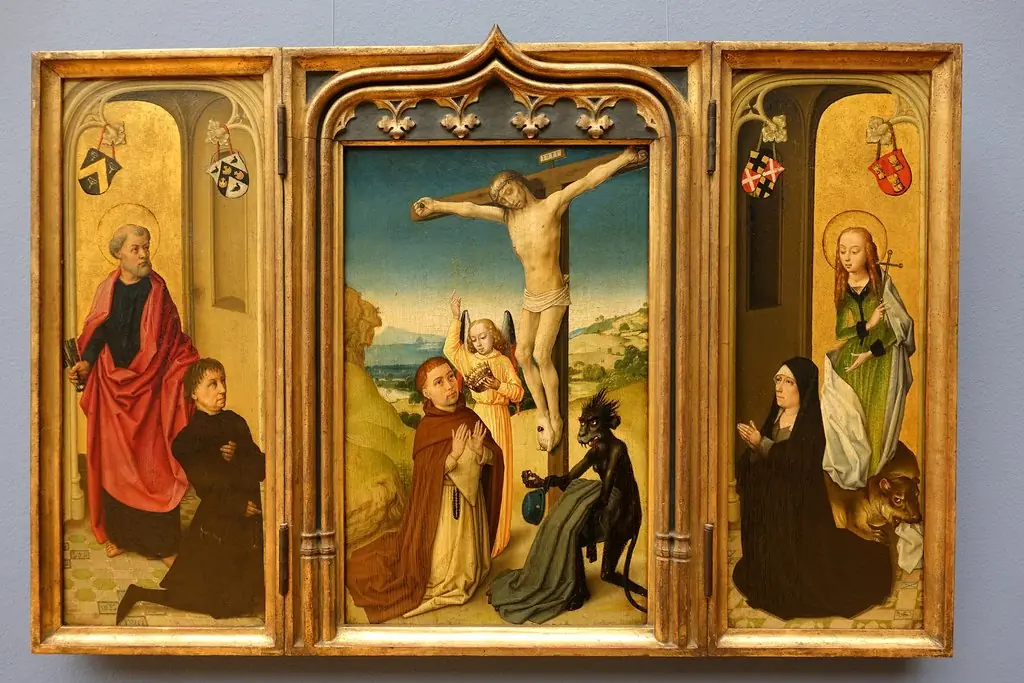
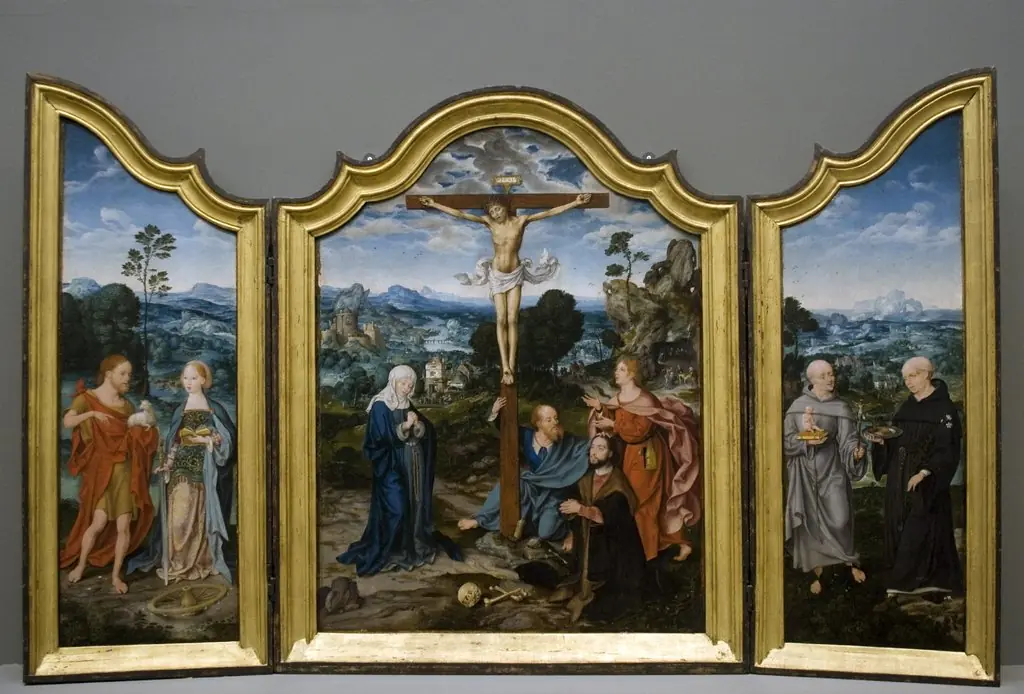
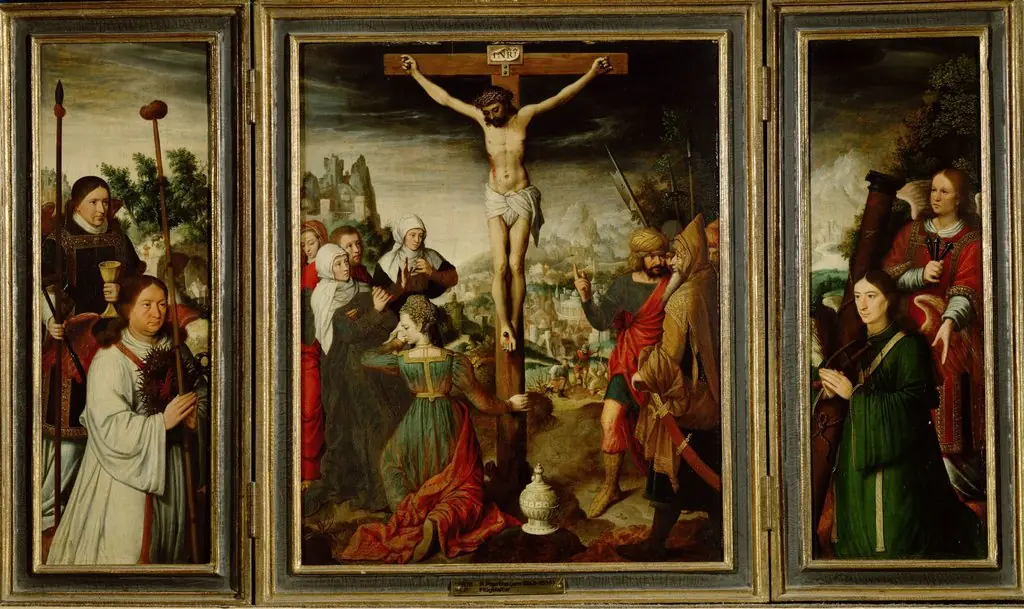
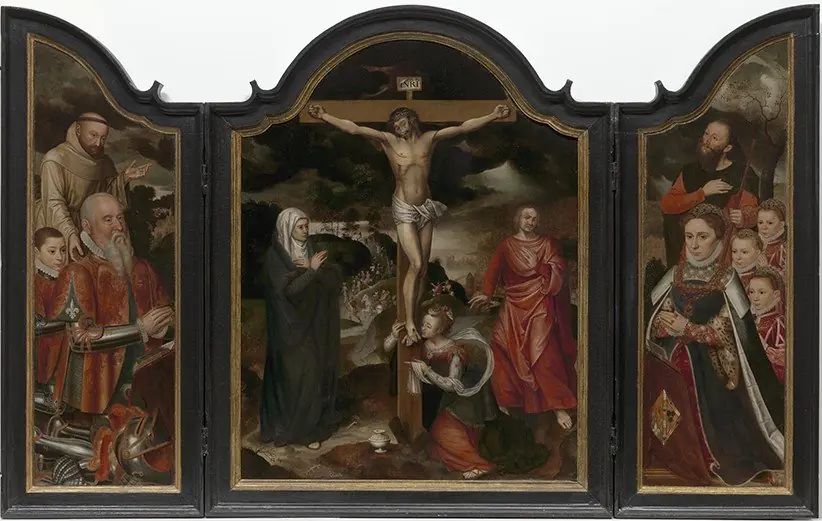
Triptych with the Crucifixion is an oil painting by the Northern Renaissance artist Jan van Dornicke. It dates from 1520 and is held in the collection of the São Paulo Museum of Art.
About this work
Overview
The work is now part of the São Paulo Museum of Art’s collection, preserved as a significant example of early 16th-century Netherlandish religious art.
Painted in 1520 by Jan van Dornicke, a South Netherlandish artist active in Antwerp, this oil-on-panel triptych centers on the Crucifixion. It reflects the devotional painting traditions of the Northern Renaissance, with a compositional structure typical of altarpieces. The work is now part of the São Paulo Museum of Art’s collection, preserved as a significant example of early 16th-century Netherlandish religious art.
Subject & Meaning
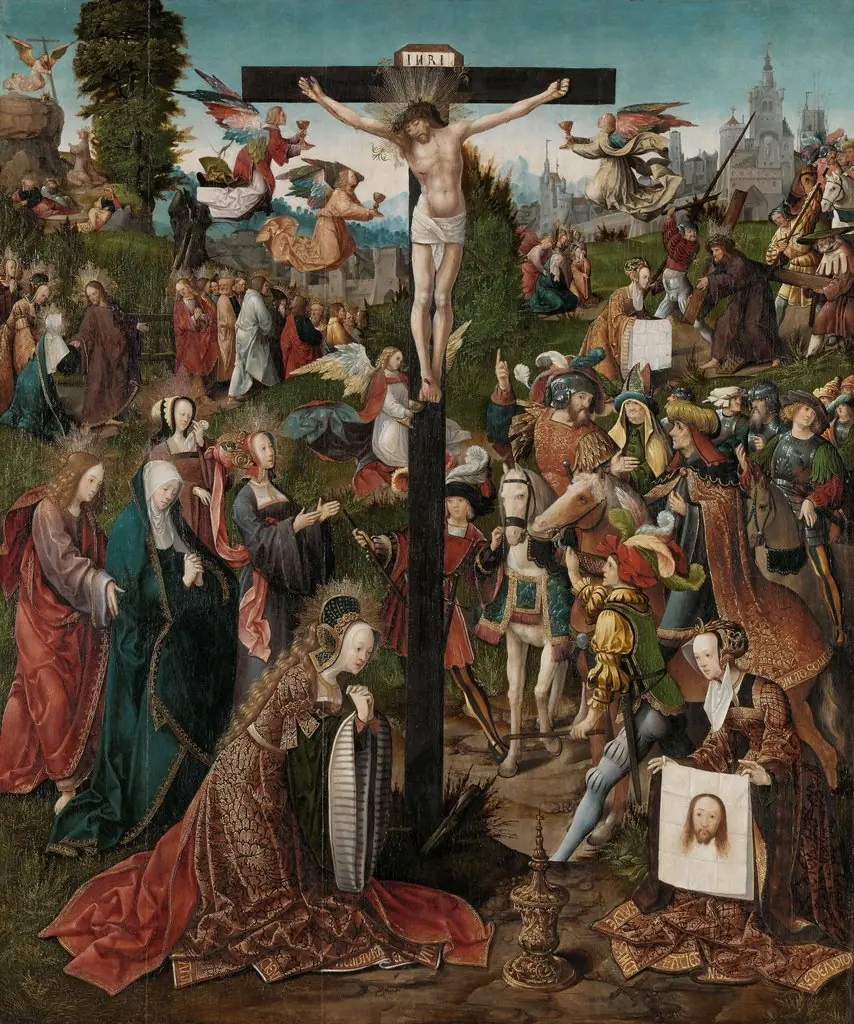
The central panel portrays Christ on the cross, flanked by the Virgin Mary and John the Evangelist, while surrounding figures express grief, awe, or indifference. The side panels extend the narrative with ancillary scenes, possibly depicting donors or biblical episodes, reinforcing the spiritual context. The composition invites contemplation of sacrifice and redemption, aligning with contemporary devotional practices that emphasized emotional engagement with sacred events.
Technique & Style
Van Dornicke employed fine brushwork to render detailed textiles, facial expressions, and architectural elements. Rich pigments—crimson, ultramarine, and gold leaf—enhance the sacred atmosphere. Chiaroscuro models forms with subtle light shifts, directing focus to Christ’s figure. The dark, atmospheric background contrasts with illuminated figures, heightening the scene’s solemnity without overt naturalism, characteristic of Antwerp Mannerist tendencies.
History & Provenance
Commissioned likely for private or ecclesiastical use, the triptych remained in the Low Countries until its later migration to Brazil. Its presence in São Paulo since the mid-20th century reflects 20th-century collecting patterns, though its earlier ownership history remains undocumented. The panels retain their original structure, suggesting minimal alteration since creation.
Context
Created during the height of Antwerp’s artistic production, the work responds to a market demanding emotionally charged religious imagery amid growing Reformation tensions. Van Dornicke’s style bridges late Gothic detail with emerging Mannerist elegance, reflecting the city’s role as a hub for both traditional devotion and evolving artistic experimentation in early 16th-century Europe.
Legacy
Though not widely known today, the triptych exemplifies the craftsmanship and spiritual intent of minor Netherlandish masters who sustained devotional art beyond the fame of figures like Bruegel or Bosch. Its survival and preservation offer insight into the reach of Antwerp’s workshop culture and the enduring function of triptychs in private piety across centuries.
Artist & collection
Artist
Jan van Dornicke was a South Netherlandish painter who was born in Doornik (nowadays also known as Tournai) in about 1470 and died about 1527.