Artwork
Baldwin I of Constantinople
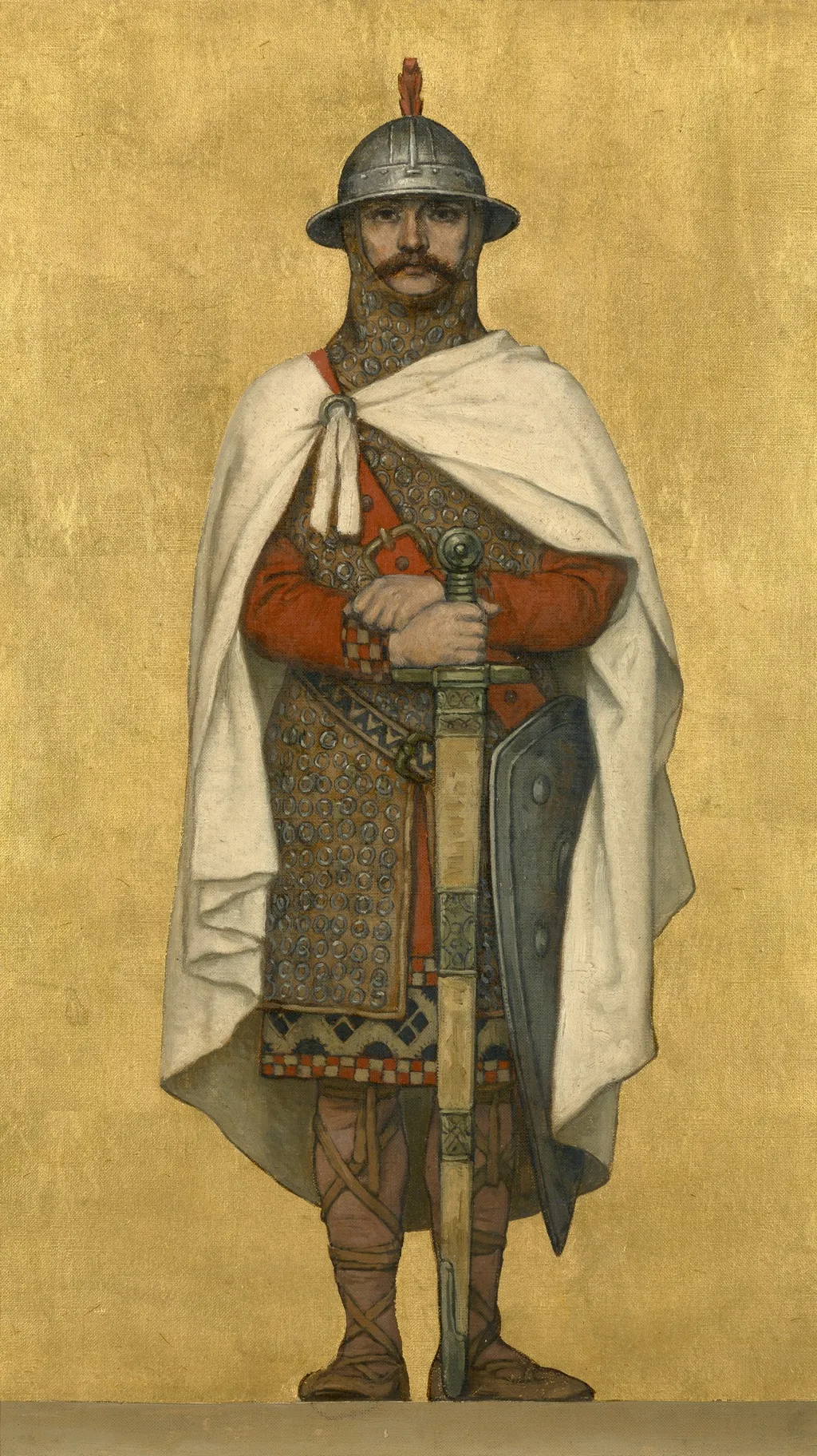
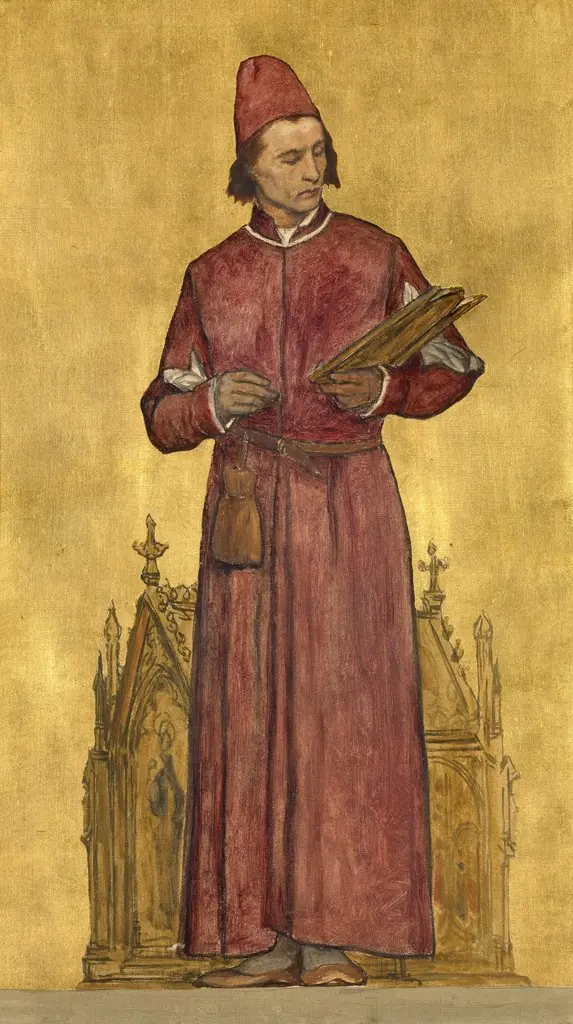
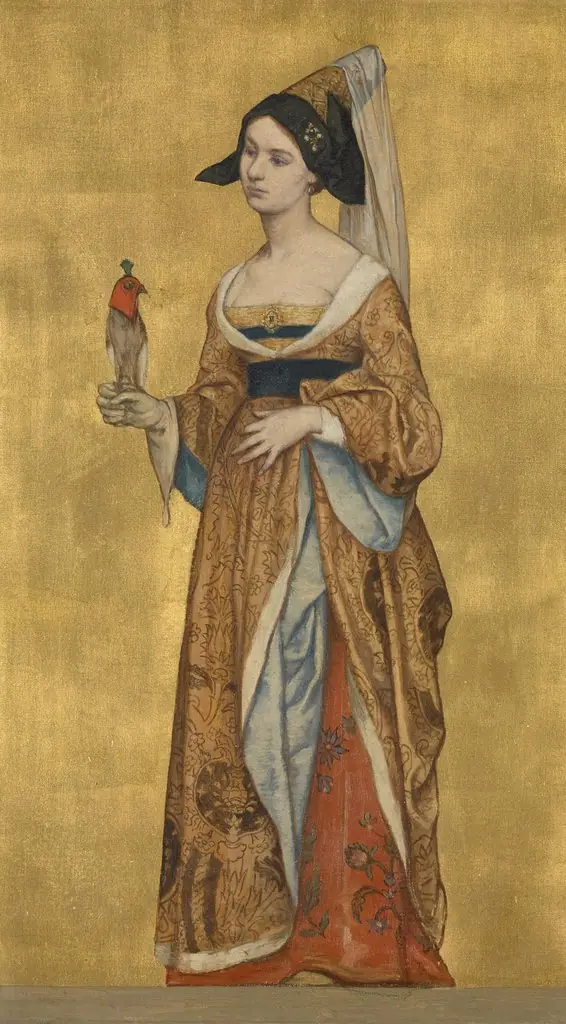
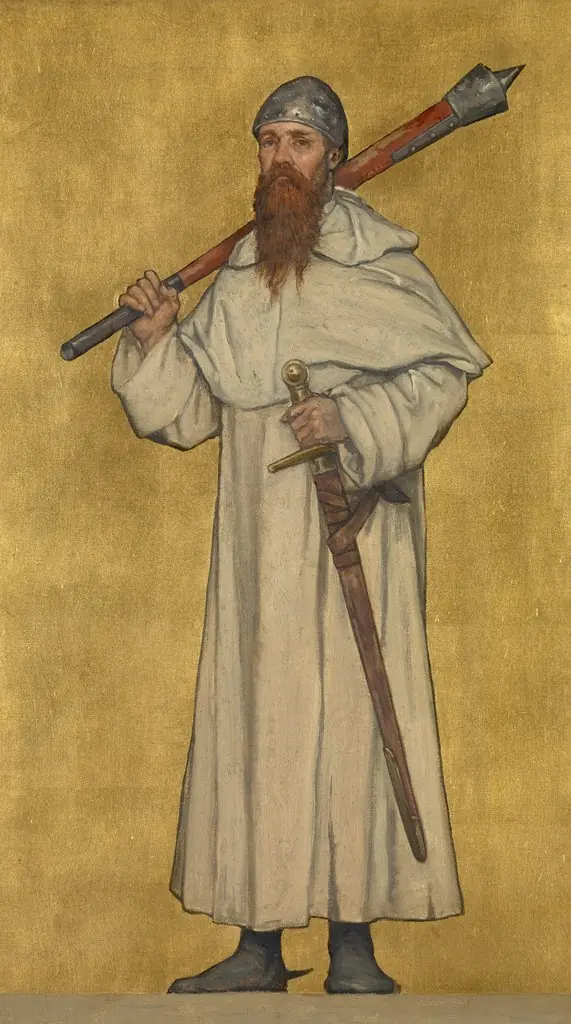
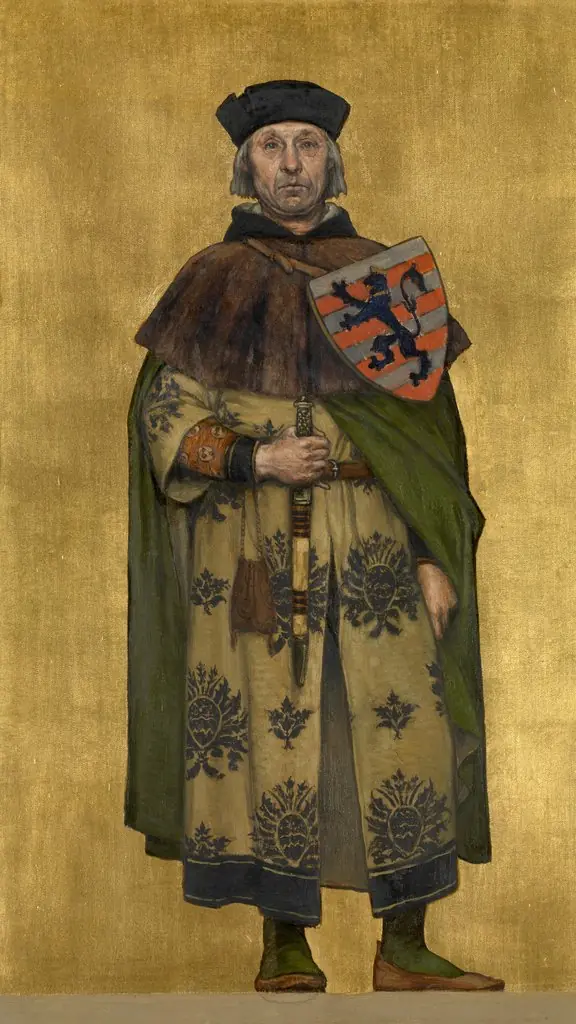
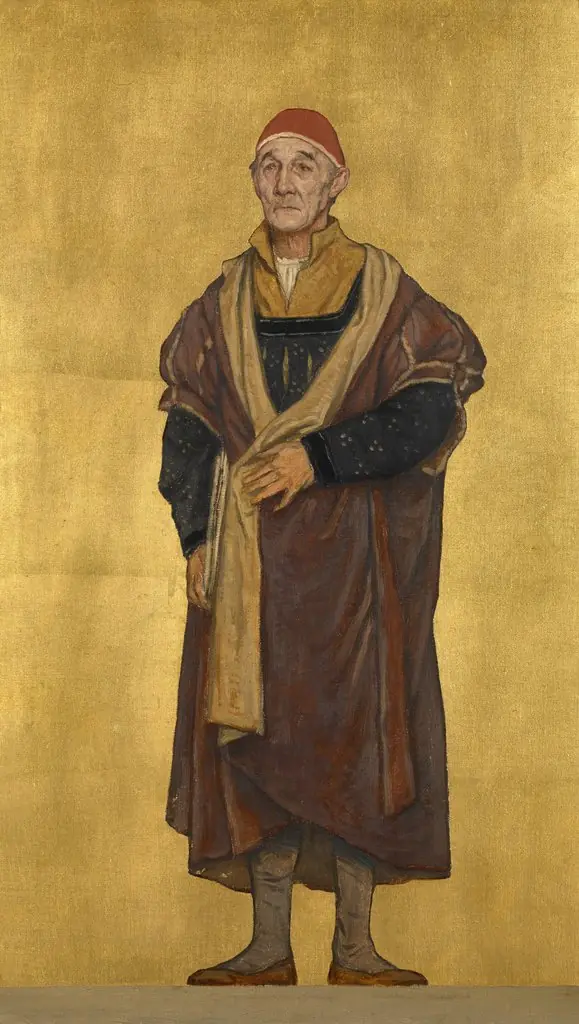
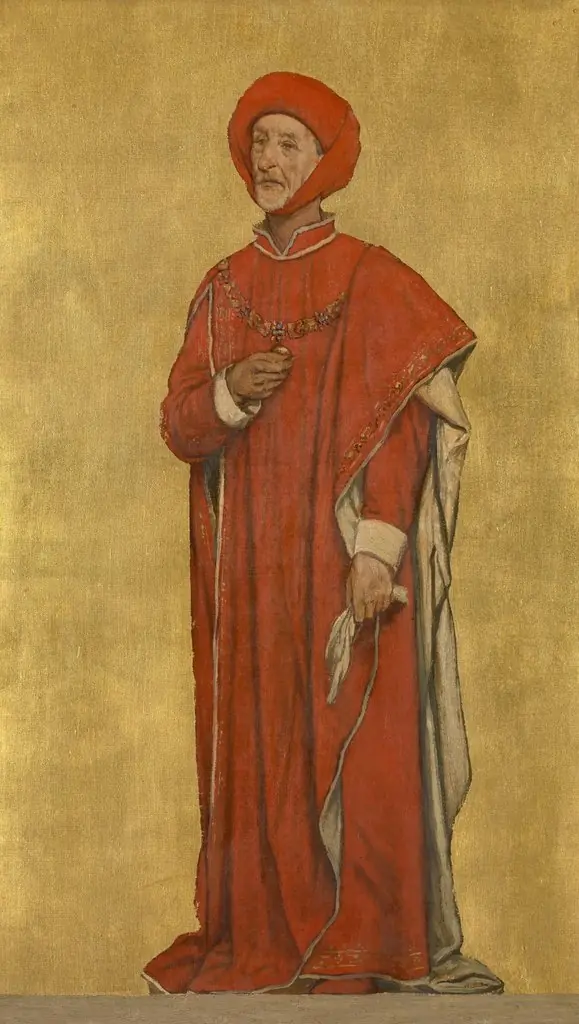
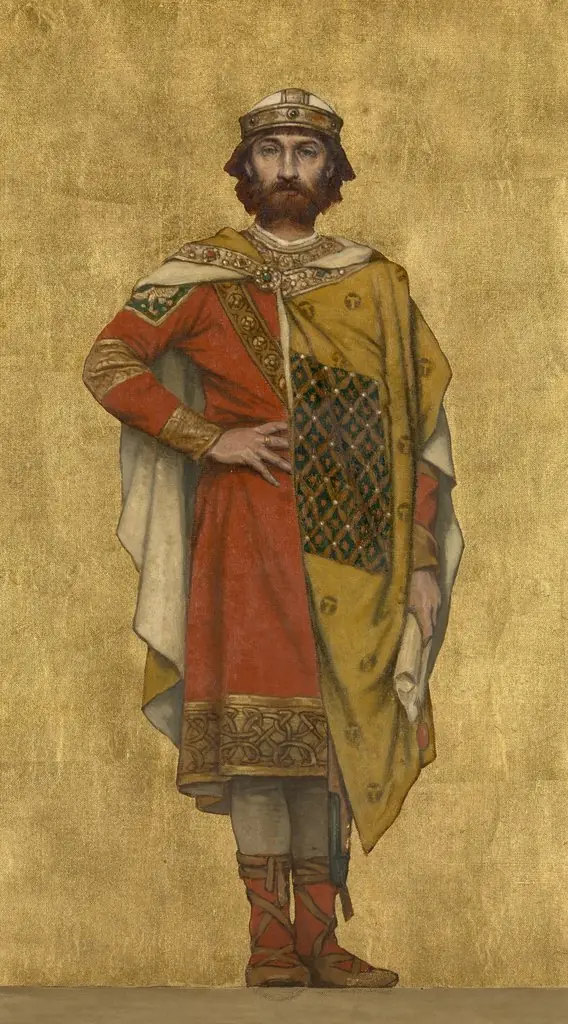
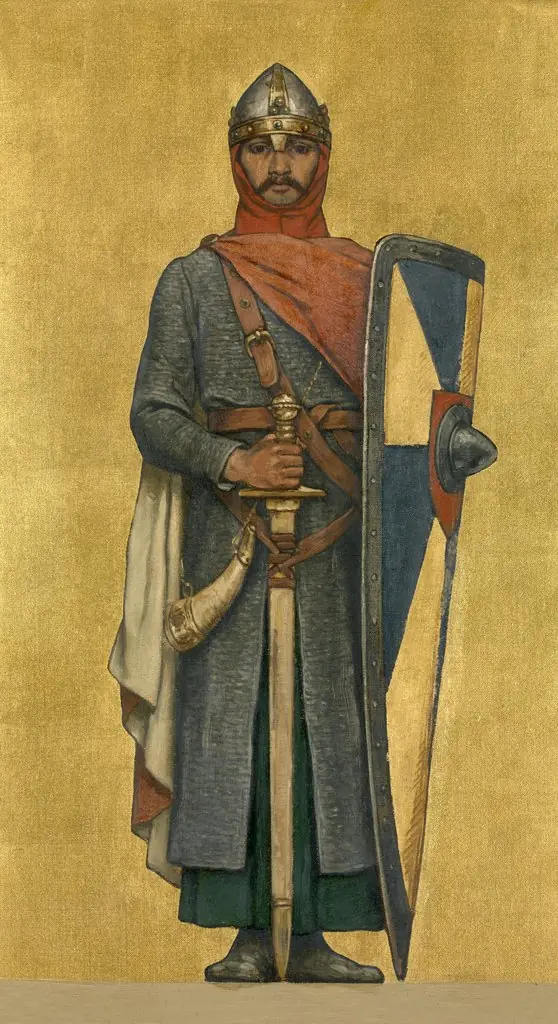
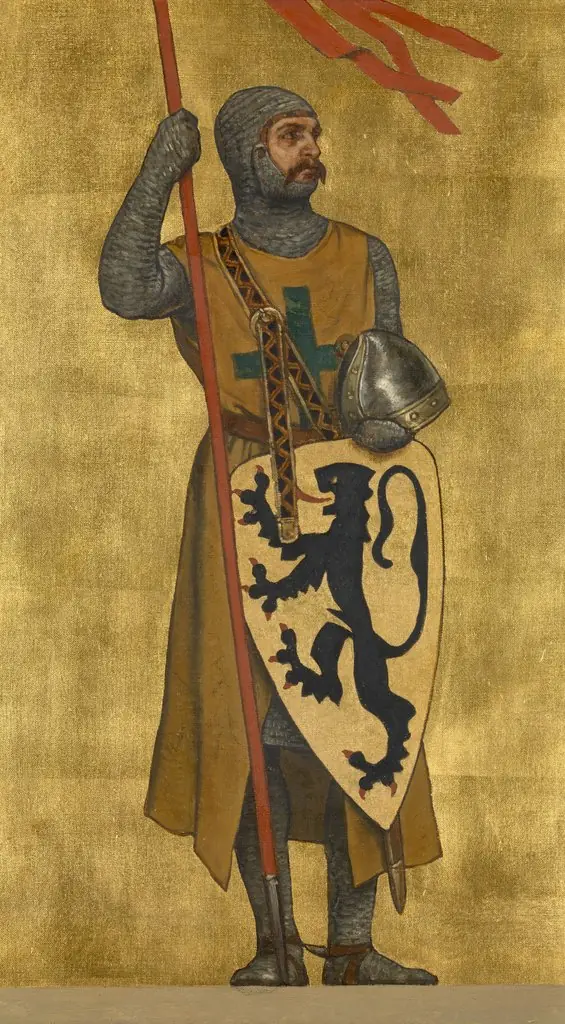
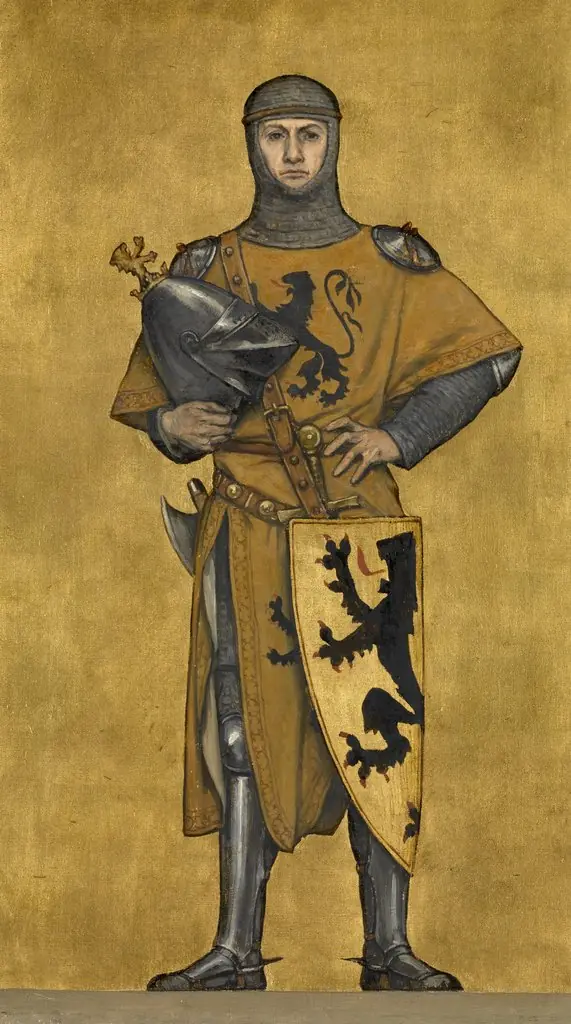
Baldwin I of Constantinople is an oil painting by the Post-Impressionist artist Albrecht De Vriendt. It dates from 1895 and is held in the collection of the Royal Museum of Fine Arts Antwerp.
About this work
Overview
It resides in the Royal Museum of Fine Arts Antwerp, part of a broader Belgian tradition of reviving medieval themes through academic painting.
Albrecht De Vriendt’s 1895 oil painting portrays Baldwin I, the first Latin Emperor of Constantinople, as a solemn, armored figure. Executed in the late 19th century, the work reflects De Vriendt’s engagement with historical narrative and national identity. It resides in the Royal Museum of Fine Arts Antwerp, part of a broader Belgian tradition of reviving medieval themes through academic painting. The composition emphasizes dignity and gravitas, aligning with the artist’s interest in monumental historical subjects.
Subject & Meaning
Baldwin I, elected emperor after the Fourth Crusade’s capture of Constantinople in 1204, symbolized the fragile fusion of Western Latin authority and Byzantine legacy. De Vriendt presents him not in battle but in stillness—clad in ceremonial armor, sword held loosely, hands clasped—as if embodying the weight of imperial responsibility. The portrait avoids glorification, instead suggesting the isolation and burden of a ruler in a contested realm, reflecting 19th-century historical introspection.
Technique & Style
De Vriendt employed precise brushwork and layered pigments to render textures of fabric, metal, and feather with clarity. The palette contrasts rich reds and whites against a muted yellow background, drawing focus to the figure without theatrical lighting. While rooted in academic realism, the painting’s flattened space and deliberate stillness hint at post-impressionist tendencies, prioritizing symbolic presence over naturalistic depth or movement.
History & Provenance
Commissioned or acquired by the Royal Museum of Fine Arts Antwerp shortly after its completion in 1895, the painting entered the museum’s collection as part of its effort to document Belgian contributions to historical art. De Vriendt, a prominent Antwerp-based artist, was known for his scholarly approach to subject matter. The work remained in the museum’s holdings without significant public exhibition until the late 20th century, when renewed interest in medievalism in art led to its reevaluation.
Context
In late 19th-century Belgium, historical painting served as a vehicle for national self-definition amid political and cultural shifts. De Vriendt’s depiction of Baldwin I aligns with a broader trend of reviving medieval figures to explore themes of legitimacy, authority, and cultural hybridity. The painting responds to both academic traditions and emerging interest in the Crusades as complex historical events, rather than simple tales of heroism.
Legacy
Though not widely reproduced, the painting remains a representative example of Belgian academic historicism at its most restrained. De Vriendt’s focus on psychological presence over dramatic action influenced later generations of regional historians in art. The work continues to be referenced in studies of medievalism in 19th-century European painting, particularly for its quiet, unromanticized portrayal of power.
Artist & collection
Artist
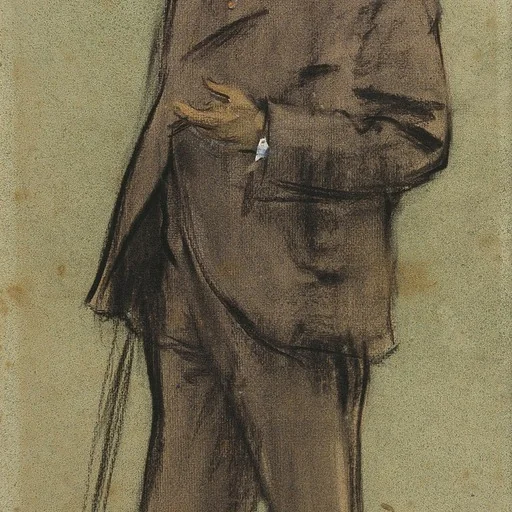
Albrecht Frans Lieven De Vriendt or Albrecht De Vriendt (In French-language publications referred to as Albert De Vriendt or Albert François Lieven De Vriendt) (Ghent, 8 December 1843 – Antwerp, 14 October 1900) was a…