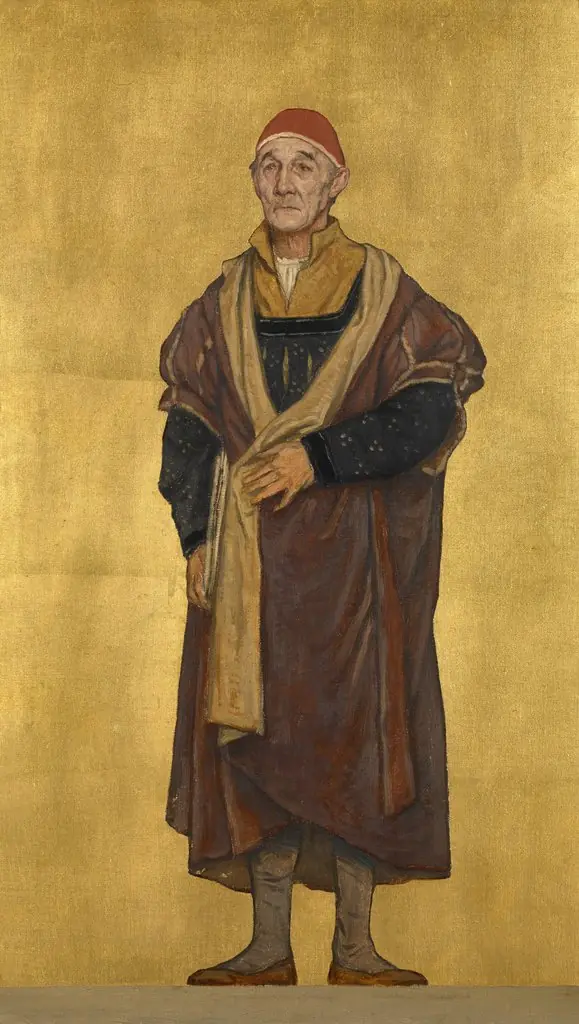
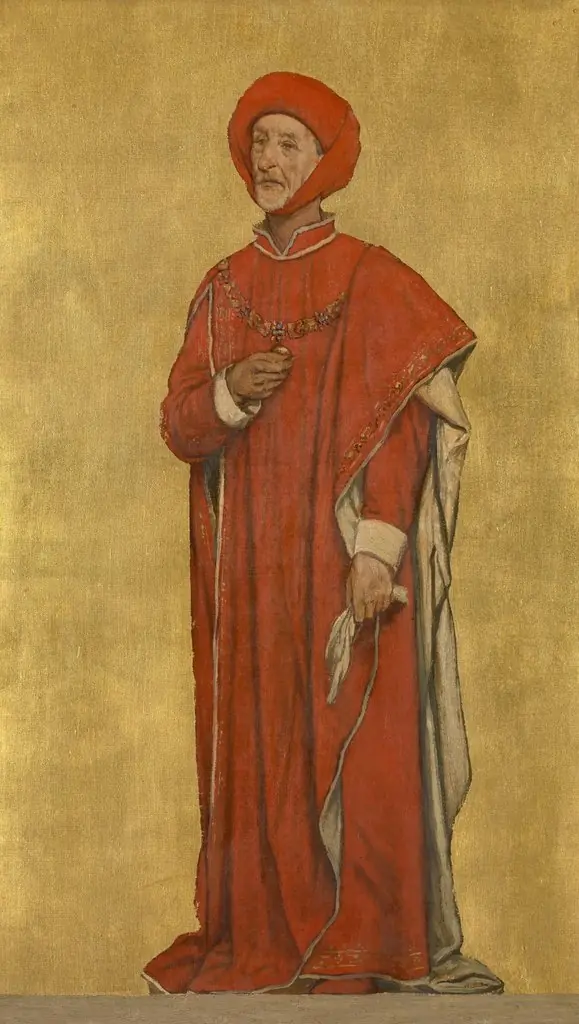
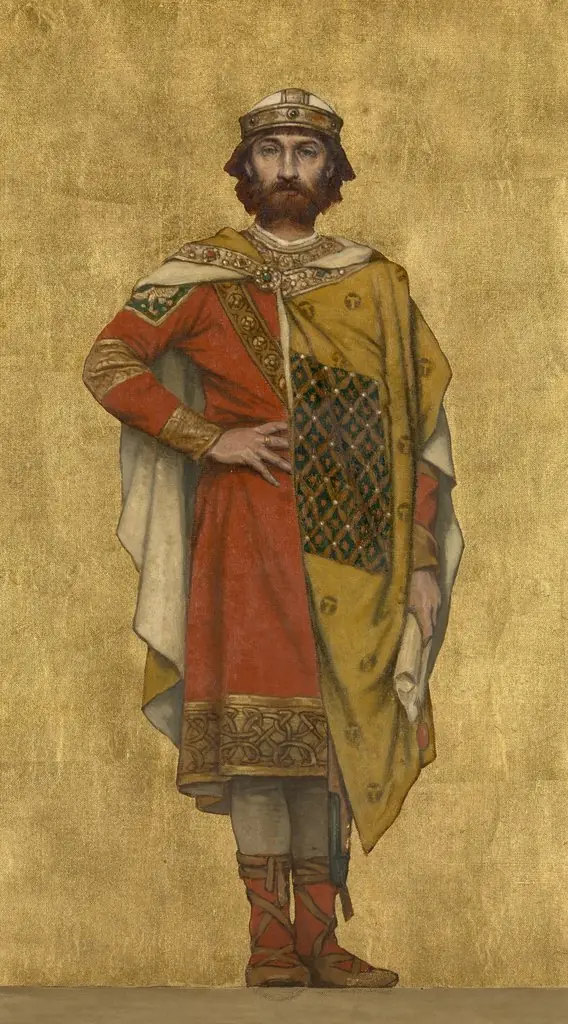
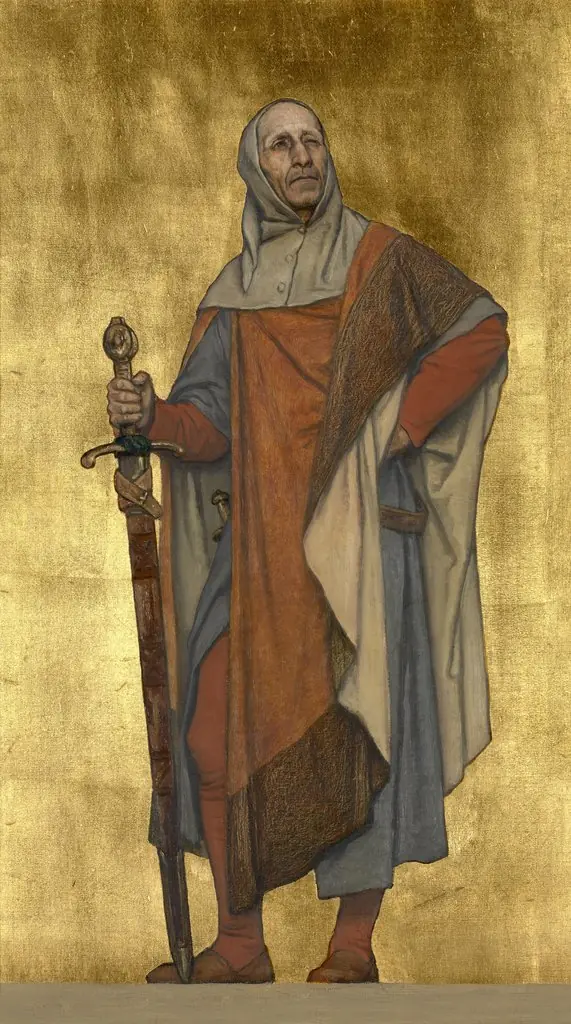
Artwork
Baldwin VII of Flanders
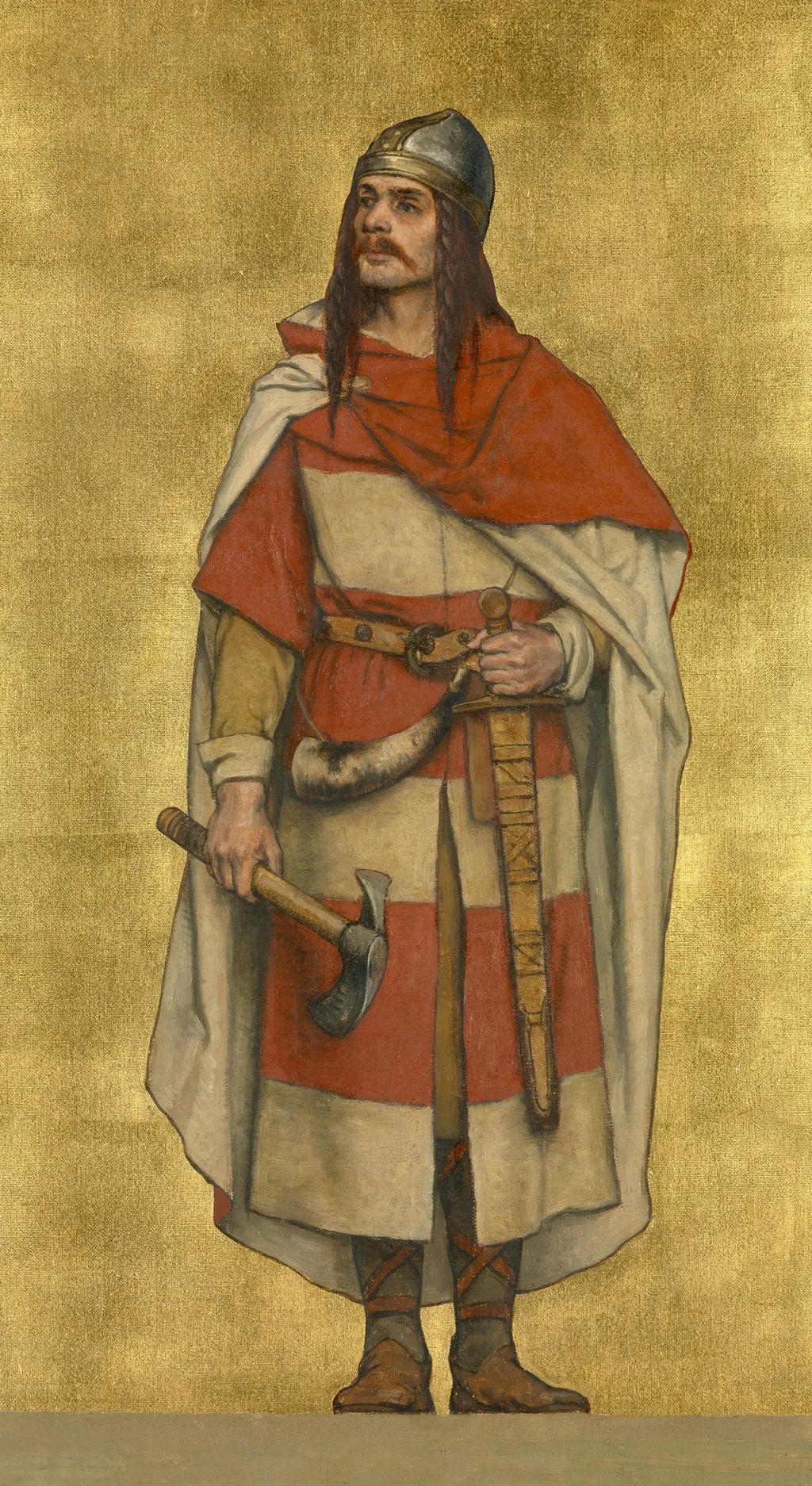
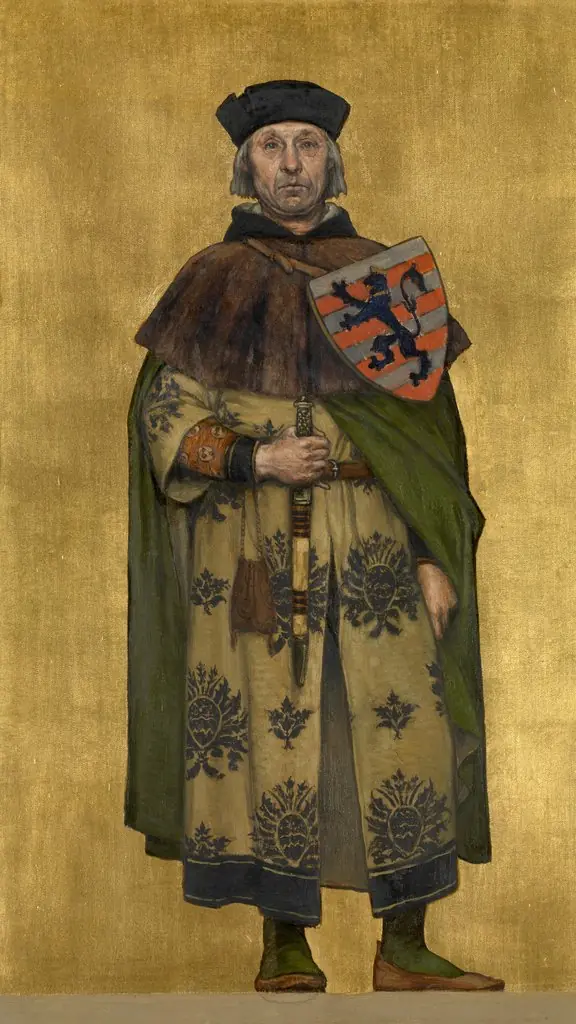
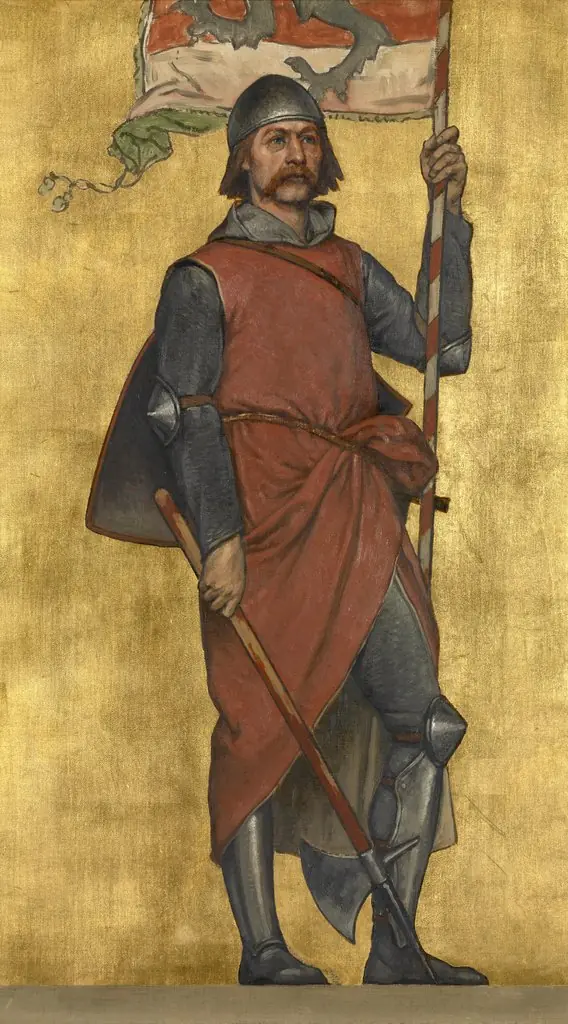
Baldwin VII of Flanders is an oil painting by the Post-Impressionist artist Albrecht De Vriendt. It dates from 1895 and is held in the collection of the Royal Museum of Fine Arts Antwerp.
About this work
Overview
It resides in the Royal Museum of Fine Arts Antwerp, part of a broader effort to visually anchor regional identity through past leadership.
Painted in 1895 by Belgian artist Albrecht De Vriendt, this oil work portrays Baldwin VII, Count of Flanders, as a martial figure. Executed in a detailed, historically informed style, the painting reflects De Vriendt’s engagement with national heritage and 19th-century Belgian historical painting traditions. It resides in the Royal Museum of Fine Arts Antwerp, part of a broader effort to visually anchor regional identity through past leadership.
Subject & Meaning
Baldwin VII, who ruled Flanders in the early 12th century, is depicted not in a specific moment of history but as an archetypal warrior-leader. His armor, weapons, and regal bearing evoke authority and martial duty. The composition avoids narrative specificity, instead emphasizing symbolic presence—suggesting the enduring legacy of Flemish nobility rather than recounting a documented event.
Technique & Style
De Vriendt employed precise brushwork and layered oil pigments to render textures of fabric, metal, and skin with clarity. The warm golden background isolates the figure, enhancing its monumentality. While influenced by Romantic historicism, the painting avoids theatricality, favoring restrained realism and careful attention to period-appropriate details in costume and weaponry.
History & Provenance
Commissioned or acquired by the Royal Museum of Fine Arts Antwerp shortly after its completion, the painting entered the institution’s collection as part of its commitment to preserving Belgian historical art. De Vriendt, a respected academic painter and writer, was active in cultural circles that valued historical continuity, making this work a deliberate contribution to national memory.
Context
In late 19th-century Belgium, artists like De Vriendt sought to reinforce regional identity through depictions of medieval figures. This period saw a revival of interest in Flemish history amid rising nationalism. The painting aligns with broader European trends of historicist art, where the past was invoked to legitimize contemporary cultural and political values.
Legacy
Though not widely exhibited beyond Belgium, the painting remains a representative example of academic historical painting in the late 19th century. It reflects De Vriendt’s role in sustaining a tradition that prioritized moral and civic ideals through visual storytelling, influencing later generations of Belgian artists engaged with national heritage.
Artist & collection
Artist
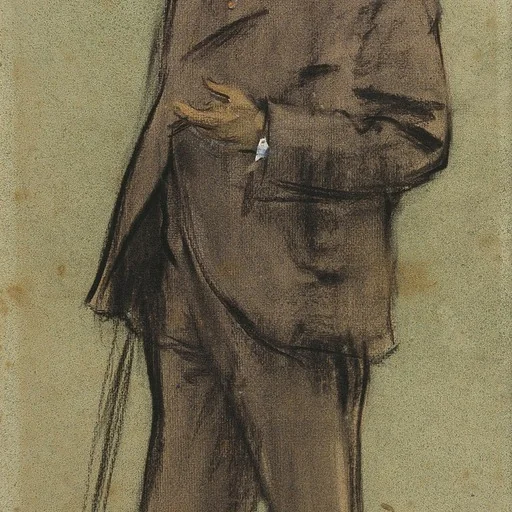
Albrecht Frans Lieven De Vriendt or Albrecht De Vriendt (In French-language publications referred to as Albert De Vriendt or Albert François Lieven De Vriendt) (Ghent, 8 December 1843 – Antwerp, 14 October 1900) was a…