Artwork
San Clemente Papa
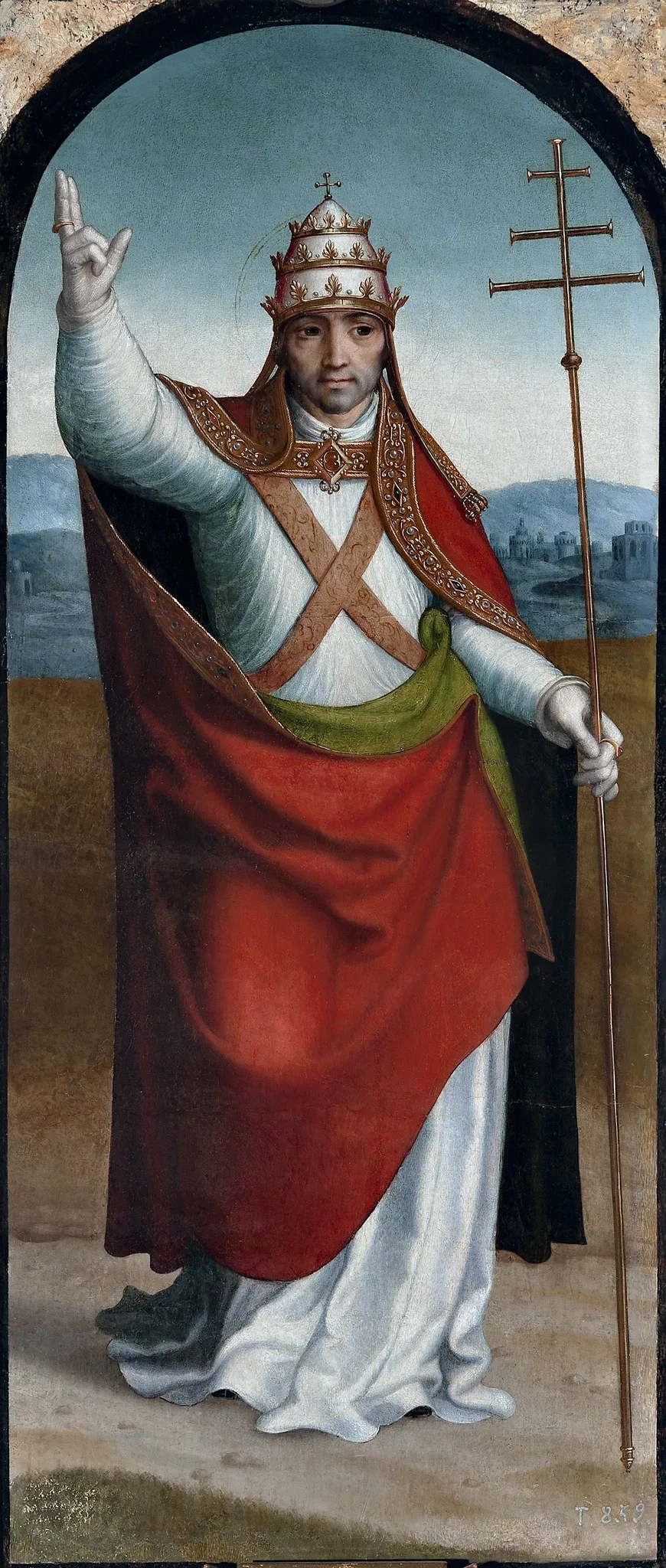
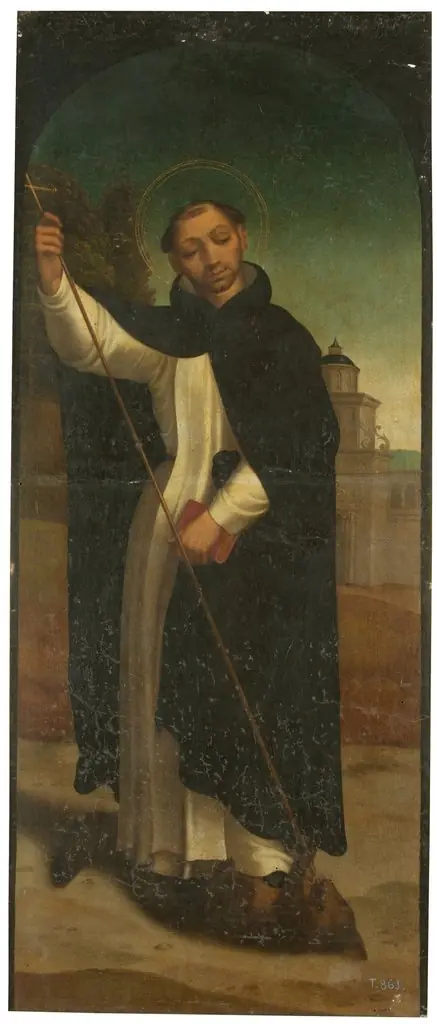
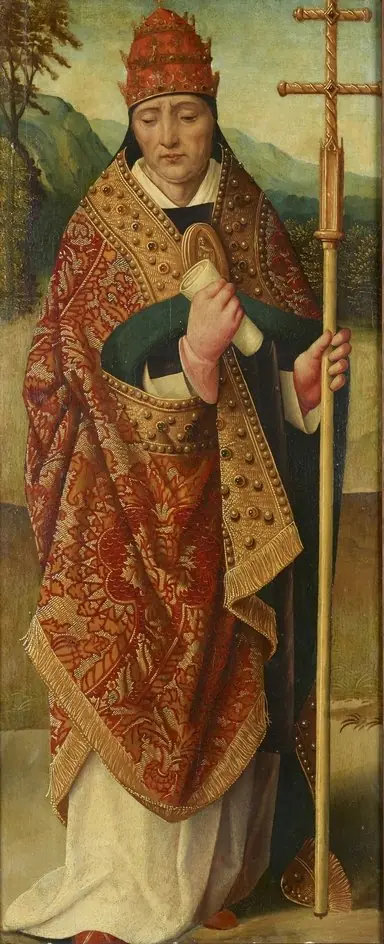
San Clemente Papa is an oil painting by the Mannerist artist Juan Correa de Vivar. It dates from 1540 and is held in the collection of the Museo del Prado.
About this work
Overview
Its composition centers on a solemn, standing pope, rendered with attention to texture and spatial depth through controlled lighting.
Painted in 1540 by Juan Correa de Vivar, San Clemente Papa is an oil-on-canvas work depicting a papal figure in ceremonial attire. The painting resides in the Museo del Prado in Madrid. Its composition centers on a solemn, standing pope, rendered with attention to texture and spatial depth through controlled lighting. The scene is minimal, with no narrative context beyond the figure and a hazy horizon.
Subject & Meaning
The figure represents Pope Clement I, an early Christian leader traditionally venerated as a martyr. His raised left hand and upward gaze suggest divine authority or intercession, while the golden cross in his right hand reinforces his ecclesiastical role. The white and red vestments align with papal iconography of the period, emphasizing spiritual dignity rather than historical specificity.
Technique & Style
Correa de Vivar employs chiaroscuro to model the folds of the papal robes, creating a sense of volume through subtle gradations of light and shadow, particularly along the chest and sleeves. The palette is restrained yet vivid—crimson, ivory, and muted green—balanced to avoid visual clutter. The background’s hazy cityscape and clouded sky recede softly, directing focus to the figure’s solid presence.
History & Provenance
The painting entered the collection of the Museo del Prado in the early 19th century, likely transferred from a Spanish royal or ecclesiastical collection. Its attribution to Correa de Vivar is supported by stylistic parallels with his other religious works from the 1540s. No documented commission or original location is known, but its scale and detail suggest it was intended for private devotion or a chapel setting.
Context
Created during the height of the Counter-Reformation, the image reflects the Catholic Church’s emphasis on papal authority and visual piety. While Spanish art of the period often favored dramatic narratives, this portrait’s stillness and symbolic clarity align with devotional ideals promoted by the Council of Trent, prioritizing clarity and reverence over theatricality.
Legacy
San Clemente Papa remains a representative example of mid-16th-century Spanish religious portraiture. Though not widely reproduced, it illustrates how artists like Correa de Vivar adapted Italian Renaissance techniques to local devotional needs. Its quiet authority contrasts with later Baroque intensity, offering insight into the evolution of ecclesiastical imagery in Spain.
Artist & collection

 A papal Saint
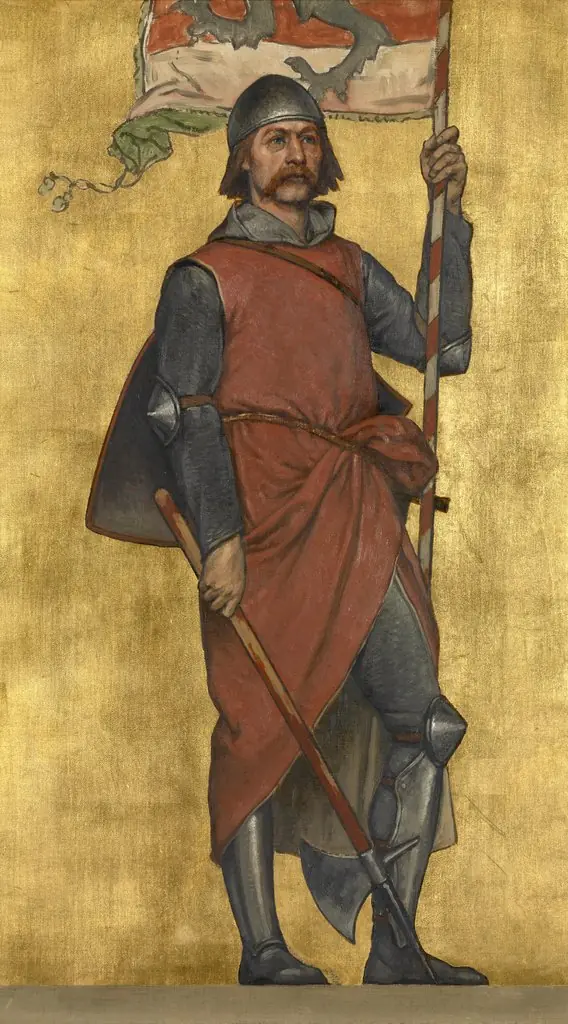 Jan Breydel
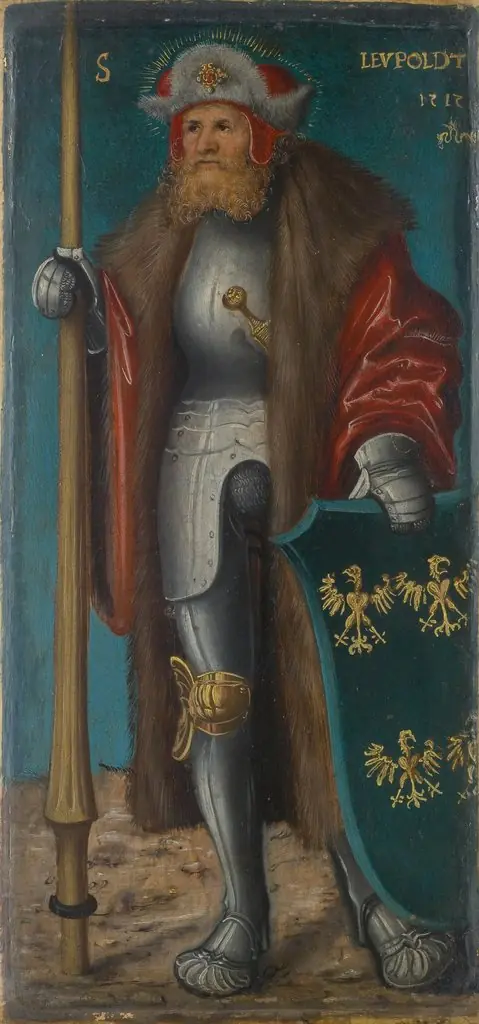 Leopold III, Margrave of Austria
 St Victor of Siena
 Dean of the Armed Guild of Saint George
 Philip the Fair
 Dean of the Armed Guild of Saint George
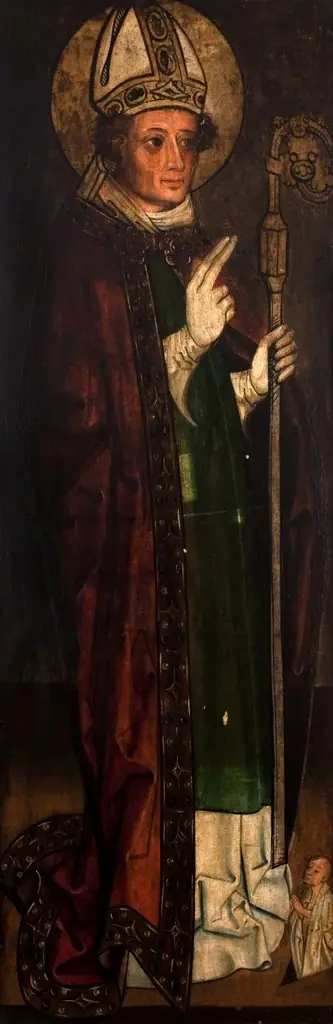 St Stanislaus (obverse); Archangel Gabriel from the Scene of the Annunciation (reverse). Wing of the altar retable from Snoza
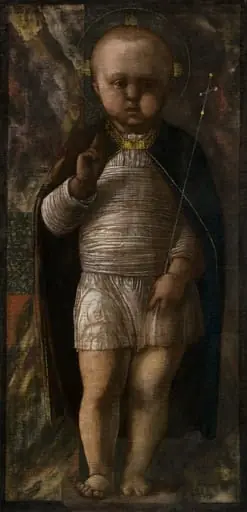 The Infant Savior
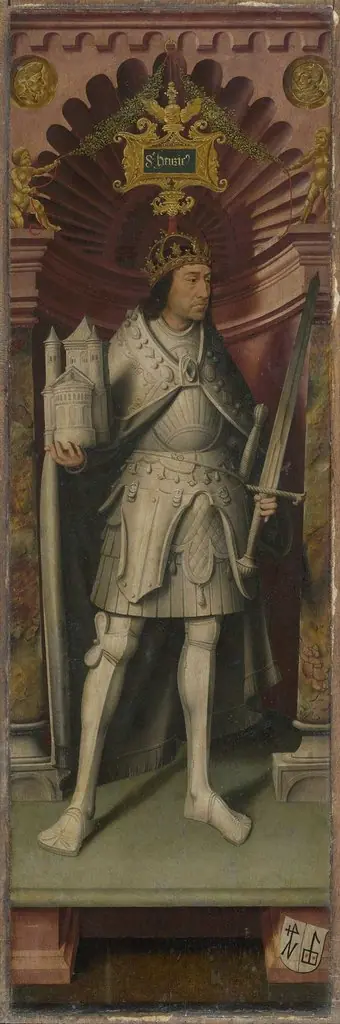 Kreuzigungsaltar: Kaiser Heinrich II. der Heilige
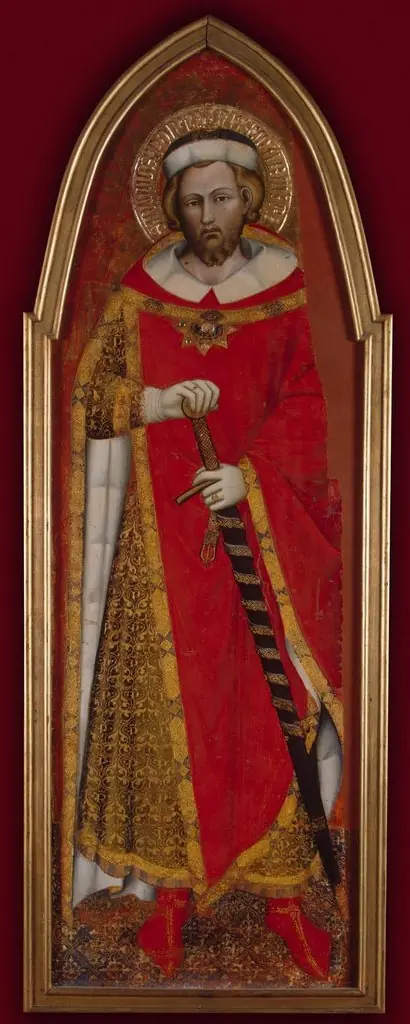 St Pontianus (wing of a polyptych)
 Baldwin I of Constantinople