Artwork
Mount Giewont
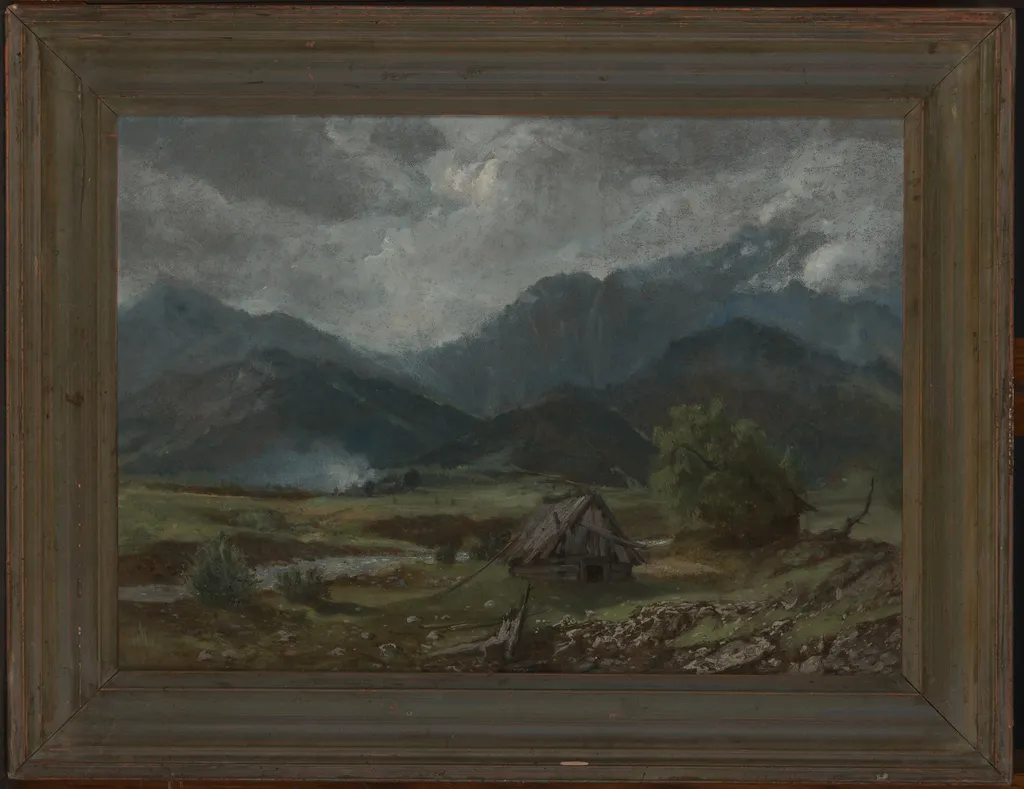
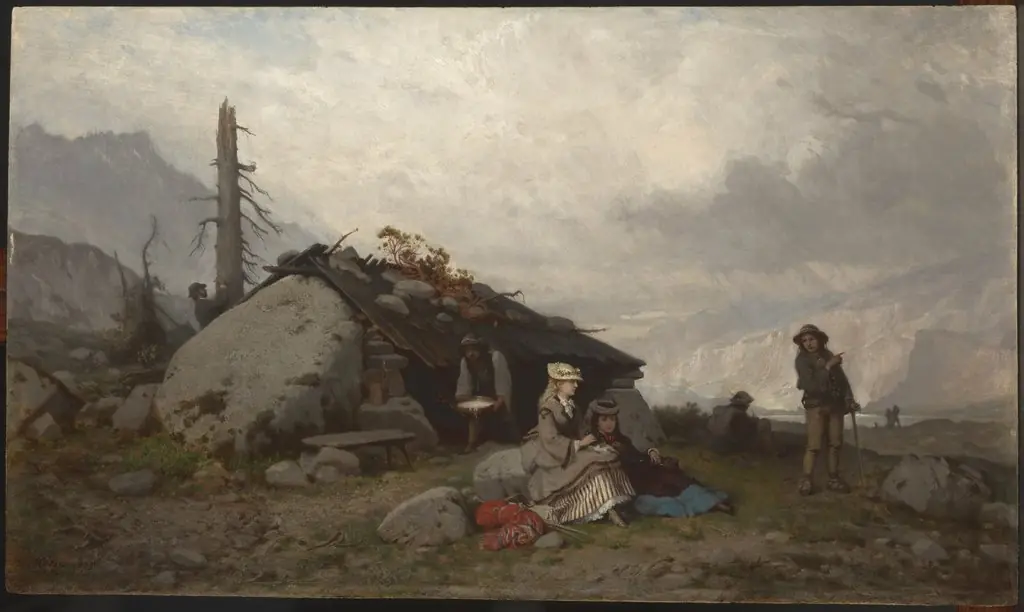
Mount Giewont is an oil painting by Aleksander Kotsis. It dates from 1870 and is held in the collection of the National Museum in Kraków.
About this work
Overview
Painted in 1870 by Aleksander Kotsis, *Mount Giewont* is an oil-on-canvas landscape depicting a rugged peak in the Tatra Mountains. Kotsis, a Kraków-born artist, favored intimate scales and observed nature with quiet precision. The work belongs to the National Museum in Kraków’s collection, reflecting his lifelong engagement with Polish terrain and rural life through modestly sized compositions.
Subject & Meaning
The painting presents Giewont, a prominent peak in southern Poland, framed by a solitary hut in the foreground and distant fields.
The painting presents Giewont, a prominent peak in southern Poland, framed by a solitary hut in the foreground and distant fields. The absence of human figures emphasizes solitude and the enduring presence of the land. The subdued palette and overcast sky suggest contemplation rather than grandeur, aligning the scene with a quiet, introspective view of nature that resonates with 19th-century Polish Romantic sensibilities.
Technique & Style
Kotsis employed a restrained palette of grays, browns, and muted greens to convey atmospheric depth. Subtle contrasts of light and shadow, reminiscent of chiaroscuro, model the mountain’s form without dramatic emphasis. Brushwork is deliberate but unobtrusive, favoring texture over flourish. The composition’s balance between foreground detail and hazy distance reflects a Realist commitment to observed truth, softened by Romantic mood.
History & Provenance
Created in 1870, the painting remained within Polish collections after Kotsis’s death in Kraków in 1877. It entered the National Museum in Kraków’s holdings in the late 19th or early 20th century, likely through acquisition or donation. Its preservation reflects institutional recognition of Kotsis’s role in documenting regional landscapes during a period of national cultural consolidation under foreign partitions.
Context
In the decades following the failed 1863 uprising, Polish artists turned to native landscapes as symbols of enduring identity. Kotsis’s focus on unidealized terrain, like Giewont, offered a quiet alternative to heroic narratives. His small-scale works contrasted with grand academic history painting, instead valuing intimate, personal encounters with the land — a trend shared by other Polish Realists of the era.
Legacy
Though not widely exhibited beyond Poland, *Mount Giewont* exemplifies Kotsis’s contribution to a national visual language rooted in observation rather than myth. His approach influenced later generations of Polish landscape painters who sought authenticity in everyday natural forms. The painting endures as a quiet testament to the emotional weight assigned to homeland during a time of political fragmentation.
Artist & collection
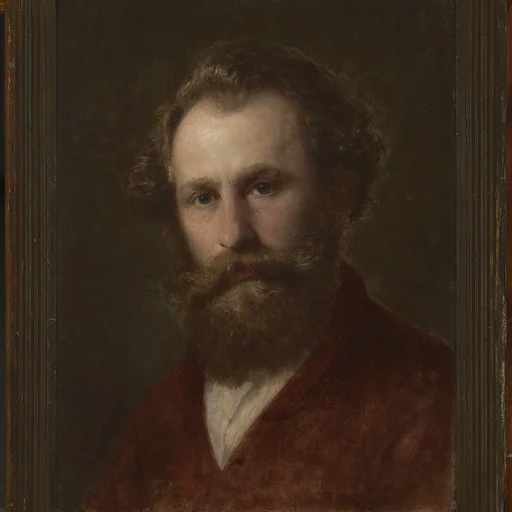
Artist
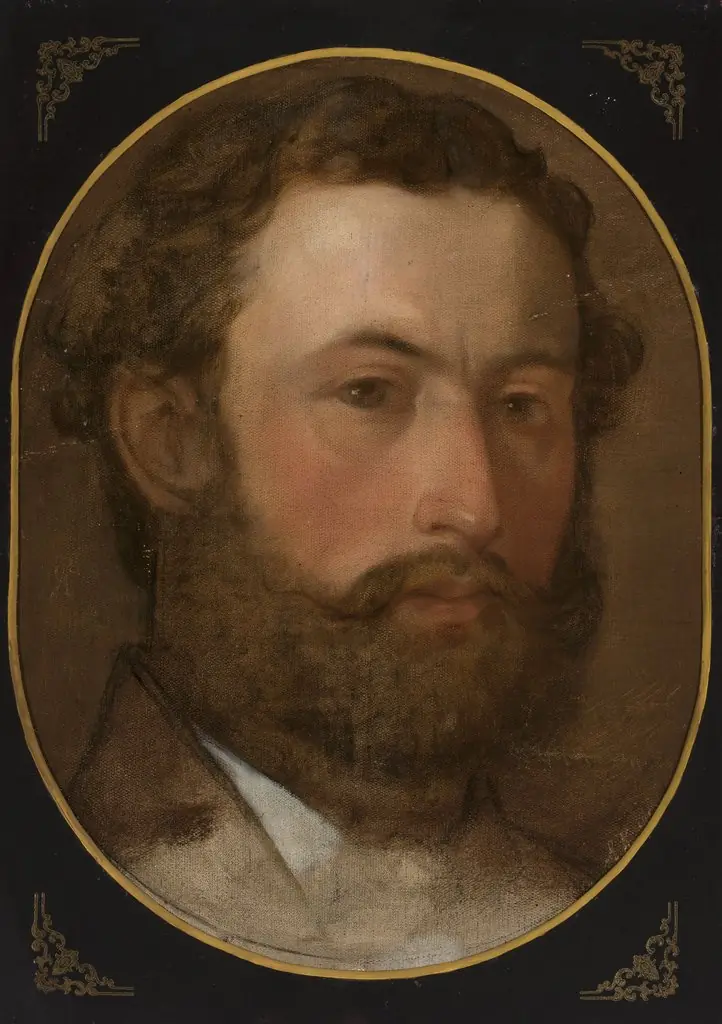
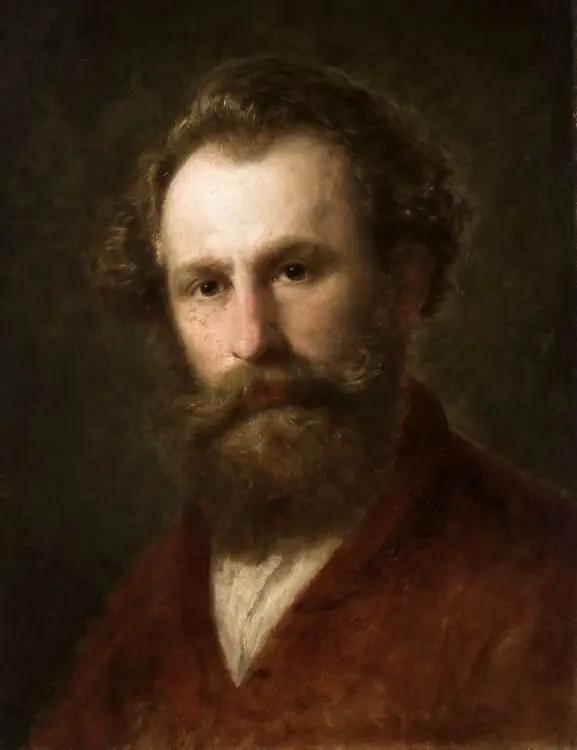
Aleksander Kotsis (30 May 1836 – 7 August 1877) was a Polish painter. He created landscapes, portraits, and genre scenes in a combination Romantic and Realistic style. Most of his paintings are small. He was born and died in Kraków.

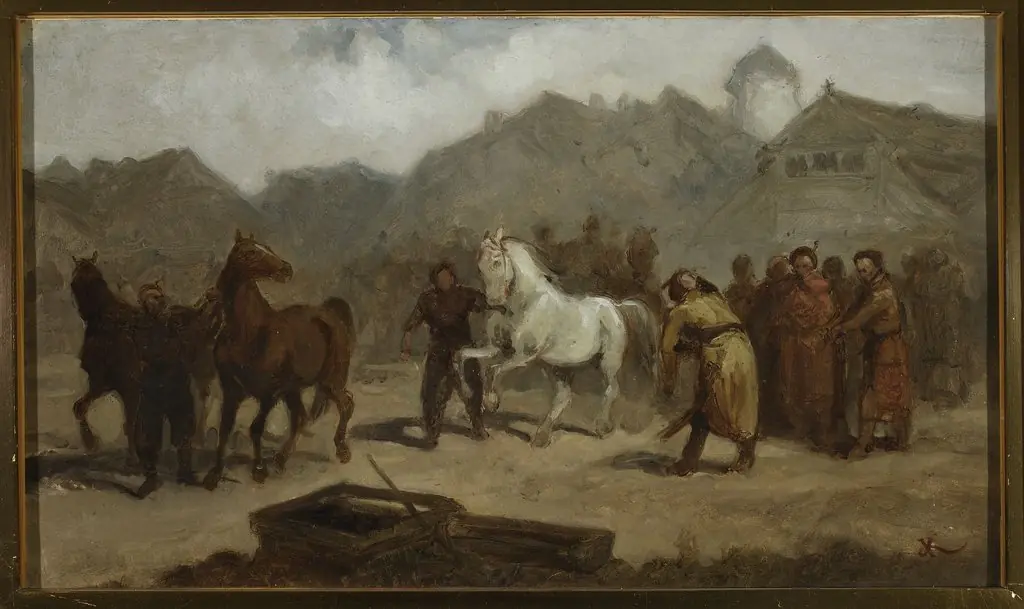
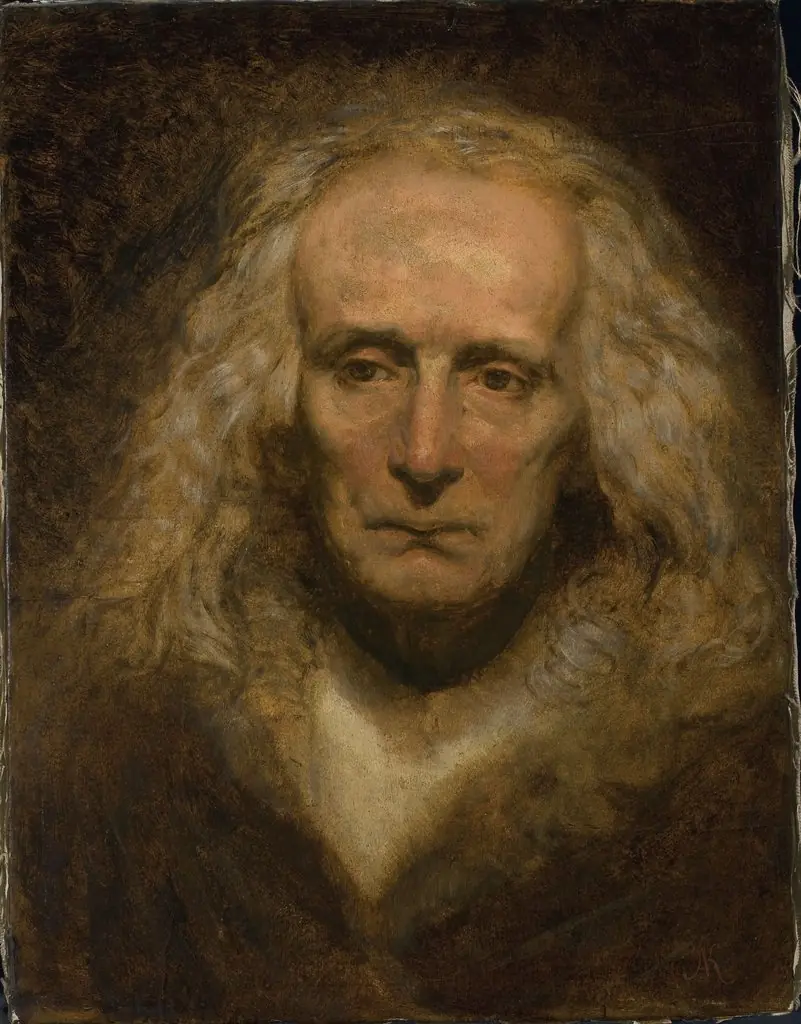
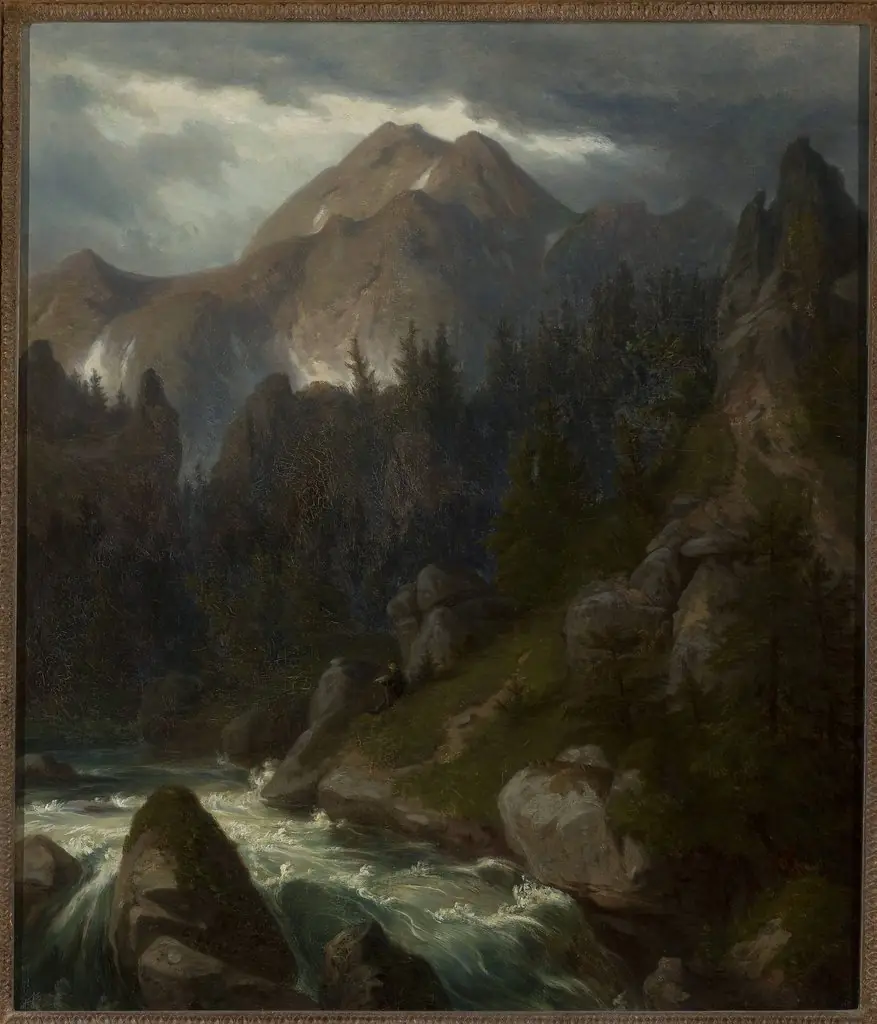 Mount Pyszna in the Tatra Mountains
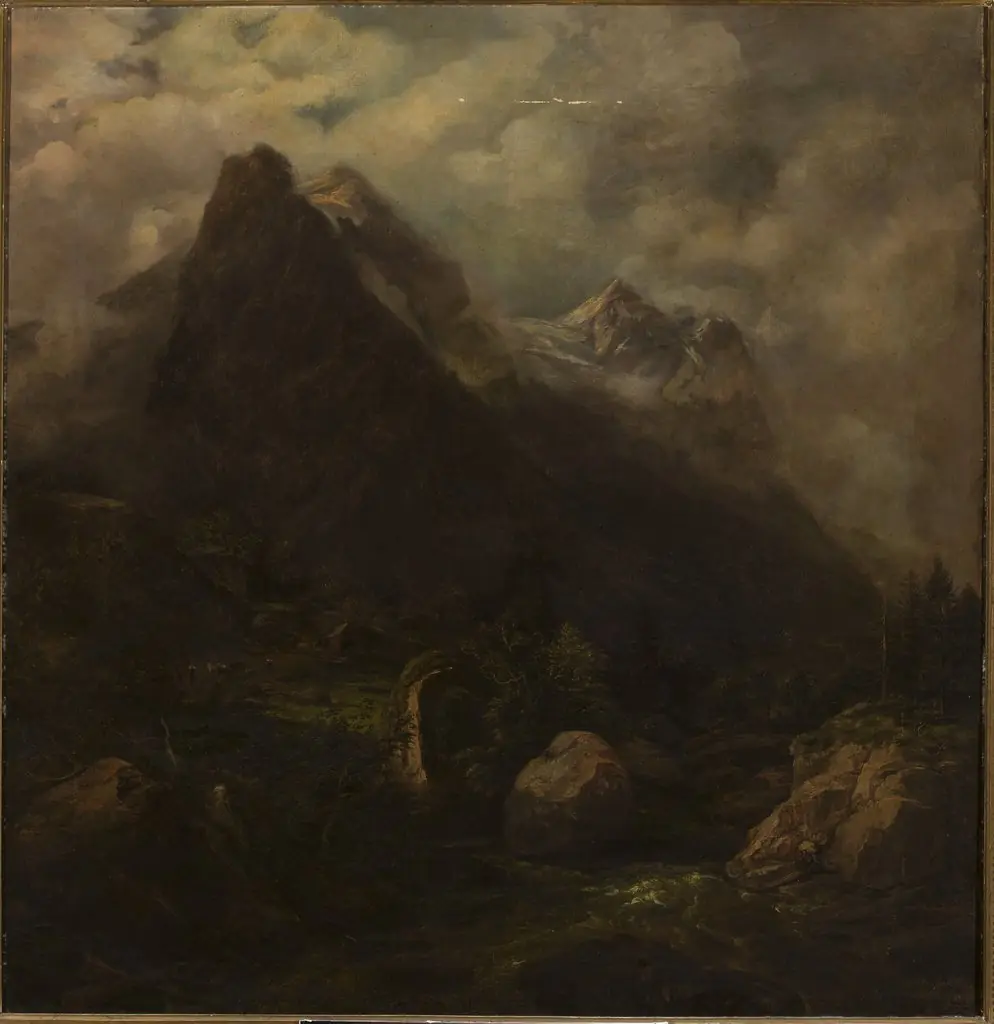 Mountain landscape
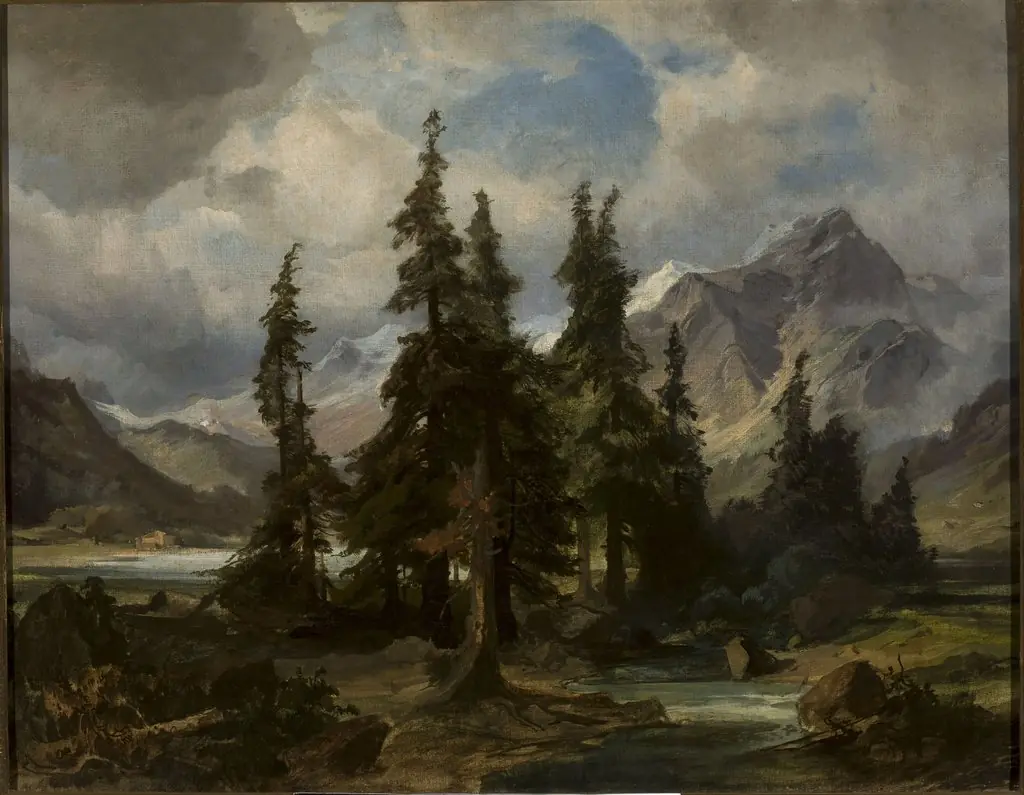 Mountain landscape from Norway
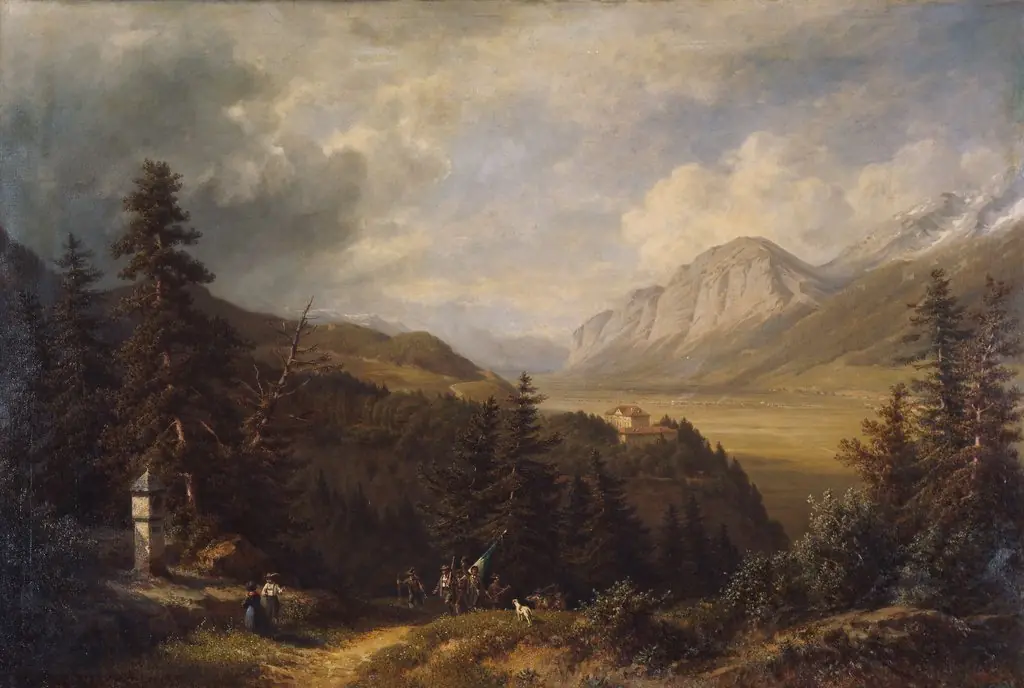 Bergisel
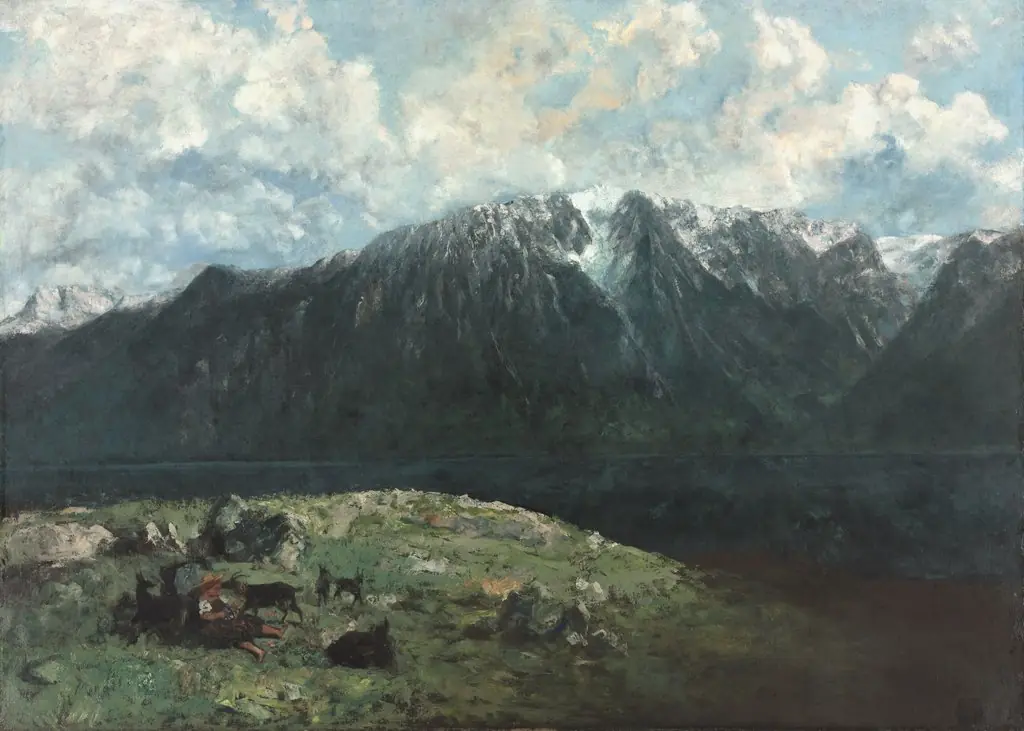 Panoramic View of the Alps, Les Dents du Midi
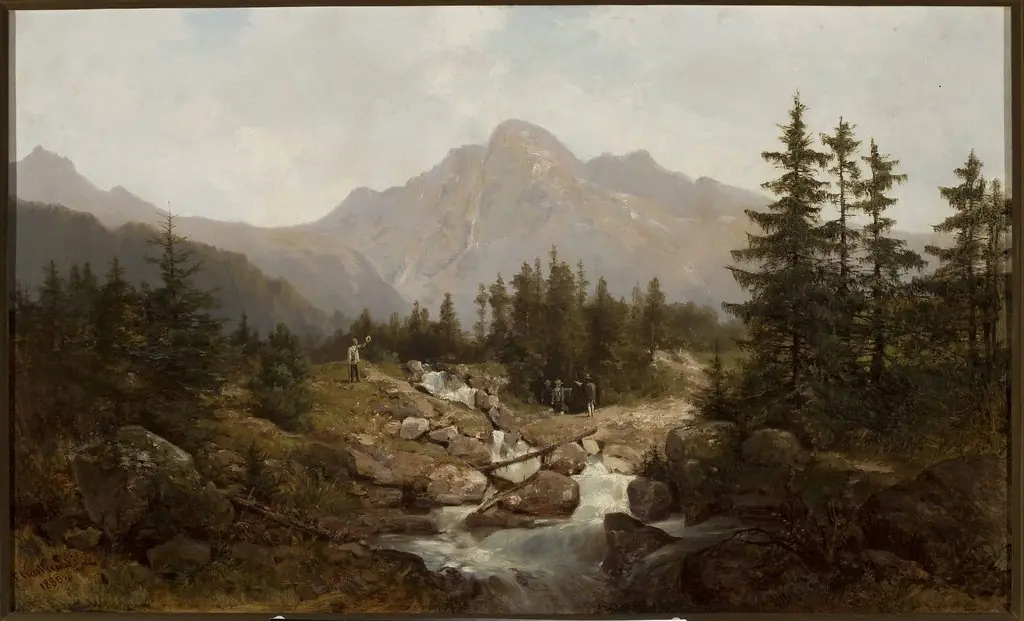 Tatra Mountain landscape
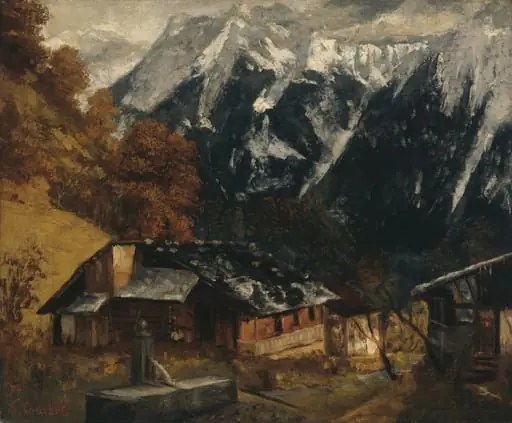 An Alpine Scene
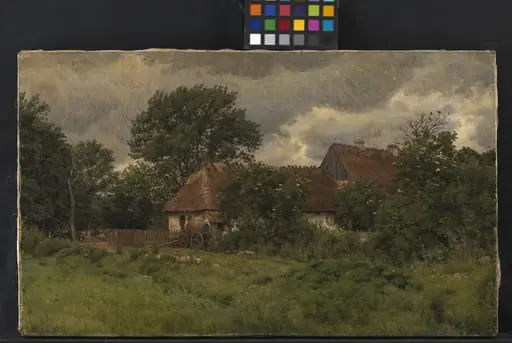 Gamle udbygninger ved en herregård
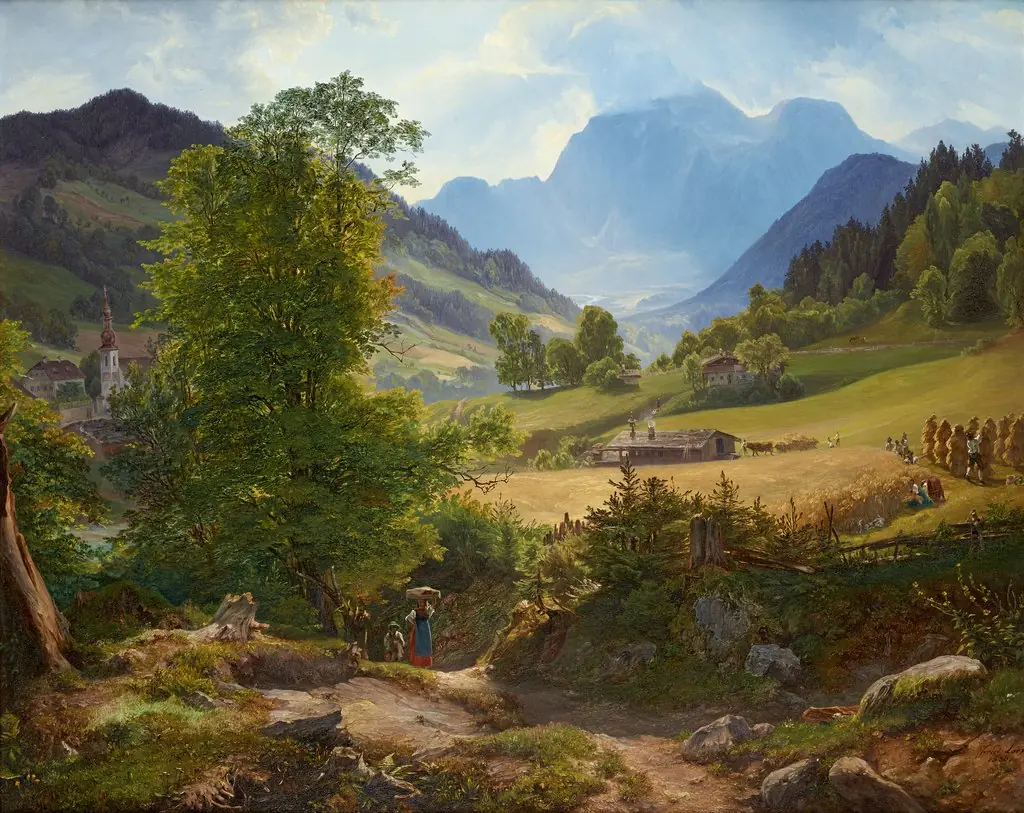 Die Ramsau bei Berchtesgaden
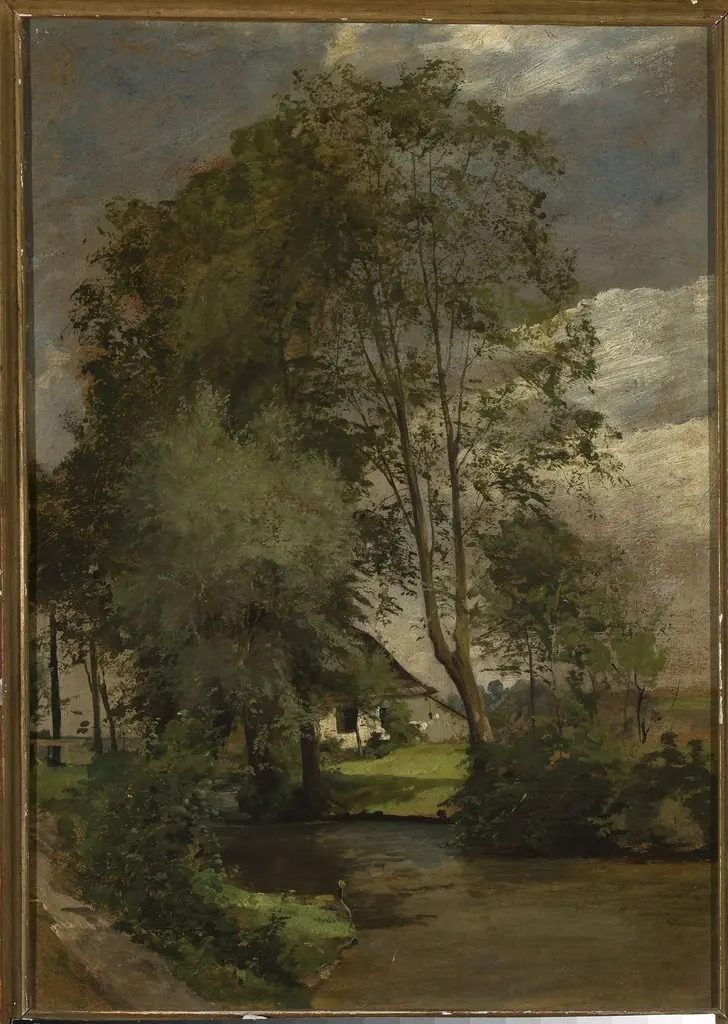 Countryside landscape
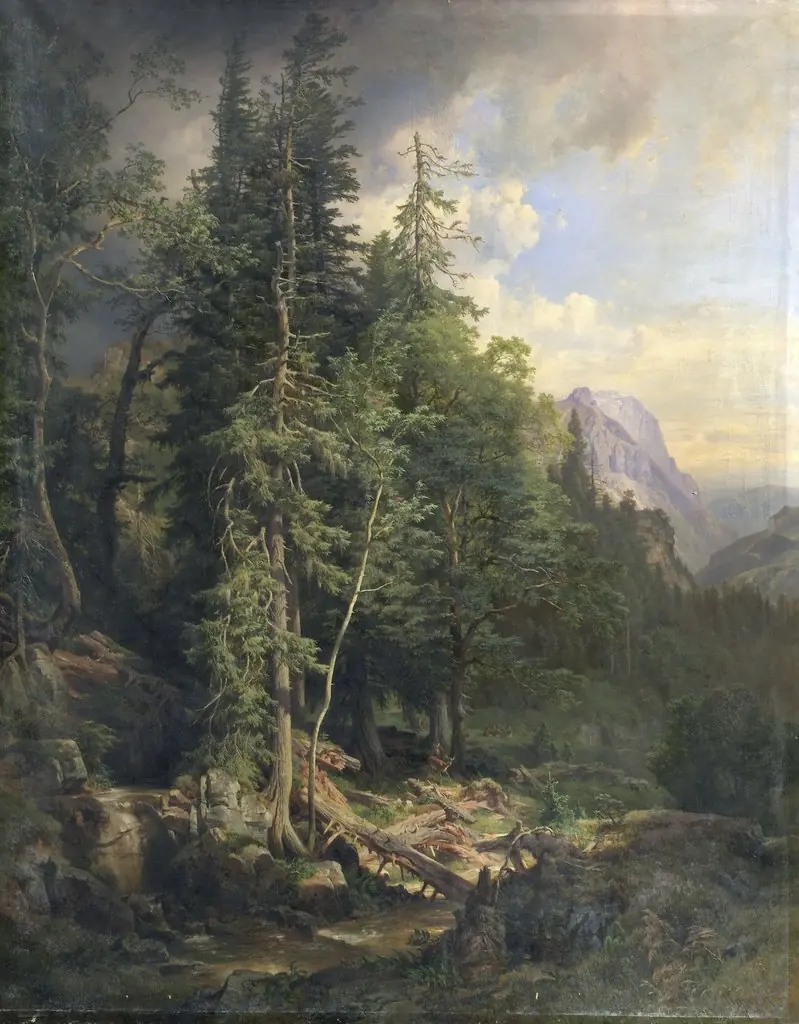 From the Styrian Mountain Forests near Neuberg
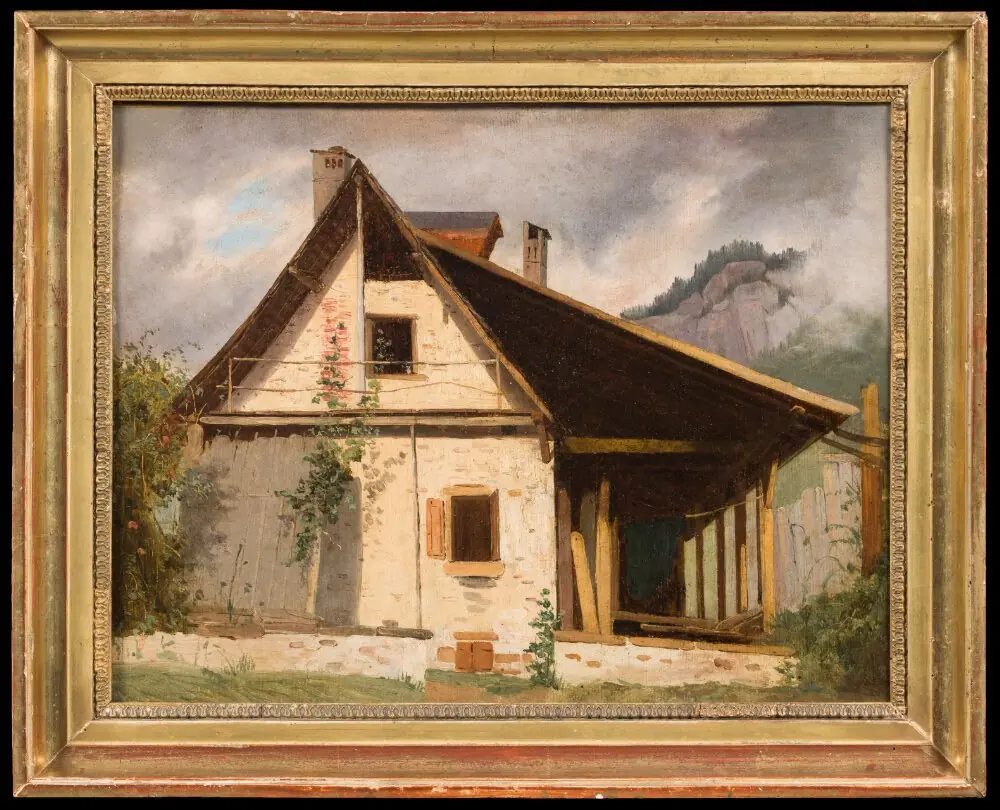 A House in the Tyrol