Artwork
St. Mary Magdalene
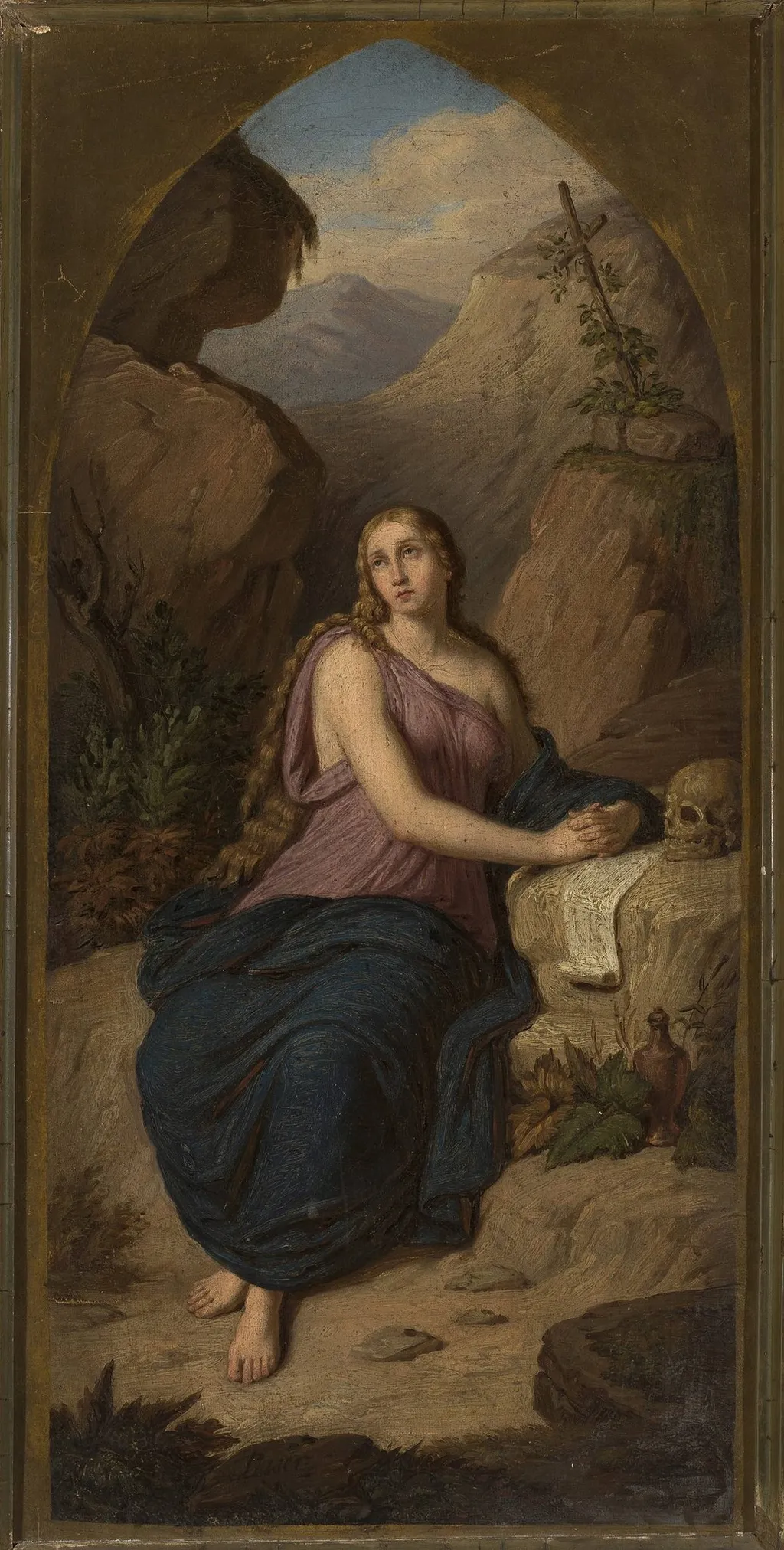
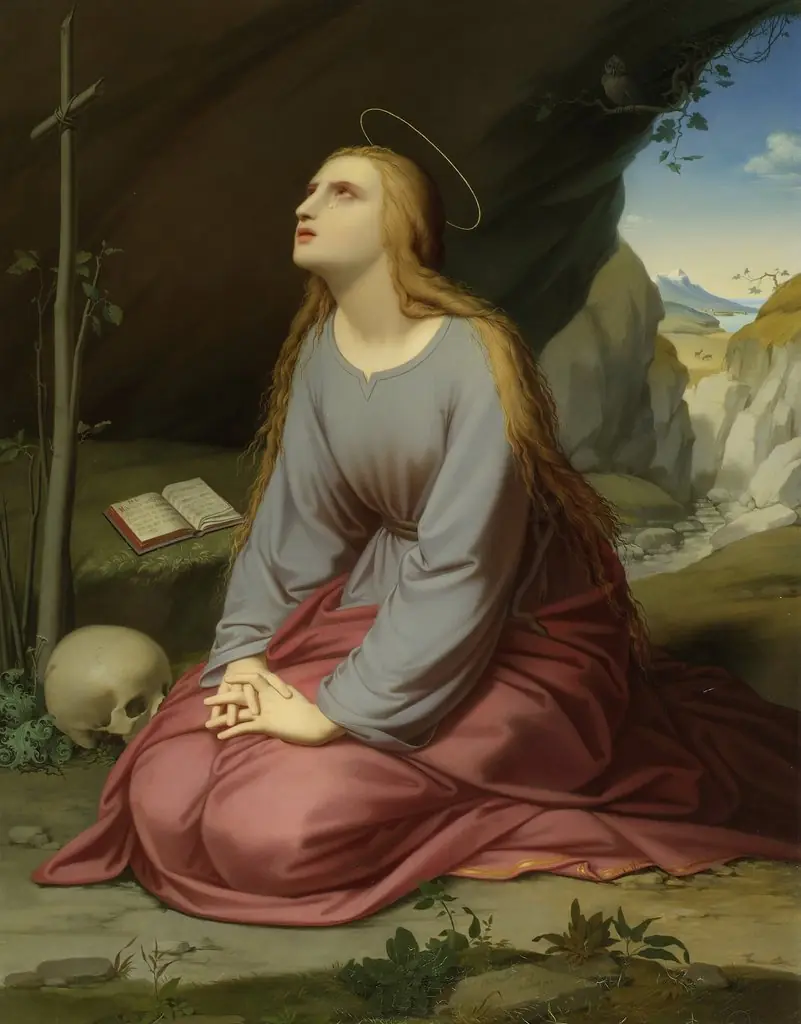
St. Mary Magdalene is an oil painting by Aleksander Lesser. It dates from 1859 and is held in the collection of the National Museum in Warsaw.
About this work
Overview
Lesser, a Polish artist of Jewish heritage, approached the biblical figure not as a grand narrative scene but as a quiet moment of personal reflection.
Painted around 1859 by Aleksander Lesser, *St. Mary Magdalene* is an oil-on-canvas work that blends religious subject matter with intimate psychological observation. Lesser, a Polish artist of Jewish heritage, approached the biblical figure not as a grand narrative scene but as a quiet moment of personal reflection. The painting resides in the National Museum in Warsaw, where it stands as one of the few religious works in his oeuvre, distinct from his more commonly known historical and ethnographic themes.
Subject & Meaning
The figure represents Mary Magdalene in a moment of penitence, seated alone amid rugged terrain. Her downward gaze and clasped hands suggest inner contemplation, while the skull at her side evokes memento mori, a traditional symbol of mortality and spiritual reckoning. The absence of overtly ecclesiastical elements shifts focus from doctrine to individual conscience, aligning the image with 19th-century trends that emphasized emotional sincerity over ceremonial grandeur.
Technique & Style
Lesser employs chiaroscuro to model the figure with soft, directional light that isolates her form against the dimmer landscape. The pink and blue garments are rendered with subtle tonal shifts, avoiding bright saturation in favor of muted harmony. The braid of blonde hair and the texture of the rock are detailed with careful brushwork, while the sky remains loosely painted, reinforcing the figure’s solitude. The composition is deliberately restrained, prioritizing emotional weight over decorative flourish.
History & Provenance
Created during Lesser’s mature period, the painting entered the collection of the National Museum in Warsaw shortly after its completion. It was not widely exhibited in its time, and its religious theme diverged from the artist’s usual focus on Polish national identity and Jewish life. Despite this, it remained in institutional hands, preserved as part of a broader effort to document 19th-century Polish artistic output beyond nationalist narratives.
Context
In mid-19th-century Poland, religious imagery was often tied to national identity under foreign partition. Lesser’s depiction of Mary Magdalene reflects a broader European trend toward introspective, domesticated saints, influenced by Romanticism and early Realism. Unlike contemporaries who favored dramatic biblical episodes, Lesser chose solitude and stillness, aligning with a quieter, more personal spirituality emerging in art and literature of the era.
Legacy
Though not central to Lesser’s public reputation, *St. Mary Magdalene* remains a significant example of how Polish artists engaged with universal religious themes through intimate, psychologically grounded forms. Its preservation in a major national collection underscores its value as a bridge between devotional tradition and modern secular sensibility, offering insight into the spiritual dimensions of Polish art beyond political or ethnic narratives.
Artist & collection
Artist
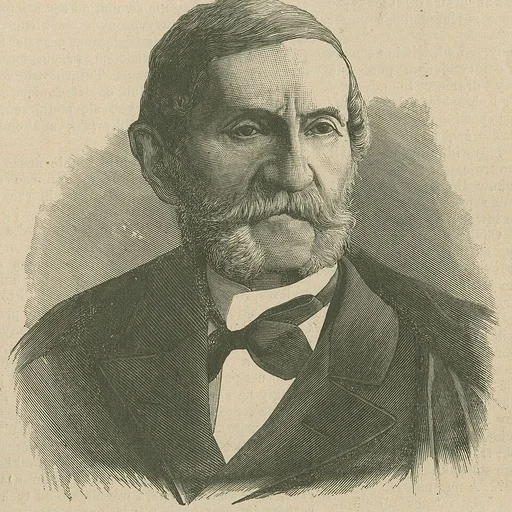
Aleksander Lesser (13 May 1814 – 13 March 1884) was a Polish painter, illustrator, sketch artist, art critic, and amateur researcher of antiquities.