Artwork
Mary Magdalene
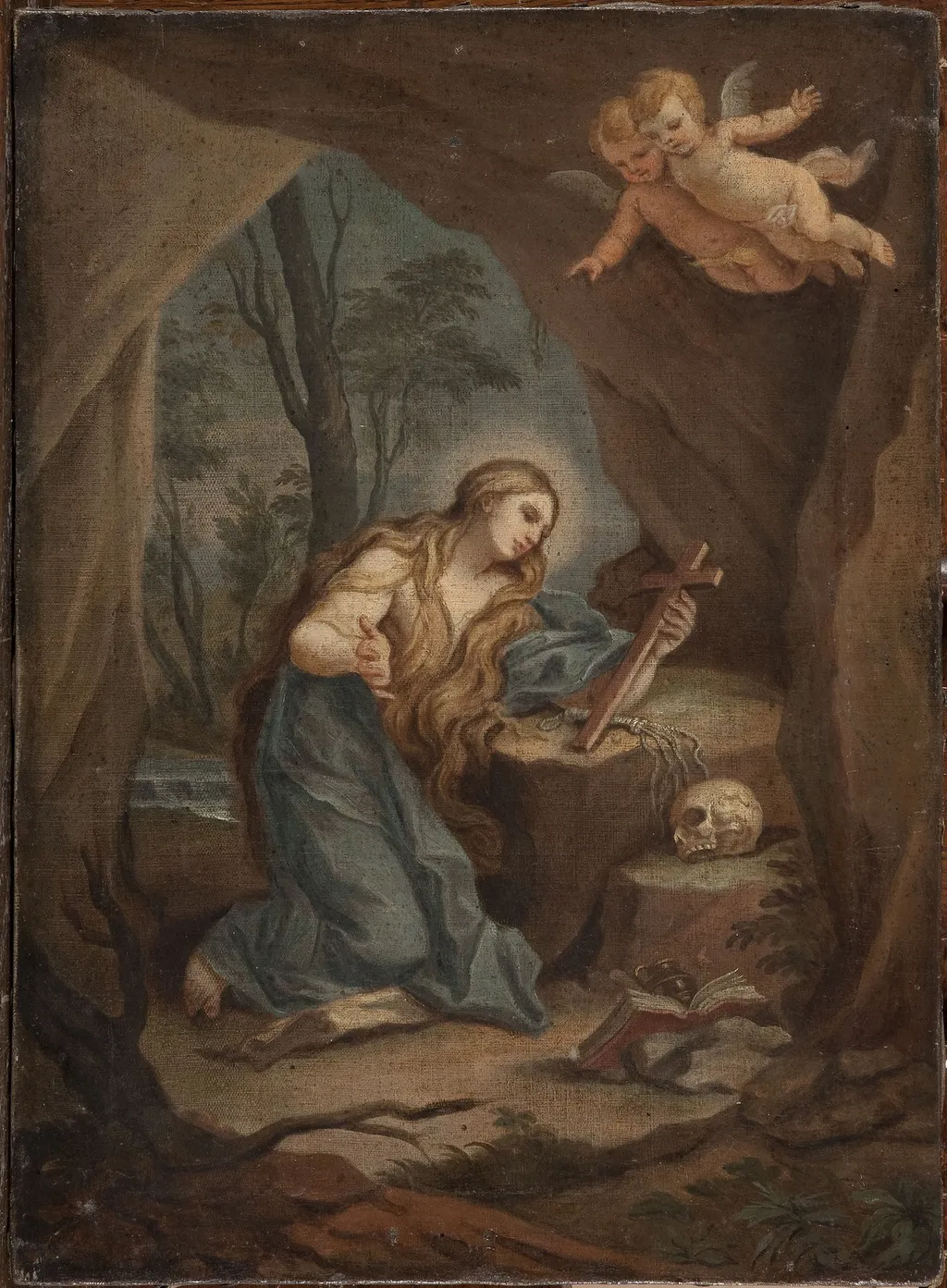
Mary Magdalene is an oil painting by the Rococo painting artist Szymon Czechowicz. It dates from 1739 and is held in the collection of the National Museum in Warsaw.
About this work
Overview
Szymon Czechowicz, a prominent Polish painter of the Baroque era, executed the oil painting *Mary Magdalene* circa 1739. The work is classified within the Rococo style and is part of the National Museum in Warsaw’s collection. It presents the biblical figure in a moment of quiet contemplation, framed by a natural landscape.
Subject & Meaning
The composition centers on Mary Magdalene, shown kneeling and holding a small cross while her gaze falls downward. Adjacent symbols—a skull and an open book—reference penitence and spiritual learning, underscoring the saint’s role as a repentant follower of Christ. A cherubic figure hovers above, adding a celestial dimension to the scene.
Technique & Style
Czechowicz employs chiaroscuro to model the figure, contrasting illuminated areas of the face and cross with deeper shadows that recede into the background. The soft, pastel tones and delicate handling of foliage reflect Rococo sensibilities, while the careful rendering of light creates a sense of depth and intimate drama.
History & Provenance
Created around 1739, the painting remained in Poland and eventually entered the National Museum in Warsaw, where it is displayed as part of the museum’s Baroque and Rococo holdings. Its provenance traces the artist’s reputation for religious commissions, confirming its status as a representative work of Czechowicz’s sacred oeuvre.
Own this work as a print
Artist & collection
Artist
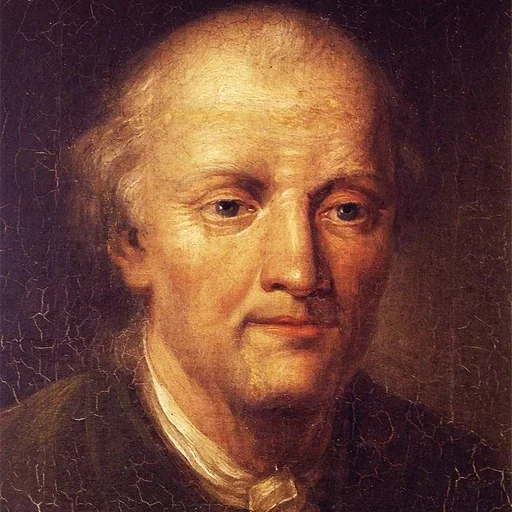
Szymon Czechowicz (July 1689 – 21 July 1775) was a prominent Polish painter of the Baroque, considered one of the most accomplished painters of 18th century sacral painting in Poland.

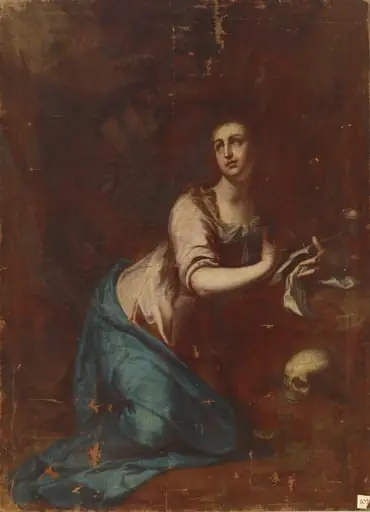 Katuva Maria Magdaleena
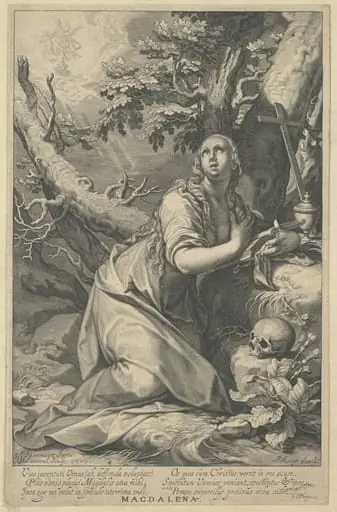 The Penitent Magdalene
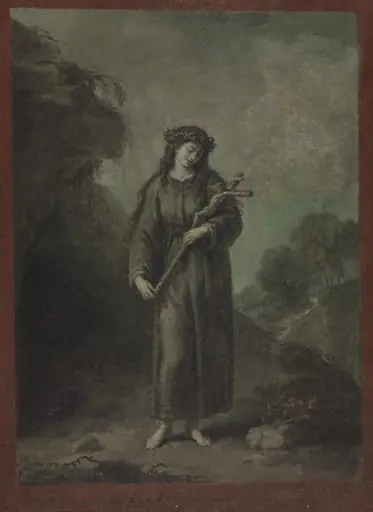 The Mortification
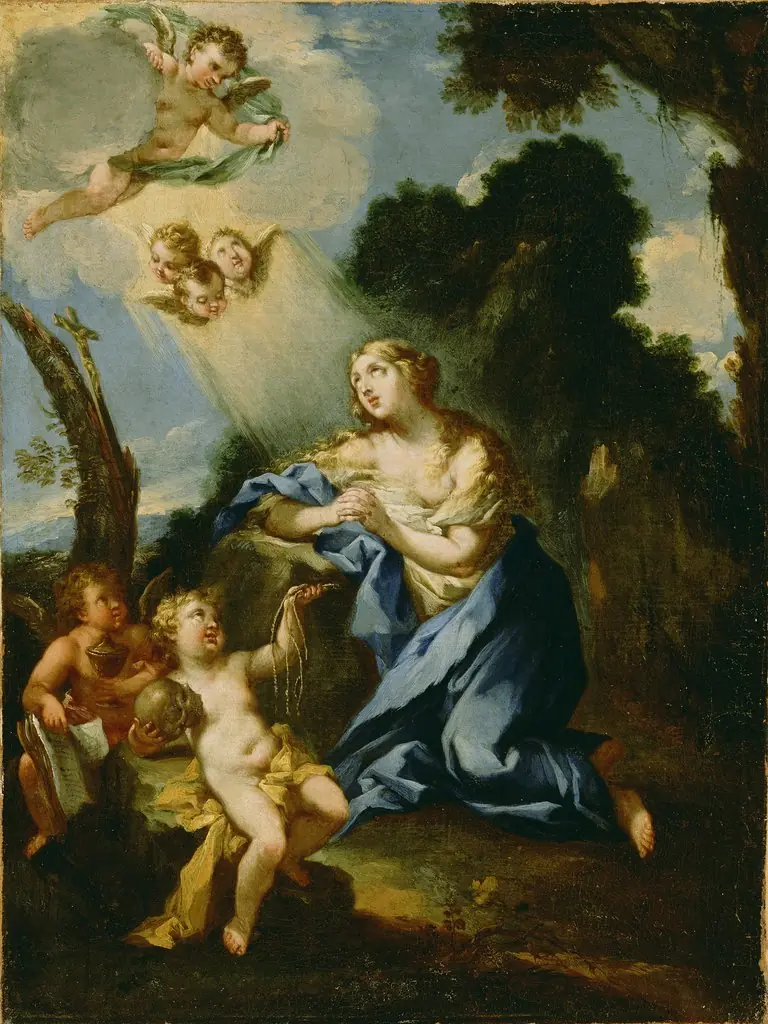 Penitent Magdalene
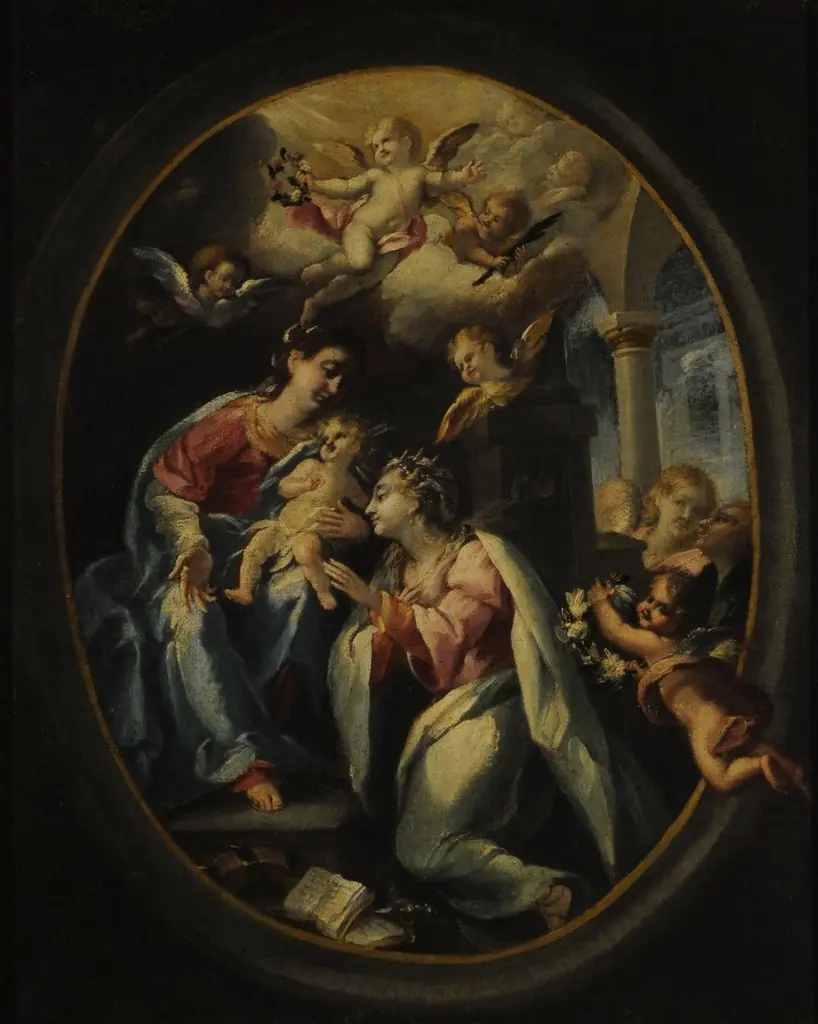 Mystical weddings of Santa Catalina
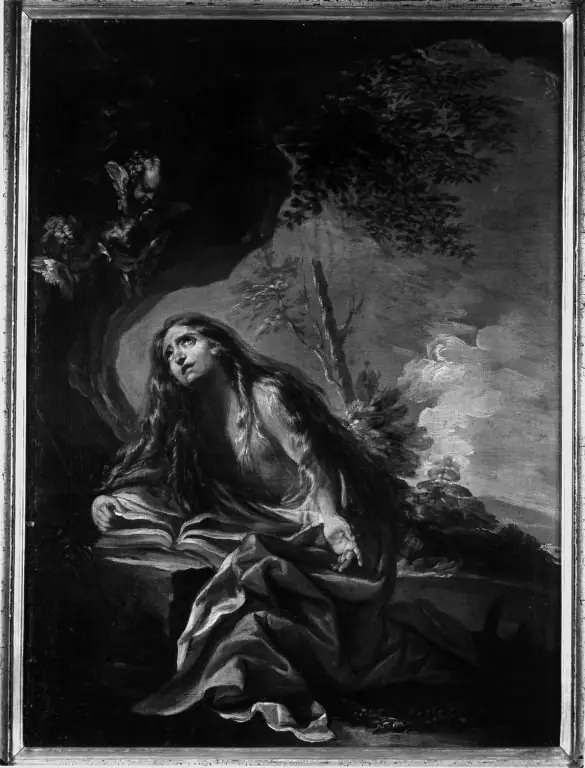 Hl. Magdalena
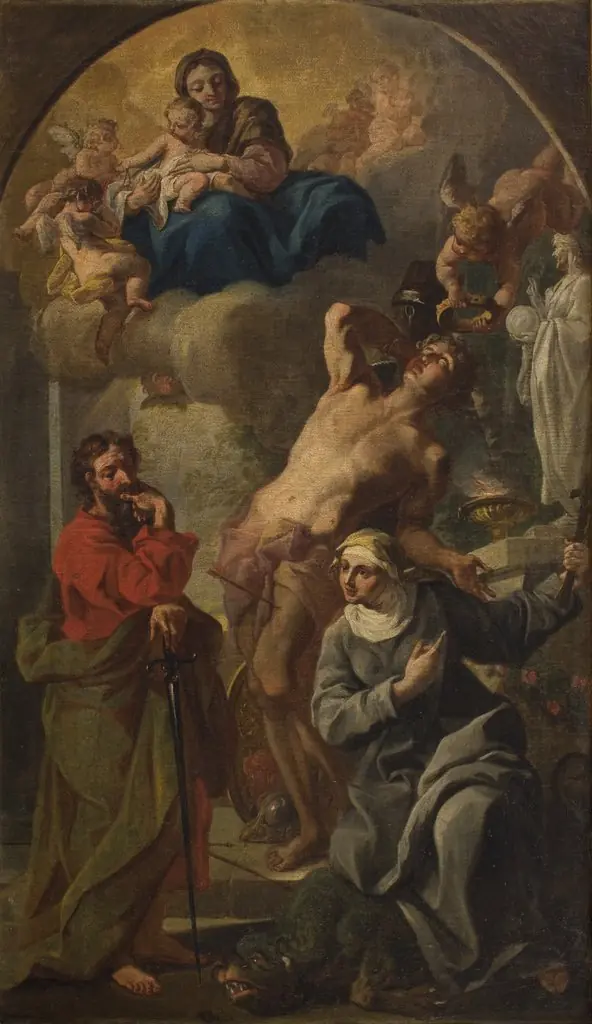 Madonna and Child with Saints Sebastian, Paul and Martha (Acceptance of Saint Sebastian Into the Group of Holy Martyrs)
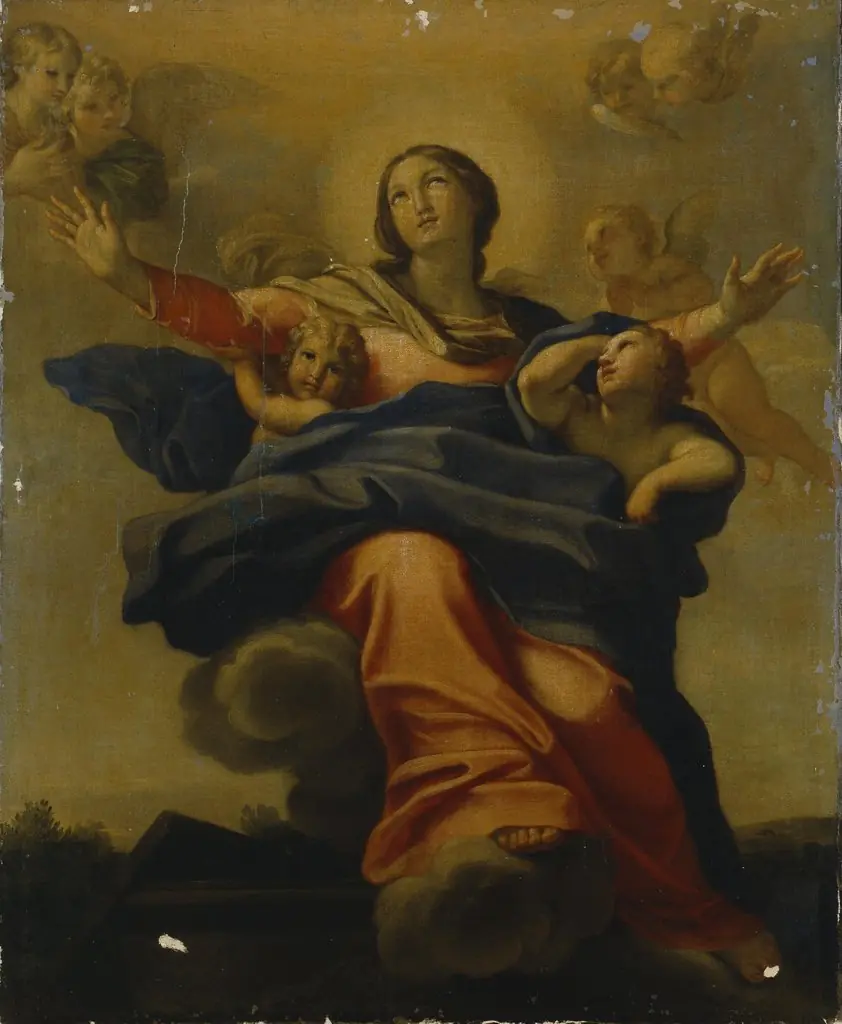 Assumption of the Virgin Mary
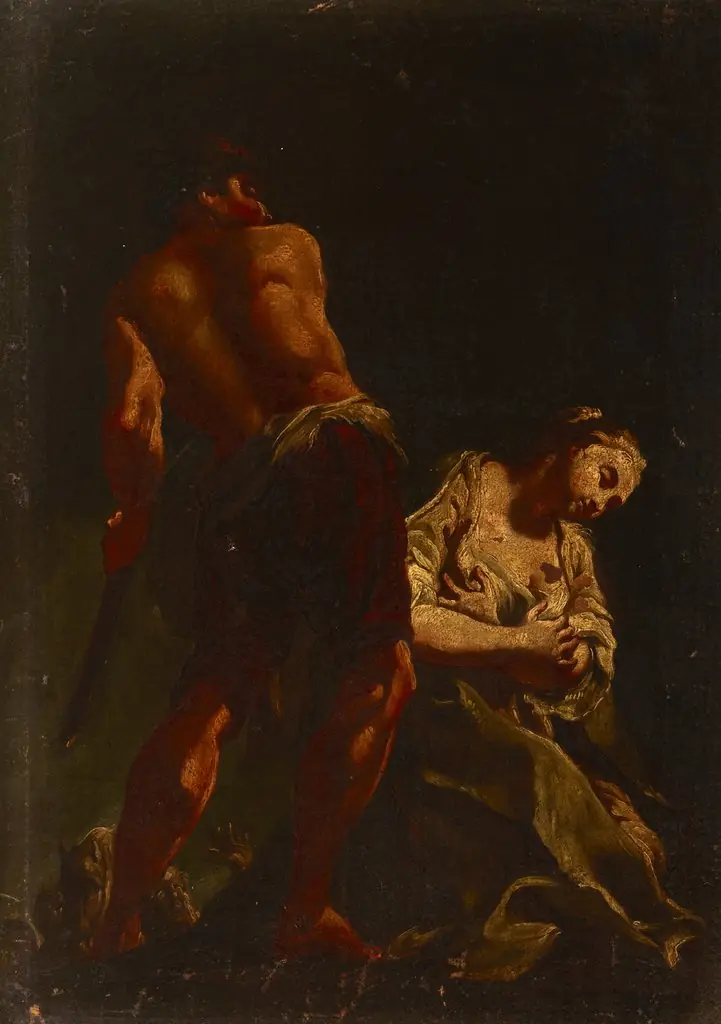 Martyrdom of the Saint Woman