Artwork
Landscape from South Tyrol
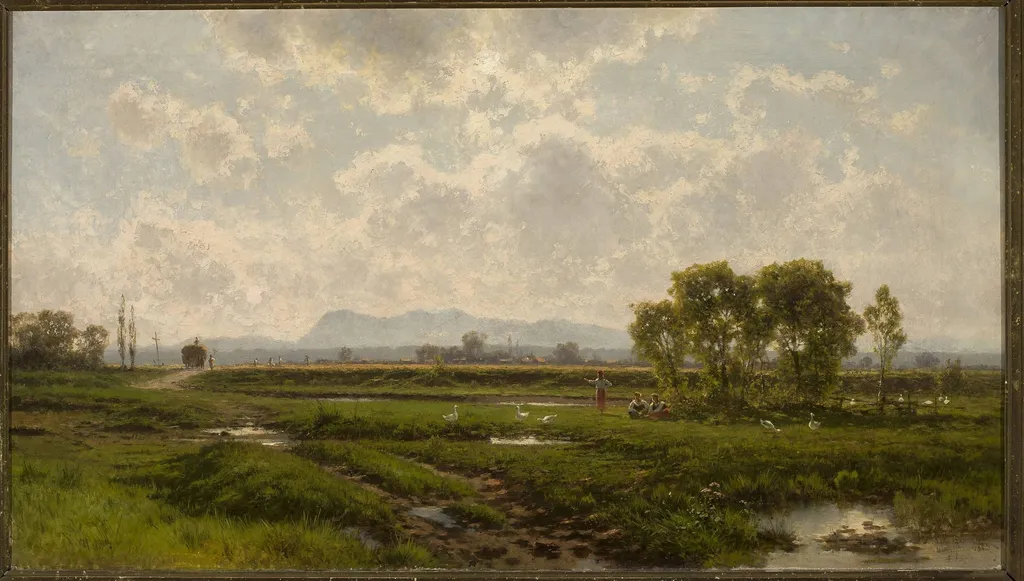
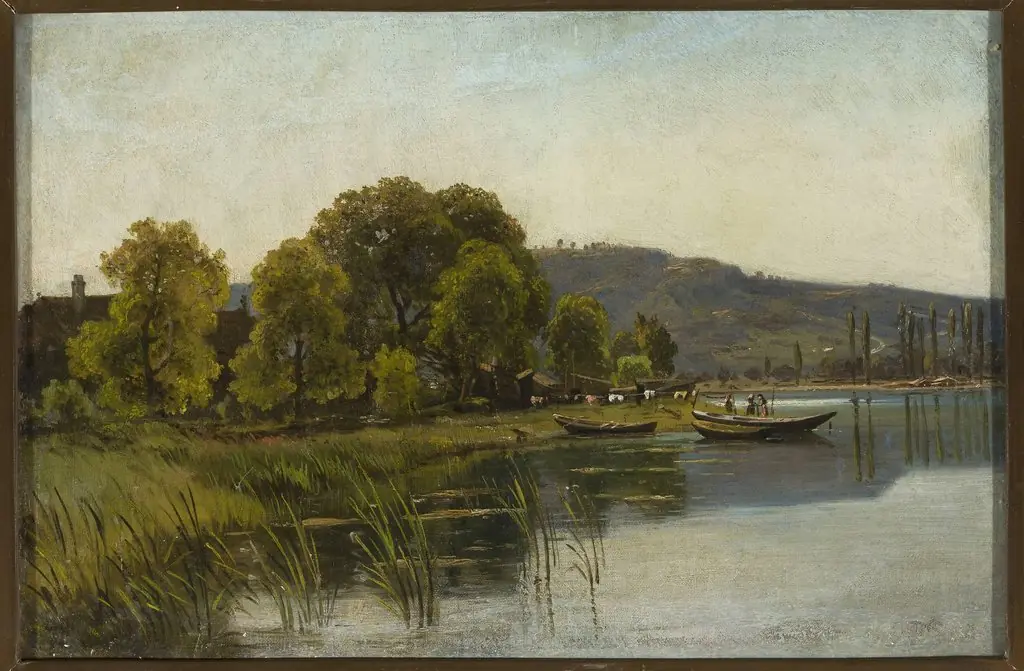
Landscape from South Tyrol is an oil painting by the Impressionist artist Aleksander Świeszewski. It dates from 1892 and is held in the collection of the National Museum in Warsaw.
About this work
Overview
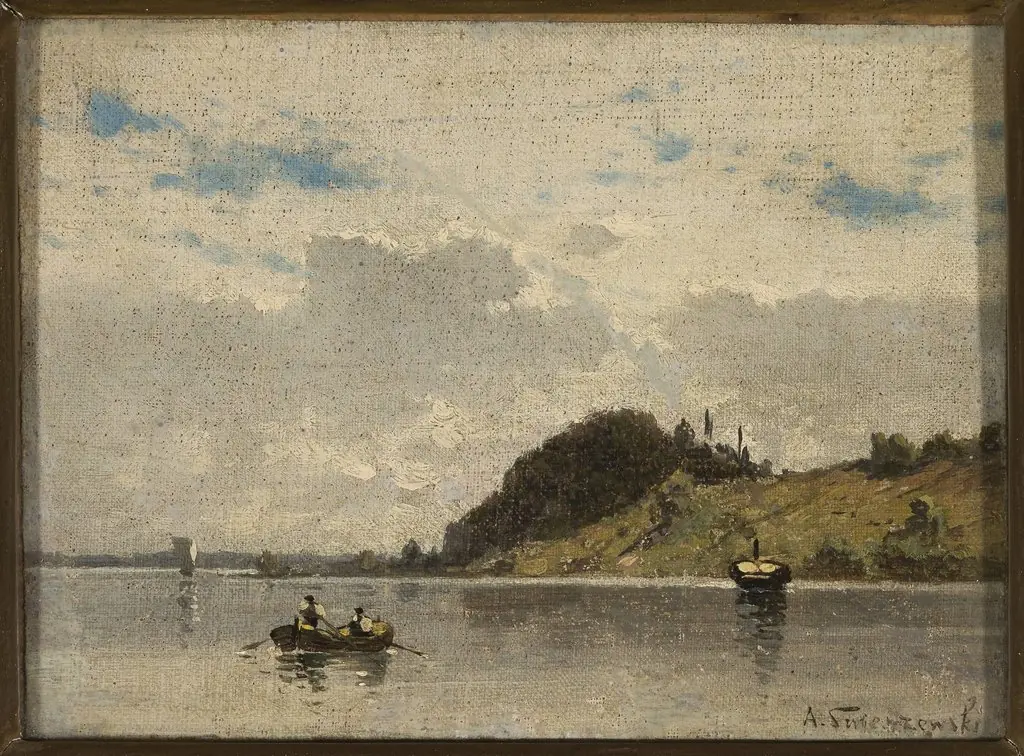
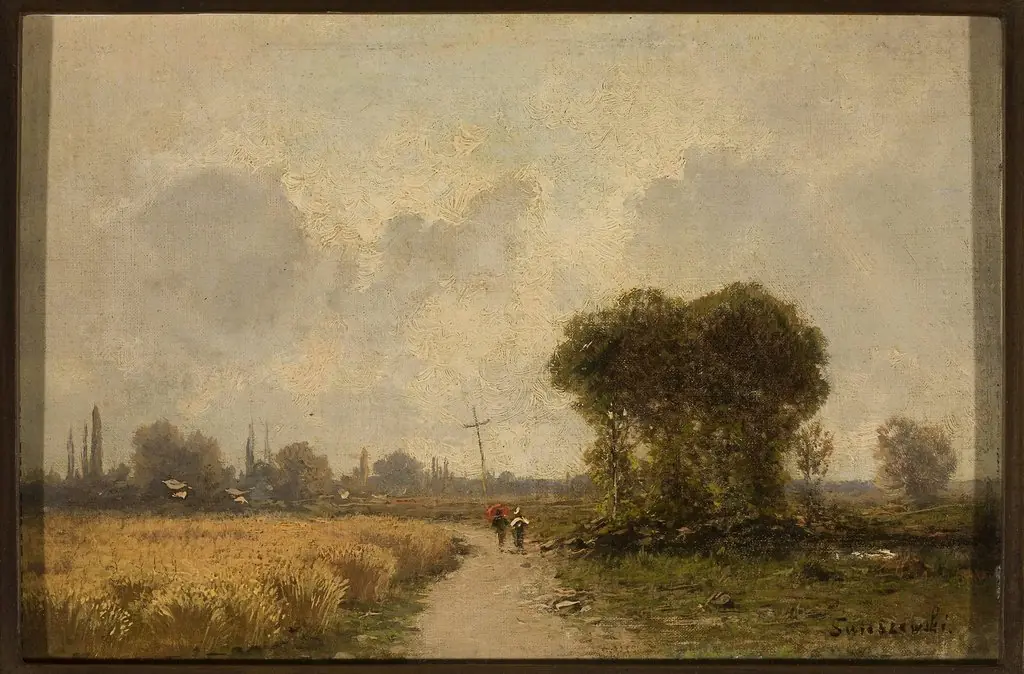
Aleksander Świeszewski’s 1892 oil painting, titled Landscape from South Tyrol, depicts a tranquil rural scene set against a distant mountain range. The composition balances foreground activity with a broad, muted sky, offering a quiet glimpse of Alpine life. The work is part of the collection of the National Museum in Warsaw, where it is displayed among other 19th‑century Polish landscapes.
Subject & Meaning
The canvas presents a gently rolling meadow punctuated by trees and a winding stream, while a few figures and geese animate the foreground. The distant peaks and overcast sky suggest a modest, unidealized view of nature, emphasizing everyday serenity rather than dramatic spectacle. The inclusion of human and animal presence reinforces a harmonious coexistence between people and their environment.
Technique & Style
Executed in oil on canvas, Świeszewski employs a restrained palette of greens, browns, and grays, allowing subtle tonal variations to convey atmospheric depth.
Executed in oil on canvas, Świeszewski employs a restrained palette of greens, browns, and grays, allowing subtle tonal variations to convey atmospheric depth. Brushwork is smooth in the sky and distant mountains, while slightly looser strokes render foliage and water, creating a balance between detail and impression. The overall effect is one of calm realism typical of late‑19th‑century Polish landscape painting.
History & Provenance
Created in 1892, the painting entered the National Museum in Warsaw’s holdings during the early 20th century, reflecting the institution’s effort to acquire representative works of Polish regional art. Its provenance remains straightforward, with no recorded changes of ownership beyond its acquisition by the museum, where it has been conserved as part of the museum’s permanent collection.
Artist & collection

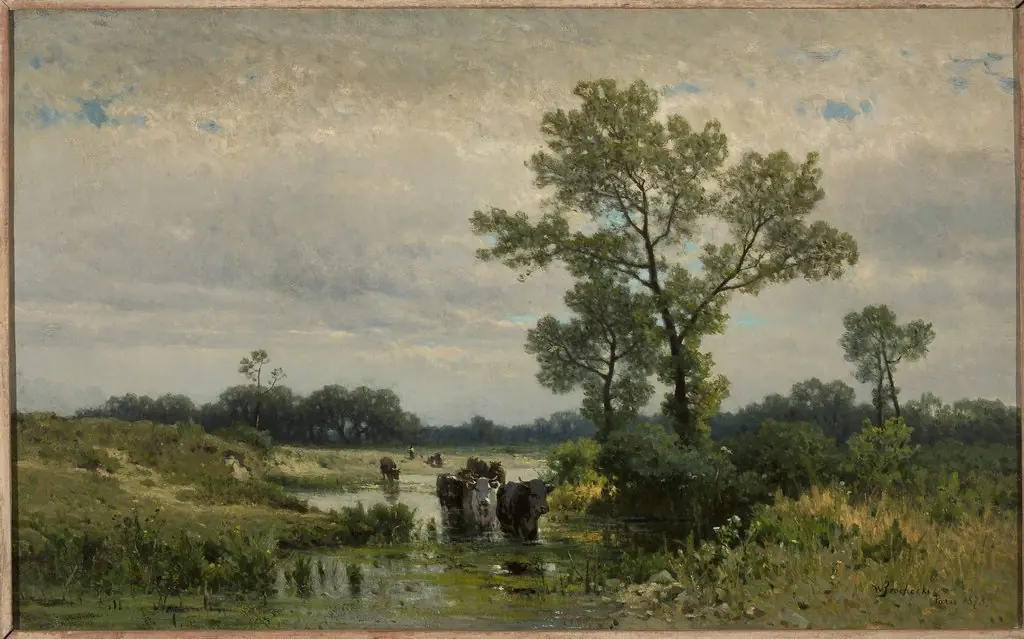 Cows crossing the river
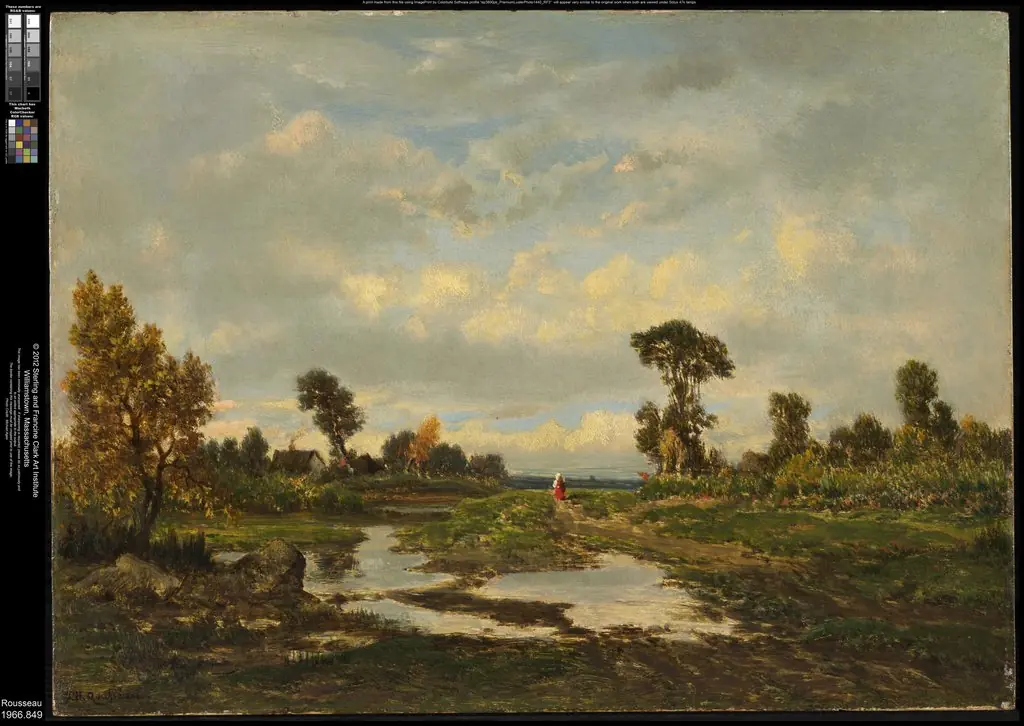 The Farm (Cottage at the Edge of a Marsh)
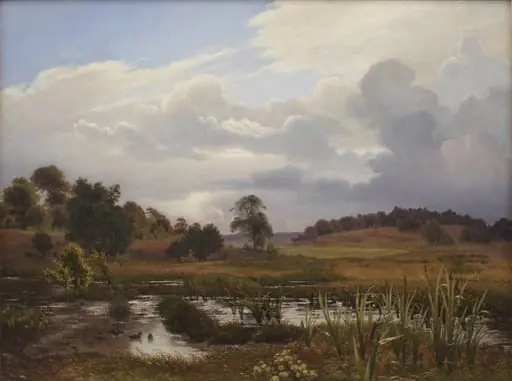 Landscape near the Forest Nordskoven, Jægerspris, Zealand
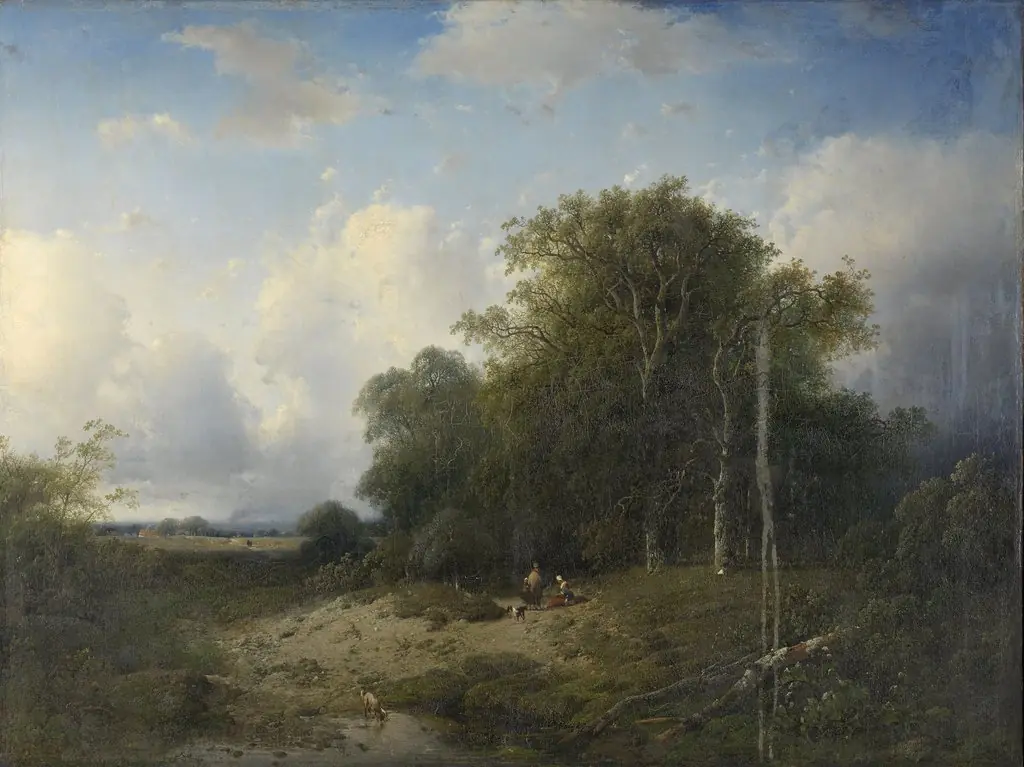 Landscape
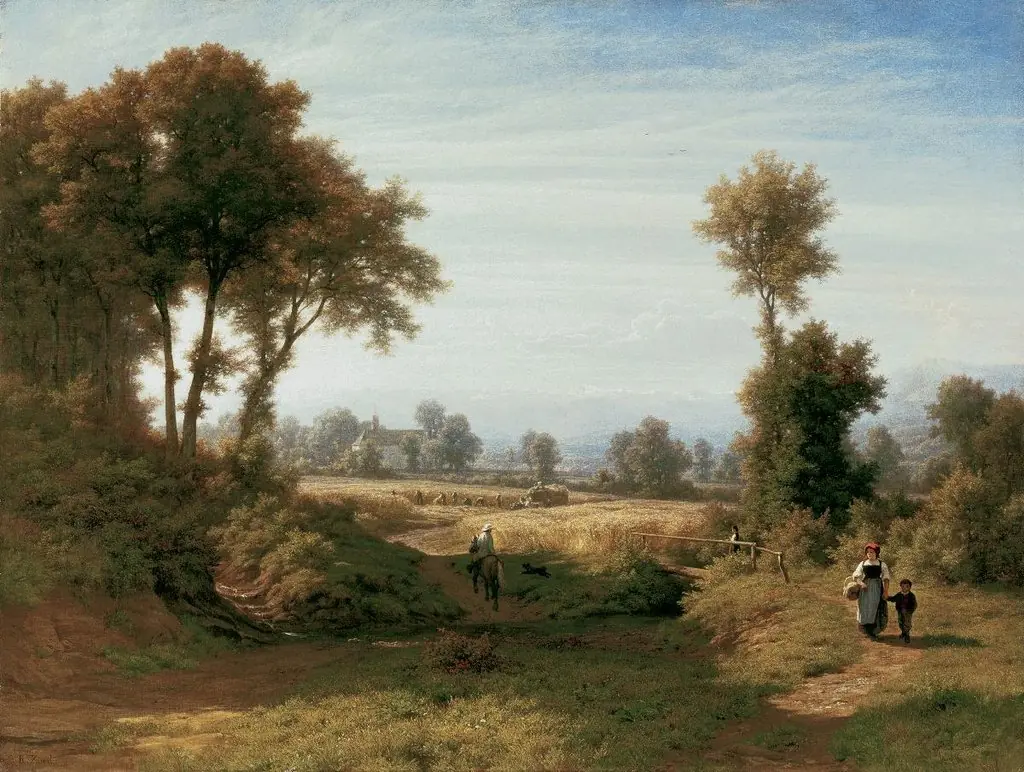 Schlachtkapelle von Sempach
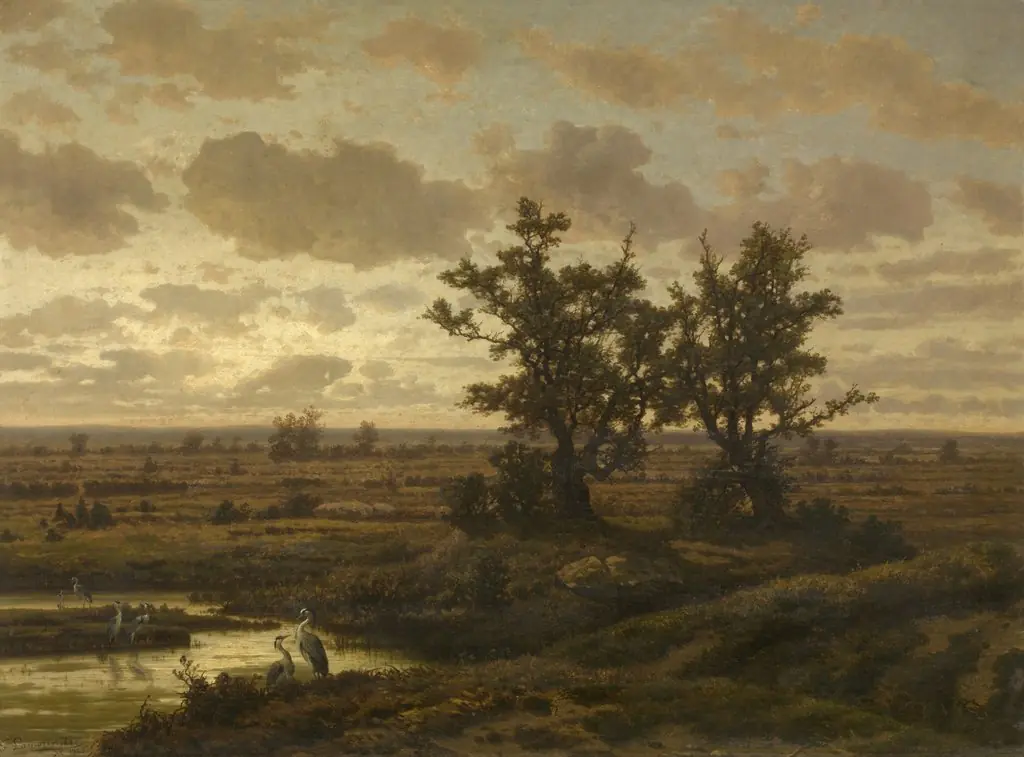 Fen in the Kempen
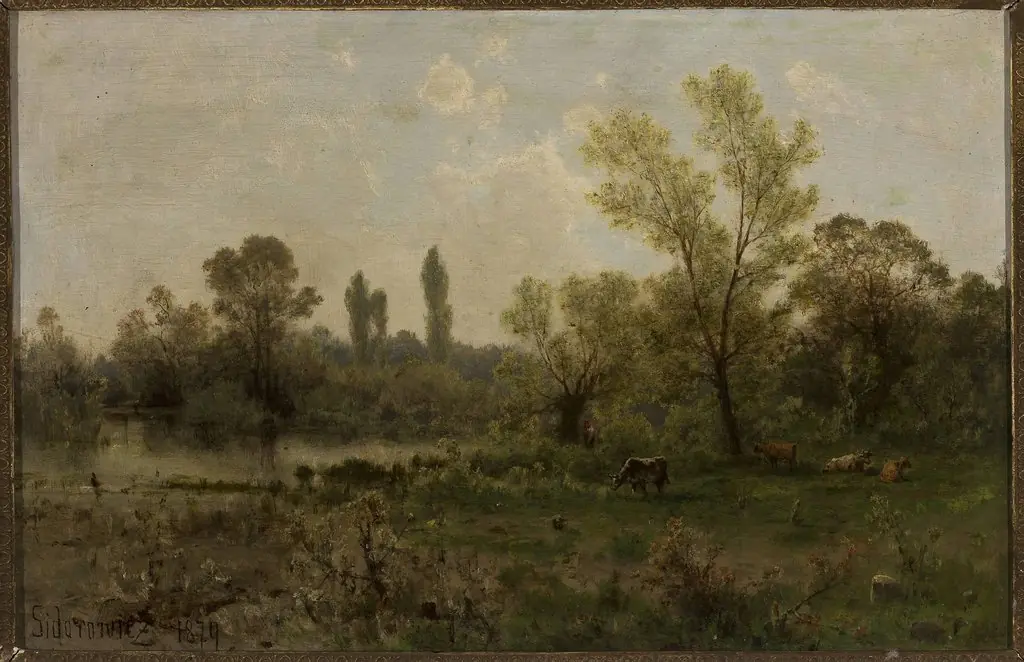 Landscape
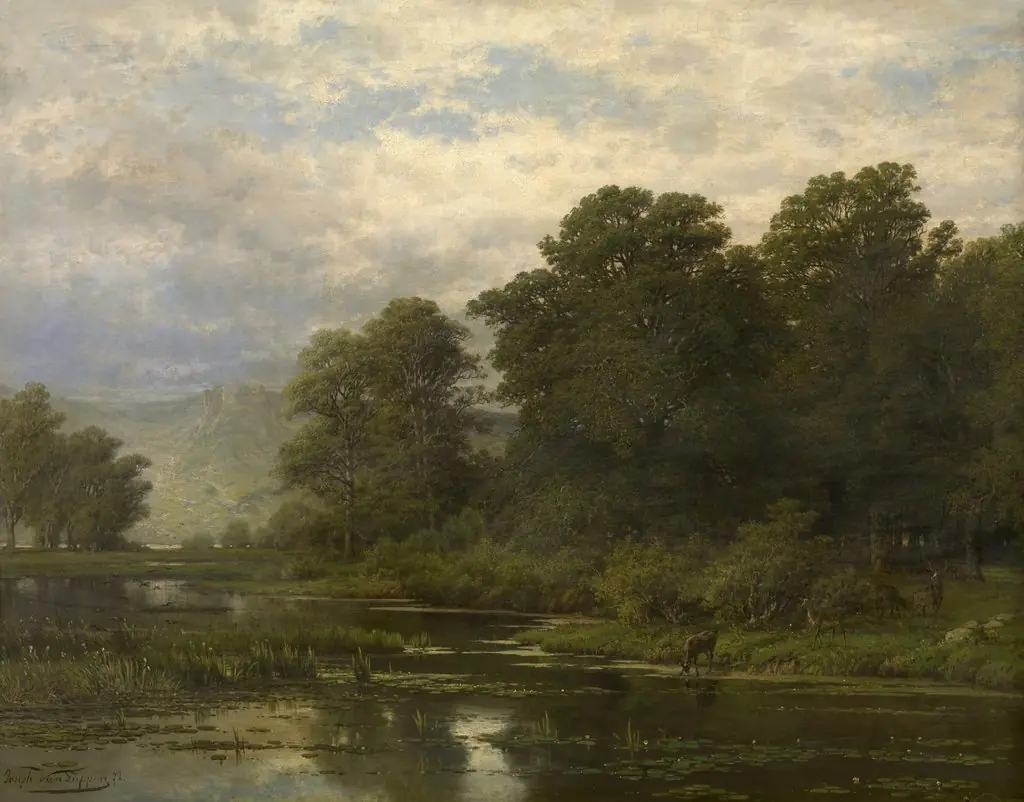 Landscape
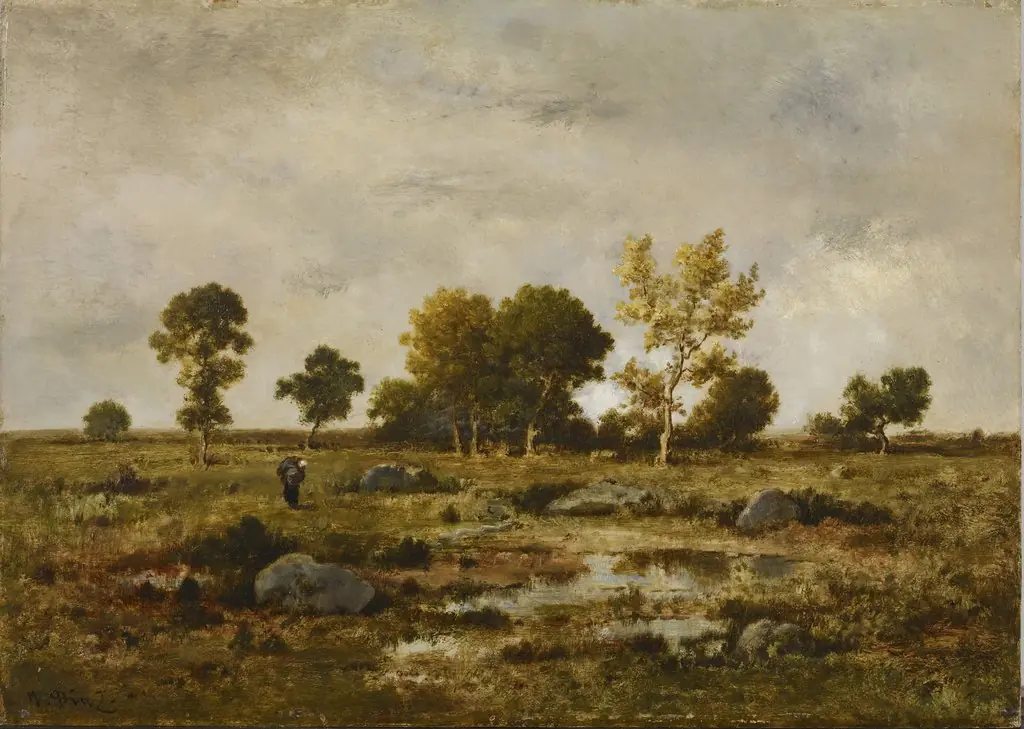 Effect of Autumn, Fontainebleau
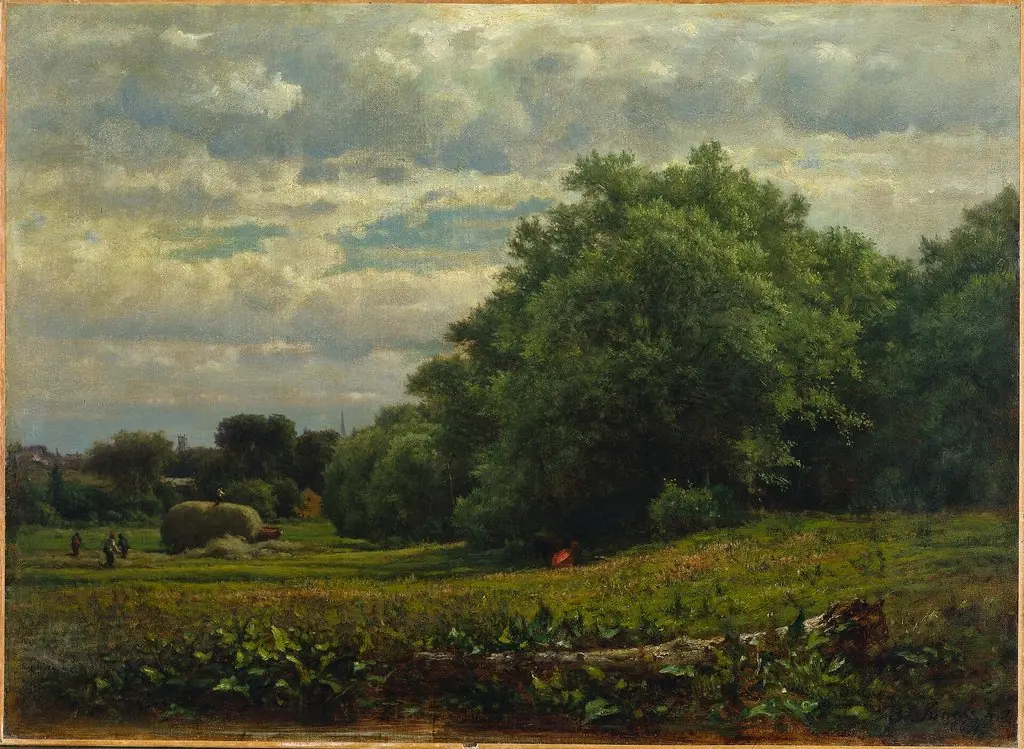 Harvest Time
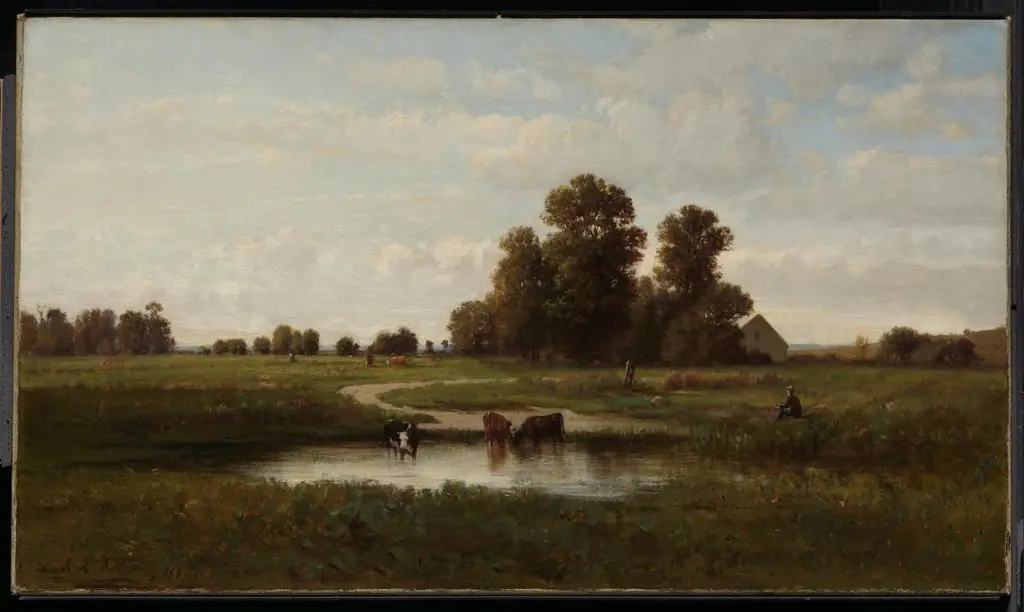 Edgeworth Near Medford
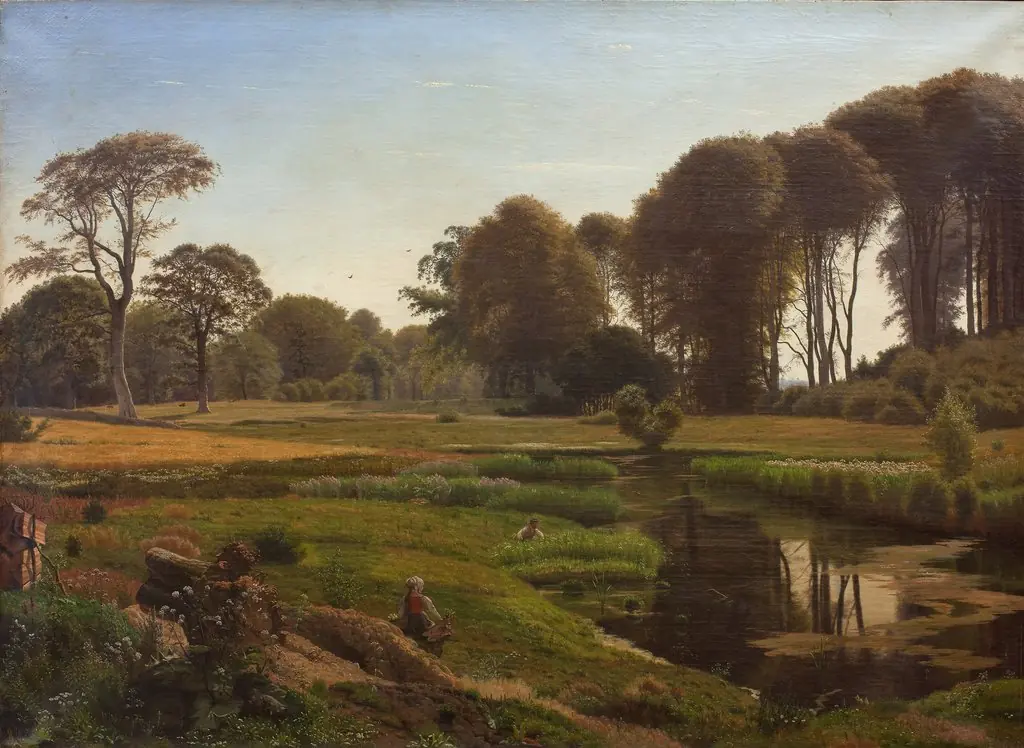 En sommerdag. Motiv fra Horneland ved Fåborg