Artwork
Untitled
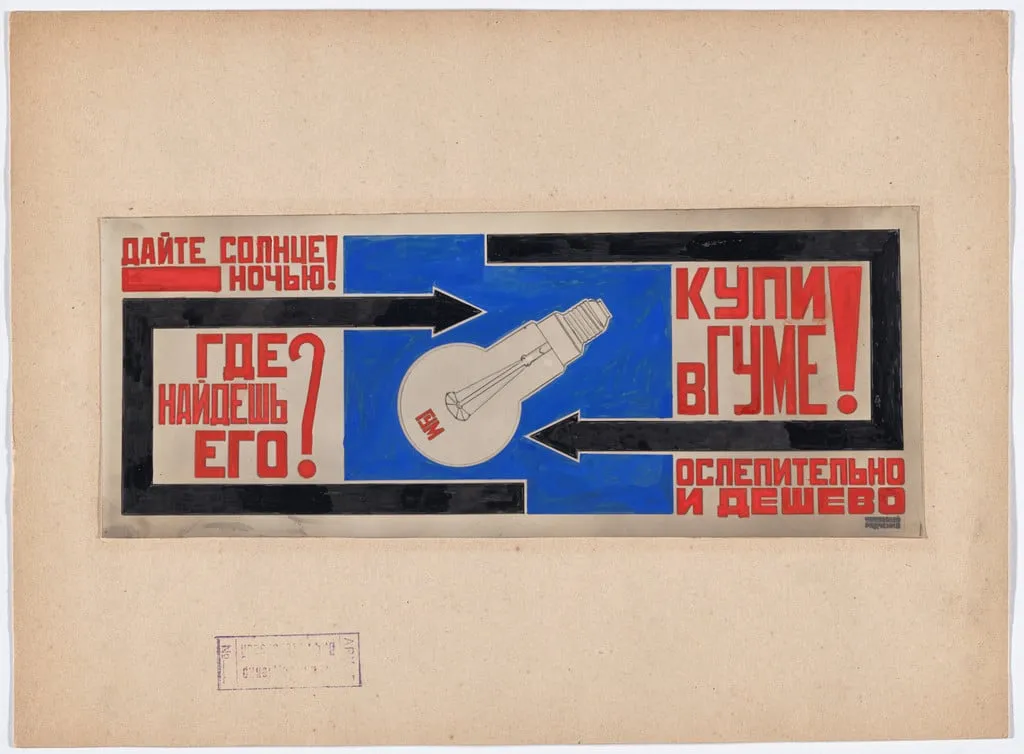
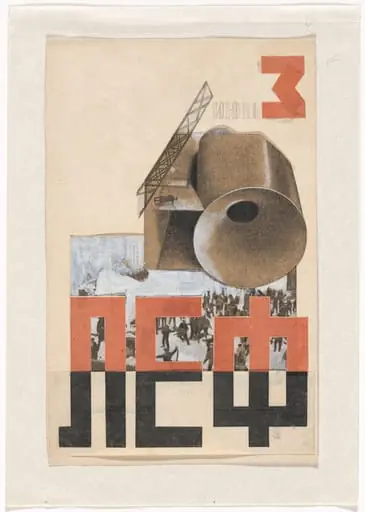
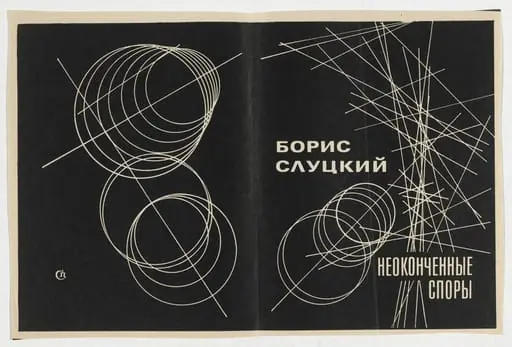
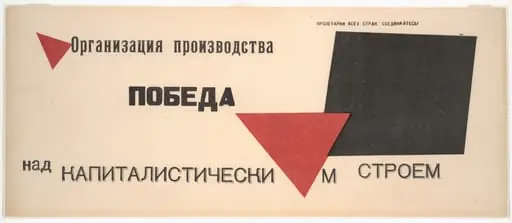
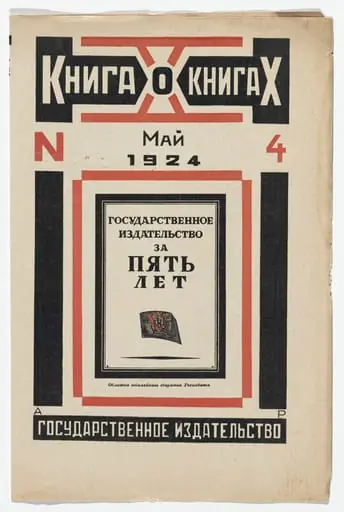
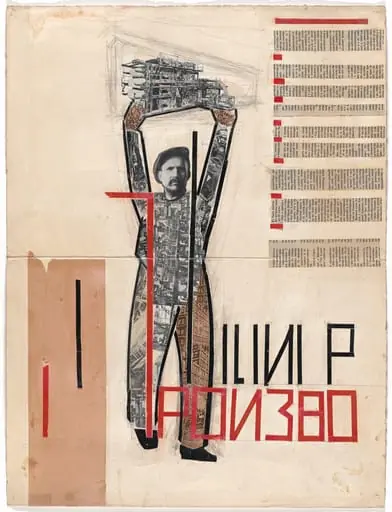
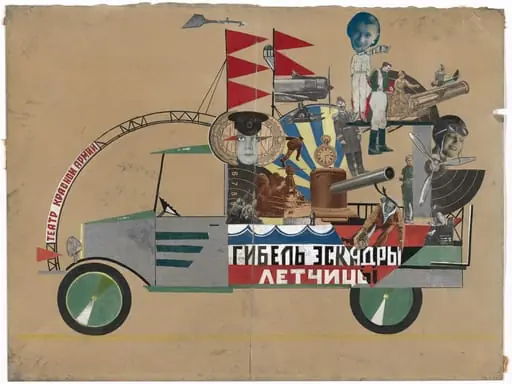
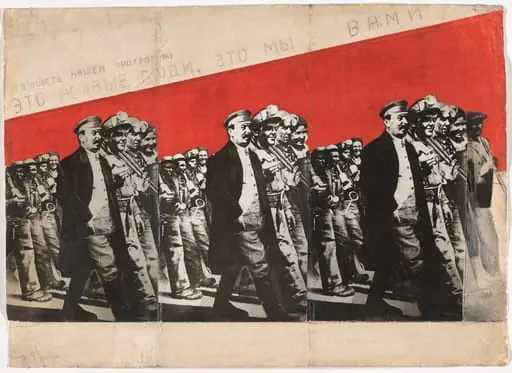
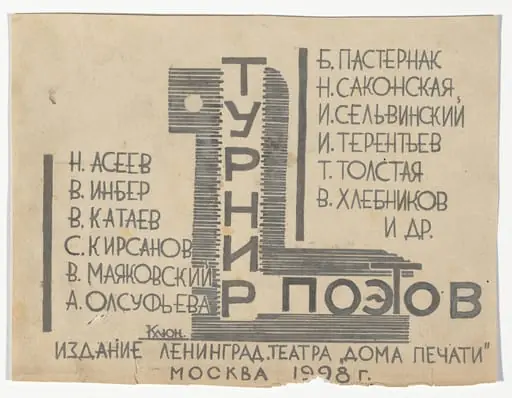
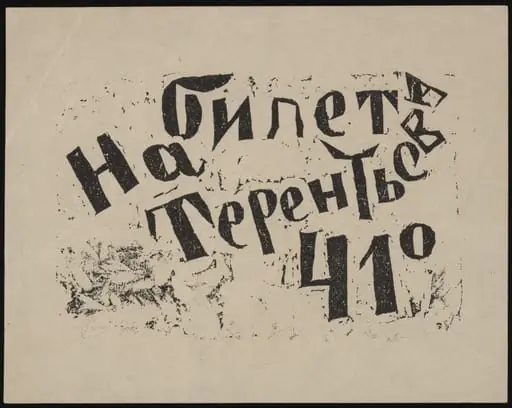
Untitled is a gouache drawing by Varvara Stepanova, Reklam-Konstruktor (Advertising Constructor) Agency Aleksandr Rodchenko. It dates from 1926 and is held in the collection of the Museum of Modern Art.
About this work
Overview
Created in 1926, this work is a composite graphic piece by Aleksandr Rodchenko and Varvara Stepanova, produced under the Reklam-Konstruktor Agency.
Created in 1926, this work is a composite graphic piece by Aleksandr Rodchenko and Varvara Stepanova, produced under the Reklam-Konstruktor Agency. It combines photographic printing with hand-applied gouache, ink, and pencil, blending industrial reproduction with manual intervention. The composition is structured around stark geometric forms and primary colors, characteristic of early Soviet avant-garde design practices.
Subject & Meaning
The image presents a central white lightbulb marked with a red 'R', surrounded by directional arrows and bold Russian text posing urgent questions: 'Where can you find it?' and 'Buy it cheap!' The bulb functions as a visual anchor, suggesting a product or idea, though its specific identity remains ambiguous. The design evokes advertising’s persuasive logic while withholding clear commercial information, inviting active interpretation.
Technique & Style
The work merges photographic tonality with expressive graphic elements: flat planes of black, red, and blue are cut by sharp diagonals and clean lines. Hand-drawn annotations and text are layered over a gelatin silver print base, creating a hybrid of mechanical reproduction and artisanal mark-making. This fusion reflects Constructivist ideals, prioritizing function, clarity, and visual dynamism over ornamentation.
History & Provenance
Produced during a period of intense state-sponsored advertising in early Soviet Russia, the piece was commissioned by the Reklam-Konstruktor Agency, a collective focused on revolutionary visual communication. It entered The Museum of Modern Art’s collection through documented acquisition, reflecting its significance in the history of modern graphic design and Soviet visual culture.
Context
Emerging from the Constructivist movement, the work responds to the Soviet Union’s push to transform public space through visual propaganda. Designers like Rodchenko and Stepanova rejected traditional aesthetics in favor of typographic experimentation and abstract forms to engage a newly literate populace. This piece exemplifies how art was mobilized to shape consumer behavior within a socialist framework.
Legacy
The piece remains a reference point in discussions of modernist graphic design, illustrating how avant-garde aesthetics were adapted for mass communication. Its influence extends to later movements in advertising and editorial design, particularly in the use of bold typography and asymmetrical composition to direct viewer attention. It stands as a document of design’s role in ideological and commercial landscapes.
Artist & collection
Artist
Varvara Stepanova, Reklam-Konstruktor (Advertising Constructor) Agency Aleksandr Rodchenko
Aleksandr Rodchenko, Varvara Stepanova, Reklam-Konstruktor Agency (1891–1956) was a Russian artist.