Artwork
Portrait of the children of the Austrian Empress Maria Theresa
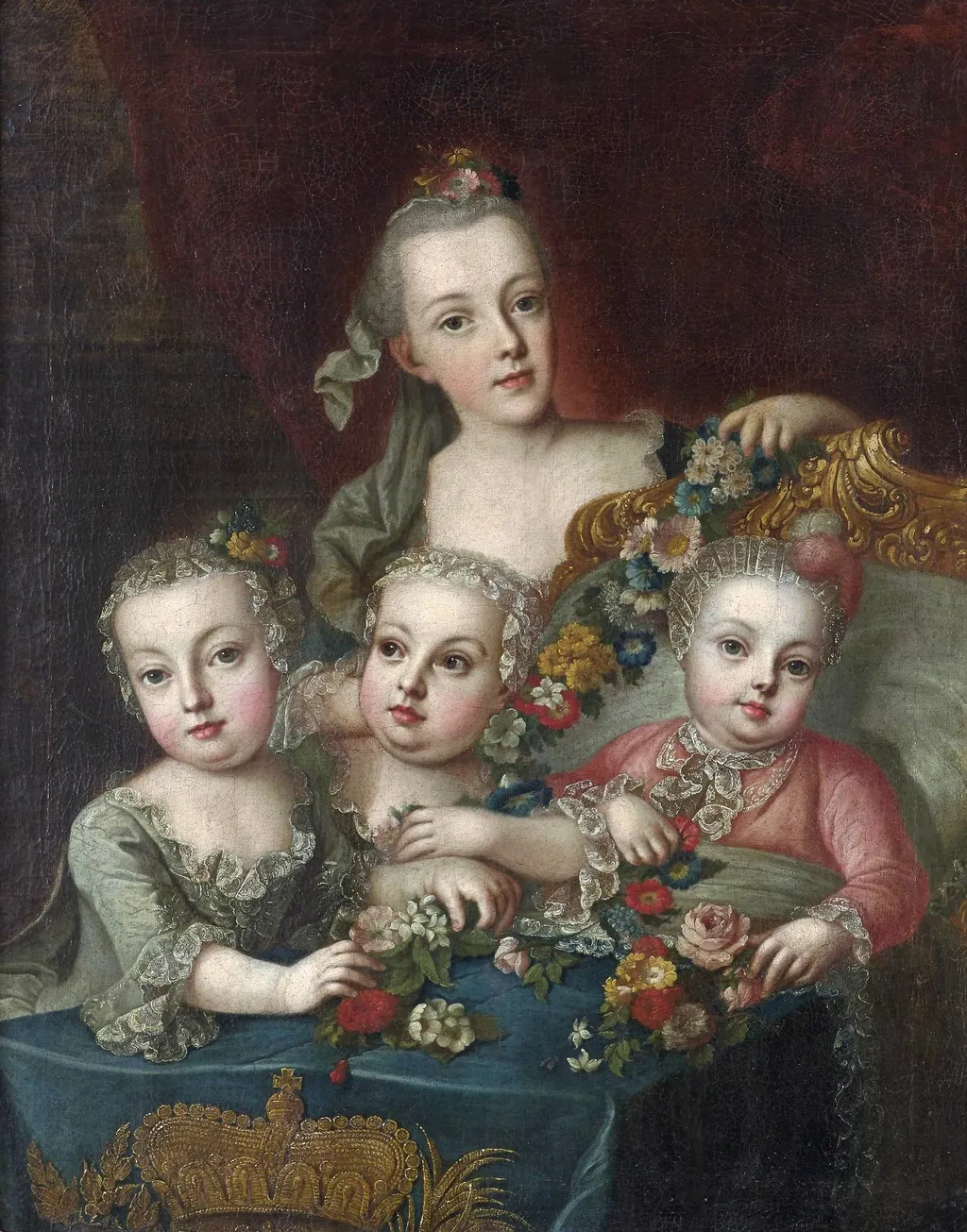
Portrait of the children of the Austrian Empress Maria Theresa is an oil painting by the Rococo painting artist Aleksey Antropov. It dates from 1760 and is held in the collection of the Tretyakov Gallery.
About this work
Overview
Painted in 1760 by Russian artist Aleksey Antropov, this oil portrait depicts the daughters of Empress Maria Theresa of Austria.
Painted in 1760 by Russian artist Aleksey Antropov, this oil portrait depicts the daughters of Empress Maria Theresa of Austria. Antropov, trained in St. Petersburg and known for both secular and religious imagery, executed the work during a period of active diplomatic exchange between Russian and Habsburg courts. The painting resides today in the Tretyakov Gallery, Moscow, as part of its 18th-century portrait collection.
Subject & Meaning
The portrait presents four young Habsburg princesses arranged in a hierarchical composition, with the eldest seated and the others standing nearby. Each holds flowers, a conventional symbol of youth and virtue. Their uniform attire and synchronized hairstyles reflect courtly discipline and dynastic unity. The image serves less as a personal record than as a visual assertion of imperial lineage and the political value of royal offspring in European alliances.
Technique & Style
Antropov employed the refined brushwork and soft modeling characteristic of Rococo portraiture, with delicate attention to lace, silk, and floral details. Chiaroscuro subtly defines the girls’ forms against a deep red backdrop, enhancing their three-dimensionality without dramatic contrast. The palette balances pastel tones of their garments with the vivid hues of the flowers, guiding focus toward their faces and the symbolic gestures of their hands.
History & Provenance
Commissioned during a period of close ties between Russia and the Habsburg monarchy, the painting likely traveled to Russia as a diplomatic gift. Antropov, then a leading portraitist at the Russian court, was entrusted with its execution. It entered the Tretyakov collection in the 19th century, where it was cataloged among other works of imperial portraiture, preserving its historical context despite its foreign subject.
Context
In mid-18th-century Europe, royal portraits functioned as tools of political messaging. Maria Theresa’s daughters were strategically married to secure alliances, making their public representation vital. Antropov’s work aligns with broader trends in Russian court art, which absorbed Western European styles while asserting its own imperial identity. The painting reflects the cosmopolitan nature of aristocratic culture beyond national borders.
Legacy
Though not widely exhibited outside Russia, the portrait remains a significant example of Russian portraiture engaged with foreign royalty. Antropov’s handling of the Habsburg children demonstrates his adaptability to international commissions and his role in bridging Russian and Central European artistic traditions. The work continues to inform studies of dynastic representation in Enlightenment-era painting.
Own this work as a print
Artist & collection
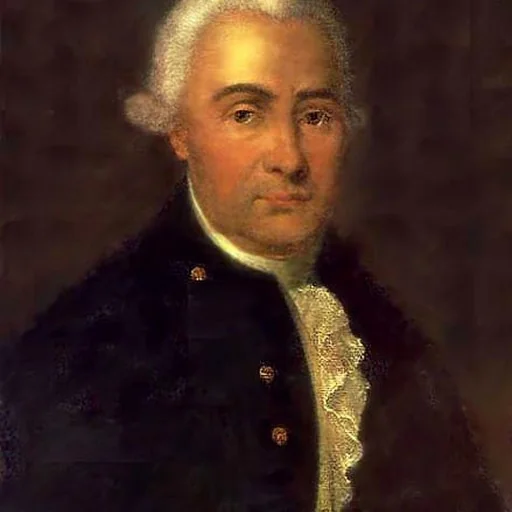
Artist
Aleksey Petrovich Antropov (Russian: Алексей Петрович Антропов; 25 March 1716 – 23 June 1795) was a Russian painter active primarily in St.

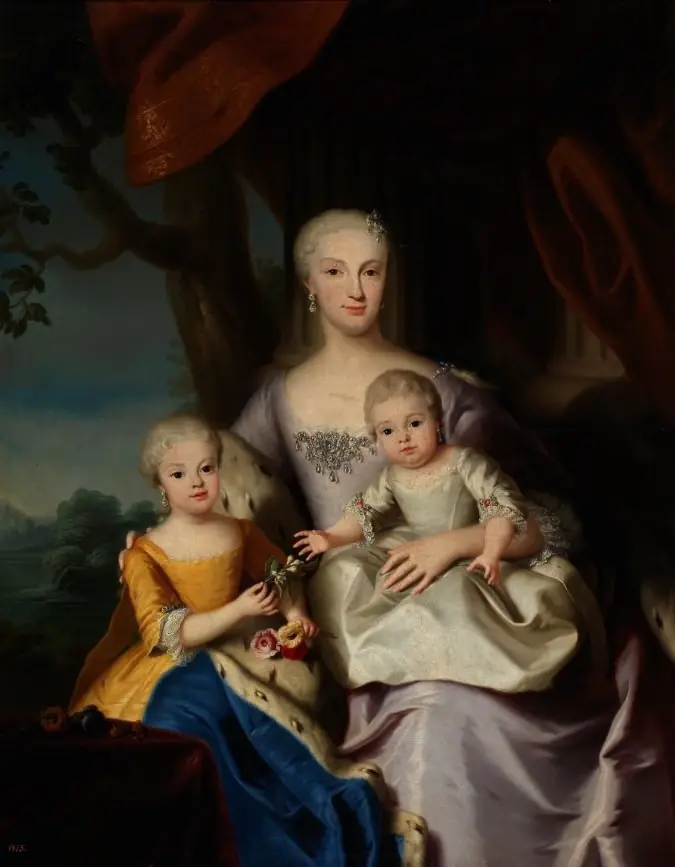 Maria Antonia of Spain and her two daughters
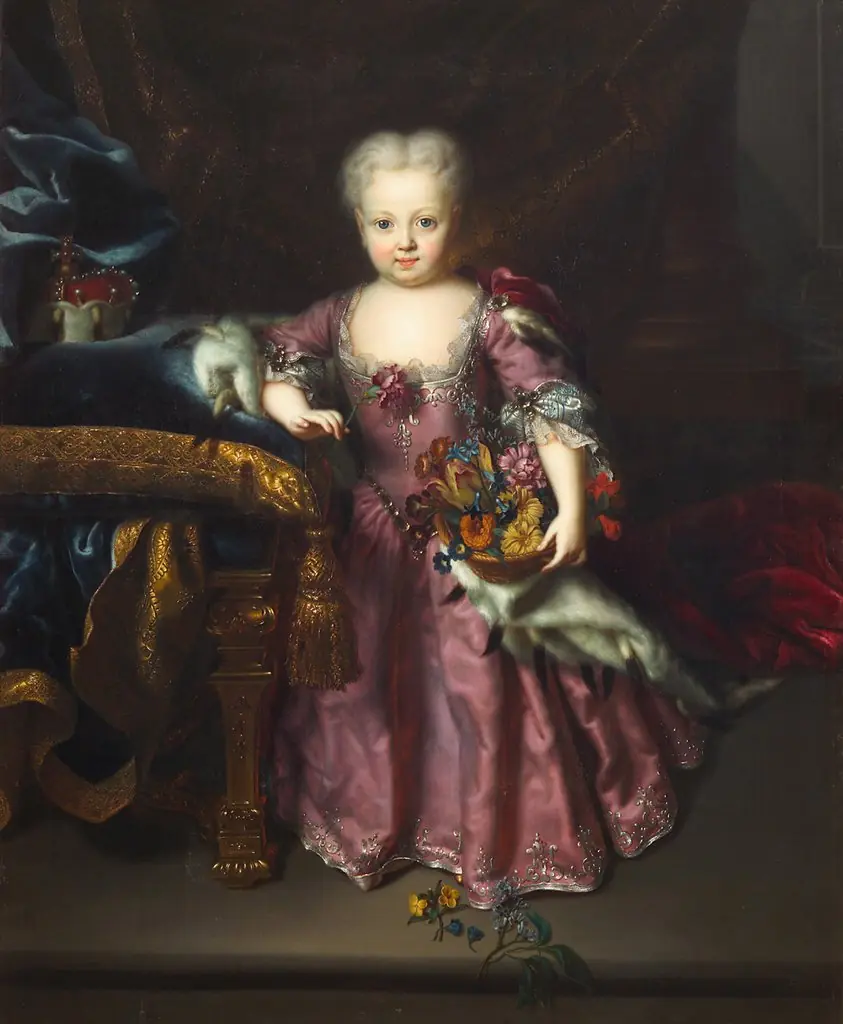 Erzherzogin Maria Amalie (1724-1730) im Alter von drei Jahren
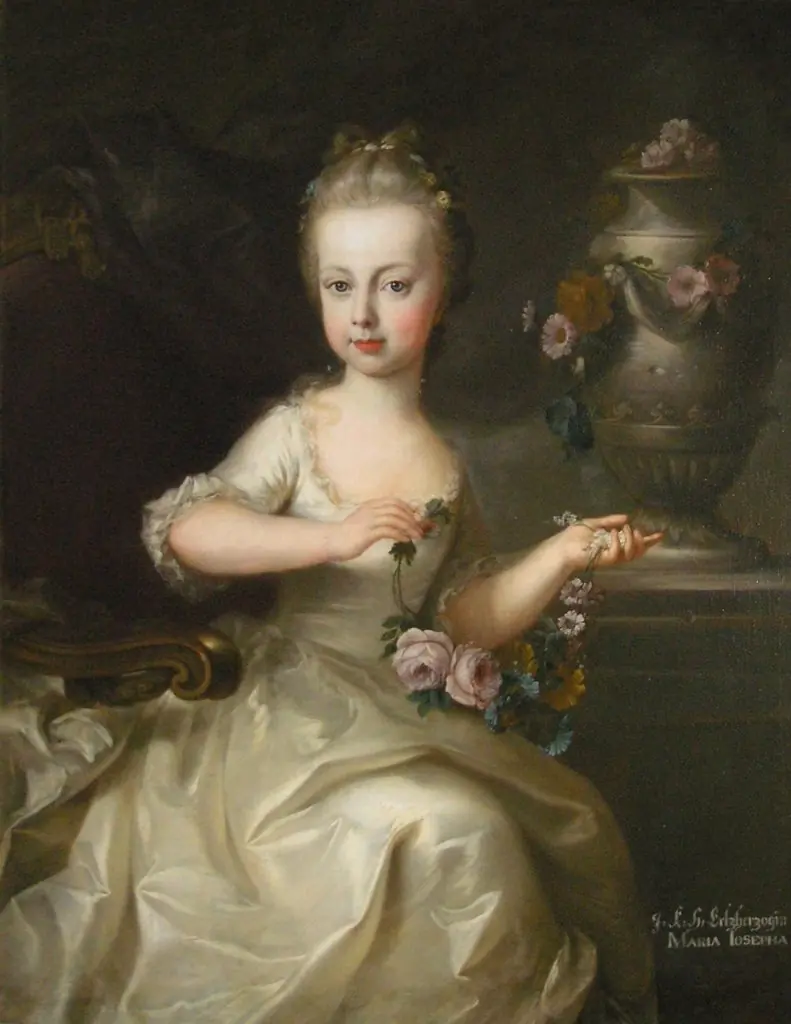 I.K.H. Erzherzogin Maria Iosepha
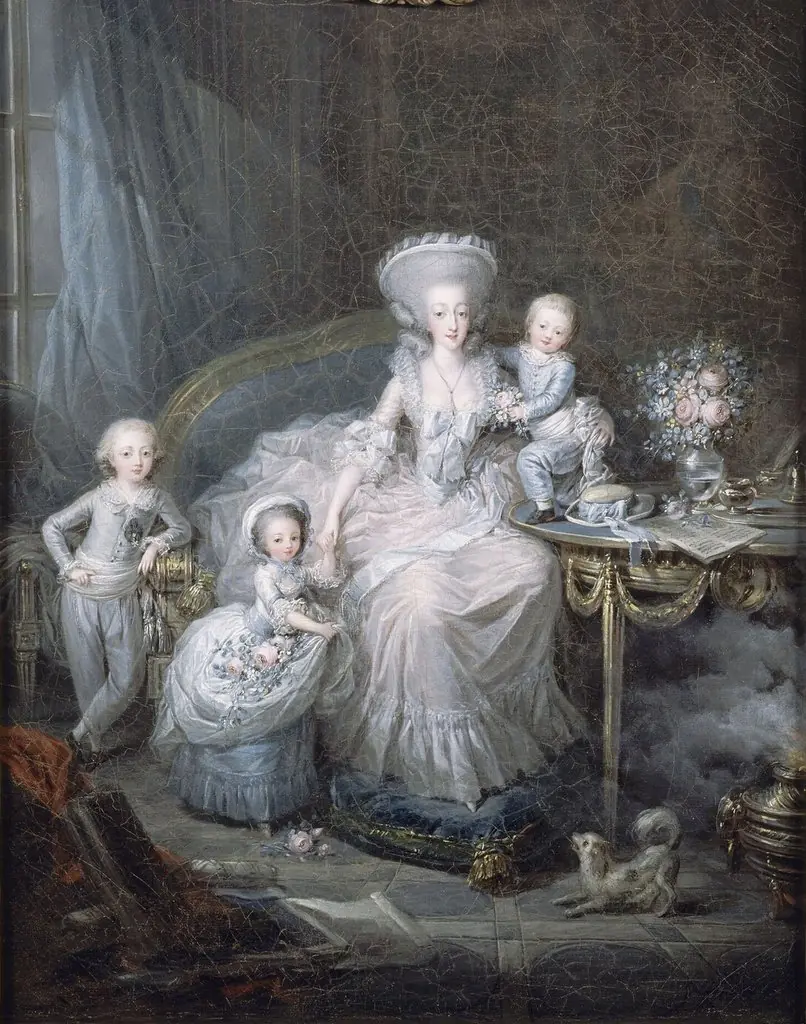 The Comtesse d'Artois and her children
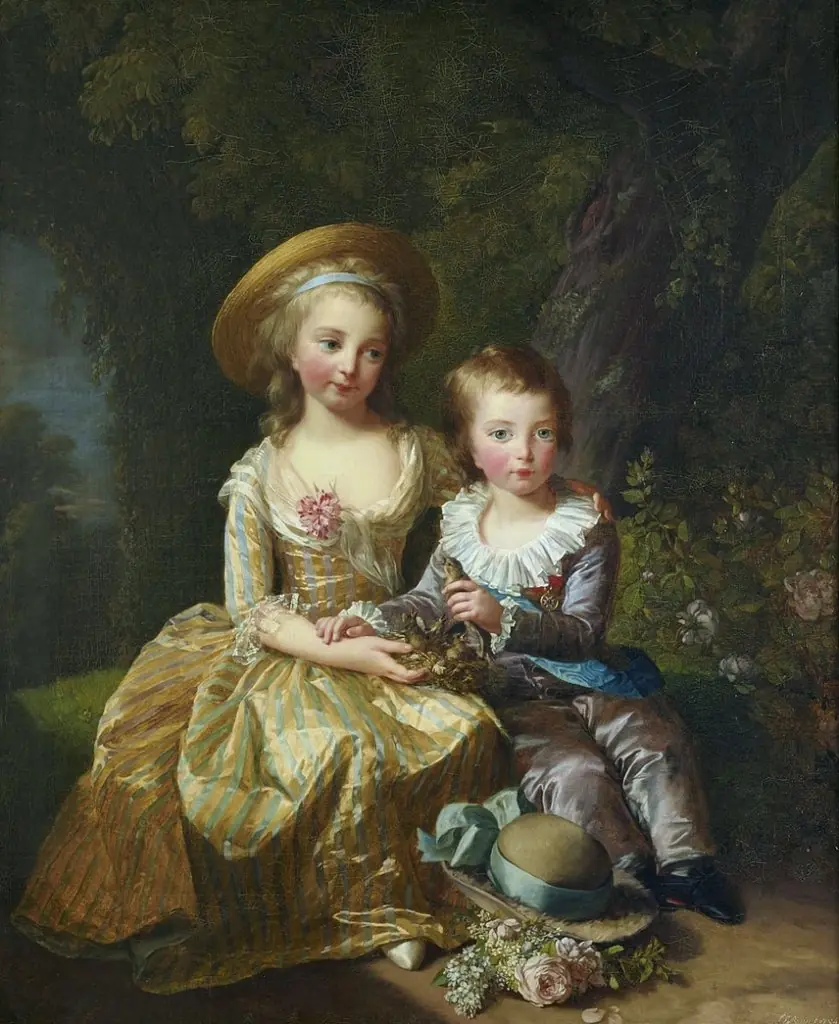 Portrait of Madame Royale and Louis Joseph, Dauphin of France
 Hedvig Ulrika Hedengran
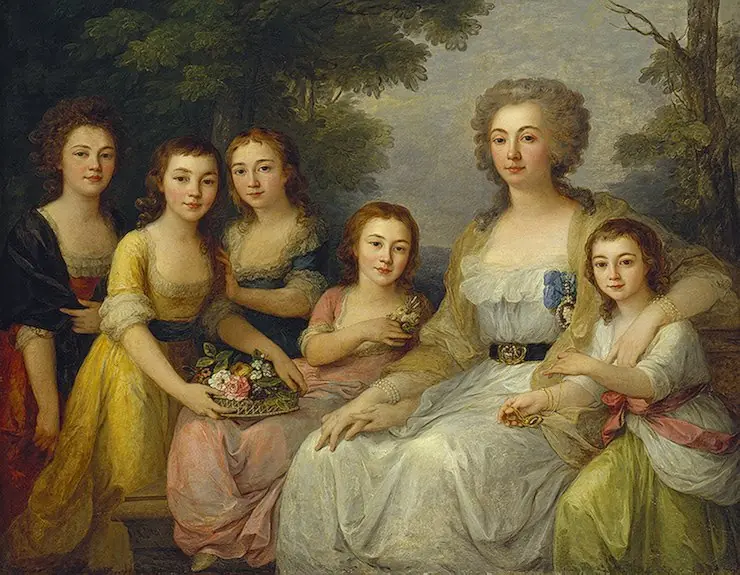 Portrait of Countess A.S. Protasova with her Nieces
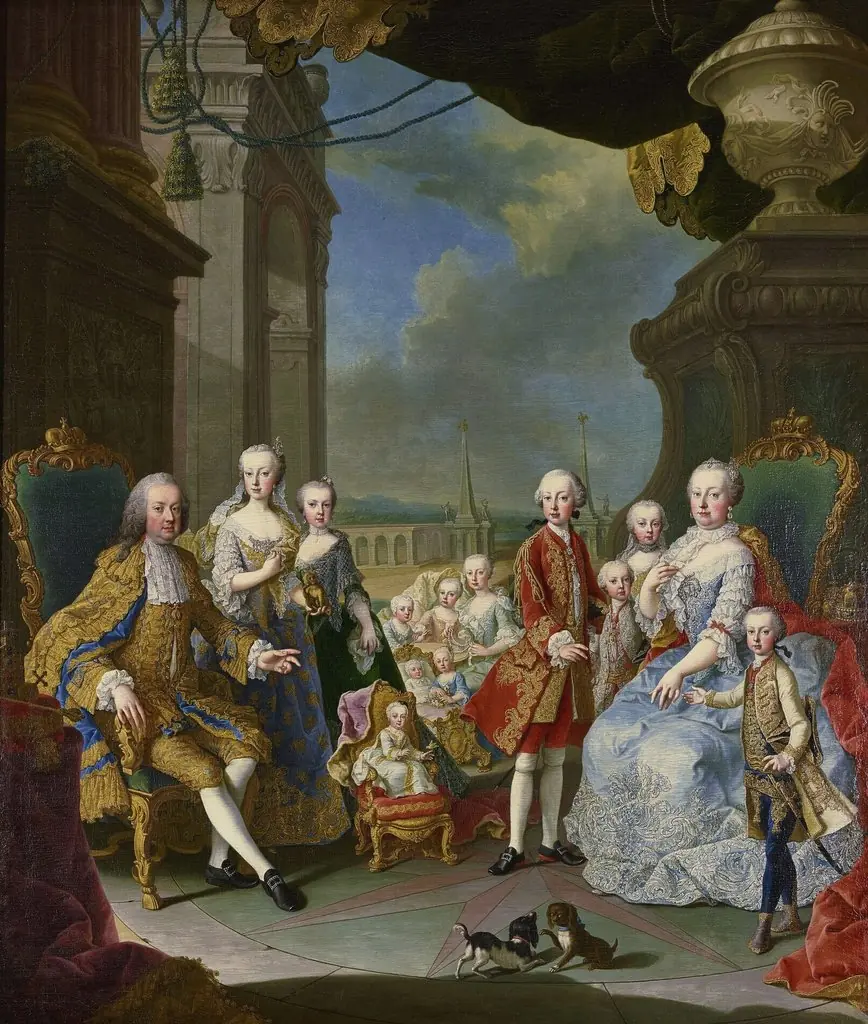 The Imperial family in 1756
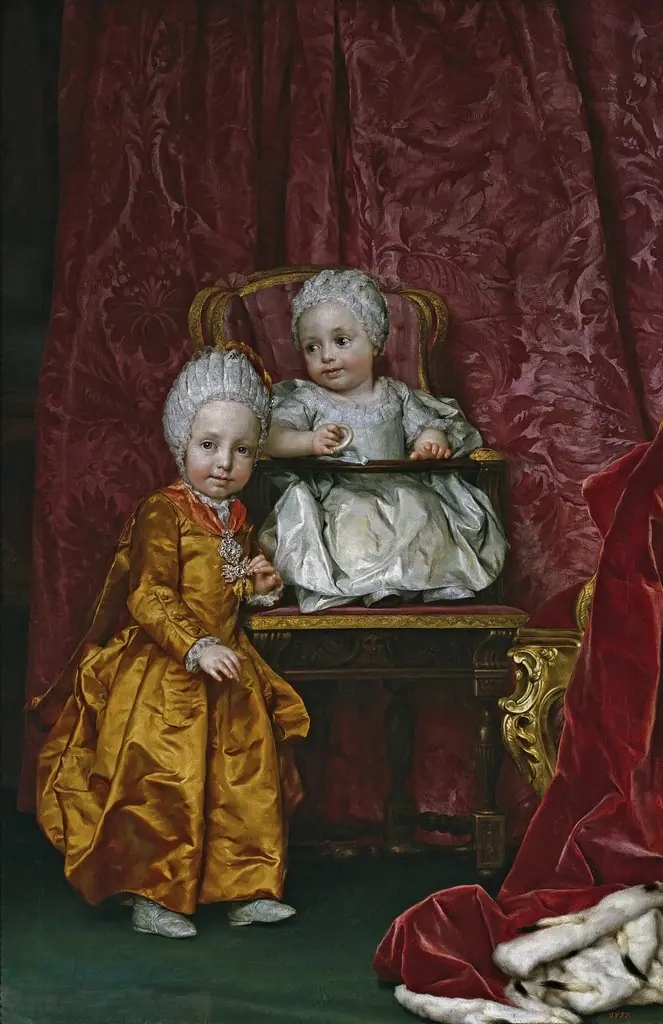 Archduke Ferdinand and Archduchess Maria Anna of Austria
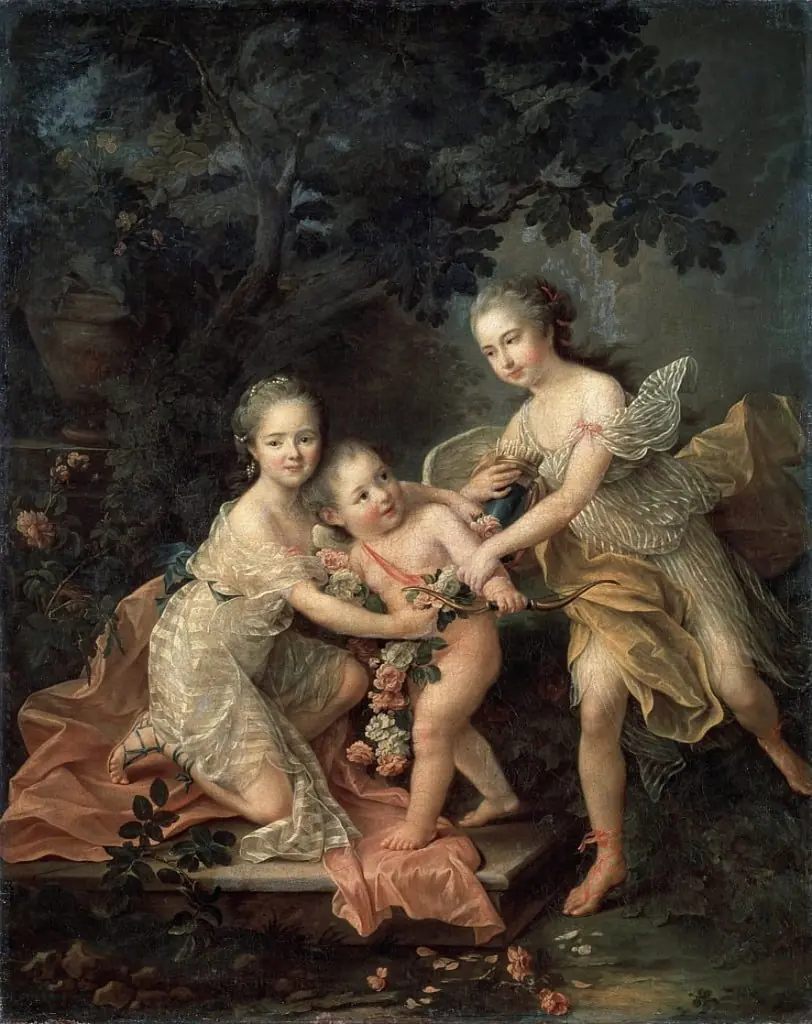 The Children of the Duke of Orleans
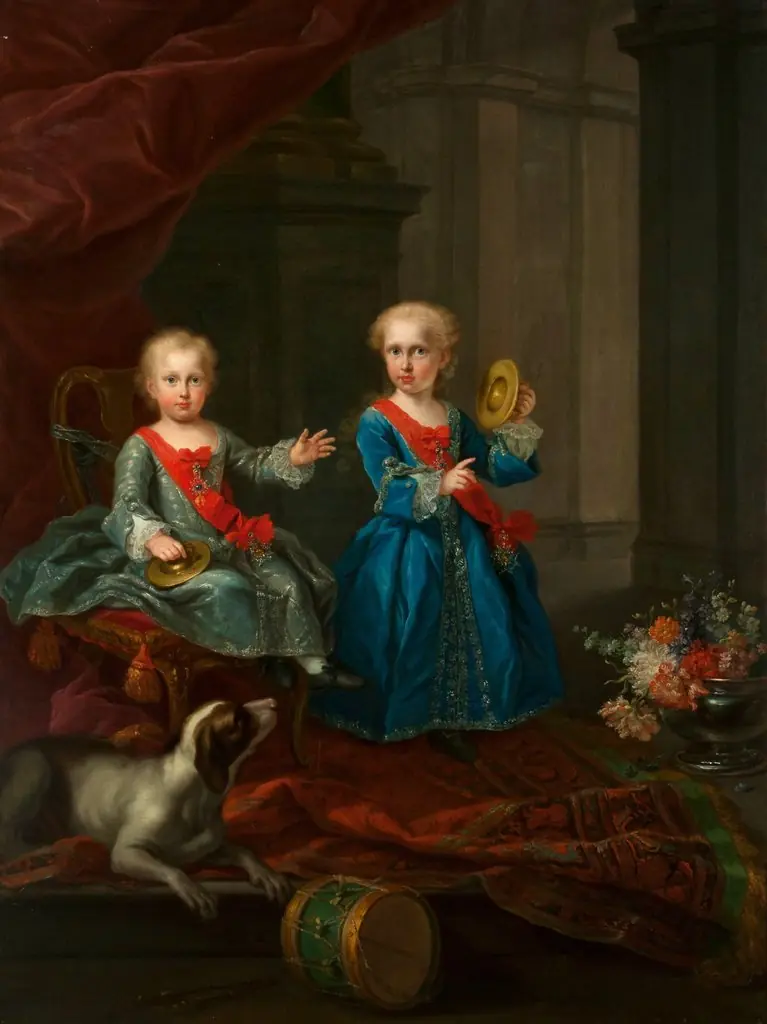 Francesco Saverio e Antonio Pasquale di Borbone
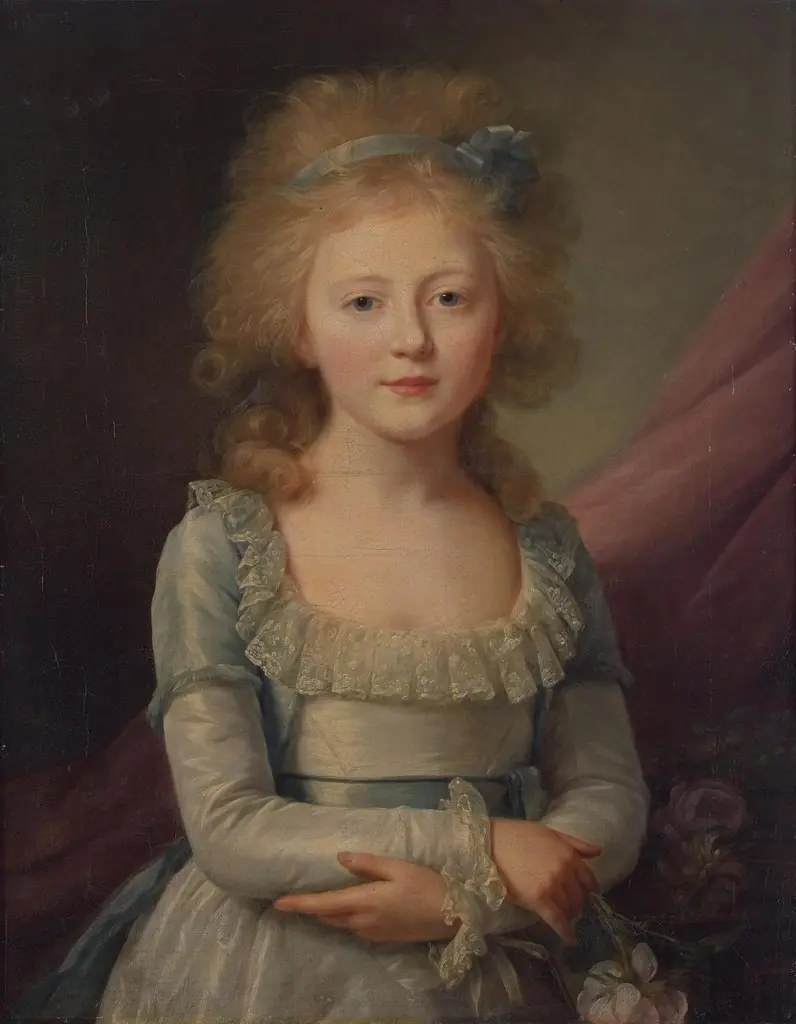 Portrait of grand Duchess Yelena Pavlovna as the Child