Artwork
The Sacrifice of Isaac
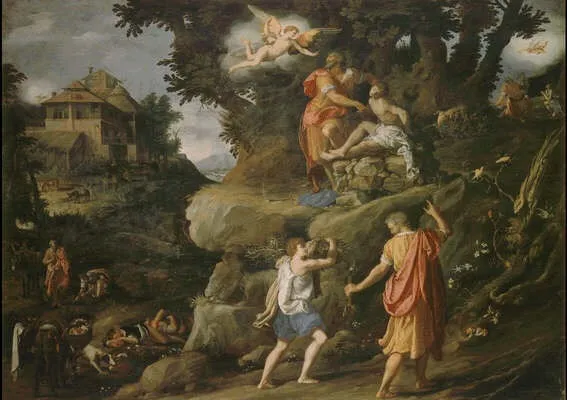
The Sacrifice of Isaac is an oil painting by the Mannerist artist Alessandro Allori. It dates from 1601 and is held in the collection of the Uffizi Gallery.
About this work
Overview
Alessandro Allori’s 1601 oil painting *The Sacrifice of Isaac* presents a biblical tableau in which Abraham is poised to slay his son on a craggy landscape, only to be halted by a descending angel. The composition balances tension and divine intervention, capturing a moment of imminent tragedy transformed into salvation.
Subject & Meaning
The work visualizes the Genesis episode where Abraham prepares to offer Isaac as a test of faith. The figures’ restrained gestures and the angel’s outstretched hand underscore themes of obedience, divine mercy, and the reversal of human intent, inviting contemplation of sacrifice and redemption.
Technique & Style
Executed in oil on canvas, the painting reflects the late Florentine Mannerist aesthetic. Allori employs elongated proportions, polished surfaces, and a controlled palette, while the intricate rendering of drapery and the atmospheric sky demonstrate his meticulous handling of light and texture.
History & Provenance
Created in the early seventeenth century, the canvas entered the collection of the Uffizi Gallery, where it remains on public display. Its acquisition aligns with the museum’s broader effort to assemble representative works of Florentine Mannerism.
Context
Allori, a pupil of Agnolo Bronzino, worked within a Florentine tradition that prized elegance and intellectual sophistication. *The Sacrifice of Isaac* exemplifies the period’s fascination with complex narratives and refined figuration, situating the painting among contemporaneous religious commissions that sought to convey theological drama through stylized form.
Artist & collection
Artist
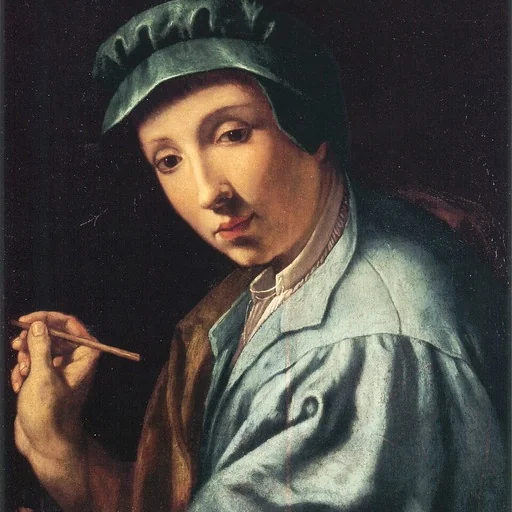
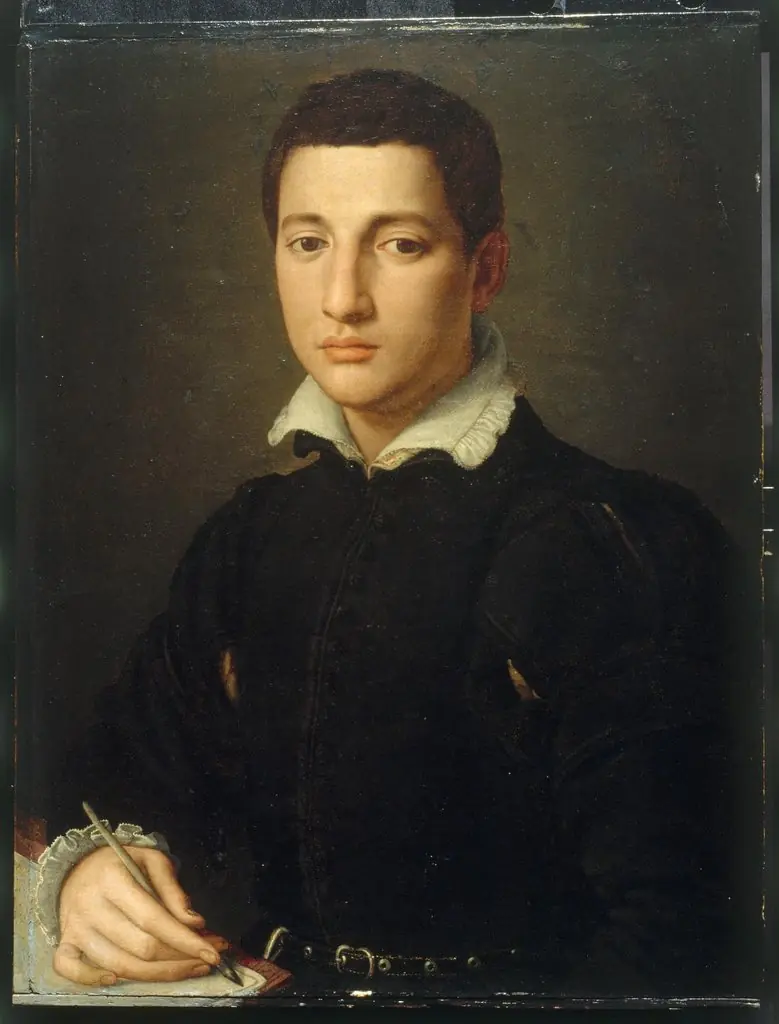
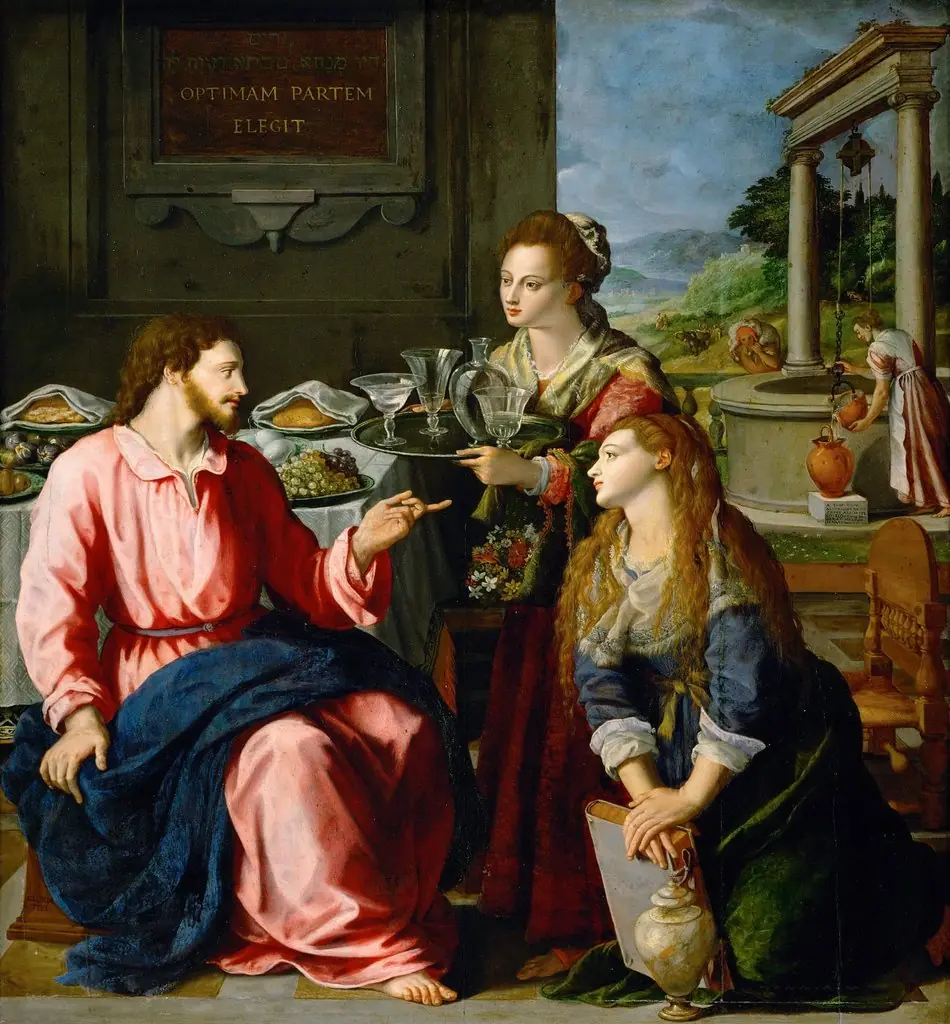
Alessandro di Cristofano di Lorenzo del Bronzino Allori (Florence, 31 May 1535 – 22 September 1607) was an Italian painter of the late Mannerist Florentine school.

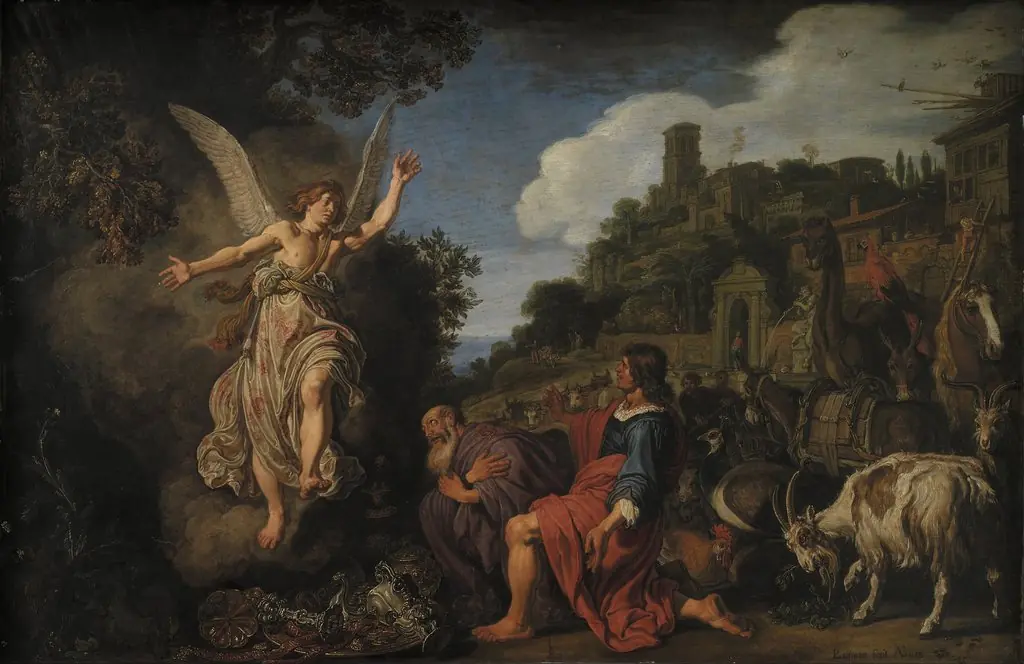 The Angel Raphael Takes Leave of Old Tobit and his Son Tobias
 The Angel Raphael Takes Leave of Old Tobit and his Son Tobias
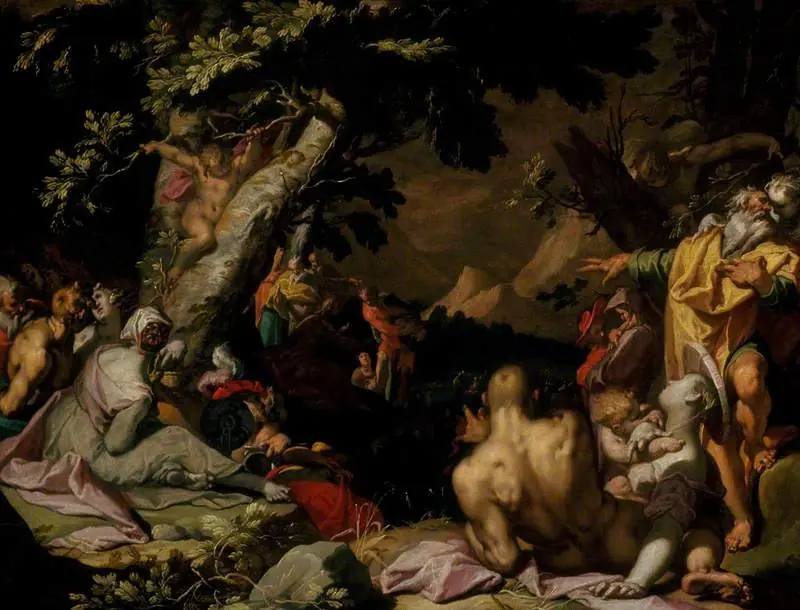 Miracle of the loaves (Jesus feeds the five thousand)
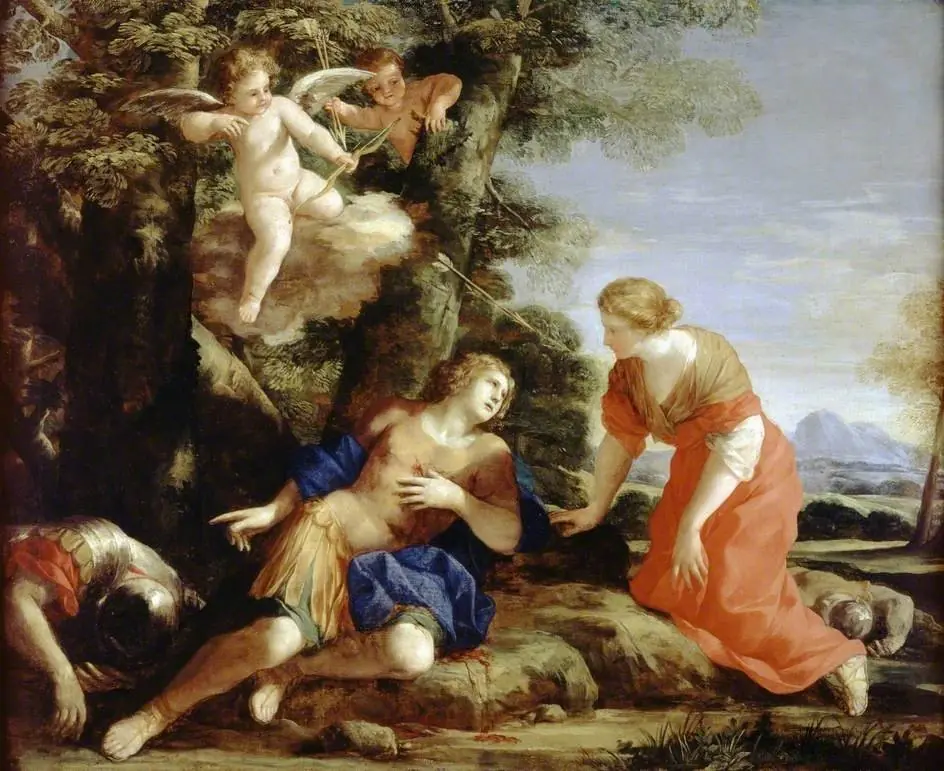 Angelica encountering the wounded Medoro
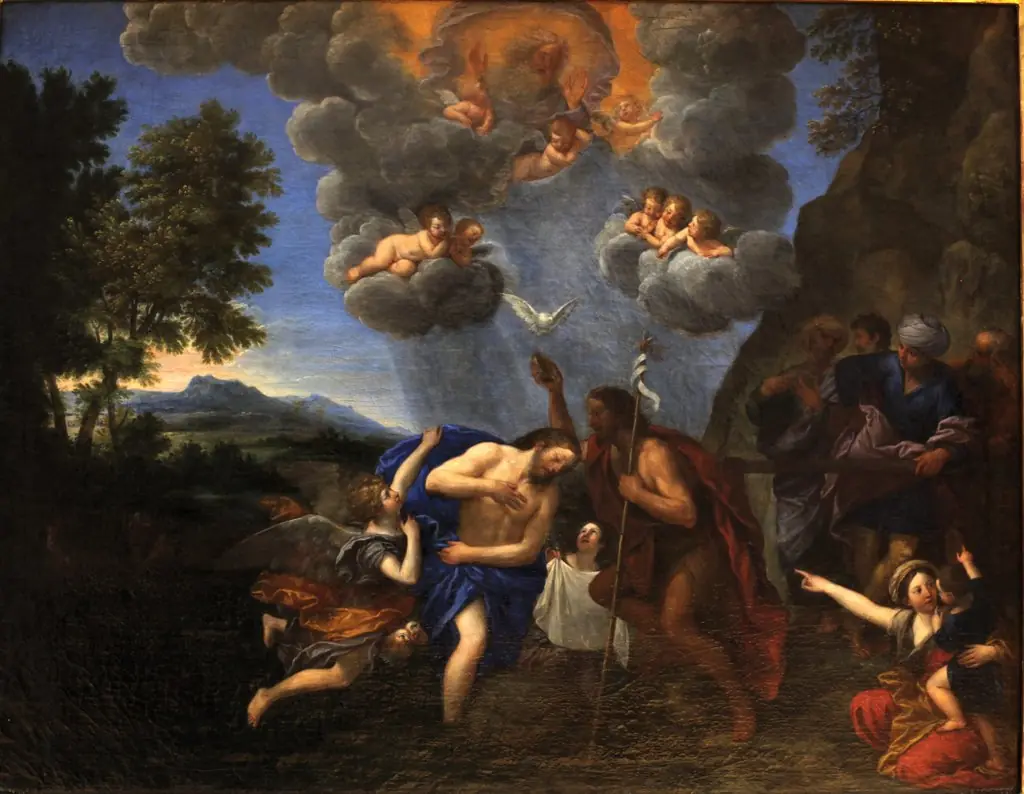 The Baptism of Christ
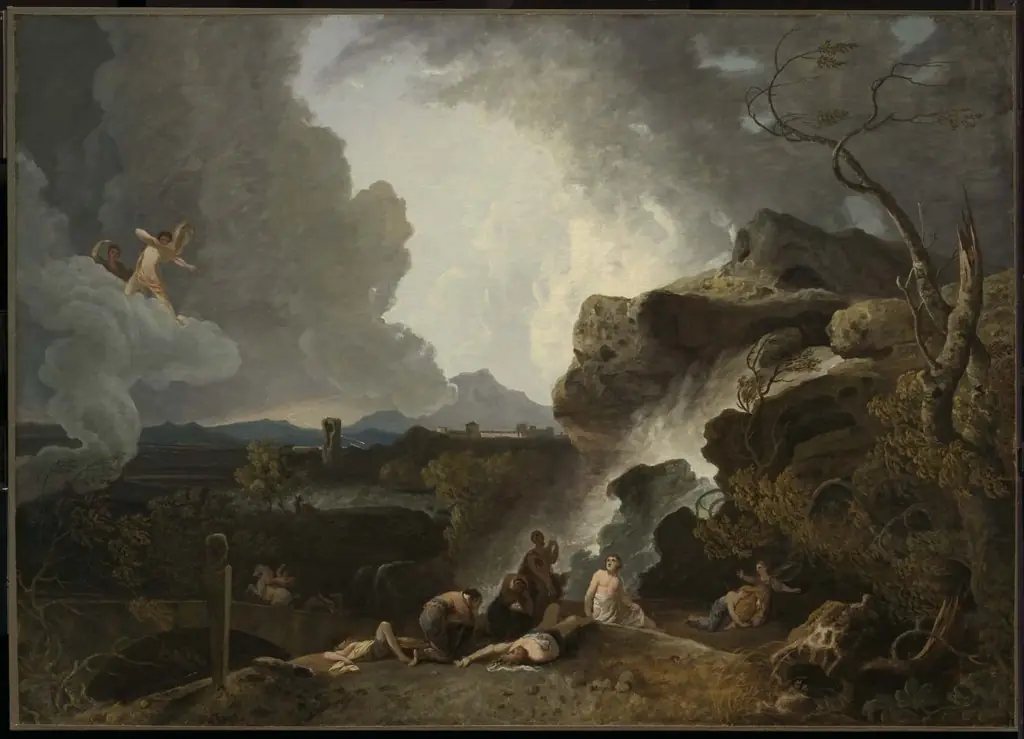 Apollo Destroying the Children of Niobe
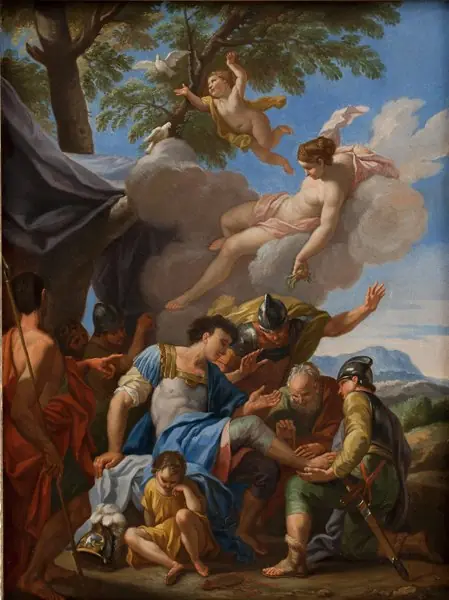 Venus Bringing Simples for the Wounded Aeneas
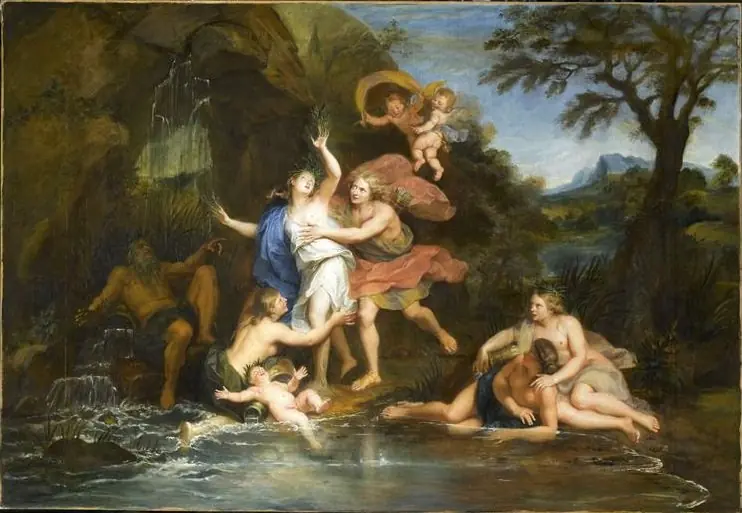 Apollo and Daphne
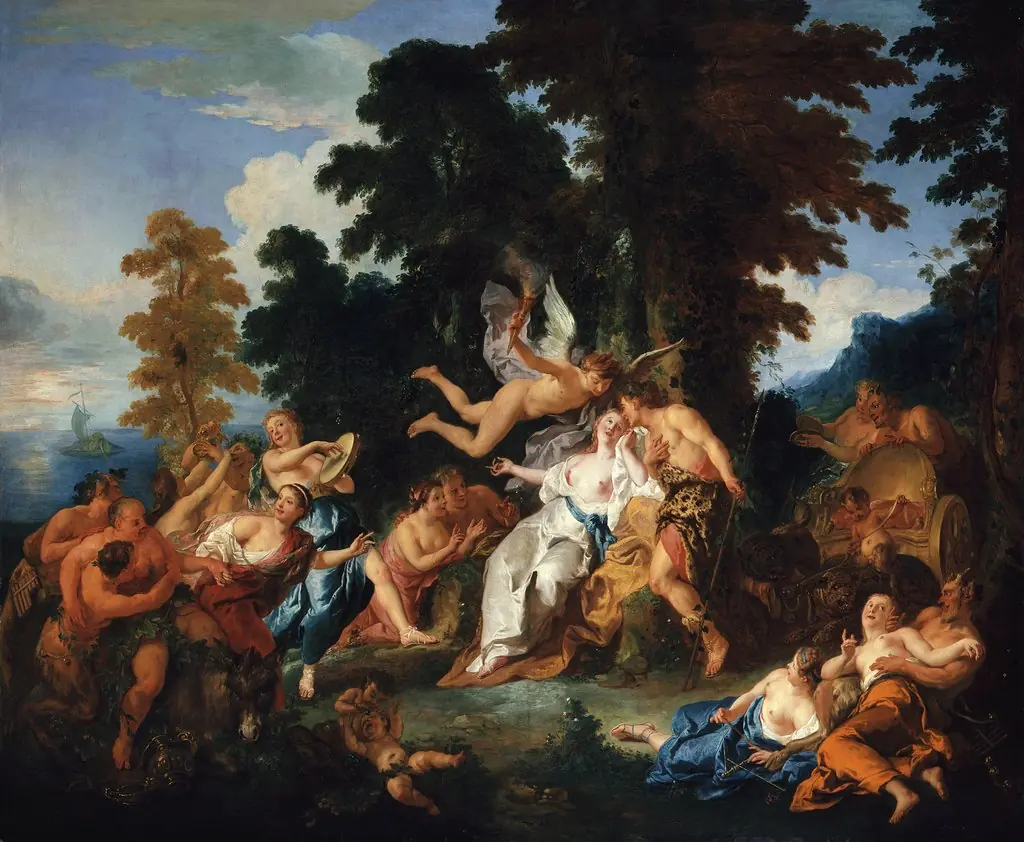 Bacchus and Ariadne
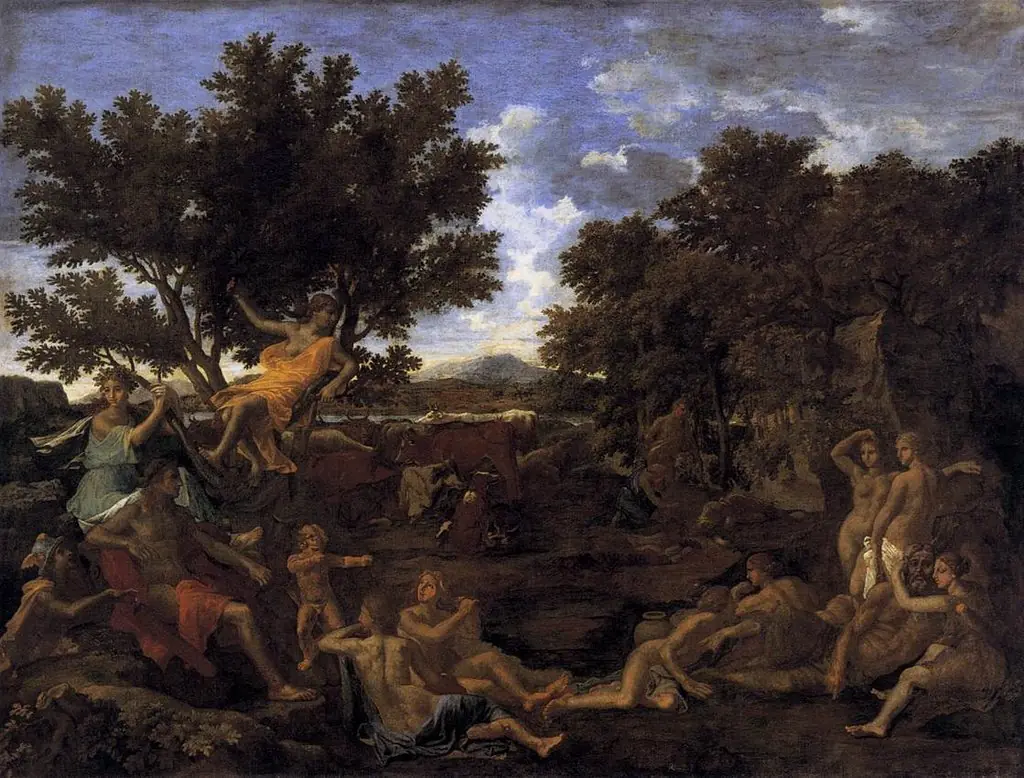 Apollo in Love with Daphne
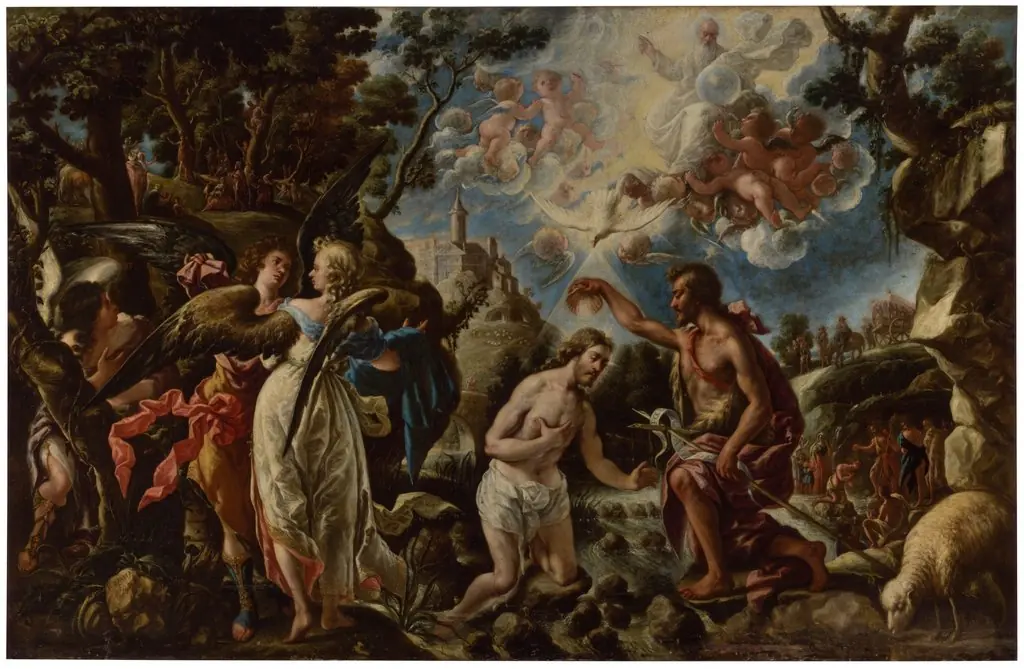 El Bautismo de Cristo
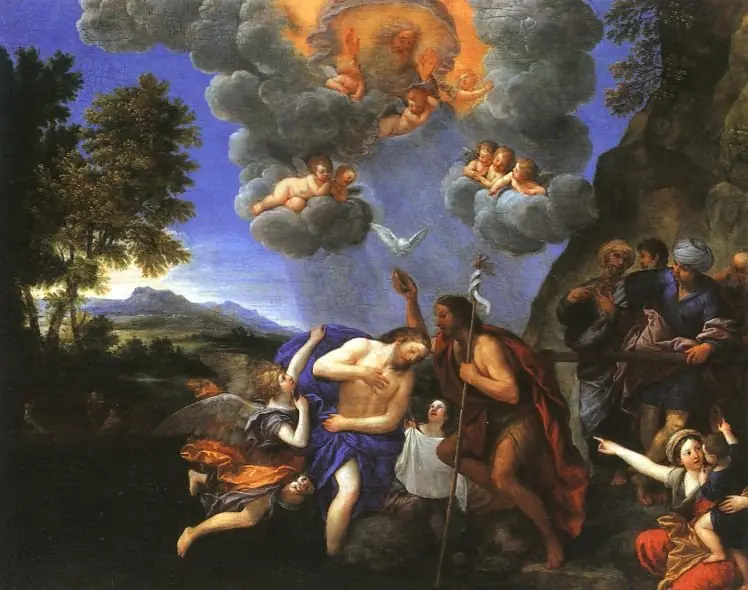 Baptism of Christ