Artwork
Brutal Interrogation (Torture Scene)
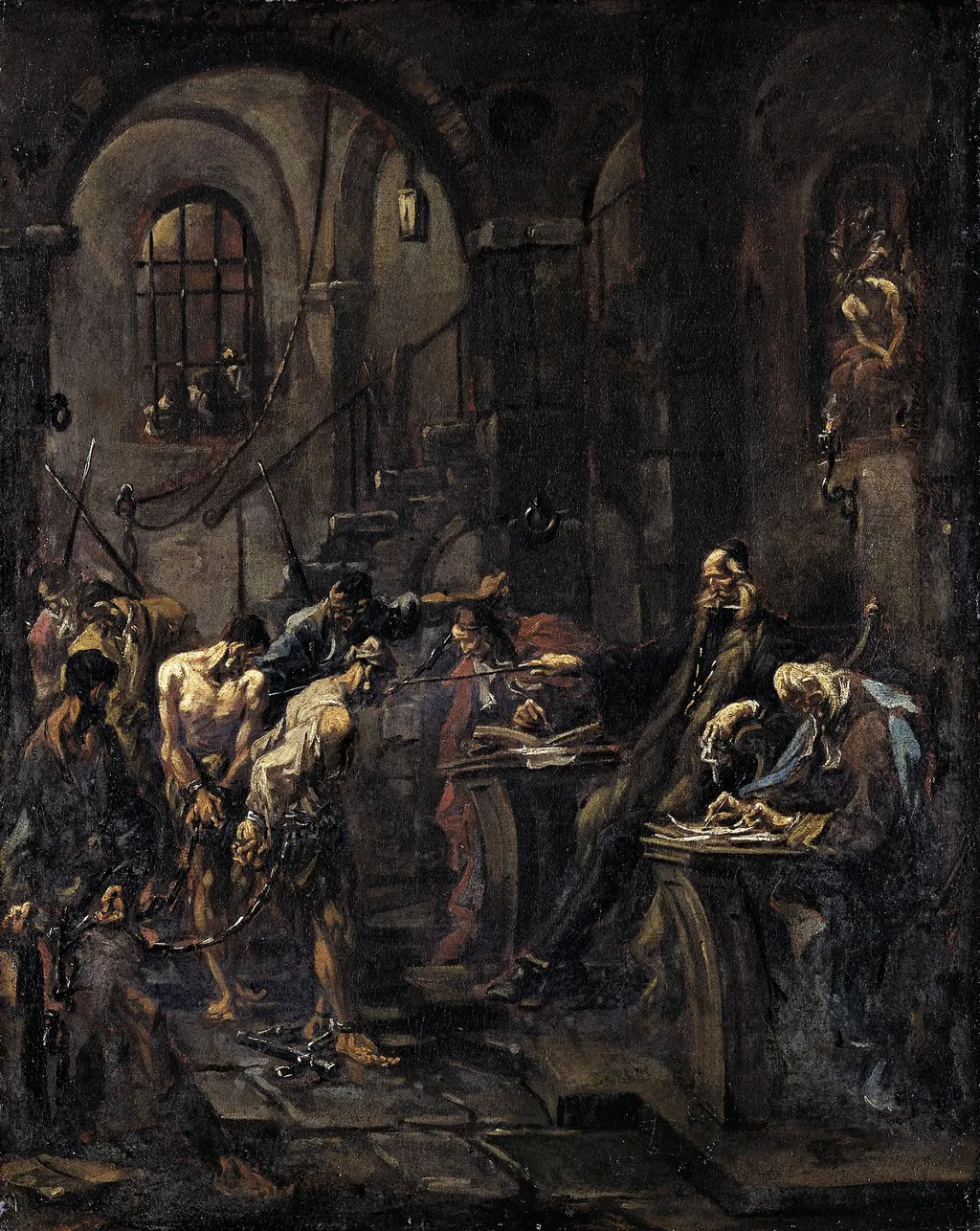
Brutal Interrogation (Torture Scene) is an unspecified painting by the Rococo painting artist Alessandro Magnasco. It dates from 1728 and is held in the collection of the Städel Museum.
About this work
Overview
Painted in 1728 by Alessandro Magnasco, known as il Lissandrino, this work belongs to a series of genre scenes depicting moments of violence and social tension.
Painted in 1728 by Alessandro Magnasco, known as il Lissandrino, this work belongs to a series of genre scenes depicting moments of violence and social tension. Executed during the Rococo era, it diverges from the period’s ornamental grace, instead embracing a raw, almost theatrical realism. Magnasco, active in northern Italian cities like Milan and Genoa, used his brush to explore the margins of society, often focusing on figures outside the mainstream of power and privilege.
Subject & Meaning
The scene portrays a coercive interrogation, with a bound figure restrained by multiple men under dim, flickering light. One assailant raises a club, while others watch or intervene with expressions of unease. The composition suggests institutionalized brutality, possibly referencing judicial or military practices of the time. The lack of clear narrative context invites interpretation: is this a moment of justice, punishment, or abuse? The ambiguity underscores the painting’s critique of authority and human vulnerability.
Technique & Style
Magnasco’s brushwork is rapid and fractured, creating a sense of agitation and instability. Forms are loosely defined, with edges dissolving into shadow and light. Chiaroscuro intensifies the drama, isolating figures in pools of candlelight against deep darkness. The texture of fabric, skin, and rope is rendered with energetic, almost erratic strokes, emphasizing physical tension. This approach, rooted in late Baroque expressiveness, rejects polished finish in favor of emotional immediacy and psychological unease.
History & Provenance
The painting was completed in 1728, during Magnasco’s mature period, when he increasingly turned to dark, atmospheric subjects. It remained in private collections in northern Italy for much of its early history, with no documented public exhibition until the 19th century. Its survival through centuries of changing tastes reflects its enduring, if unsettling, resonance. The work entered a major museum collection in the 20th century, where it is now studied as a rare example of moral realism in 18th-century Italian painting.
Context
In early 18th-century Italy, judicial torture was still legally sanctioned in many regions, though increasingly debated by Enlightenment thinkers. Magnasco’s depiction does not illustrate a specific event but evokes the pervasive atmosphere of coercion in institutions of control. His focus on marginalized figures—soldiers, prisoners, interrogators—contrasts with the aristocratic themes favored by contemporaries. The painting quietly aligns with emerging critiques of power, even as it resists didacticism.
Legacy
Magnasco’s *Brutal Interrogation* influenced later artists drawn to psychological intensity and social critique, including 19th-century realists and expressionists. Its rejection of idealized form and embrace of raw emotion set it apart from mainstream Rococo aesthetics. Though not widely known during his lifetime, the painting has since become a touchstone for scholars examining how art could confront violence without glorification. It remains a quiet but forceful testament to the human cost of unchecked authority.
Own this work as a print
Artist & collection
Artist
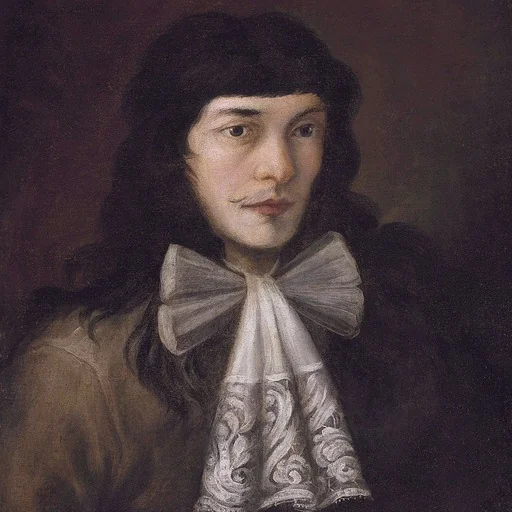
Alessandro Magnasco (February 4, 1667 – March 12, 1749), also known as il Lissandrino, was an Italian late-Baroque painter active mostly in Milan and Genoa.

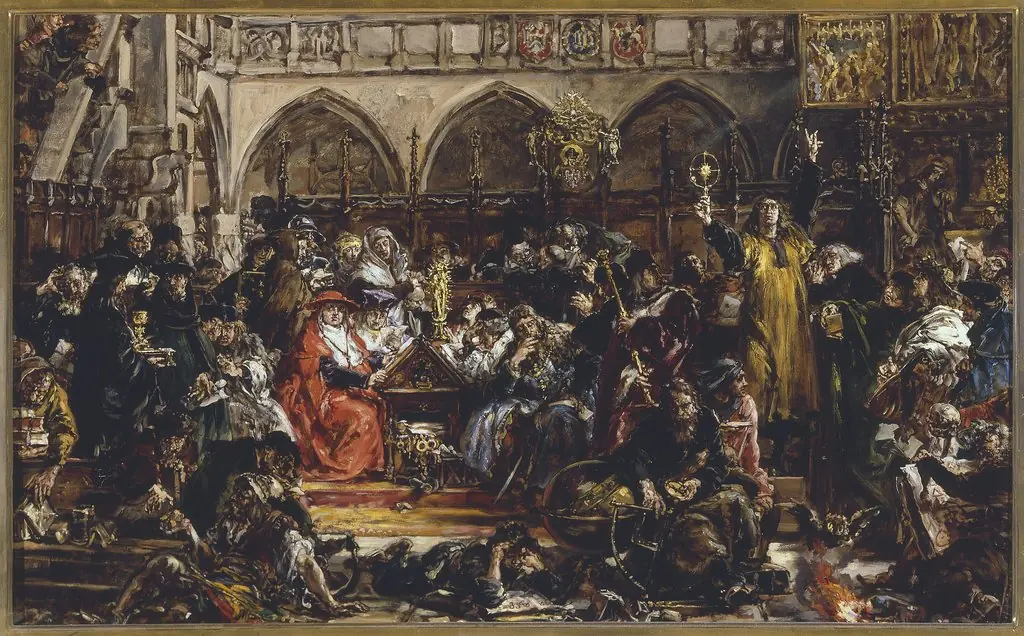 Influence of the university on the country, from the series “History of Civilization in Poland”
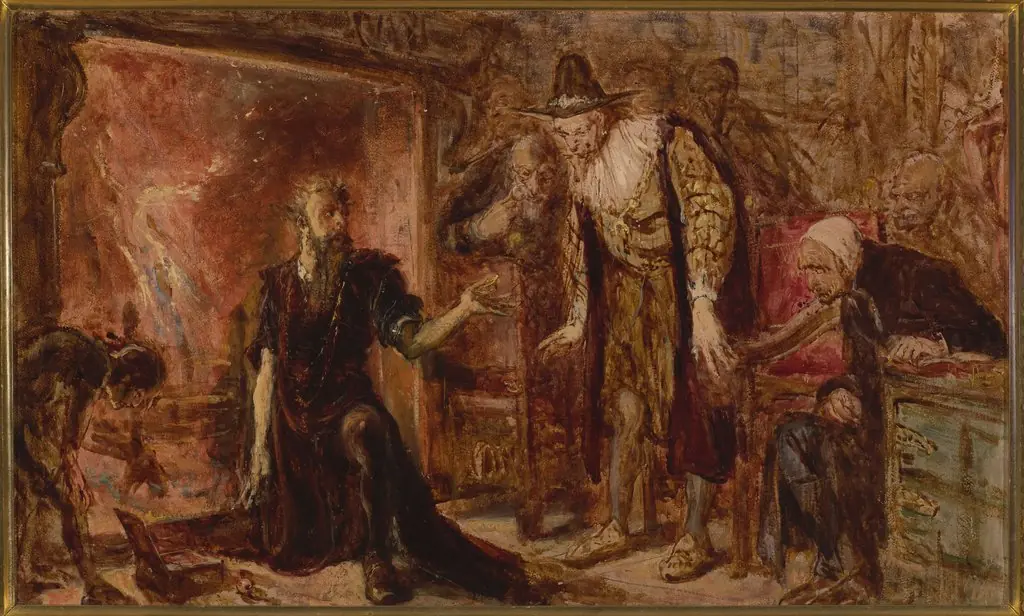 Alchemist Sendivogius and Sigismund III, sketch
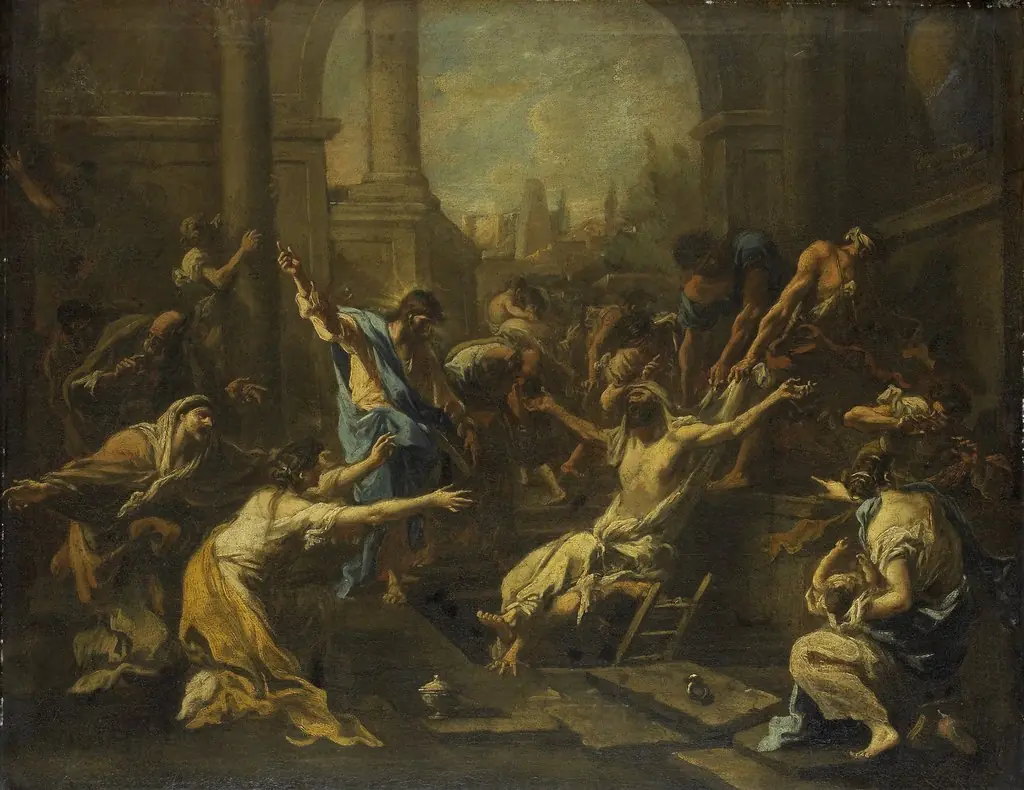
 Auferweckung des Lazarus
 In Front of a Church
 Peasants Fighting at the Village Inn
 Flagellants
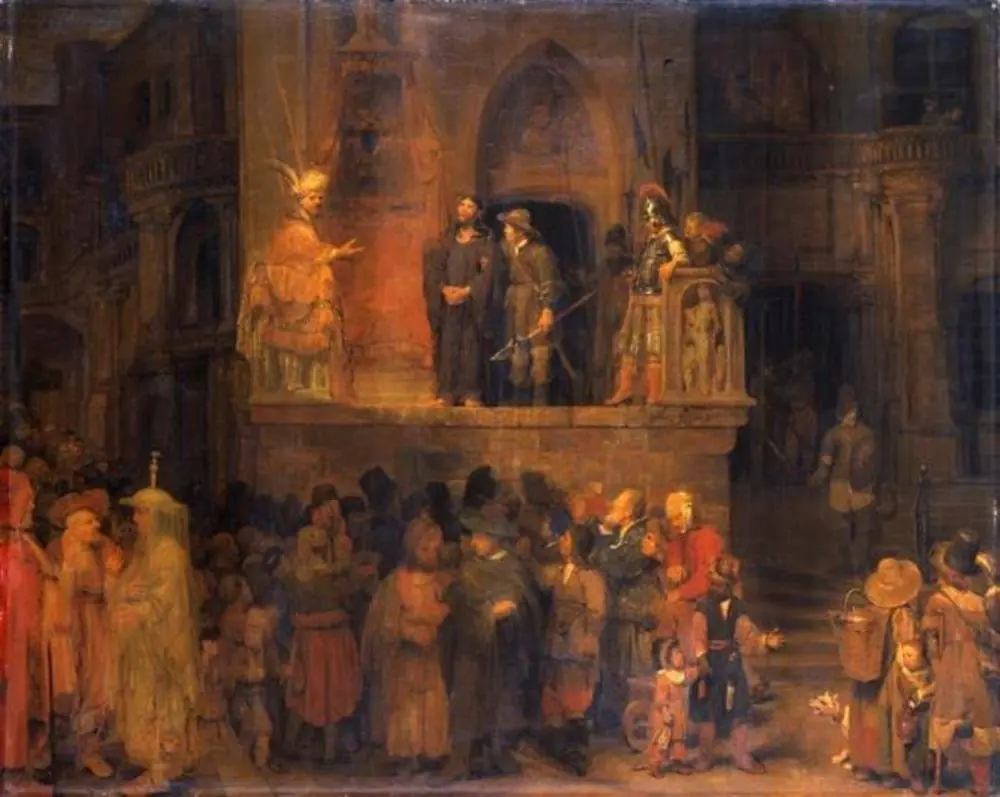 Ecce Homo (John 19:5)
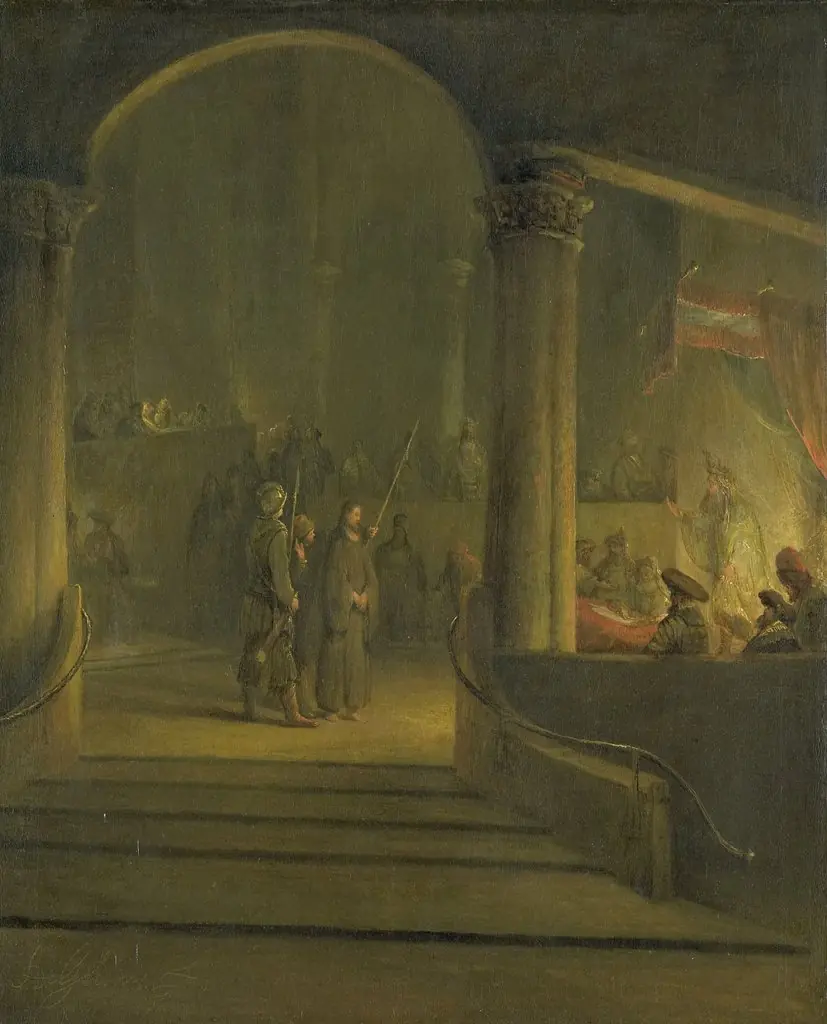 Christ before Caiphas
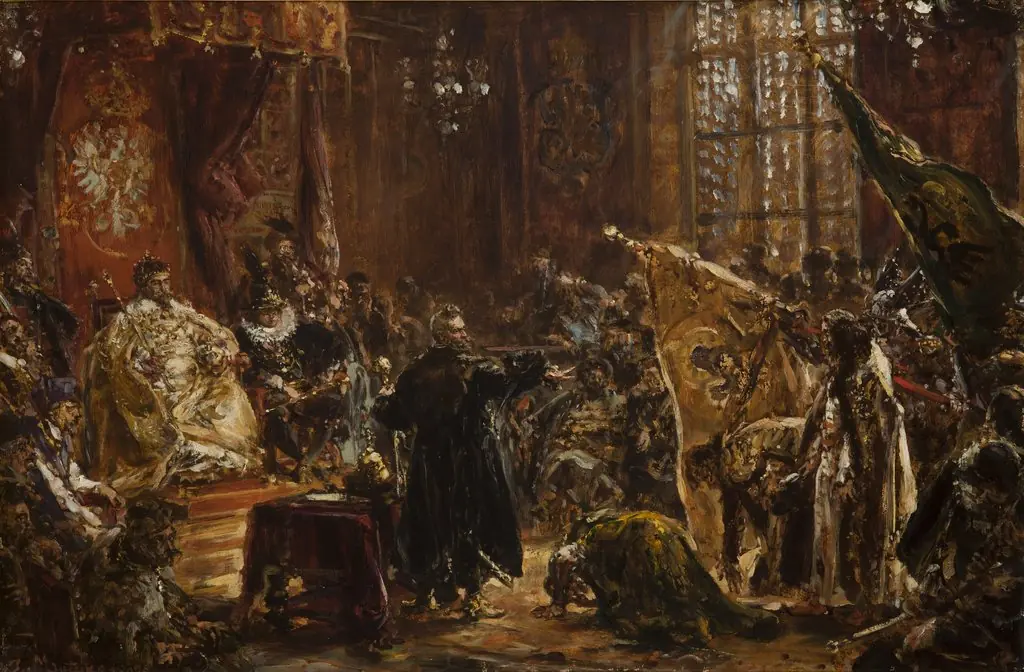 Tsars Shuyski brought by Żółkiewski to the Warsaw Sejm in front of Zygmunt III
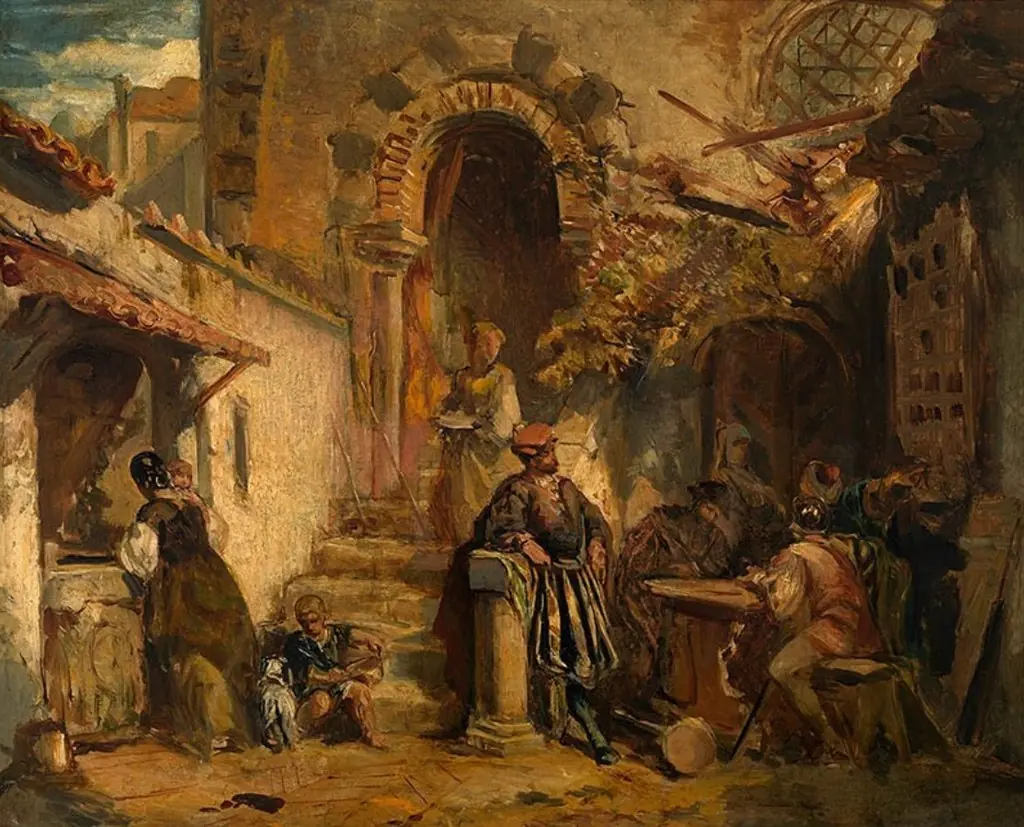 Gypsies