Artwork
Ecce Homo (John 19:5)
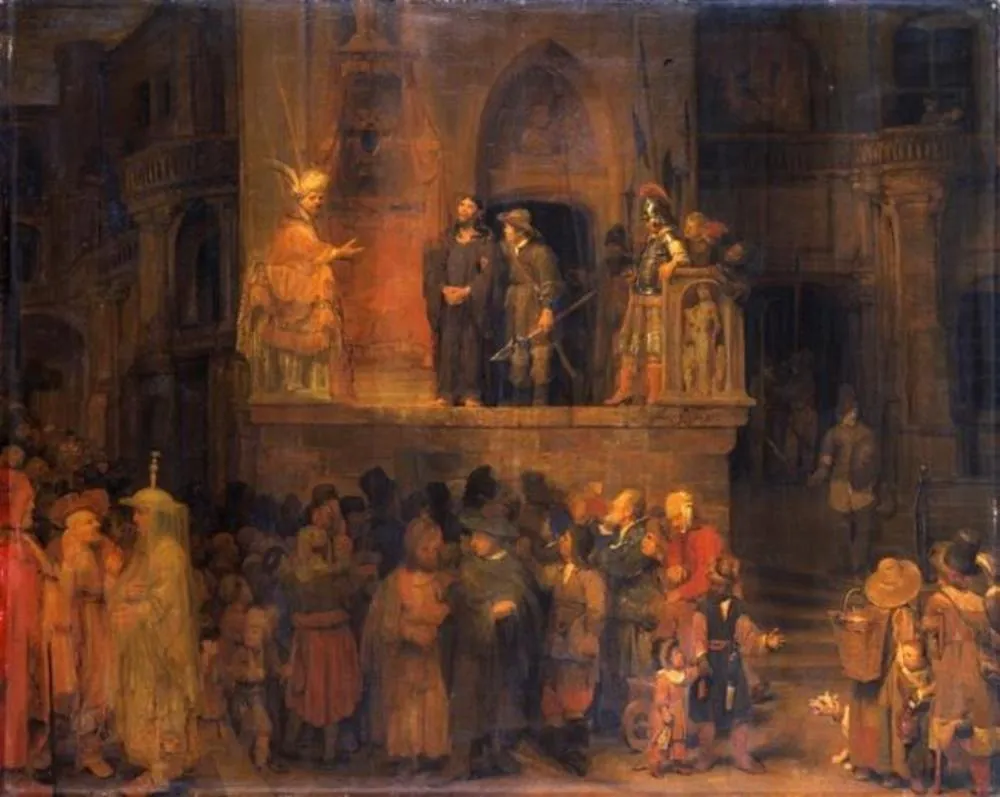
Ecce Homo (John 19:5) is an oil painting by the Dutch Golden Age artist Arent de Gelder. It dates from 1671 and is held in the collection of the Staatliche Kunstsammlungen Dresden.
About this work
Overview
Created in 1671, this oil painting by Aert de Gelder portrays the biblical episode in which Pontius Pilate presents a scourged Christ to the assembled crowd. Executed during the Dutch Golden Age, the work remains part of the Gemäldegalerie Alte Meister’s collection.
Subject & Meaning
The composition centers on a figure crowned with thorns, standing on a raised platform while surrounded by onlookers and Roman guards. The scene captures the moment of public humiliation and judgment, emphasizing the tension between divine suffering and human authority.
Technique & Style
De Gelder employs a chiaroscuro palette, contrasting deep shadows with illuminated forms to heighten drama. Warm, earthy tones dominate the figures, while the architectural backdrop of arches and columns provides a structured setting that frames the emotional intensity of the event.
History & Provenance
A follower of Rembrandt’s late manner, de Gelder continued the master’s stylistic legacy into the early eighteenth century. After its creation, the painting entered the holdings of the Gemäldegalerie Alte Meister, where it has been displayed as part of the museum’s Dutch Golden Age holdings.
Context
The work reflects the continued interest in biblical narratives among Dutch artists of the period, aligning with the Protestant emphasis on scriptural subjects. De Gelder’s adherence to Rembrandt’s dramatic lighting and narrative focus situates the piece within a broader tradition of emotionally charged religious art.
Artist & collection
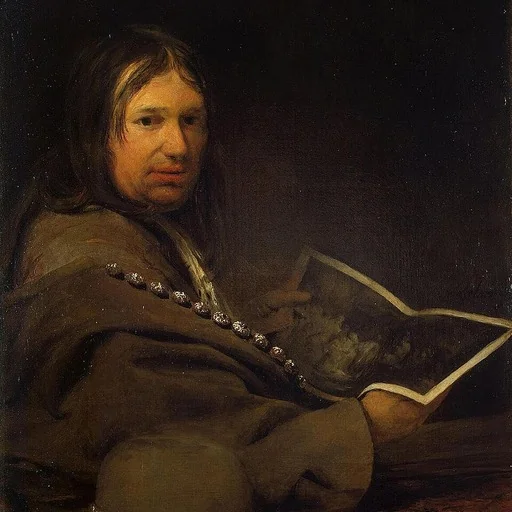
Artist
Aert de Gelder (Dutch: ; October 26, 1645 – August 27, 1727) was a Dutch painter, the only Dutch artist to paint in the tradition of Rembrandt's late style into the 18th century.

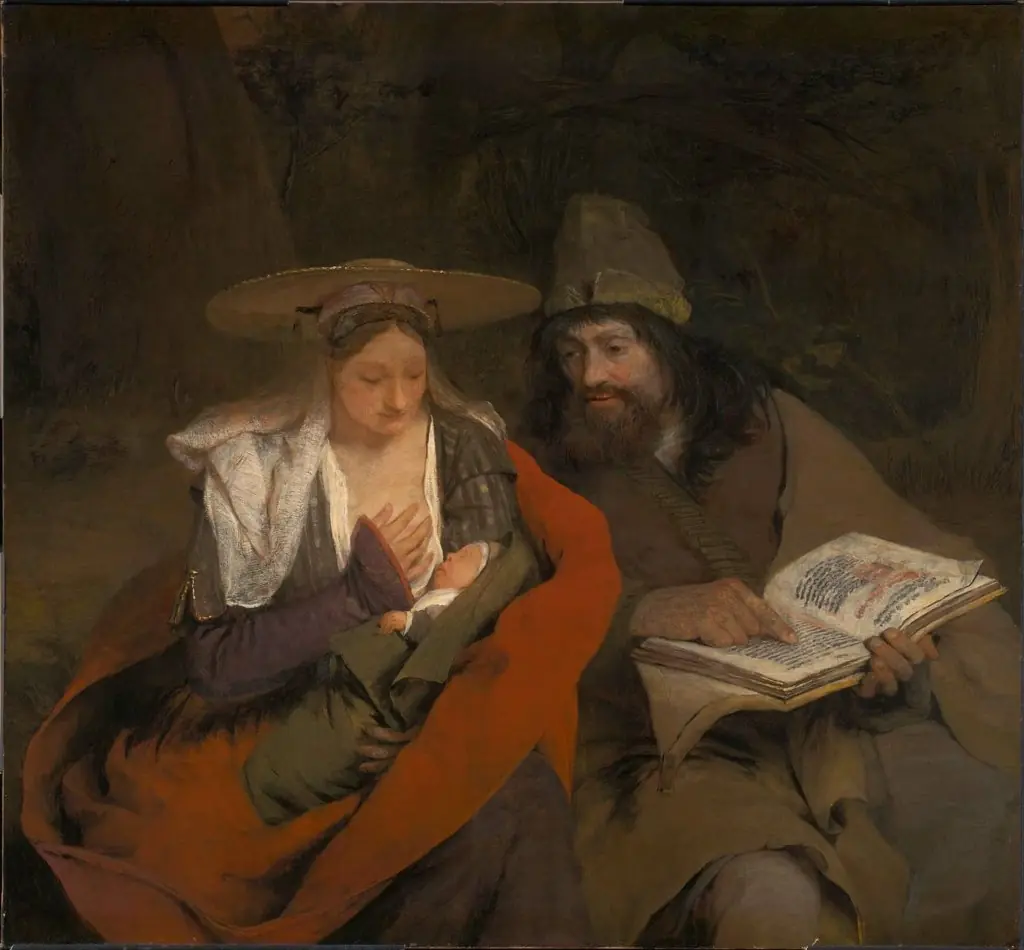 Rest on the Flight into Egypt
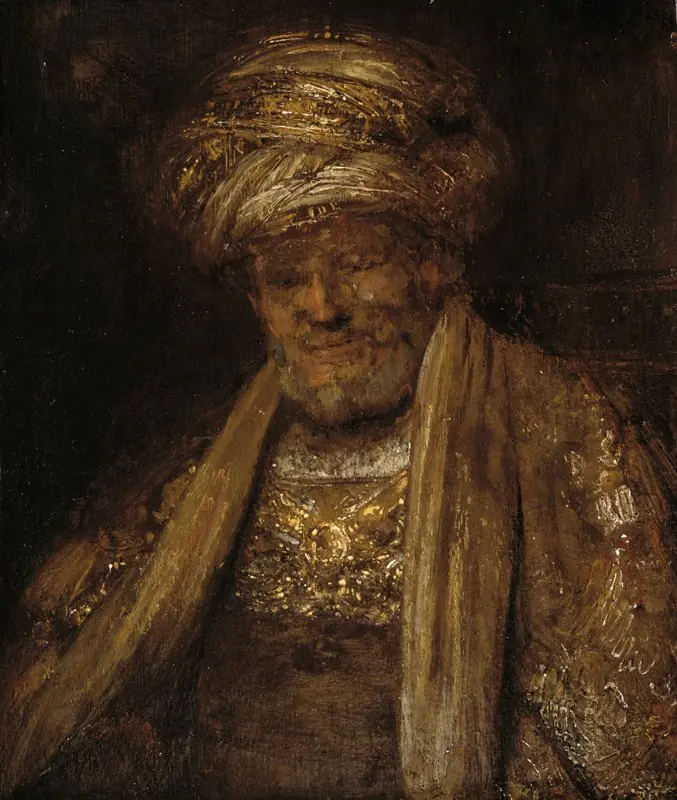 Portrait of an Oriental Man
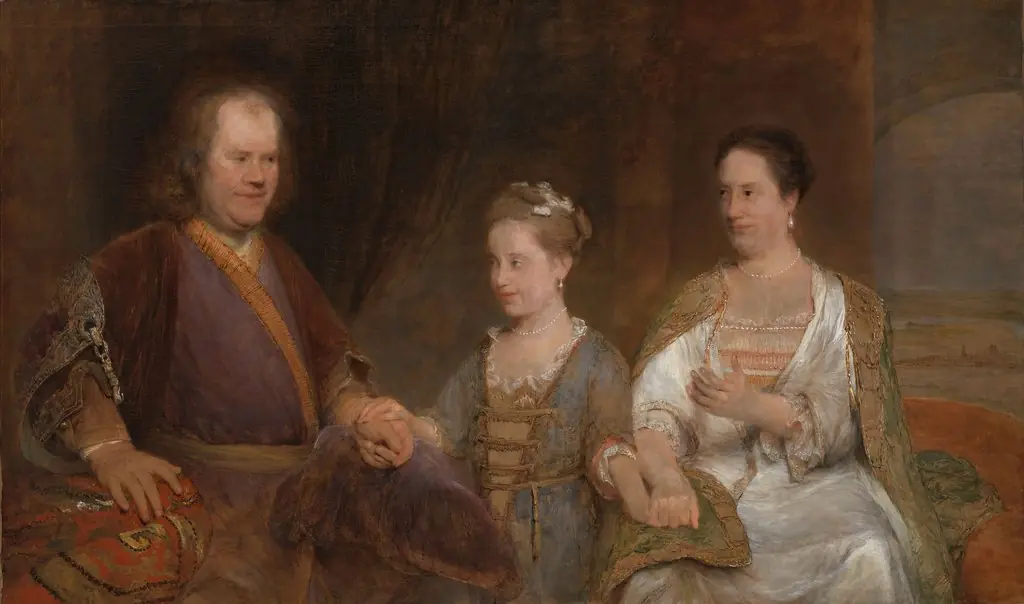 Portrait of Hermanus Boerhave (1668-1738), professor of medecine at the university of Leiden, with his wife Maria Drolenvaux (1686-1746) and their daughter Johanna Maria (1712-91)
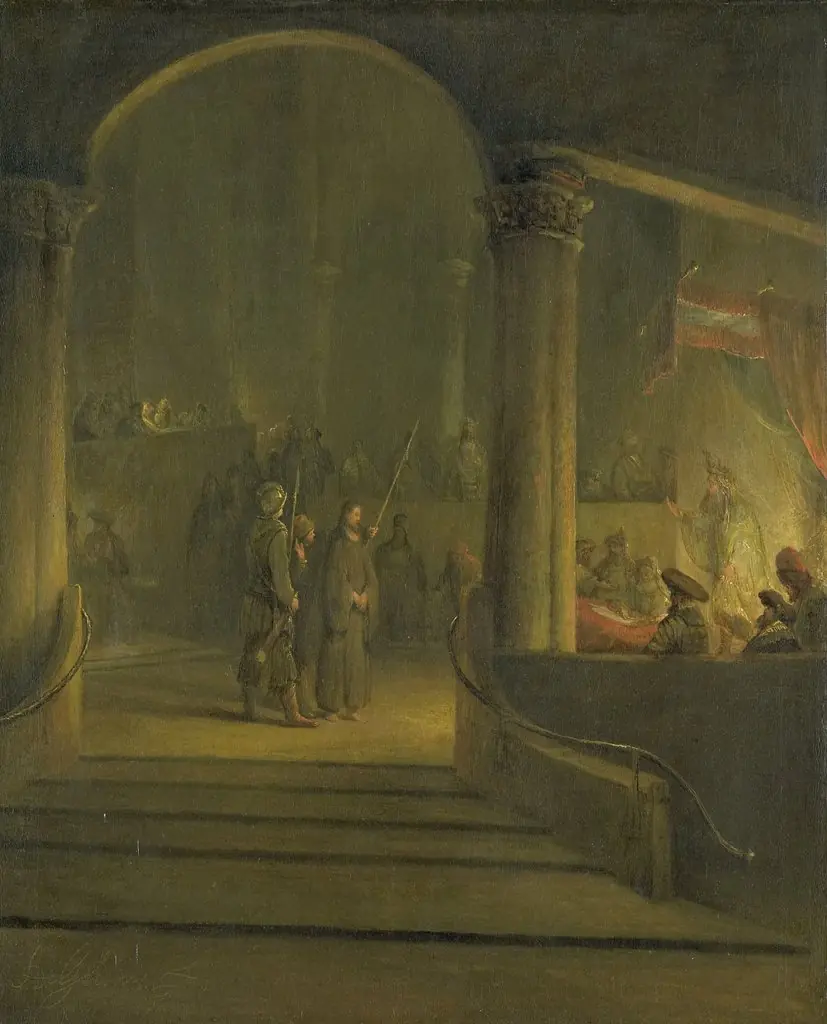 Christ before Caiphas
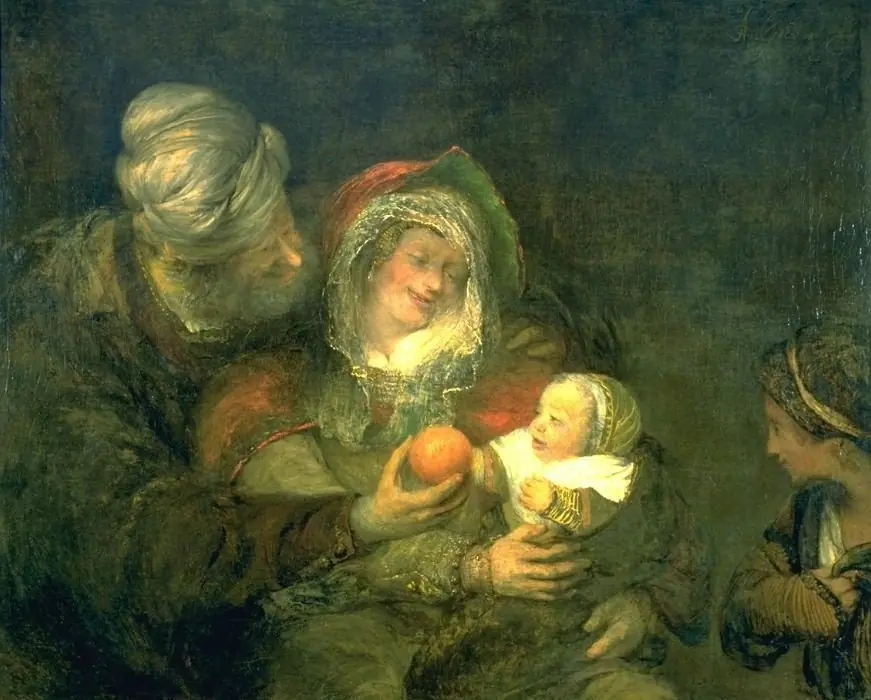 Holy Family
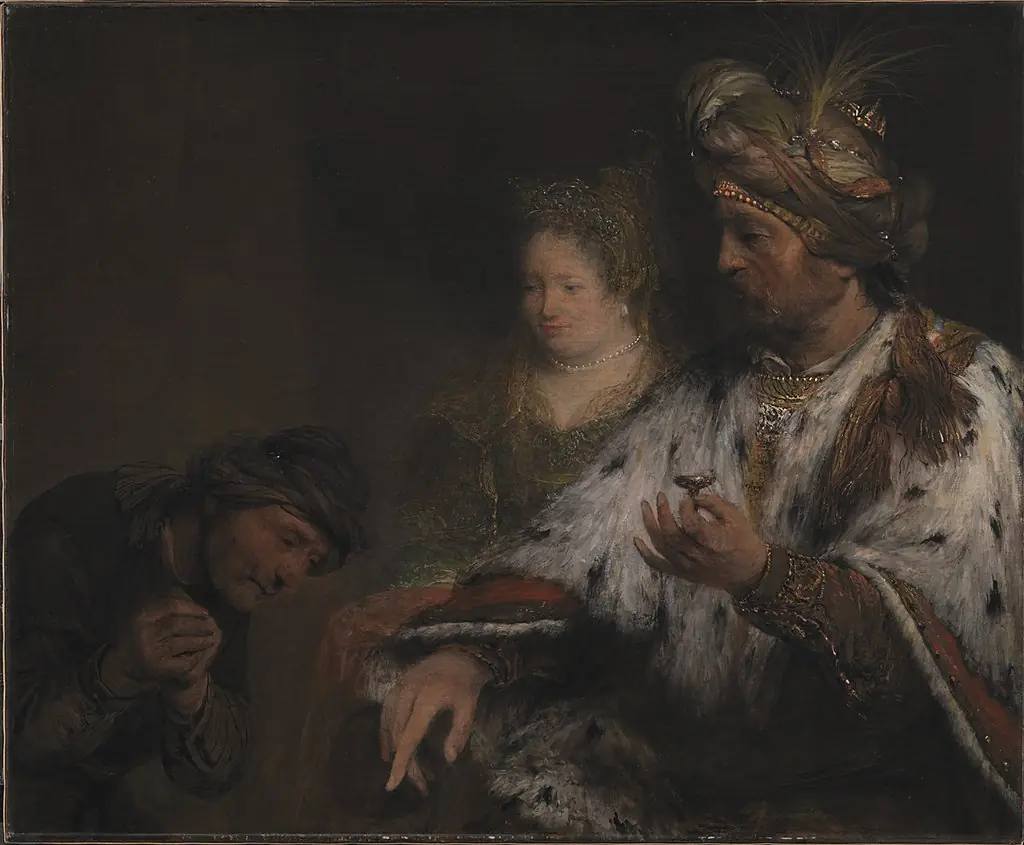 Den persiske kong Ahasverus giver Mordokaj ringen
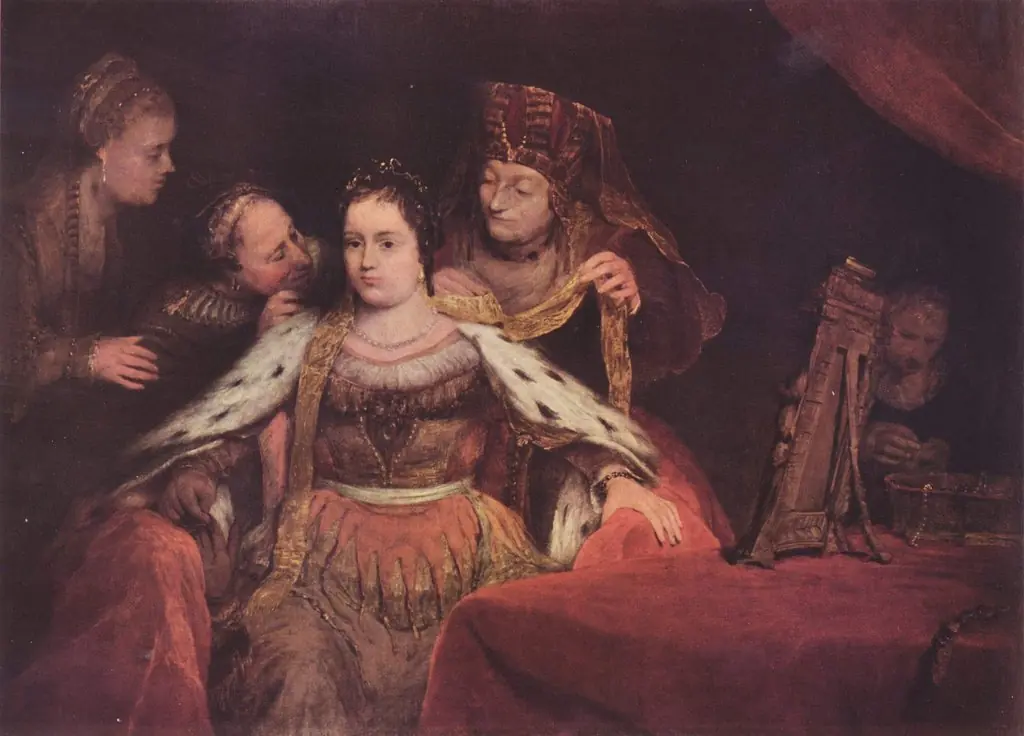 Esther's toilet
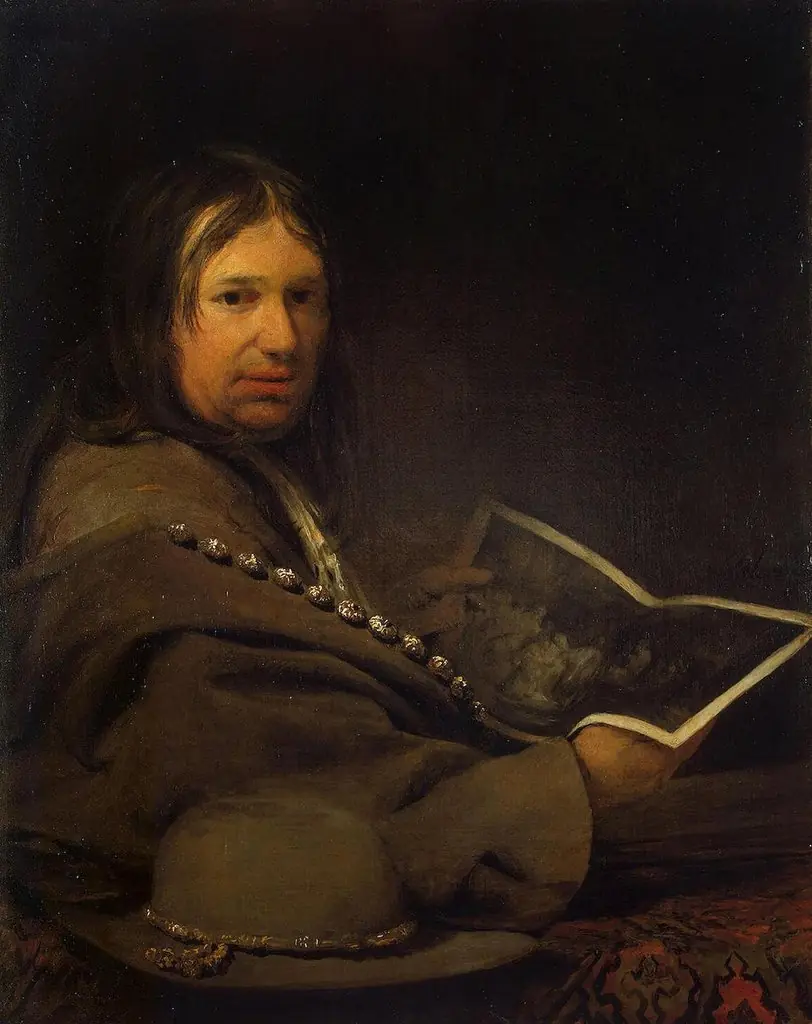 Portrait of a Collector
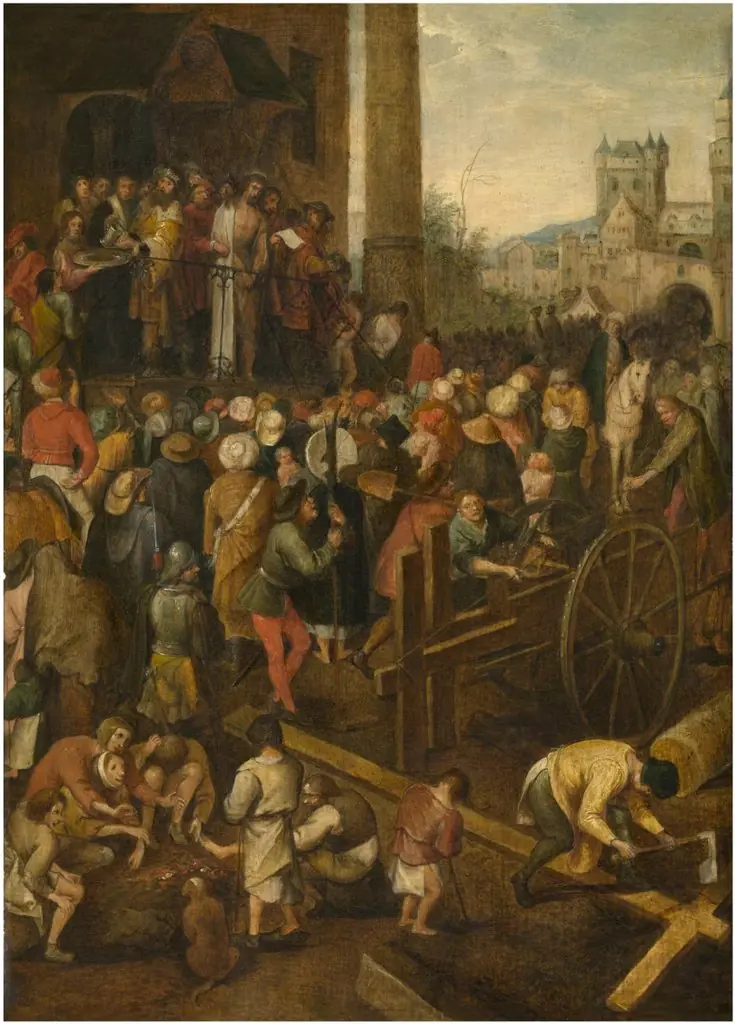 Ecce Homo
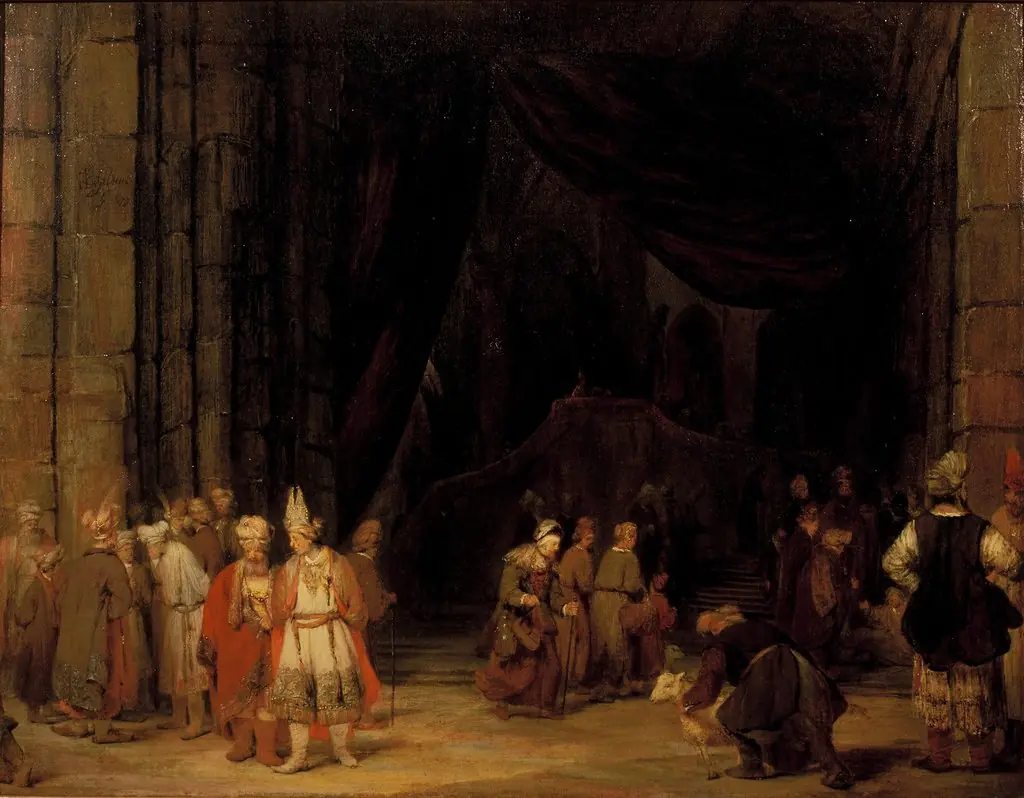 Courtyard of a temple
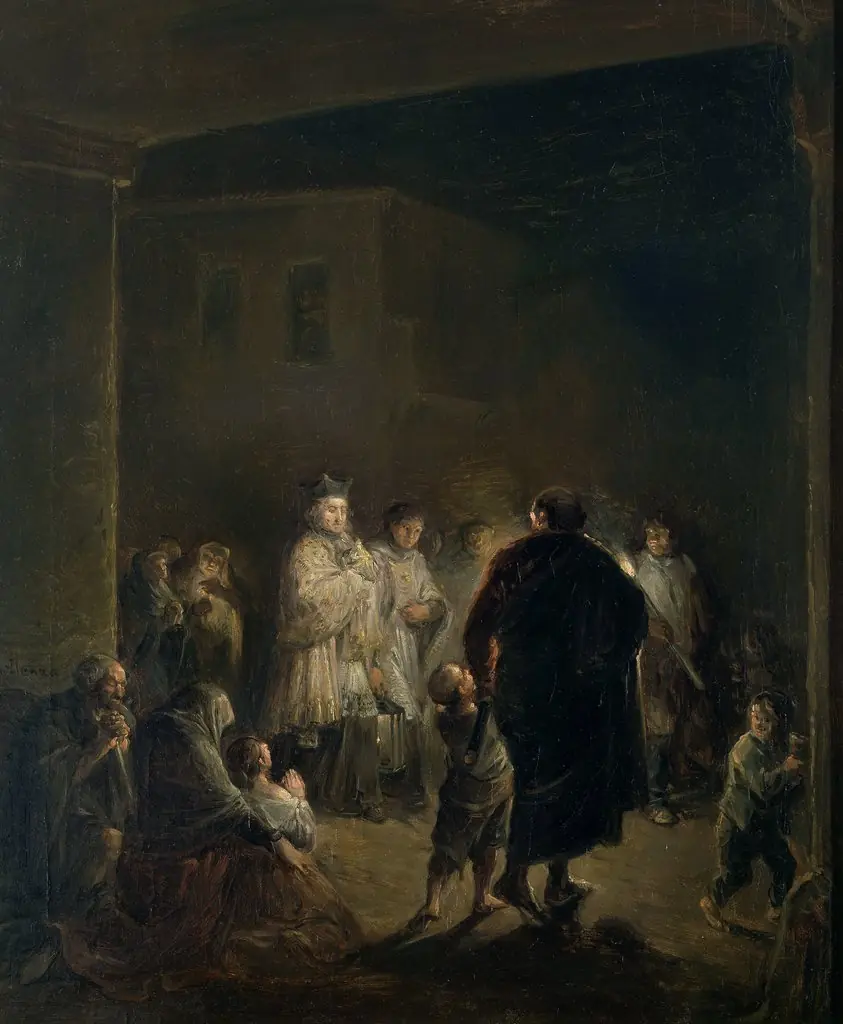 The Viaticum
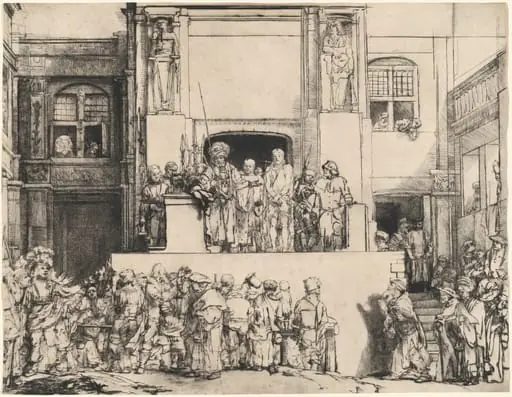 Christ Presented to the People: Oblong Plate
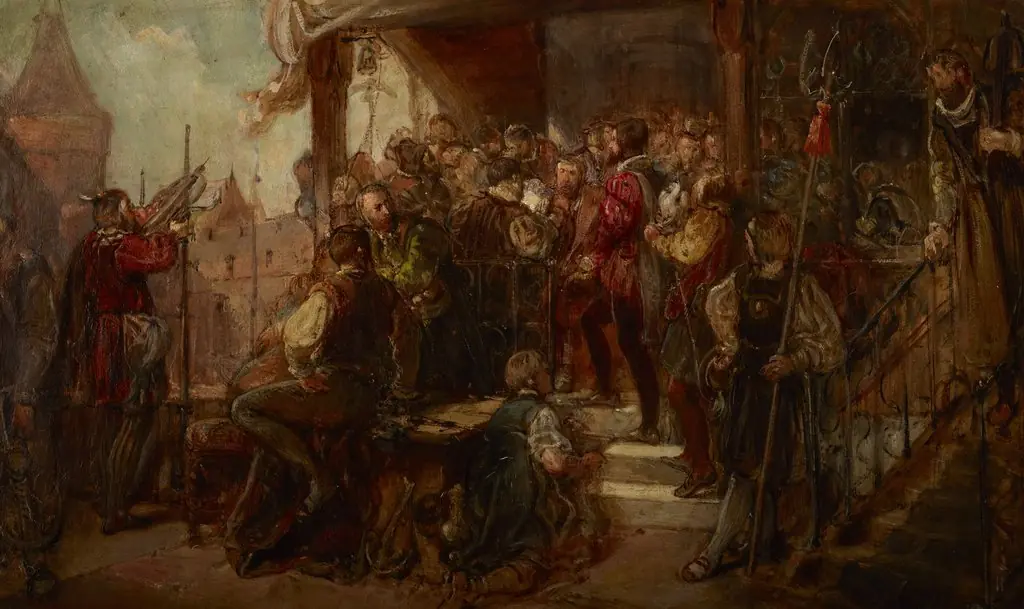 Presenting the Fowler to the Fowler Brotherhood (Sketch)
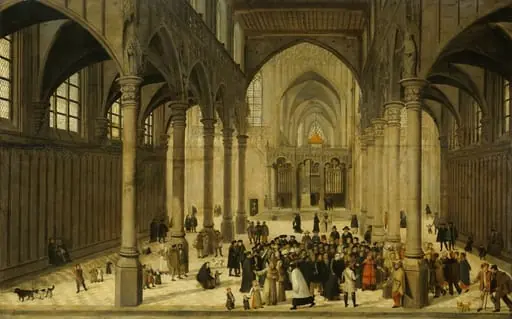 Church Interior with Christ Preaching to a Congregation
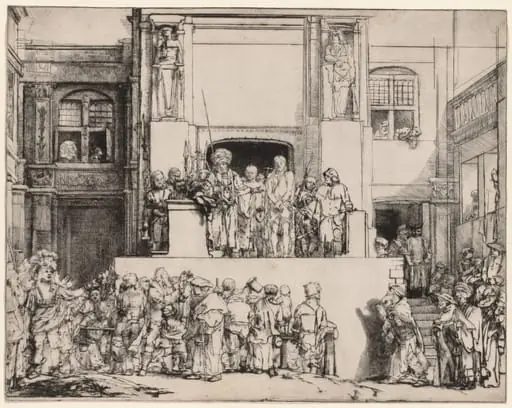 Ecce Homo. Christ Presented to the People
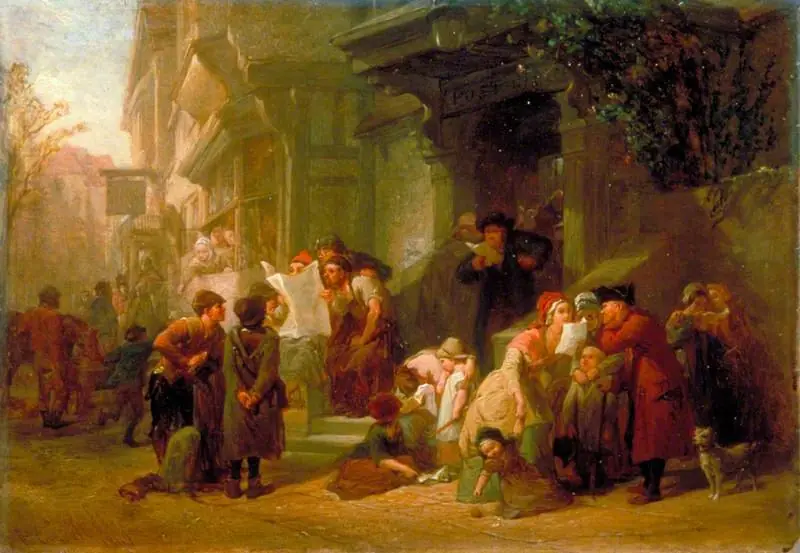 The Village Post Office
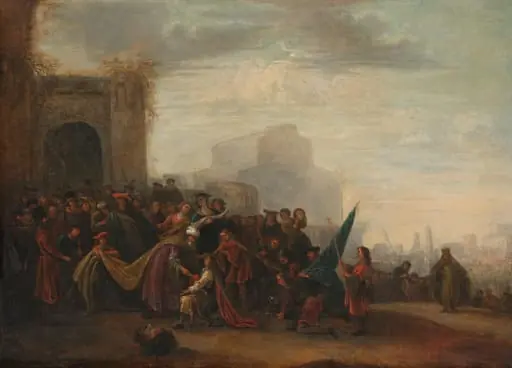 Saul Welcoming David after his Victory over Goliath
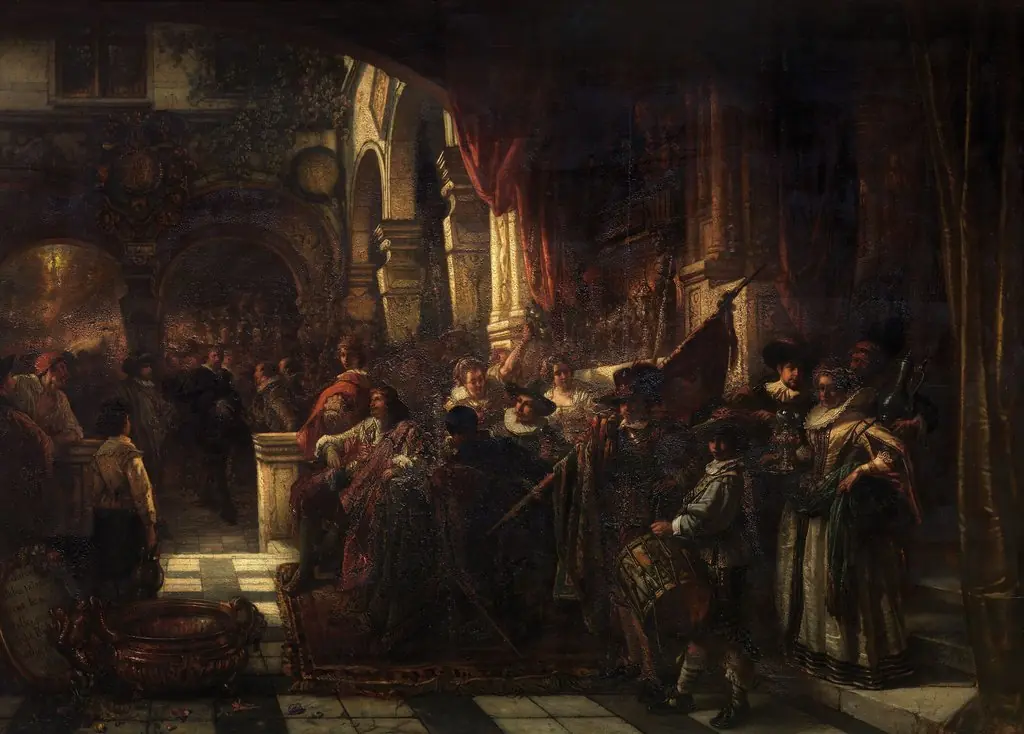 The Reception of Peter Paul Rubens by the Antwerp Arquebusiers
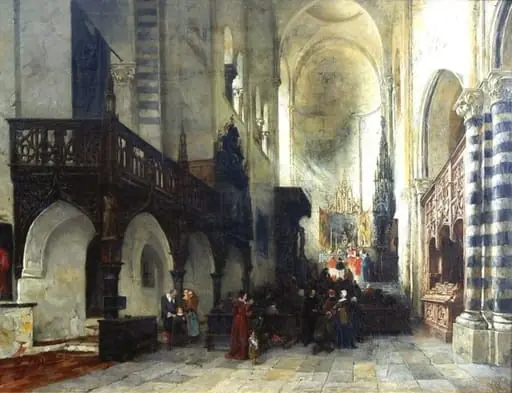 Interior de biserică