Artwork
Hochzeitszug
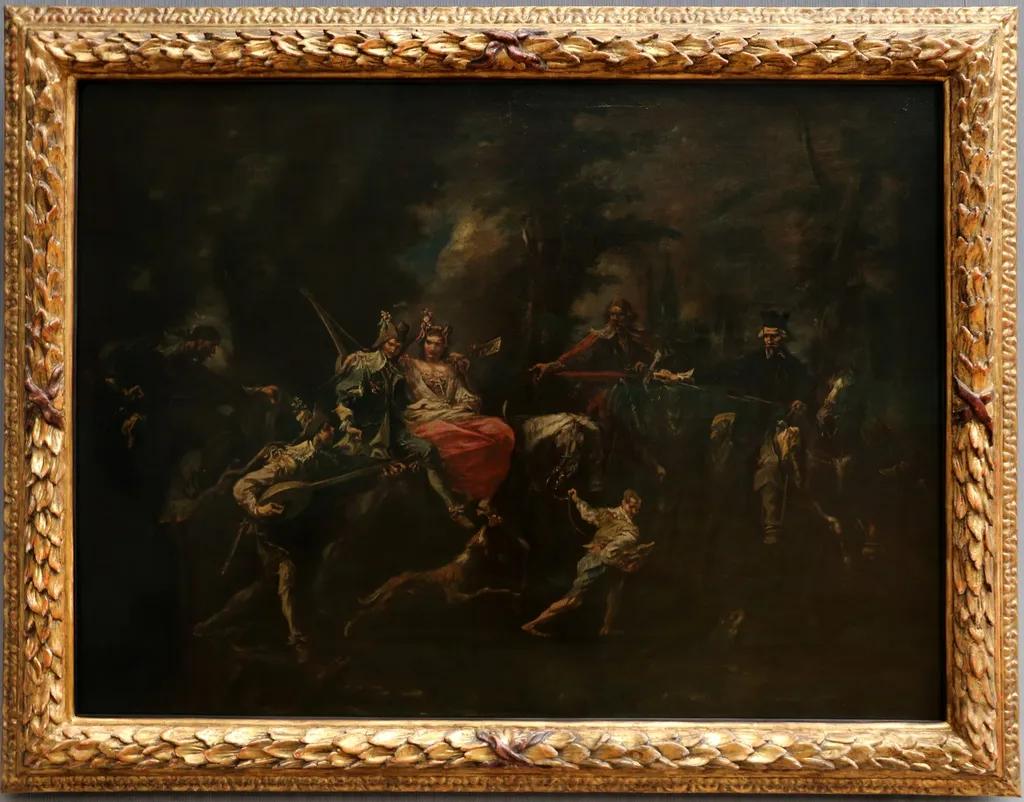
Hochzeitszug is an oil painting by the Rococo painting artist Alessandro Magnasco. It dates from 1735 and is held in the collection of the Gemäldegalerie Berlin.
About this work
Overview
Alessandro Magnasco’s *Hochzeitszug* (1735) is an oil painting created during the Rococo era. Executed in a dark, atmospheric setting, the work portrays a lively wedding procession with a central female figure in a red skirt mounted on a horse, surrounded by men and women brandishing swords, flags, and other objects.
Subject & Meaning
The composition captures a moment of collective movement and anticipation as participants reach toward one another and gaze upward at the rider. The juxtaposition of celebratory elements—such as the bridal figure and festive accoutrements—with the somber lighting suggests a tension between public ceremony and underlying drama.
Technique & Style
Magnasco employs rapid, gestural brushwork and a fragmented handling of forms, hallmarks of his idiosyncratic style. Strong chiaroscuro creates pronounced contrasts between illuminated figures and the surrounding gloom, lending depth and emotional intensity to the scene.
History & Provenance
The painting originates from Magnasco’s productive period in northern Italy, where he worked mainly in Milan and Genoa. Though specific ownership records are scarce, the work reflects the artist’s late career output, characterized by theatrical subjects rendered with his signature vigor.
Context
*Hochzeitszug* belongs to a broader Rococo fascination with lively, sometimes theatrical genre scenes. Magnasco’s approach diverges from the period’s typical pastel delicacy, favoring darker palettes and dramatic lighting that align more closely with Baroque sensibilities while retaining Rococo’s playful narrative.
Artist & collection
Artist
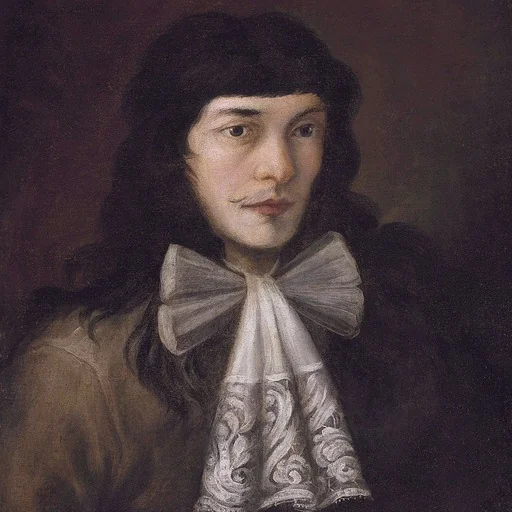
Alessandro Magnasco (February 4, 1667 – March 12, 1749), also known as il Lissandrino, was an Italian late-Baroque painter active mostly in Milan and Genoa.

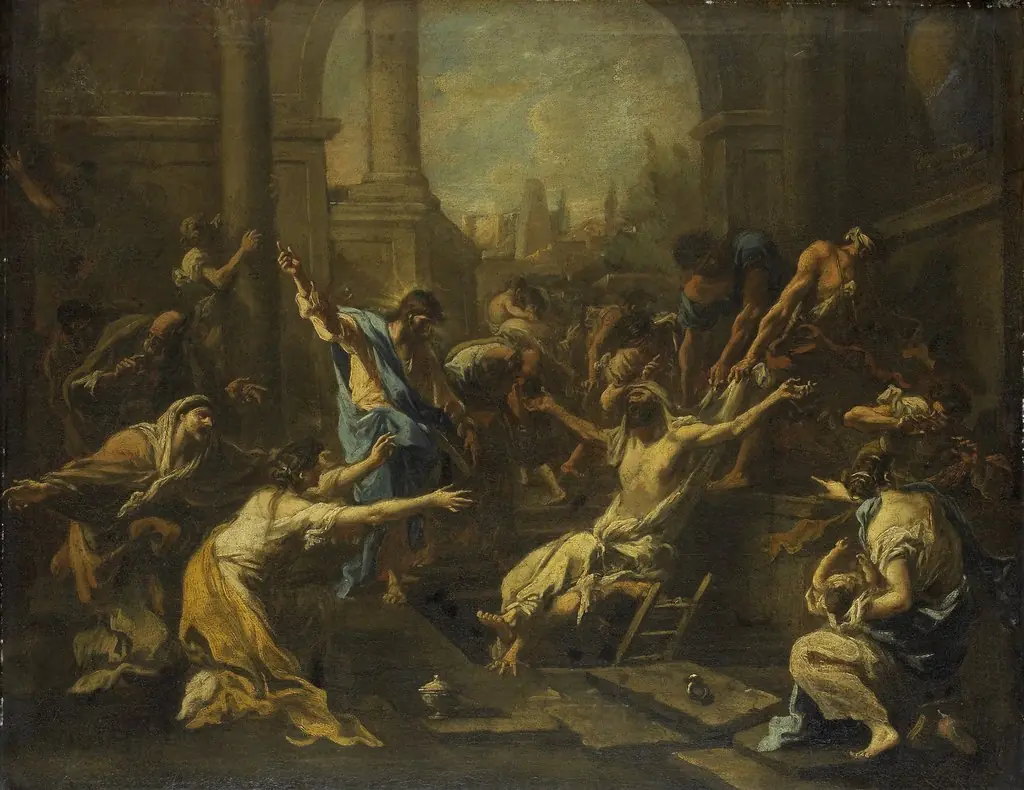
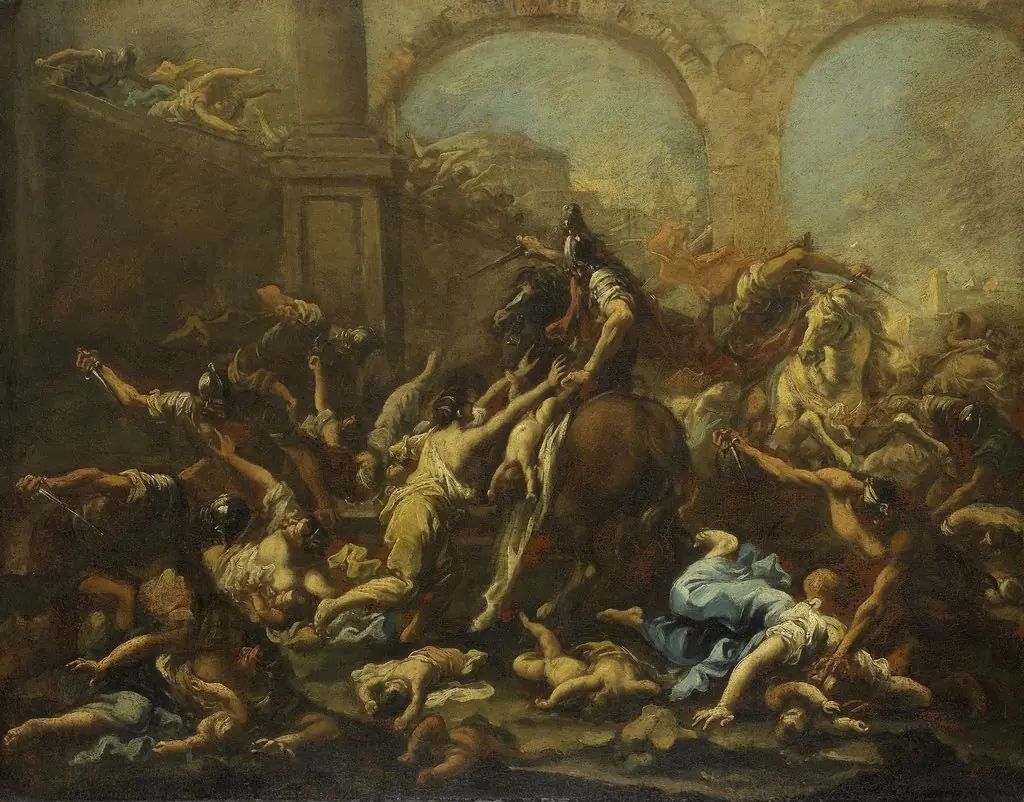
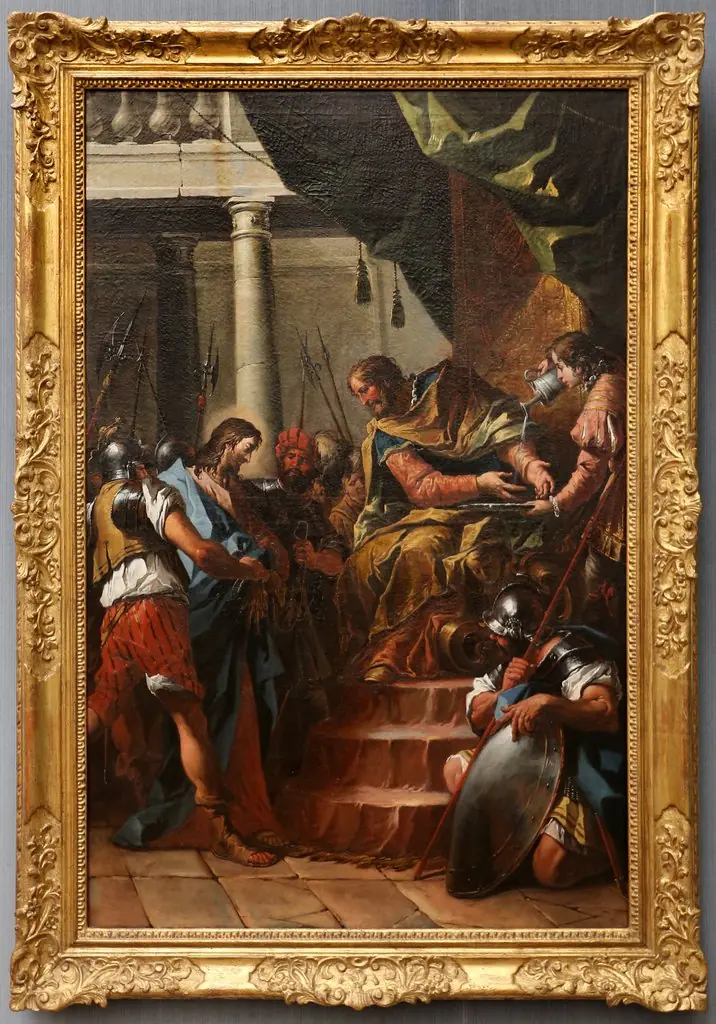 Christus vor Pilatus
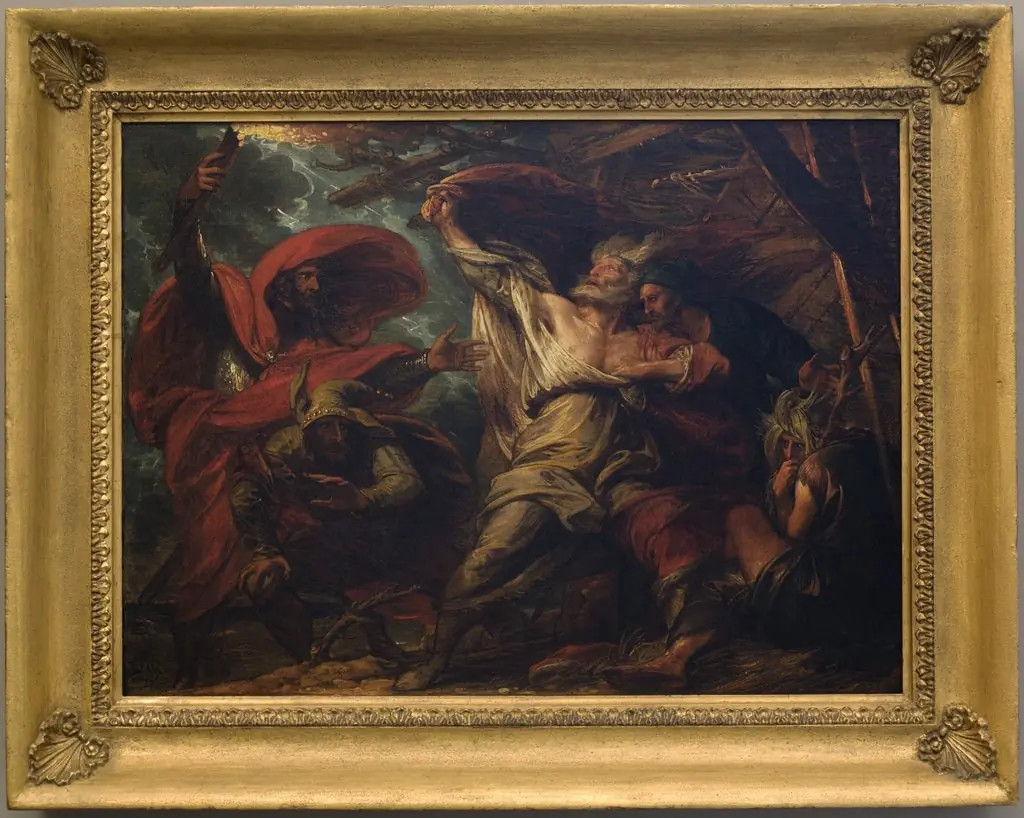 King Lear
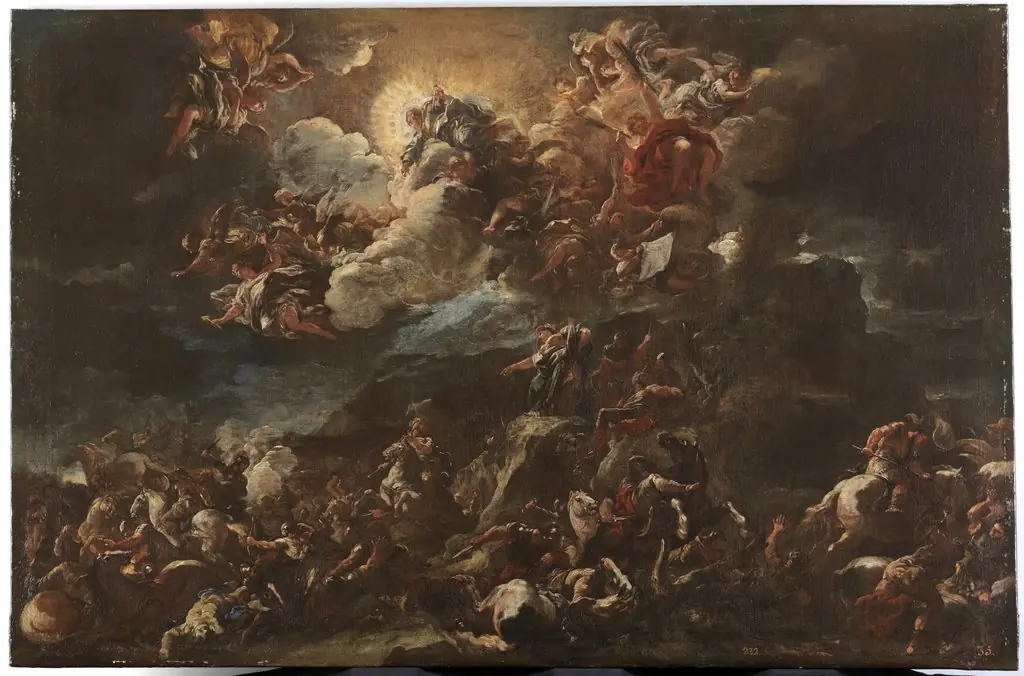 Victoria de los israelitas y cántico de Débora
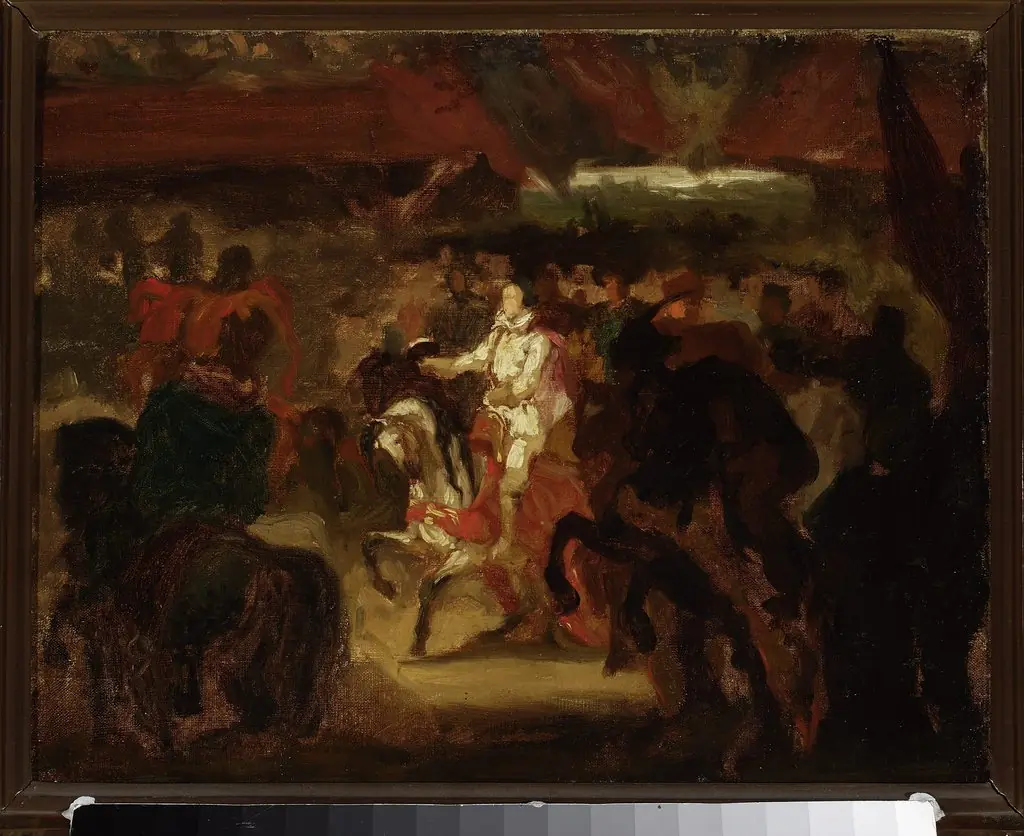 Entry of Henry of Valois to Kraków, sketch
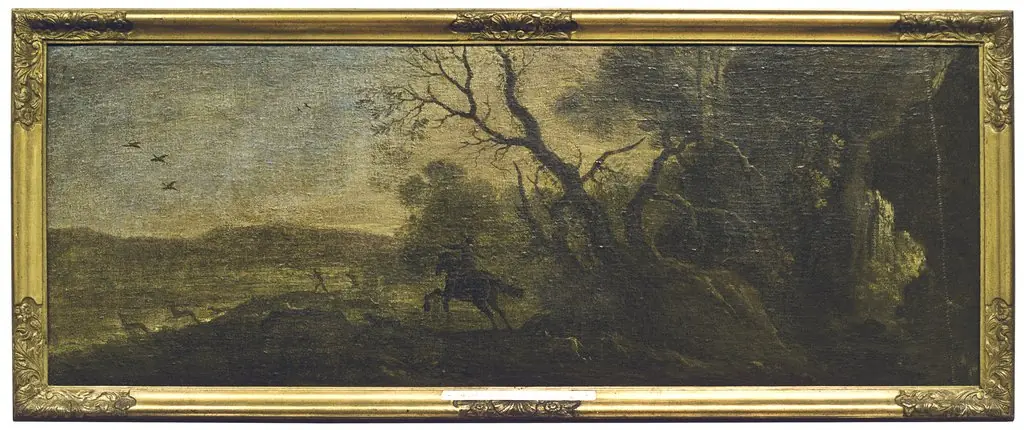 Landskap
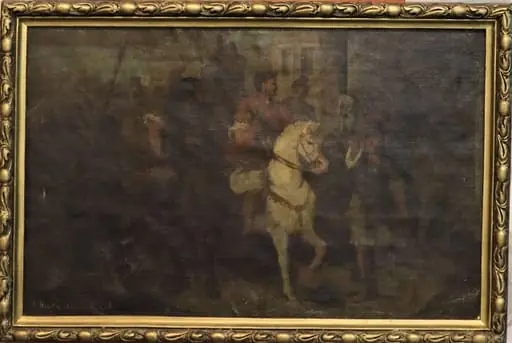 Intrarea lui Traian în Sarmizegetusa
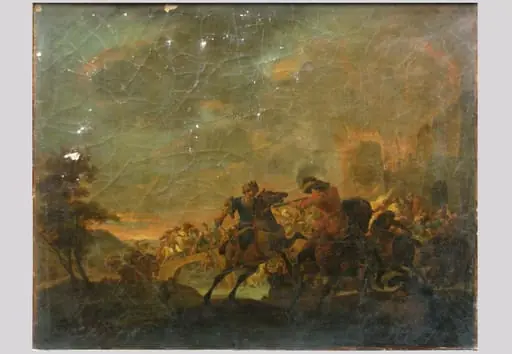 Luptă lângă o cetate (în Reg. Inv.: Atac dintr-o cetate) (pandant: Luptă de cavalerie lângă pietre antice, în Reg. Inv.: Luptă de cavalerie între pietre antice)
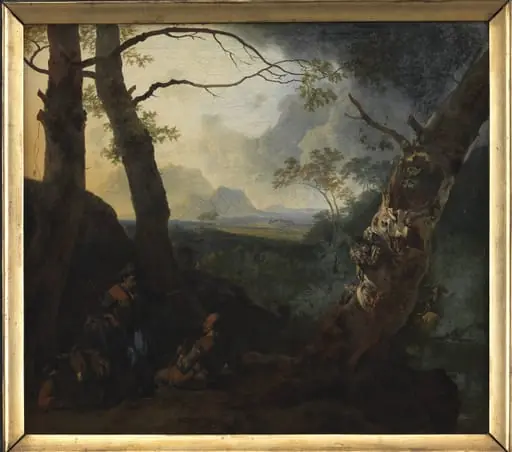 Southern Landscape with Herdsmen
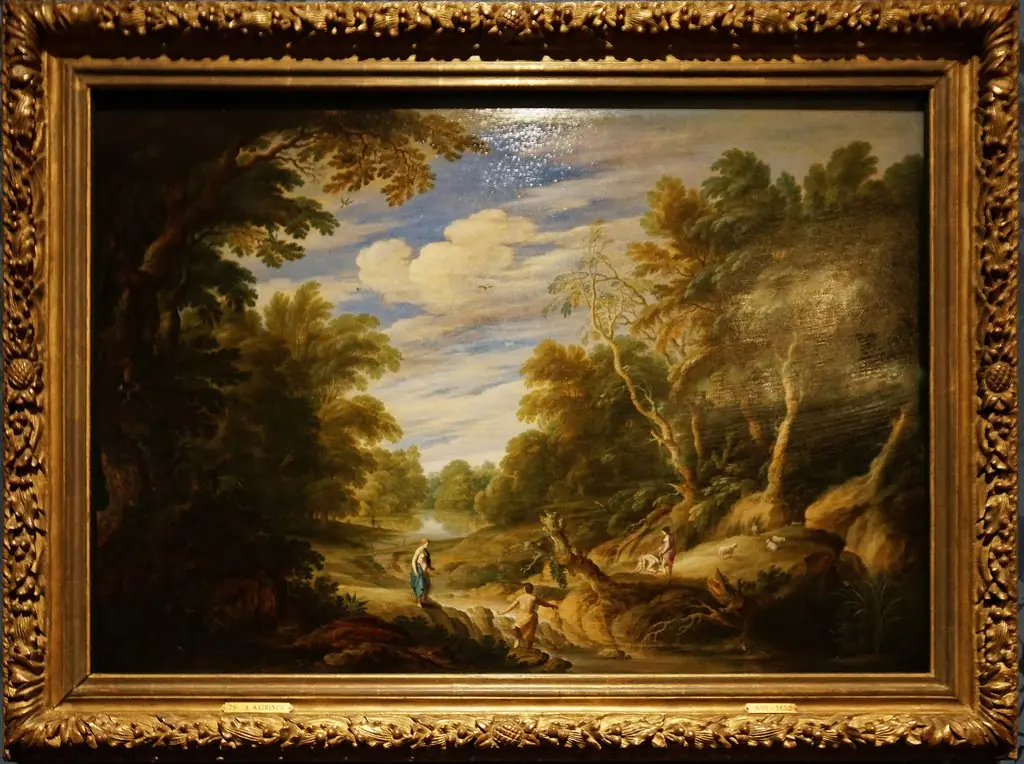 Forest landscape with figures
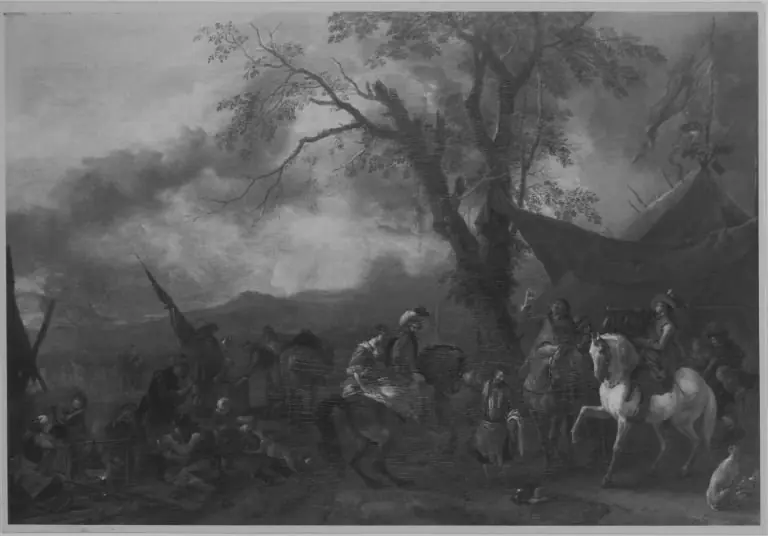 Aufbruch aus dem Lager
 Hunting scene
 Die Fürbitte des Heiligen Gregor für die Seelen im Fegefeuer