Artwork
King Lear
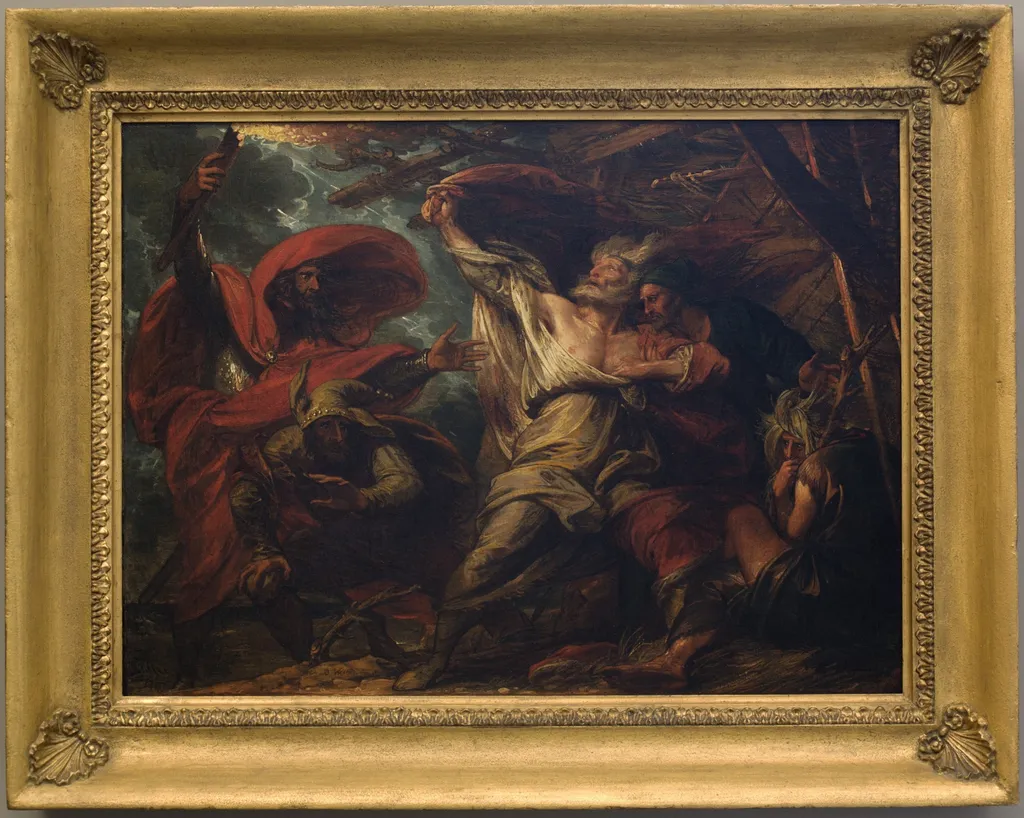
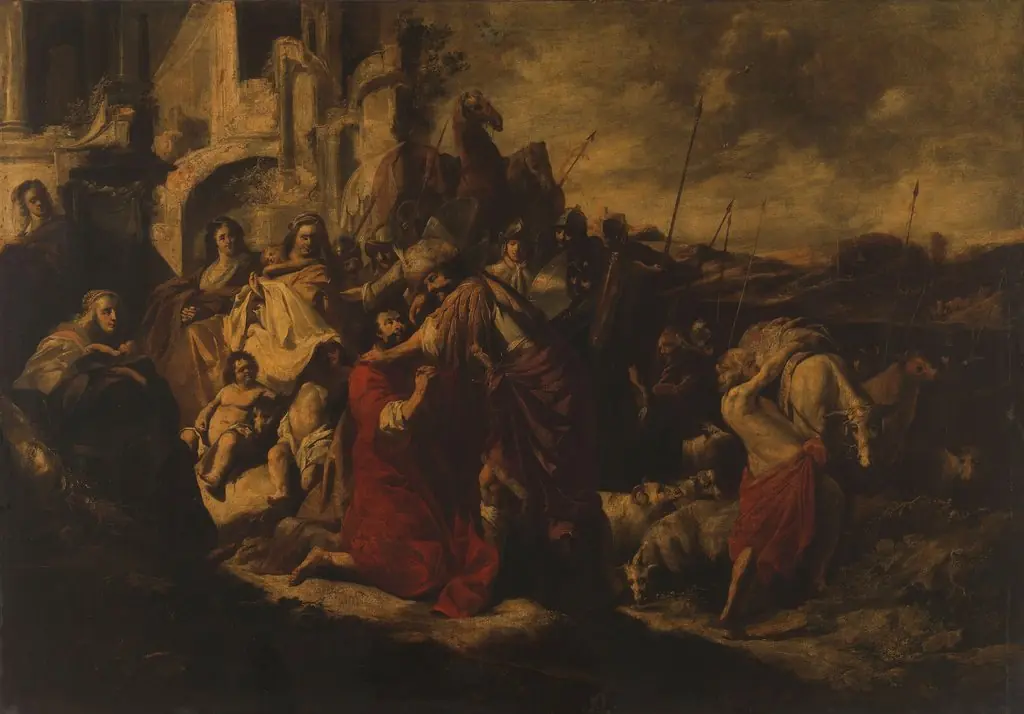
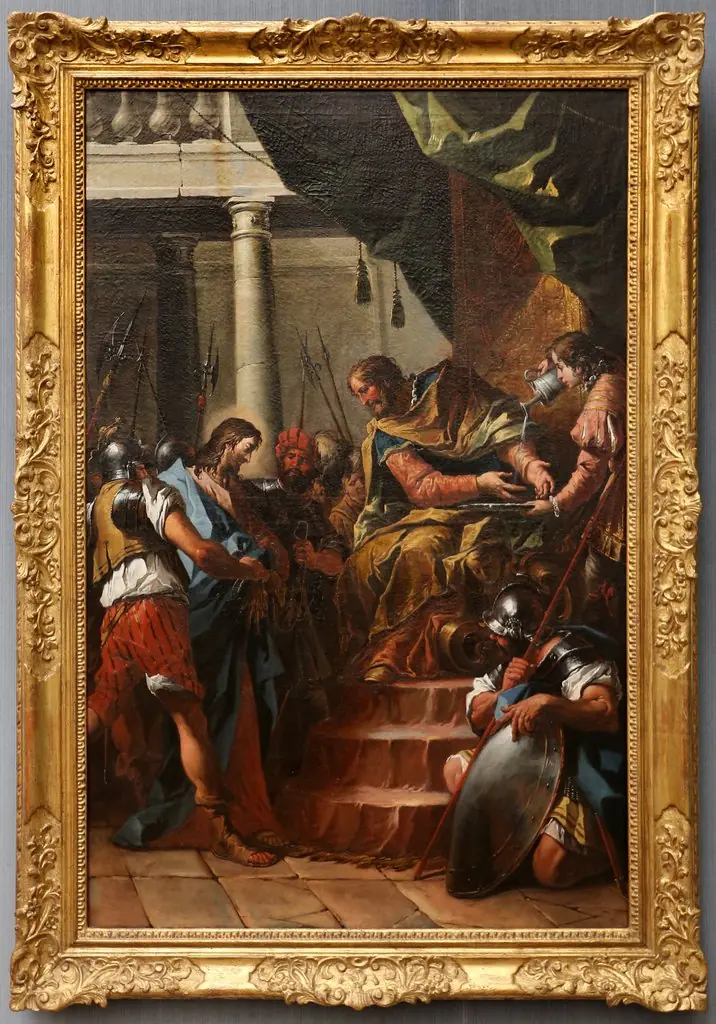
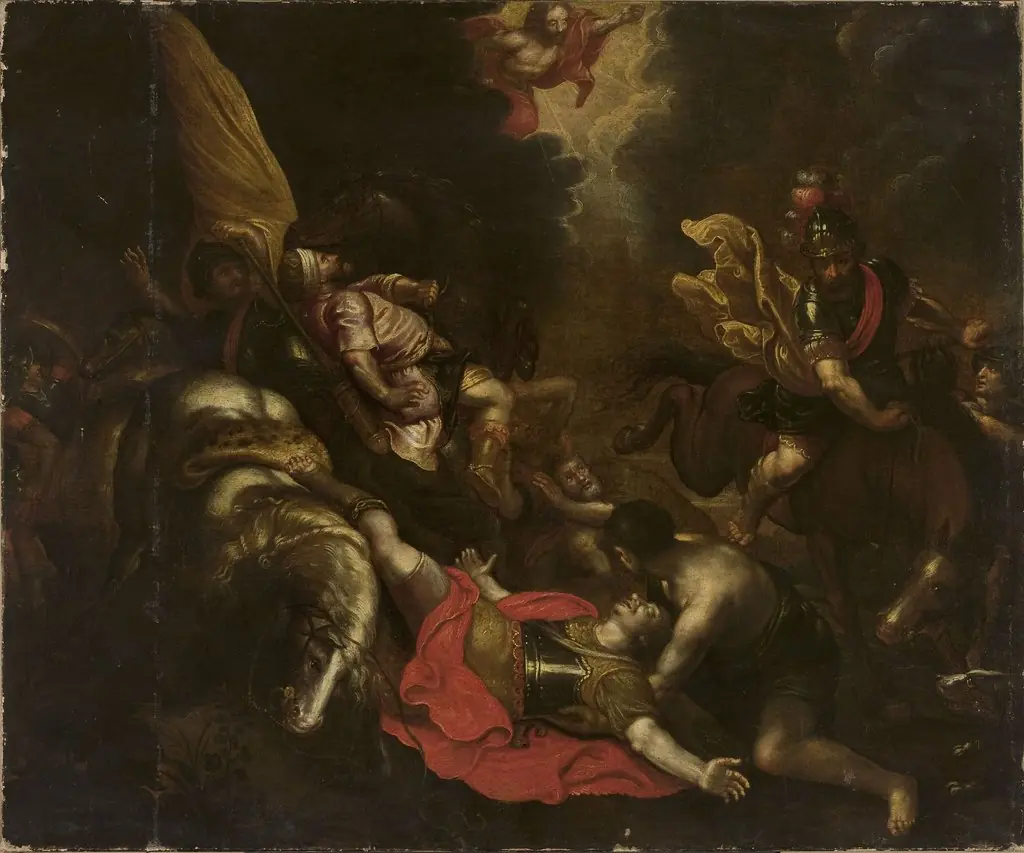
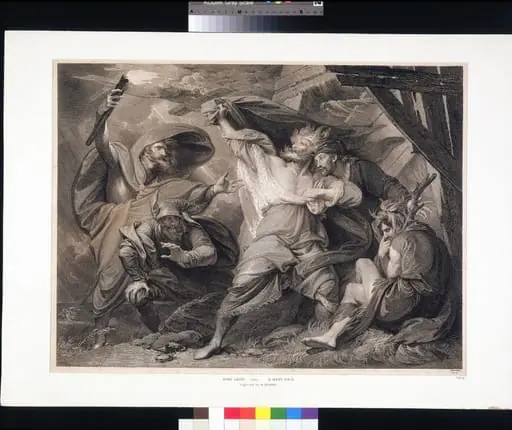
King Lear is an oil painting by the Neoclassicist artist Benjamin West. It dates from 1794 and is held in the collection of the Detroit Institute of Arts.
About this work
Overview
Benjamin West, an American artist based in London, completed *King Lear* in 1794 as a large-scale history painting.
Benjamin West, an American artist based in London, completed *King Lear* in 1794 as a large-scale history painting. Though born in Pennsylvania, he became a central figure in British art, serving as president of the Royal Academy and holding the official title of historical painter to the British court. This work reflects his commitment to dramatic historical narratives, rendered with formal precision and emotional gravity, aligning with the ideals of neoclassicism.
Subject & Meaning
The painting captures a moment from Shakespeare’s tragedy when King Lear, having relinquished his power, is overwhelmed by betrayal and madness. Central to the composition, Lear raises his arms in anguish, surrounded by figures who represent his fractured family and court. The scene conveys the collapse of authority and familial bonds, emphasizing the psychological weight of loss rather than literal narrative detail.
Technique & Style
West employs chiaroscuro to heighten emotional intensity, contrasting the pale figure of Lear against a dark, storm-lit background. Lightning fractures the sky, illuminating the figures with sharp, transient brightness. The composition directs focus to the king’s gestures and expression, while the restrained palette and sculptural forms reflect neoclassical ideals, balancing theatricality with compositional order.
History & Provenance
Created during West’s tenure at the Royal Academy, the painting was part of a series exploring Shakespearean themes. It entered the collection of the Detroit Institute of Arts in the early 20th century, where it remains today. Its journey from London studio to American museum reflects broader 19th-century trends in transatlantic art collecting and institutional growth.
Context
In late 18th-century Britain, Shakespeare’s tragedies were increasingly revered as national literature, inspiring visual artists to interpret their emotional depth. West’s work responded to this cultural shift, merging literary drama with academic painting traditions. His choice of subject aligned with contemporary interests in human psychology and moral catastrophe, distinguishing his approach from purely heroic historical depictions.
Legacy
Though less celebrated today than his earlier works, *King Lear* exemplifies West’s role in elevating narrative painting through disciplined technique and emotional resonance. It stands as a bridge between 18th-century academic traditions and the Romantic era’s growing focus on inner turmoil, influencing later artists who sought to translate literary tragedy into visual form.
Artist & collection

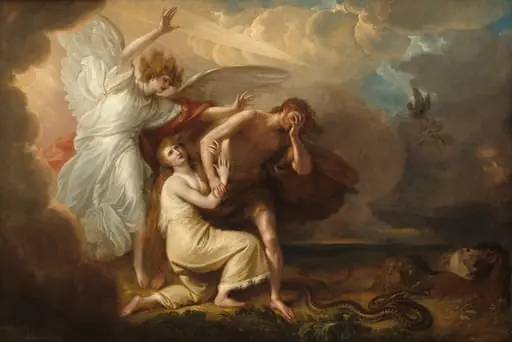 The Expulsion of Adam and Eve from Paradise
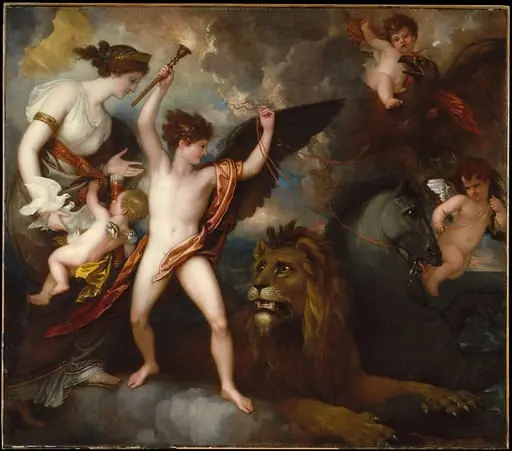 Omnia Vincit Amor, or The Power of Love in the Three Elements
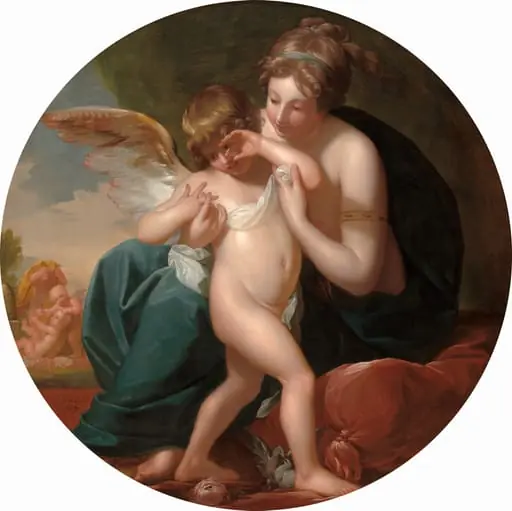 Cupid, Stung by a Bee, Is Cherished by his Mother
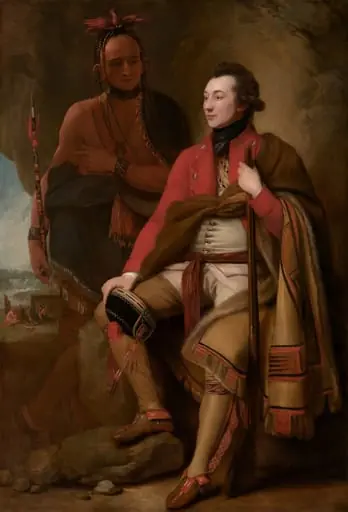 Colonel Guy Johnson and Karonghyontye (Captain David Hill)
 Mary Bethel Boude (Mrs. Samuel Boude)
 Dr. Samuel Boude
 Moses Shown the Promised Land
 Hagar and Ishmael