Artwork
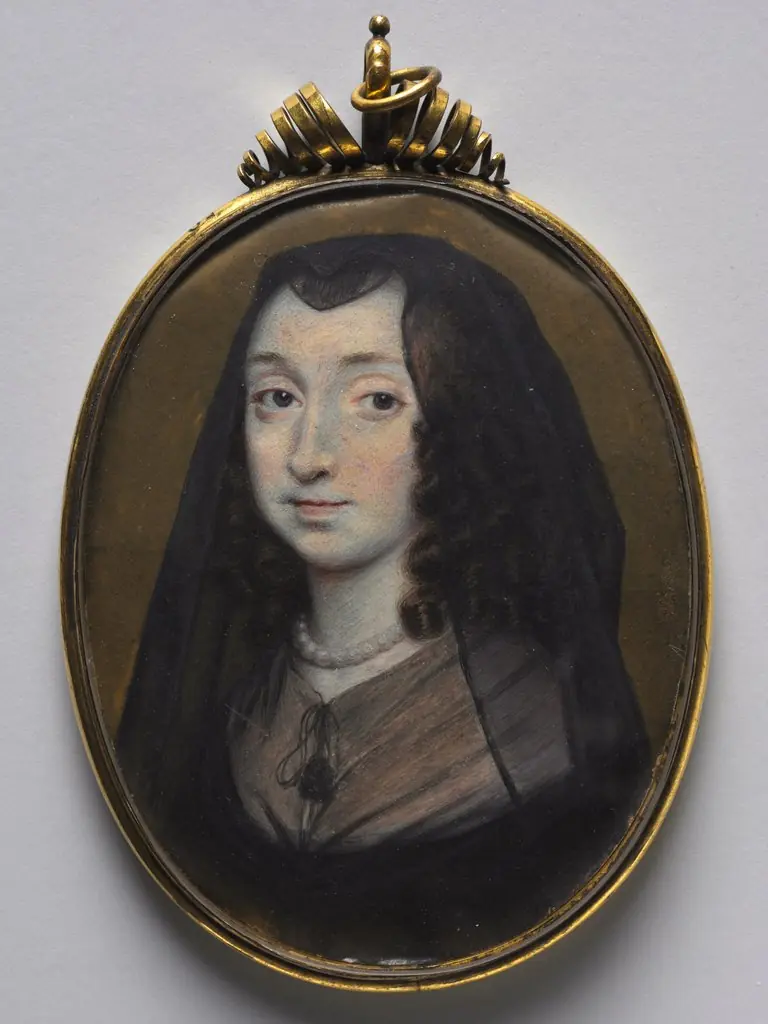
Portrait of Elizabeth Stuart, Electress Palatine and Queen of Bohemia
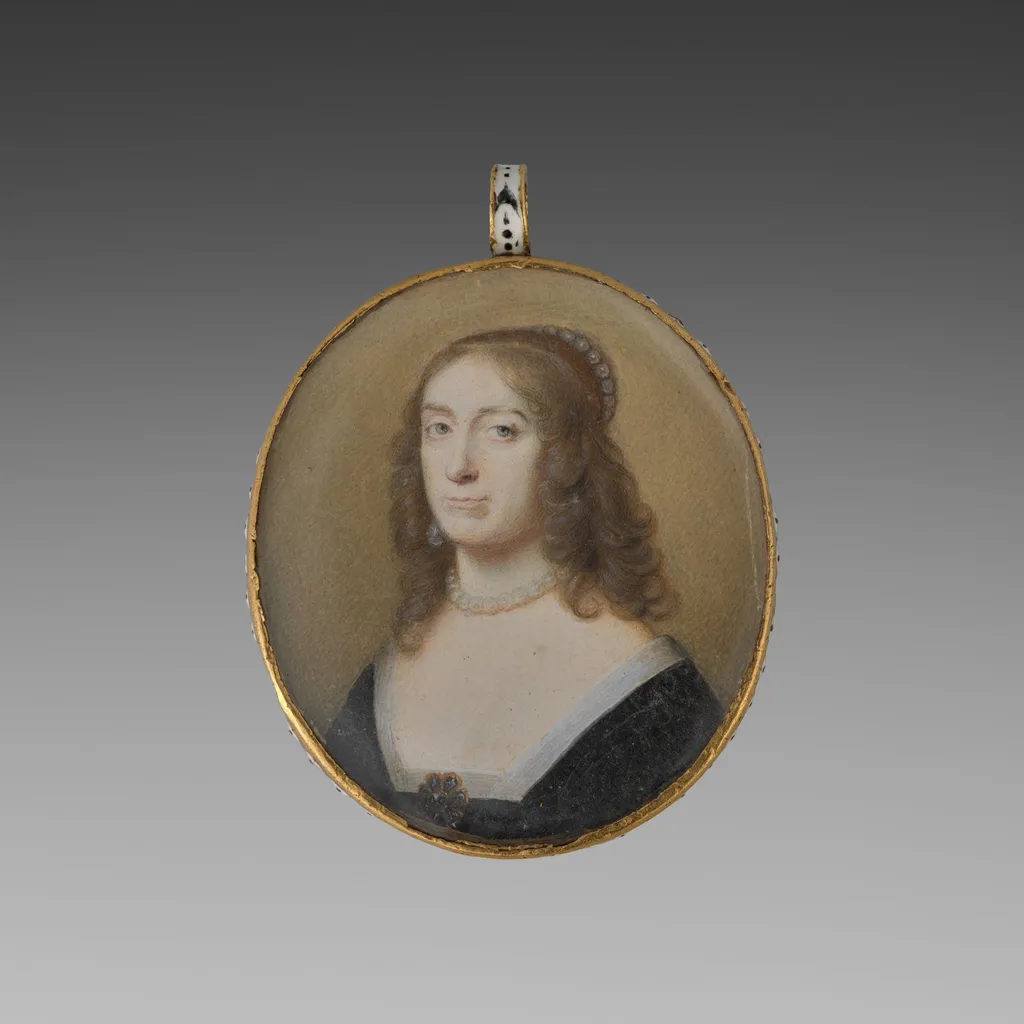
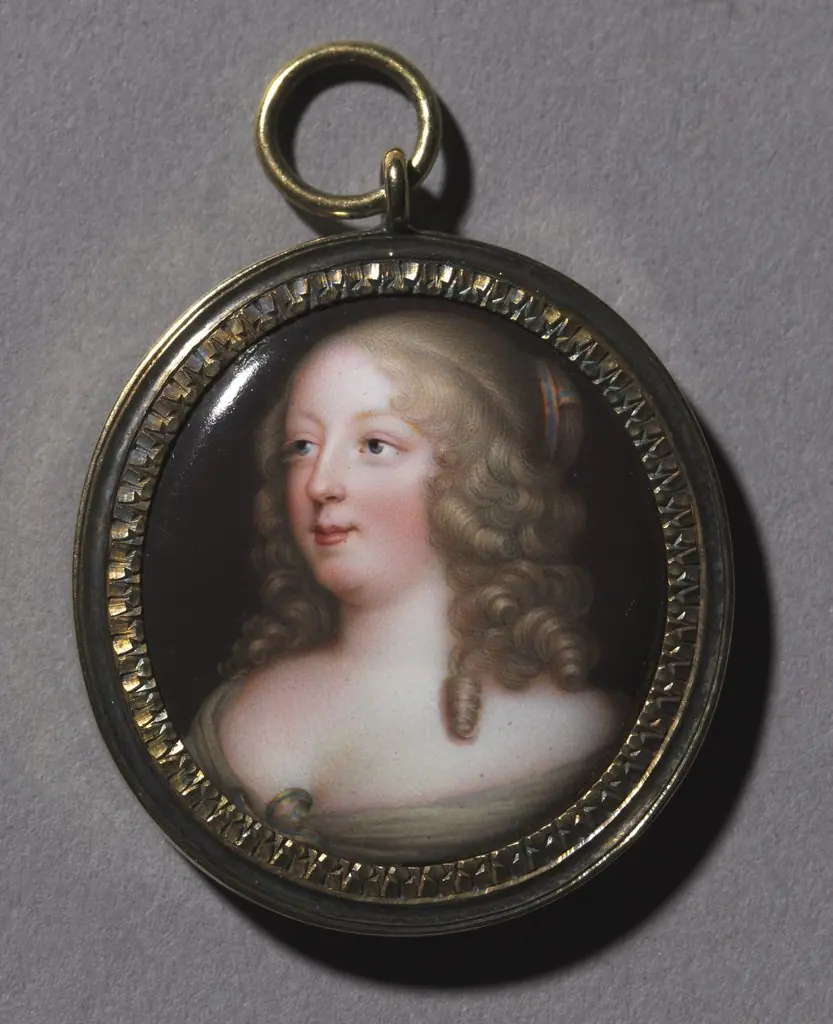
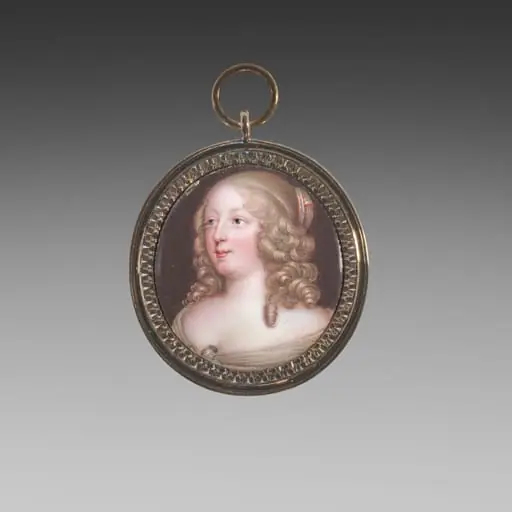
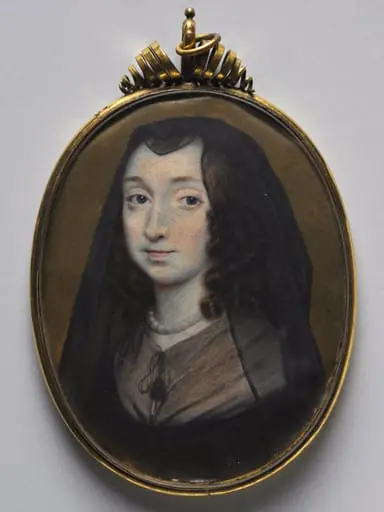
Portrait of Elizabeth Stuart, Electress Palatine and Queen of Bohemia is an unspecified portrait miniature by the Baroque artist Alexander Cooper. It dates from 1634 and is held in the collection of the Cleveland Museum of Art.
About this work
Overview
Executed in watercolor on vellum, it is a finely detailed work typical of the English miniature tradition.
This miniature portrait, dated around 1634, depicts Elizabeth Stuart, Electress Palatine and briefly Queen of Bohemia, painted by the English artist Alexander Cooper. Executed in watercolor on vellum, it is a finely detailed work typical of the English miniature tradition. The piece is part of the collection at The Cleveland Museum of Art, where it serves as a quiet testament to the visual culture of early 17th-century European nobility.
Subject & Meaning
Elizabeth Stuart, daughter of King James I of England, is portrayed not as a reigning monarch but as a noblewoman of refined status. Her direct gaze and composed demeanor convey dignity rather than grandeur. The absence of royal regalia and the restrained palette suggest a private, intimate representation, possibly intended for personal or familial circulation, emphasizing her identity beyond political titles.
Technique & Style
Cooper employed fine brushwork and translucent watercolor on vellum to achieve subtle gradations of tone and texture. The delicate patterning on her dress, the luster of pearls, and the soft modeling of her hair reflect the precision expected in court miniatures. The plain brown background isolates the figure, focusing attention on her attire and expression, characteristic of the genre’s emphasis on personal presence over narrative context.
History & Provenance
The portrait was likely commissioned during Elizabeth’s exile in The Hague following her brief reign in Bohemia. It may have served as a keepsake among her circle or as a diplomatic gift. Its journey to The Cleveland Museum of Art remains undocumented prior to its acquisition, but its survival reflects the enduring interest in Stuart family portraiture among collectors in later centuries.
Context
Created during the height of the Baroque era, the portrait aligns with continental trends in courtly representation but retains the restrained elegance of English miniature painting. Unlike grander continental portraits, it avoids theatricality, reflecting the Protestant values of Elizabeth’s household and the practical, portable nature of miniatures used for personal and political networking among exiled nobility.
Legacy
As one of the few surviving miniatures of Elizabeth Stuart from her later years, the work contributes to the visual record of a woman whose life bridged English, German, and Dutch courts. It offers insight into how noblewomen maintained identity and presence through portraiture despite political displacement, influencing later depictions of royal women in intimate formats.
Artist & collection
Artist
Alexander Cooper (1609–1660) was an English miniature artist, born in London.

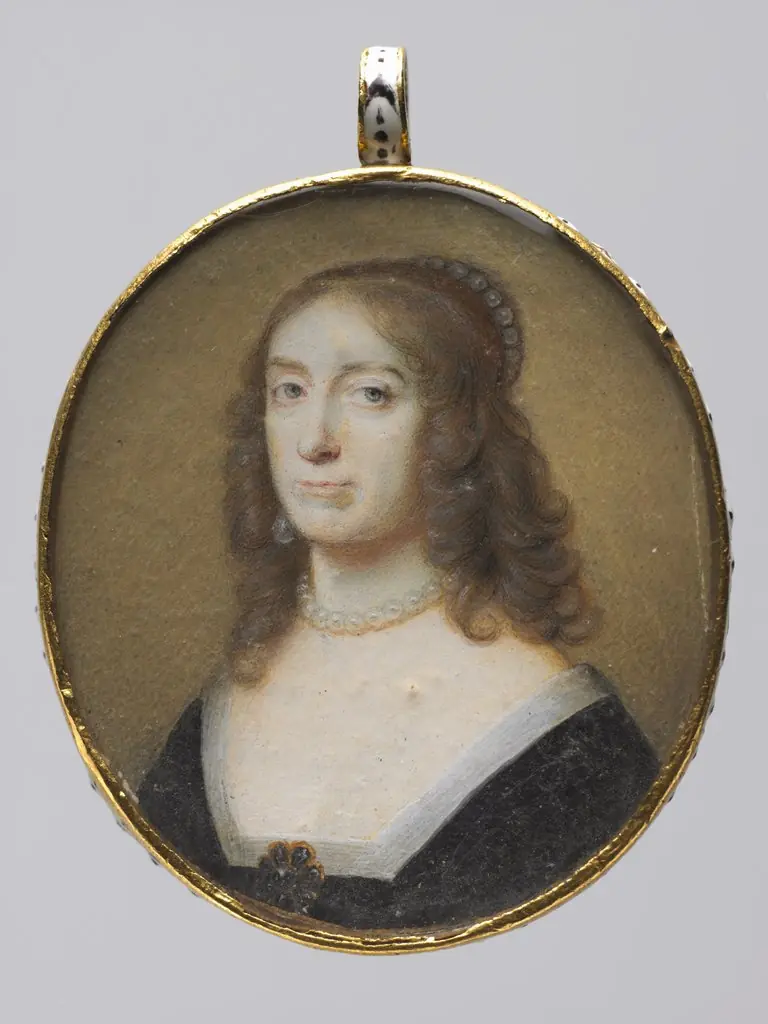 Portrait of Elizabeth Stuart, Electress Palatine and Queen of Bohemia
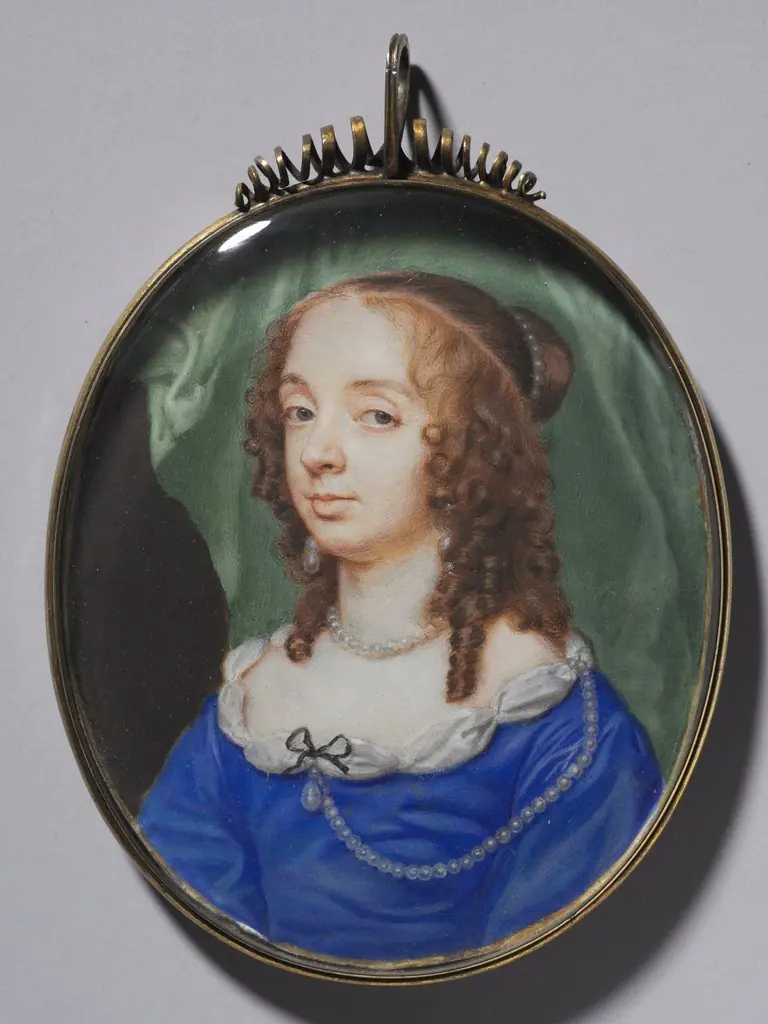
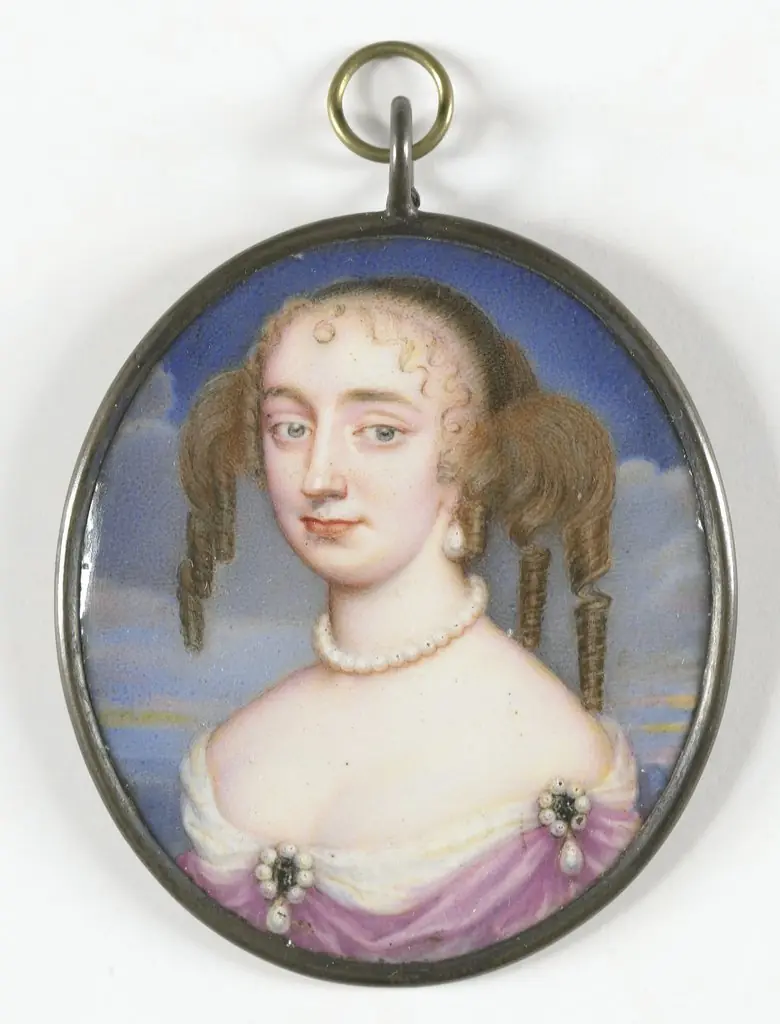
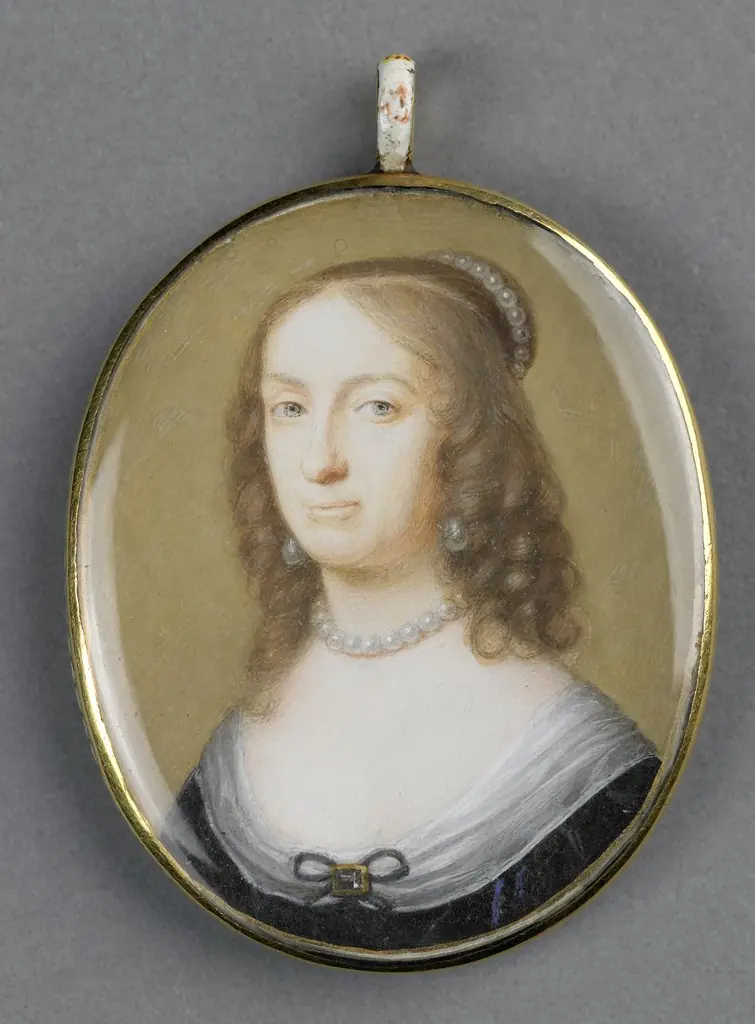 Portrait of Elizabeth, widow of Frederick V of the Palatinate
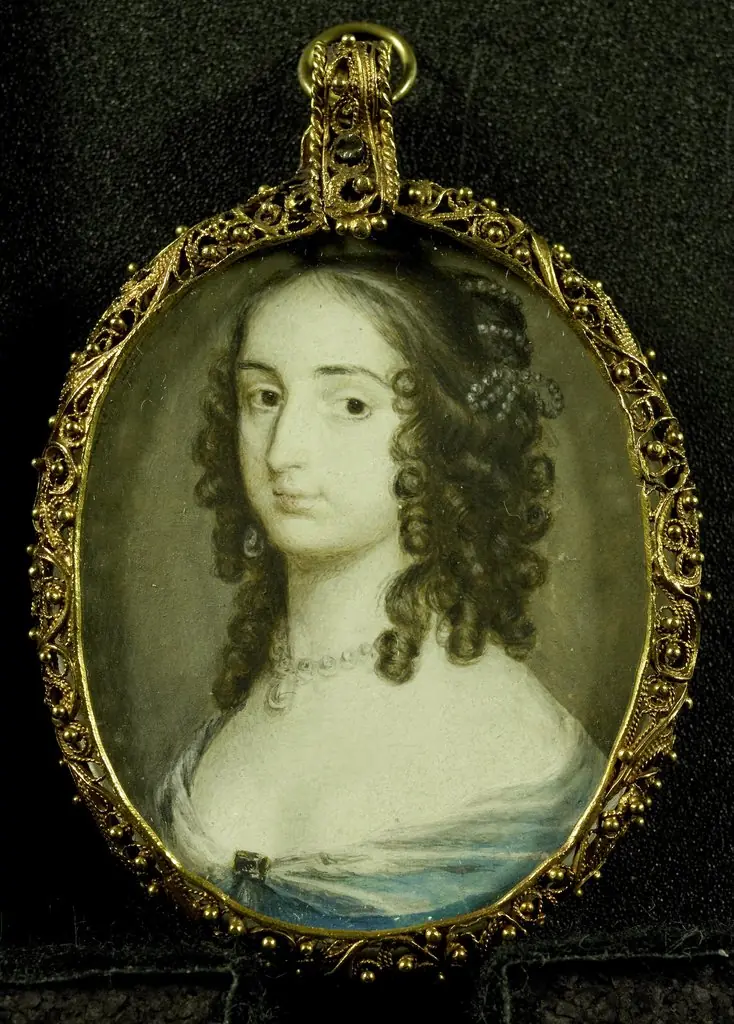 Portrait of Elisabeth of the Palatinate
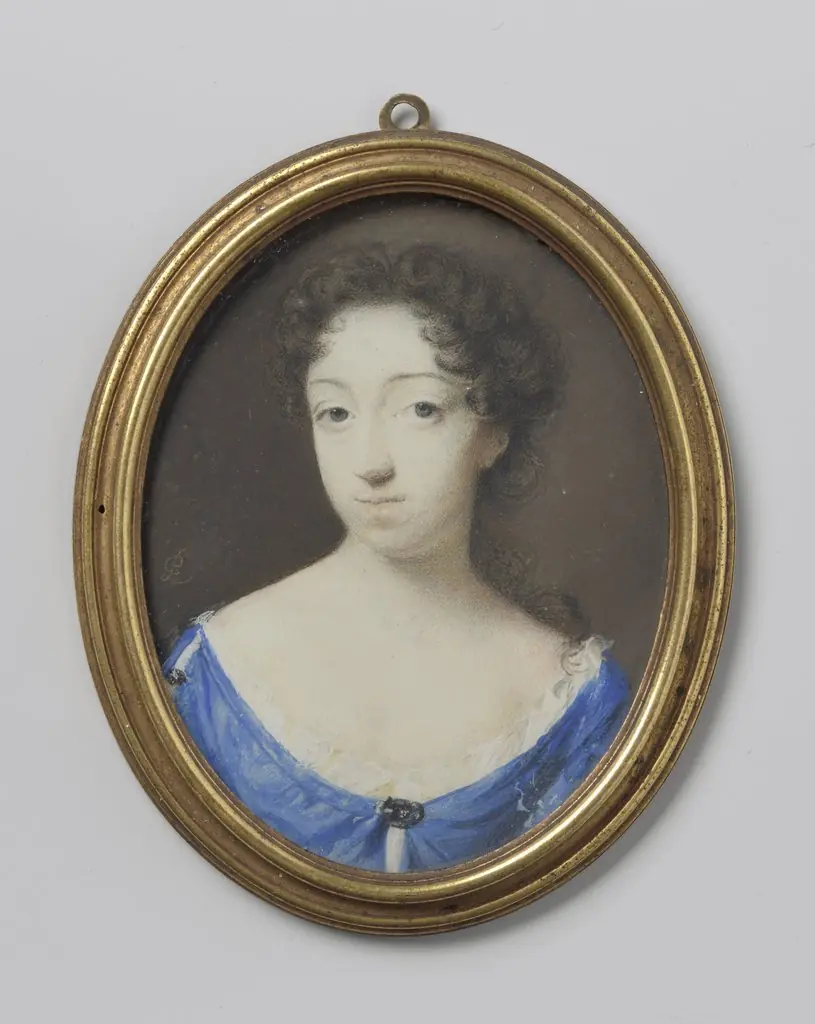
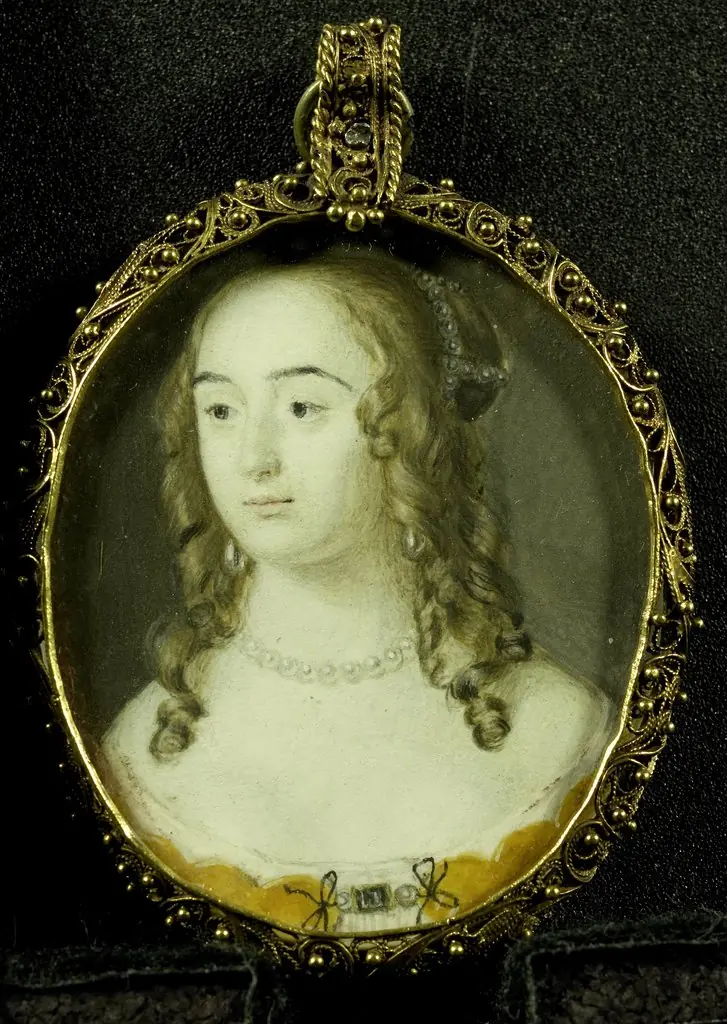 Henriette Marie (1626–51) of Paltz, daughter of Frederick V, King of Bohemia, nicknamed the 'Winter King'.
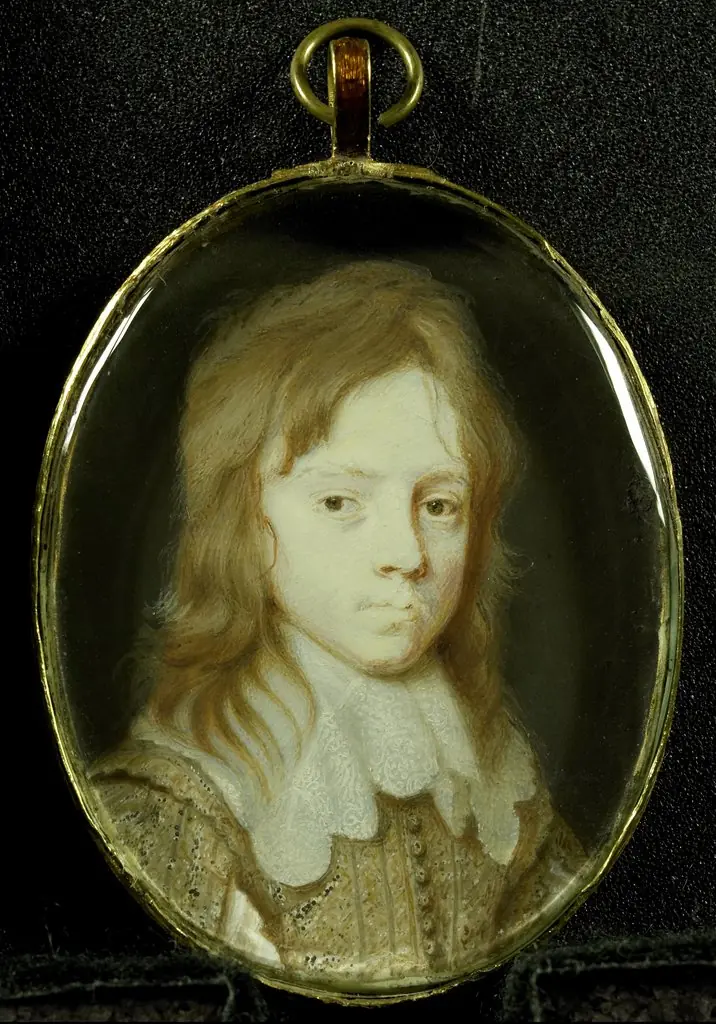 Willem II (1626-1650). Prince of Orange
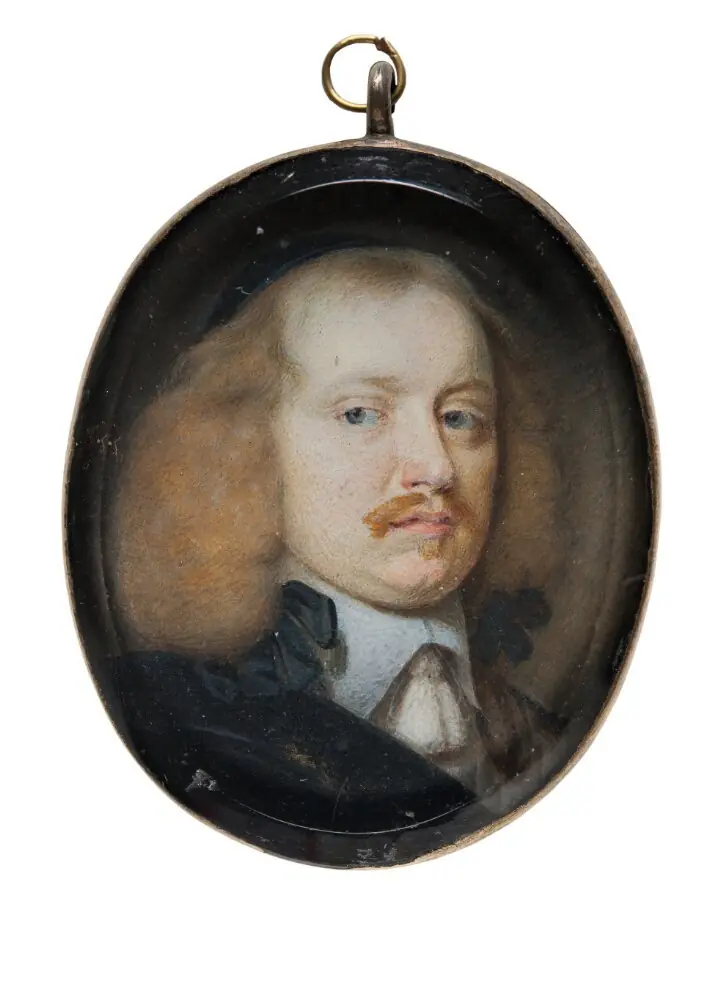 Anders Lilliehöök, Baron, Officer
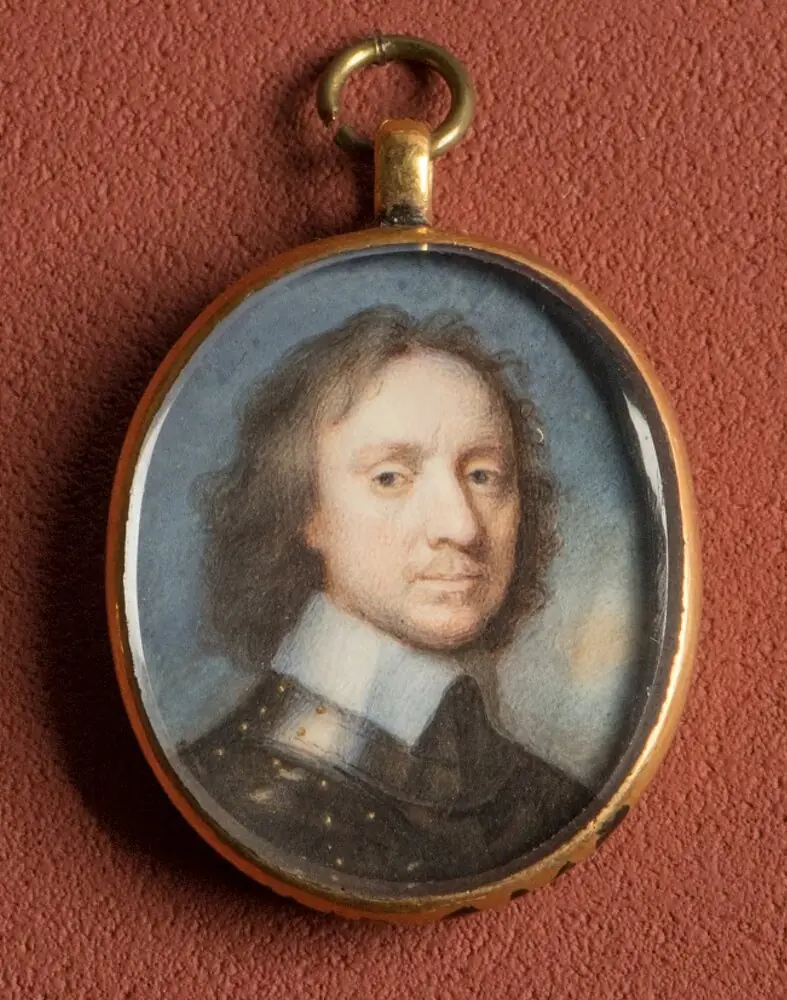 Oliver Cromwell (1599-1658), lordprotektor i England
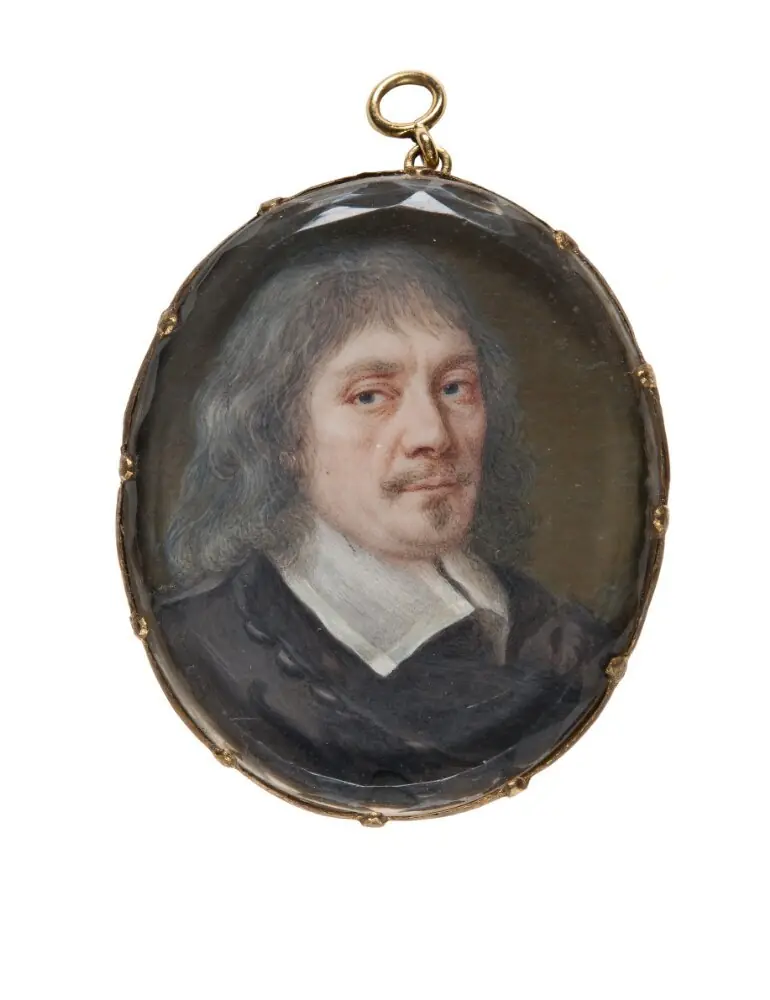 Unknown man