Artwork
Anders Lilliehöök, Baron, Officer
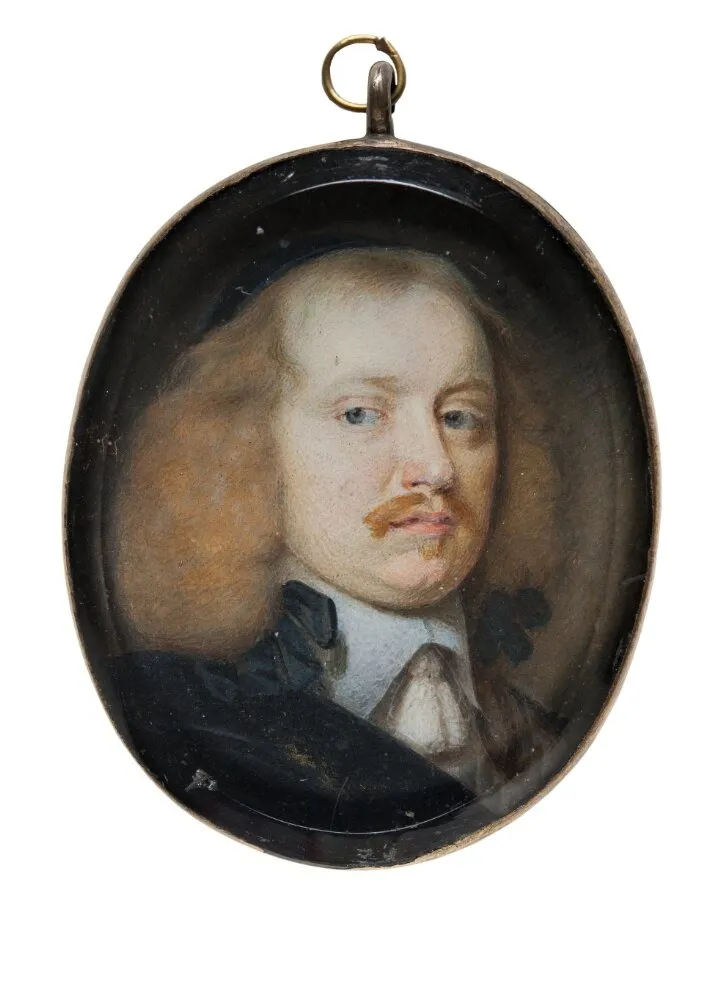
Anders Lilliehöök, Baron, Officer is an unspecified painting by Alexander Cooper. It dates from 1644 and is held in the collection of the Nationalmuseum. This small oval portrait, painted around 1644, presents Anders Lilliehöök, a Swedish baron and military officer, in formal attire.
About this work
The subject's attire suggests that the painting may have been created in the 17th or 18th century, although the exact date is unknown.
This portrait painting is an oval miniature, showcasing a man's face and upper body. He has light-colored hair and a mustache, and is dressed in a dark jacket over a white shirt with a high collar. The background of the painting is dark, which helps to accentuate the subject's features.
The subject's attire suggests that the painting may have been created in the 17th or 18th century, although the exact date is unknown. The artist's use of light and shadow adds depth to the portrait, creating a sense of volume and texture.
To learn more about the artist behind this portrait, look up Alexander Cooper.
Overview
This small oval portrait, painted around 1644, presents Anders Lilliehöök, a Swedish baron and military officer, in formal attire. Executed in miniature scale by Alexander Cooper, it is part of the Nationalmuseum’s collection in Stockholm. The work reflects the tradition of intimate portraiture favored among European nobility during the mid-seventeenth century, emphasizing personal presence over grandeur.
Subject & Meaning
Anders Lilliehöök is depicted with quiet authority, his light hair and neatly groomed mustache suggesting refinement. His dark jacket and high white collar indicate his status as an officer in the Swedish nobility. The portrait conveys dignity through restraint, avoiding overt symbols of rank, instead relying on posture and attire to communicate his position within the military and aristocratic hierarchy of the time.
Technique & Style
Alexander Cooper employed fine brushwork to render subtle textures in fabric and skin, using chiaroscuro to model the face and shoulders with soft gradations of light. The dark, unbroken background isolates the figure, focusing attention on his expression and attire. The miniature format, typical of portable portraiture, suggests the painting may have been intended for private viewing or personal keepsake.
History & Provenance
The portrait entered the Nationalmuseum’s holdings as part of Sweden’s national art collection, likely acquired through royal or aristocratic donations in the 18th or 19th century. Its attribution to Alexander Cooper, an English miniaturist active in Sweden during the 1640s, is supported by stylistic comparisons with other documented works. The painting’s survival reflects its continued value as a record of noble identity.
Context
During the 1640s, Sweden was emerging as a major European power under Gustavus Adolphus, and portraits of officers like Lilliehöök served to reinforce loyalty and social order. Miniature portraits were popular among the elite for their portability and intimacy, often exchanged as tokens of alliance or remembrance. Cooper’s presence in Sweden highlights the international movement of artists serving noble courts.
Legacy
The portrait remains a representative example of Swedish aristocratic portraiture from the Thirty Years’ War era. While not widely exhibited, it contributes to scholarly understanding of how nobility presented themselves visually during a period of military and political transformation. Its preservation underscores the importance of small-scale works in documenting individual identity within broader historical narratives.
Artist & collection
Artist
Alexander Cooper (1609–1660) was an English miniature artist, born in London.

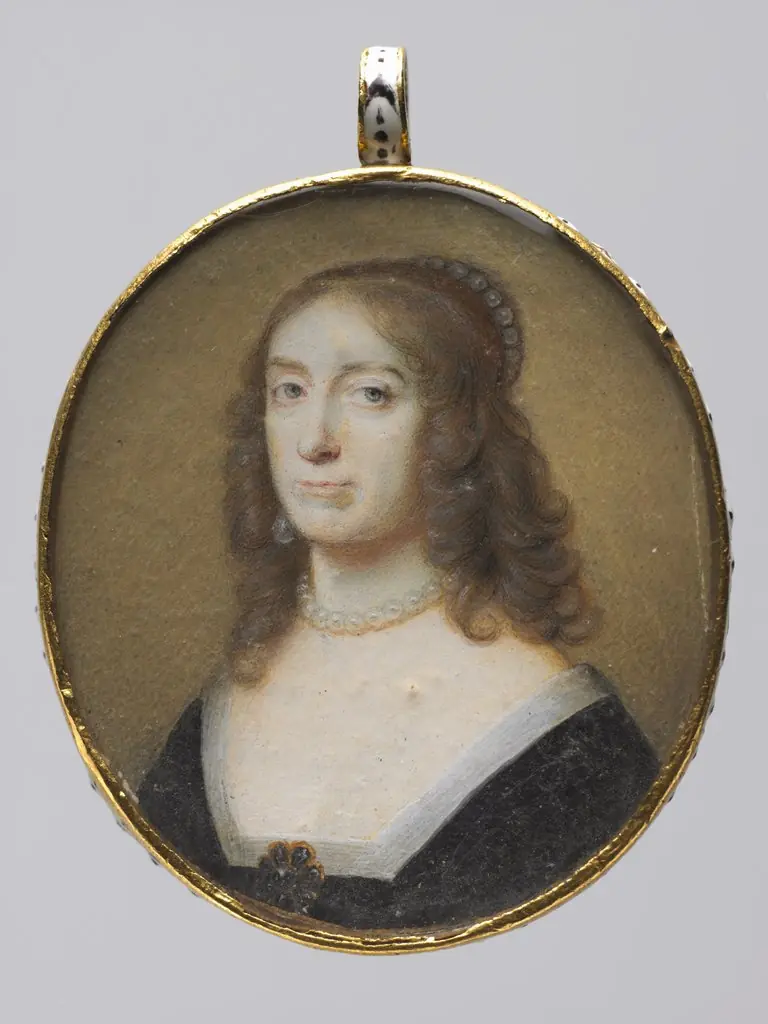 Portrait of Elizabeth Stuart, Electress Palatine and Queen of Bohemia
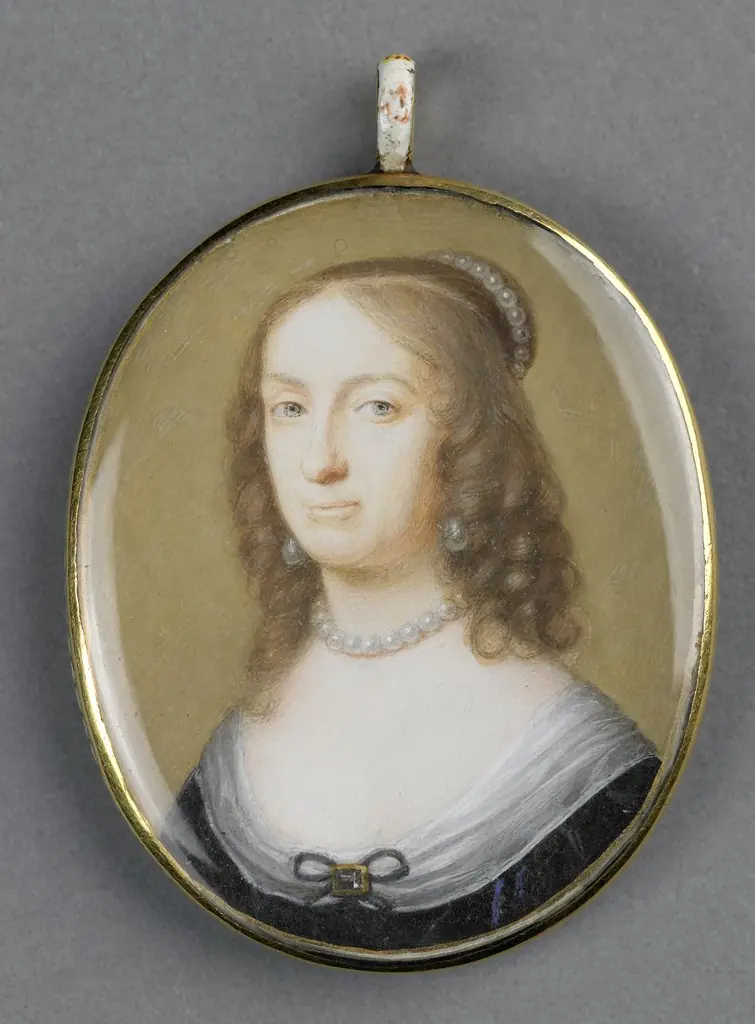 Portrait of Elizabeth, widow of Frederick V of the Palatinate
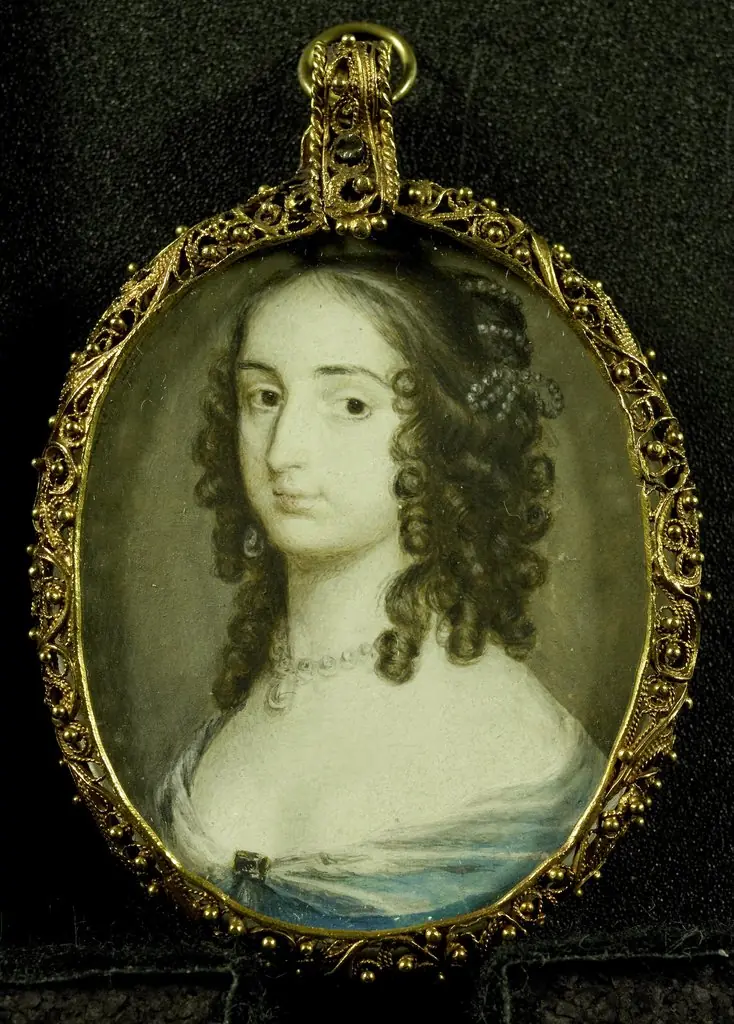 Portrait of Elisabeth of the Palatinate
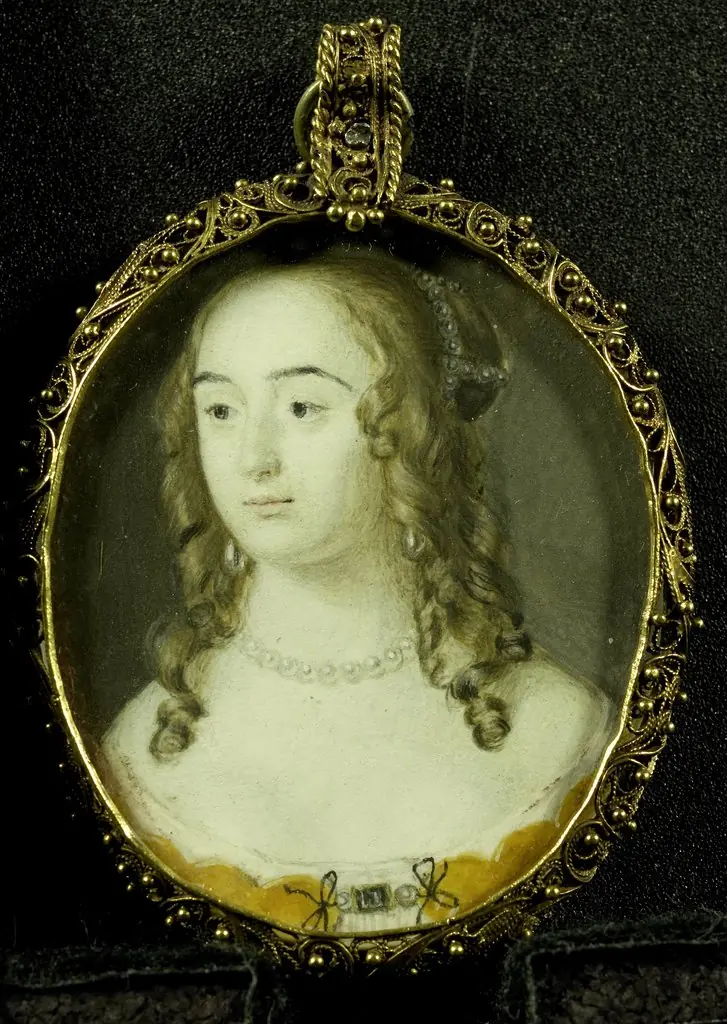 Henriette Marie (1626–51) of Paltz, daughter of Frederick V, King of Bohemia, nicknamed the 'Winter King'.
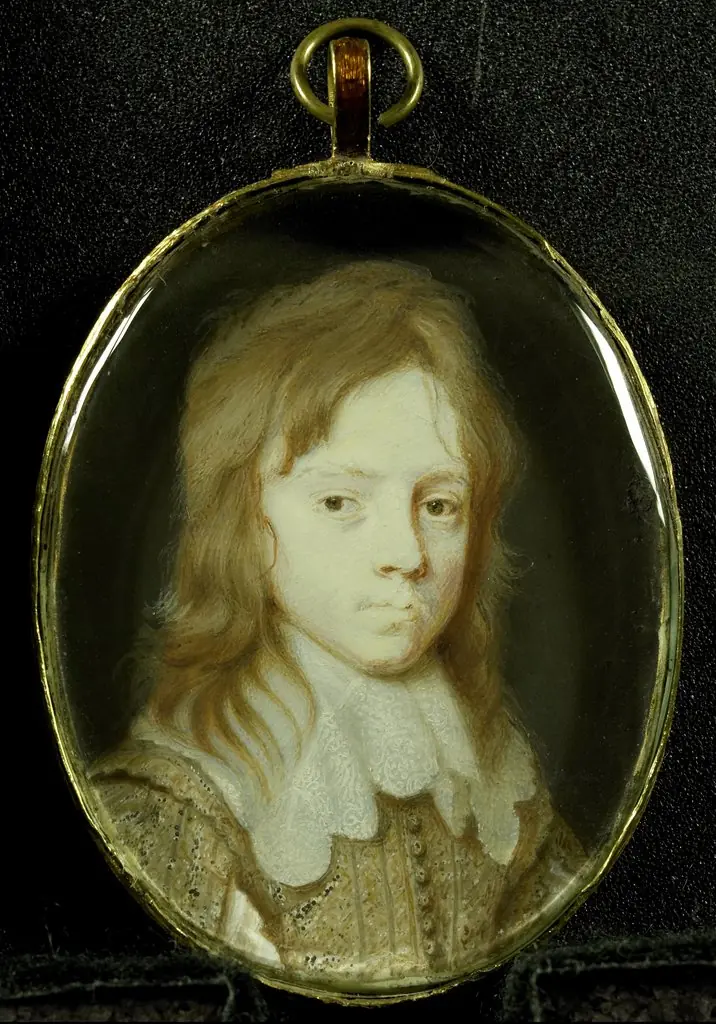 Willem II (1626-1650). Prince of Orange
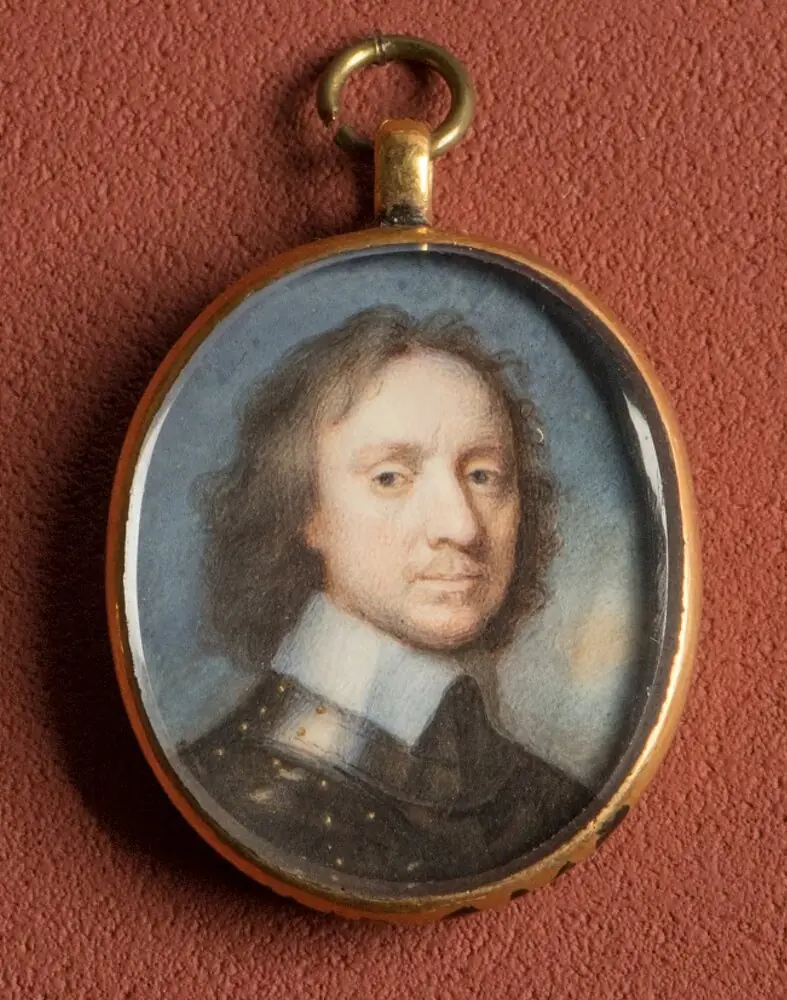 Oliver Cromwell (1599-1658), lordprotektor i England
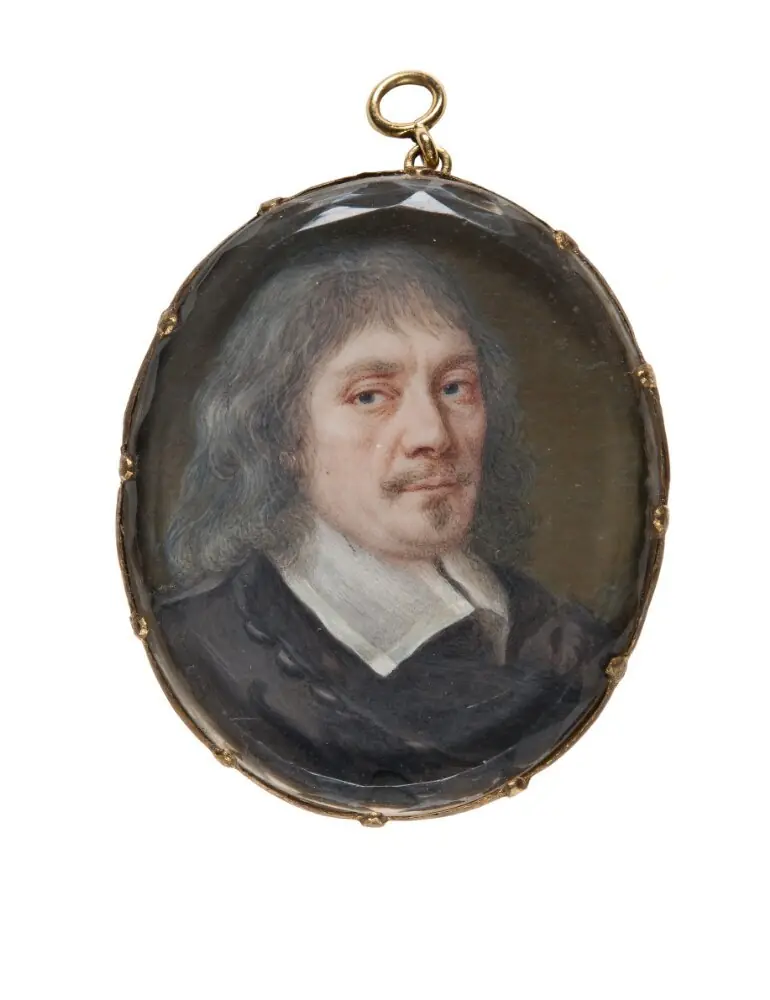 Unknown man
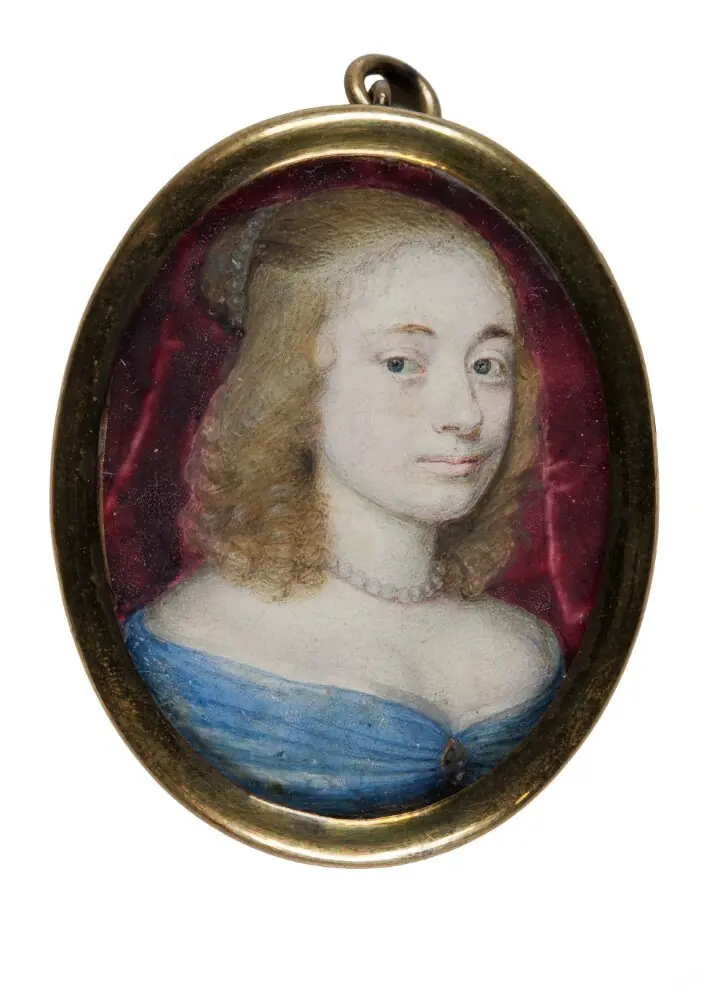 Unknown woman
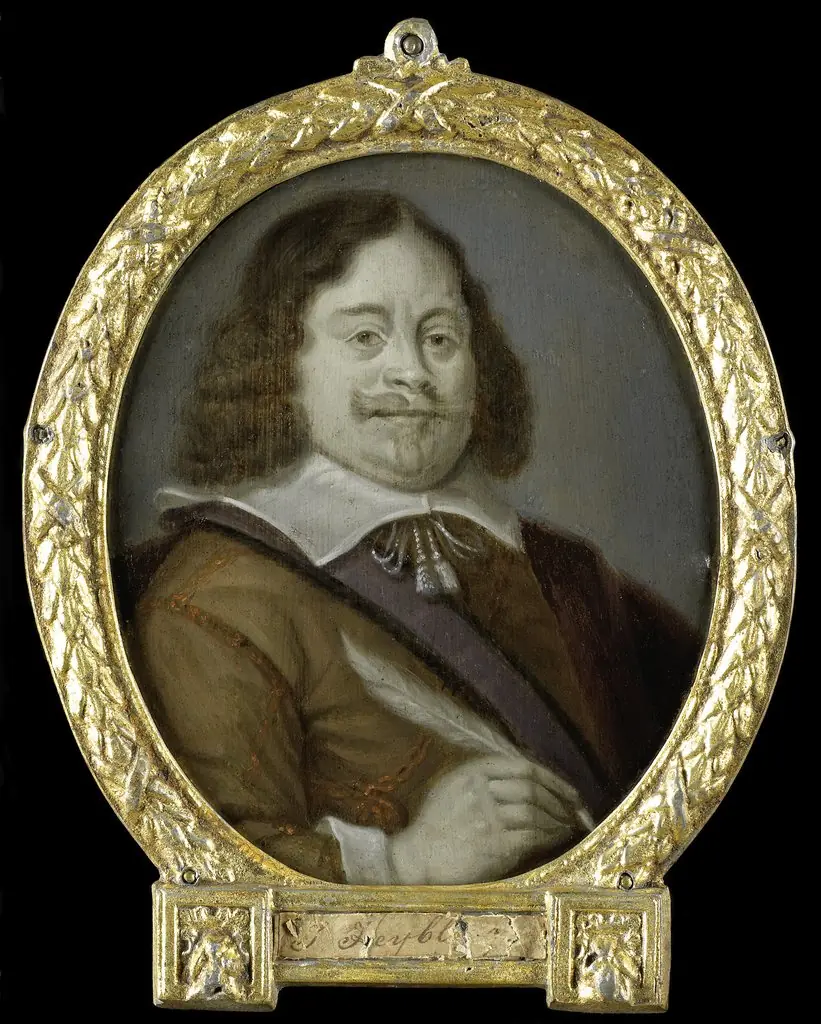 Portrait of Joannes Cools (born 1611), Jurist, Historian and Latin Poet in Hoorn
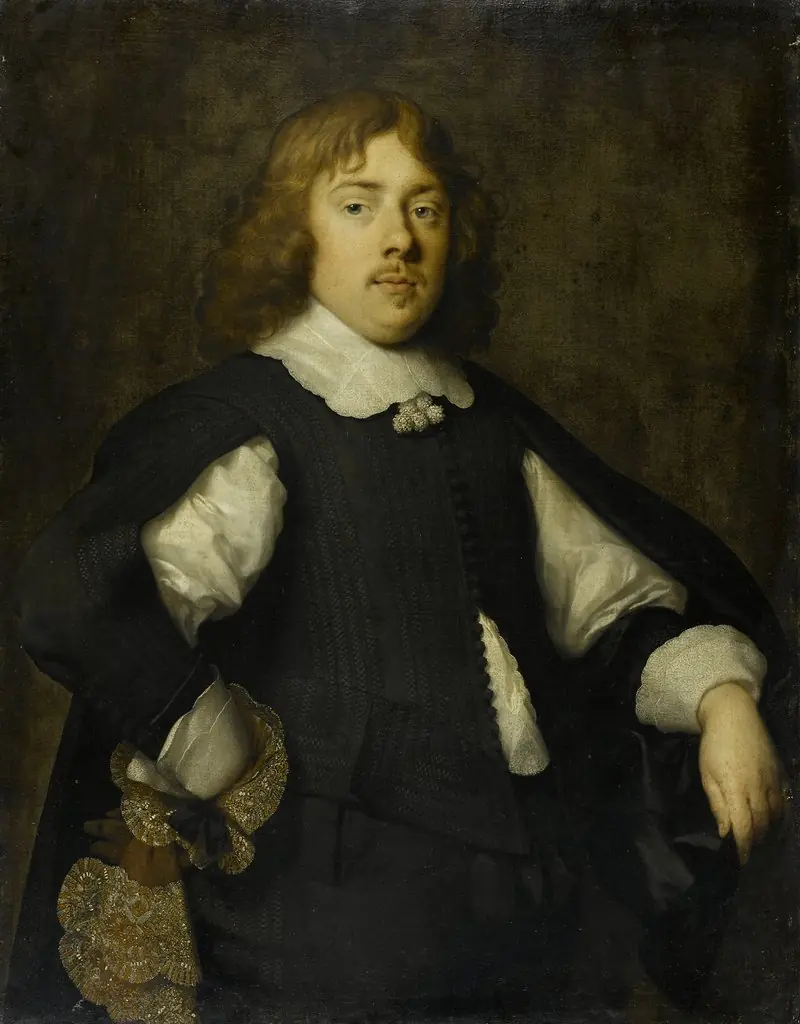 Portrait of Joan Pietersz Reael (1625-59)
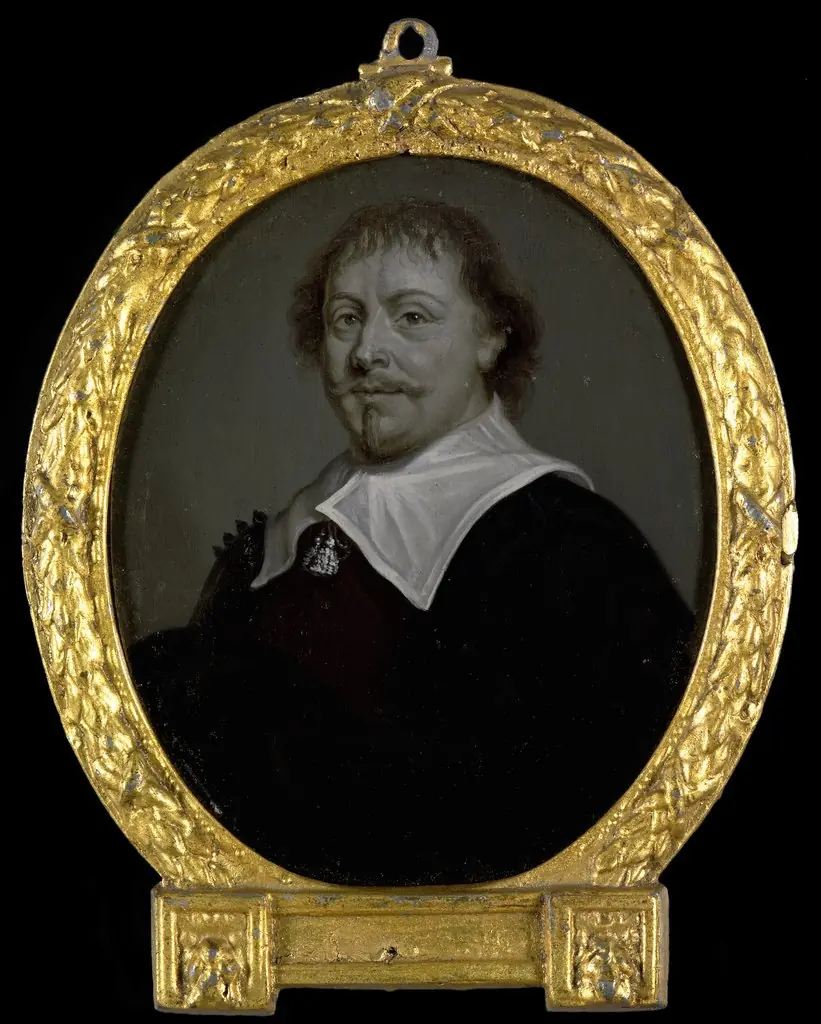 Portrait of Franciscus Planté, Clergyman at Zevenbergen and in Brazil
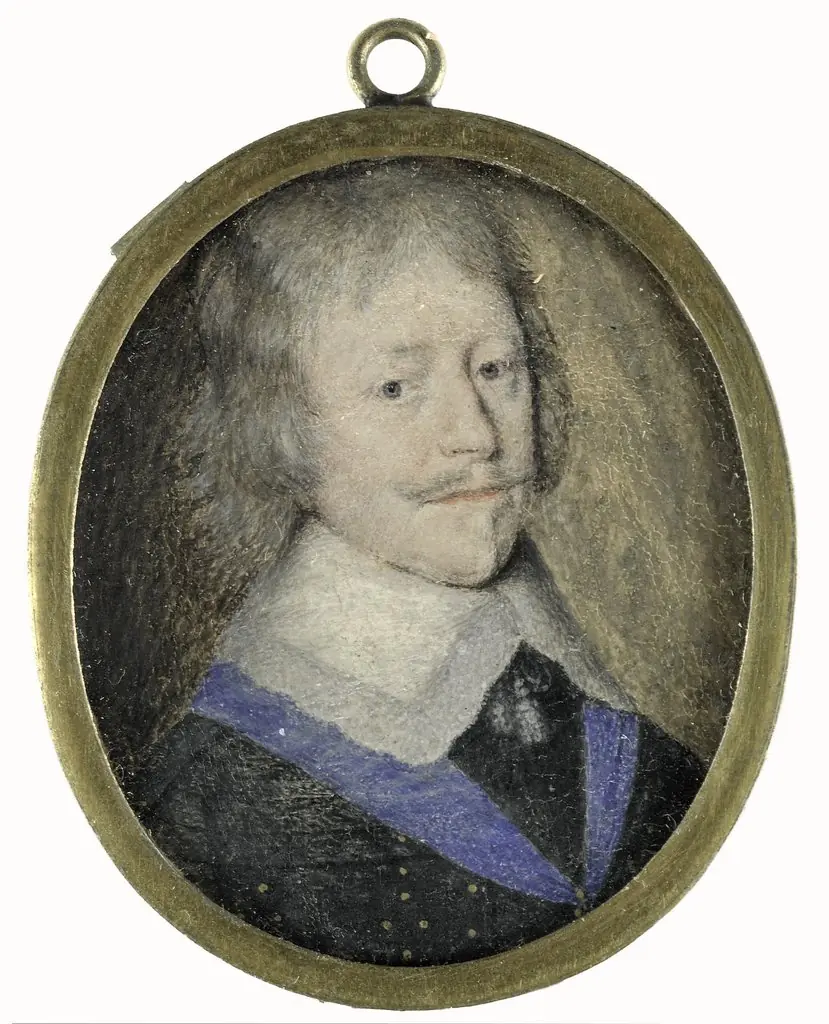 Portrait of Frederik Hendrik van Oranje- Nassau (1584-1647)
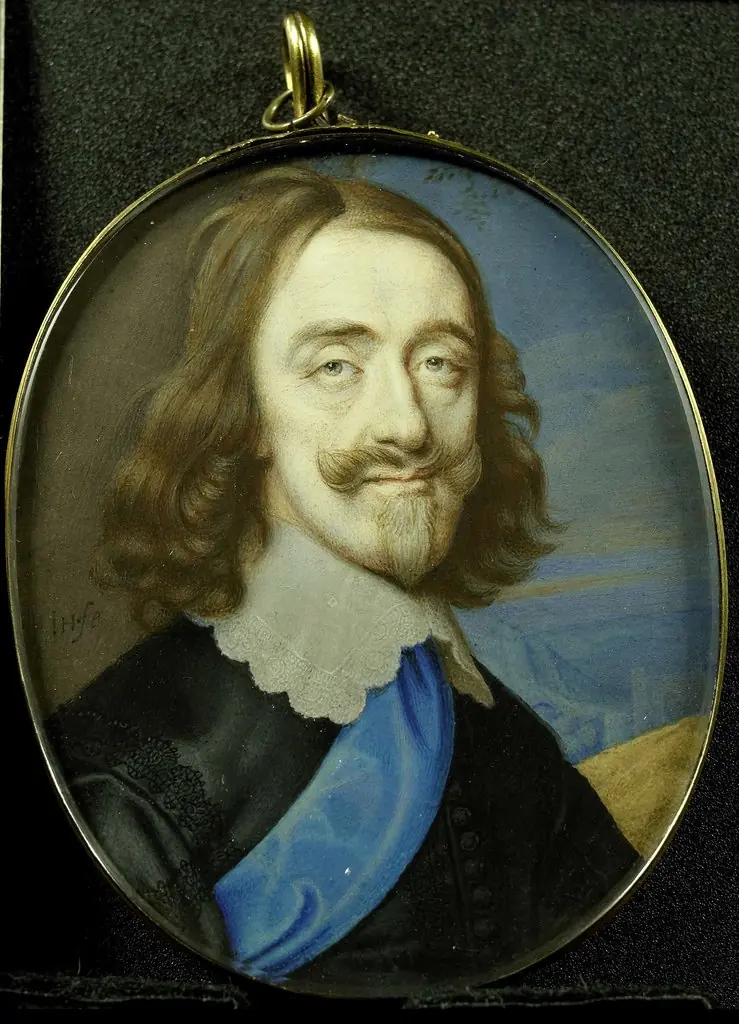 Portrait of Charles I, king of England
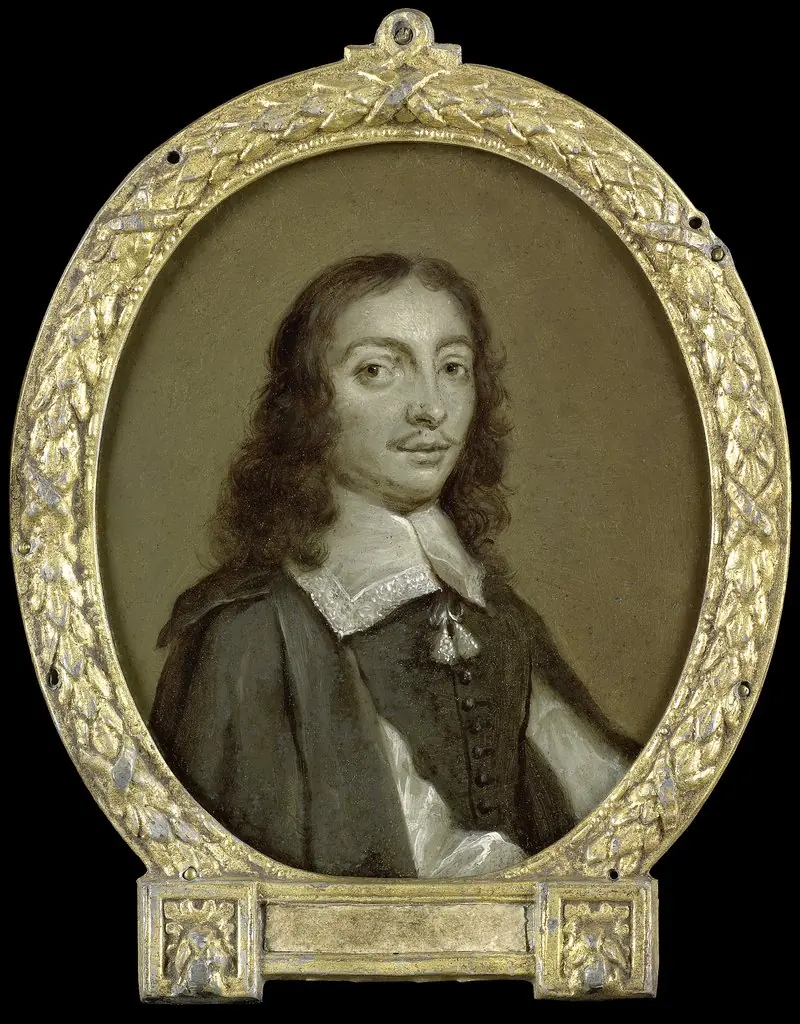 Portrait of Frans Godin, Poet in Brussels
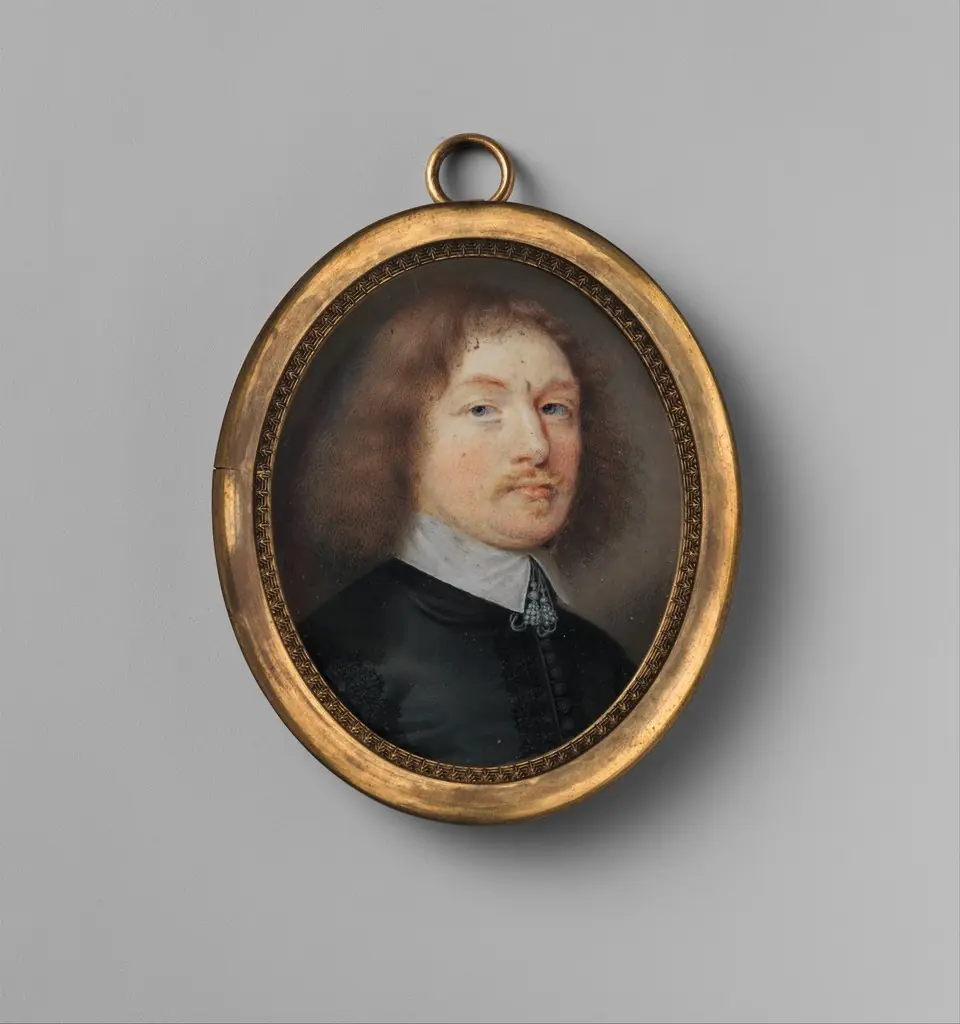 Portrait of a Man, Said to Be Philip Wharton (1613–1696), Fourth Baron Wharton
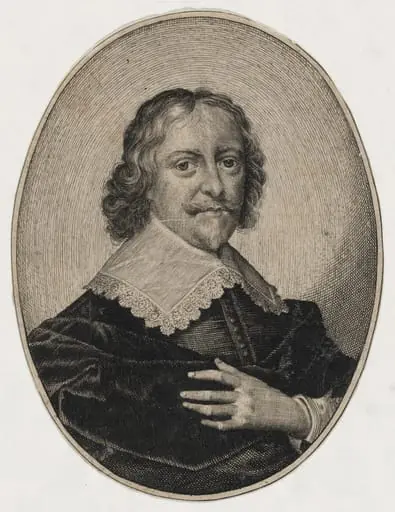 Portrait of a Man with a Broad Collar
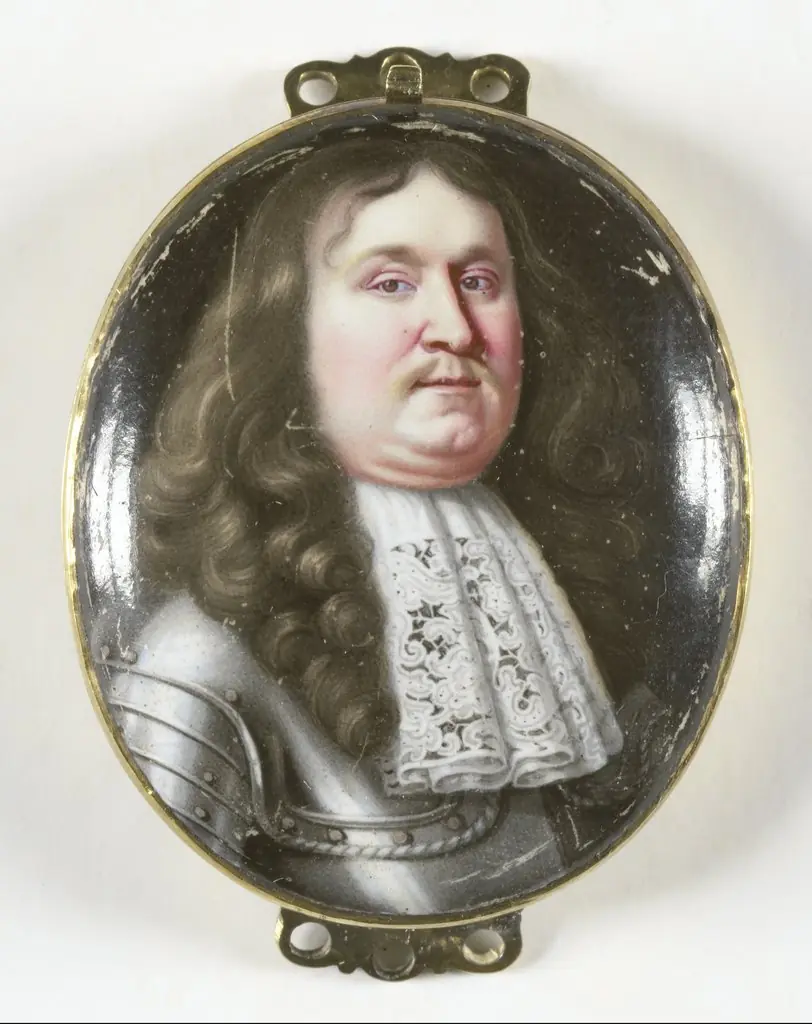 Adolf, Count of Nassau-Dillenburg-Schaumburg (1629-76)
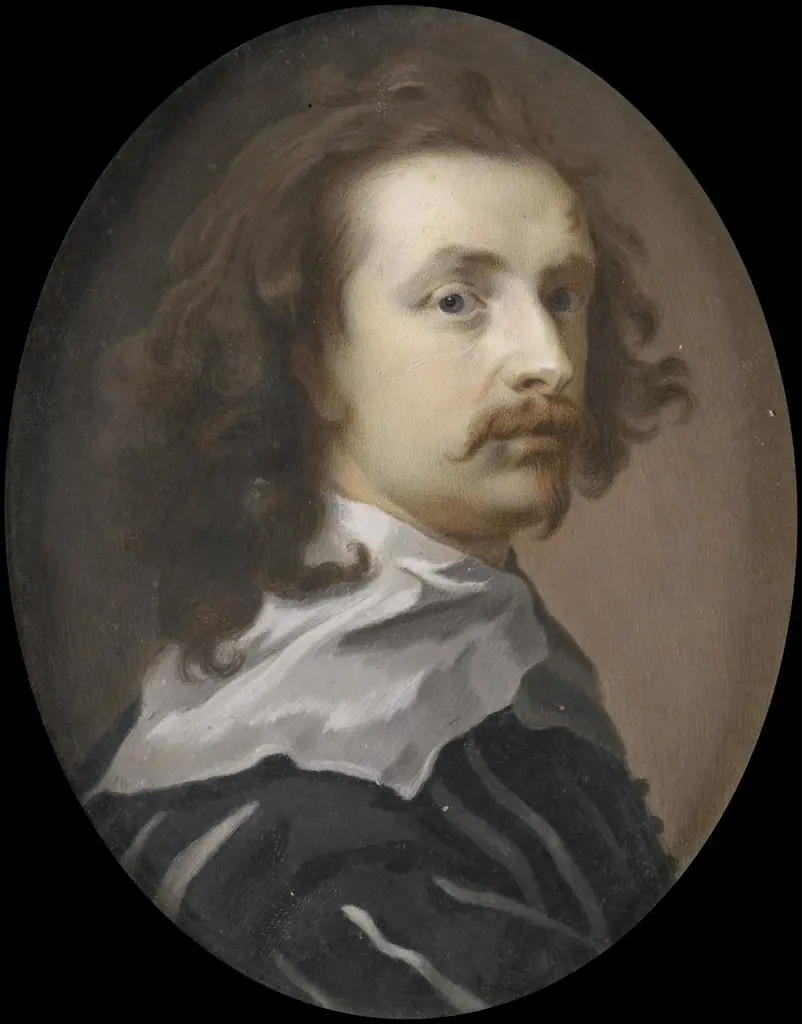 Portrait of the painter Anthony van Dyck
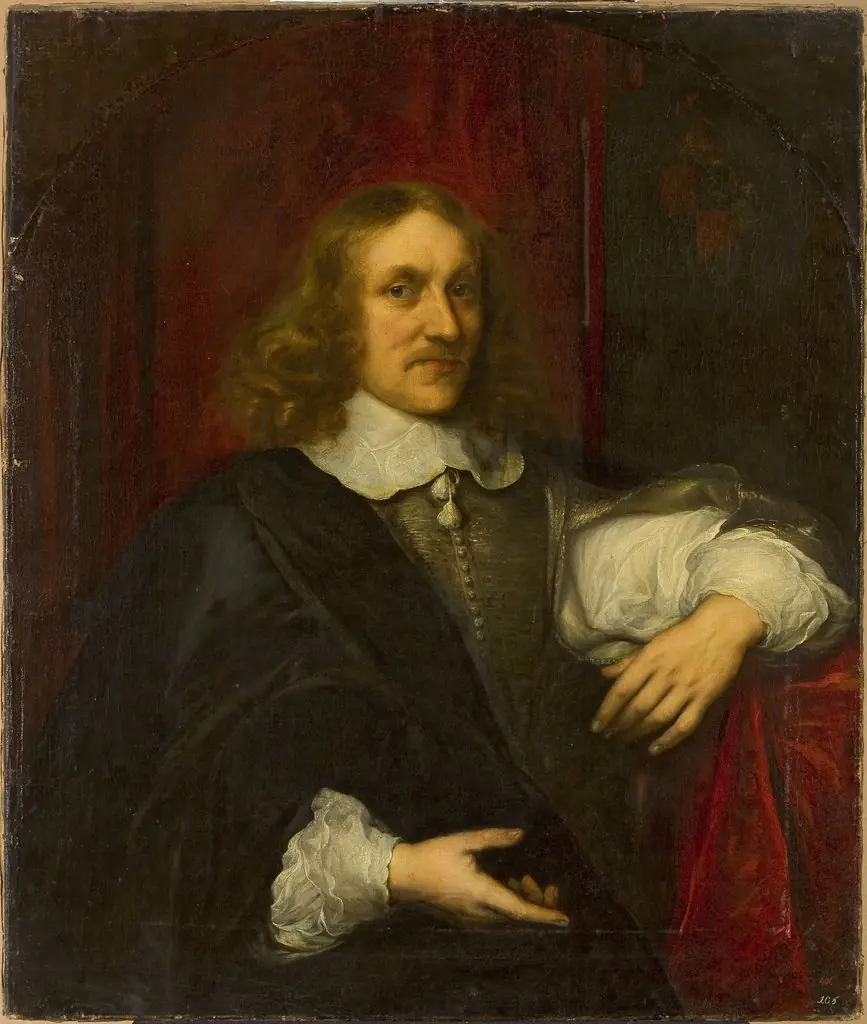 Portrait of a man