Artwork
Unknown woman
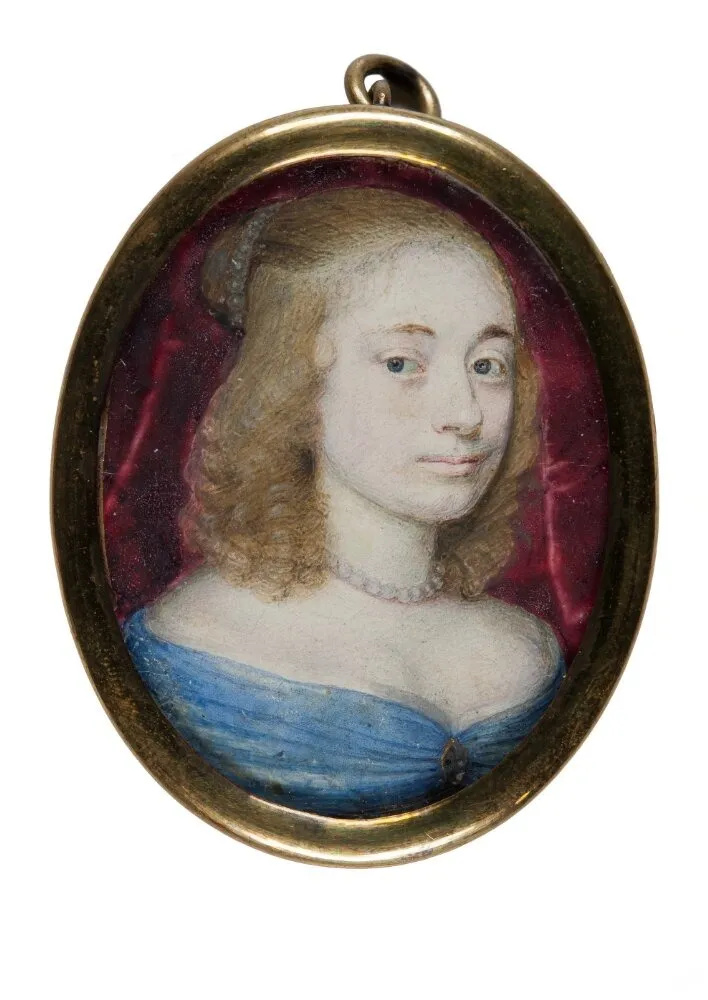
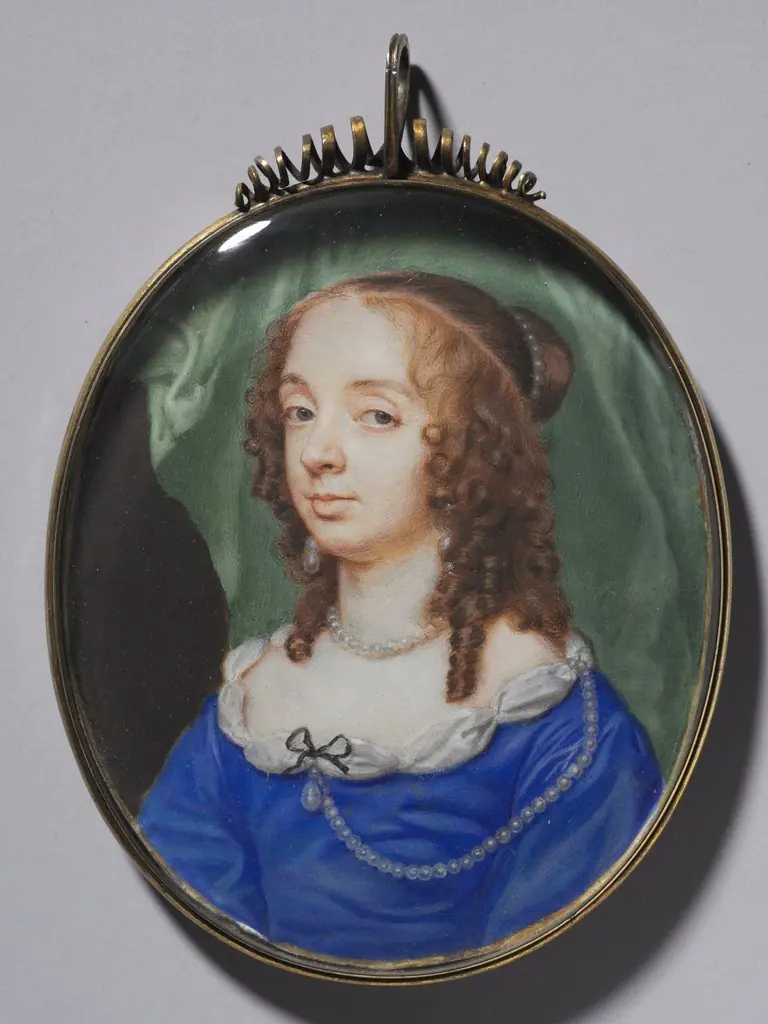
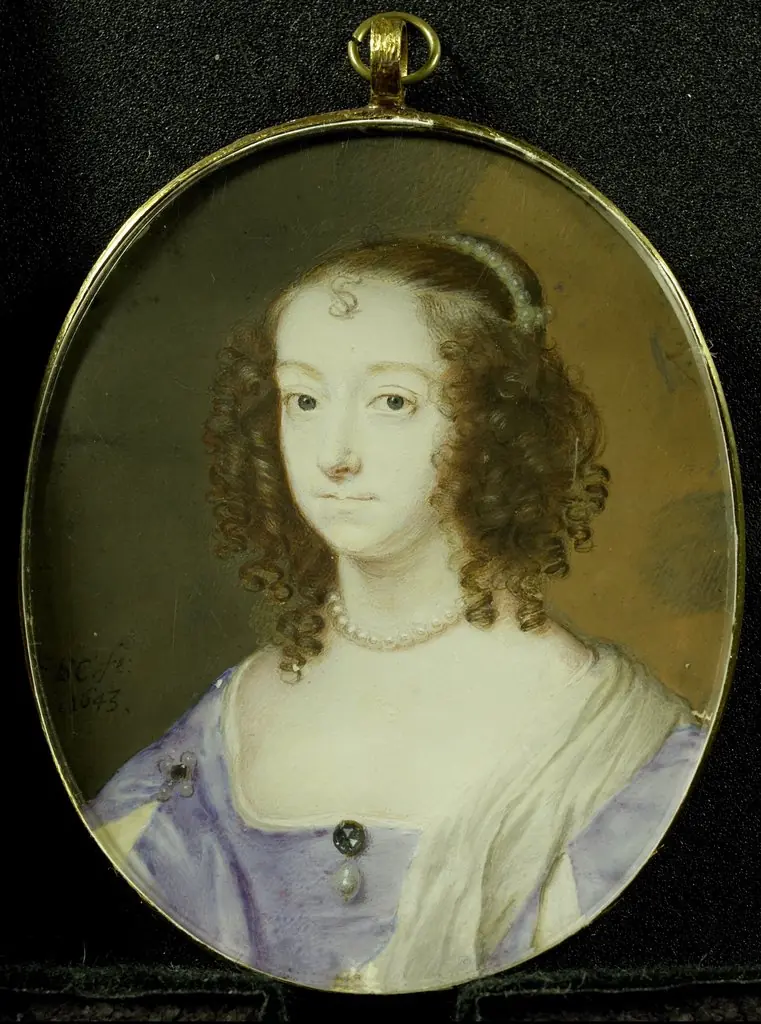
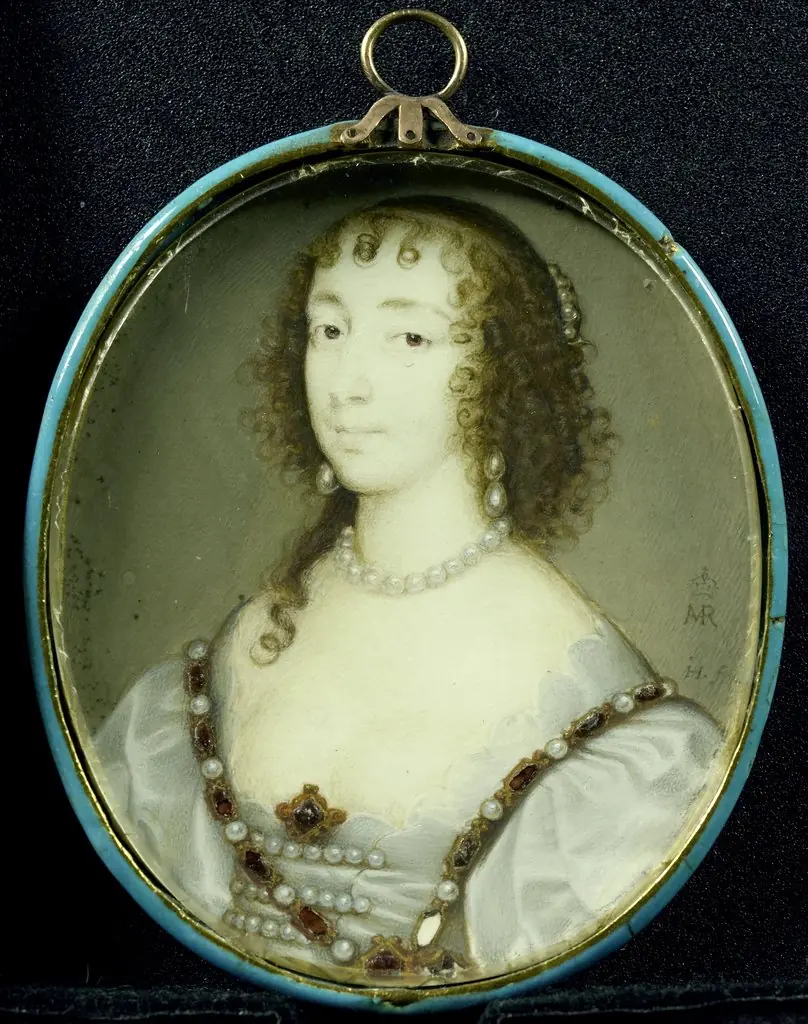
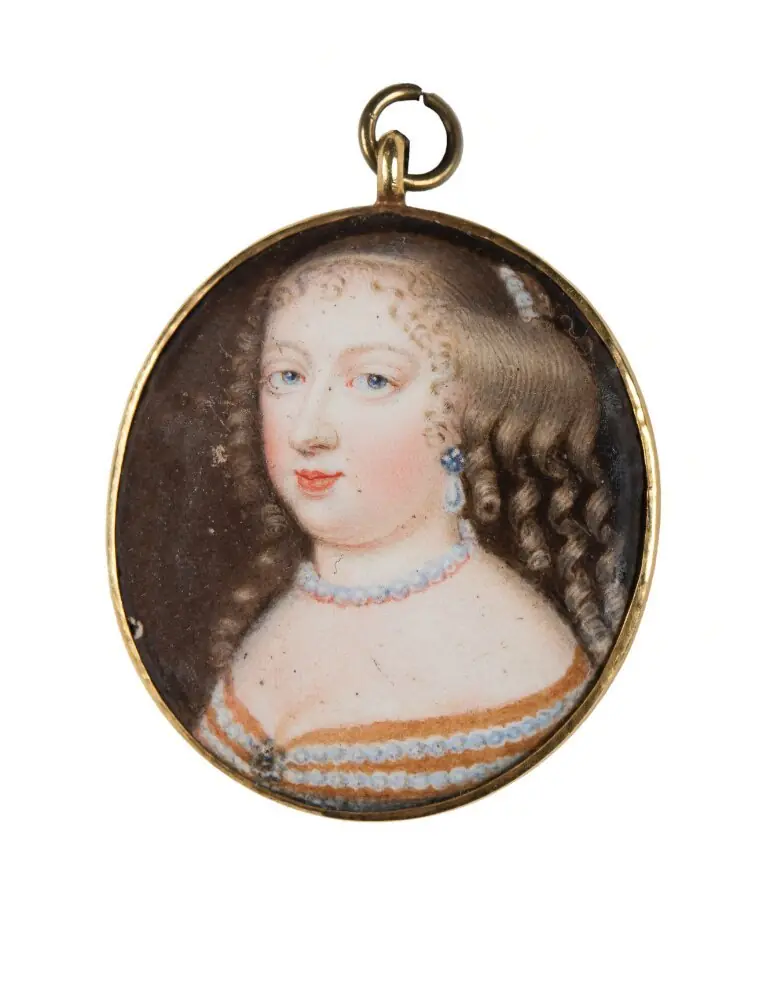
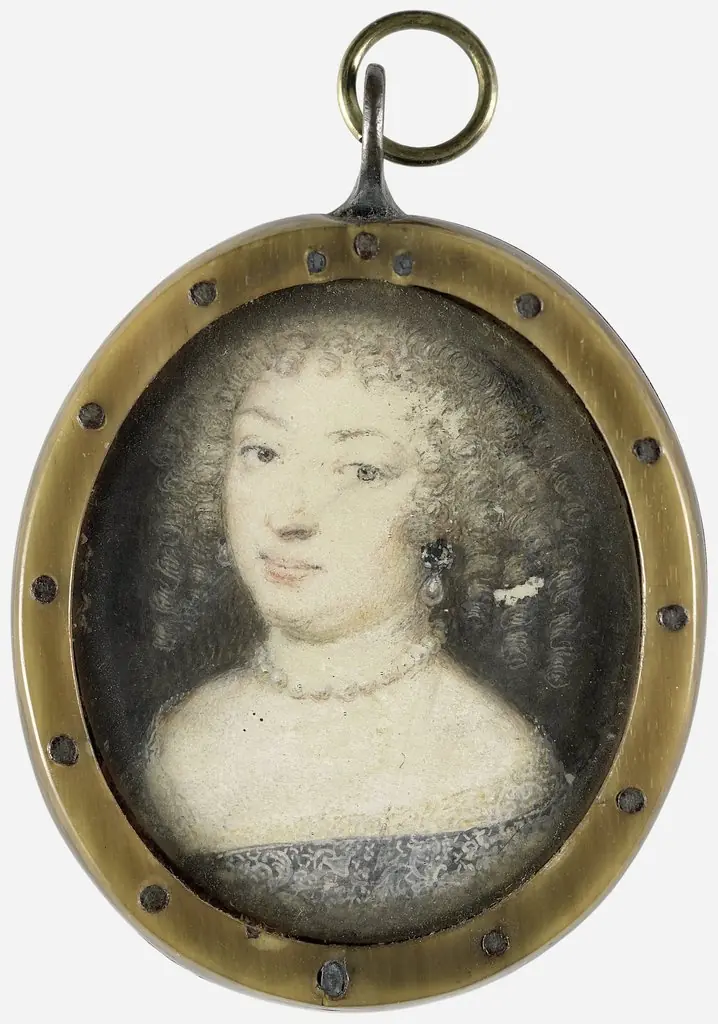
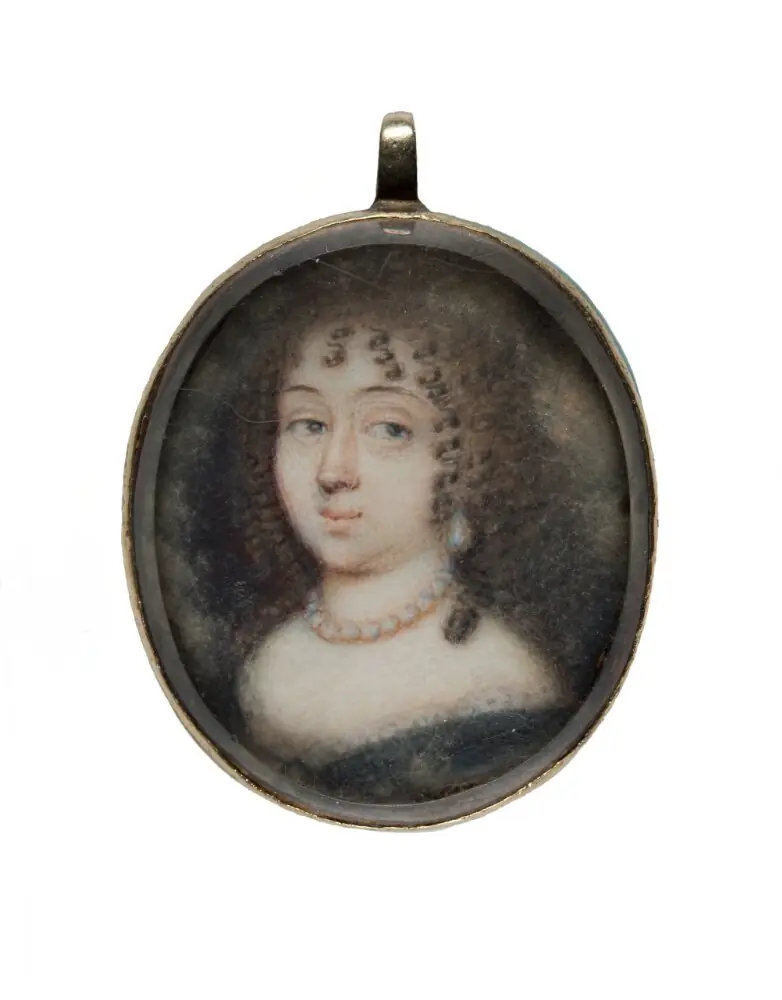
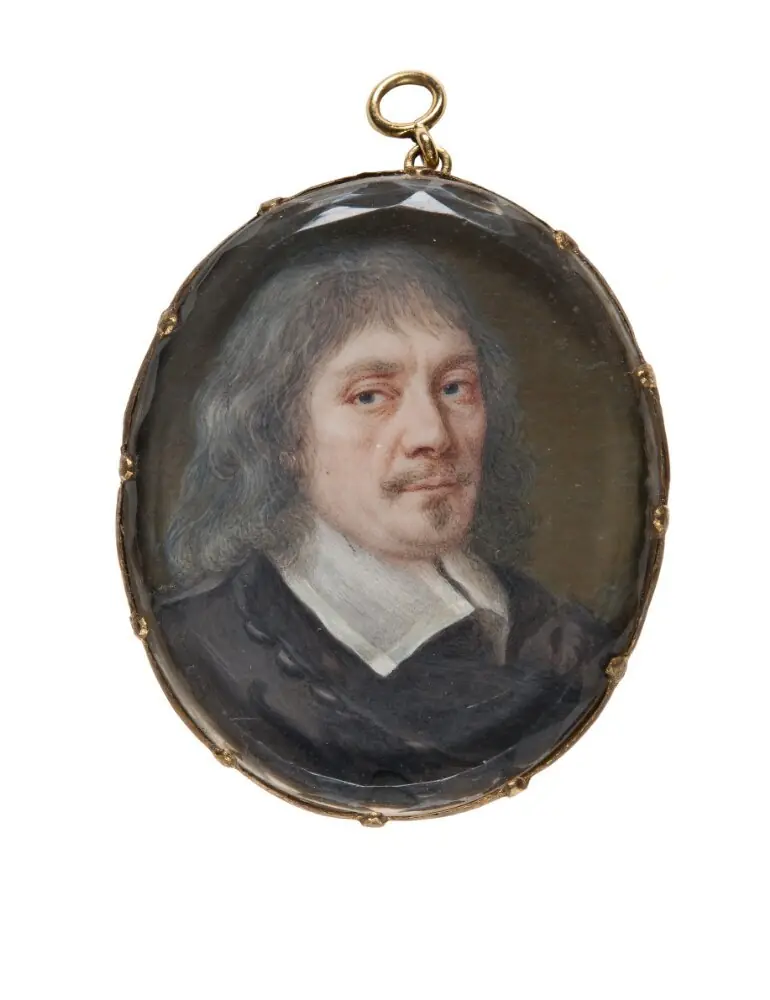
Unknown woman is an unspecified painting by Alexander Cooper. It dates from 1644 and is held in the collection of the Nationalmuseum.
About this work
Overview
Its modest scale and refined detail reflect the conventions of intimate, private commissions of the period.
This portrait, dated around 1644, is attributed to the English miniaturist Alexander Cooper. It depicts a woman in a simple yet elegant pose, rendered in oil on panel. The work is part of the collection at the Nationalmuseum in Stockholm, where it is recognized as an example of mid-17th-century portraiture with Flemish influences. Its modest scale and refined detail reflect the conventions of intimate, private commissions of the period.
Subject & Meaning
The sitter’s identity remains unconfirmed, but her attire and demeanor suggest she belonged to a modestly affluent class. Her restrained expression and direct gaze convey quiet dignity rather than grandeur. The pearl necklace and off-the-shoulder dress signify refinement, while the absence of symbols or props emphasizes personal presence over social status. The painting functions as a private likeness, likely intended for domestic contemplation.
Technique & Style
Cooper employed fine brushwork to render the texture of silk, the sheen of pearls, and the softness of blonde curls. The red background creates a stark contrast that draws focus to the figure’s form and facial features. The lighting is even and diffused, avoiding dramatic shadows, which aligns with the restrained aesthetic of Northern European portraiture. The composition is tightly framed, emphasizing the sitter’s upper body and gaze.
History & Provenance
The painting entered the Nationalmuseum’s collection in the 19th century, though its earlier ownership is undocumented. It was likely acquired through private sales or bequests, common for works by lesser-known artists of the period. Its attribution to Cooper is based on stylistic parallels with his documented miniatures and small-scale portraits, though no definitive archival records link it directly to him.
Context
Created during the English Civil War, this portrait reflects the persistence of refined artistic traditions despite political turmoil. Cooper, active in both England and the Netherlands, absorbed influences from Dutch and Flemish painters who emphasized naturalism and subtle expression. Such portraits circulated among elite circles in exile or in neutral regions, serving as markers of cultural continuity amid upheaval.
Legacy
Though not widely exhibited, the portrait contributes to the understanding of Cooper’s oeuvre and the broader genre of small-scale portraiture in 17th-century Europe. It illustrates how artists adapted courtly conventions for private patrons, balancing elegance with restraint. Its preservation in a national collection underscores its value as a representative artifact of a transitional era in European art.
Artist & collection
Artist
Alexander Cooper (1609–1660) was an English miniature artist, born in London.

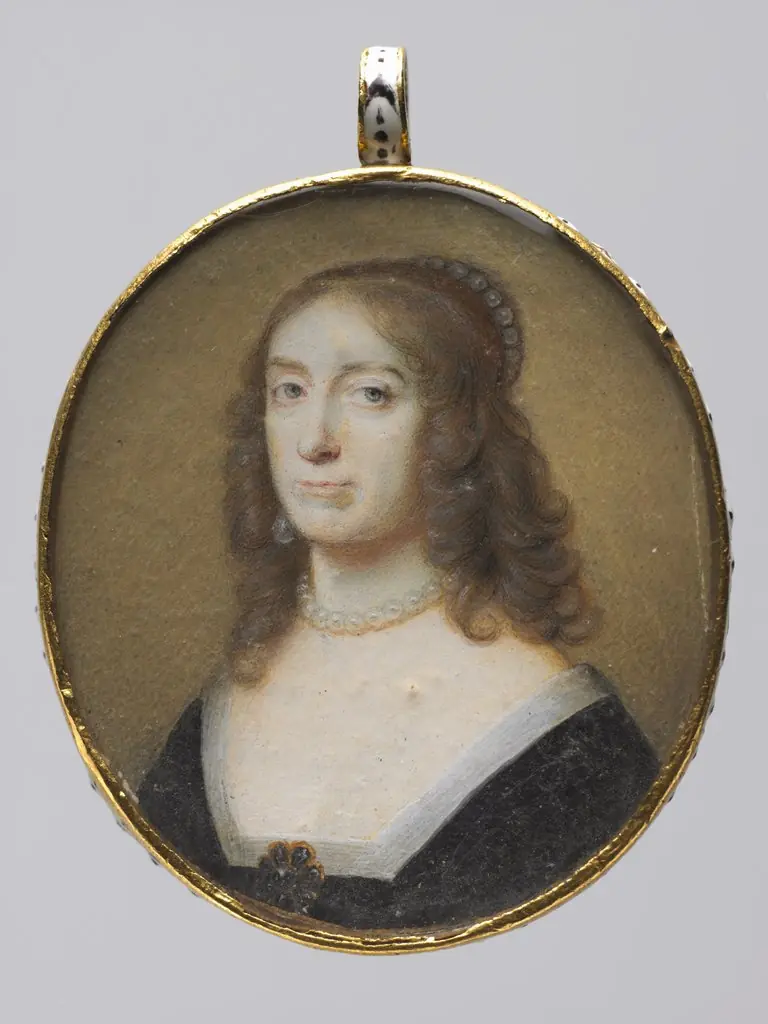 Portrait of Elizabeth Stuart, Electress Palatine and Queen of Bohemia
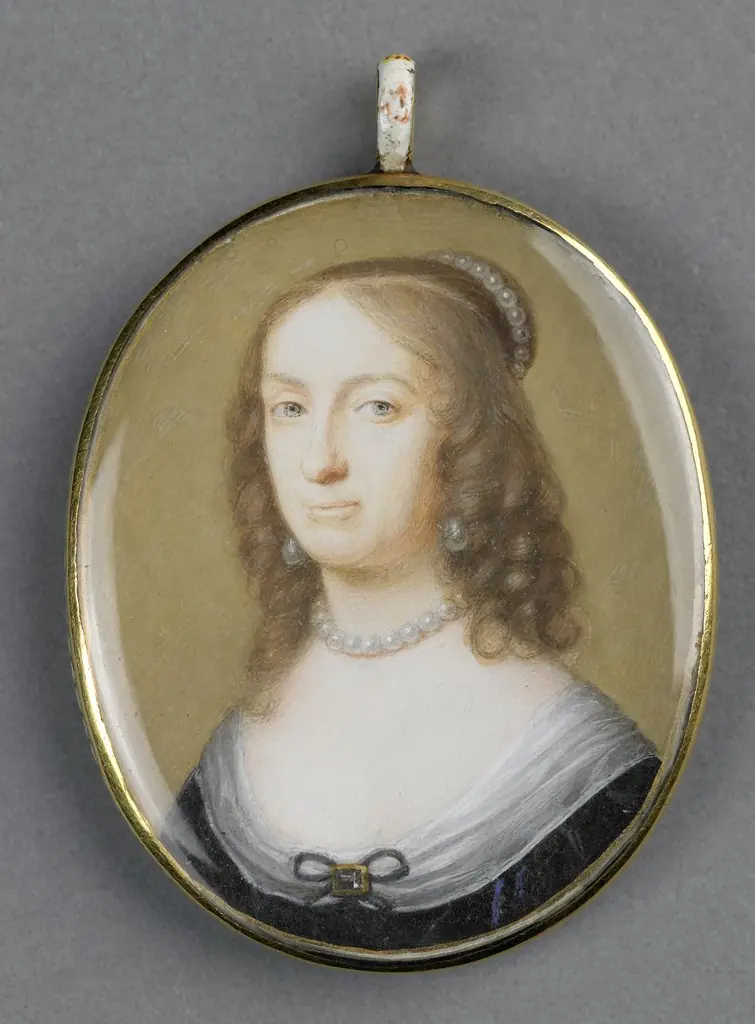 Portrait of Elizabeth, widow of Frederick V of the Palatinate
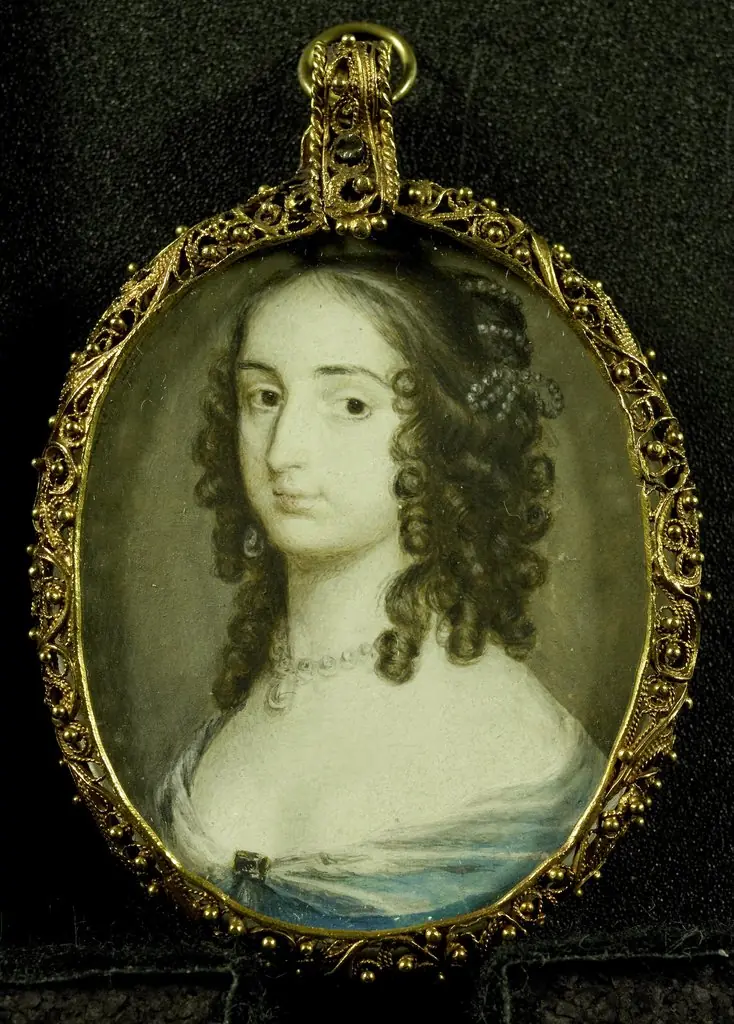 Portrait of Elisabeth of the Palatinate
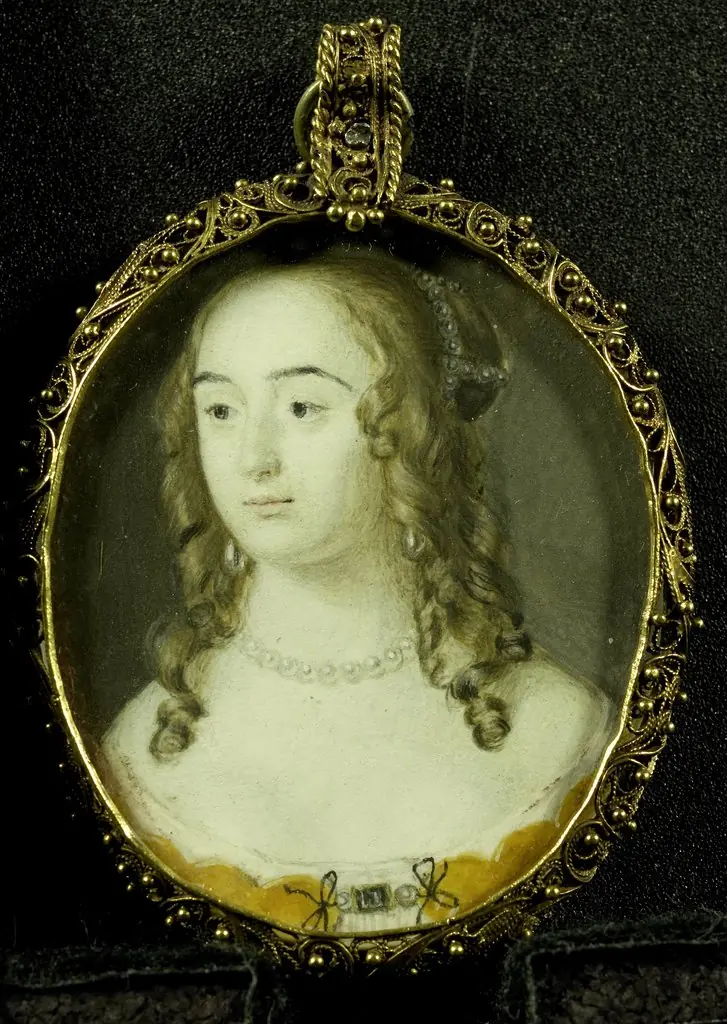 Henriette Marie (1626–51) of Paltz, daughter of Frederick V, King of Bohemia, nicknamed the 'Winter King'.
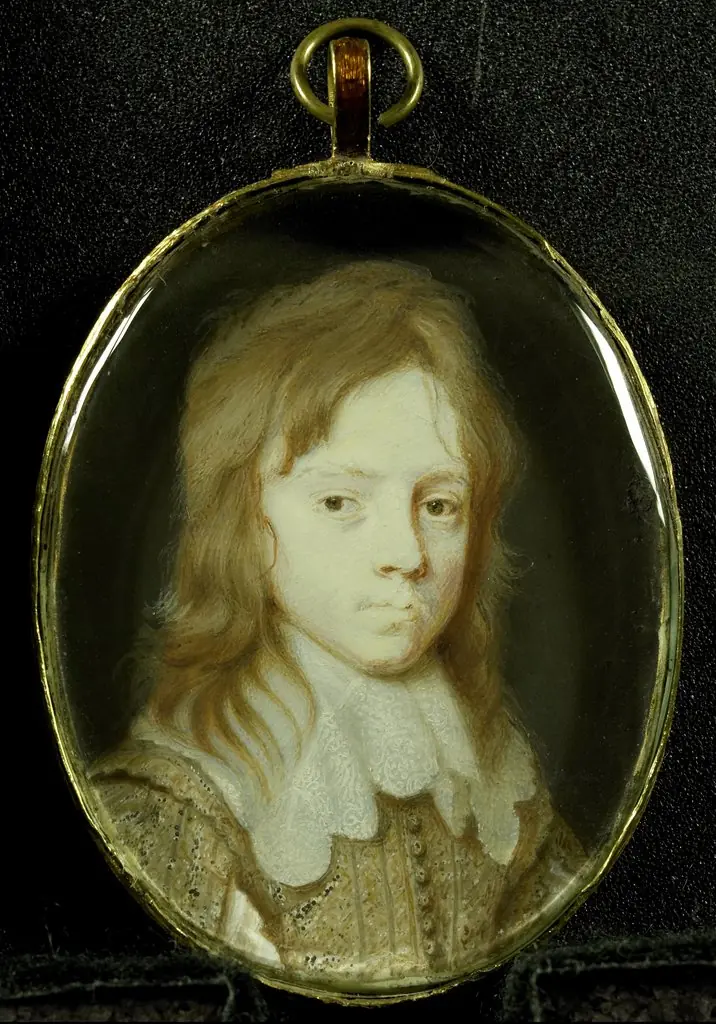 Willem II (1626-1650). Prince of Orange
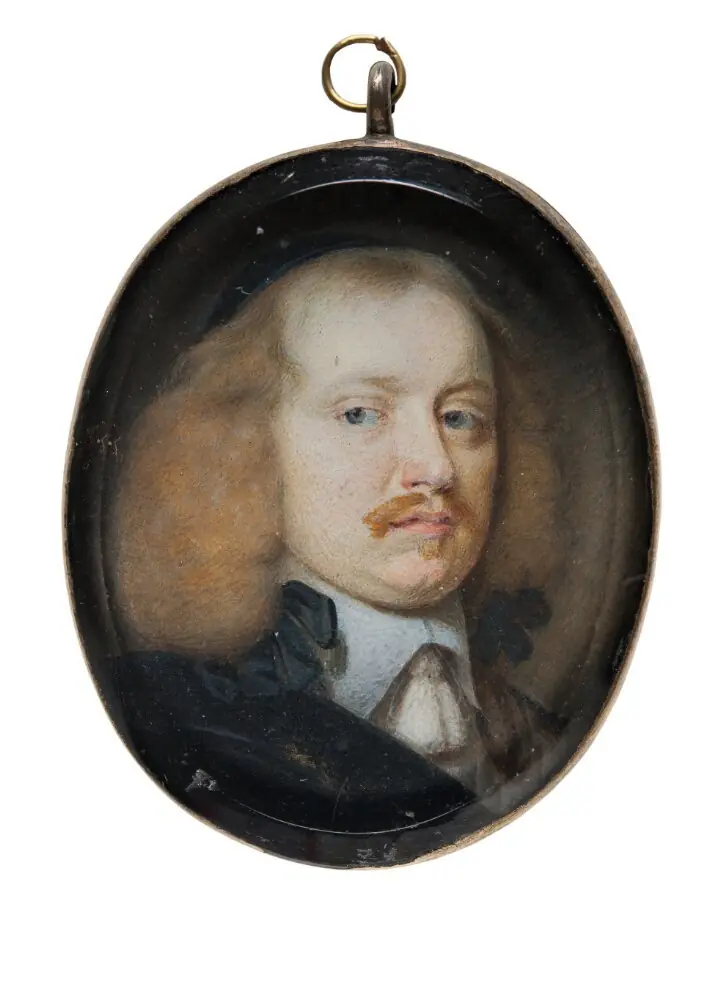 Anders Lilliehöök, Baron, Officer
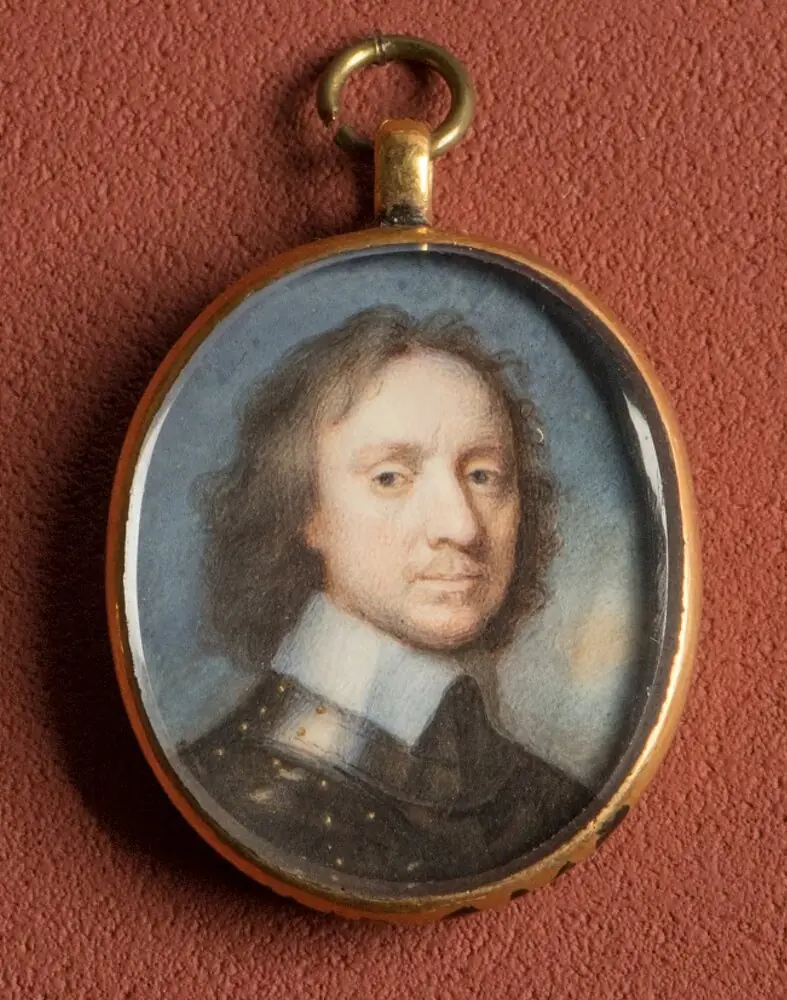 Oliver Cromwell (1599-1658), lordprotektor i England
 Unknown man