Artwork
Study of a wild strawberry plant
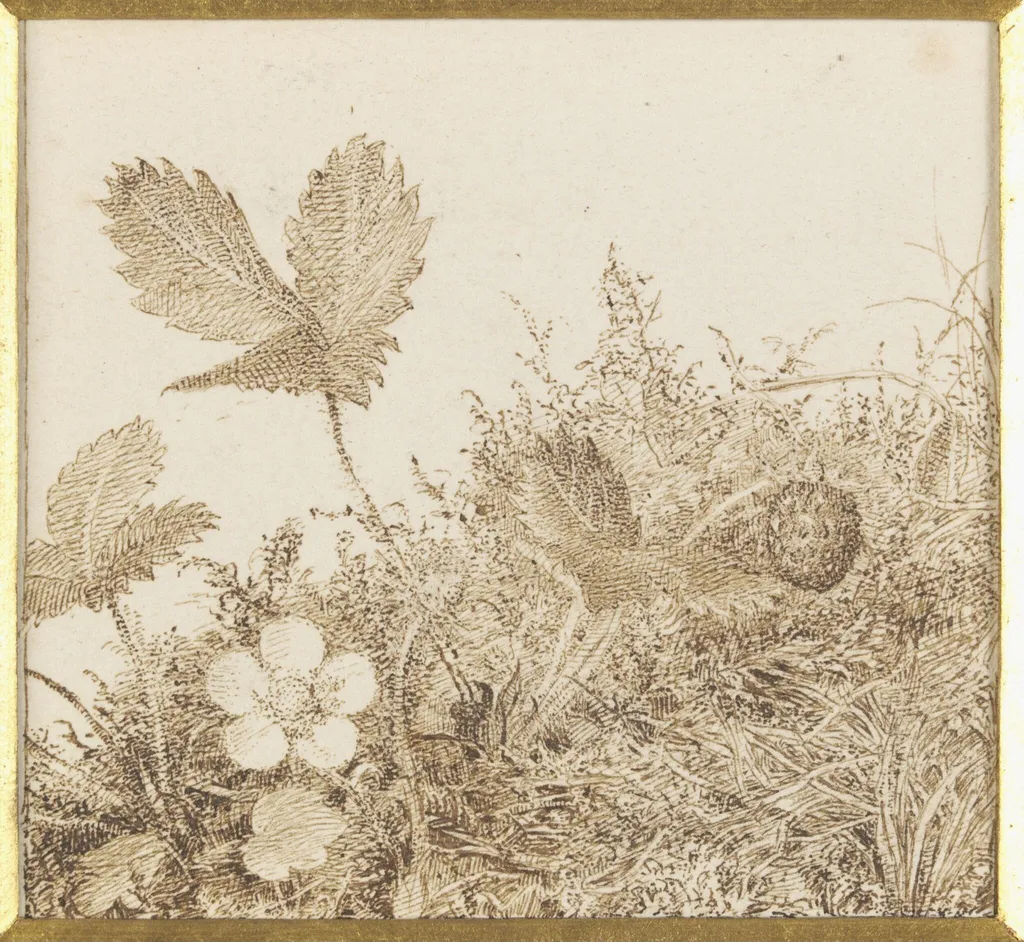
Study of a wild strawberry plant is a drawing by the Impressionist artist Esther Frances Alexander. It dates from 1850 and is held in the collection of the Victoria and Albert Museum.
About this work
Overview
Created in 1850 by Esther Frances Alexander, this drawing is a precise botanical study of a wild strawberry plant. Executed in pencil and ink, it captures the plant’s delicate structure with meticulous attention to detail. The composition is minimal, focusing solely on the specimen against an unmarked surface, emphasizing its natural form without decorative distraction.
Subject & Meaning
The subject is a wild strawberry plant, rendered in its natural state with small leaves, slender stems, and tiny fruit.
The subject is a wild strawberry plant, rendered in its natural state with small leaves, slender stems, and tiny fruit. The choice of a common, unassuming plant suggests an interest in ordinary nature rather than ornamental flora. The work reflects a scientific impulse to document botanical forms accurately, aligning with 19th-century naturalist practices that valued observation over idealization.
Technique & Style
Alexander employed stippling—dense clusters of small dots—to model volume and texture, particularly in the berries and shaded areas of the leaves. This method avoids broad strokes or washes, relying instead on incremental tonal buildup. Fine pencil lines define edges and veins, while the absence of cross-hatching or background elements keeps the focus on the plant’s intricate surface details.
History & Provenance
The drawing originates from the mid-19th century and is attributed to Esther Frances Alexander, a lesser-known artist active in botanical illustration during this period. Its survival suggests it may have been part of a private collection or academic study, though no public record of its early ownership is documented. It remains a rare example of her draftsmanship.
Context
In the 1850s, detailed botanical drawings were widely used in scientific publications and private collections, especially among amateur naturalists. Alexander’s work fits within this tradition, where accuracy and clarity took precedence over artistic flourish. Such studies often served as references for botanists and educators, bridging art and science in an era before photography.
Legacy
Though not widely exhibited, this drawing exemplifies the quiet rigor of 19th-century botanical art. It preserves a method of observation that valued patience and precision, offering insight into how natural forms were understood before modern imaging. Its endurance as a physical object underscores the enduring value placed on hand-drawn documentation in scientific history.
Artist & collection


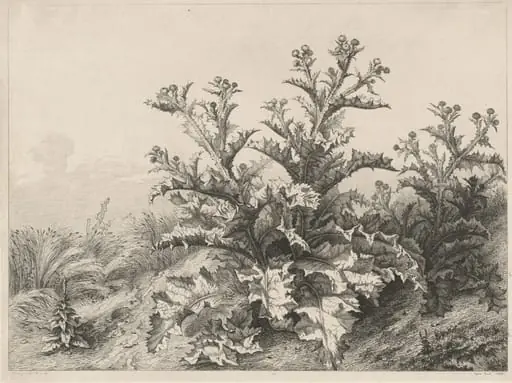 The Great Thistle (Le Grand Chardon)
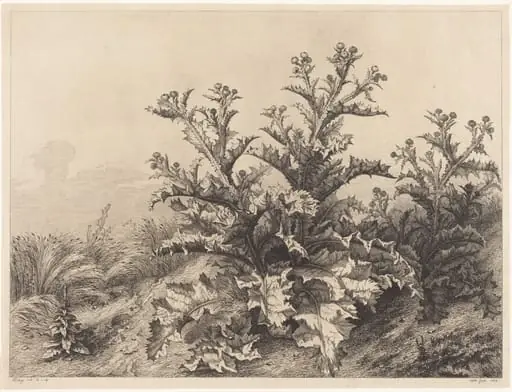 Large Thistle
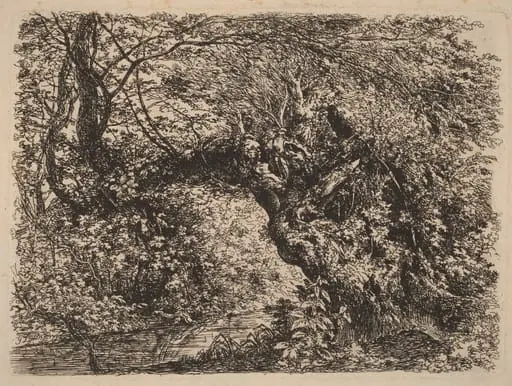 An Old Willow by a Stream
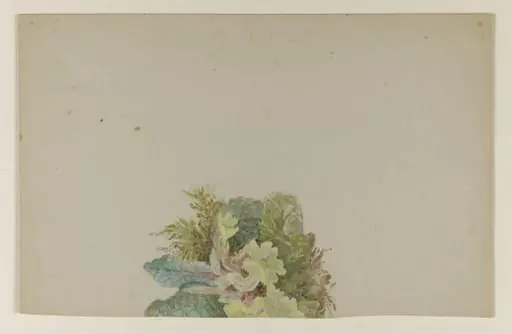 A cluster of primroses with leaves and moss
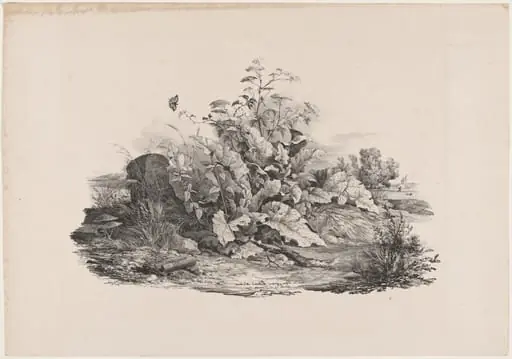 Wetland Plants
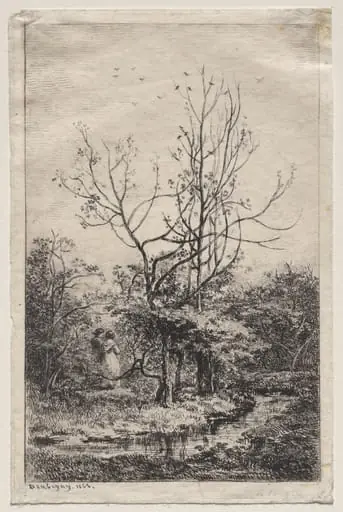 Le Verger
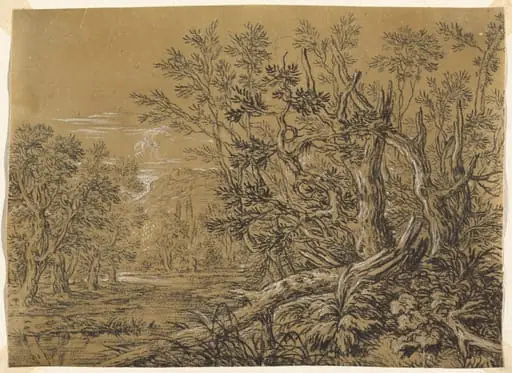 Stream through an Ancient Forest
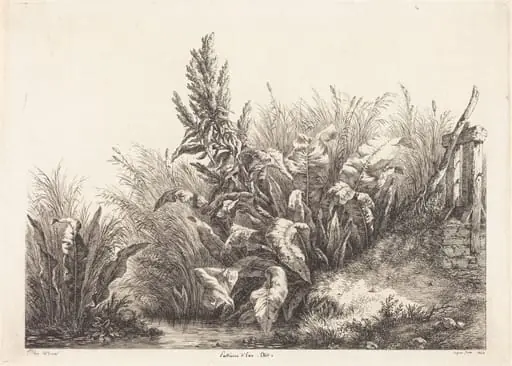 Patience d'eau, étude (Study of a Patience-Dock)
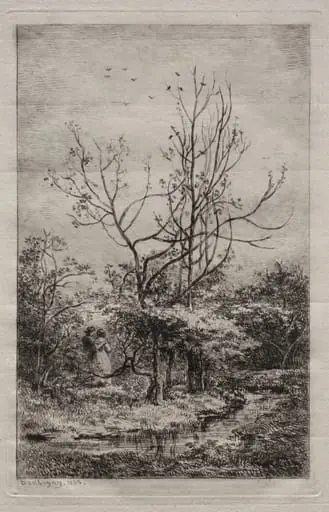 The Orchard
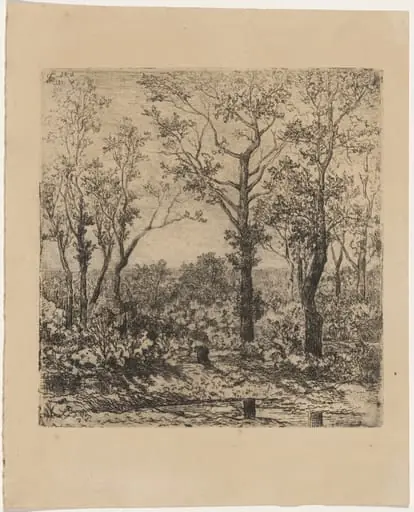 Bois de la charbonnière
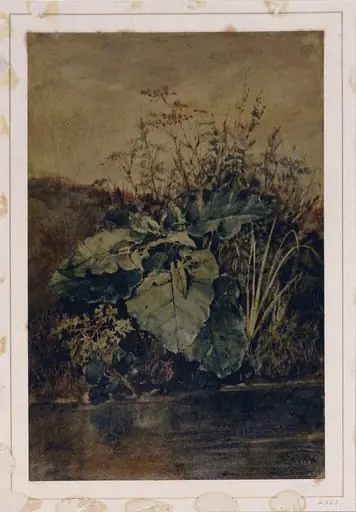 Study of Weeds
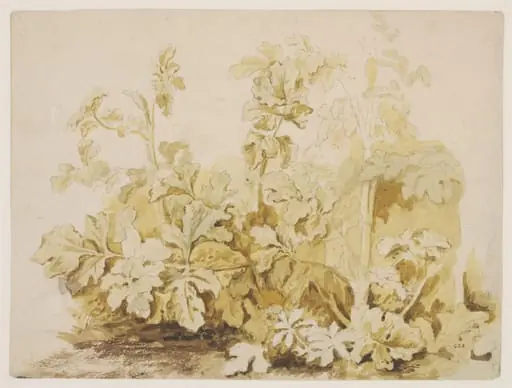 Study of Common Hogweed (<i>Heracleum sphondylium</i>)