Artwork
A cluster of primroses with leaves and moss
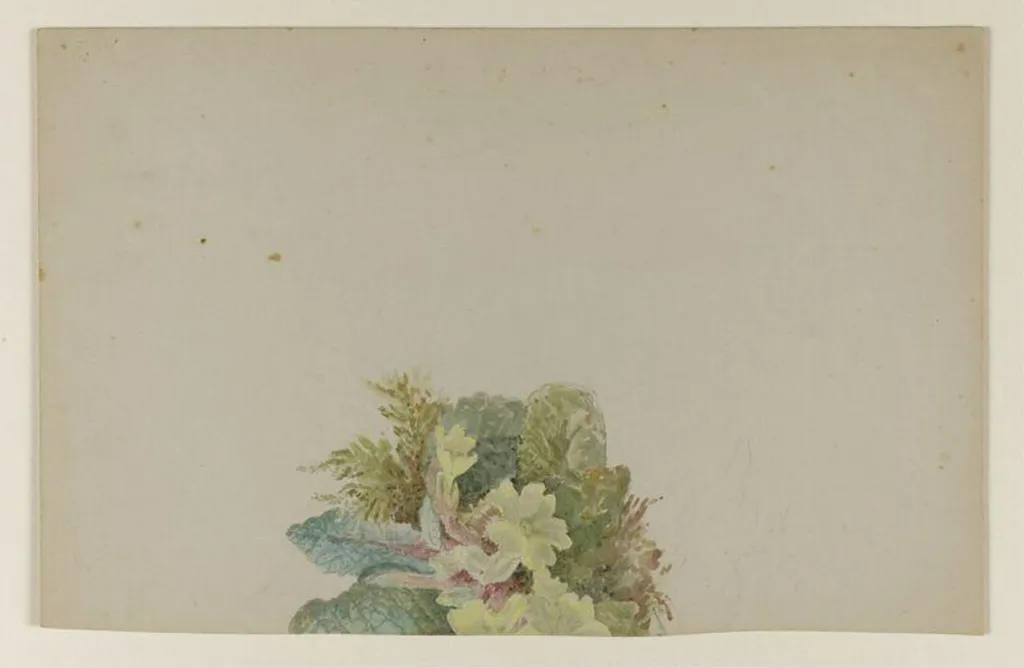
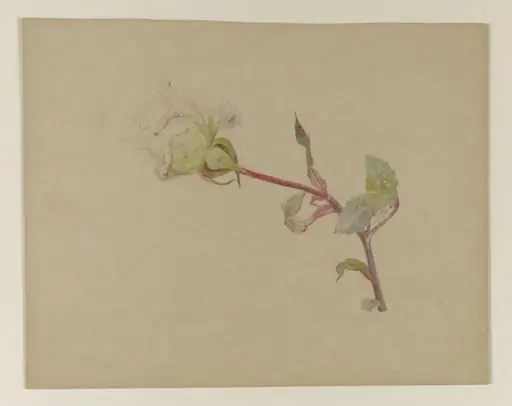
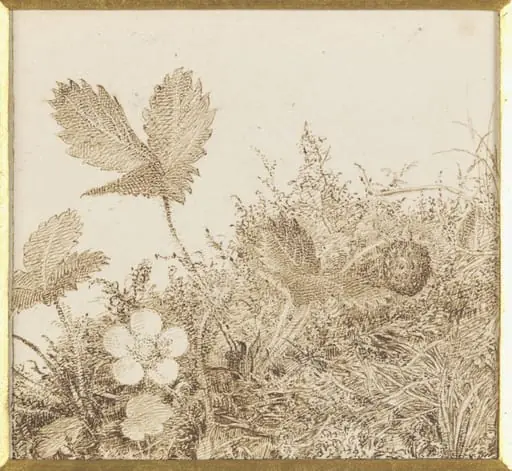
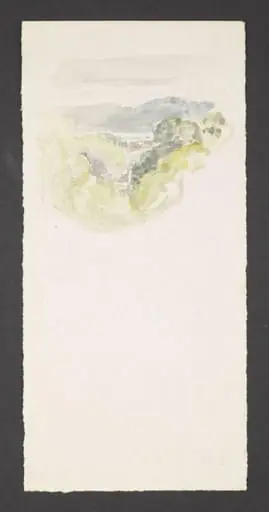
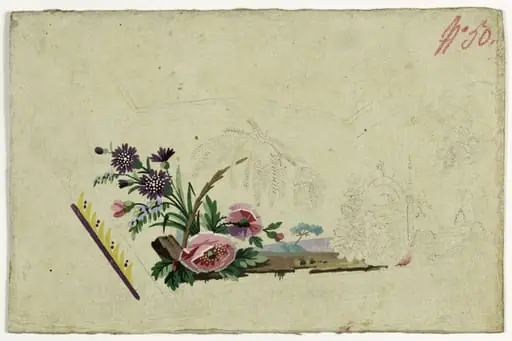
A cluster of primroses with leaves and moss is a watercolor work on paper by the Arts and Crafts movement artist Beatrix Potter. It dates from 1850 and is held in the collection of the Victoria and Albert Museum.
About this work
Overview
The sheet was later divided, possibly by the artist herself, suggesting it was once part of a larger collection or working portfolio of plant studies.
This watercolour by Beatrix Potter depicts a group of primroses with their leaves and surrounding moss, rendered in precise, delicate brushwork. Created during her early years of naturalist study, the piece reflects her deep engagement with botanical detail. The sheet was later divided, possibly by the artist herself, suggesting it was once part of a larger collection or working portfolio of plant studies.
Subject & Meaning
The composition centers on a natural grouping of primroses, observed with scientific attention rather than idealized beauty. Moss and foliage are rendered with equal care, emphasizing ecological context over ornamentation. This focus on botanical accuracy reveals Potter’s interest in plants as living organisms, not merely decorative elements, aligning with her broader commitment to natural history.
Technique & Style
Potter employed transparent watercolour washes to capture the subtle variations in leaf texture and petal translucency. Fine linework defines veins and stems, while controlled layering suggests depth and moisture in the moss. Her method is methodical, avoiding dramatic contrast in favor of quiet observation, reflecting the discipline of 19th-century botanical illustration rather than romanticized landscape painting.
History & Provenance
The watercolour was likely made between the 1880s and early 1890s, during Potter’s intensive study of flora. At some point, the sheet was cut into two parts, a modification possibly initiated by Potter to isolate specific studies for reference. Its survival and later preservation reflect its value within her personal archive, separate from her published literary works.
Context
Potter’s botanical studies were part of a broader Victorian interest in natural science, particularly among women who were often excluded from formal institutions. Her detailed drawings contributed to her later illustrations in children’s books, where accurate plant life grounded fantastical narratives in tangible reality. These studies were not merely preparatory—they were a sustained intellectual pursuit.
Legacy
Potter’s plant studies, including this one, informed the authenticity of her book illustrations, lending credibility to the natural settings of her stories. She herself credited these early works as foundational to her artistic voice. Today, they are held as significant examples of amateur scientific illustration that bridged art, nature, and literature in the late 19th century.
Artist & collection
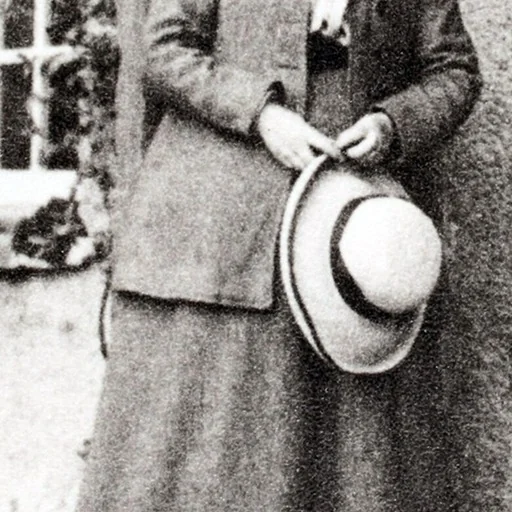
Artist
Helen Beatrix Heelis (née Potter; 28 July 1866 – 22 December 1943), usually known as Beatrix Potter ( BEE-ə-triks), was an English writer, illustrator, natural scientist, and conservationist.