Artwork
Voyage aux Régions équinoxiales du nouveau continent, fait dans les années 1709 à 1804: Monographie des melastomacées: No. 54
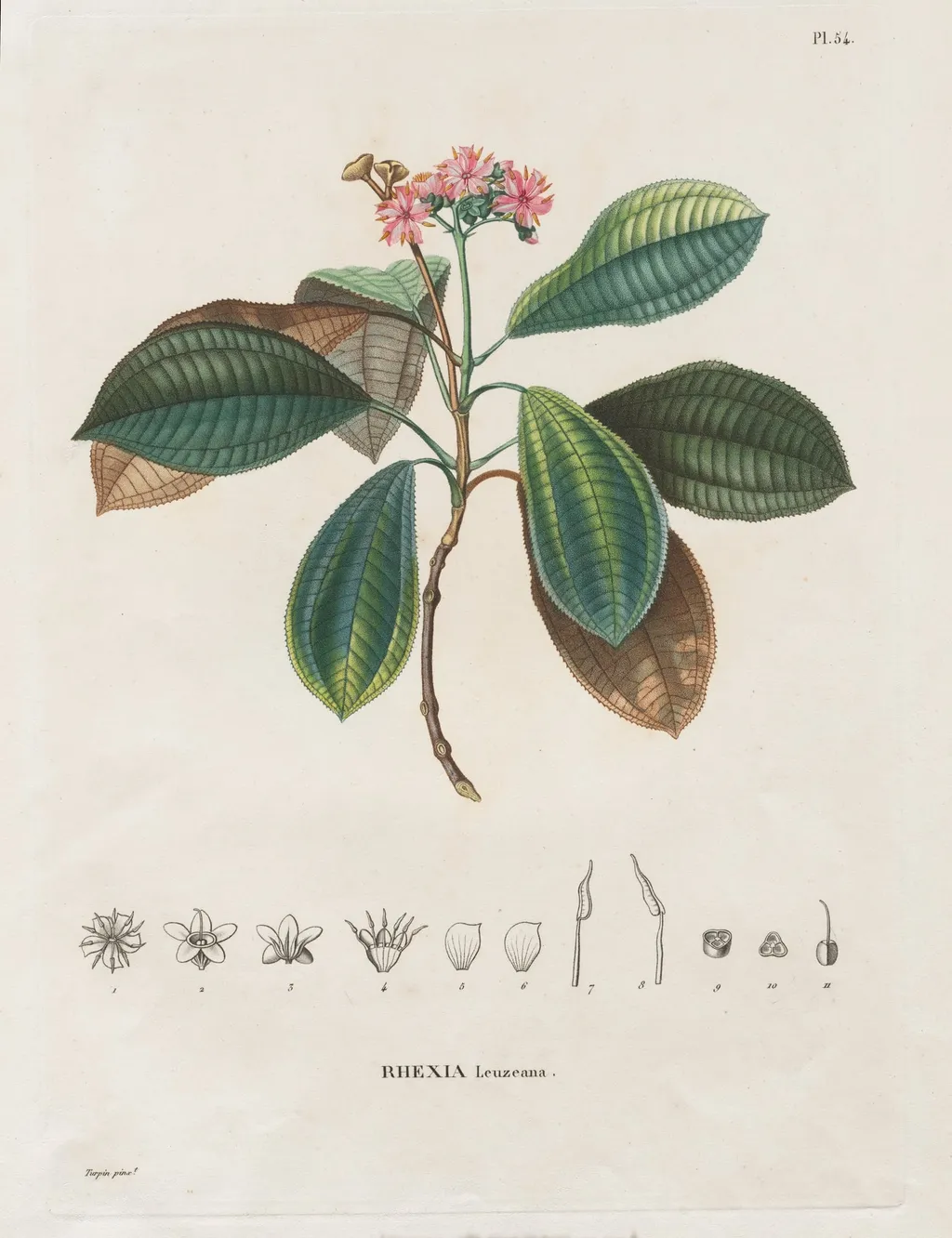
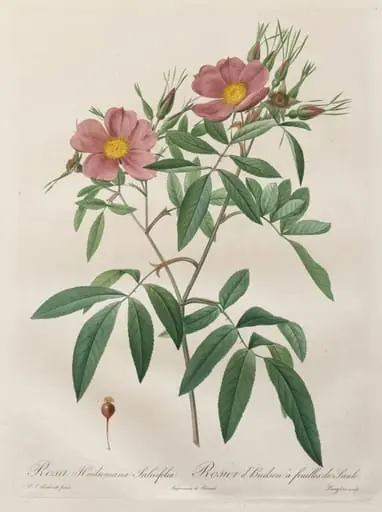
Voyage aux Régions équinoxiales du nouveau continent, fait dans les années 1709 à 1804: Monographie des melastomacées: No. 54 is a print by the Romanticist artist Freiherr von Humboldt Alexander. It dates from 1820 and is held in the collection of the Cleveland Museum of Art.
About this work
The image is titled "Voyage aux Régions équinoxiales du nouveau continent, fait dans les années 1709 à 1804: Monographie des melastomacées: No.
This image depicts a plant with large, dark green leaves and a stem adorned with pink flowers. The plant is centered in the image, with the leaves and flowers taking up most of the space.
At the bottom of the image, there are several small drawings of different parts of the plant, including the flowers, leaves, and seeds. These drawings appear to be detailed illustrations of the plant's various components.
The image is titled "Voyage aux Régions équinoxiales du nouveau continent, fait dans les années 1709 à 1804: Monographie des melastomacées: No. 54" and is held at The Cleveland Museum of Art. You might want to check out the movement Romanticism next.
Overview
This print is part of a scientific publication commissioned by Alexander von Humboldt, documenting botanical specimens collected during his expedition across equatorial regions of the Americas between 1799 and 1804. Created in 1820, it appears as Plate 54 in the monograph on Melastomataceae plants. The image was produced as a lithograph, intended for scholarly use rather than decorative display, and is now held in the collection of The Cleveland Museum of Art.
Subject & Meaning
The illustration centers on a specific species of Melastomataceae, identified by its broad, dark green leaves and clusters of pink blossoms. The composition emphasizes botanical accuracy over aesthetic flourish, with smaller detailed drawings beneath showing floral structures, seed capsules, and leaf venation. These elements serve as diagnostic keys for taxonomic classification, reflecting the Enlightenment-era goal of systematically cataloging New World flora.
Technique & Style
Rendered in fine-line lithography, the plate combines precise draftsmanship with muted tonal gradations. The main plant is depicted in profile against a neutral background, while subsidiary illustrations are arranged methodically below. The style is clinical and restrained, prioritizing scientific clarity over artistic expression. Ink lines are sharp and consistent, typical of early 19th-century botanical printing techniques used in academic publications.
History & Provenance
The plate was produced in Paris as part of Humboldt’s multi-volume expeditionary record, published after his return to Europe. It was printed by reputable scientific lithographers under his direct supervision. The Cleveland Museum of Art acquired the print as part of a broader collection of natural history illustrations, likely through donation or purchase in the 20th century, preserving its role as a primary scientific document.
Context
This work emerged during a period of intense European scientific exploration of the Americas. Humboldt’s publications sought to systematize knowledge of tropical biodiversity, countering colonial narratives with empirical data. The Melastomataceae monograph was among the first detailed studies of this plant family, contributing to global botanical databases and influencing later taxonomists like Augustin Pyramus de Candolle.
Legacy
Though overshadowed by Humboldt’s broader writings, this plate remains a key reference in botanical history. Its meticulous detail informed subsequent classifications of Neotropical flora and exemplifies the fusion of exploration and documentation that defined early modern science. Today, it is studied both for its scientific value and as a material artifact of 19th-century knowledge production.
Artist & collection
Artist
Freiherr von Humboldt Alexander
Alexander, Freiherr von Humboldt (1769–1859) was a German artist.

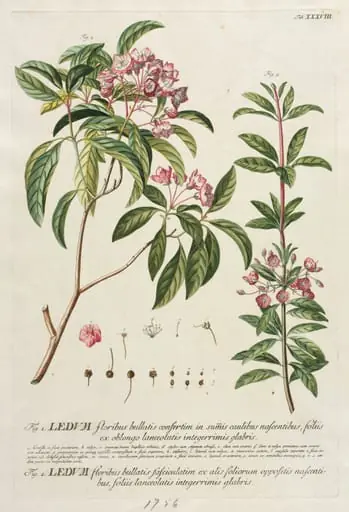 Plantae Selectae: No. 38
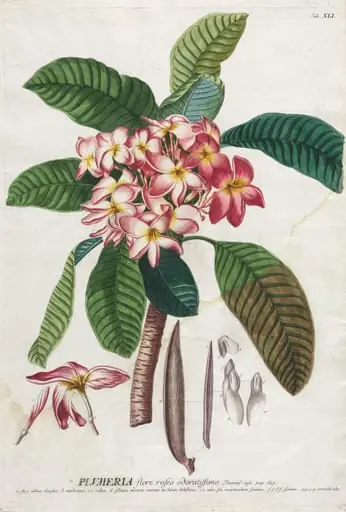 Plantae Selectae: No. 41
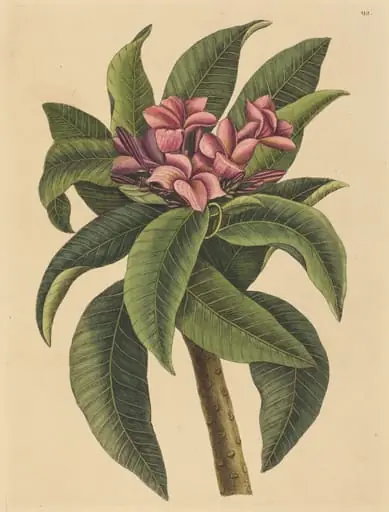 Red Frangipanni (Plumeria rubra)
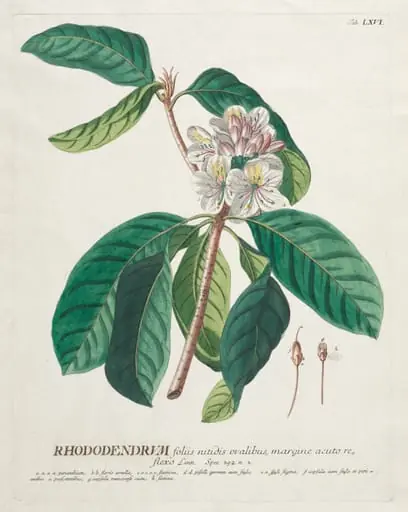 Plantae Selectae: No. 66 - Rhododendron
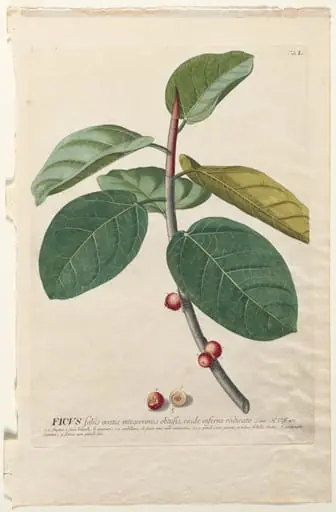 Plantae Selectae: No. 50 - Ficus
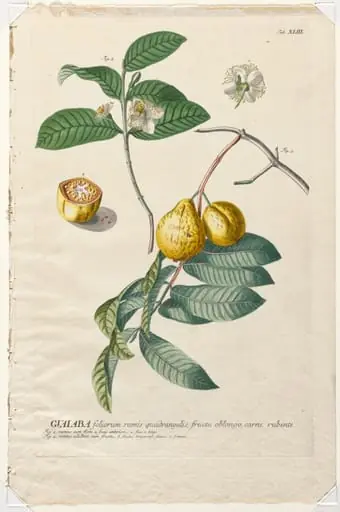 Plantae Selectae: No. 43 - Guaiaba
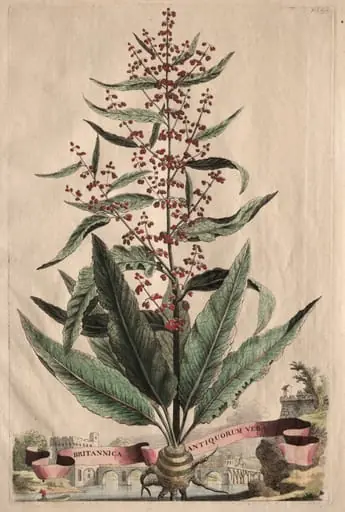 Phytographia Curiosa: Britannica Antiquorum Vera
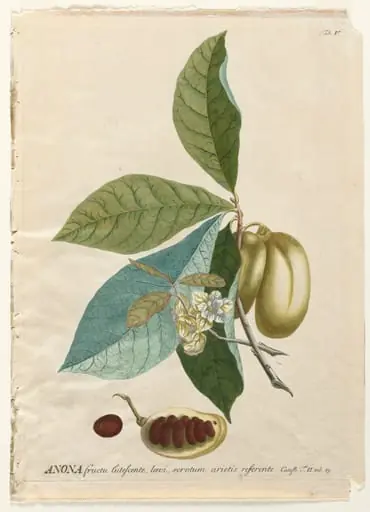 Plantae Selectae: No. 5 - Anona
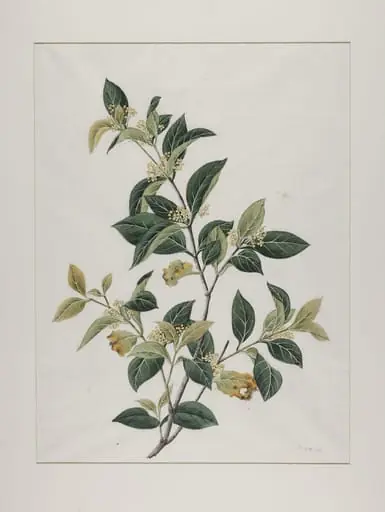 Mock lime (aglaia odorata), zhen zhu lan or mi zi lan
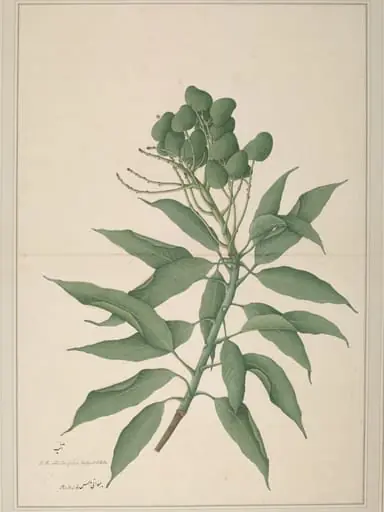 A branch of a mango tree ('Mangifera Indica') bearing unripe fruits
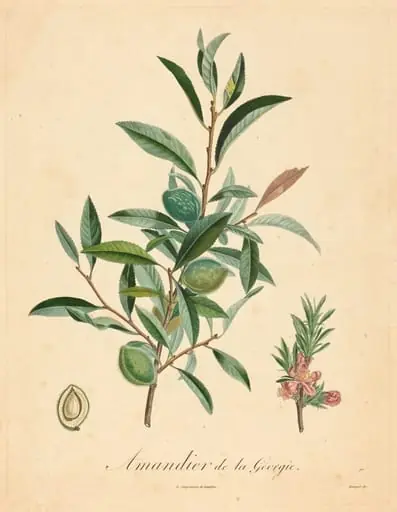 Amandier de la Georgie
 Les Roses: Rosa Hudsoniana Salicifolia