Artwork
Plantae Selectae: No. 38
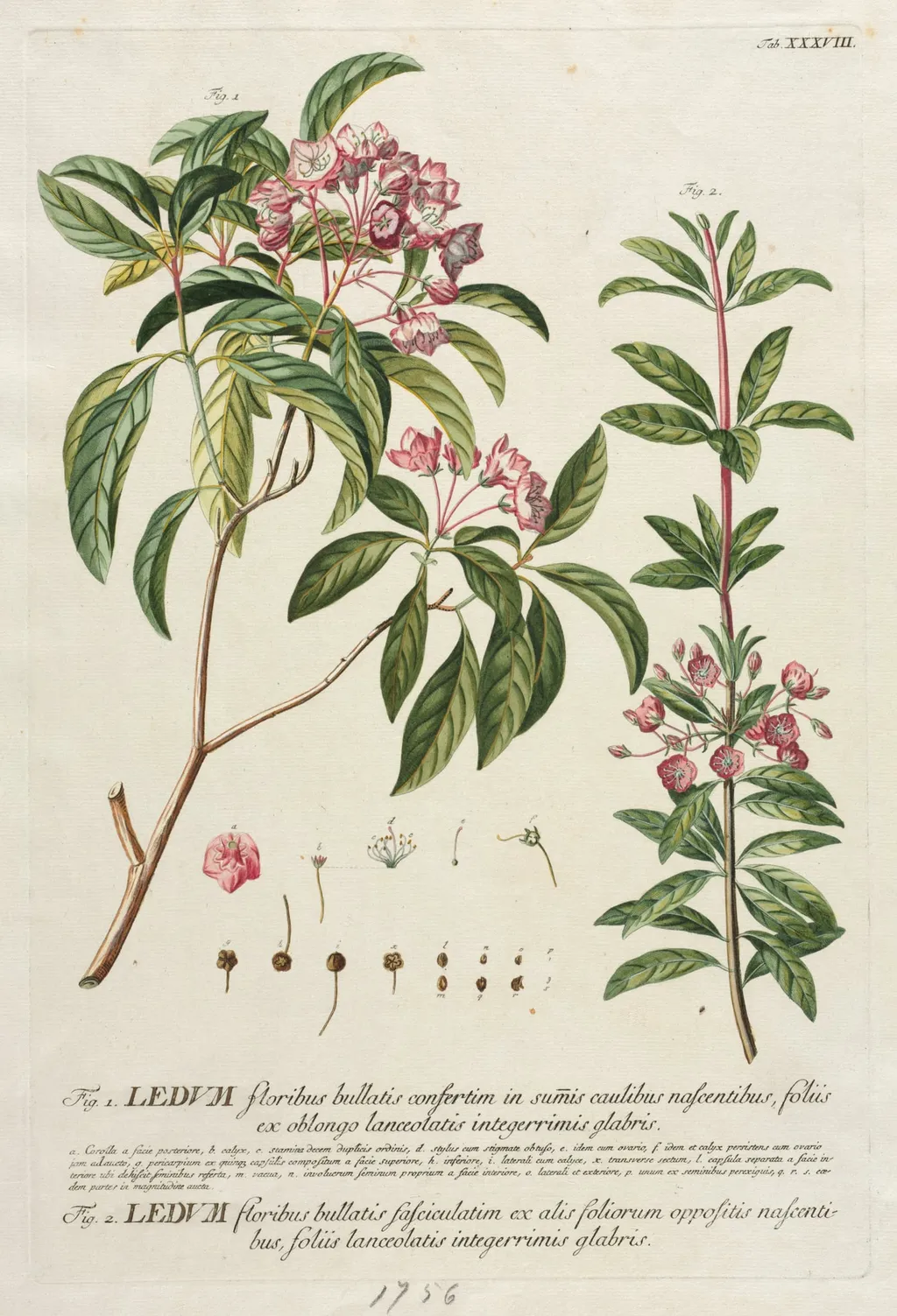
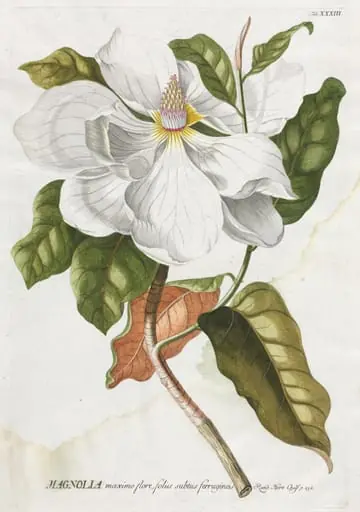
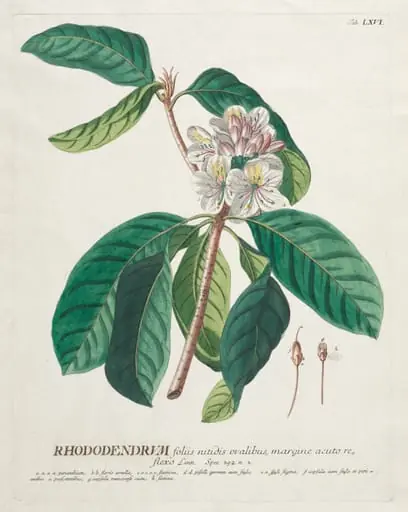
Plantae Selectae: No. 38 is a print by the Romanticist artist Georg Dionysius Ehret. It dates from 1762 and is held in the collection of the Cleveland Museum of Art.
About this work
Overview
The work is currently held in the collection of The Cleveland Museum of Art, where it serves as an example of Enlightenment-era botanical art.
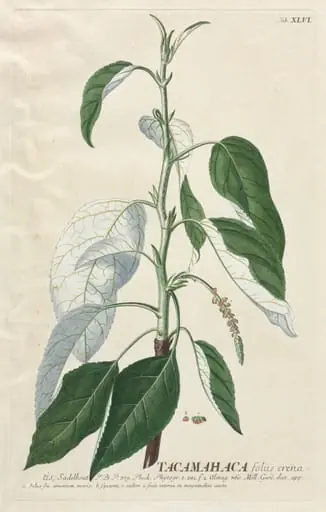
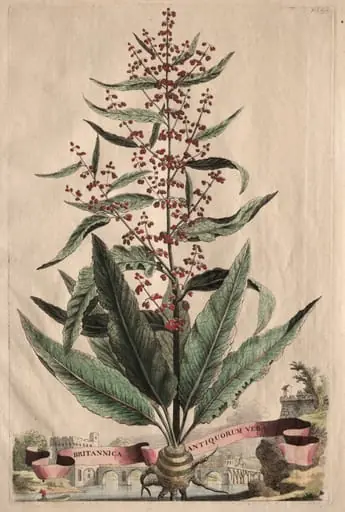
Created in 1762 by Georg Dionysius Ehret, this print is part of the series Plantae Selectae, a collection of botanical illustrations commissioned to document rare and cultivated plants. Executed with precision, it reflects the scientific and aesthetic priorities of 18th-century natural history. The work is currently held in the collection of The Cleveland Museum of Art, where it serves as an example of Enlightenment-era botanical art.
Subject & Meaning
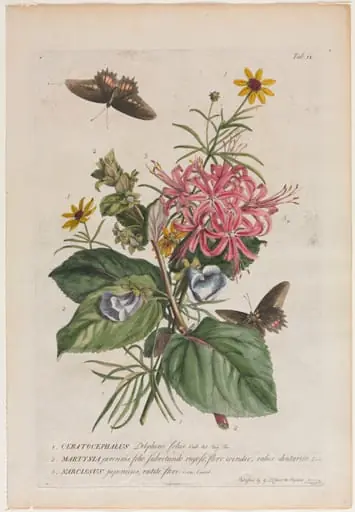
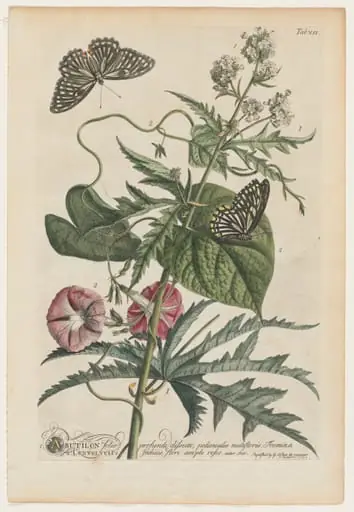
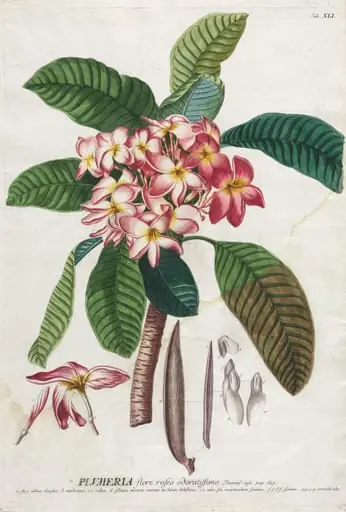
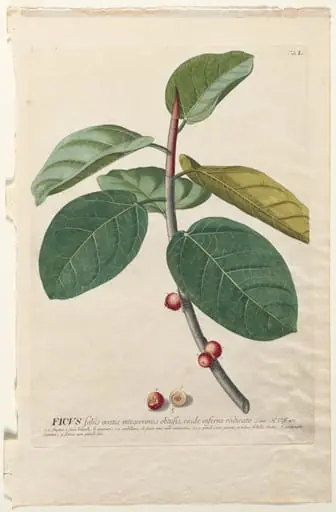
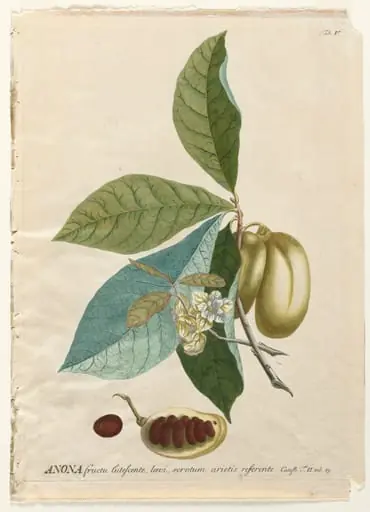
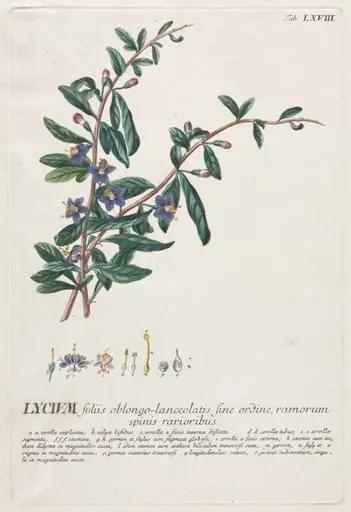
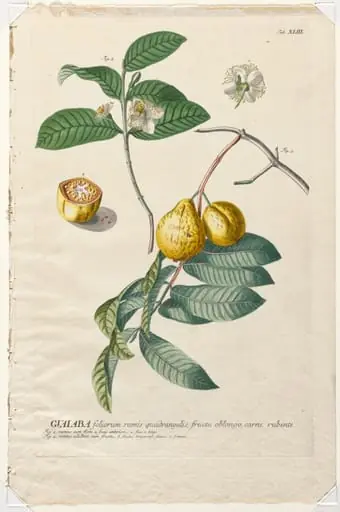
The illustration depicts two distinct plant specimens: a taller, branching form on the left and a more compact one on the right. Both display pink blossoms with pale centers and dark green foliage, rendered to highlight morphological differences. The composition emphasizes botanical accuracy over ornamentation, aiming to aid identification and classification rather than evoke emotional response, aligning with the empirical goals of its time.
Technique & Style
Ehret employed fine ink lines and watercolor washes to achieve delicate tonal gradations and crisp anatomical detail. The stems are rendered in muted browns, contrasting with the vibrant yet restrained pinks of the flowers. Shadows and textures are subtly modeled, enhancing three-dimensionality without theatricality. This method reflects the conventions of scientific illustration, where clarity and fidelity to the specimen took precedence over expressive flair.
History & Provenance
The print originated as part of a multi-volume publication commissioned by British patrons interested in horticultural science. Ehret, a German-born artist based in England, was renowned for his collaboration with botanists and publishers. The work entered The Cleveland Museum of Art’s collection through documented acquisitions in the 20th century, preserving its role as a primary source for the study of 18th-century plant taxonomy.
Context
During the mid-1700s, European naturalists were systematically cataloging plant species from global expeditions. Ehret’s illustrations supported this effort by providing standardized visual records for scholars and gardeners. Unlike later Romantic depictions of nature as sublime, his work prioritized utility and objectivity, reflecting the Enlightenment’s emphasis on classification and empirical observation over emotional interpretation.
Legacy
Ehret’s illustrations remain referenced in botanical archives for their technical precision and enduring clarity. While no longer used for species identification due to advances in photography, his prints are valued as historical artifacts that document the intersection of art and science. They continue to inform exhibitions on the history of botany and the evolution of scientific visualization.
Artist & collection

Artist
Georg Dionysius Ehret was a German botanist and entomologist known for his botanical illustrations.