Artwork
Plantae Selectae: No. 5 - Anona
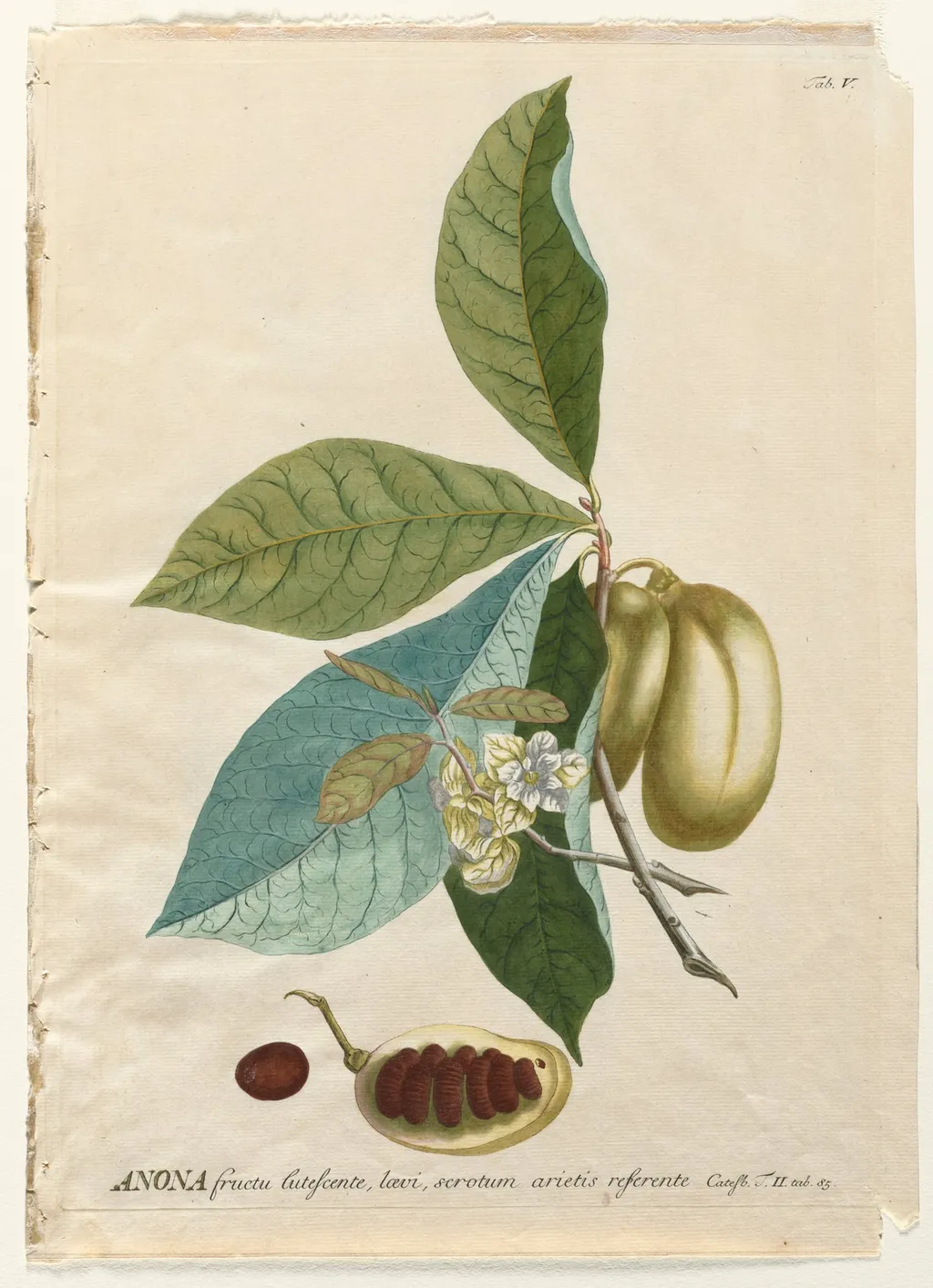
Plantae Selectae: No. 5 - Anona is a print by the Romanticist artist Georg Dionysius Ehret. It dates from 1762 and is held in the collection of the Cleveland Museum of Art.
About this work
This painting shows a single anona plant with delicate white flowers and dark green leaves.
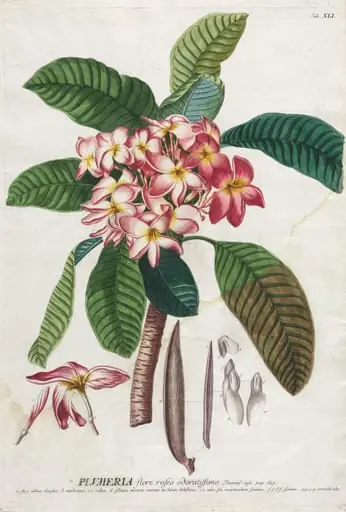
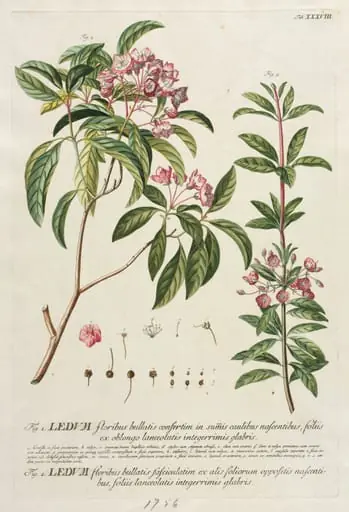
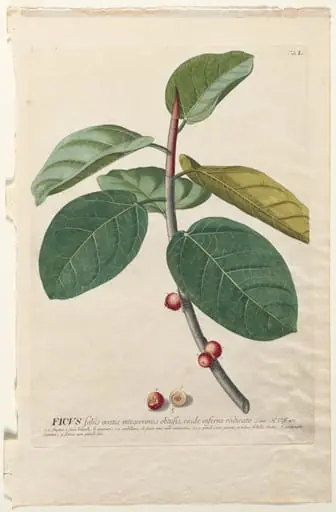
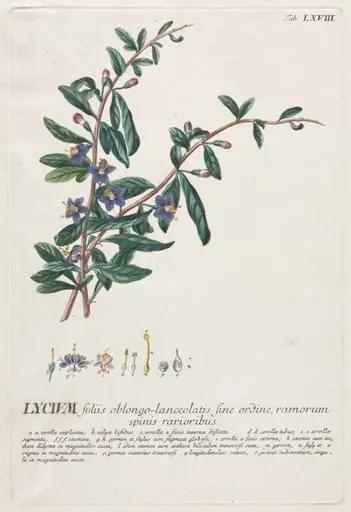
This painting shows a single anona plant with delicate white flowers and dark green leaves. Its slender stems and detailed veins make the plant look almost real.
Ehret made this image for a book about plants. Scientists couldn’t agree on plant names back then. His careful drawings helped everyone use the same words for each kind of plant.
See how he lights the leaves? That’s called chiaroscuro. Look up Georg Dionysius Ehret (German, 1708–1770).
Overview
This print is one of a series created by Georg Dionysius Ehret for the botanical publication Plantae Selectae. Produced in the mid-18th century, it reflects the growing demand for precise visual records of plant species as scientific botany evolved. Ehret’s work served both aesthetic and scholarly purposes, bridging the gap between artistic representation and emerging taxonomic standards.
Subject & Meaning
The image depicts a single anona plant, rendered with attention to botanical detail: slender stems, distinct leaf venation, and delicate white flowers. Rather than idealizing the form, Ehret presents it as a specimen for study. The focus on a single specimen reflects the period’s shift toward standardized identification, aiding botanists in distinguishing species amid inconsistent naming practices.
Technique & Style
Ehret employed fine, controlled linework to capture the plant’s anatomy, enhanced by subtle chiaroscuro to model form and depth. The contrast between light and shadow on the leaves lends a three-dimensional quality, while the precision of vein patterns and petal structure demonstrates his training in both art and natural science. His method prioritized clarity over ornamentation, aligning with scientific illustration norms of the time.
History & Provenance
Commissioned by Dr. Christoph Jakob Trew, the illustration was engraved by the Haas family of Nuremberg, renowned for their technical skill in reproductive printmaking. Trew selected Ehret for his ability to translate live specimens into accurate, publishable images. The resulting plates were distributed across Europe, becoming reference material for botanists and horticulturists seeking reliable visual documentation.
Context
Before Linnaeus’s binomial system gained traction, plant names varied regionally, hindering scientific communication. Ehret’s illustrations emerged alongside this taxonomic revolution, offering standardized visual references that complemented Latin nomenclature. His work supported efforts to unify botanical knowledge, making him a key figure in the transition from decorative botanical art to evidence-based scientific imagery.
Legacy
Ehret’s plates became foundational in botanical publishing, influencing generations of illustrators and taxonomists. His fusion of artistic precision with scientific rigor set a benchmark for botanical documentation. Though later techniques evolved, his method of capturing plant morphology with clarity and fidelity remained a model for accurate visual science well into the 19th century.
Artist & collection

Artist
Georg Dionysius Ehret was a German botanist and entomologist known for his botanical illustrations.

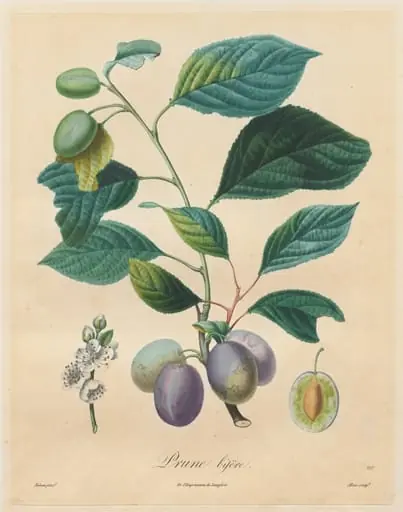 Traité des arbres fruitiers: Prune bifère
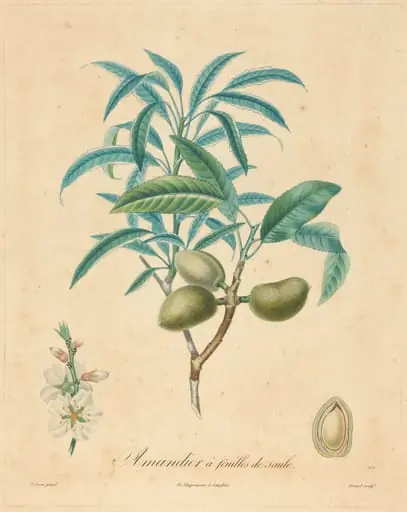 Amandier a feuilles de saulle
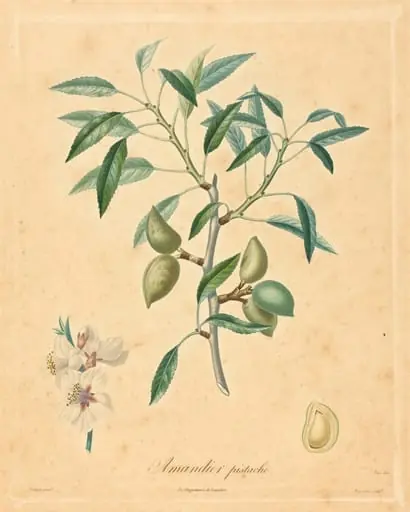 Amandier pistache
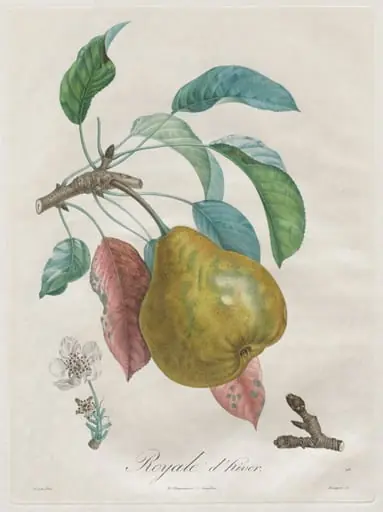 Traité des arbres fruitiers: Royal d'hiver
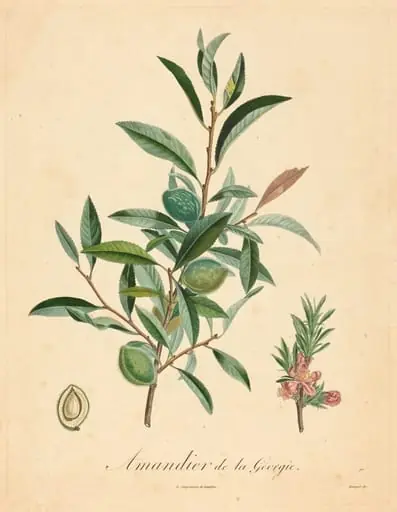 Amandier de la Georgie
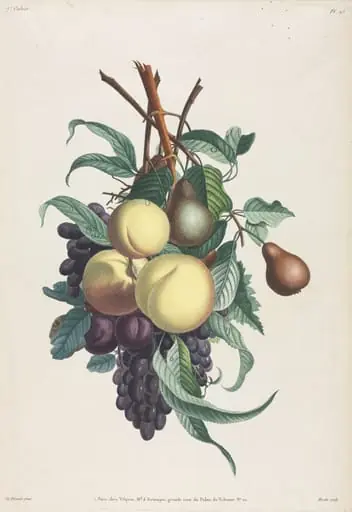 Collection des fleurs et des fruits: Branches de rousselet, pêche, prune et raisin
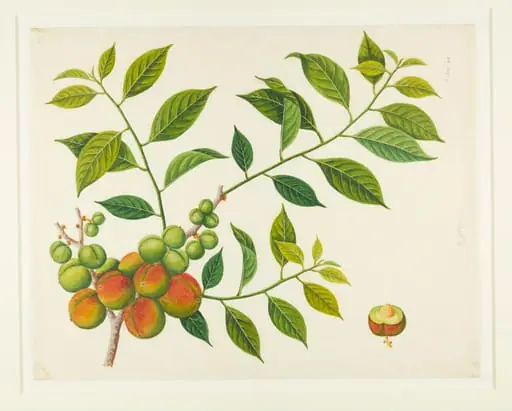 Prunes
 Traité des arbres fruitiers: Chancellière
 Amandier de la Georgie