Artwork
Untitled
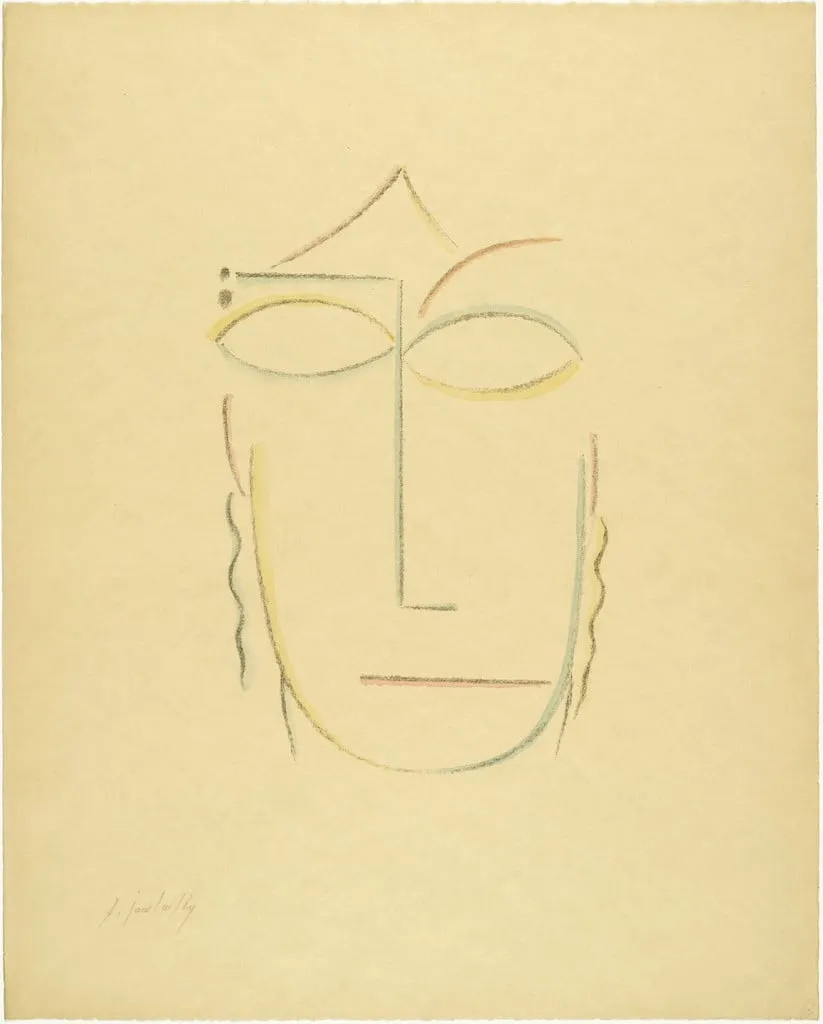
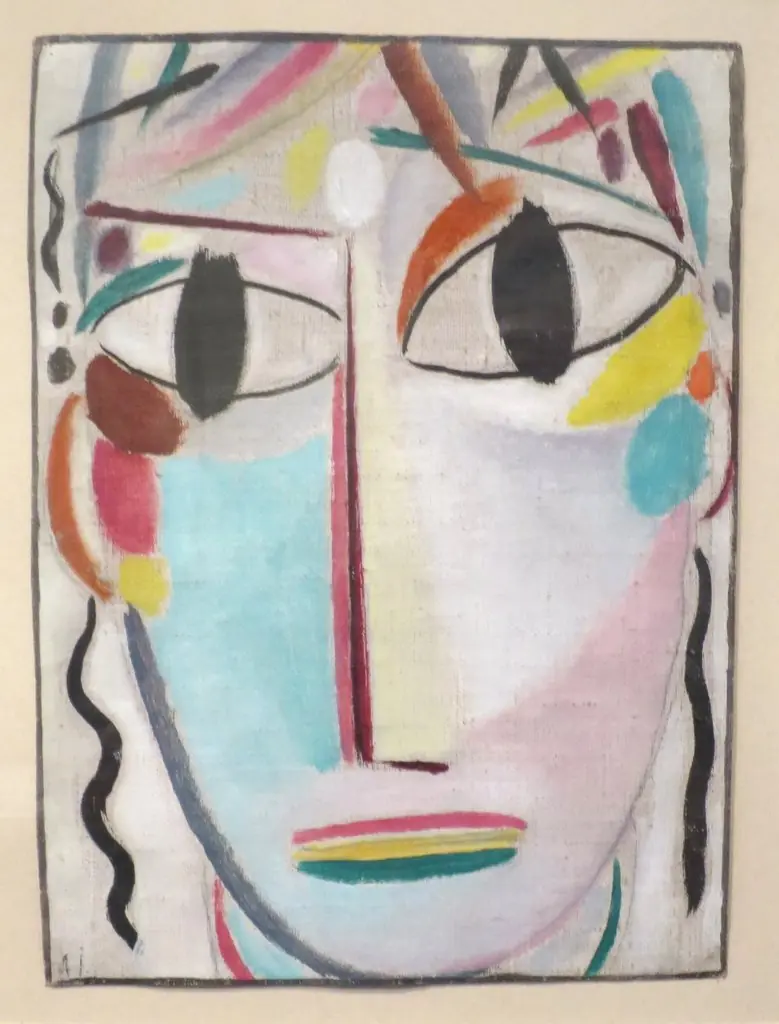
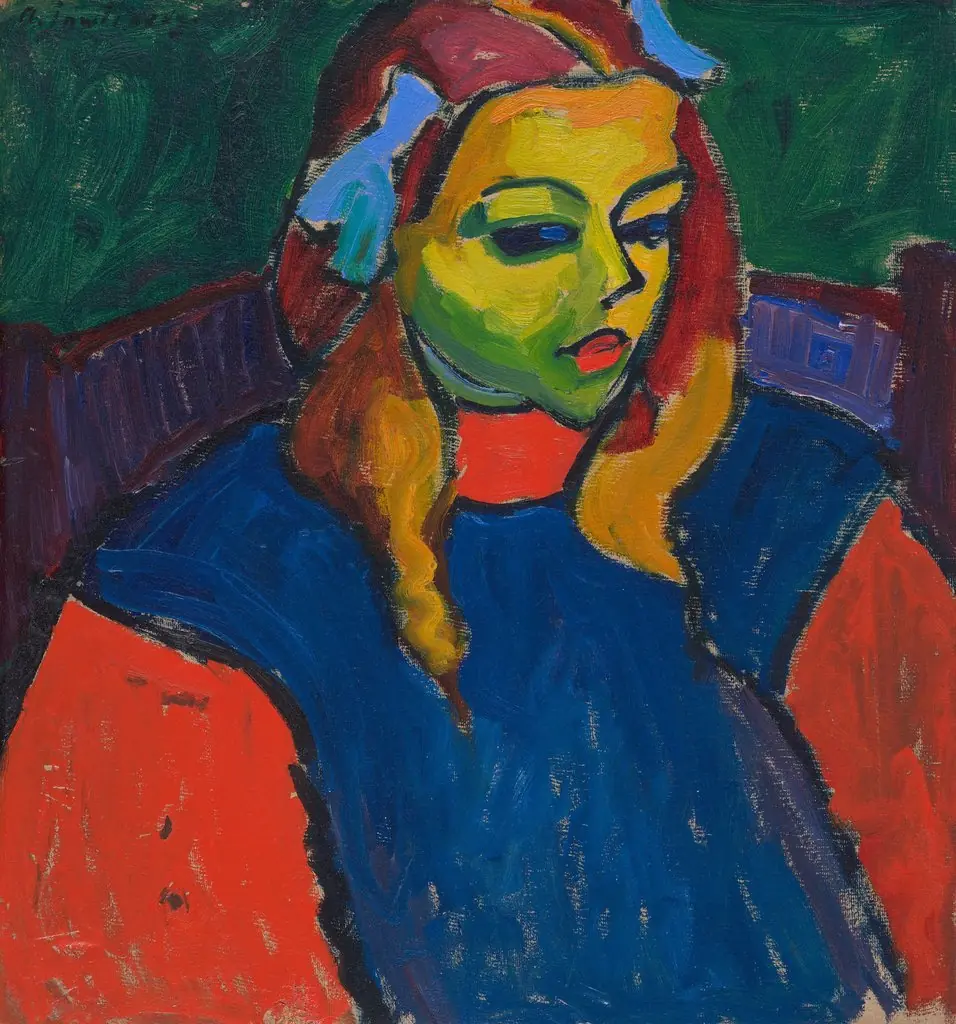
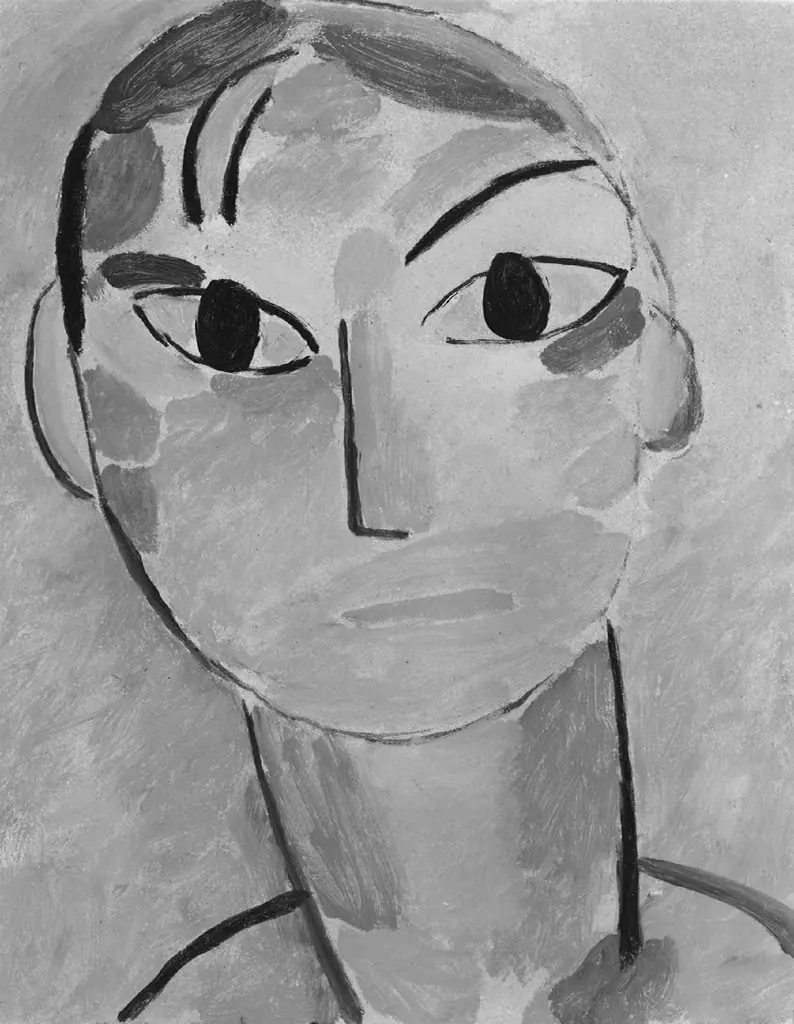
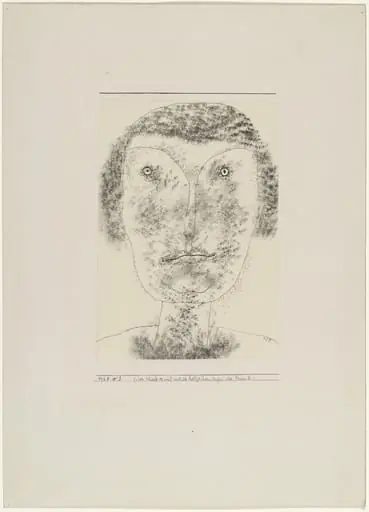
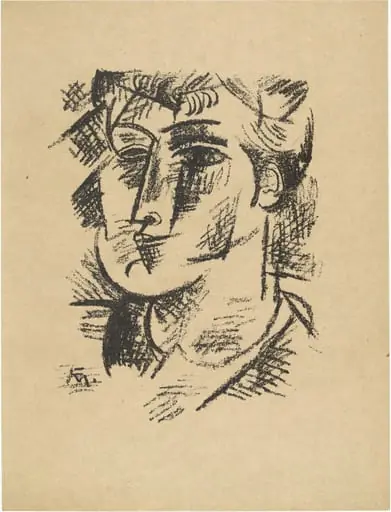
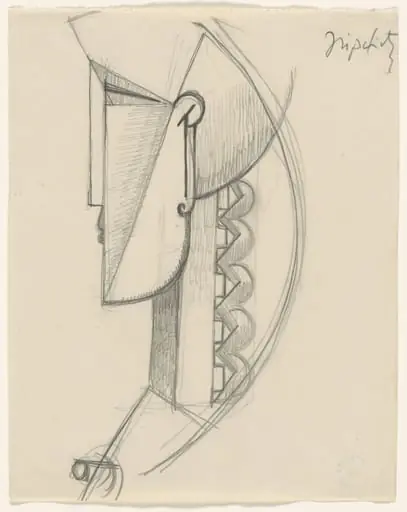
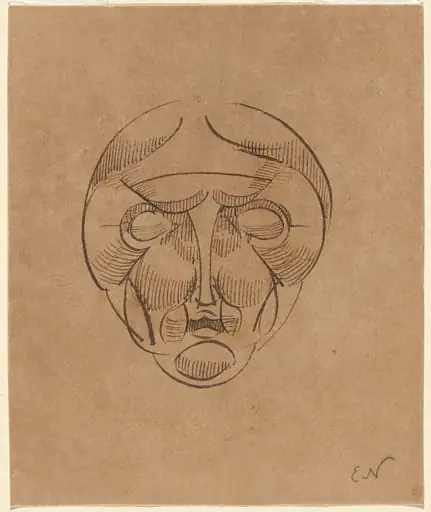
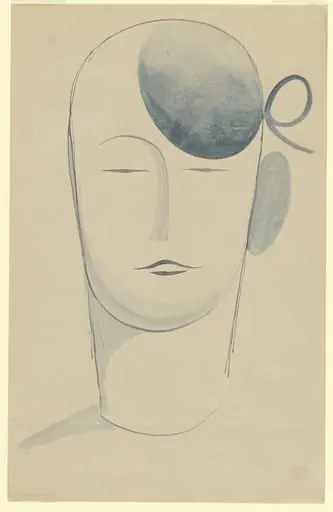
Untitled is a watercolor print by Alexej von Jawlensky. It dates from 1922 and is held in the collection of the Museum of Modern Art. Created in 1922, this lithograph with watercolor additions by Alexei Jawlensky is part of The Museum of Modern Art’s collection.
About this work
Overview
The work combines printmaking with delicate hand-applied pigments, resulting in a subtle interplay between controlled lines and fluid color washes.
Created in 1922, this lithograph with watercolor additions by Alexei Jawlensky is part of The Museum of Modern Art’s collection. It belongs to a series of abstracted facial studies the artist developed during his time in Germany. The work combines printmaking with delicate hand-applied pigments, resulting in a subtle interplay between controlled lines and fluid color washes. Its scale and quiet tone invite close observation rather than immediate recognition.
Subject & Meaning
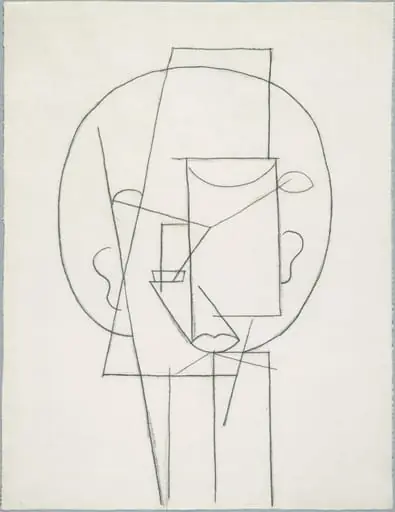
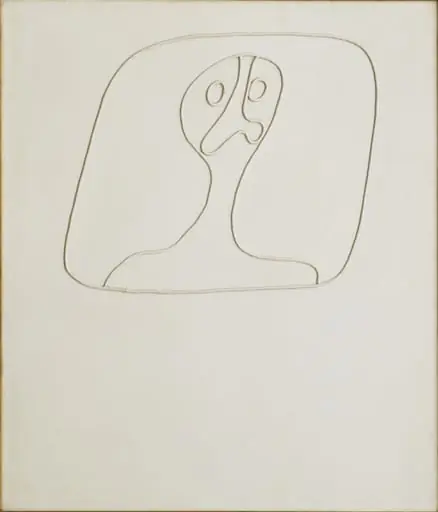
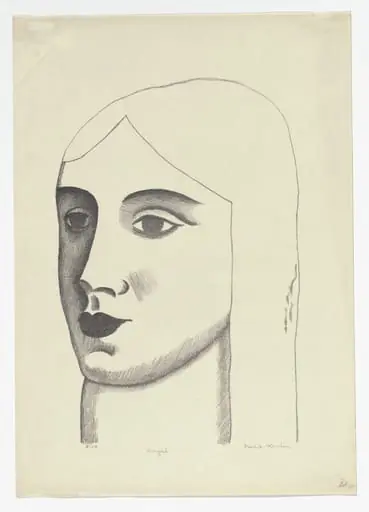
The image suggests a human face without depicting one literally. Features are reduced to minimal forms: oval eyes, a single vertical line for the nose, a curved suggestion of a mouth, and indistinct strokes implying hair. These elements evoke inner states rather than individual identity. Jawlensky sought to express spiritual essence through simplified forms, moving away from portraiture toward meditative abstraction rooted in emotional resonance.
Technique & Style
Jawlensky employed lithography as a base, then added watercolor by hand, allowing for soft transitions and muted tones. The palette is restrained—pale yellows, cool blues, and faint reds—enhancing the work’s introspective mood. Lines are lightly drawn, appearing spontaneous yet deliberate. The integration of pencil and watercolor creates a sense of impermanence, reinforcing the transient nature of the face as a vessel for feeling rather than form.
History & Provenance
This work was produced during Jawlensky’s later years, after he relocated to Wiesbaden and began focusing intensely on abstracted heads. It entered The Museum of Modern Art’s collection in the mid-20th century as part of a broader effort to document European modernist printmaking. Its provenance traces back to the artist’s personal archive and early exhibitions in Germany before its acquisition by the museum.
Context
Jawlensky’s 1920s works emerged amid the aftermath of World War I and the rise of Expressionism. Influenced by Russian iconography and the spiritual aims of Der Blaue Reiter, he turned inward, reducing the human face to essential shapes. This piece reflects a broader trend among modernists to distill emotion through abstraction, rejecting naturalism in favor of symbolic representation rooted in personal and metaphysical experience.
Legacy
This lithograph exemplifies Jawlensky’s enduring contribution to modern printmaking: the elevation of the face as an emotional landscape. His method of layering print with hand-applied color influenced later artists exploring the boundaries between drawing, painting, and print. Though less widely known than his oil paintings, these works remain vital for understanding his pursuit of spiritual expression through minimal means.
Artist & collection
Artist
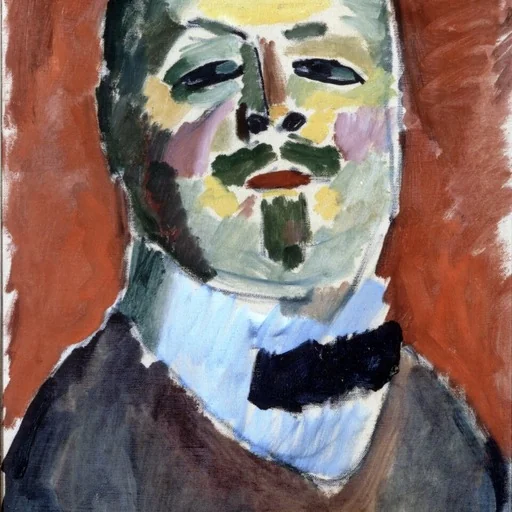
Alexej Georgewitsch von Jawlensky (Russian: Алексе́й Гео́ргиевич Явле́нский, romanized: Alekséy Geórgiyevich Yavlénskiy; 13 March 1864 – 15 March 1941), surname also spelt as Yavlensky, was a Russian expressionist painter active in Germany.