Artwork
Returning from the city
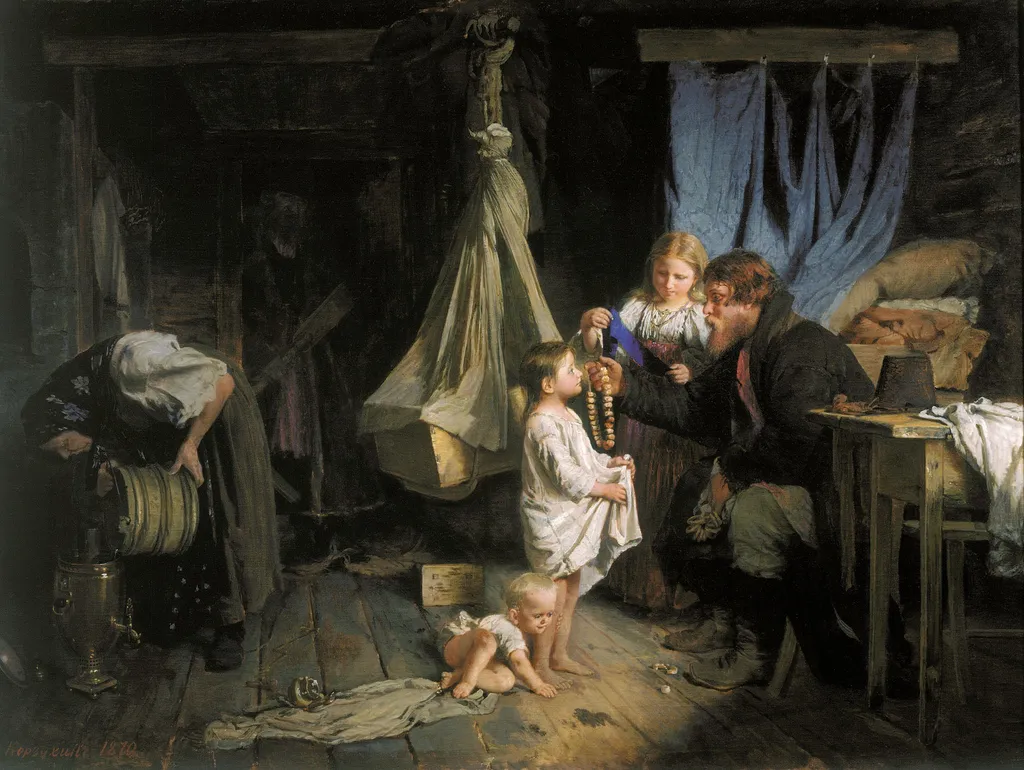
Returning from the city is an oil painting by the Realist artist Alexei Korzukhin. It dates from 1870 and is held in the collection of the Tretyakov Gallery.
About this work
Overview
Painted in 1870 by Alexei Korzukhin, this oil work depicts a quiet domestic moment in a modest interior. The scene captures a man seated at a table with three children standing nearby, surrounded by everyday objects that suggest limited means. The painting resides in the Tretyakov Gallery in Moscow, where it remains a quiet testament to late 19th-century Russian life.
Subject & Meaning
The man, dressed in dark, worn clothing, appears weary, while the children, clad in lighter tones, stand close—perhaps waiting, listening, or simply present.
The figures convey a sense of stillness and exhaustion. The man, dressed in dark, worn clothing, appears weary, while the children, clad in lighter tones, stand close—perhaps waiting, listening, or simply present. The absence of overt narrative invites interpretation of their daily reality, emphasizing endurance rather than despair. The setting reflects the quiet dignity of working-class domestic life.
Technique & Style
Korzukhin employs chiaroscuro to model form and space, using sharp contrasts between shadow and weak ambient light to define the room’s cluttered interior. Textures of fabric, wood, and metal are rendered with restrained detail, enhancing the tactile sense of the environment. The light source, likely from a nearby door or window, draws attention to the figures while leaving corners in deep obscurity.
History & Provenance
The painting was completed in 1870 and entered the collection of the Tretyakov Gallery soon after. It was not widely exhibited during Korzukhin’s lifetime, but its quiet realism aligned with the values of the Peredvizhniki movement, which sought to portray social truth through art. Its preservation in a major national collection underscores its recognized cultural significance.
Context
Created during a period of social reform in Russia, the painting reflects the growing artistic interest in the lives of ordinary people. While not overtly political, its unembellished depiction of poverty resonated with reform-minded viewers. Korzukhin, though less known than contemporaries like Repin, contributed to a broader shift toward empathetic realism in Russian painting.
Legacy
The work endures as an understated example of genre painting that prioritizes atmosphere over drama. It influenced later artists interested in the emotional weight of domestic spaces. Though not widely reproduced, its presence in the Tretyakov Gallery ensures continued study as a quiet but significant document of 19th-century Russian life.
Own this work as a print
Artist & collection

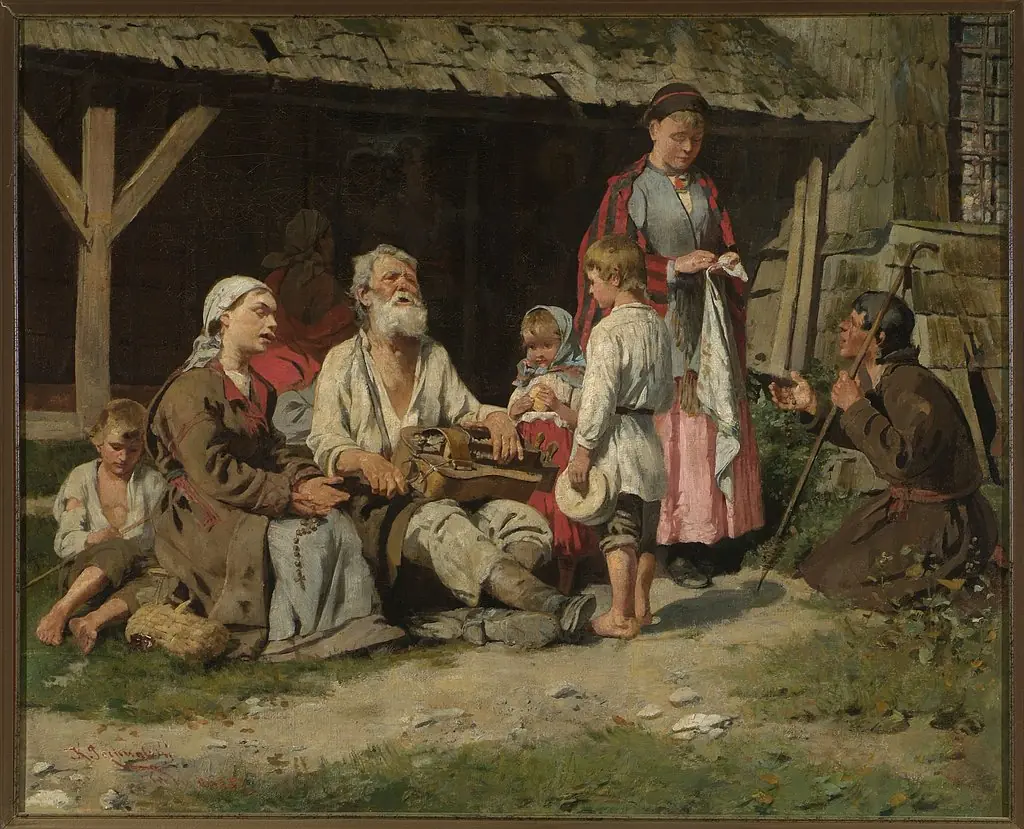 Genre scene – a hurdy-gurdy player in front of a cottage
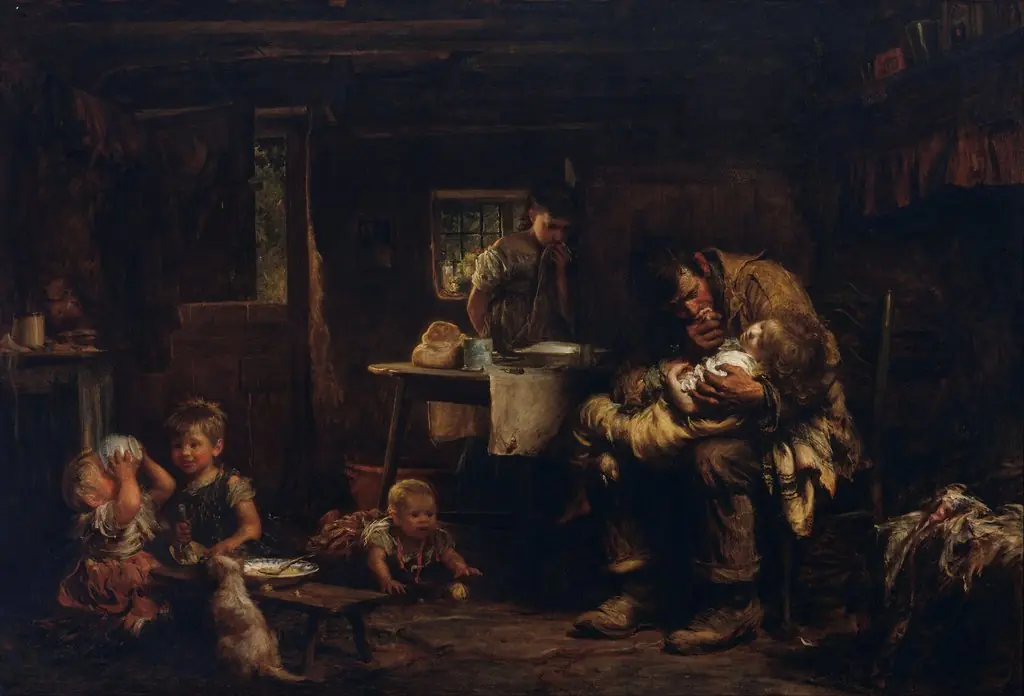 The widower
 Kreeta Haapasalo Playing the Kantele in a Peasant Cottage
 Condemned cell II
 The Condemned Cell I
 Lashes coming
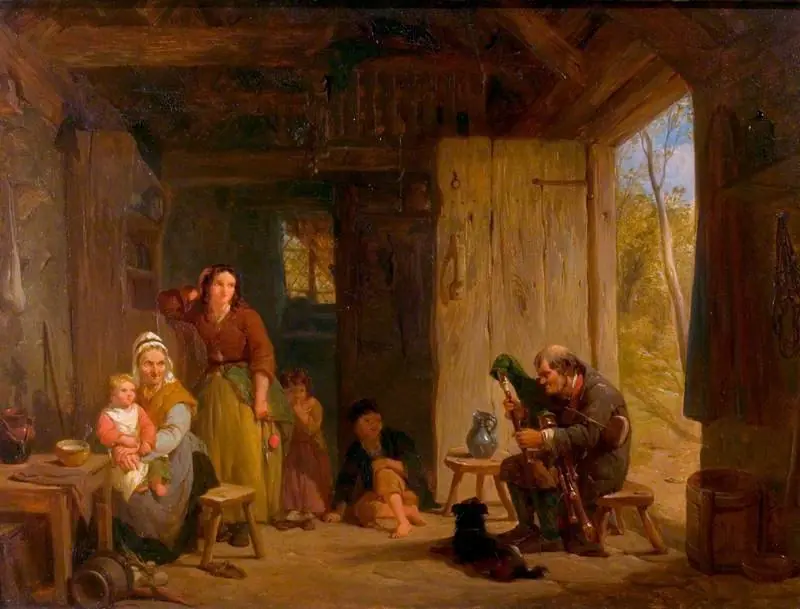 The Irish Piper
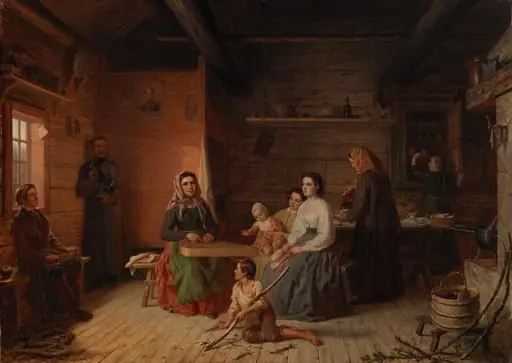 Kreeta Haapasalo soittaa kannelta talonpoikaistuvassa
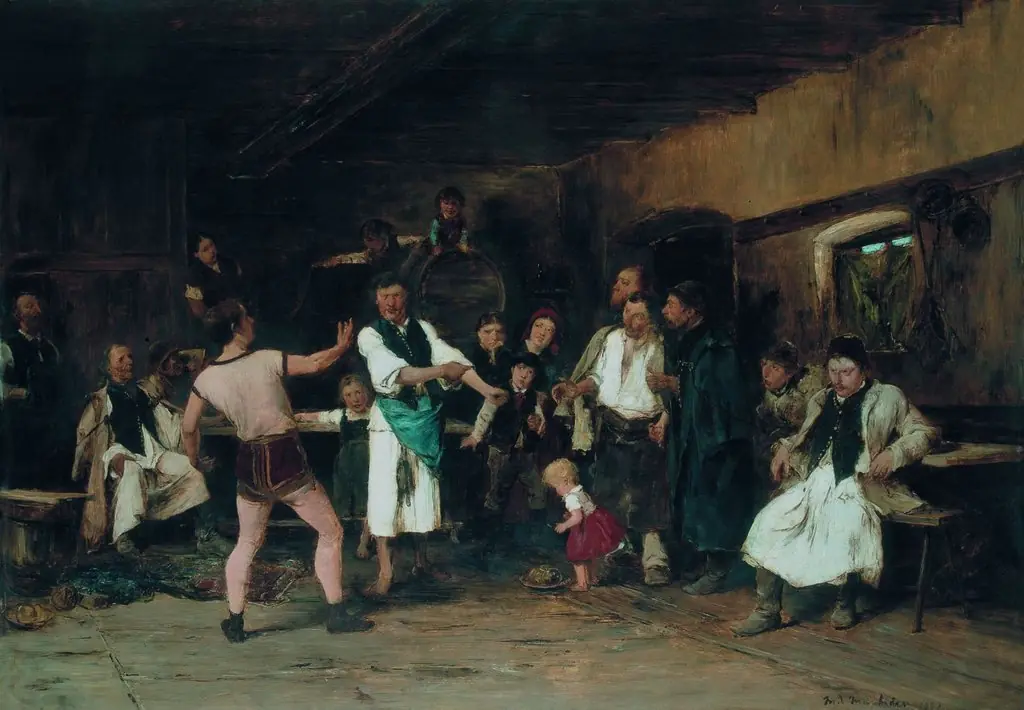 The Hero of the Village (reduction)
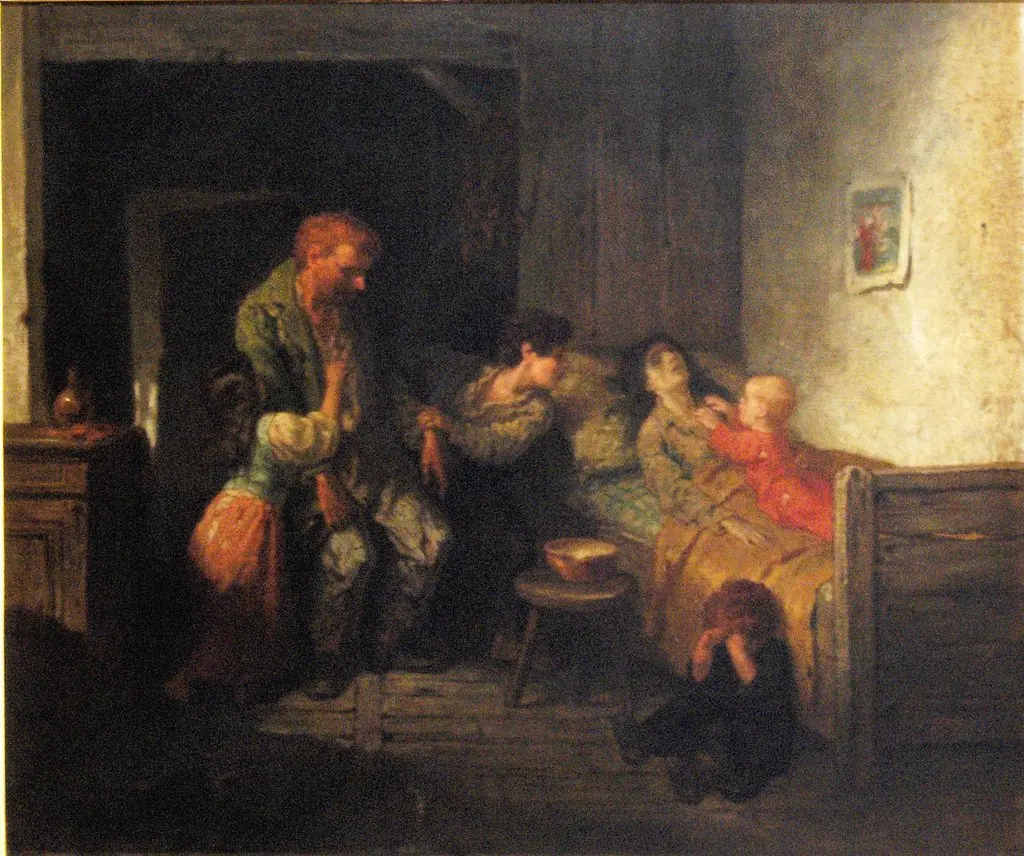 The drunkard
 The Zemstvo Dines
 A Merry Moment