Artwork
Portrait of an Unknown Woman
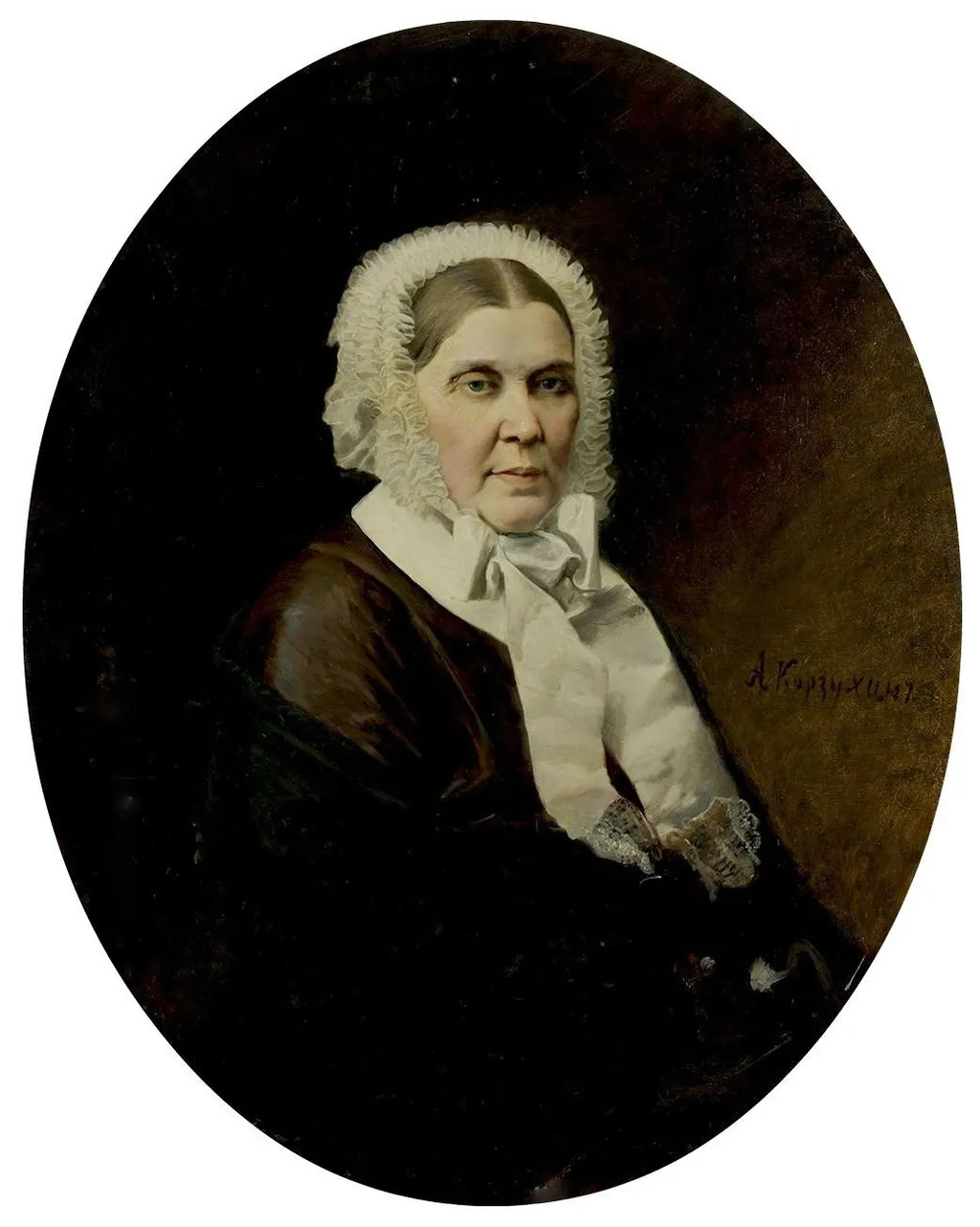
Portrait of an Unknown Woman is an oil painting by the Realist artist Alexei Korzukhin. It dates from 1874 and is held in the collection of the Hermitage Museum.
About this work
The painting depicts a woman in a dark dress with a white ruffled collar and a matching head covering.
The painting depicts a woman in a dark dress with a white ruffled collar and a matching head covering. Her hair is pulled back, and she is facing the viewer with a neutral expression. The background is dark, which makes the woman's features stand out.
The woman's attire and the style of the painting suggest that it is from the 19th century. The level of detail and realism in the painting indicates that the artist was skilled in their craft.
To learn more about the artist's use of chiaroscuro, explore the works of Alexei Korzukhin.
Overview
Painted in 1874 by Russian artist Alexei Korzukhin, this oil portrait depicts an unidentified woman against a deep, unbroken background. The work is part of the State Hermitage Museum’s collection and exemplifies 19th-century Russian academic portraiture. Its restrained composition and focused lighting emphasize the sitter’s presence without narrative distraction.
Subject & Meaning
The woman’s identity remains unknown, and the portrait offers no clues to her social role or personal story. Dressed in modest, dark clothing with a crisp white collar and head covering, she appears neither aristocratic nor working-class, suggesting a middle-status individual. Her calm, direct gaze invites quiet contemplation rather than emotional engagement.
Technique & Style
Korzukhin employs subtle chiaroscuro to model the woman’s face and hands, drawing attention to her features through controlled contrasts of light and shadow. The brushwork is precise but not overly polished, balancing realism with a sense of immediacy. The dark background eliminates distraction, reinforcing the focus on the sitter’s form and expression.
History & Provenance
The painting entered the State Hermitage Museum’s collection shortly after its completion, likely acquired through official channels common for academic artists of the time. No records indicate prior ownership or commission, suggesting it may have been a study or personal work rather than a commissioned portrait. Its preservation reflects its status as a representative example of Korzukhin’s output.
Context
Created during a period when Russian art increasingly valued psychological depth in portraiture, this work aligns with the broader shift away from idealized representation toward intimate, unadorned observation. Korzukhin, trained at the Imperial Academy of Arts, contributed to this trend by emphasizing individual presence over social status in his subjects.
Legacy
Though not widely exhibited outside Russia, the portrait remains a quiet reference point in studies of 19th-century Russian realism. It illustrates Korzukhin’s ability to convey dignity through restraint, influencing later artists who sought to capture the inner life of ordinary individuals without embellishment.
Artist & collection
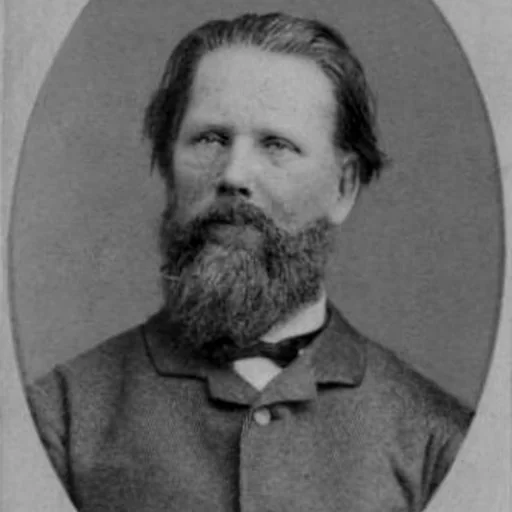

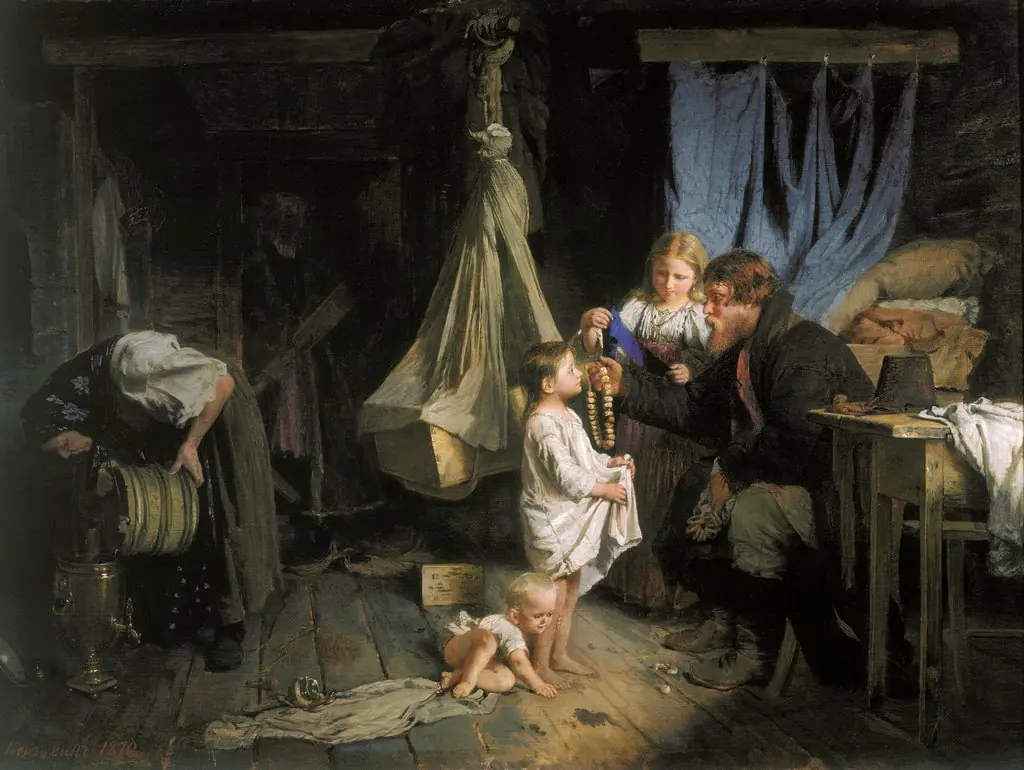
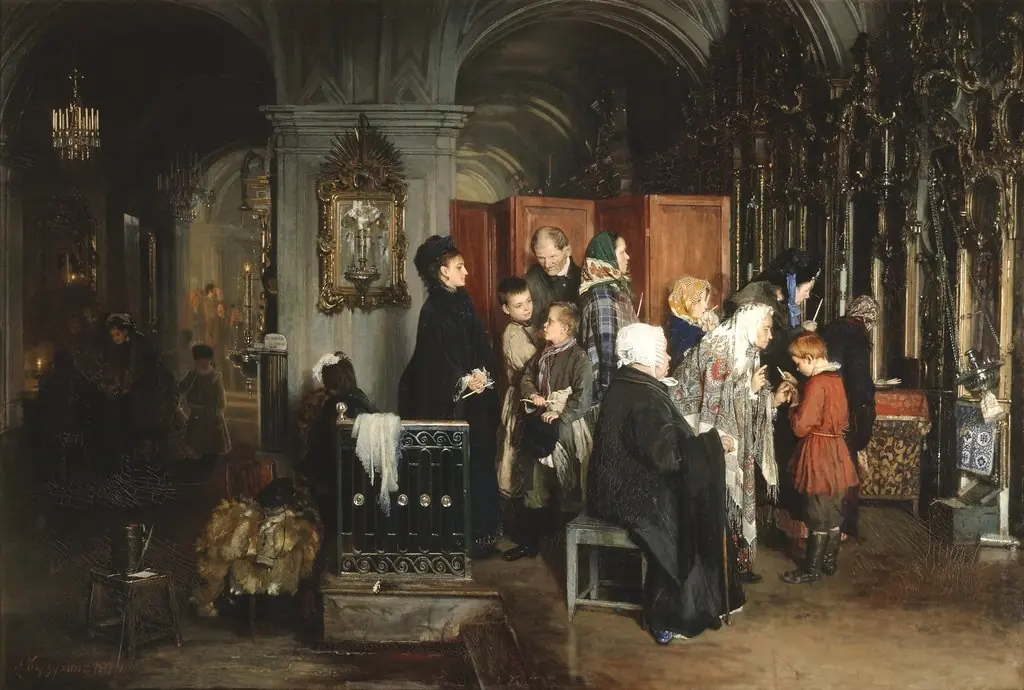
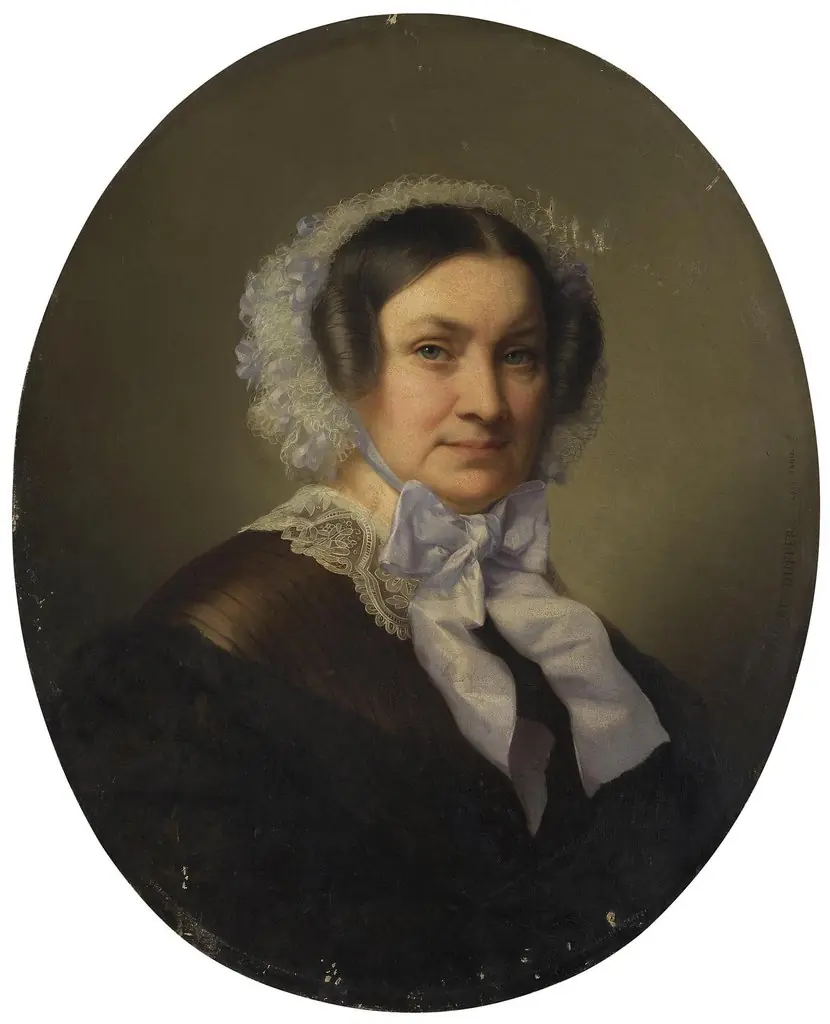 Portrait of an Elderly Woman
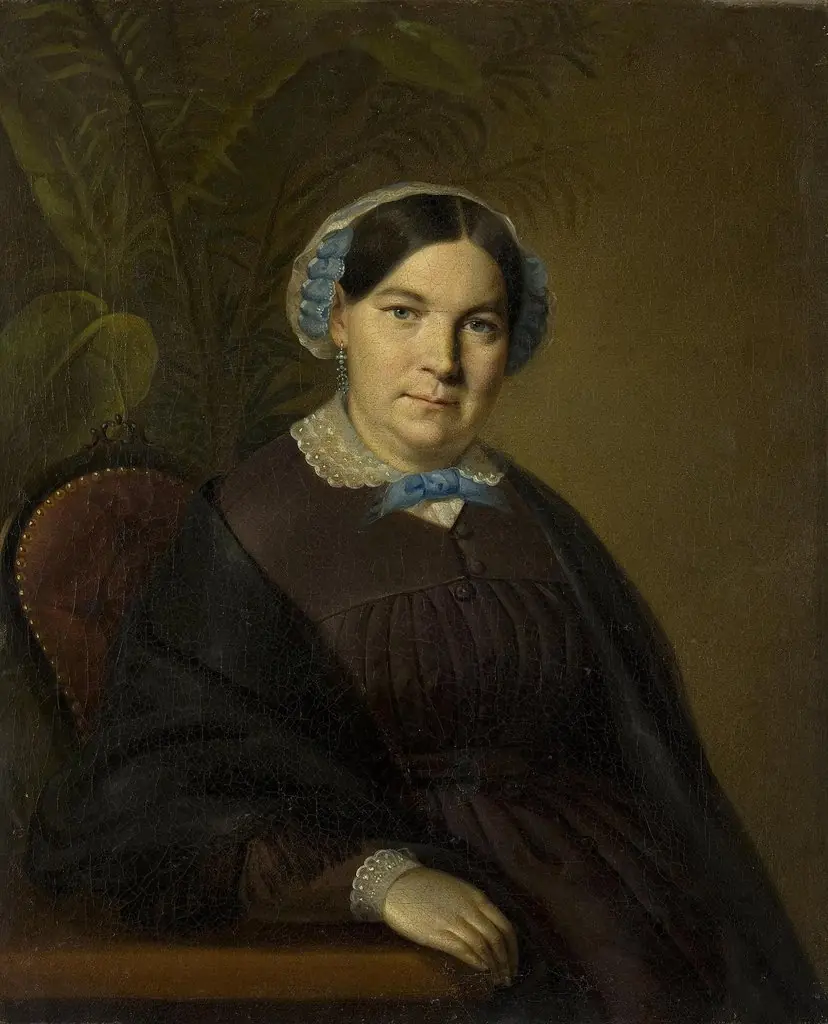 Portrait of an Elderly Woman
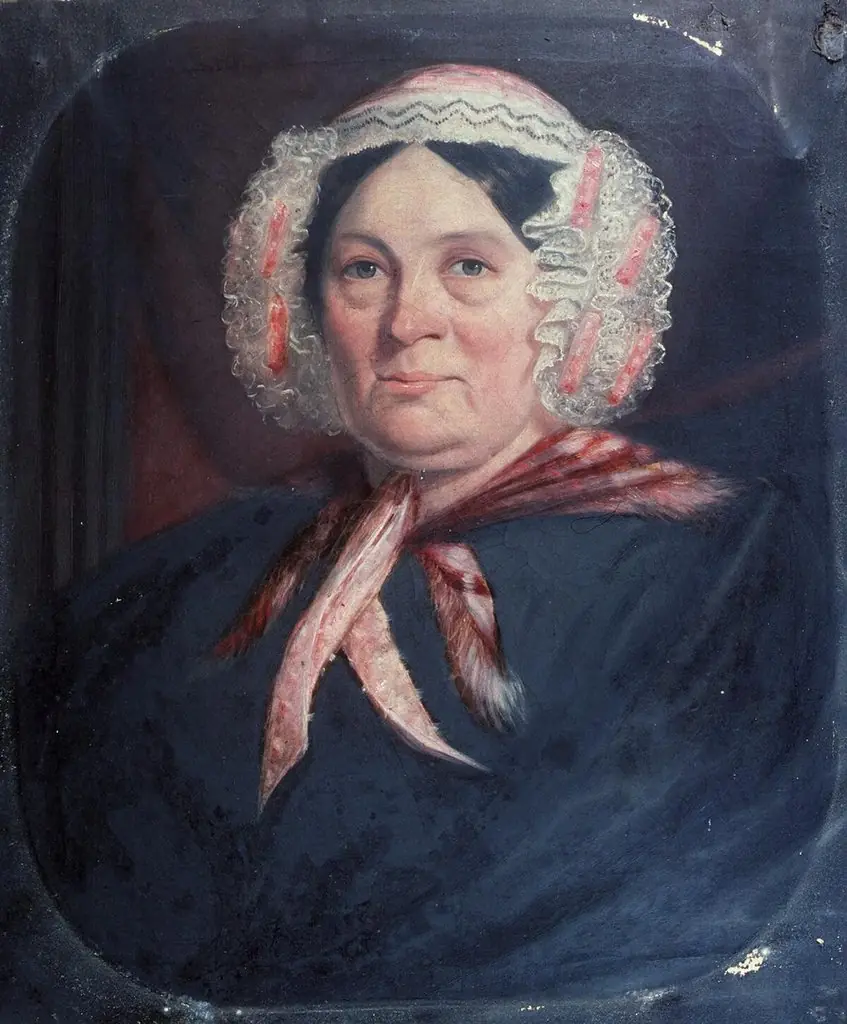 Margaret Thomas, Lammas St, Carmarthen
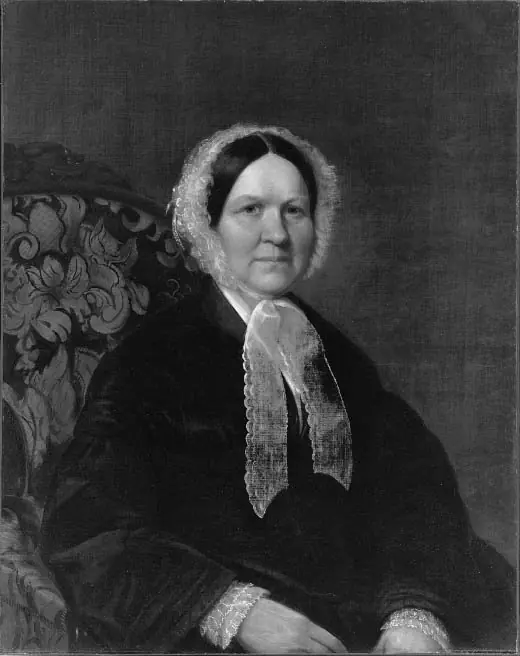 Portrait of a Lady
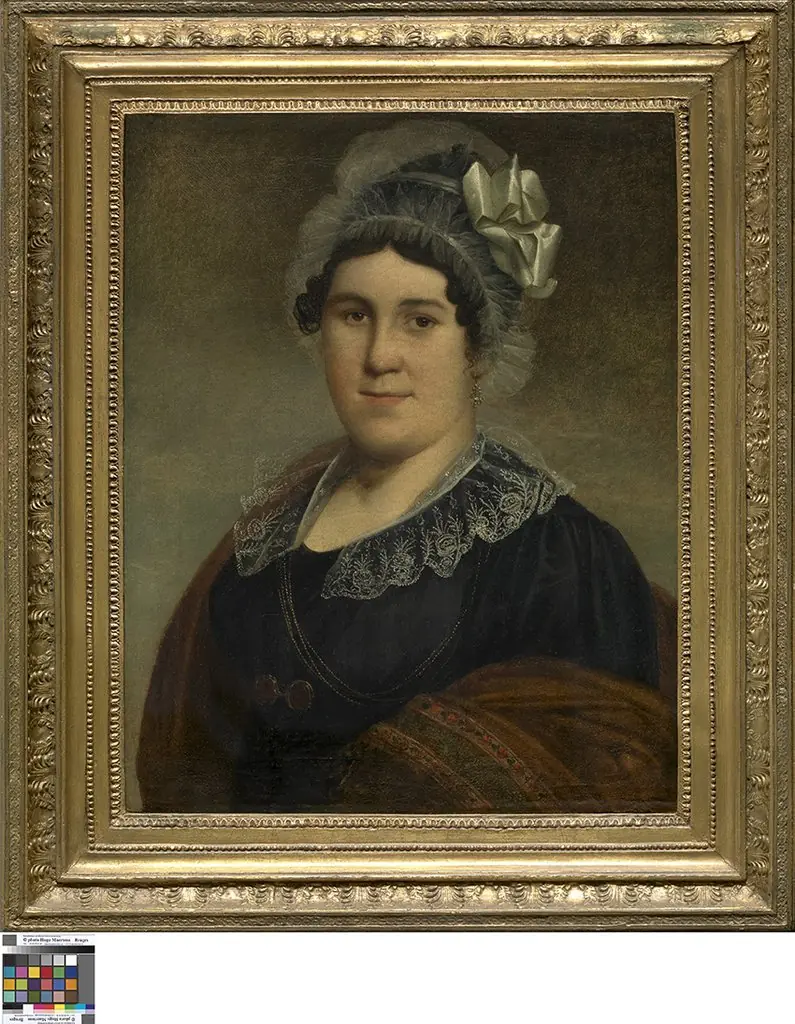 Portret van Isabella van Lutsenborgh, echtgenote van Jacobus Dumery
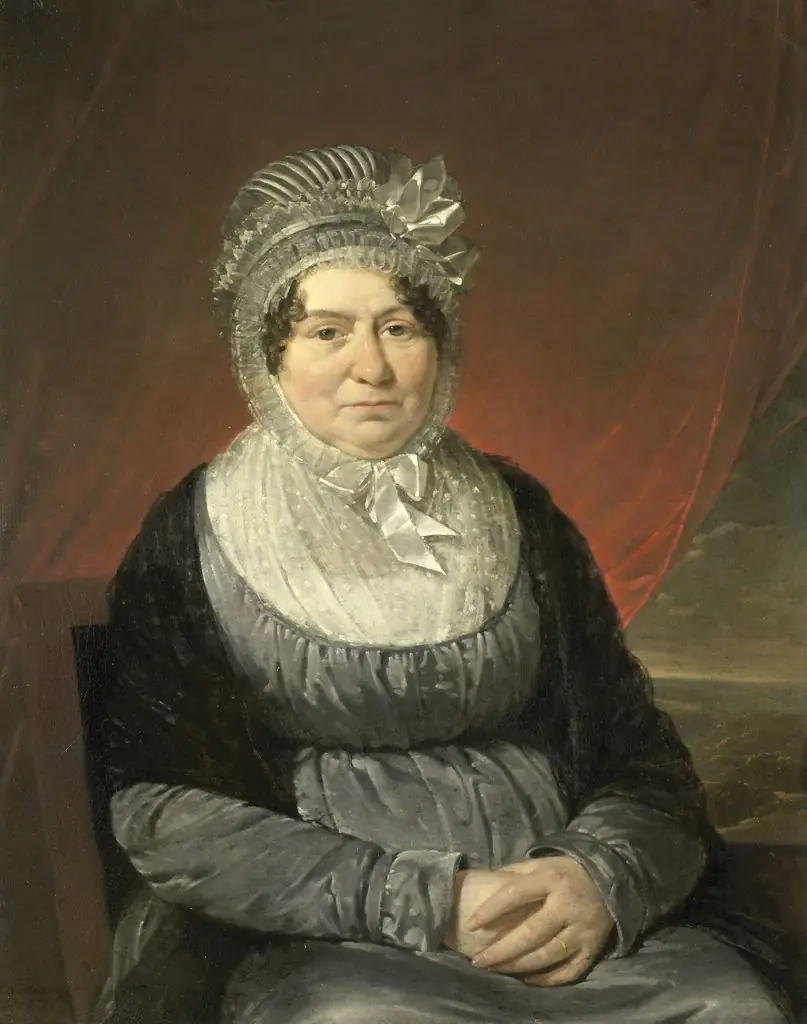 Portrait of Mrs. Brak-Haskenhoff
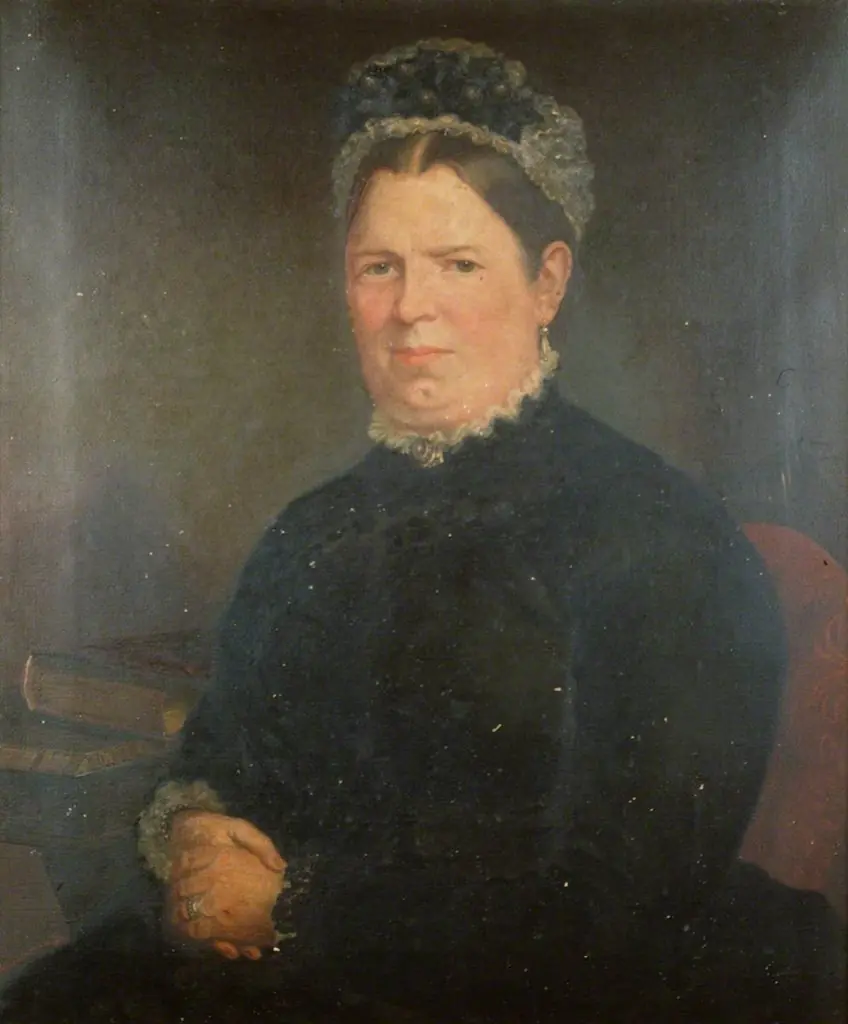 Margaret Hughes of Plas Bach, Bodorgan
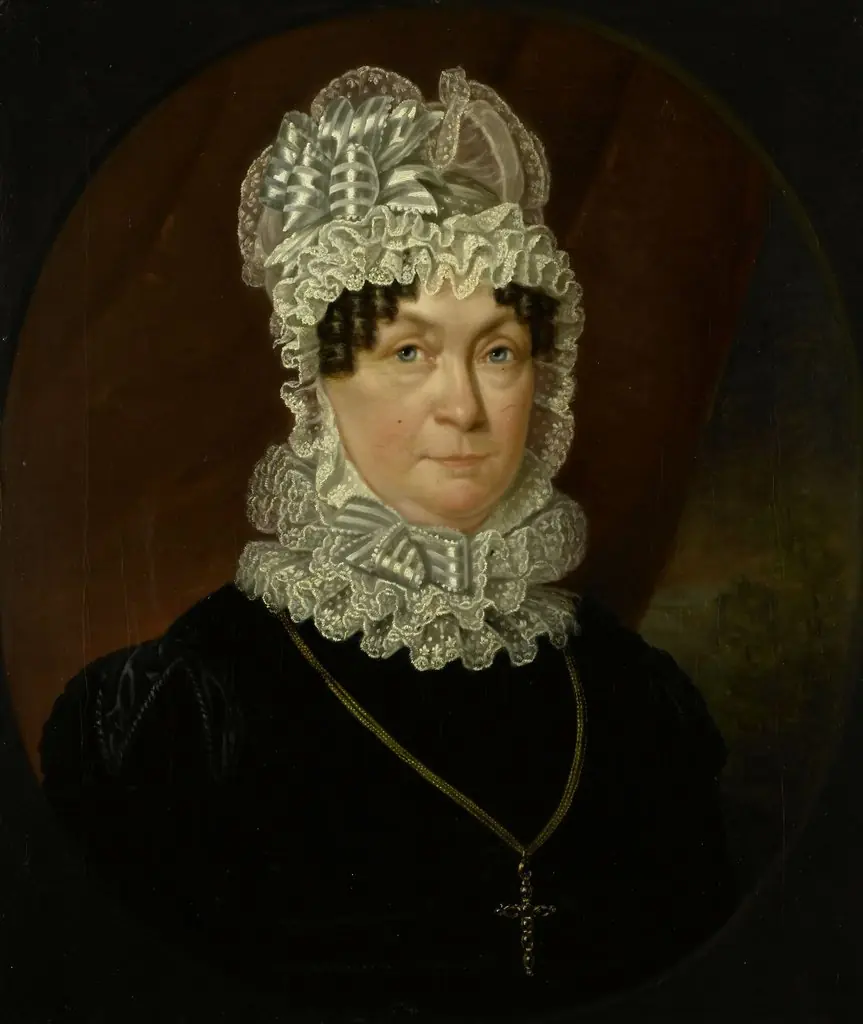 Portrait of Ann Brander (died 1837), Wife of Job Seaburne May
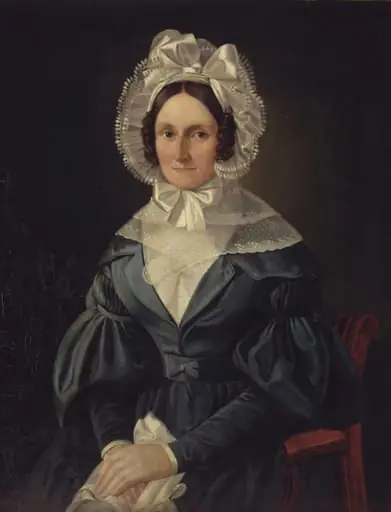 Anna Theodora Barbara Regenburg, f. Wetche
 Mrs. Thomas Streatfield Clarkson (Elizabeth Van Horne)
 Mrs. John Montgomery (Sarah Diemer)
 Portrait of countess Róża Sobańska