Artwork
Portrait of Young Princess M.P. Abamelek-Lazareva
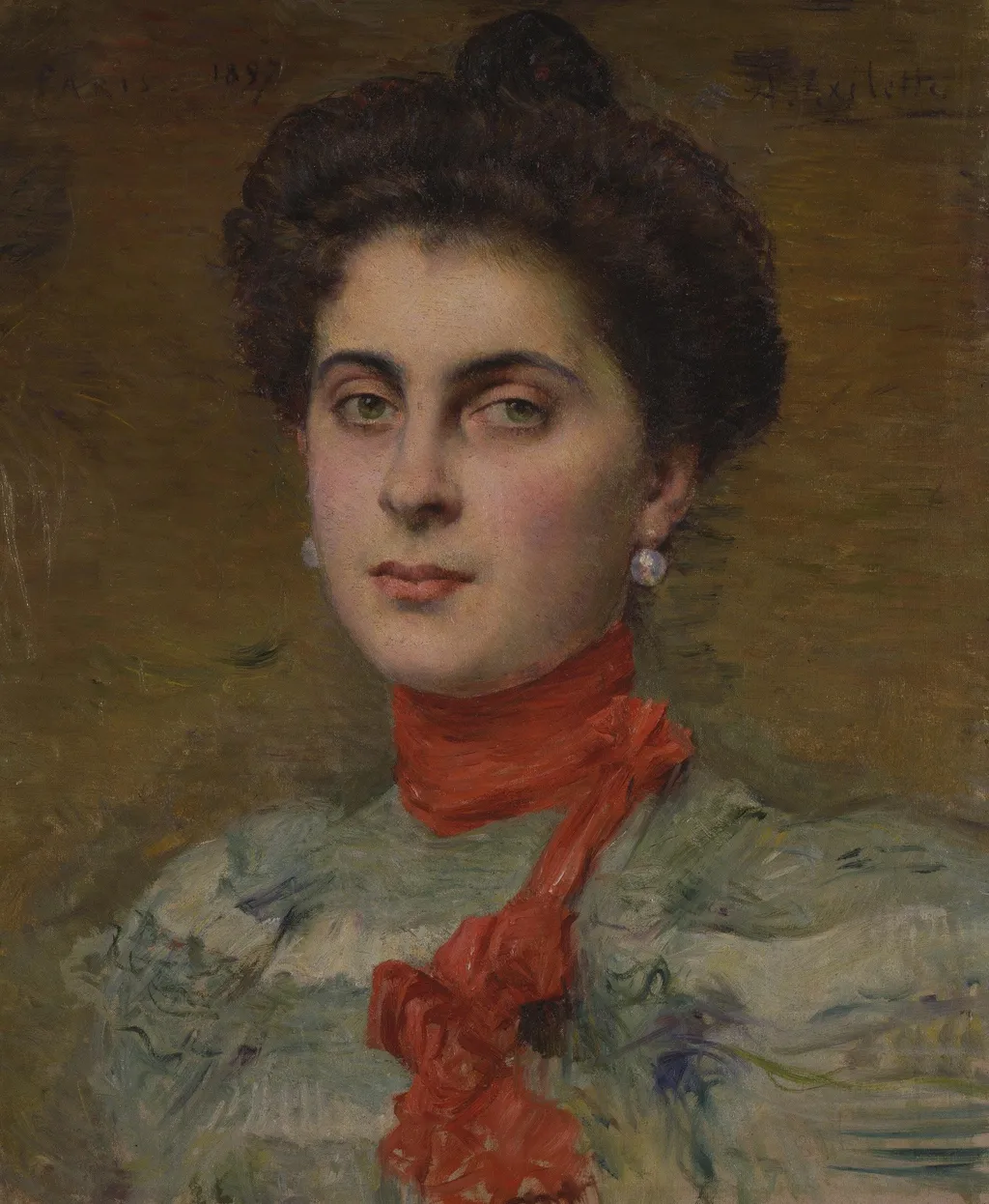
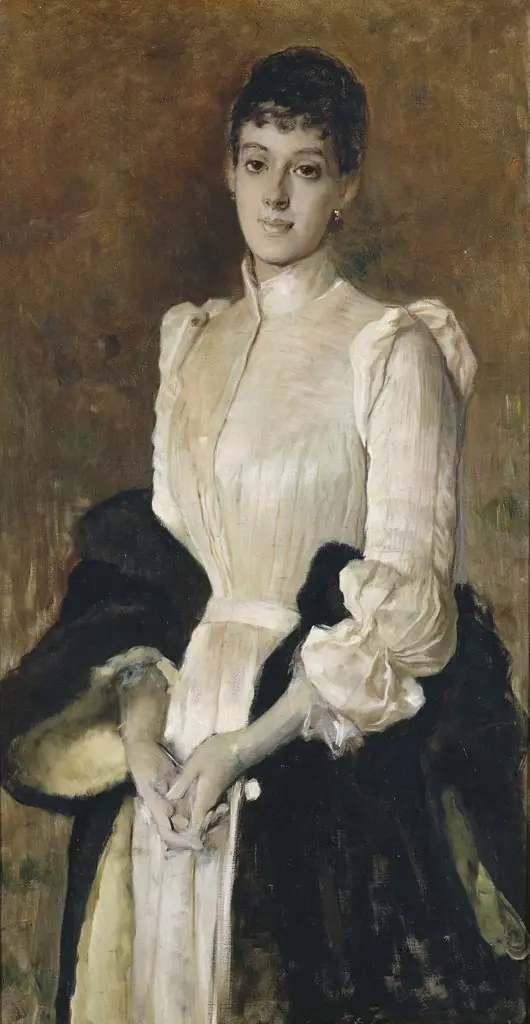
Portrait of Young Princess M.P. Abamelek-Lazareva is an oil painting by the Impressionist artist Alexis Axilette. It dates from 1899 and is held in the collection of the Hermitage Museum.
About this work
The level of detail and realism in the painting invites the viewer to explore the subject's personality and story.
The painting depicts a young woman with dark hair, dressed in a white dress adorned with a red scarf. She wears pearl earrings and has a subtle, enigmatic expression. The background of the painting is a warm, earthy tone.
The woman's attire and hairstyle suggest a formal, elegant setting, possibly from the late 19th century. The artist's use of oil paint creates a rich, textured quality to the image.
The level of detail and realism in the painting invites the viewer to explore the subject's personality and story. To learn more about the artist's techniques and style, explore the work of Alexis Axilette.
Overview
Painted in 1899 by Alexis Axilette, this oil portrait captures Princess M.P. Abamelek-Lazareva, a young noblewoman of late Imperial Russia. The work resides in the State Hermitage Museum in Saint Petersburg, where it is preserved as part of the museum’s collection of 19th-century Russian portraiture. Axilette’s focus on personal presence over grandeur distinguishes this piece from more ceremonial royal images of the era.
Subject & Meaning
The subject, dressed in a white gown with a red sash and pearl earrings, appears in quiet contemplation. Her expression is restrained, neither smiling nor solemn, inviting quiet interpretation. The absence of overt symbols of rank suggests an intimate portrayal rather than a public statement of status. The painting conveys a sense of private dignity, reflecting the inner life of its subject amid the rigid social codes of her time.
Technique & Style
Axilette employed oil paint with careful layering to achieve subtle transitions in skin tone and fabric texture. The warm, muted background enhances the luminosity of the figure’s attire and hair, drawing focus to her face and posture. Brushwork is precise yet fluid, particularly in the rendering of the scarf’s folds and the softness of her hair. The realism is deliberate, avoiding theatricality in favor of psychological nuance.
History & Provenance
The portrait entered the Hermitage’s collection shortly after its completion, likely through the artist’s connections with aristocratic patrons. Its uninterrupted presence in the museum since the late 19th century indicates early recognition of its artistic merit. No significant alterations or restorations are documented, preserving the original surface and tonal balance as intended by the artist.
Context
Created during a period of cultural transition in Russia, the portrait reflects the lingering influence of European academic traditions among the nobility. While formal portraiture remained dominant, artists like Axilette began emphasizing individual character over symbolic display. The subject’s attire and demeanor align with the refined tastes of Moscow and Saint Petersburg’s upper classes at the fin de siècle.
Legacy
Though not widely exhibited outside Russia, the portrait is regarded within academic circles as a refined example of late 19th-century Russian portraiture. Axilette’s restrained approach influenced a generation of artists who sought to capture psychological depth without overt narrative. The work remains a quiet testament to the personal dimension of aristocratic life in a rapidly changing society.
Own this work as a print
Artist & collection

 Portrait of Vera Kharitonenko
 Portrait of Irena Zbigniewicz née Serda
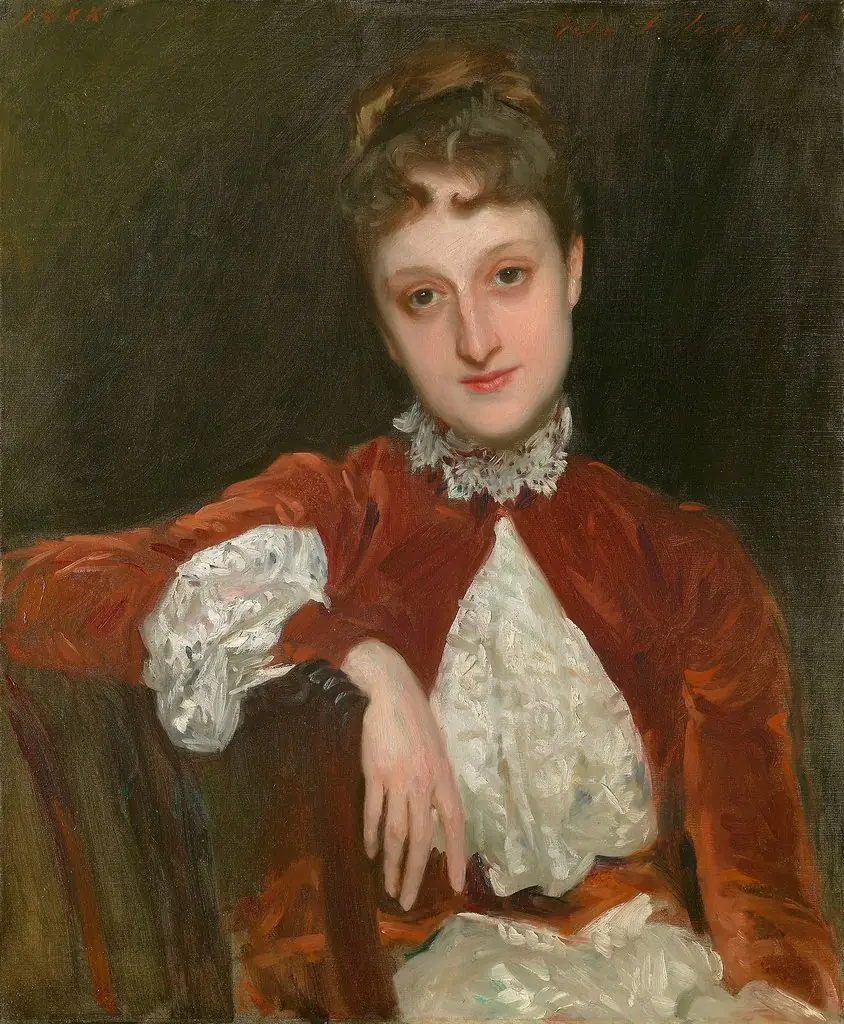 Mrs. Charles Deering (Marion Denison Whipple)
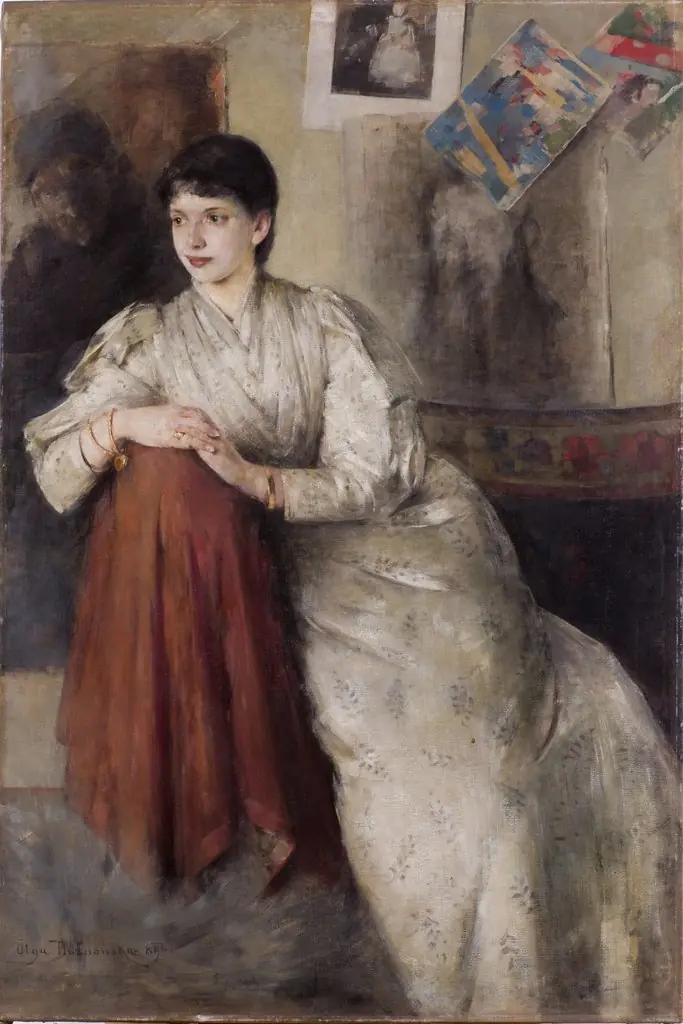 Portrait of a Woman in a White Dress
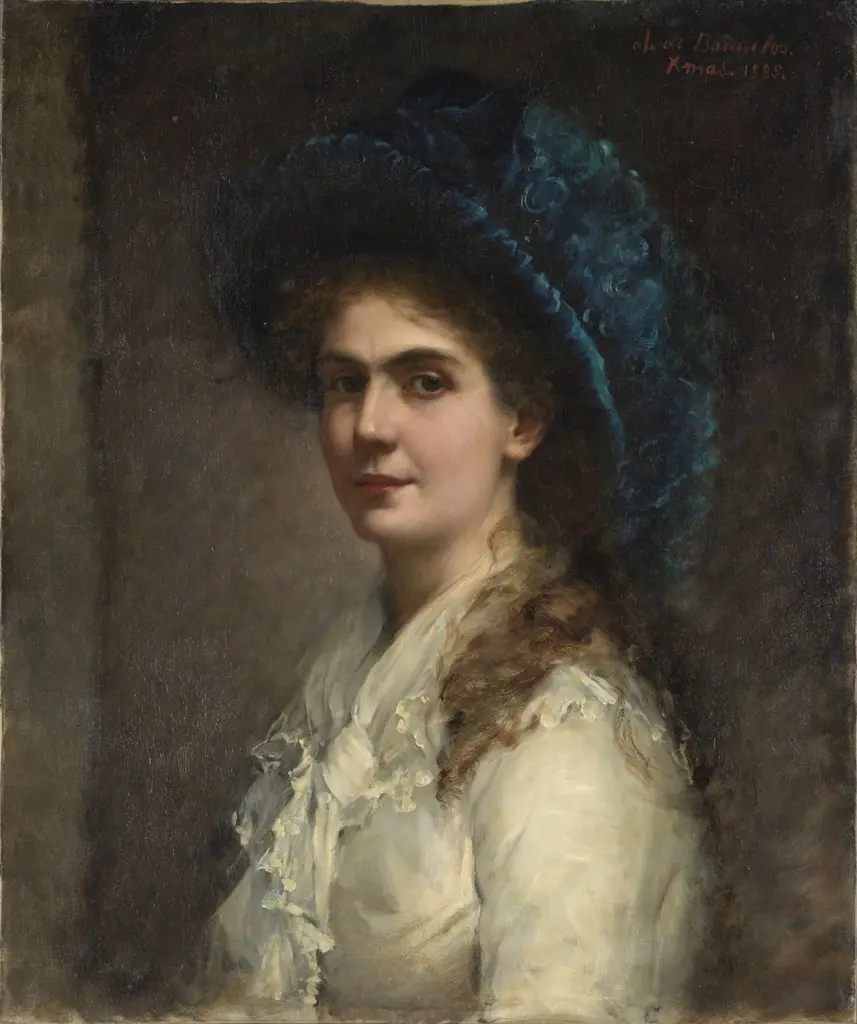 Self-portrait
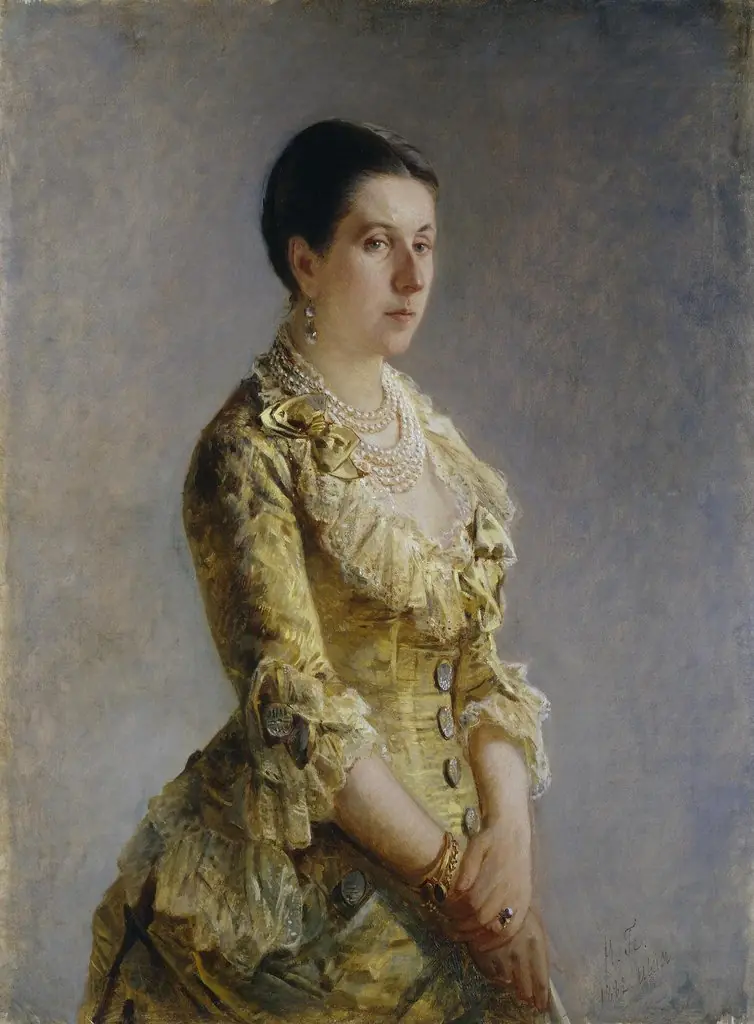 Portrait of Princess Olga Volkonskaya (nee Kleinmichel)
 Portrait of M.G. Savina
 Madame Céline Leclanché
 Շիկահեր կինը (Տևյաշովայի դիմանկարը)
 Portrait of a Woman
 Concepción Miramón
 Portrait of a Young Lady