Artwork
Madame Céline Leclanché
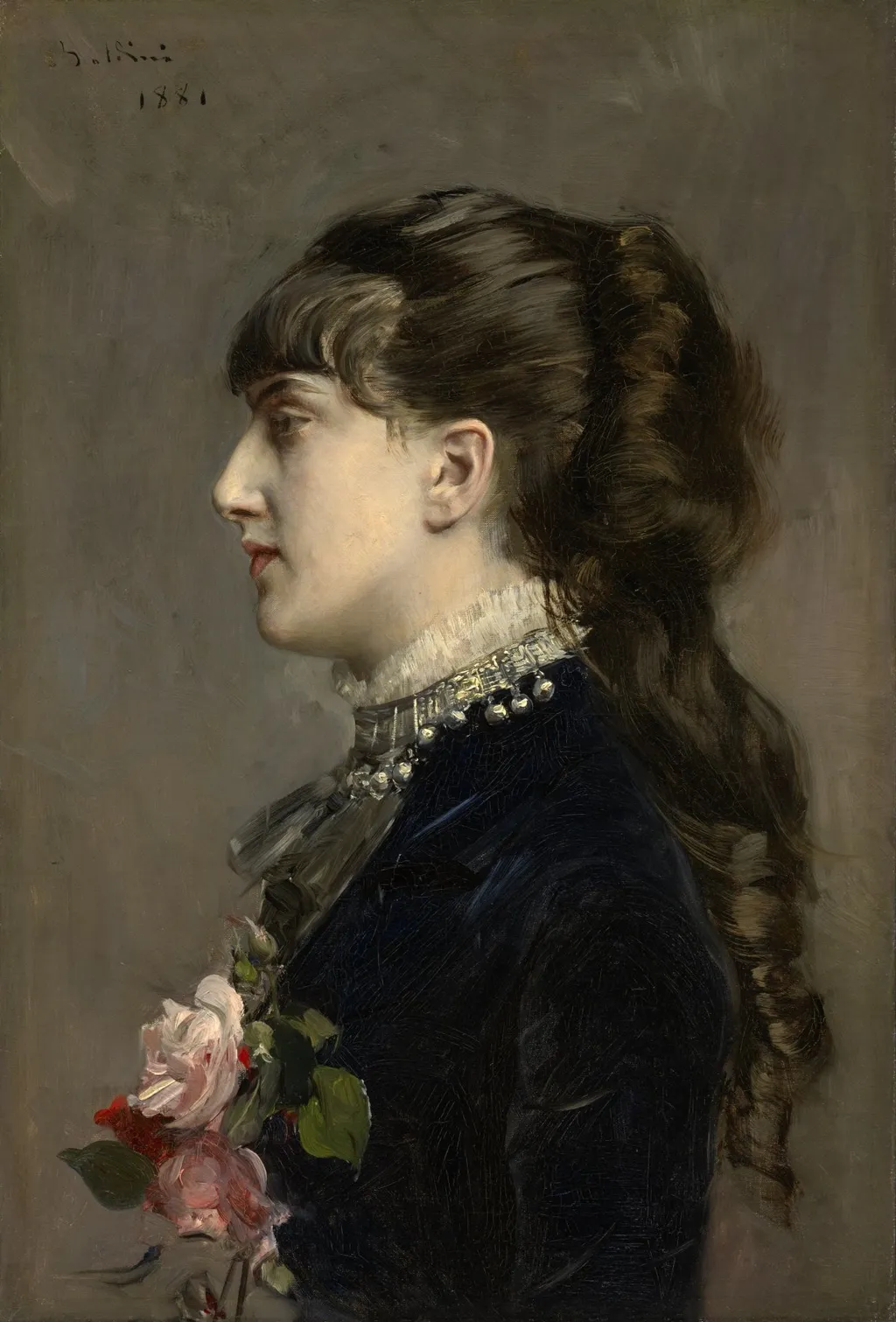
Madame Céline Leclanché is an oil painting by Giovanni Boldini. It dates from 1891 and is held in the collection of the Clark Art Institute.
About this work
The painting depicts a woman with long, dark hair styled in a ponytail, adorned with a white ruffled collar and a dark jacket.
The painting depicts a woman with long, dark hair styled in a ponytail, adorned with a white ruffled collar and a dark jacket. She is shown in profile, facing left, with a bouquet of flowers in her hand. The background of the painting is a muted gray-brown color.
The woman's attire and hairstyle suggest a formal or elegant setting, possibly from the late 19th century. The artist's use of bold brushstrokes and vivid colors adds depth and texture to the painting.
If you're interested in learning more about the artist behind this piece, you can explore the works of Giovanni Boldini.
Overview
Painted in 1891 by Italian artist Giovanni Boldini, this portrait captures Madame Céline Leclanché in a poised, profile view. Executed in oil on canvas, the work reflects Boldini’s signature style developed during his decades in Paris. It resides in the collection of the Clark Art Institute, where it exemplifies his ability to merge elegance with energetic brushwork, capturing both likeness and movement in a single gesture.
Subject & Meaning
The sitter, Madame Céline Leclanché, is depicted with quiet composure, her dark hair drawn into a low ponytail and adorned with a crisp white ruffle. She holds a small bouquet, a subtle nod to refinement and social grace. The profile orientation and restrained expression suggest formality, possibly reflecting her status within Parisian society. The painting conveys dignity without overt narrative, emphasizing presence over story.
Technique & Style
Boldini employed rapid, fluid brushstrokes to define form and fabric, creating a sense of motion even in stillness. The dark jacket and gray-brown background are rendered with loose, textured strokes, while the white collar and flowers receive sharper definition. His use of color is restrained yet deliberate—contrasts in tone and texture draw attention to the figure’s silhouette, reinforcing his reputation for dynamic, almost theatrical portraiture.
History & Provenance
Commissioned during Boldini’s peak years in Paris, the portrait was likely created for a private patron within the city’s artistic and aristocratic circles. It entered the Clark Art Institute’s collection in the 20th century, following a trajectory common to works by European portraitists of the period. Its provenance remains largely undocumented beyond its acquisition by the institution, though its stylistic traits firmly anchor it to Boldini’s oeuvre.
Context
In the 1890s, Parisian society valued portraits that conveyed modernity and sophistication. Boldini’s clients included wealthy elites who sought to align themselves with the cosmopolitan aesthetic of the Belle Époque. His approach—emphasizing elegance over psychological depth—resonated with patrons who preferred visual flair. This portrait fits within that trend, reflecting the era’s fascination with refined appearance and social poise.
Legacy
Though less widely known than some of his contemporaries, Boldini’s technique influenced later portraitists through his emphasis on movement and surface elegance. *Madame Céline Leclanché* remains a representative example of his mature style, illustrating how brushwork could convey both identity and atmosphere. The painting continues to be studied for its synthesis of spontaneity and control, a hallmark of his contribution to late 19th-century portraiture.
Own this work as a print
Artist & collection
Artist
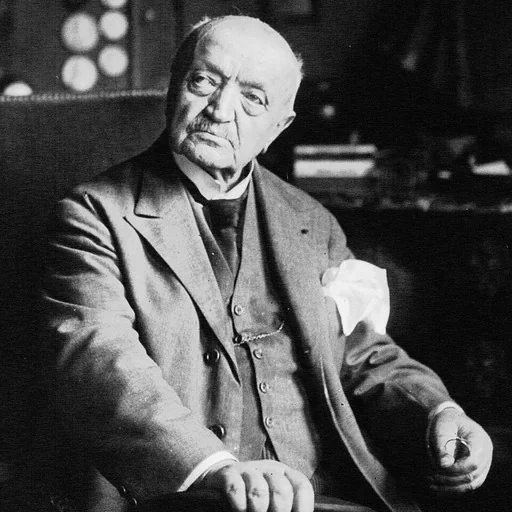
Giovanni Boldini (31 December 1842 – 11 January 1931) was an Italian genre and portrait painter who lived and worked in Paris for most of his career.

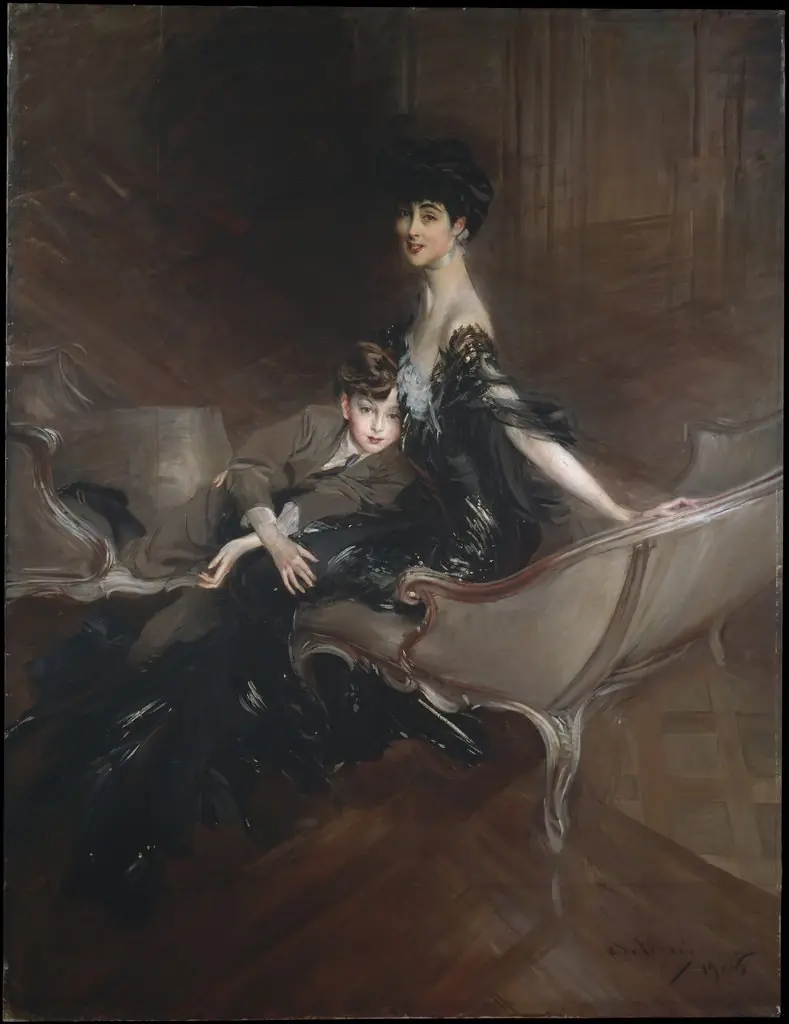 Consuelo Vanderbilt (1876–1964), Duchess of Marlborough, and Her Son, Lord Ivor Spencer-Churchill (1898–1956)
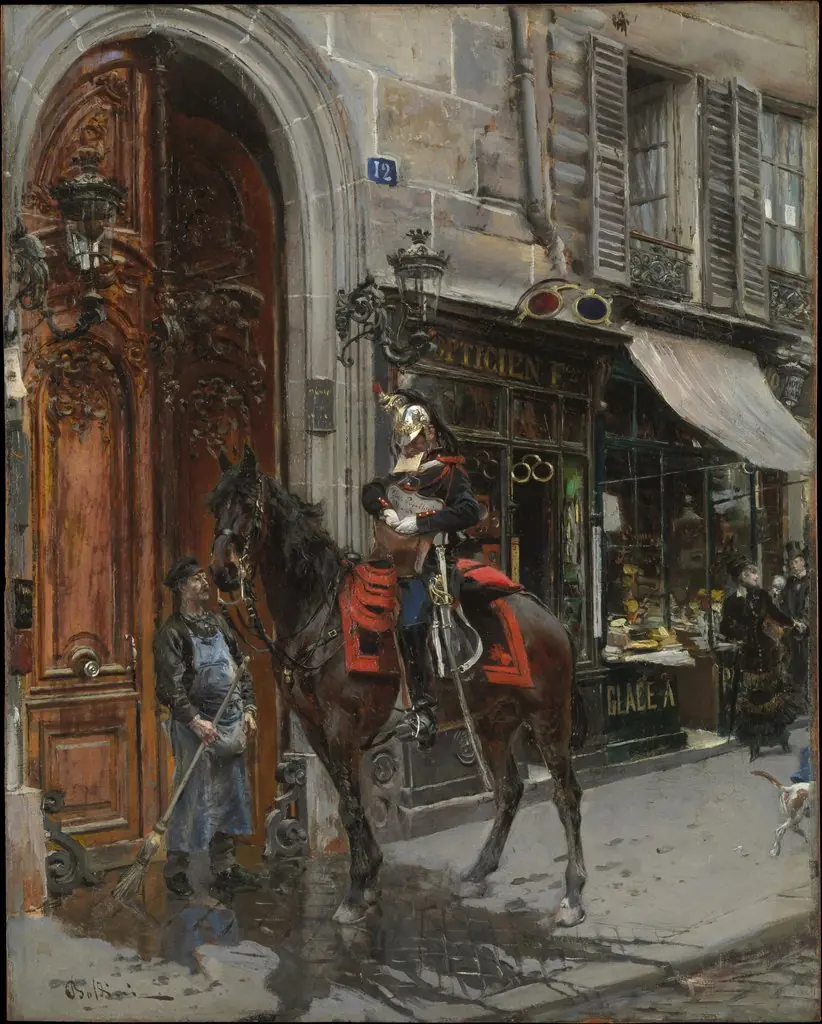 The Dispatch-Bearer
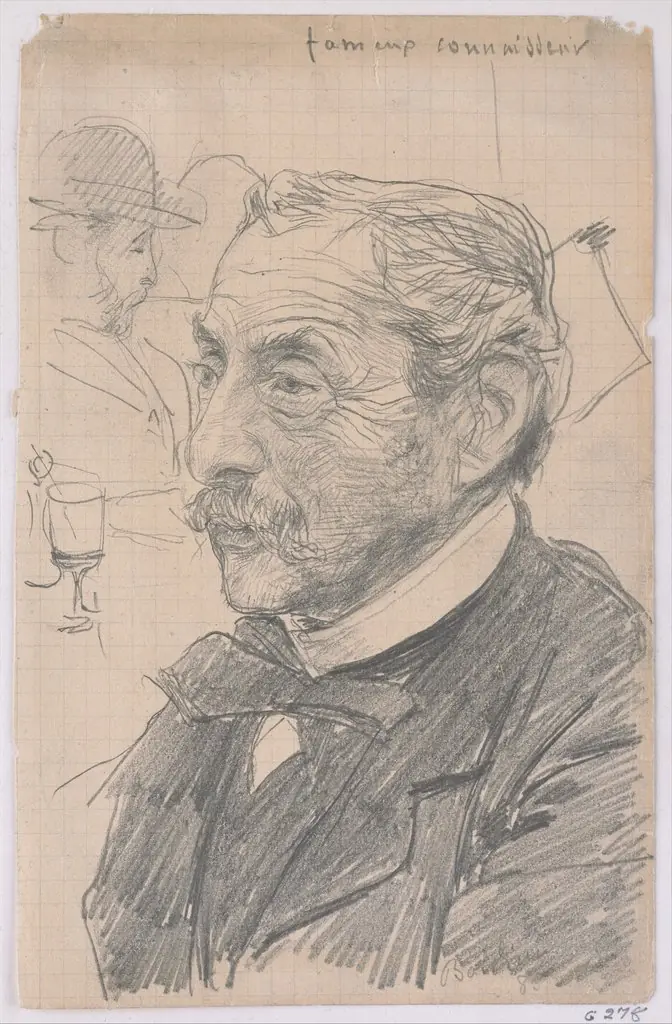 Famous Connoisseur (Fameux Connaisseur)
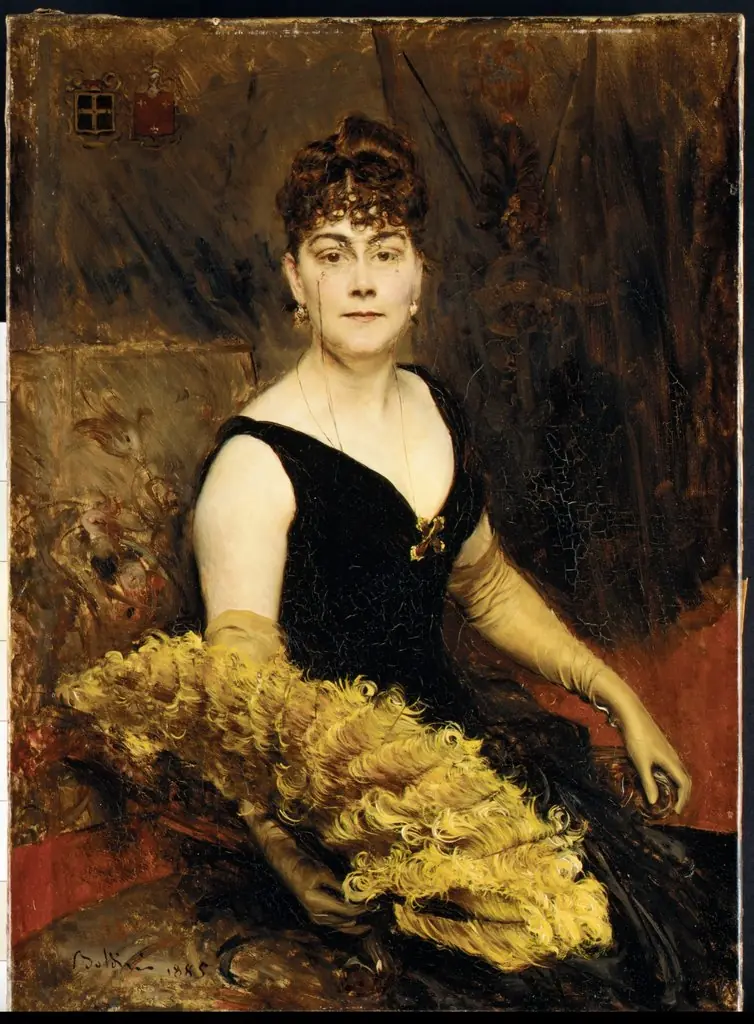 Mrs. Charles Warren-Cram (Ella Brooks Carter, 1846–1896)
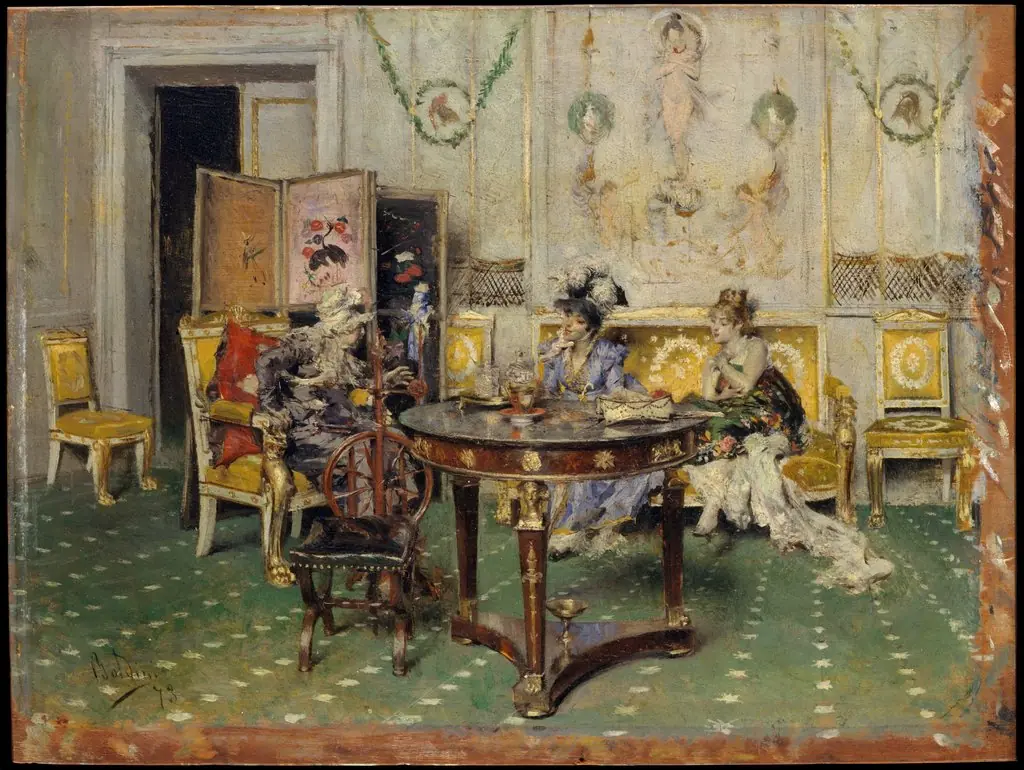 Gossip
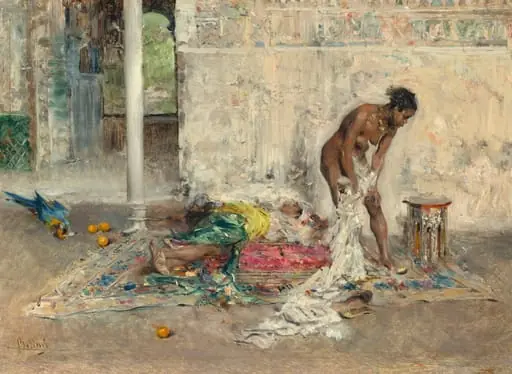 After the Bath
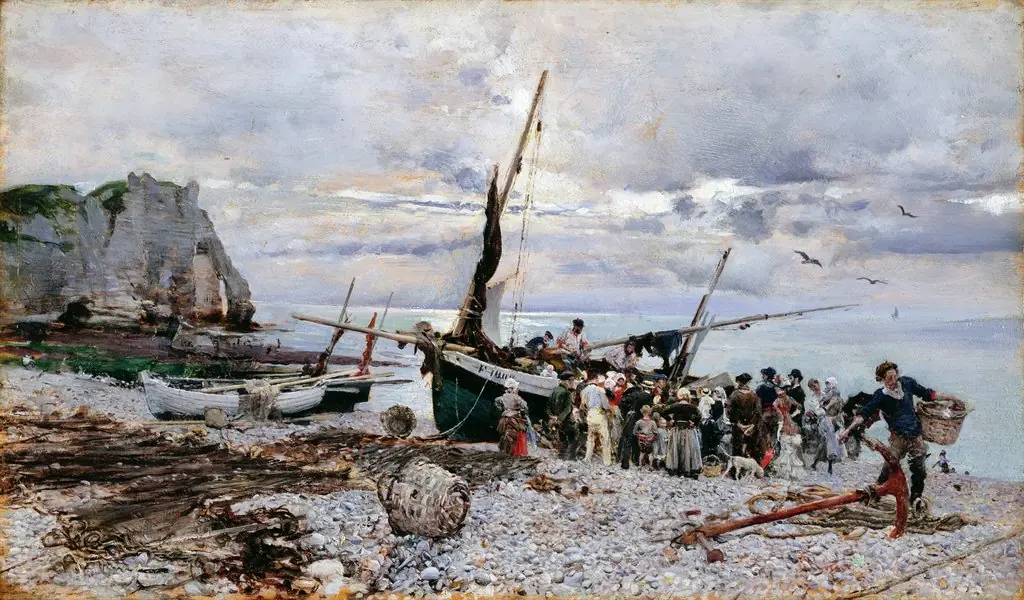 The Return of the Fishing Boats, Étretat
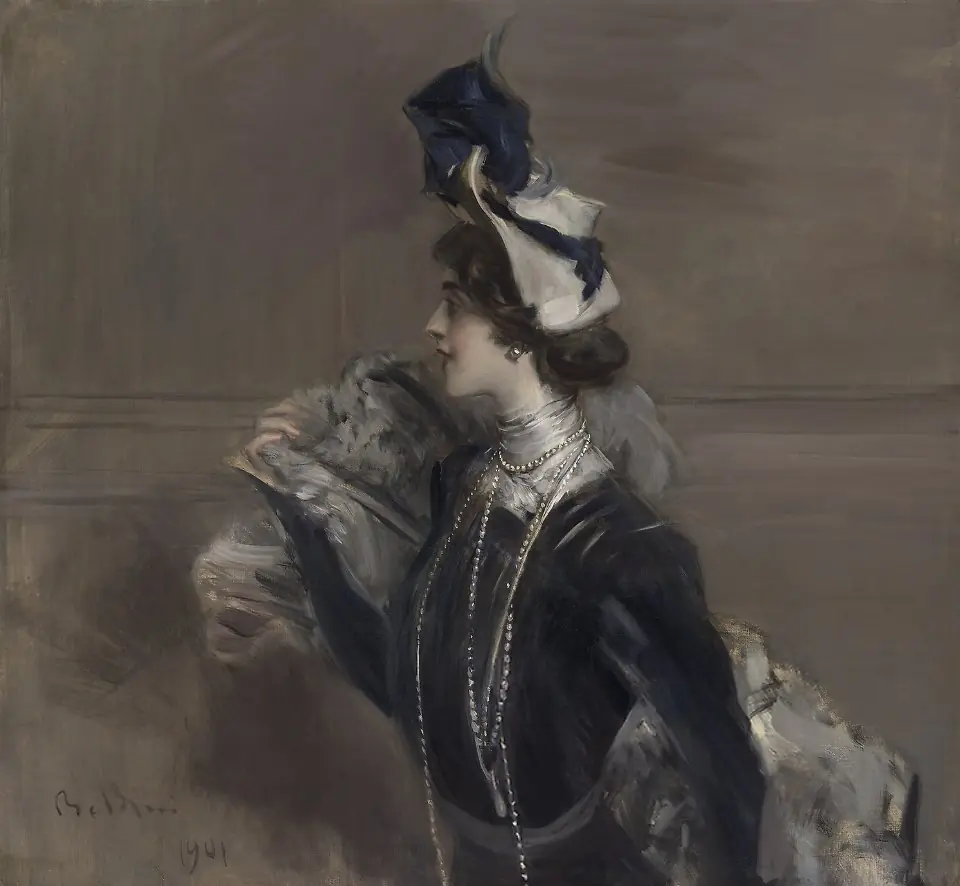 Portrait of Mme. Lina Cavalieri
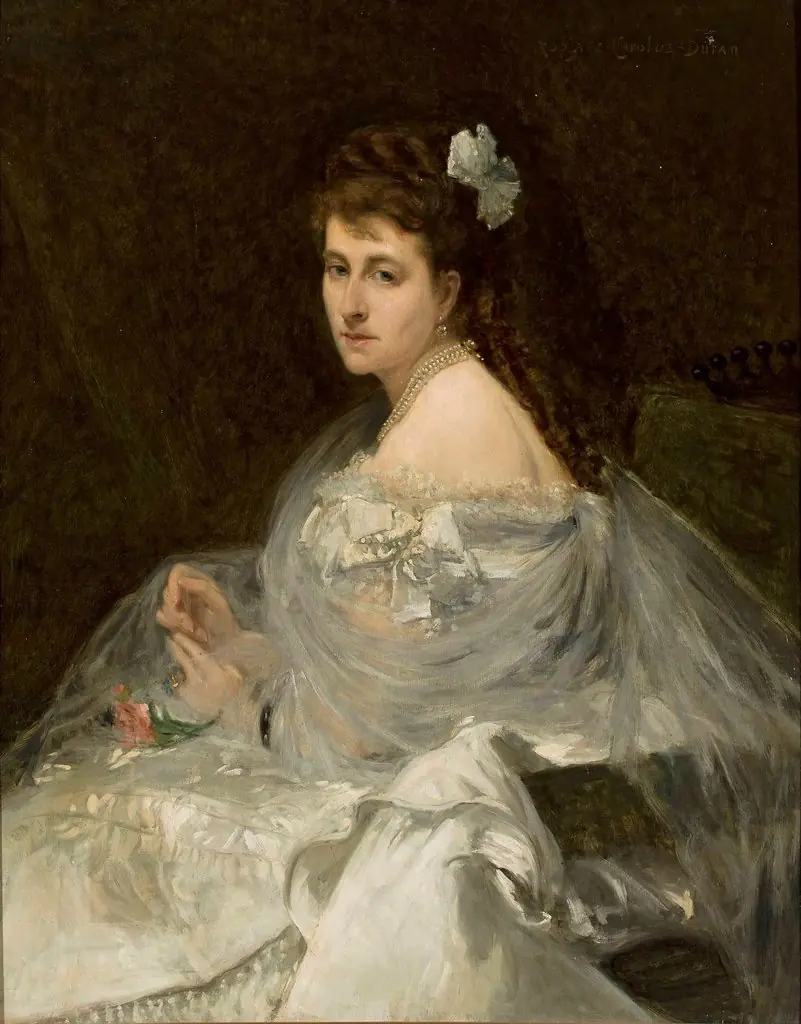 Portrait of Izabela Tyszkiewicz née Tyszkiewicz (1835–1907)
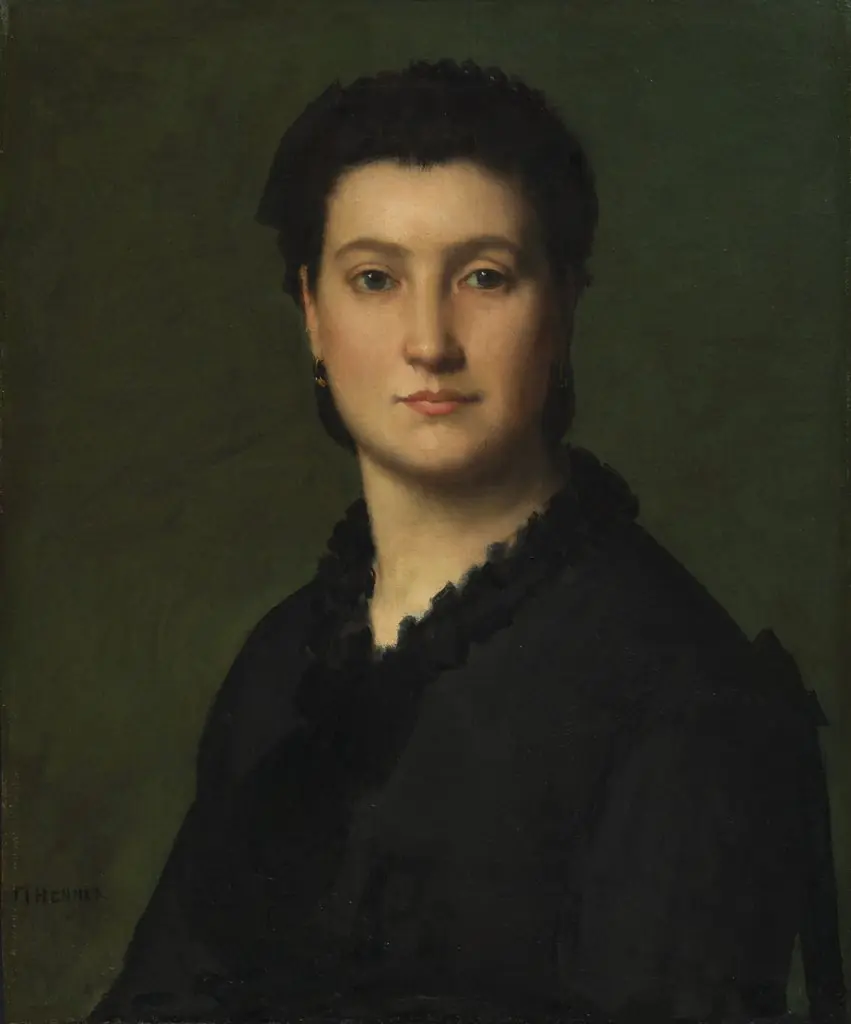 Portrait of a Woman
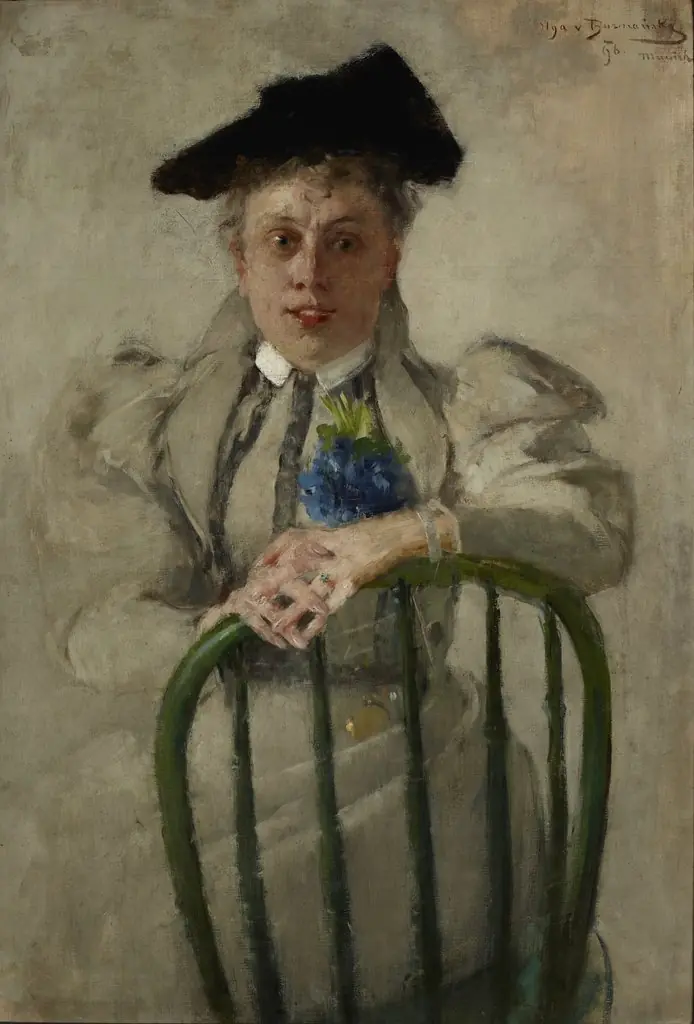 Portrait of Irena Zbigniewicz née Serda
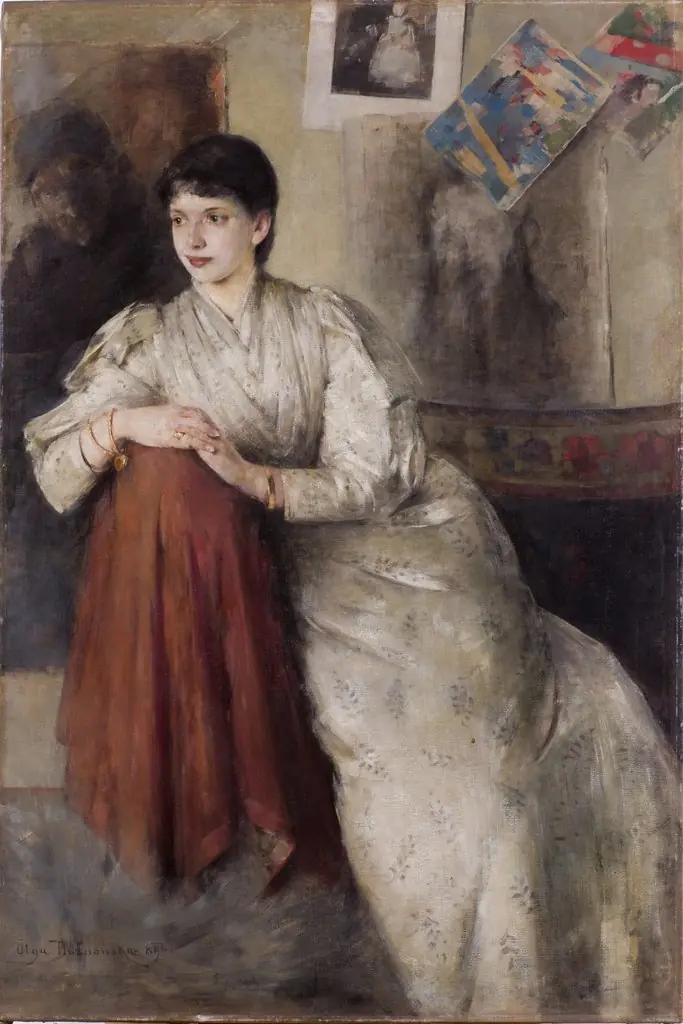 Portrait of a Woman in a White Dress
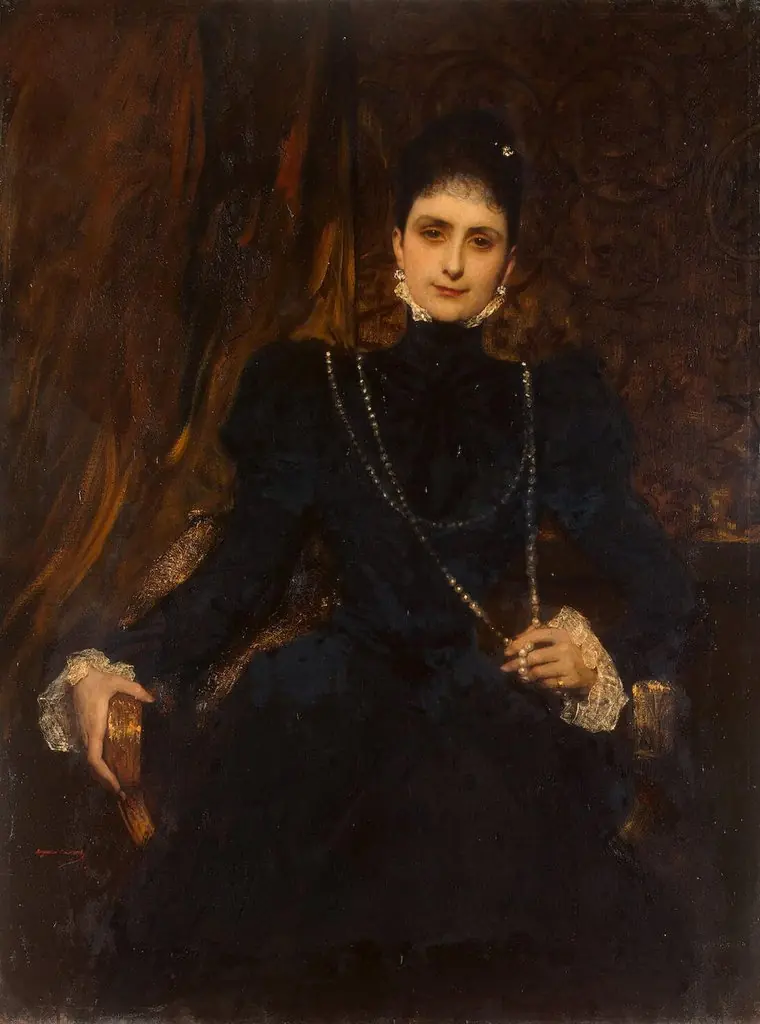 Portrait of Marina Derviz
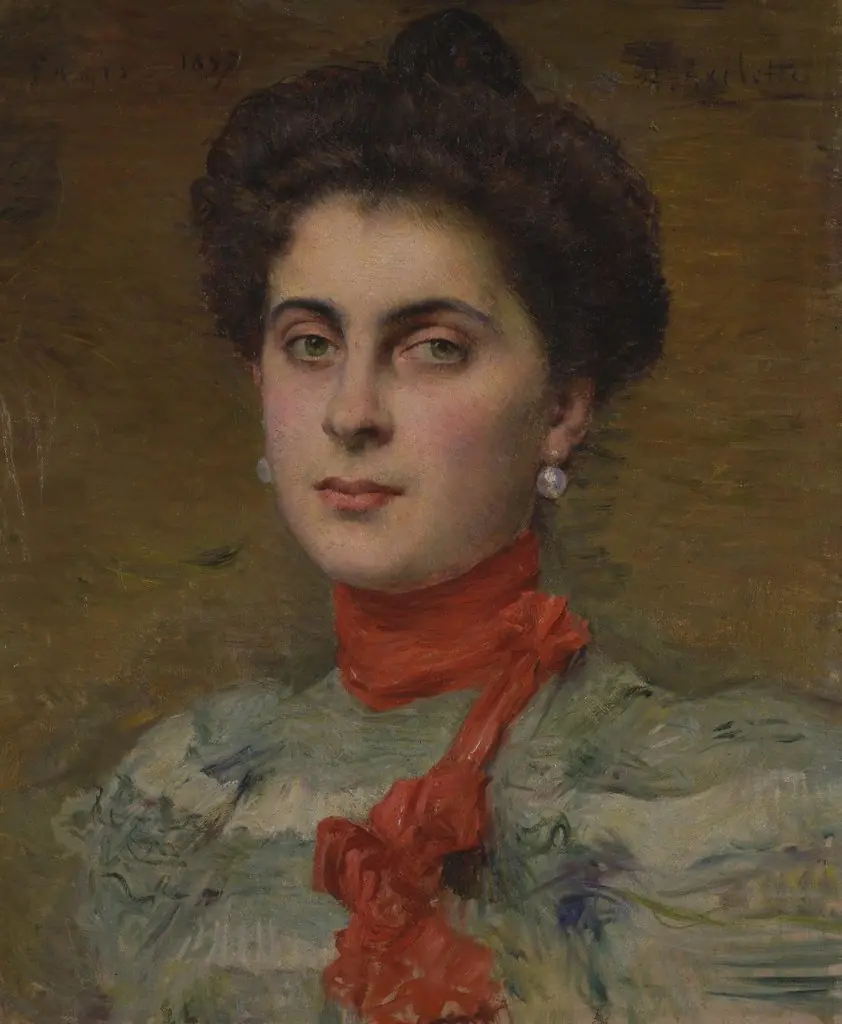 Portrait of Young Princess M.P. Abamelek-Lazareva
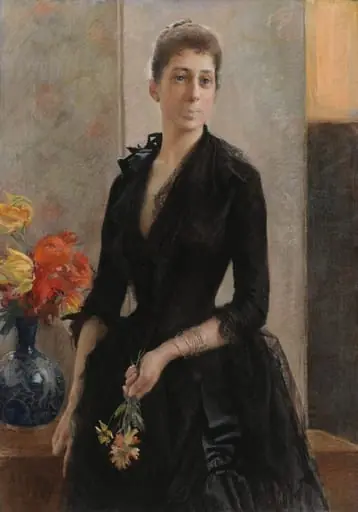 Mme Weissgerber de Stragewiczin (sittemmin Mme R.Berenger) muotokuva
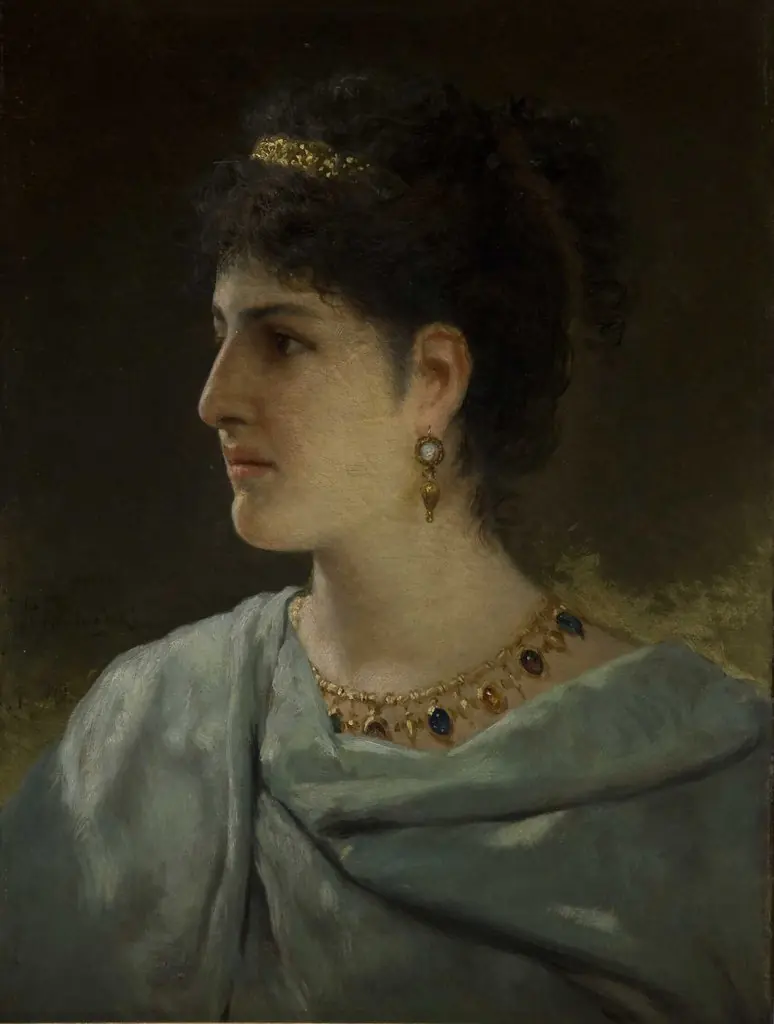 Roman Woman
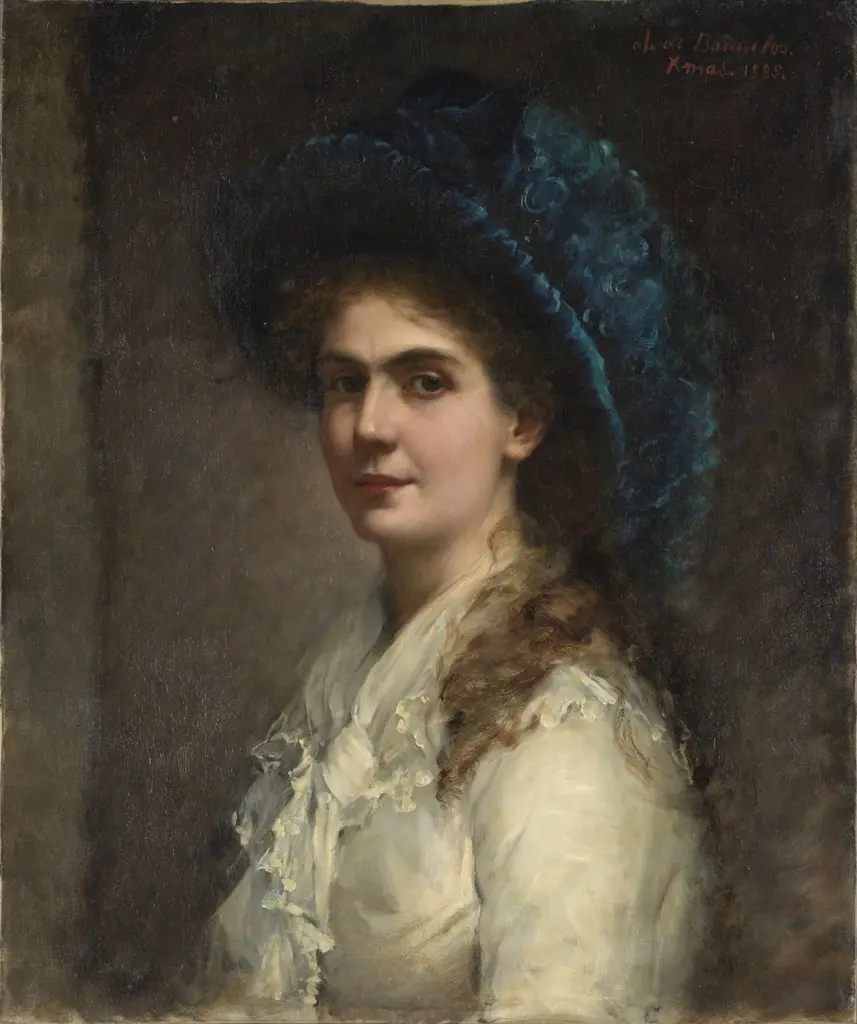 Self-portrait
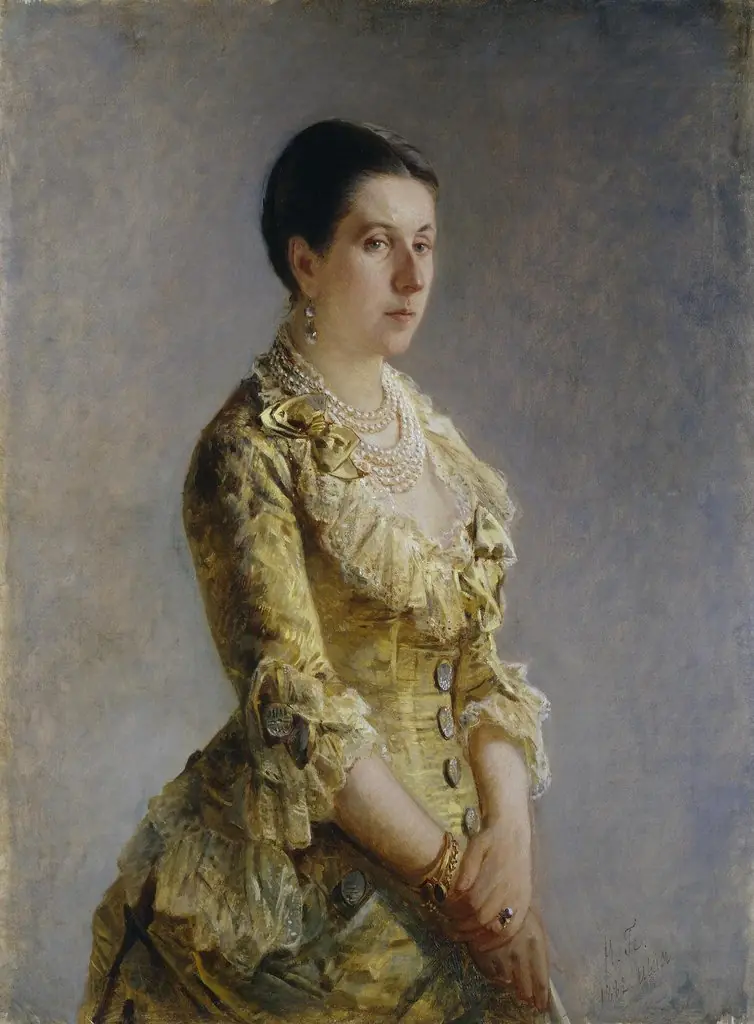 Portrait of Princess Olga Volkonskaya (nee Kleinmichel)
 Mrs. Charles Deering (Marion Denison Whipple)
 Madame Lerolle