Artwork
Morskie Oko Lake
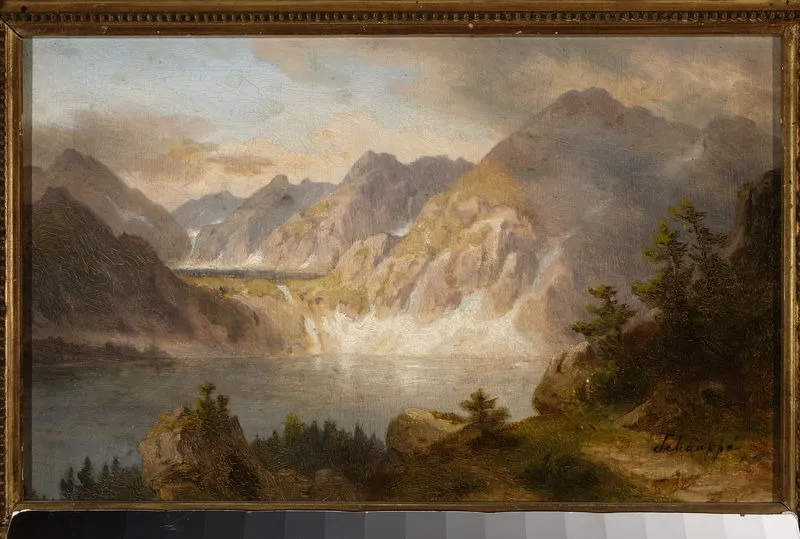
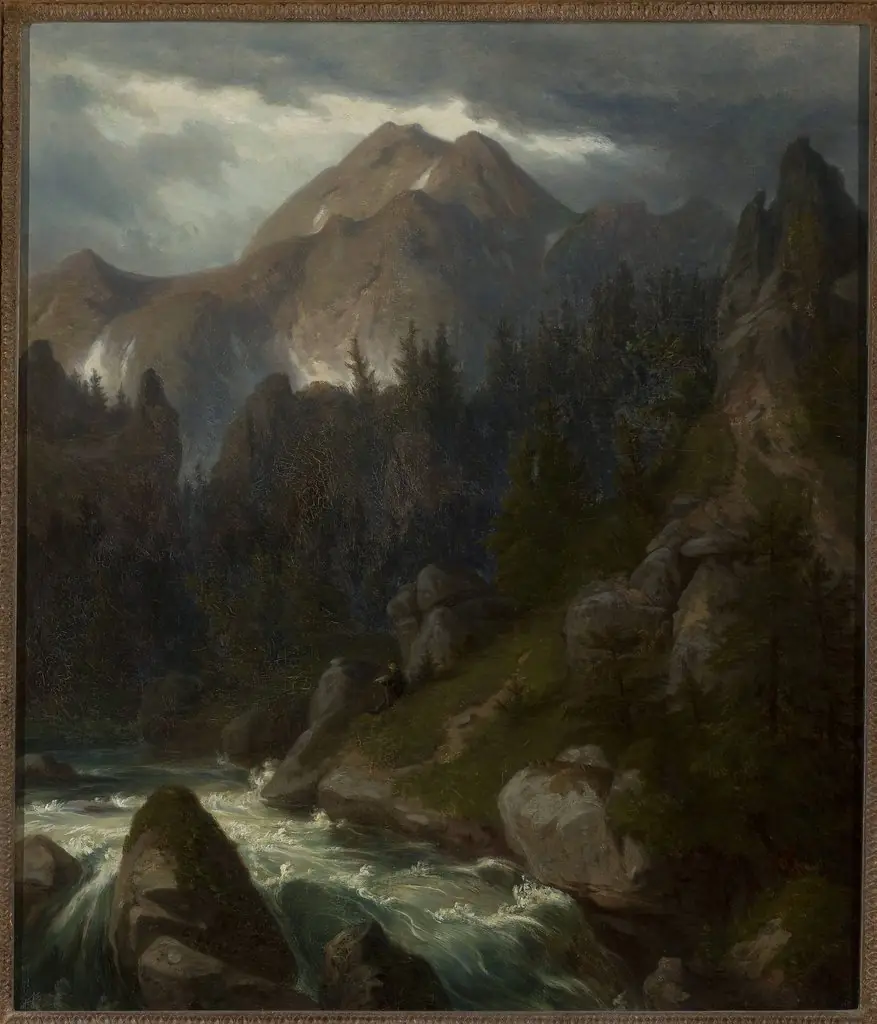
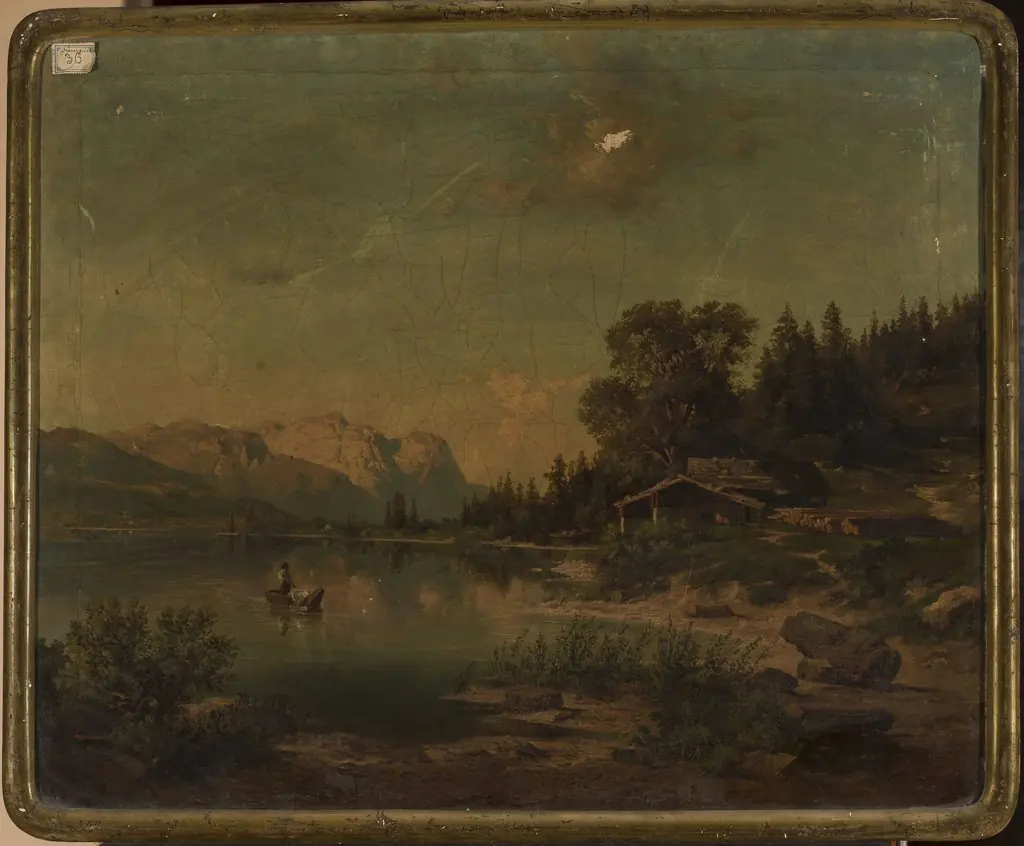
Morskie Oko Lake is an oil painting by Alfred Schouppé. It dates from 1862 and is held in the collection of the National Museum in Warsaw.
About this work
Overview
Painted around 1862, *Morskie Oko Lake* is an oil-on-canvas landscape by Alfred Schouppé, a Polish artist active in the mid-19th century.
Painted around 1862, *Morskie Oko Lake* is an oil-on-canvas landscape by Alfred Schouppé, a Polish artist active in the mid-19th century. The work is part of the National Museum in Warsaw’s collection and represents one of Schouppé’s contributions to the development of Polish landscape painting during a period of growing national cultural identity. His focus on natural scenery aligned with broader European trends while reflecting local topography.
Subject & Meaning
The painting depicts Morskie Oko, a glacial lake in the Tatra Mountains, framed by rugged peaks and dense vegetation. The still surface of the water mirrors the surrounding terrain, emphasizing harmony between land and sky. Rather than dramatizing the scene, Schouppé presents it with quiet dignity, suggesting reverence for Poland’s natural landscapes during a time when the nation lacked political sovereignty.
Technique & Style
Schouppé employed subtle gradations of color to render the lake’s reflective surface and the layered distances of the mountains. Soft brushwork defines the foliage in the foreground, while the distant peaks are rendered with lighter tones to suggest atmospheric perspective. The composition avoids theatricality, favoring balanced forms and muted light to evoke stillness and spatial depth.
History & Provenance
Created during Schouppé’s mature period, the painting entered the National Museum in Warsaw’s holdings in the 19th century, likely through institutional acquisition or donation. As a founding member of the Society for the Encouragement of Fine Arts in Warsaw, Schouppé was closely tied to the city’s art institutions, which helped preserve his works and those of his contemporaries for public collection.
Context
In the 1860s, Poland was partitioned among neighboring empires, and cultural expression became a subtle form of national assertion. Landscape painting, particularly of the Tatra Mountains, gained significance as a symbol of indigenous identity. Schouppé’s work contributed to this movement, offering viewers a visual anchor to a land they could not govern politically.
Legacy
Schouppé’s *Morskie Oko Lake* remains a representative example of 19th-century Polish landscape art, valued for its restrained aesthetic and historical resonance. While not widely known outside Poland, it reflects the quiet dedication of artists who helped shape a national visual language during a period of political fragmentation, influencing later generations of painters focused on native scenery.
Artist & collection
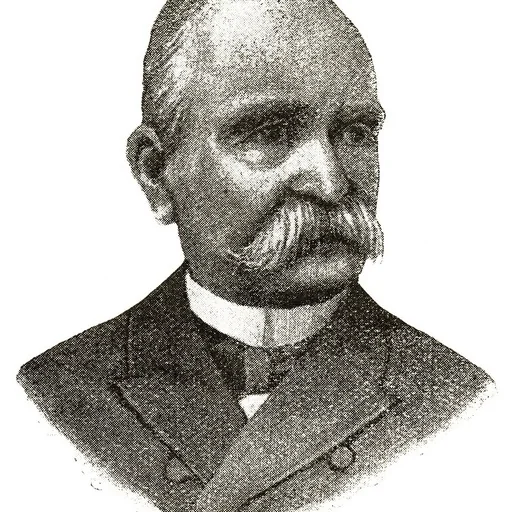
Artist
Alfred Schouppé (December 13, 1812 – April 7, 1899) was a Polish painter, and one of the founders of the Society for the Encouragement of Fine Arts (Towarzystwo Zachęty Sztuk Pięknych) in Warsaw.

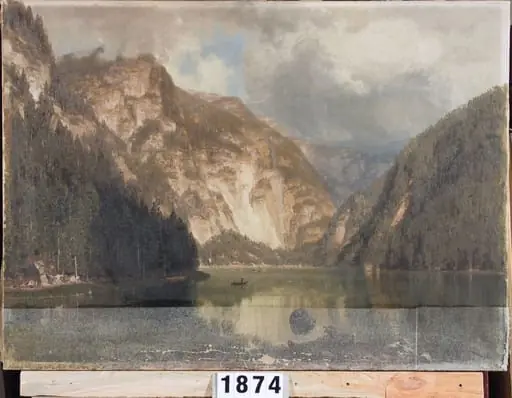 Lacul Grundl
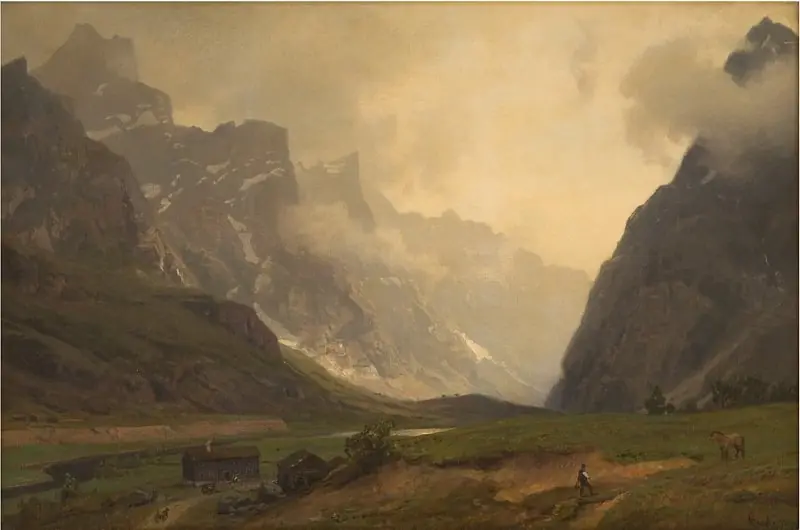 The Troll Peaks in Romsdalen: The Foot of Romsdalshorn to the Right
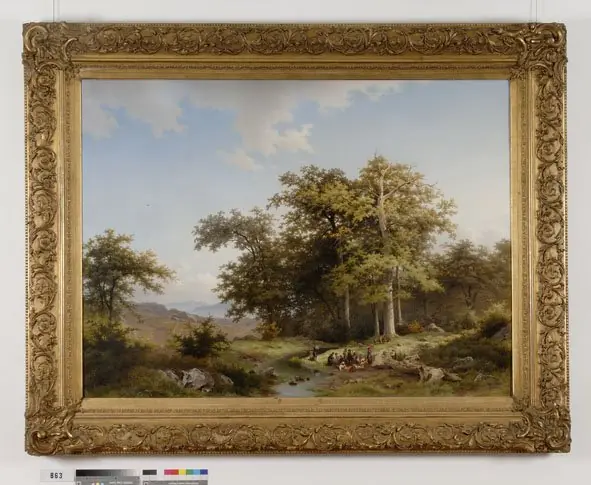 Souvenir of the Forest of Fontainebleau
 At the Waterfall
 Northern Mountain Landscape with Waterfall
 Valea Oltului (Oltul la Cozia)
 öljymaalaus
 Landscape with a Waterfall and a Hut
 The Verma Waterfalls. Study
 Berglandschap bij Appenzell
 Landscape with Rider on White Horse
 Lake in the mountains