Artwork
Norwegian Mountain Landscape
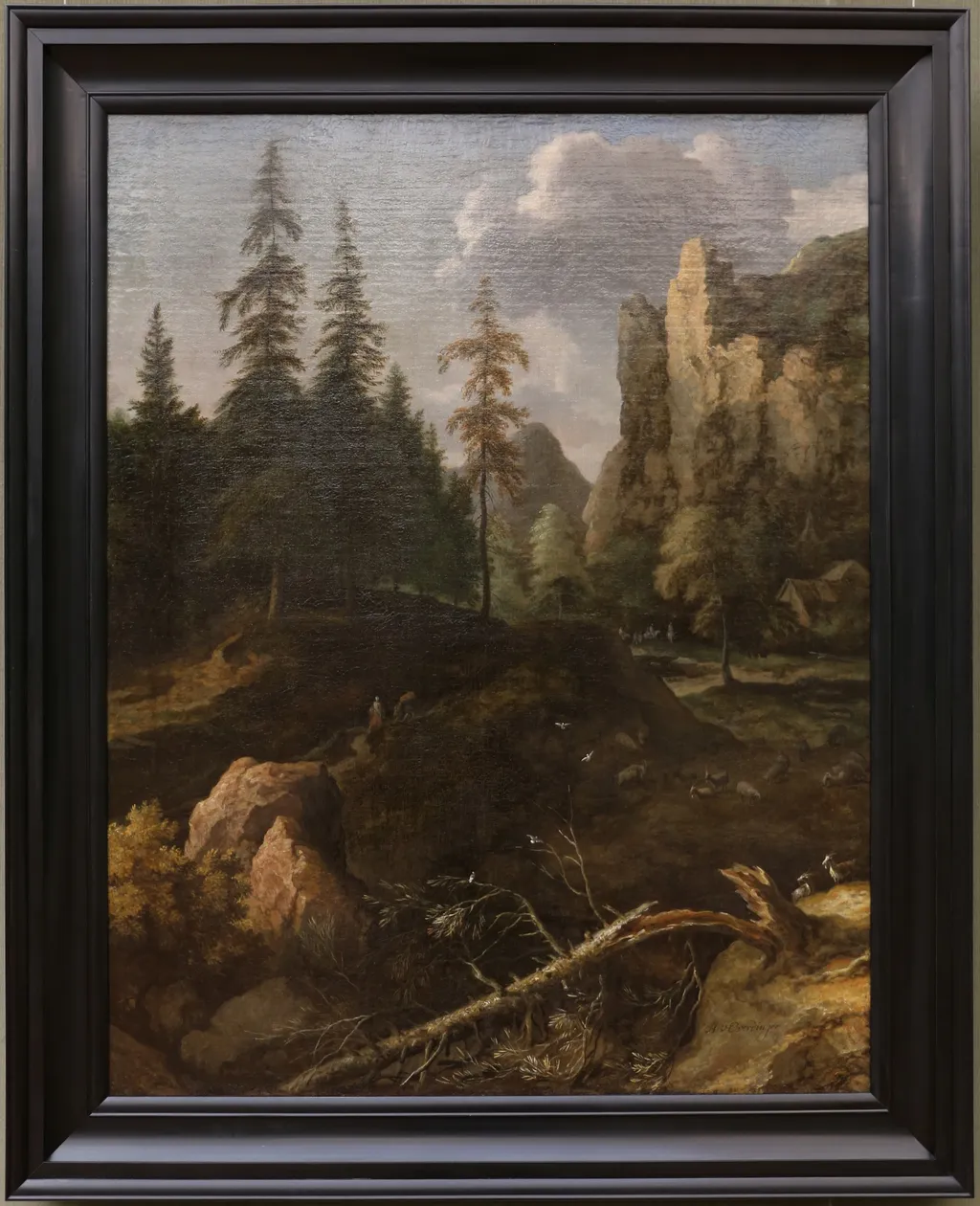
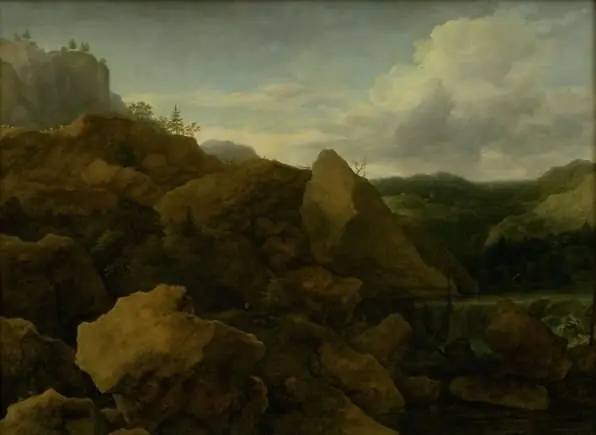
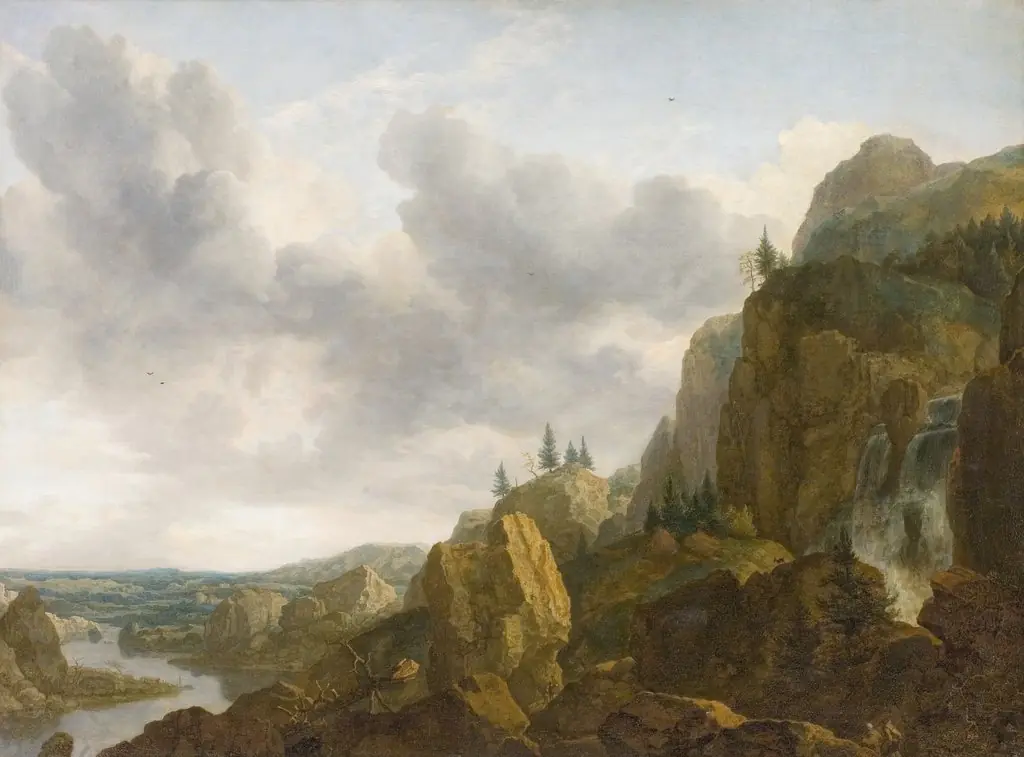
Norwegian Mountain Landscape is a paint painting by the Dutch Golden Age artist Allart van Everdingen. It dates from 1667 and is held in the collection of the Gemäldegalerie Berlin. Painted in 1667 by Dutch artist Allaert van Everdingen, this landscape captures a remote mountainous region in northern Europe.
About this work
Overview
Though Dutch by birth, van Everdingen was deeply influenced by his travels to Norway and Sweden, which shaped his distinctive approach to natural scenery.
Painted in 1667 by Dutch artist Allaert van Everdingen, this landscape captures a remote mountainous region in northern Europe. Though Dutch by birth, van Everdingen was deeply influenced by his travels to Norway and Sweden, which shaped his distinctive approach to natural scenery. The work is executed in oil on panel and reflects his preference for atmospheric, untamed terrain over idealized pastoral views. It resides today in the Gemäldegalerie, Berlin.
Subject & Meaning
The scene portrays a quiet, unpopulated mountain valley with sparse vegetation and a still body of water reflecting the surrounding peaks. There is no human presence, emphasizing nature’s solitude and endurance. The mist-shrouded summits and distant horizon suggest a world untouched by civilization, evoking a contemplative mood rather than narrative. Van Everdingen’s focus on raw topography aligns with a broader Northern European fascination with the sublime in nature.
Technique & Style
Van Everdingen employs subtle chiaroscuro to model the rugged forms of the mountains and foreground rocks, creating a sense of volume without dramatic contrast. His brushwork is restrained, with soft transitions between light and shadow that enhance the painting’s stillness. The water’s mirror-like surface is rendered with minimal detail, reinforcing calm. The palette is muted—cool grays, browns, and greens—supporting the quiet, introspective tone of the composition.
History & Provenance
The painting was completed after van Everdingen’s journey to Scandinavia in the 1640s, a rare trip for a Dutch artist of his time. It entered the collection of the Gemäldegalerie Berlin in the 19th century, likely through the acquisition of private holdings from the Prussian royal collection. Its attribution has remained consistent, with no significant disputes over authorship or date since its early documentation.
Context
While most Dutch Golden Age landscapes depicted fertile lowlands and cultivated fields, van Everdingen stood apart by turning to the wilder terrains of the North. His works responded to growing European interest in travel literature and natural philosophy, offering viewers a vision of nature as both majestic and austere. This painting reflects a shift toward landscape as an end in itself, not merely a backdrop for human activity.
Legacy
Van Everdingen’s Norwegian landscapes influenced later artists who sought to depict nature’s grandeur without romantic embellishment. His restrained palette and emphasis on atmospheric depth prefigured elements of 19th-century Romanticism, though he avoided sentimentality. Though less widely known than his contemporaries, his work remains a quiet testament to the diversity of Dutch landscape painting beyond the familiar countryside.
Artist & collection
Artist
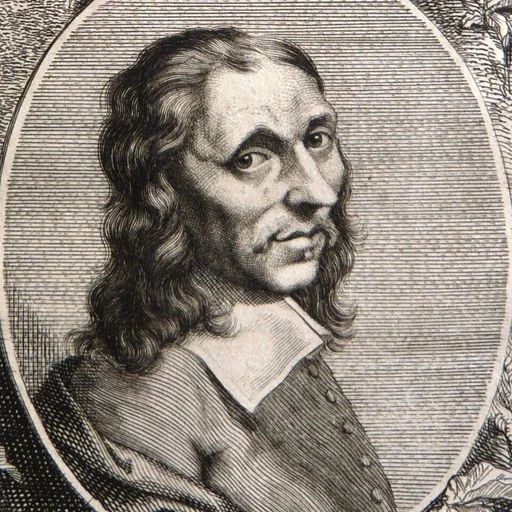
Allaert van Everdingen (Dutch pronunciation: ; bapt. 18 June 1621 – 8 November 1675 (buried)), was a Dutch Golden Age painter and printmaker in etching and mezzotint.

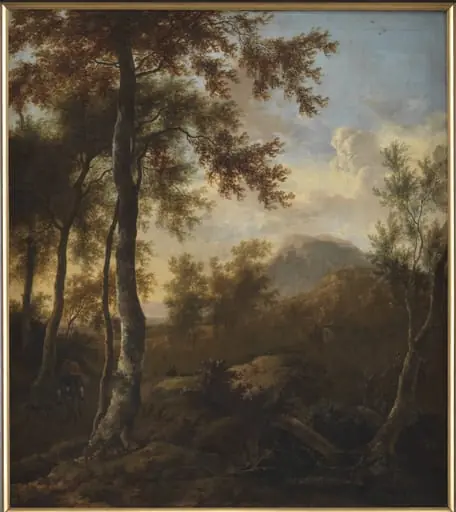 Mountain Landscape
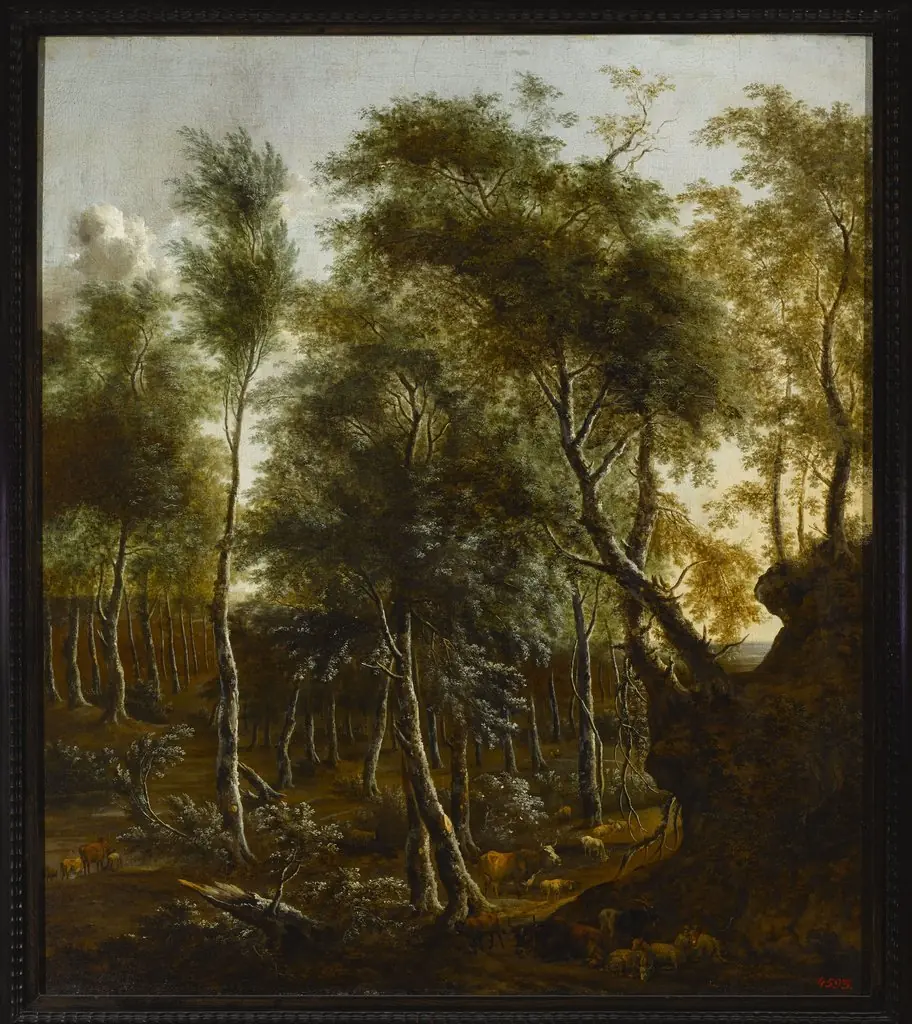 Forest landscape
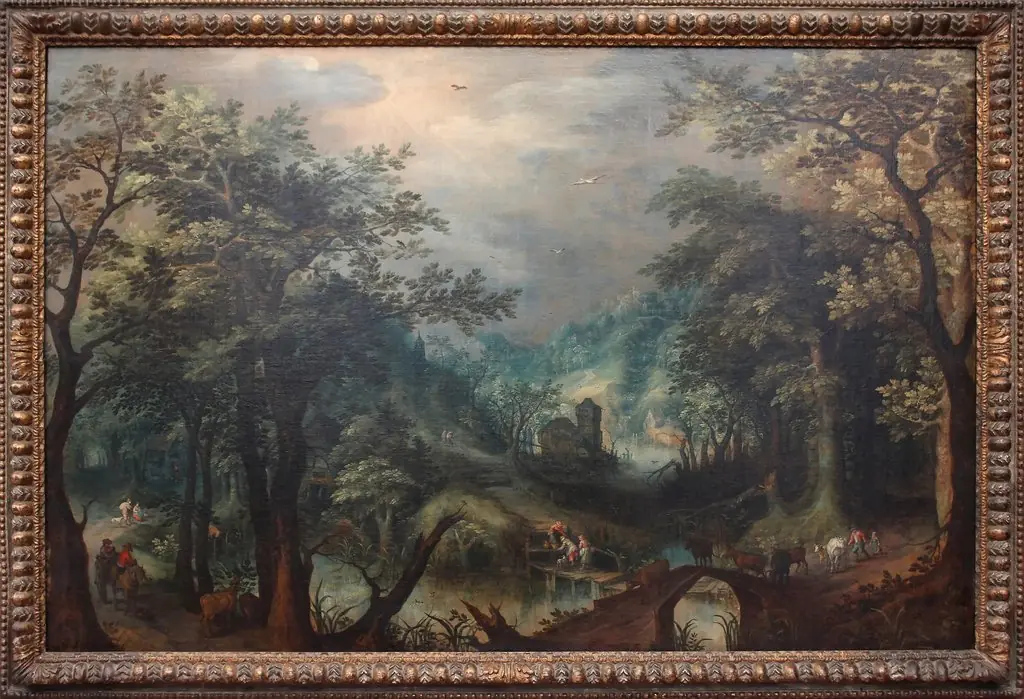 Wooded landscape with a river and cows on a bridge
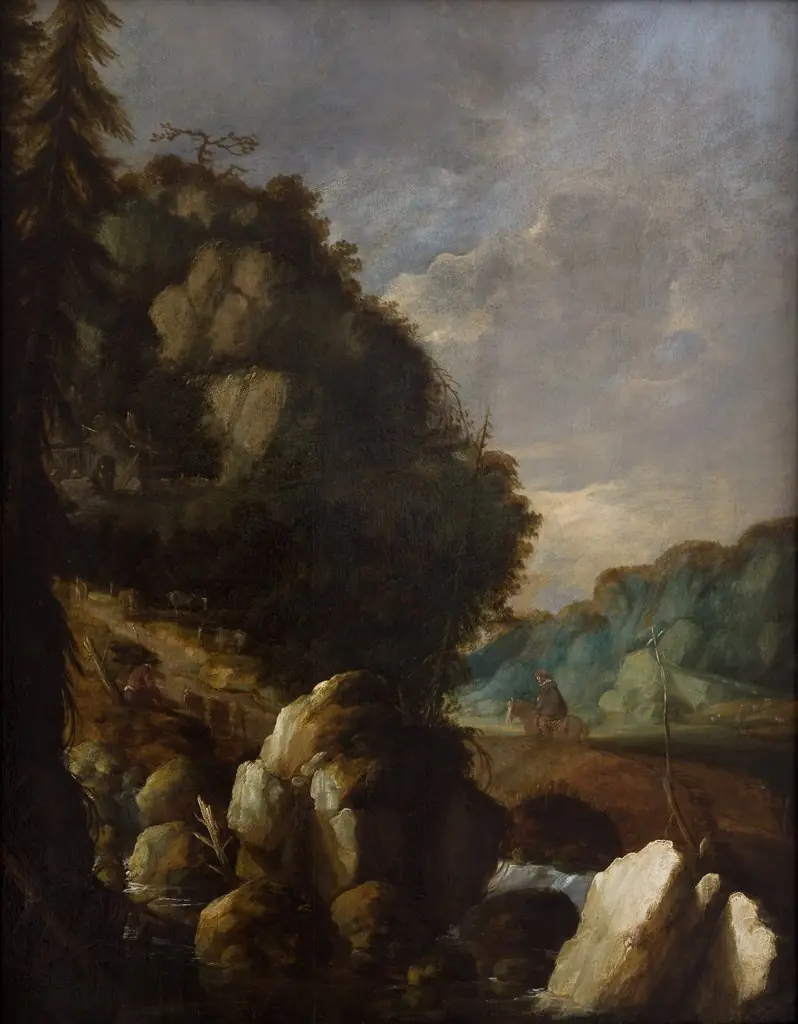 Mountain Landscape (Horseman on a Mountain Path)
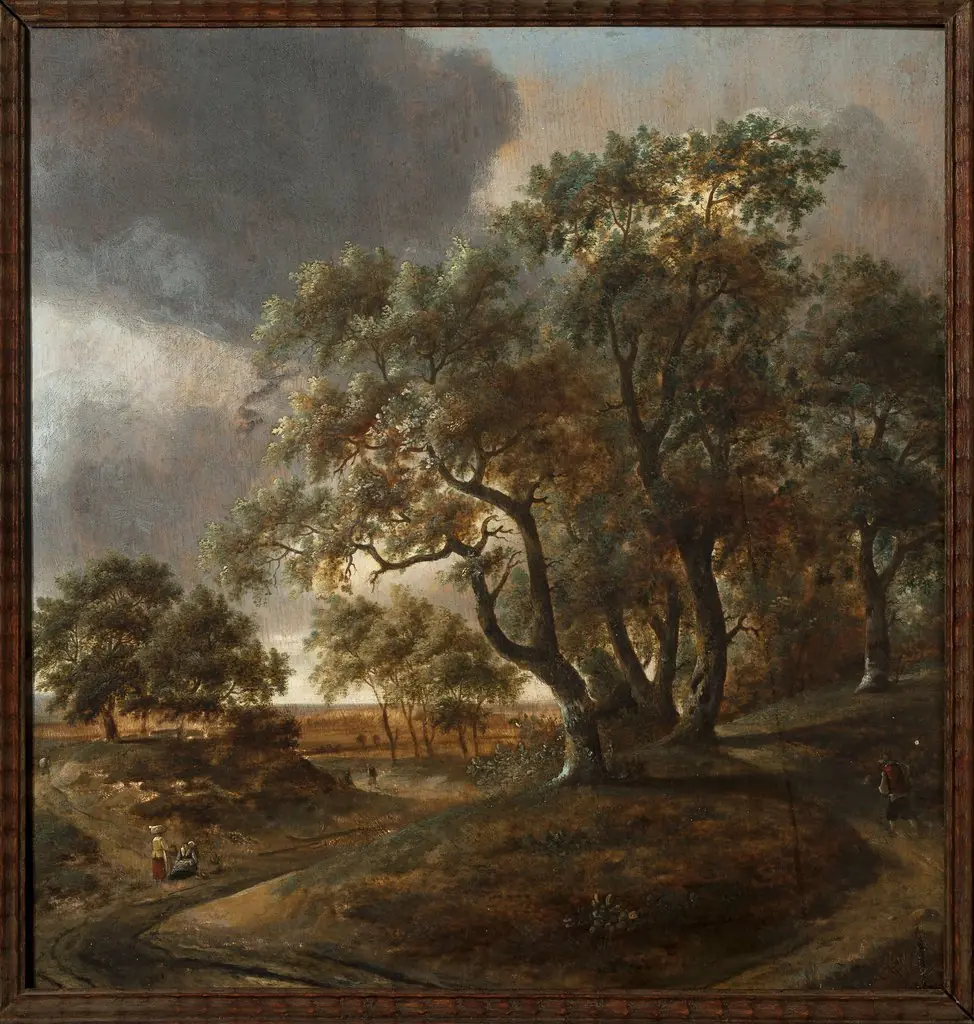 Landscape with staffage
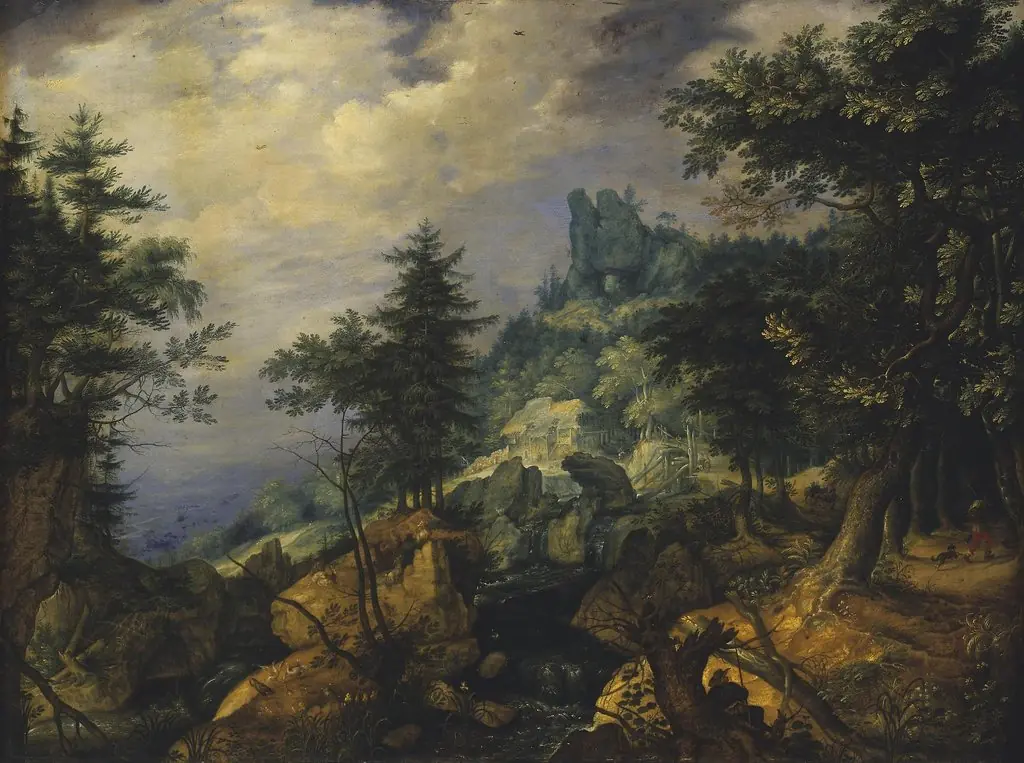 Tyrolean Landscape (The Flight into Egypt)
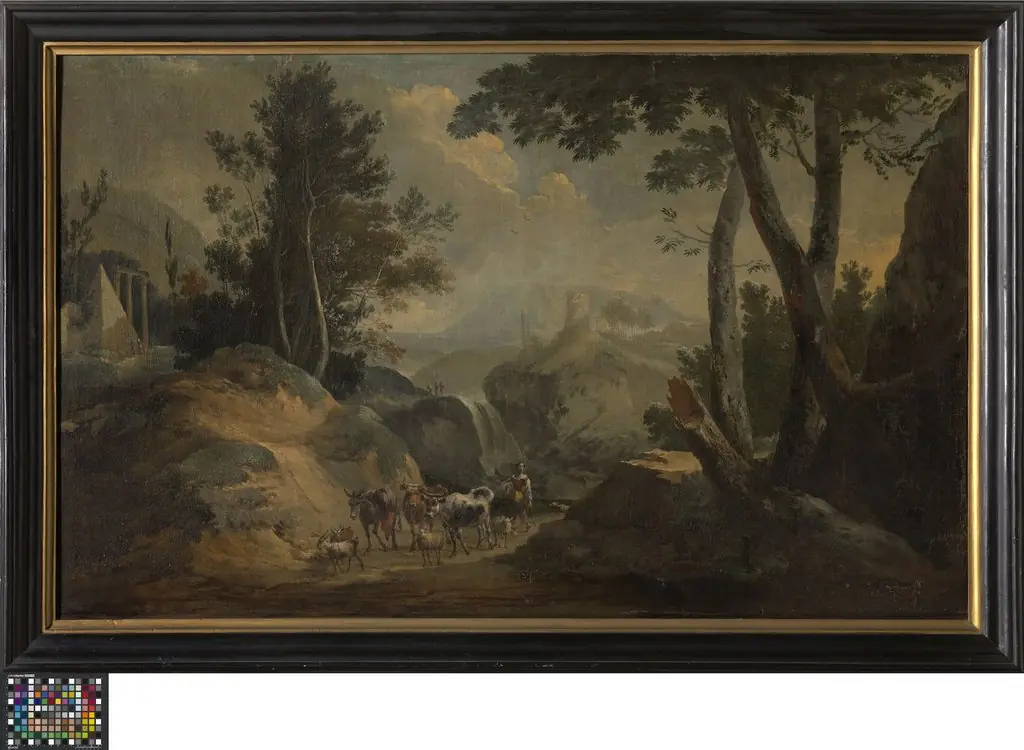 Italiaans landschap
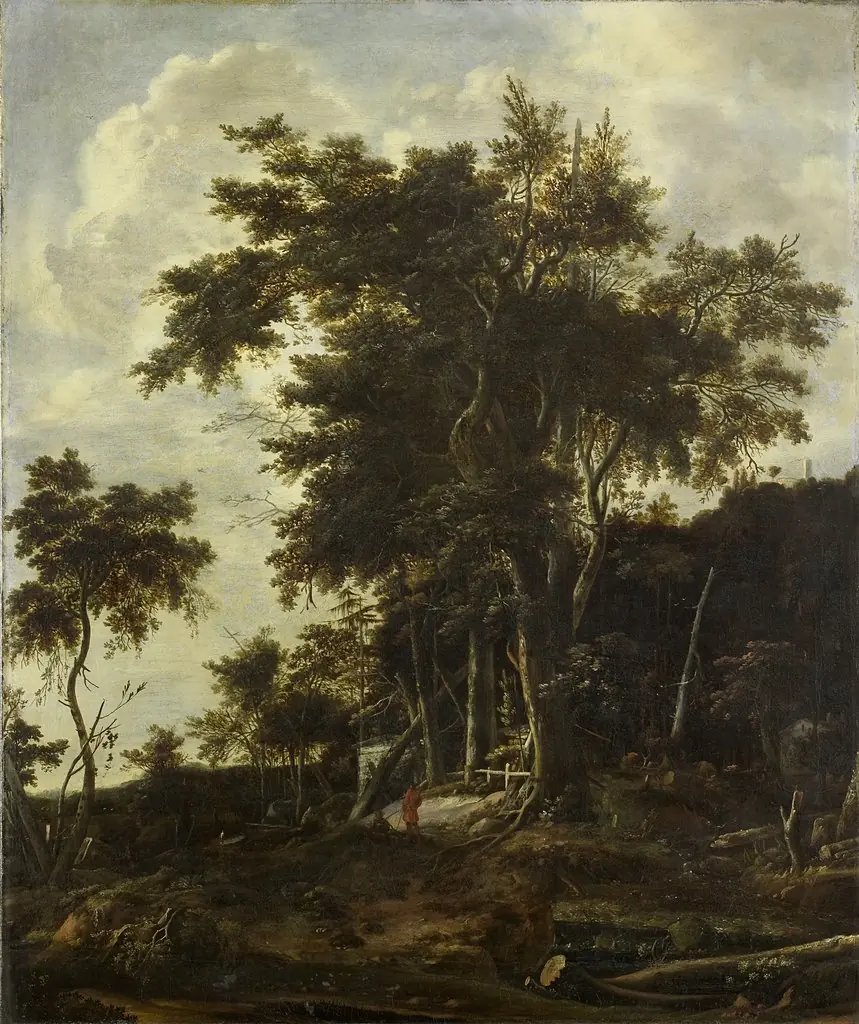 Forest landscape with a woodsman's shed
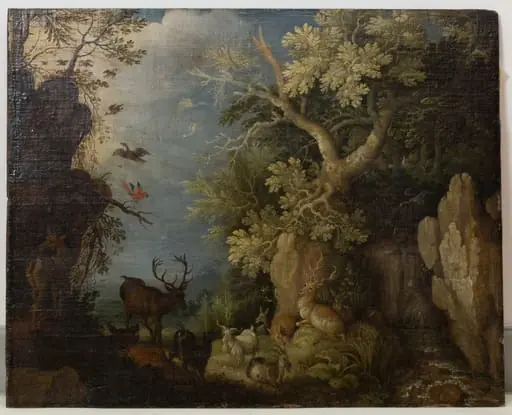 Waldlandschaft mit Tieren
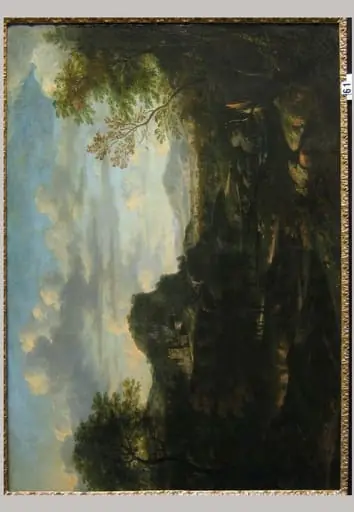 Peisaj de munte cu castel