Artwork
Thomas Lamb of Rye (1719 - 1804)
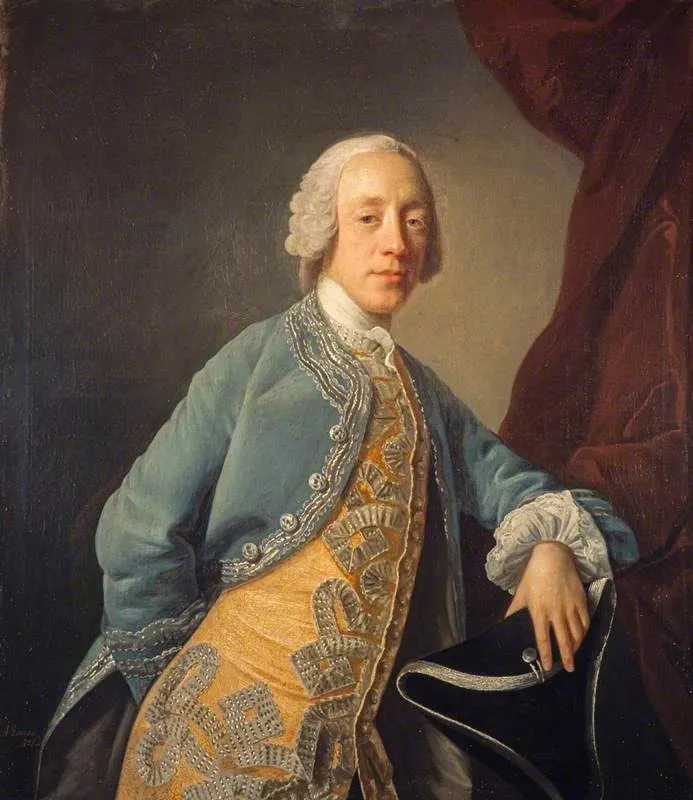
Thomas Lamb of Rye (1719 - 1804) is an oil painting by the Rococo painting artist Allan Ramsay. It dates from 1753 and is held in the collection of the National Galleries Scotland.
About this work
The painting depicts a man in an ornate blue coat with gold and silver embroidery, paired with a white shirt and a black hat.
The painting depicts a man in an ornate blue coat with gold and silver embroidery, paired with a white shirt and a black hat. He is positioned in front of a dark background, with a red curtain visible on the right side of the image.
The man's attire suggests a formal or official setting, possibly from the 18th century. The level of detail in the embroidery and the folds of the fabric indicate a high level of craftsmanship in the painting.
This painting is a fine example of the work of artist Allan Ramsay.
Overview
Painted in 1753 by Allan Ramsay, this portrait captures Thomas Lamb of Rye, a figure from the British merchant class. Executed in oil on canvas, the work belongs to the Scottish National Gallery’s collection. Its composition centers on a seated man rendered with precise attention to texture and light, reflecting Ramsay’s skill in portraying status through dress and posture rather than elaborate settings.
Subject & Meaning
Thomas Lamb, identified by his name and dates, was likely a prosperous merchant or civic figure from Rye, East Sussex. His formal attire—blue coat with metallic embroidery, white shirt, and black hat—signals wealth and social standing. The absence of symbolic objects or landscape suggests the portrait prioritizes personal dignity and material success over narrative or allegory, typical of mid-18th-century British portraiture.
Technique & Style
Ramsay employed fine brushwork to render the intricate embroidery on Lamb’s coat, using subtle highlights to suggest metallic threads. The fabric’s folds are modeled with soft transitions, while the dark background and draped red curtain isolate the figure, enhancing three-dimensionality. The palette remains restrained, focusing attention on the interplay of light and texture rather than color contrast.
History & Provenance
The painting entered the Scottish National Gallery’s collection in the 19th century, though its earlier ownership history is not fully documented. It has remained in public care since, with no record of significant restoration. Its preservation reflects its status as a representative work of Ramsay’s portraiture during his peak years in Britain.
Context
Created during Ramsay’s time as a leading portraitist in London, the work aligns with the era’s emphasis on individual identity and social rank. Merchant class subjects like Lamb were increasingly common in portraiture, replacing aristocratic patrons as the primary commissioners. Ramsay’s restrained elegance here contrasts with the grandeur of continental styles, reflecting British tastes of the period.
Legacy
The portrait stands as a quiet testament to Ramsay’s ability to convey character through detail and composure. While not among his most famous works, it exemplifies his contribution to the development of British portraiture in the 18th century—emphasizing realism, subtlety, and the dignity of non-noble subjects.
Artist & collection

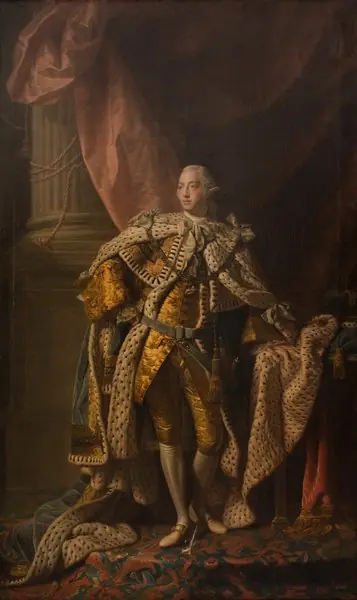 George III of England
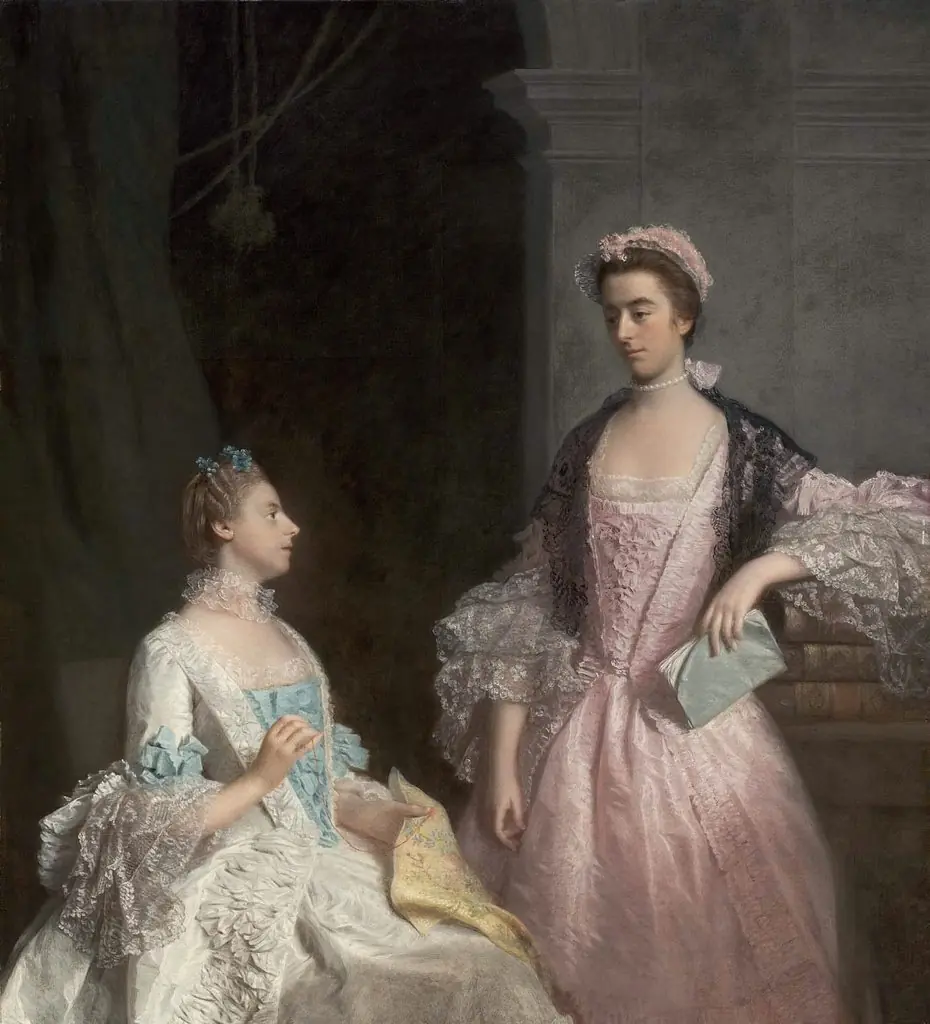 Portrait of Horace Walpole's Nieces: The Honorable Laura Keppel and Charlotte, Lady Huntingtower
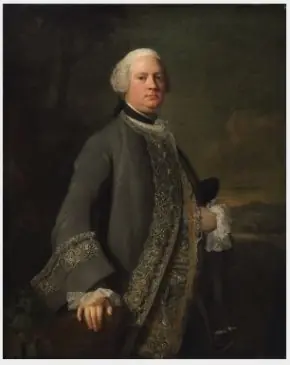 Portrait of Sir John Tyrell, Bt.
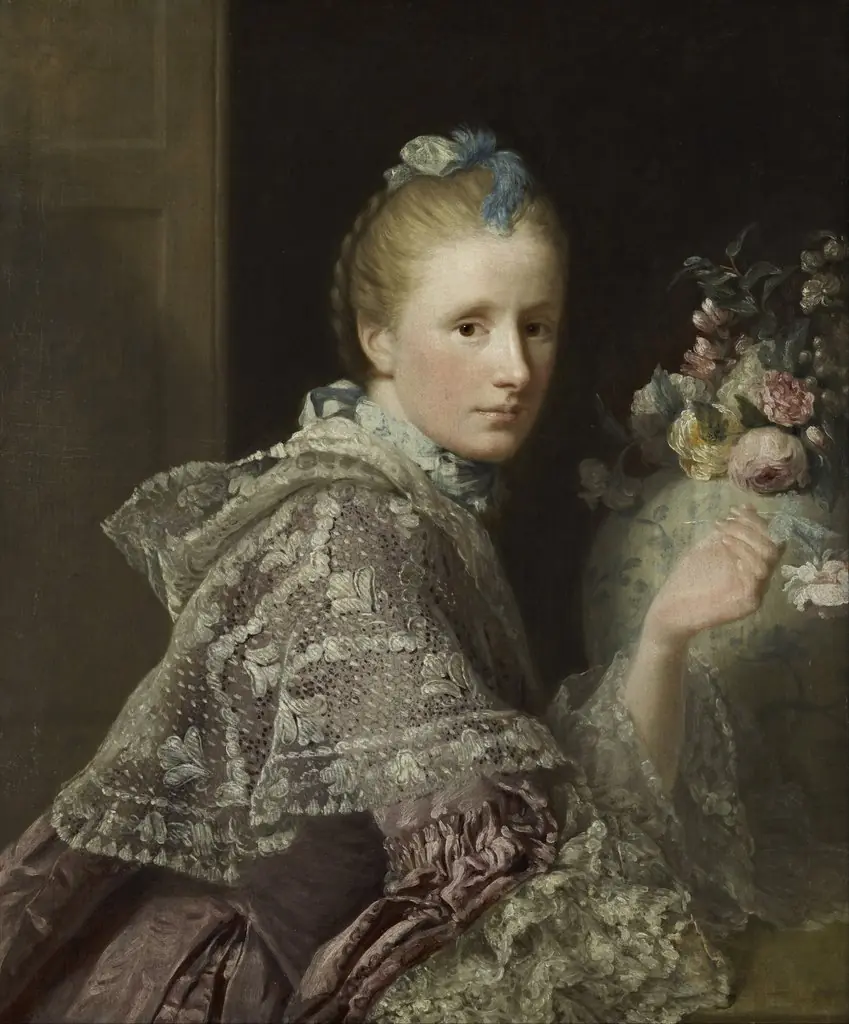 The Artist's Wife: Margaret Lindsay of Evelick
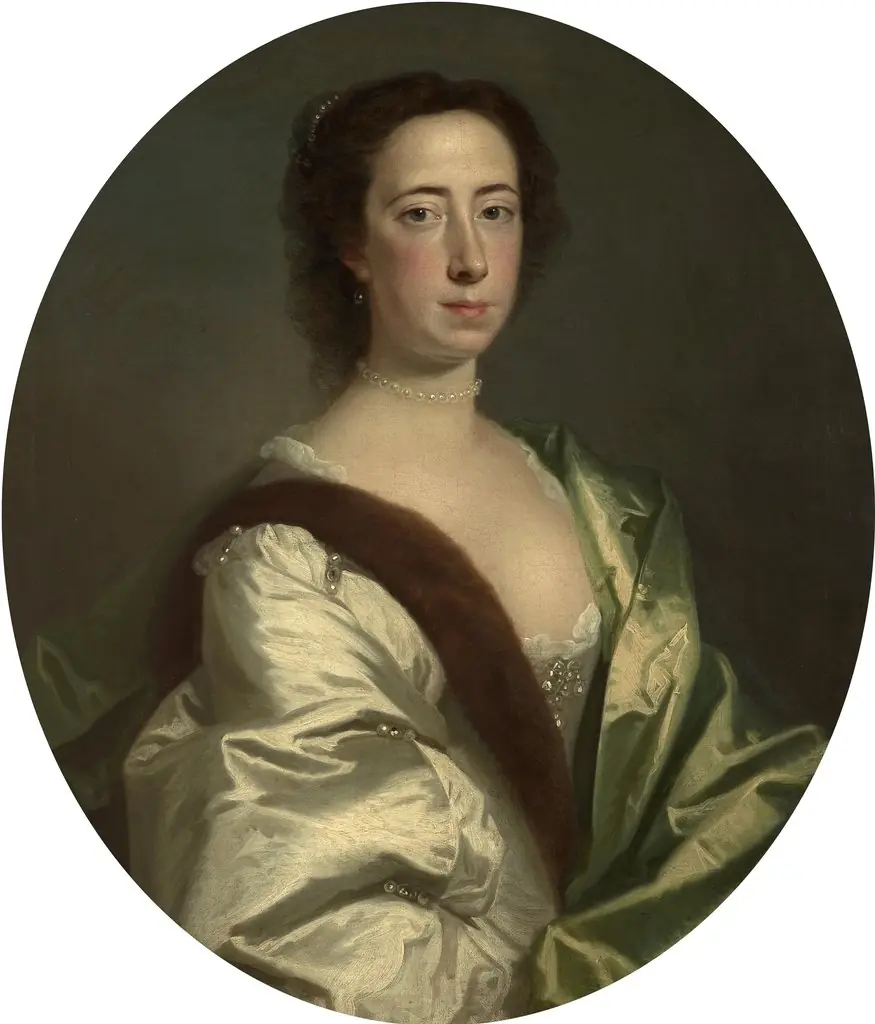 Lady Lucy Manners, Duchess of Montrose (1717 - 1788)
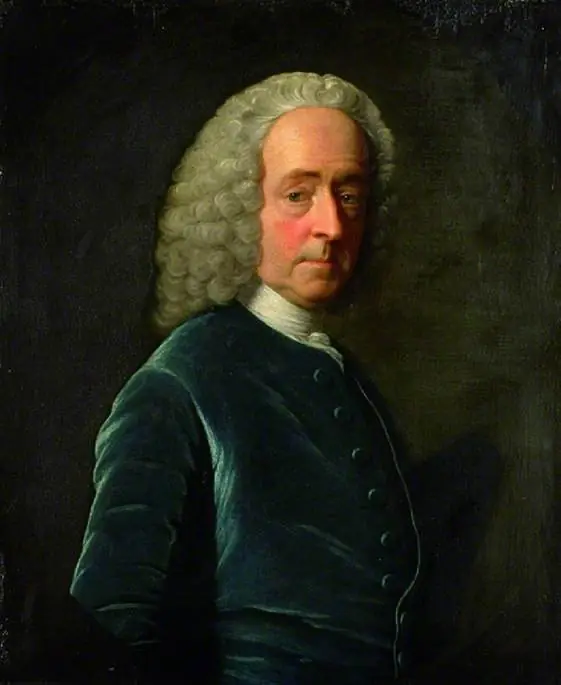 Portrait of James Haughton Langston
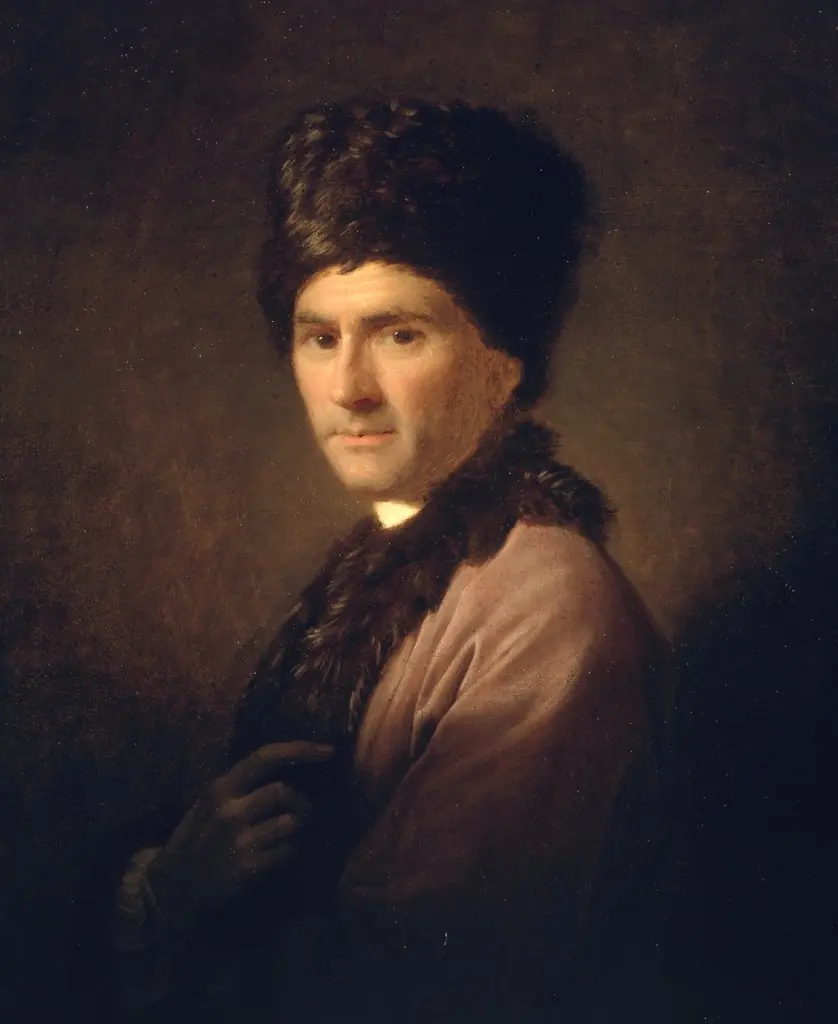 Jean-Jacques Rousseau
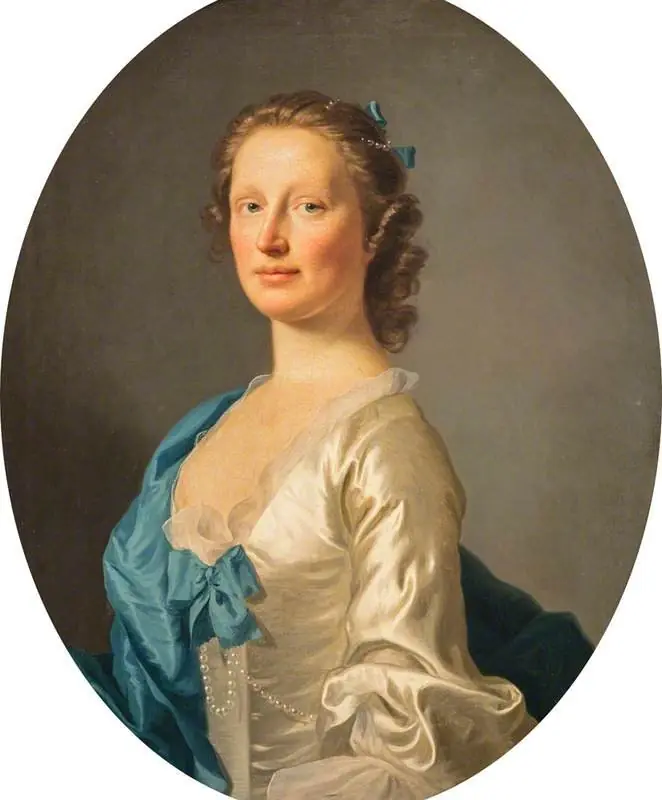 Portrait of a Lady, formerly called Flora Macdonald
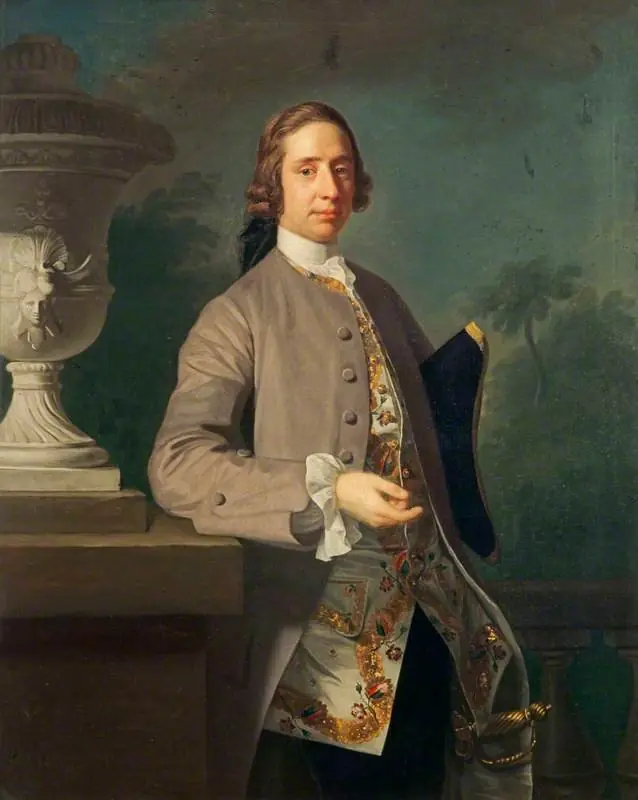 George Bristow (1727 - 1815)
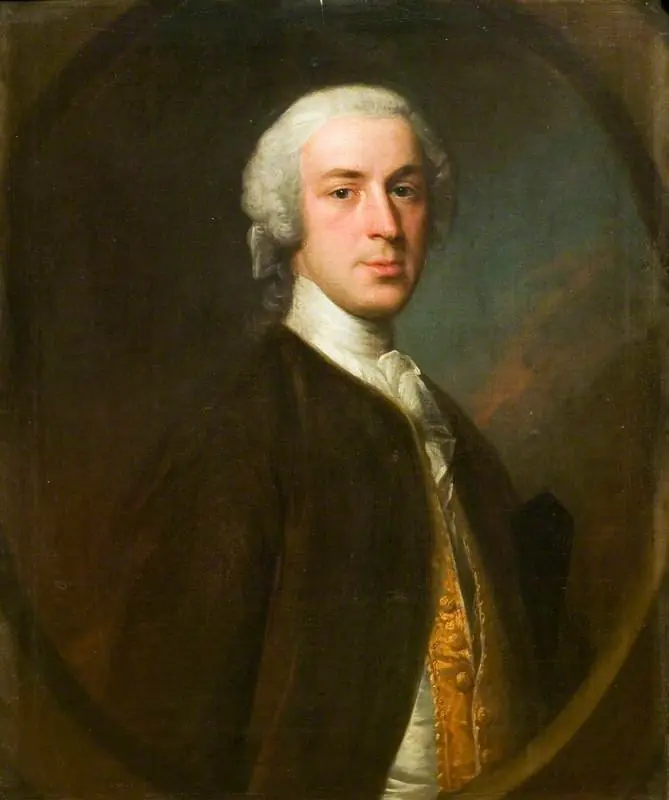 Portrait of an Unknown Man
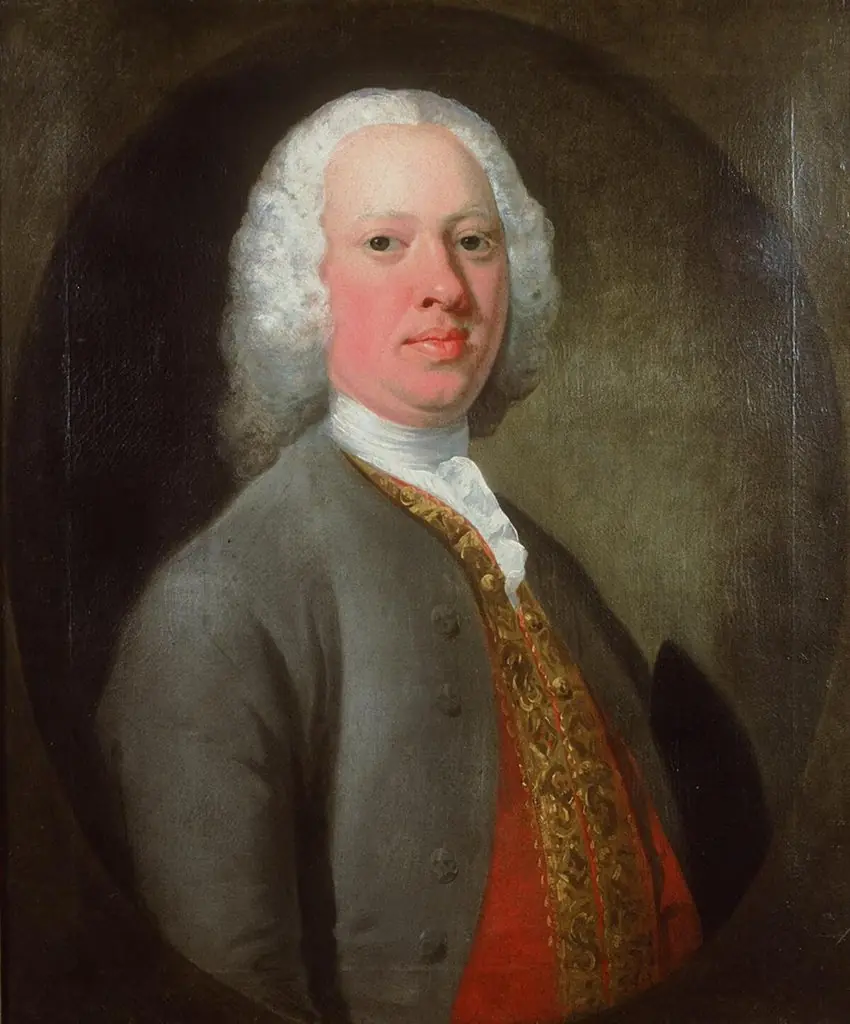 Edward Thelwall
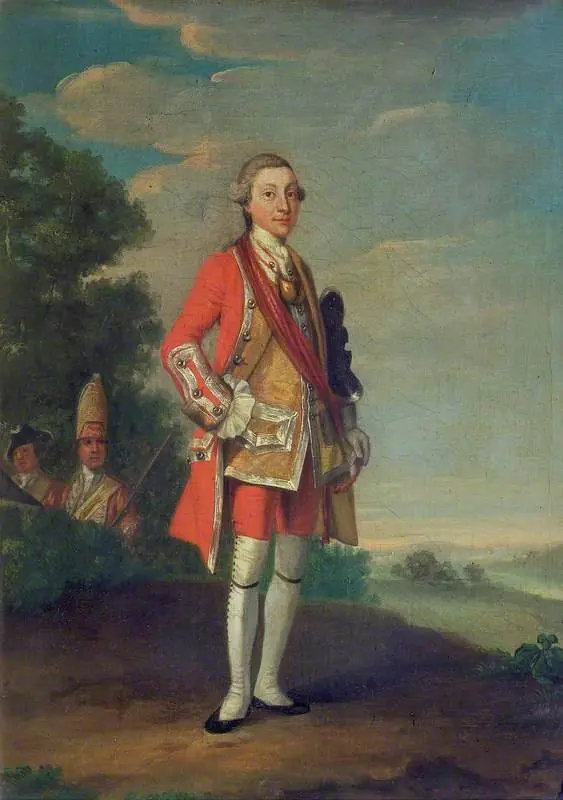 William Augustus (1721–1765), Duke of Cumberland, Son of George II
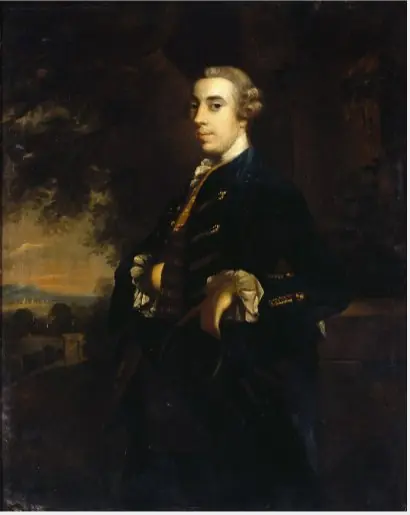 Portrait of James Fitzgerald, 20th Earl of Kildare, later 1st Duke of Leinster
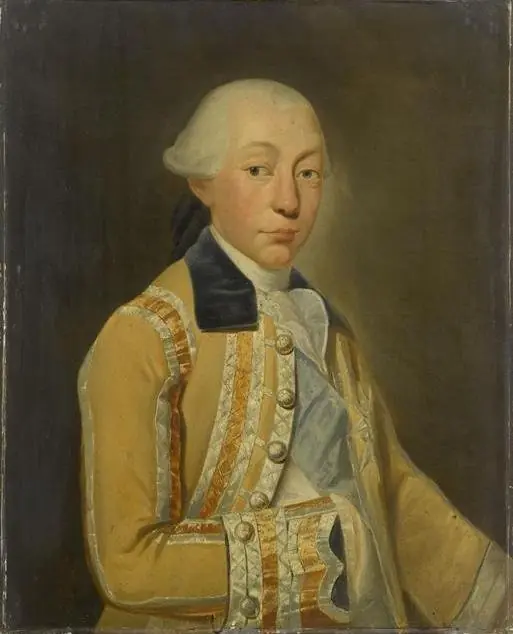 Portrait of Louis François Joseph de Bourbon, Prince of Conti in hunting costume
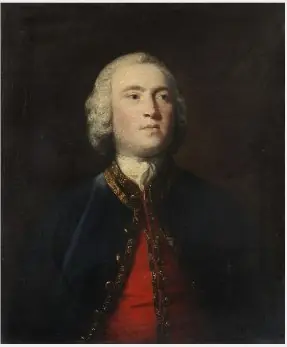 Portrait of Captain George Edgcumbe, later 1st Earl of Mount-Edgcumbe (1720-1795)
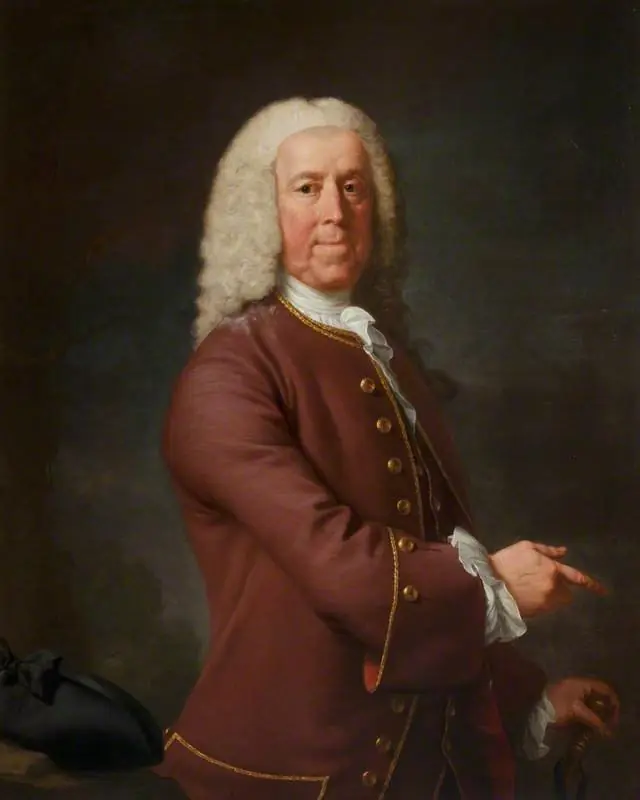 Portrait of a Gentleman
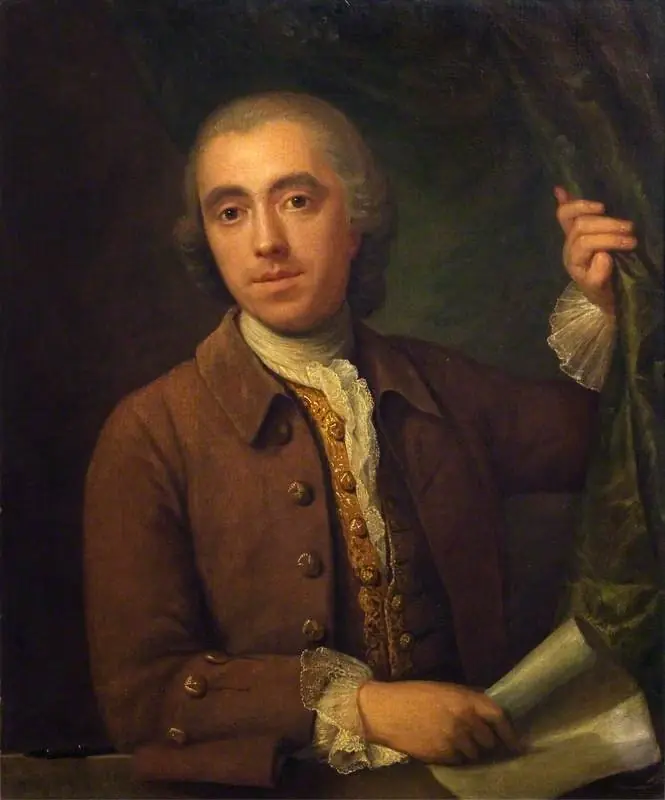 Portrait of an Unknown Man
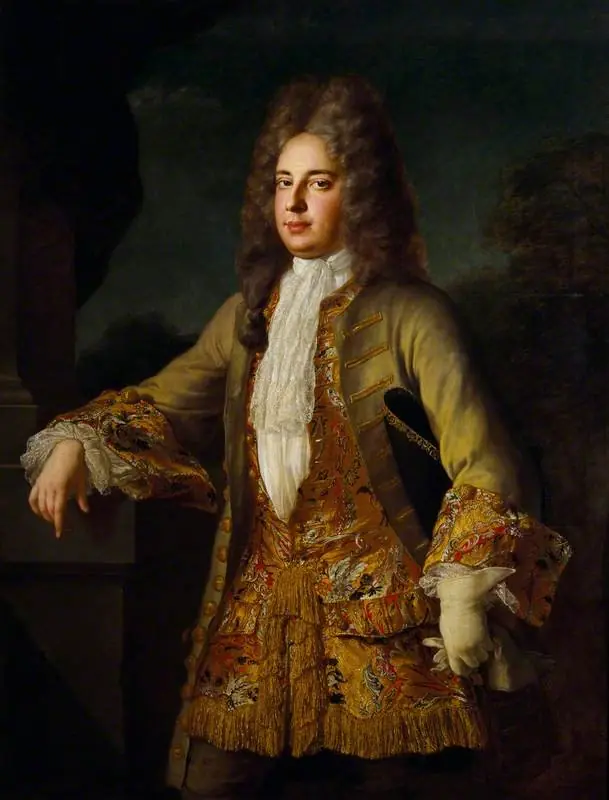 Portrait of an Unknown Man (said to be Matthew Prior, 1664–1721)
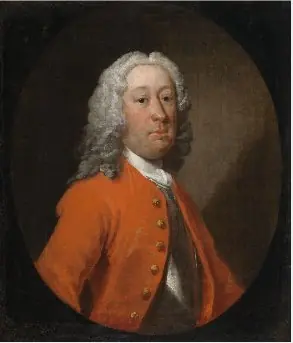 Portrait of a Military Gentleman, possibly General George Wade (1673-1748)
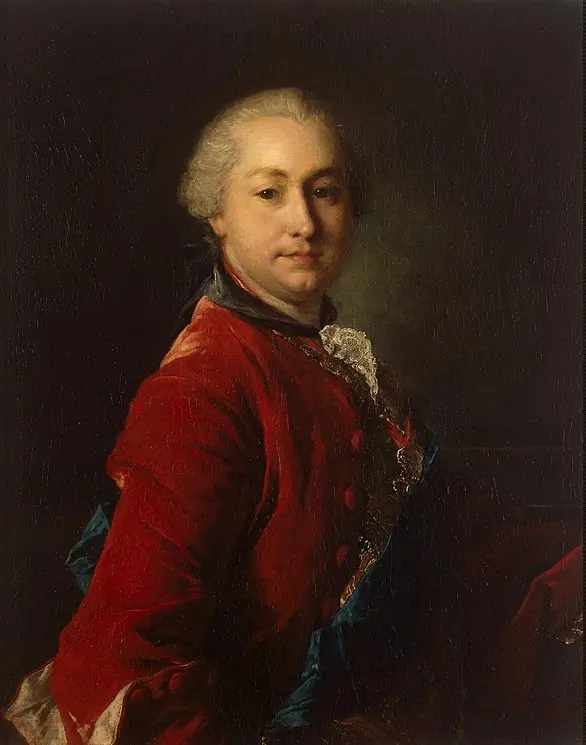 Portrait of Ivan Shuvalov