Artwork
Portrait of James Fitzgerald, 20th Earl of Kildare, later 1st Duke of Leinster
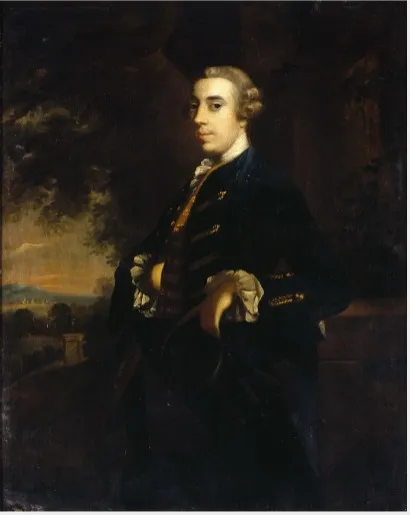
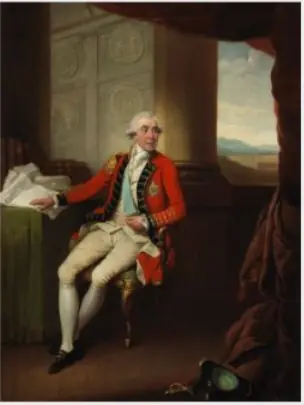
Portrait of James Fitzgerald, 20th Earl of Kildare, later 1st Duke of Leinster is an oil painting by Robert Hunter. It is held in the collection of the National Gallery of Ireland.
About this work
Overview
This oil painting by Robert Hunter depicts James Fitzgerald, who held the title of 20th Earl of Kildare and later became the 1st Duke of Leinster.
This oil painting by Robert Hunter depicts James Fitzgerald, who held the title of 20th Earl of Kildare and later became the 1st Duke of Leinster. Executed in the 18th century, the portrait is part of the National Gallery of Ireland’s collection. It presents the subject in a formal, full-length stance against a dim interior, with a faint landscape visible through a window, suggesting both status and introspection.
Subject & Meaning
The subject, James Fitzgerald, is portrayed as a nobleman of influence, dressed in a dark blue coat adorned with gold embroidery and a crisp white collar. His right hand rests on the hilt of a sword, a conventional symbol of authority and martial readiness. The subtle turn of his head and calm gaze convey dignity rather than aggression, reflecting the composure expected of aristocratic identity during this period.
Technique & Style
Hunter employs chiaroscuro to model the figure with strong contrasts between light and shadow, enhancing the three-dimensionality of the form. The dark interior recedes behind the subject, while a narrow band of daylight from the window provides a quiet counterpoint. The brushwork is precise in the fabric details and softer in the background, directing focus to the sitter’s presence without overt theatricality.
History & Provenance
Commissioned during Fitzgerald’s tenure as Earl of Kildare, the portrait predates his elevation to Duke of Leinster in 1766. It remained within the Leinster family collection before entering the National Gallery of Ireland’s holdings. Its preservation reflects the family’s enduring cultural patronage and the portrait’s role as a record of aristocratic identity in Georgian Ireland.
Context
Painted in the mid-18th century, the portrait aligns with British and Irish aristocratic portraiture that emphasized lineage and social standing. The inclusion of a landscape beyond the window nods to landed estate ownership, a key marker of noble status. The restrained palette and somber tone reflect a shift away from Baroque flamboyance toward a more subdued, classical ideal of nobility.
Legacy
The portrait endures as a representative example of Irish aristocratic imagery from the Georgian era. While not widely exhibited, it contributes to scholarly understanding of how noble families in Ireland visually asserted their position within the broader British Isles. Its quiet composition and technical restraint distinguish it from more ornate contemporary works.
Artist & collection
Artist
Robert Hunter painted oil portraits of Irish aristocrats and thinkers in the 1700s.

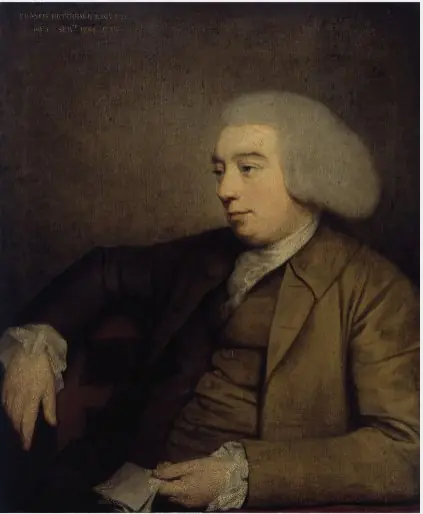
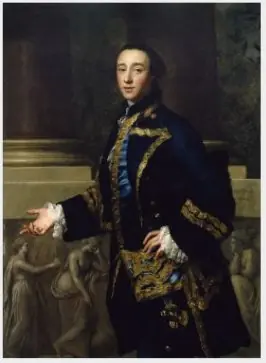 Portrait of Thomas Conolly (1738-1803)
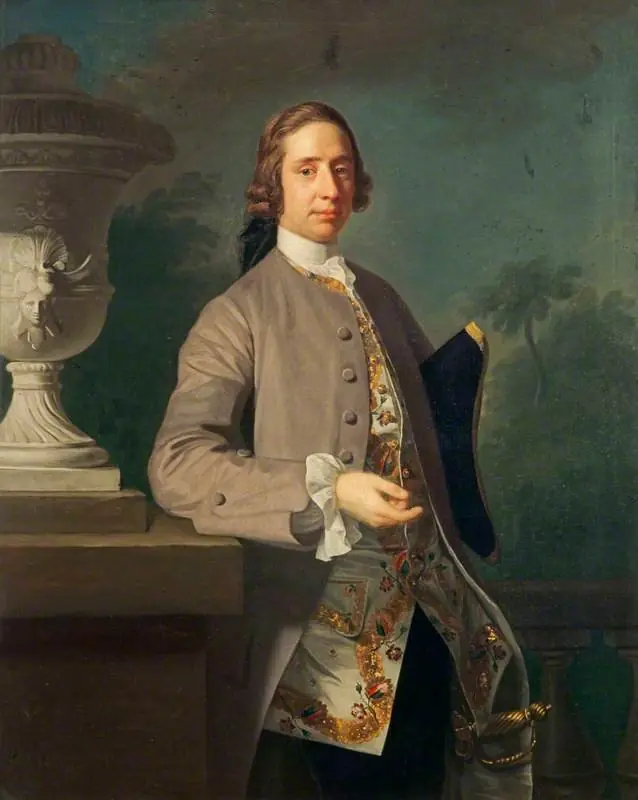 George Bristow (1727 - 1815)
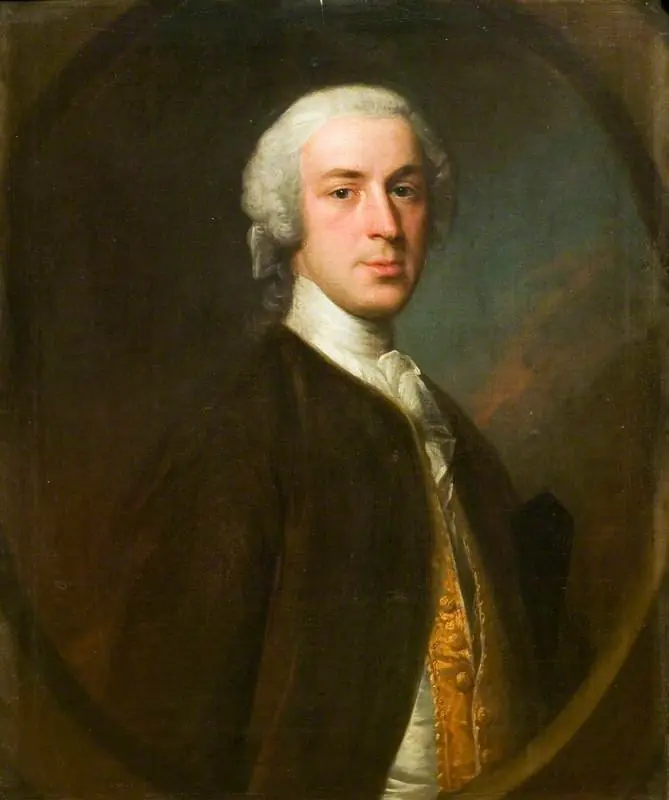 Portrait of an Unknown Man
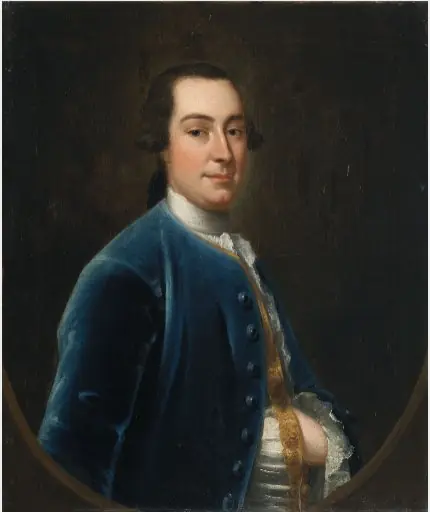 Portrait of a Man in a Blue Jacket
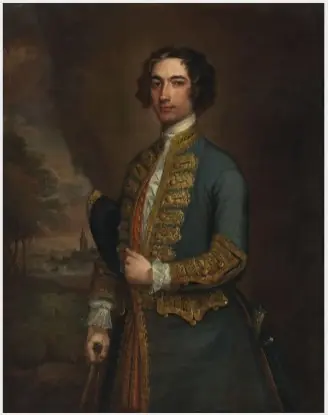 Portrait of William Conolly, M.P. (d.1754)
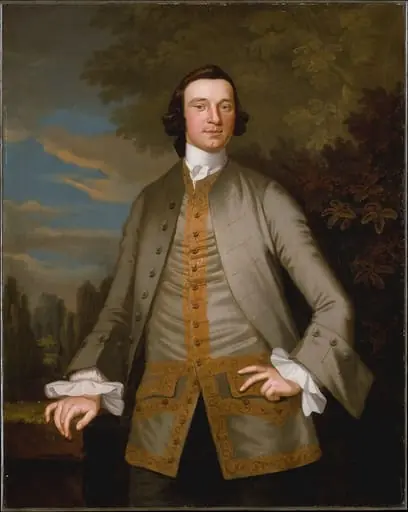 William Axtell
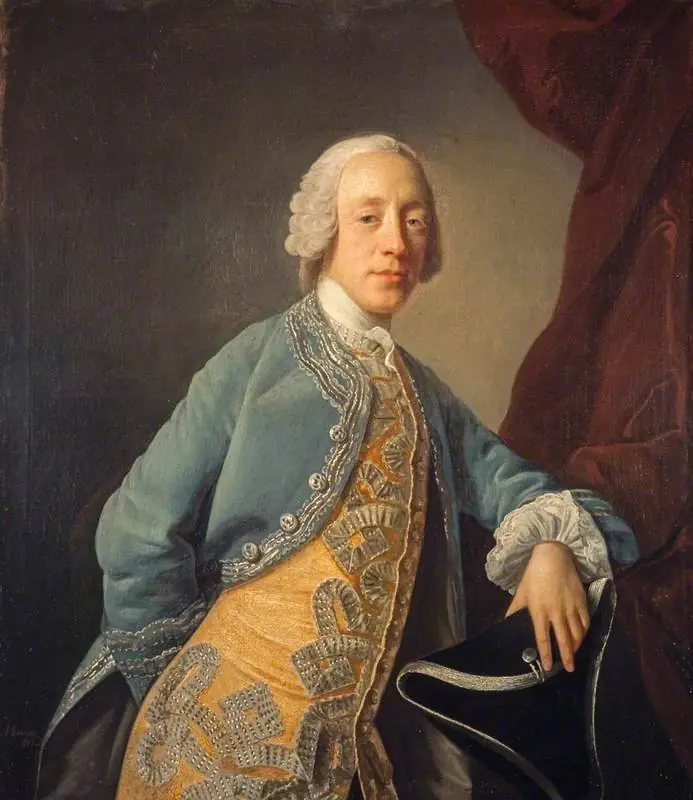 Thomas Lamb of Rye (1719 - 1804)
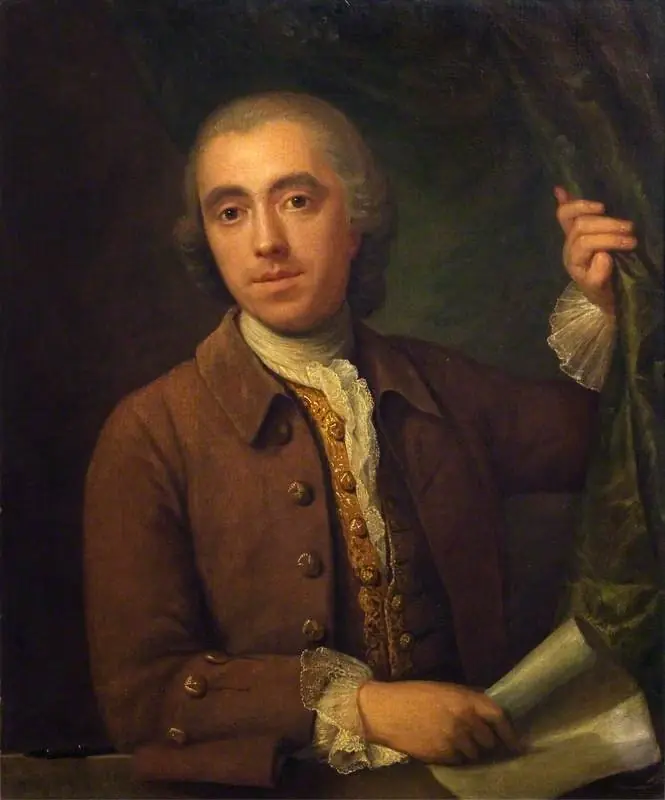 Portrait of an Unknown Man
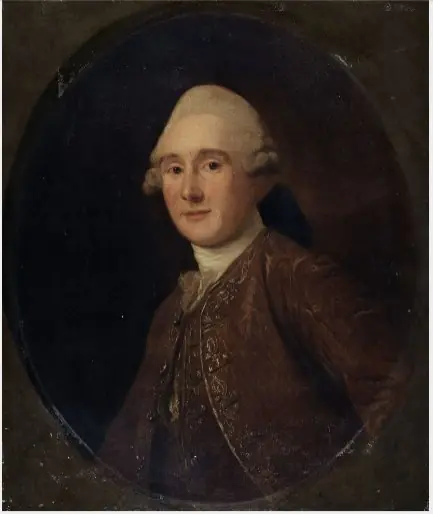 Portrait of a Man, formerly Known as Sir Richard Robinson, Archibishop of Armagh (1709-1794)
 Self-Portrait
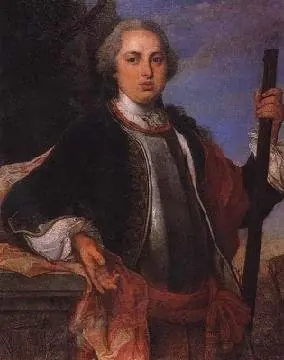 Portrait of D. Lourenço José Brotas de Lencastre
 Portrait of James Caulfield, 1st Earl of Charlemont (1728-1799)