Artwork
George III of England
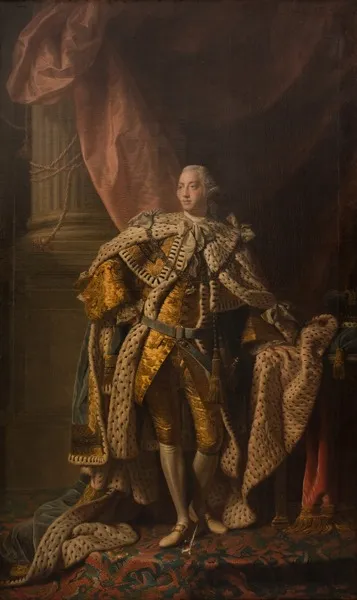
George III of England is an oil painting by the Rococo painting artist Allan Ramsay. It dates from 1765 and is held in the collection of the Statens Museum for Kunst.
About this work
Overview
Painted in 1765 by the Scottish artist Allan Ramsay, this oil portrait depicts George III, the first Hanoverian monarch born in Great Britain.
Painted in 1765 by the Scottish artist Allan Ramsay, this oil portrait depicts George III, the first Hanoverian monarch born in Great Britain. Commissioned early in the king's reign, the work served as the definitive official image of the new sovereign, establishing a visual language of stability and constitutional authority that would be widely disseminated through engravings. The composition presents the King standing full-length, clad in the heavy crimson velvet robes of the Order of the Garter, trimmed with gold lace and lined with ermine. He wears a white powdered wig and the Garter sash across his chest, with the Star of the Order visible on his left breast. His pose is formal and static, with one foot advanced, conveying a sense of dignified stillness rather than dynamic action. The background is subdued, featuring a dark curtain that frames the figure against a dimly lit interior, ensuring the viewer's focus remains entirely on the monarch and his regalia. Ramsay's technique emphasizes the rich textures of the fabrics and the solemnity of the subject, moving away from the theatrical grandeur of earlier Stuart portraits toward a more restrained, neoclassical ideal of kingship. This portrait remains a cornerstone of British royal portraiture, defining the public image of George III for decades.
Subject & Meaning
The sitter is shown in elaborate gold and crimson robes, a powdered white wig, and a sash crossing his chest, symbols of royal authority and courtly rank. His stance, with one foot slightly advanced, conveys a controlled dignity, while the subdued backdrop suggests a ceremonial space rather than a domestic interior.
Technique & Style
Ramsay employs a restrained palette of deep reds, golds, and muted shadows, allowing the light to catch the embroidered details of the fabric. The chiaroscuro effect creates a subtle contrast between the illuminated figure and the darkened curtain behind, lending the portrait a measured sense of depth and gravitas.
History & Provenance
Completed shortly after George III’s accession, the portrait was likely intended for official display or diplomatic exchange. Over the centuries it entered various private and institutional holdings before being acquired by the Statens Museum for Kunst, where it remains on view as part of the museum’s European portrait collection.
Artist & collection

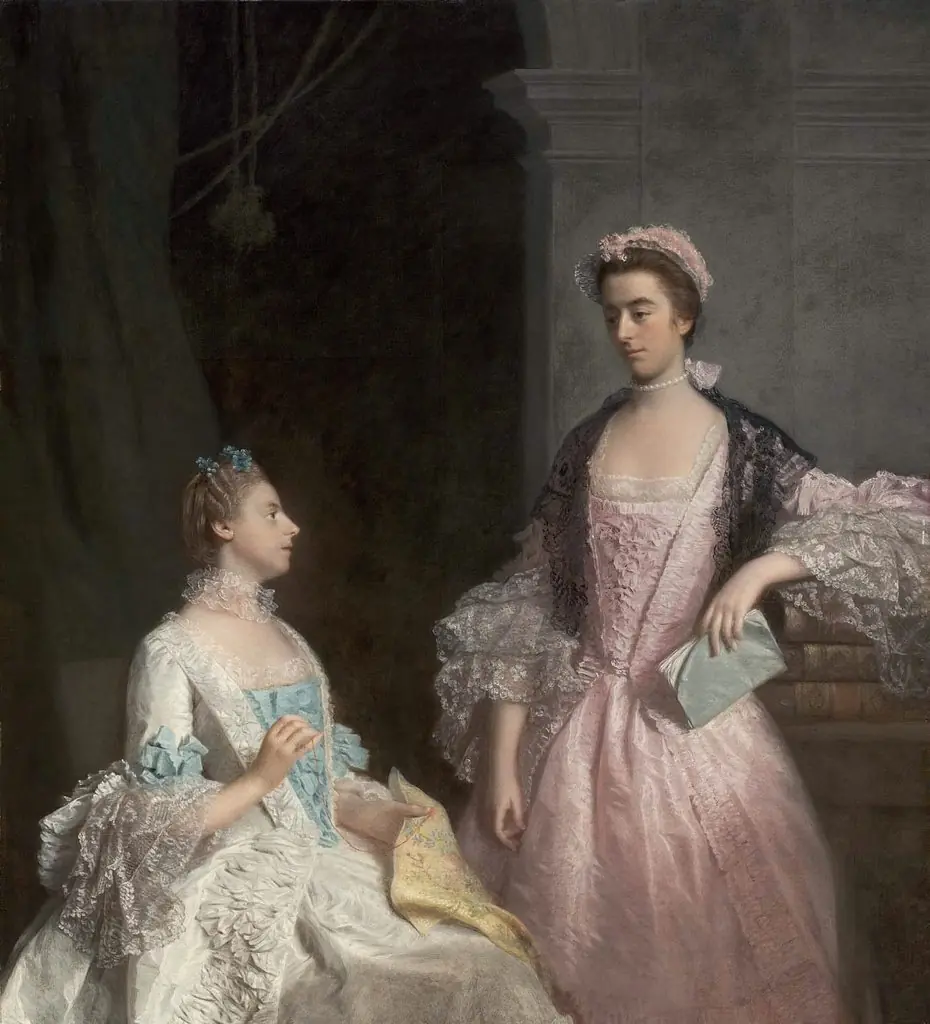 Portrait of Horace Walpole's Nieces: The Honorable Laura Keppel and Charlotte, Lady Huntingtower
 Portrait of Sir John Tyrell, Bt.
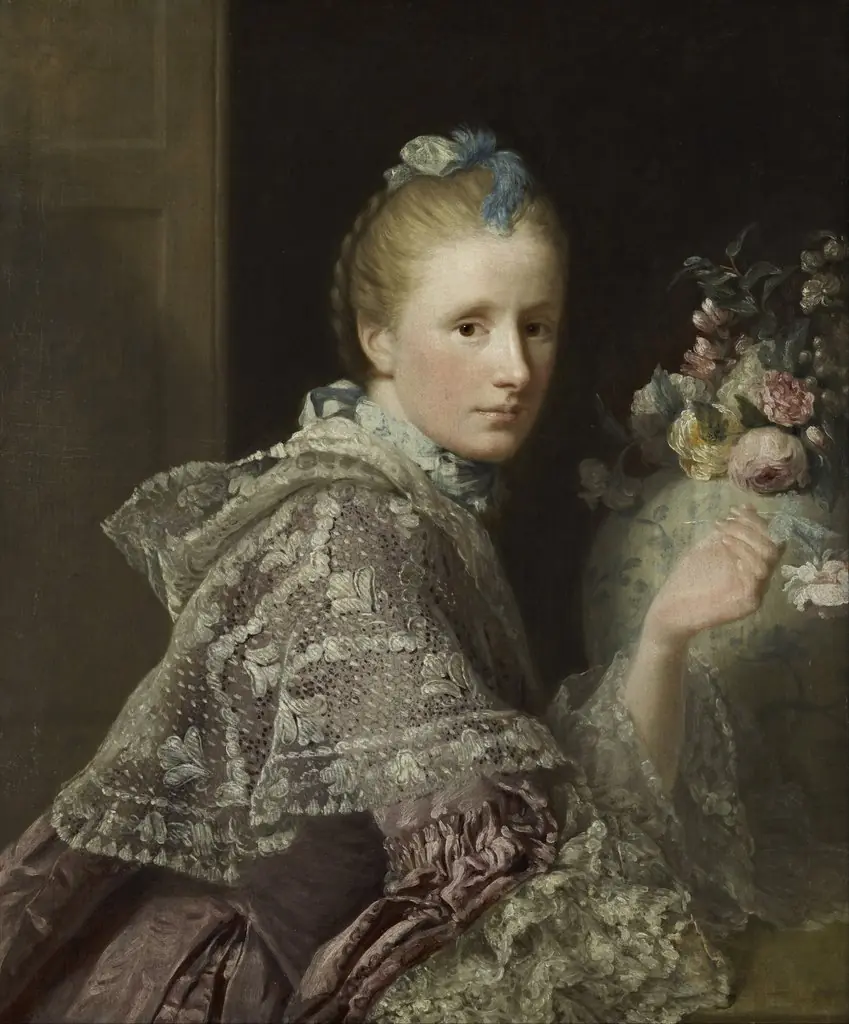 The Artist's Wife: Margaret Lindsay of Evelick
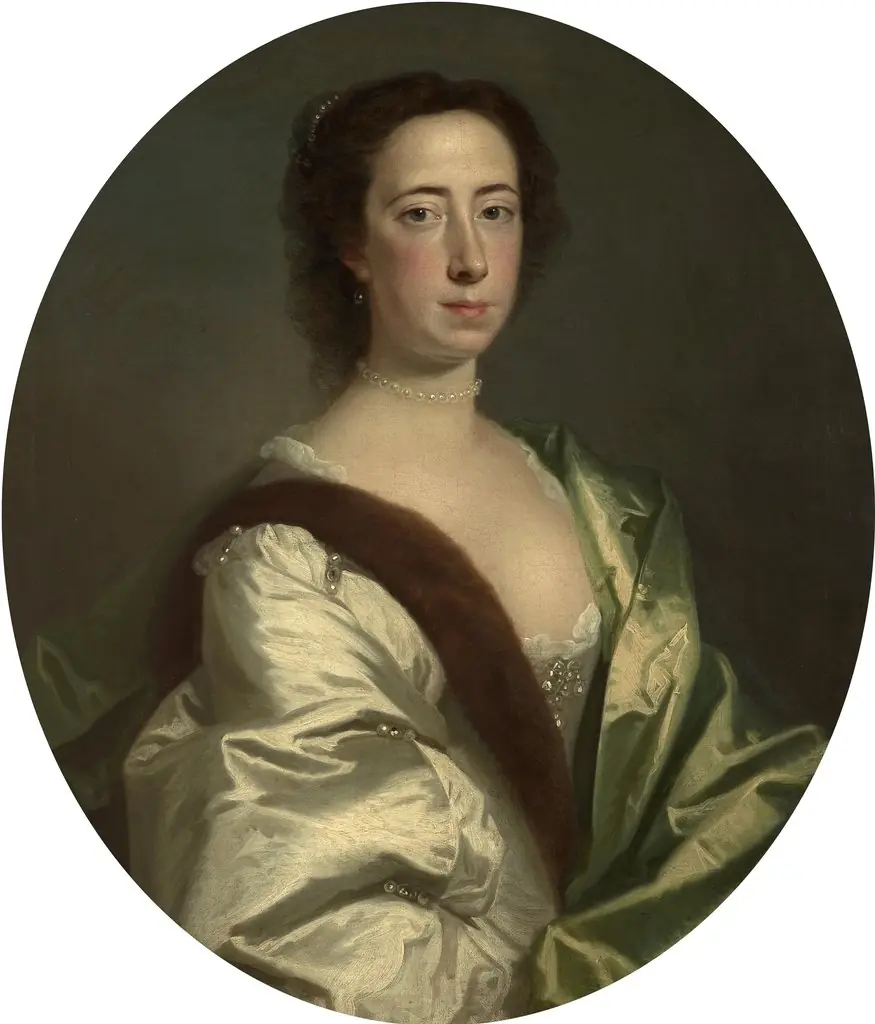 Lady Lucy Manners, Duchess of Montrose (1717 - 1788)
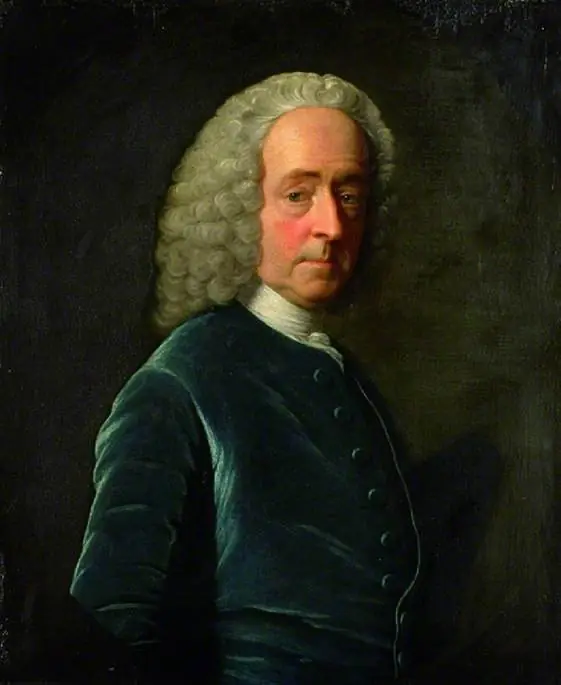 Portrait of James Haughton Langston
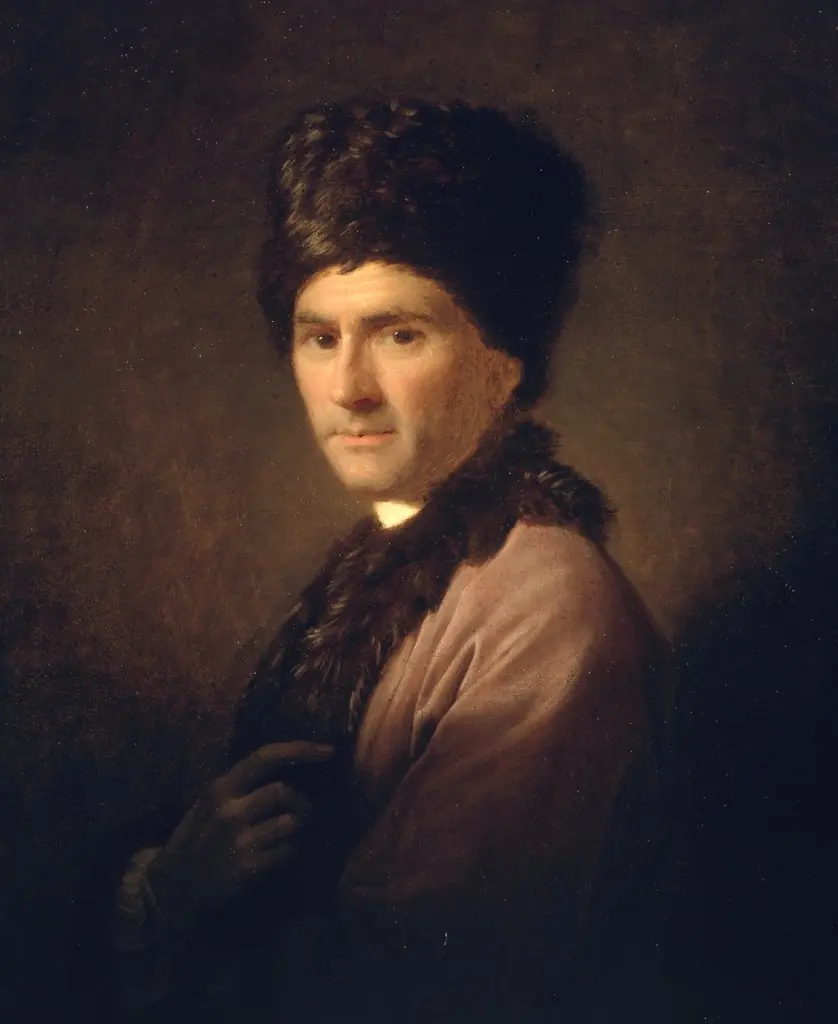 Jean-Jacques Rousseau
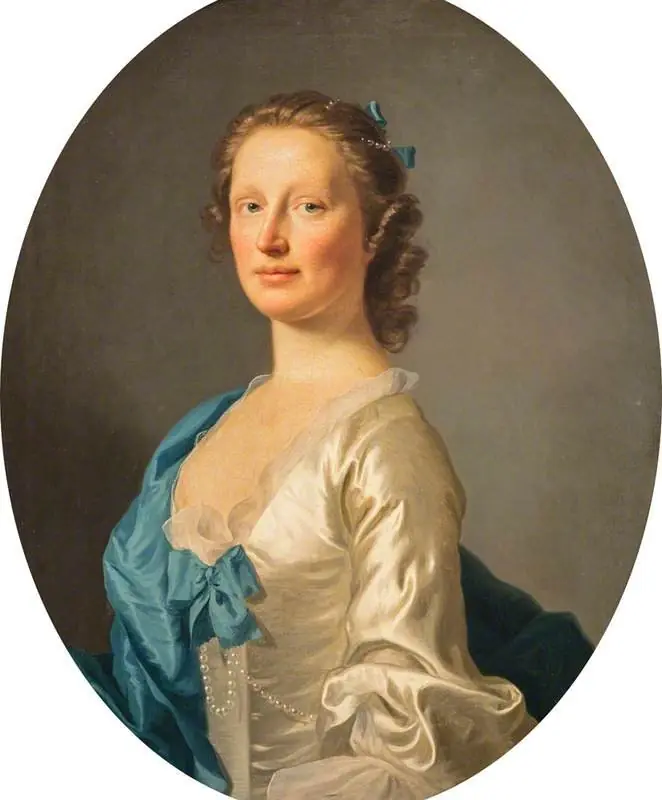 Portrait of a Lady, formerly called Flora Macdonald
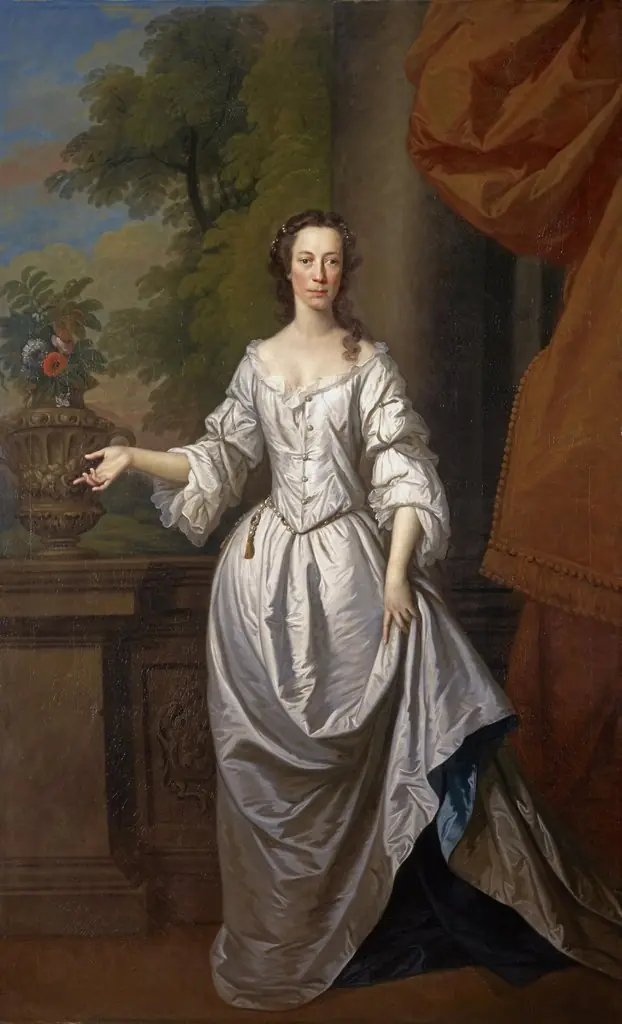 Elizabeth Cunyngham, Mrs Daniel Cunyngham
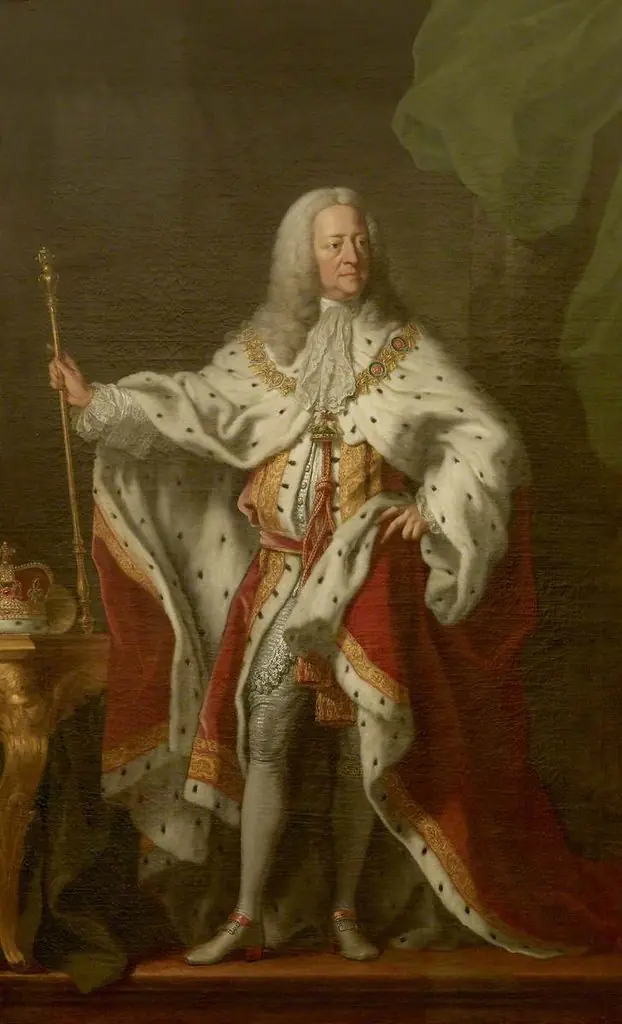 George II (1683–1760)
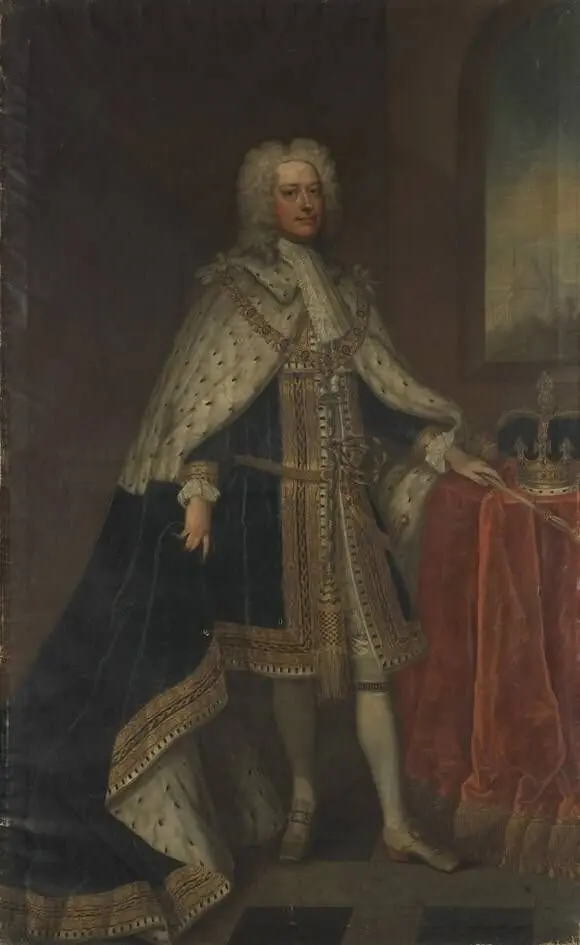 König Georg II. von England (Krönungsporträt) (Werkstatt)
 Kaiser Karl VI (1685-1740)
 Richard Grenville, 2nd Earl Temple
 Portrait of Robert Henley, 2nd Earl of Northington (1747-1786), Lord Lieutenant of Ireland
 Bildnis des Gustav Samuel Leopold von Zweibrücken-Kleeburg
 Portrait of Christian VII, King of Denmark
 King August III in Polish costume by Louis de Silvestre