Artwork
George Bristow (1727 - 1815)
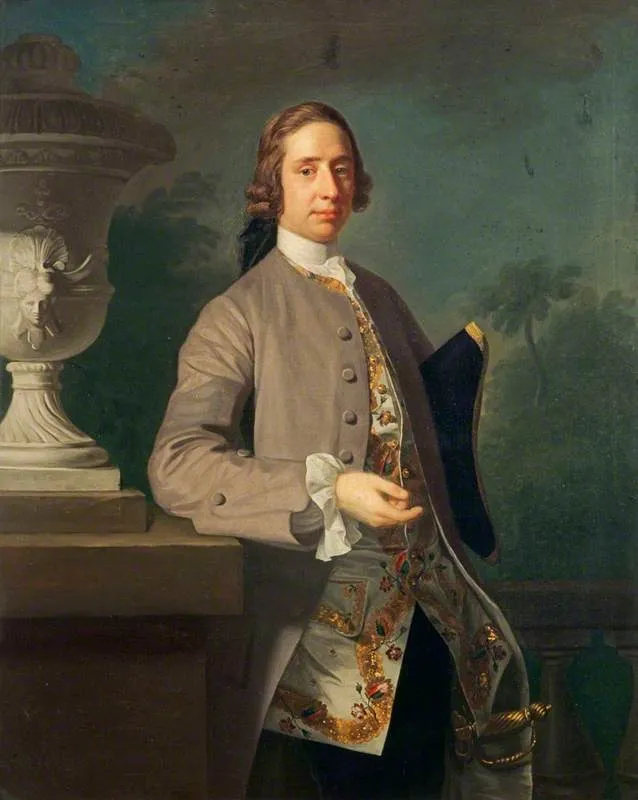
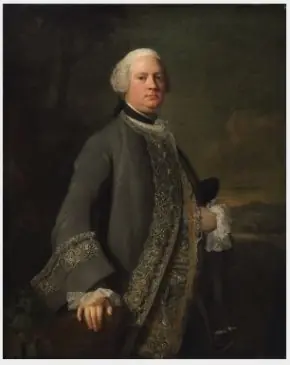
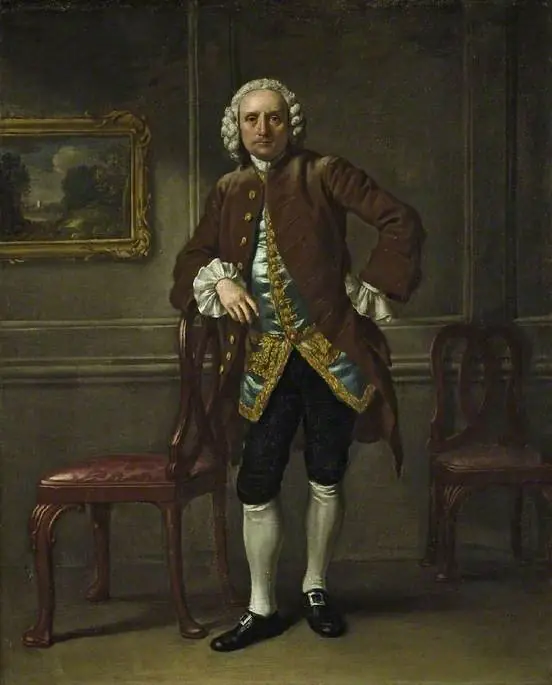
George Bristow (1727 - 1815) is an oil painting by the Rococo painting artist Allan Ramsay. It dates from 1750 and is held in the collection of the National Galleries Scotland. This oil portrait, dated around 1750, depicts George Bristow, a man born in 1727 and active in the mid-18th century.
About this work
Overview
This oil portrait, dated around 1750, depicts George Bristow, a man born in 1727 and active in the mid-18th century.
This oil portrait, dated around 1750, depicts George Bristow, a man born in 1727 and active in the mid-18th century. Painted by Allan Ramsay, it is part of the Scottish National Gallery’s collection. The composition follows the conventions of British portraiture of the period, emphasizing the sitter’s presence through poised posture and carefully rendered attire, set against a subdued green backdrop.
Subject & Meaning
George Bristow is portrayed standing, one arm extended as if in gesture or pause, suggesting contemplation or address. The inclusion of a classical urn on a pedestal implies cultural refinement or intellectual interests, common symbolic elements in portraits of the era. His attire—light jacket, white shirt, and patterned waistcoat—reflects middle- to upper-class dress, signaling social standing without overt display of wealth.
Technique & Style
Ramsay employs soft brushwork to render fabric textures and subtle gradations of light across the figure’s form. The muted green background enhances the sitter’s presence without distraction, while the urn adds depth and vertical balance. The lighting is even and naturalistic, avoiding dramatic contrasts, consistent with Ramsay’s restrained, elegant approach to portraiture.
History & Provenance
The painting has been in the collection of the Scottish National Gallery for many decades, though its earlier ownership history is not widely documented. It was likely commissioned by Bristow or a family member during Ramsay’s active years in London and Edinburgh. Its preservation suggests it remained within private hands until its acquisition by the national institution.
Context
Created during Ramsay’s rise as a leading portraitist in Britain, the work reflects the period’s emphasis on dignified, understated representation. Portraits like this were often commissioned by professionals or landowners seeking to affirm their status through visual culture. The classical urn, a frequent motif in 18th-century portraiture, linked sitters to ideals of antiquity and civic virtue.
Legacy
While not among Ramsay’s most famous works, this portrait exemplifies his skill in capturing character with quiet precision. It contributes to the broader understanding of mid-18th-century British portraiture beyond aristocratic subjects, offering insight into the visual language of the professional class. Its continued display underscores its value as a historical document of social identity.
Artist & collection

 George III of England
 Portrait of Horace Walpole's Nieces: The Honorable Laura Keppel and Charlotte, Lady Huntingtower
 Portrait of Sir John Tyrell, Bt.
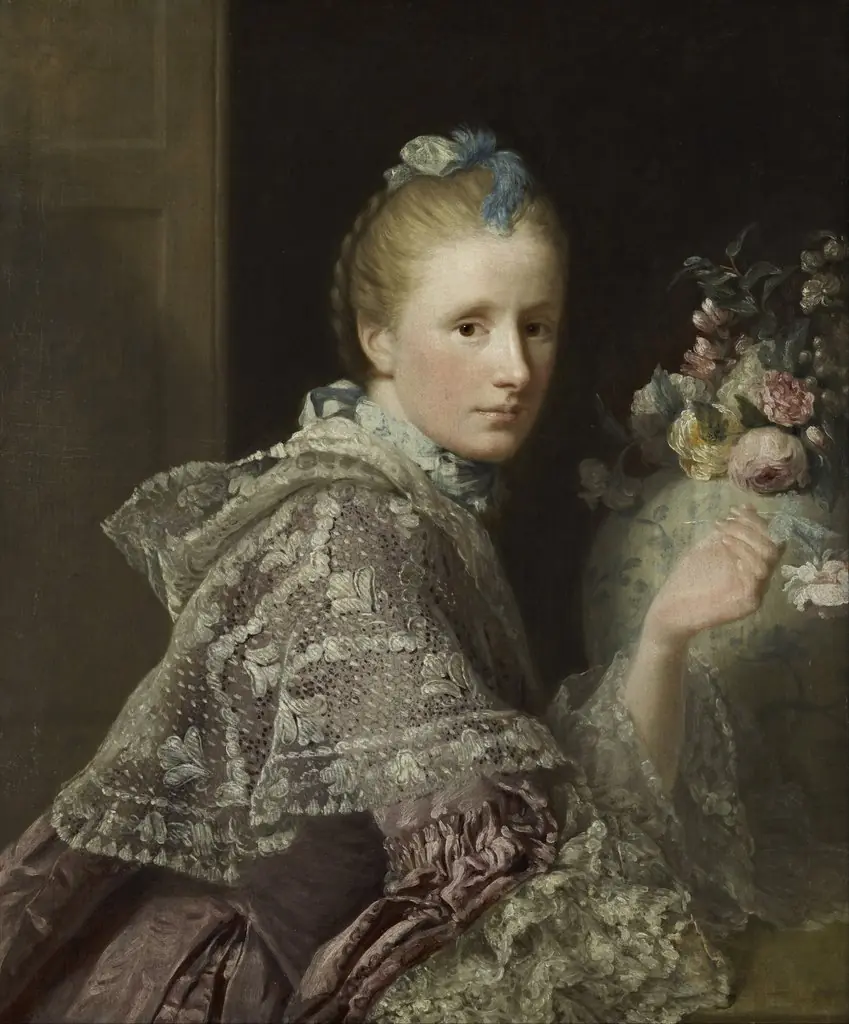 The Artist's Wife: Margaret Lindsay of Evelick
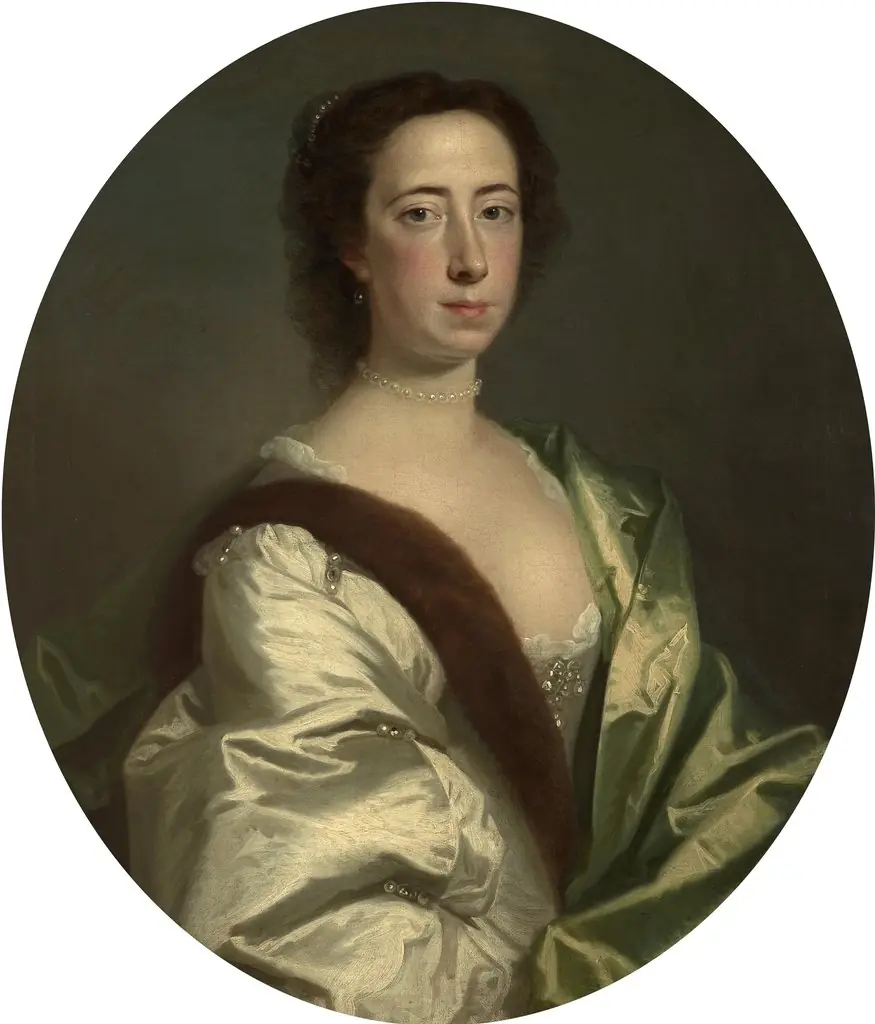 Lady Lucy Manners, Duchess of Montrose (1717 - 1788)
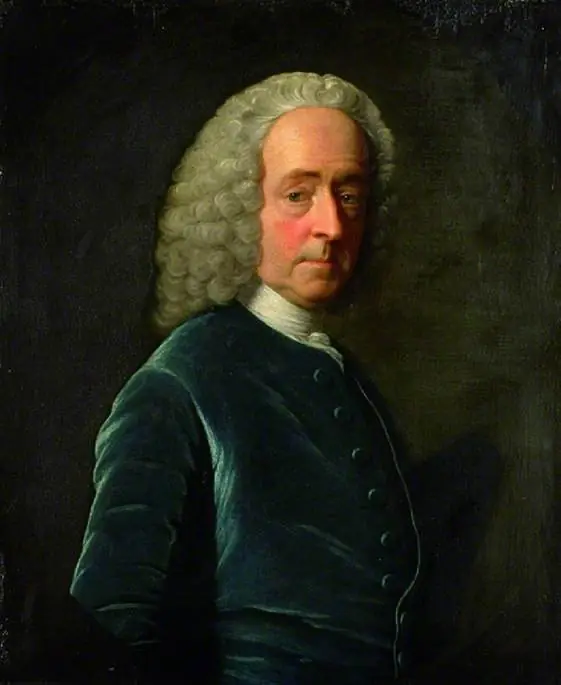 Portrait of James Haughton Langston
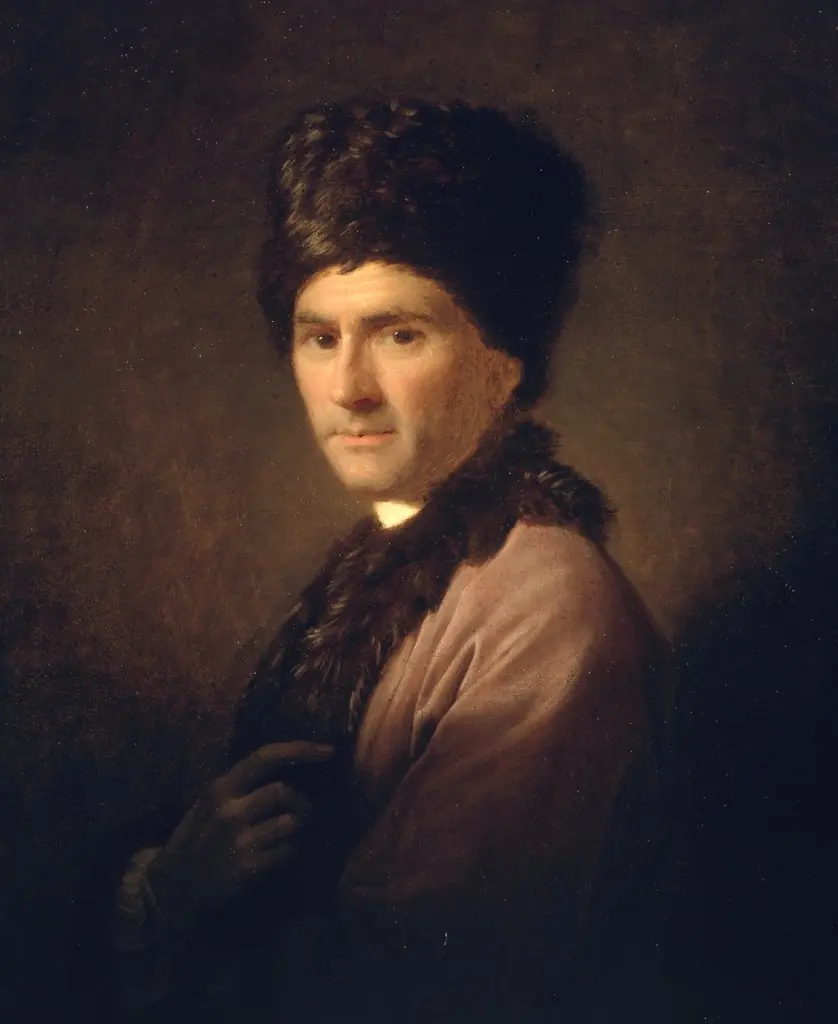 Jean-Jacques Rousseau
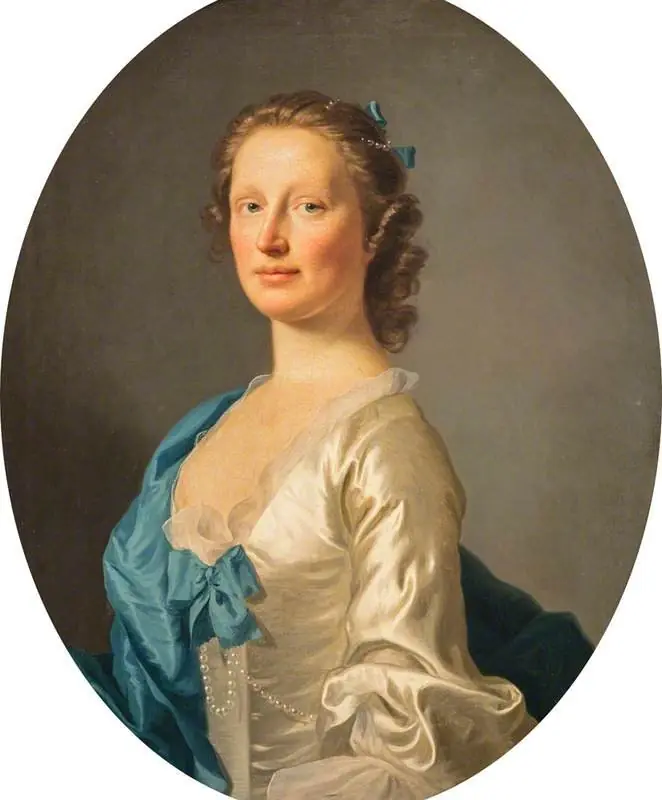 Portrait of a Lady, formerly called Flora Macdonald
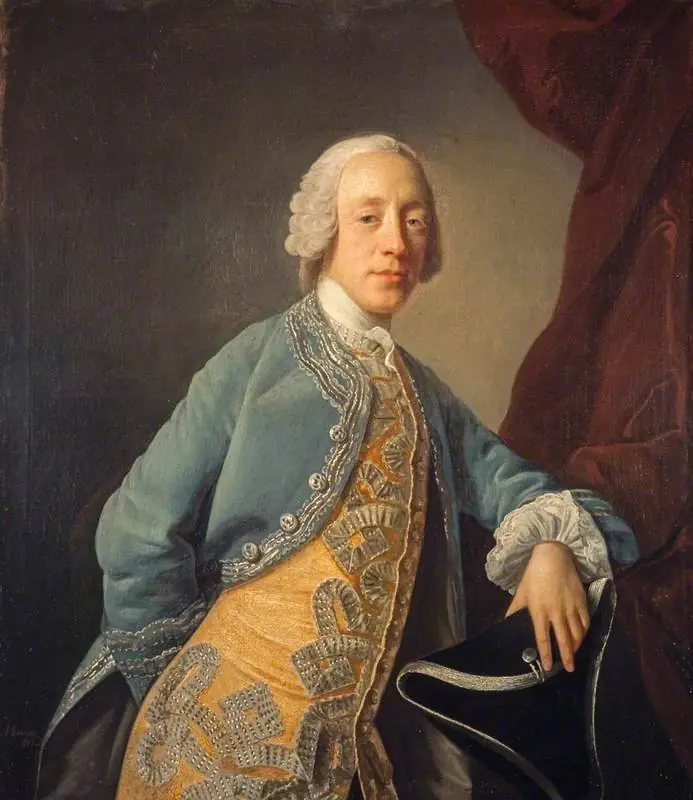 Thomas Lamb of Rye (1719 - 1804)
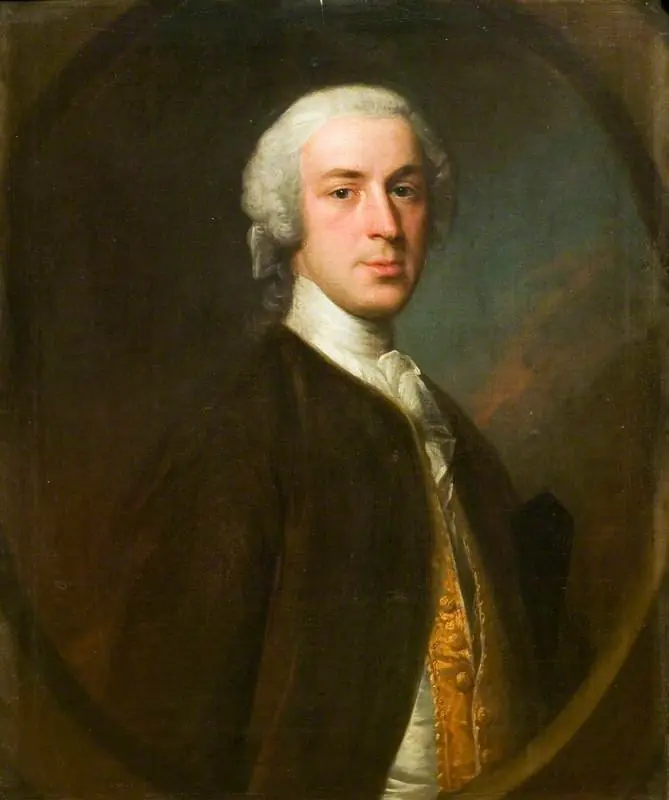 Portrait of an Unknown Man
 William Wragg
 Portrait of James Fitzgerald, 20th Earl of Kildare, later 1st Duke of Leinster
 William Axtell
 Francis Page of Newbury
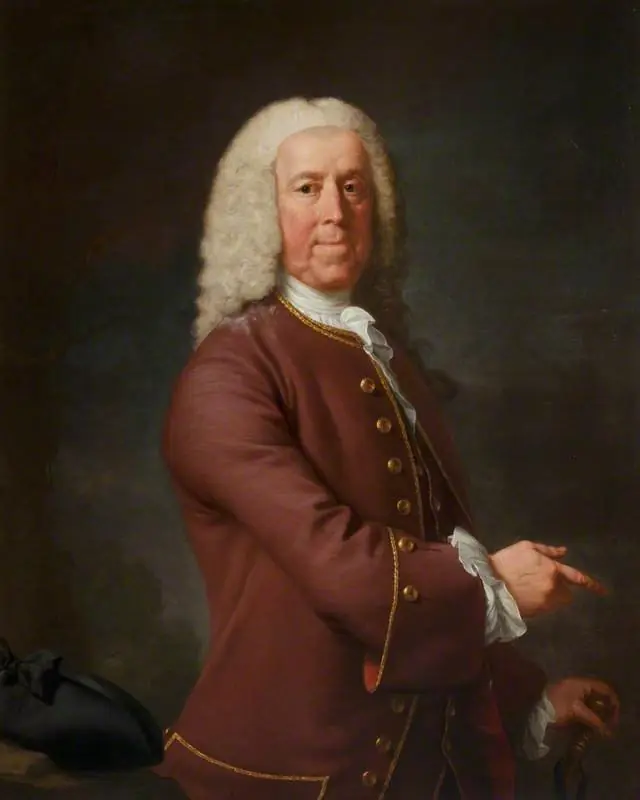 Portrait of a Gentleman
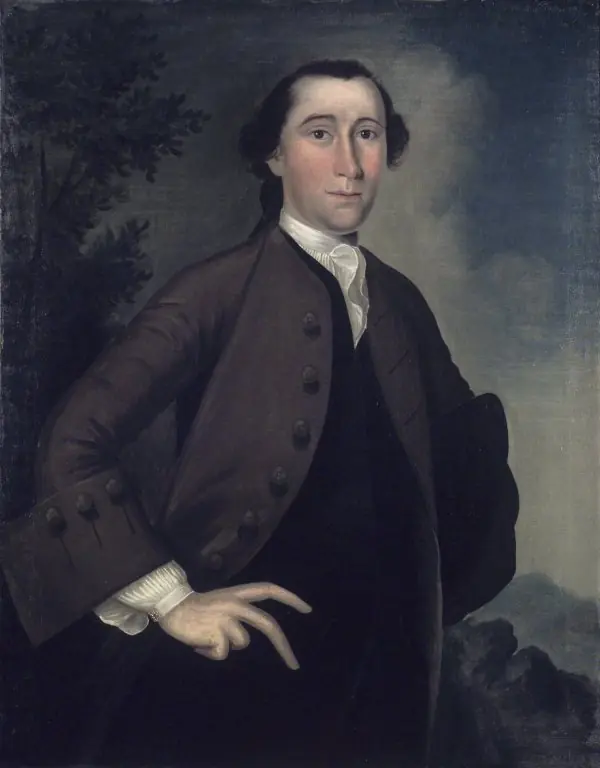 John Haskins
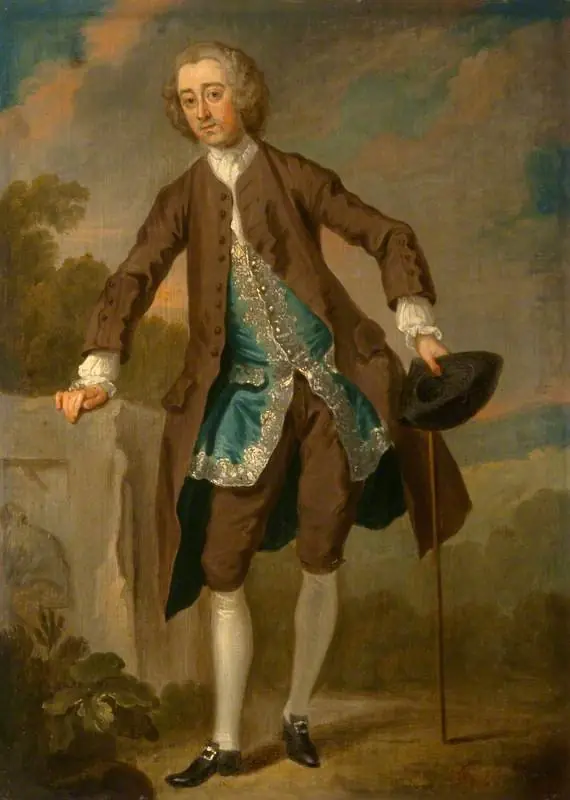 Gustavus Hamilton, 2nd Viscount Boyne (1710 - 1746)
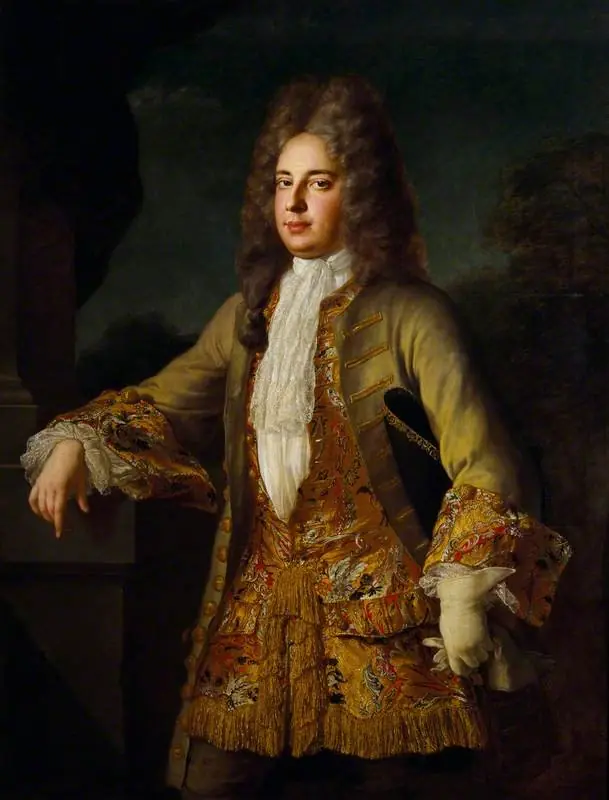 Portrait of an Unknown Man (said to be Matthew Prior, 1664–1721)
 George Dance
 Portretul unui tânăr