Artwork
A Cottage at Chiddingfold, Surrey
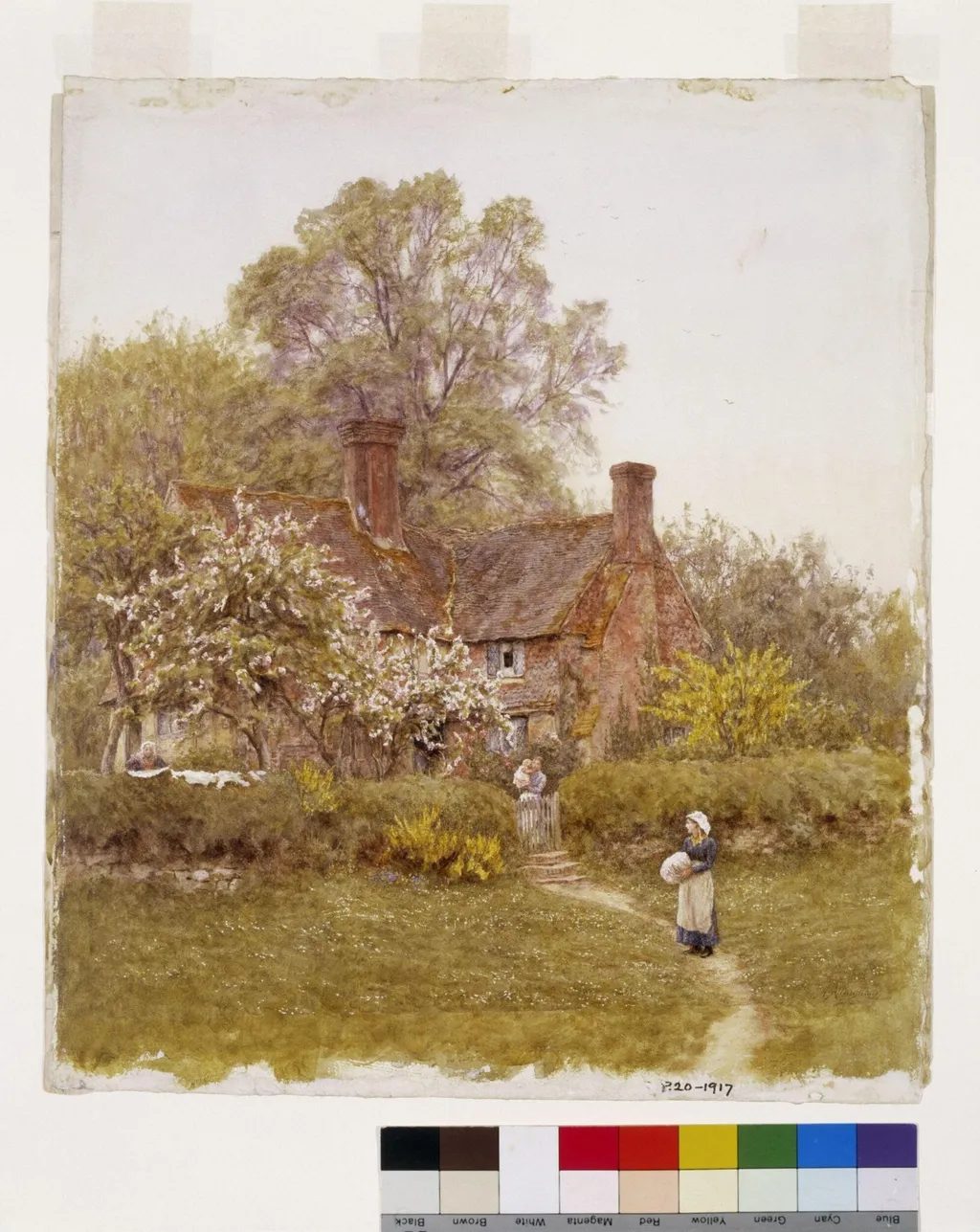
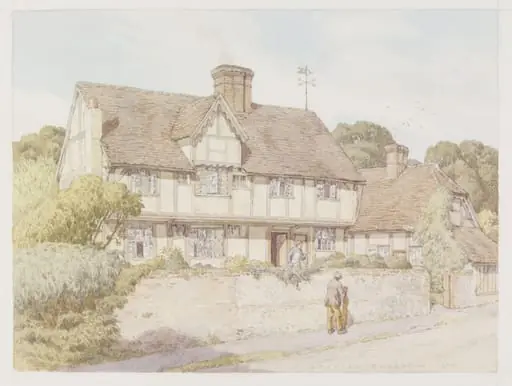
A Cottage at Chiddingfold, Surrey is a watercolor work on paper by the Impressionist artist Helen Allingham. It dates from 1889 and is held in the collection of the Victoria and Albert Museum.
About this work
Overview
A Cottage at Chiddingfold, Surrey is a watercolour painting by Helen Allingham, depicting a quintessential Surrey scene. Characteristic of her work, it focuses on the rustic charm of the English countryside.
Subject & Meaning
The painting portrays a thatched cottage, emphasizing its worn yet idyllic appeal, set amidst an overgrown garden. This representation reflects Allingham's tendency to highlight rural simplicity, often populated by women and children, catering to an urban audience's romanticized view of country life.
Technique & Style
While specific techniques used in 'A Cottage at Chiddingfold' are not detailed here, Allingham's watercolours are generally noted for their meticulous capture of light and texture, enhancing the nostalgic and serene atmosphere of her subjects.
History & Provenance
Created during Allingham's Surrey residency (from 1881 onwards), the painting's exact date and ownership history are not provided in the available information.
Context
This work was part of Allingham's broader effort to portray an idealized version of rural Surrey life, contrasting with the actual hardships faced by local agricultural workers. It reflects the Victorian urban elite's desire for a nostalgic, peaceful countryside image.
Legacy
As part of Allingham's oeuvre, 'A Cottage at Chiddingfold' contributes to her reputation as one of the most successful British woman artists, known for capturing the essence of Victorian-era rural England in watercolour.
Artist & collection
Artist
Helen Allingham painted watercolors of English cottages and quiet landscapes in the late 1800s and early 1900s.

 An old Quaker Meeting House, Hedgerley Village
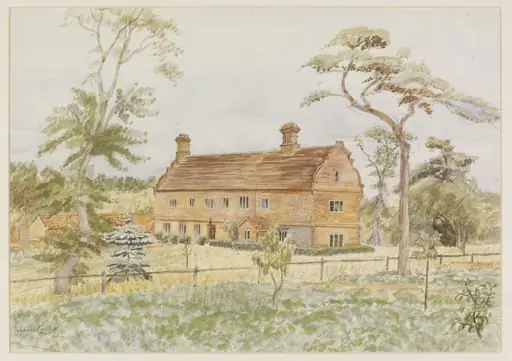 Church Farm, Sudbourne
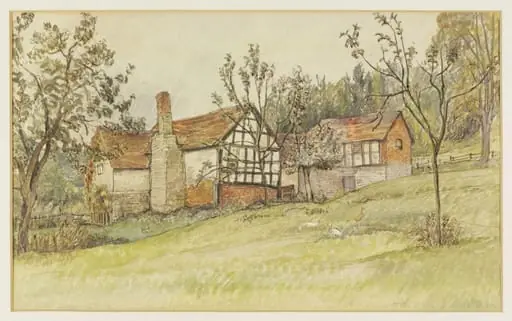 Oldfield Farm, between Leinthall Earls and Richard's Castle
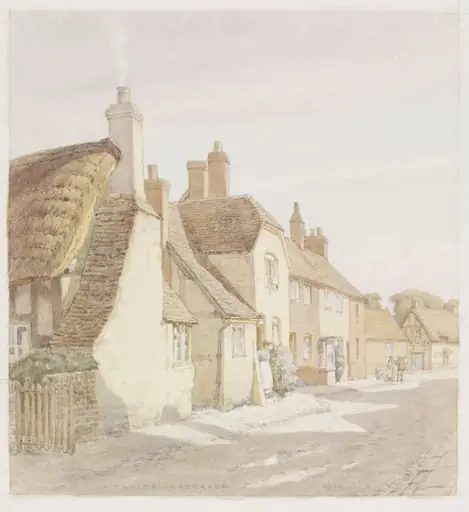 Old Cottages, Long Crendon
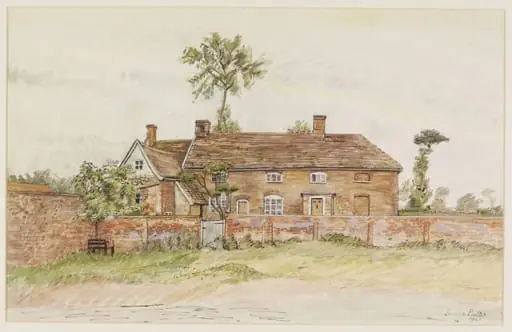 Church Farm (from the Churchyard) Sudbourne
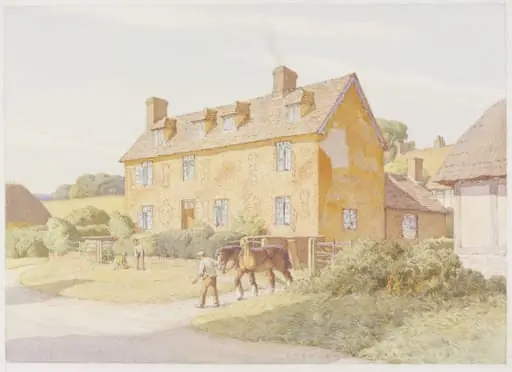 A 15th century cottage at Nether Wynchenden
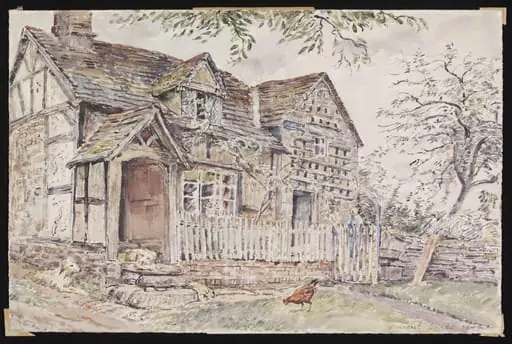 Pigeon House and Post Office, Mansel Lacy
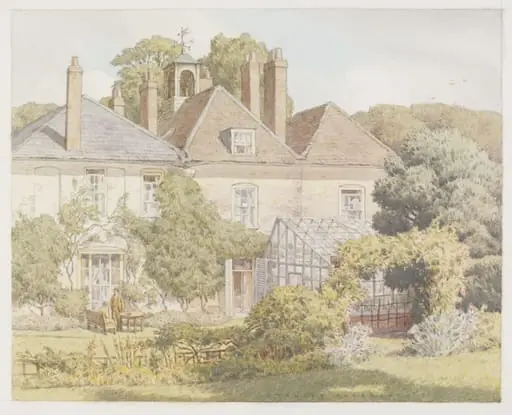 Stone Dean, Jordans, Buckinghamshire
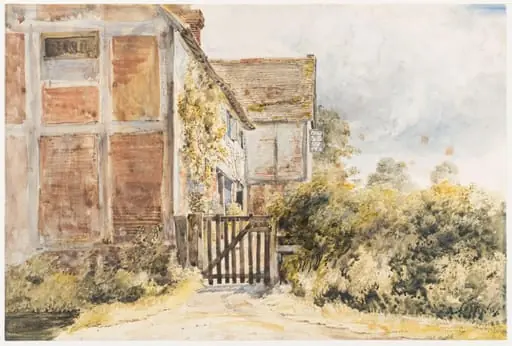 Cottage at Tring
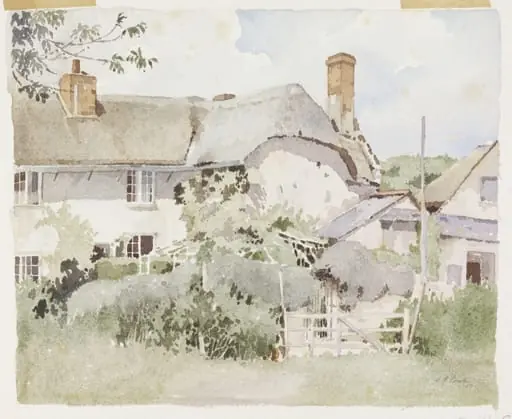 Thorn Farm, Salcombe Regis
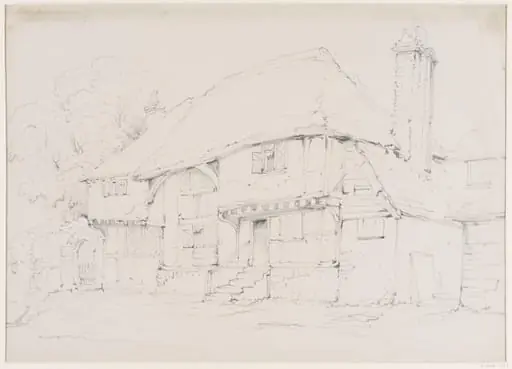 Steyning