Artwork
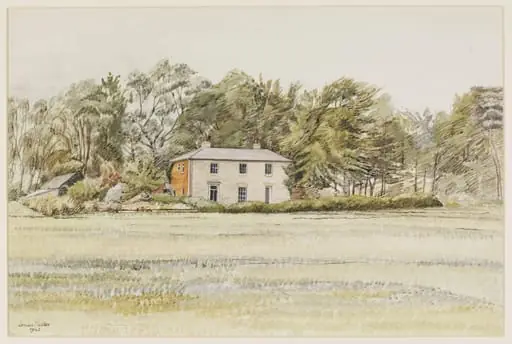
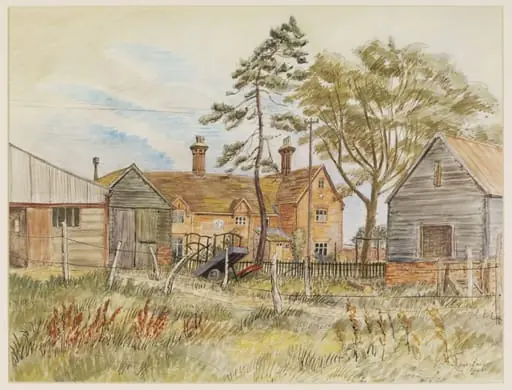
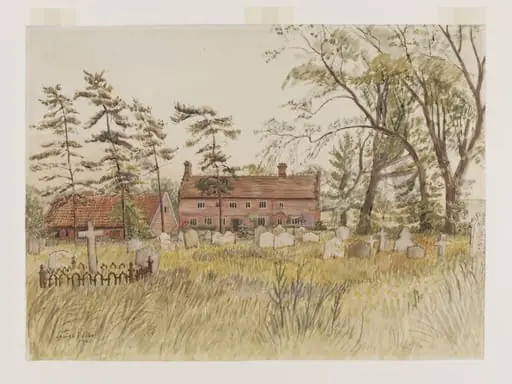
Church Farm (from the Churchyard) Sudbourne
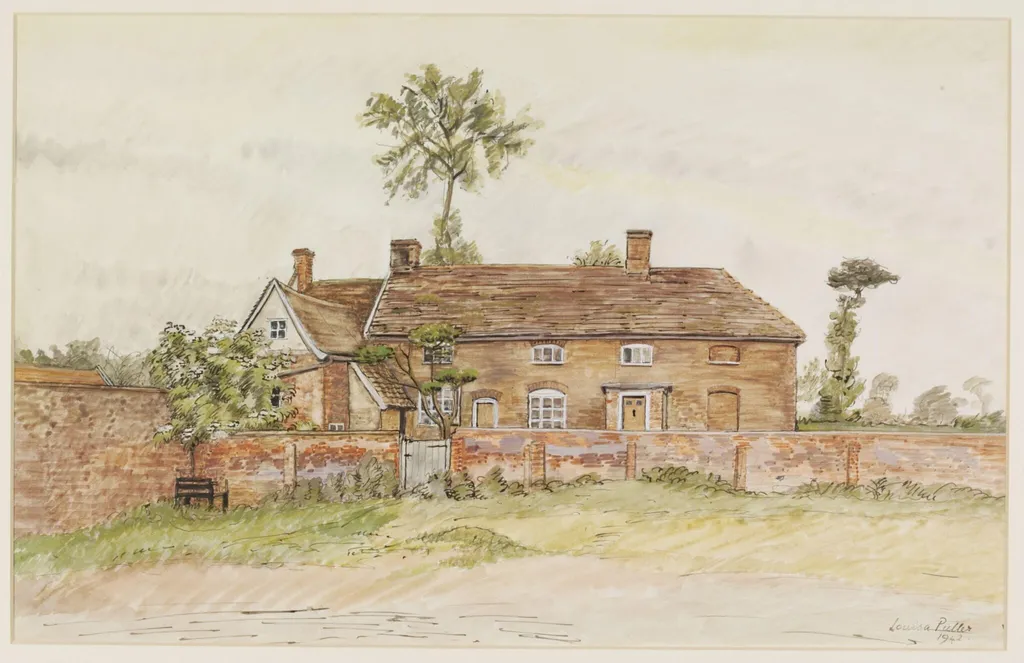
Church Farm (from the Churchyard) Sudbourne is a watercolor work on paper by Louisa Puller. It dates from 1942 and is held in the collection of the Victoria and Albert Museum.
About this work
This watercolour shows Church Farm from the churchyard in Sudbourne, Suffolk.
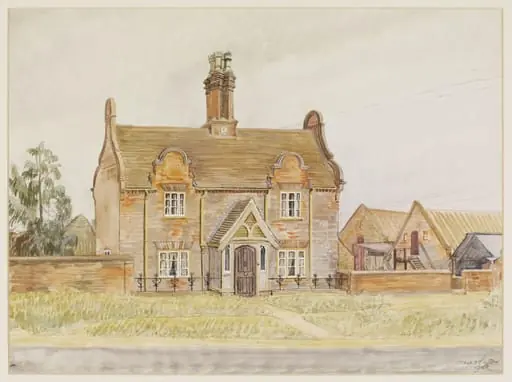
Louisa Puller painted a quiet farm scene in 1942. This watercolour shows Church Farm from the churchyard in Sudbourne, Suffolk. It’s a peaceful view, typical of the British countryside.
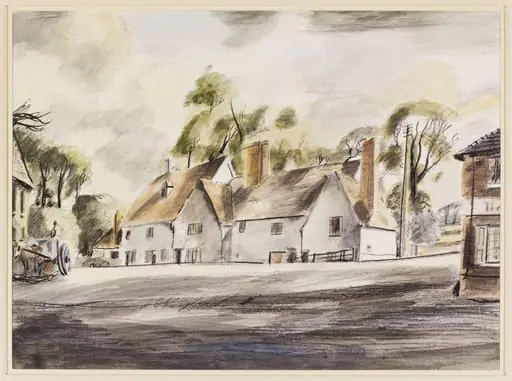
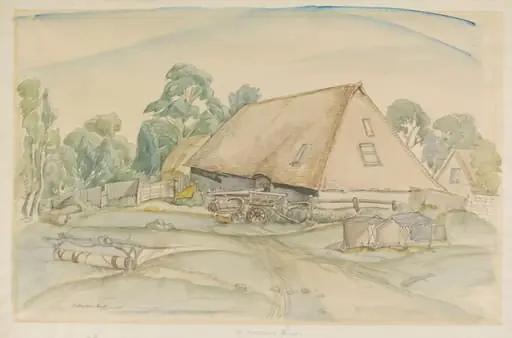
Puller worked on seven Suffolk farms for the Recording Britain project. She traveled more than any other artist in that program. Yet not much is known about her life or training.
Her watercolours capture everyday places just as they were. See more of her work at the Victoria and Albert Museum.
Overview
Louisa Puller created this watercolour in 1942 as part of the Recording Britain project, which sought to document rural landscapes at risk during wartime. Church Farm, viewed from Sudbourne’s churchyard, is one of seven Suffolk farm scenes she produced for the initiative. Though her artistic training remains undocumented, her extensive travels across the county mark her as the most widely roaming contributor to the project.
Subject & Meaning
The painting presents a quiet, unadorned view of a working farmstead, framed by the adjacent churchyard. No figures or dramatic events appear; the focus is on the quiet endurance of rural architecture and land use. The scene reflects a deliberate effort to preserve ordinary, everyday places that embodied regional identity, rather than celebrated landmarks.
Technique & Style
Puller employed transparent watercolour with restrained brushwork to capture subtle shifts in light and texture. The composition is grounded in careful observation, with soft washes defining the farm buildings and surrounding vegetation. There is no embellishment—details are rendered with quiet precision, emphasizing the modest character of the subject.
History & Provenance
The work was produced during World War II under the Recording Britain initiative, funded by the Pilgrim Trust. It entered the Victoria and Albert Museum’s collection alongside other project works, preserved as part of a national effort to record threatened rural scenes. Puller’s contributions remain among the most numerous from any single artist in the series.
Context
The Recording Britain project emerged as a cultural response to wartime destruction and social change. Artists like Puller were commissioned to document vernacular architecture and landscapes before they vanished. Her focus on Suffolk farms reflects a regional specificity, capturing places that were central to local life but rarely represented in fine art.
Legacy
Though little is known of Puller’s personal life or formal training, her body of work endures as a quiet testament to the value of ordinary places. Her watercolours contribute significantly to the historical record of rural England, offering a sober, unromanticized view of a countryside shaped by labor and time rather than grandeur.
Artist & collection
Artist
Louisa Puller painted quiet, detailed watercolors of English buildings in the 1940s.