Artwork
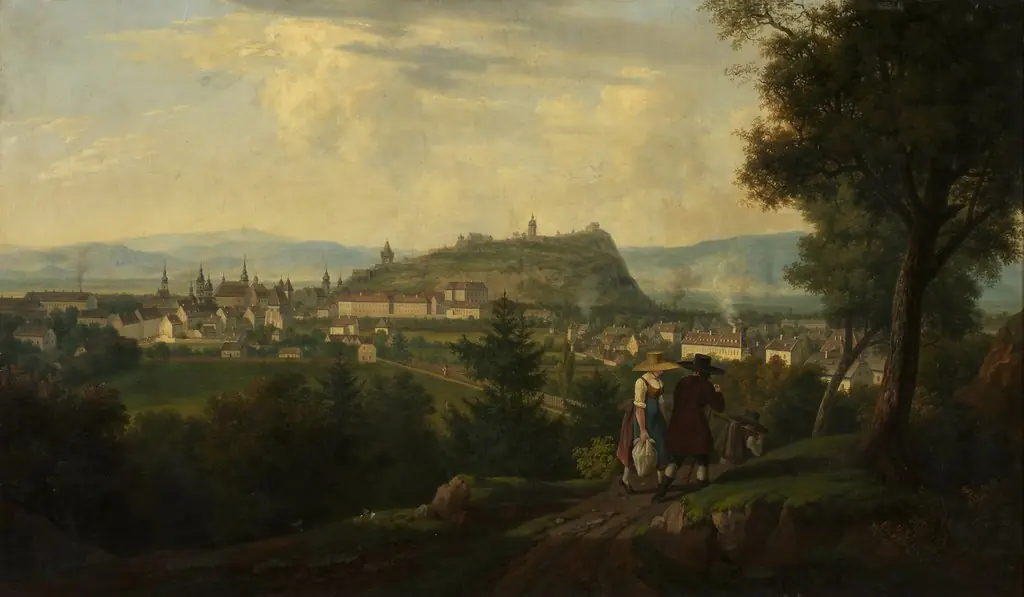
Ofen with Blocksberg
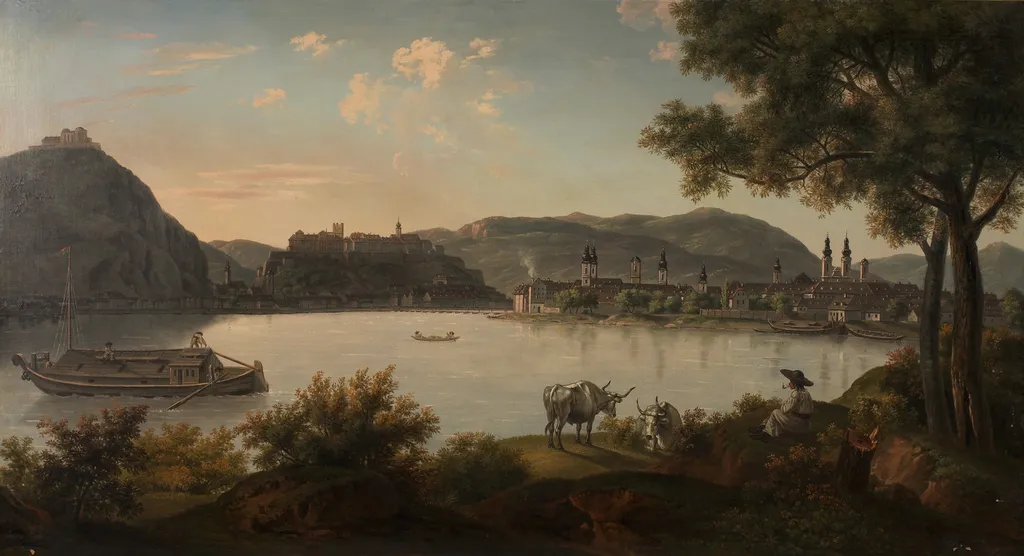
Ofen with Blocksberg is an oil painting by the Biedermeier artist Alois von Saar. It dates from 1828 and is held in the collection of the Belvedere.
About this work
Overview
Ofen with Blocksberg is an 1828 oil painting by Alois von Saar, currently housed in the Kunsthistorisches Museum in Vienna. The work presents a quiet rural landscape, rendered with subtle tonal shifts and restrained color. It captures a moment of stillness, emphasizing natural elements over human activity, and reflects the artist’s interest in atmospheric harmony rather than dramatic narrative.
Subject & Meaning
The scene depicts a tranquil stretch of water bordered by low hills and distant mountains, with sparse dwellings nestled in the terrain. Grazing animals and scattered vegetation suggest a pastoral rhythm, untouched by industry or turmoil. The absence of human figures reinforces a sense of solitude, inviting contemplation of nature’s quiet endurance rather than any specific event or allegory.
Technique & Style
Saar employs soft chiaroscuro to model forms gently, avoiding sharp contrasts in favor of gradual transitions between light and shadow. Brushwork is delicate, with thin layers of paint building texture in foliage and water. The palette is muted—pale blues, earthy greens, and warm grays—enhancing the painting’s serene mood and aligning with early 19th-century Austrian landscape traditions.
History & Provenance
Painted in 1828, the work entered the collection of the Kunsthistorisches Museum shortly after its creation. It was likely acquired as part of a broader effort to document regional artistic output during the Habsburg era. Its preservation suggests early recognition of Saar’s contribution to Austrian landscape painting, though he remained a lesser-known figure compared to his contemporaries.
Context
Created during a period when Austrian artists were turning toward domestic scenery, Ofen with Blocksberg reflects a growing interest in local topography over idealized classical views. The painting aligns with the Romantic sensibility of the time, valuing emotional resonance through nature, yet avoids overt drama, favoring quiet observation over heightened emotion.
Legacy
Though not widely exhibited or reproduced, the painting remains a representative example of early 19th-century Austrian landscape painting. It contributes to the understanding of regional artistic practices that prioritized subtlety and atmospheric coherence, offering insight into how provincial artists interpreted their surroundings with restraint and sensitivity.
Artist & collection

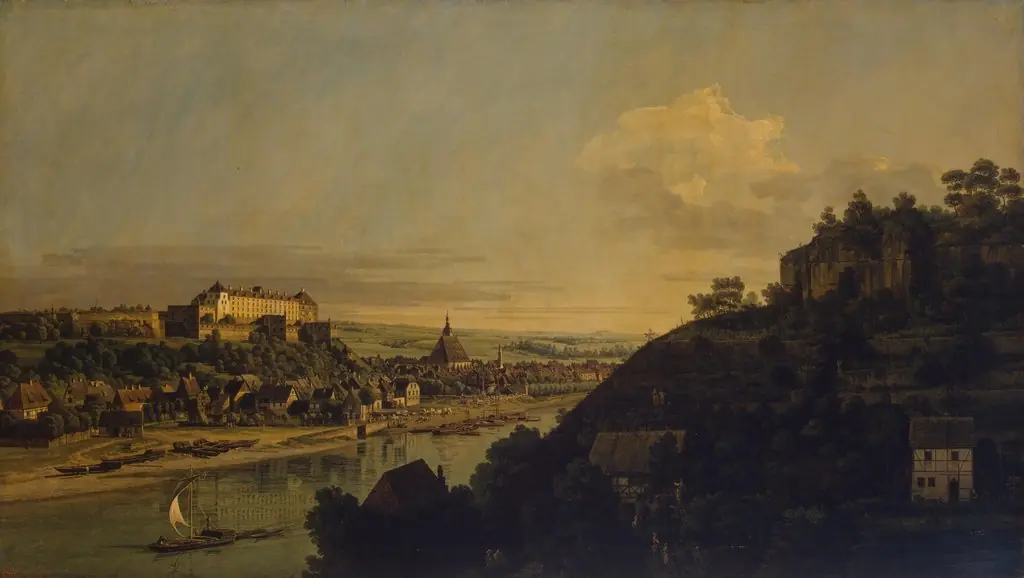 View of Pirna from the Right Bank of the Elba above the Town
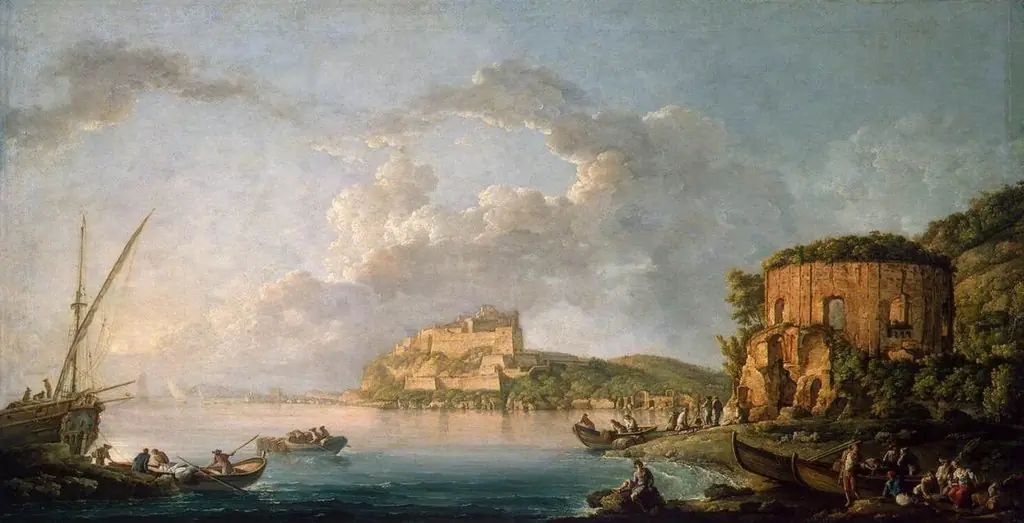 Baia Bay
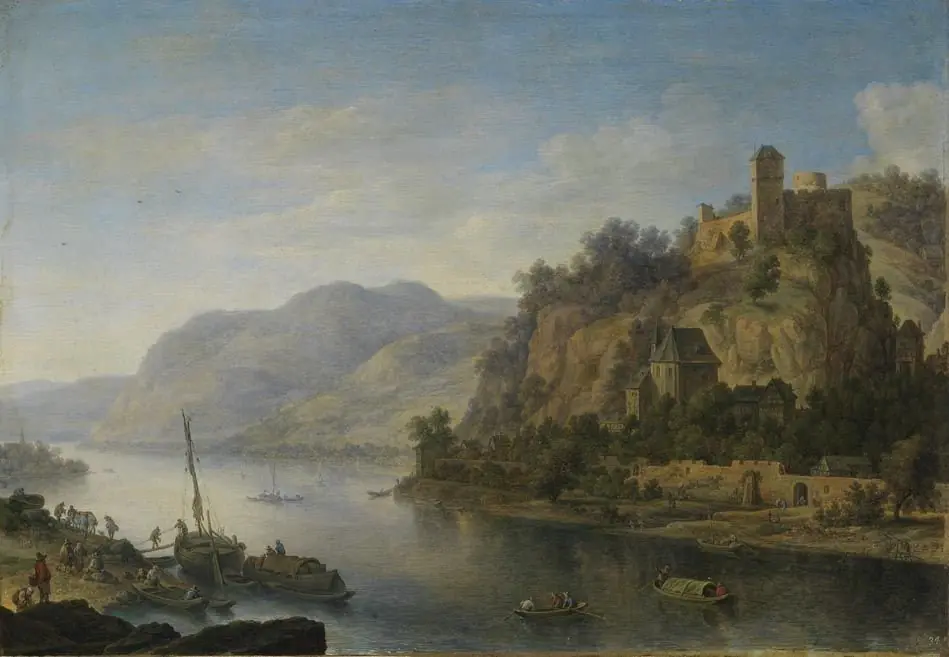 Rhine view at Heimbach am Rhein (Niederheimbach)
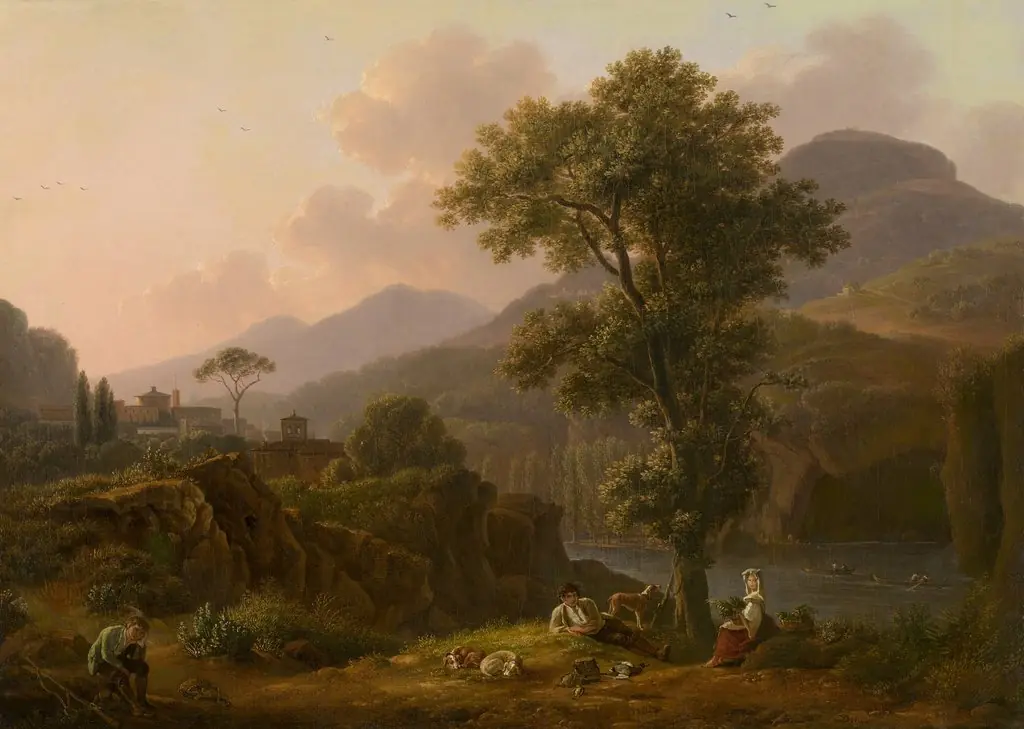 Italian Landscape
 Udsigt over Frederikshald i Norge
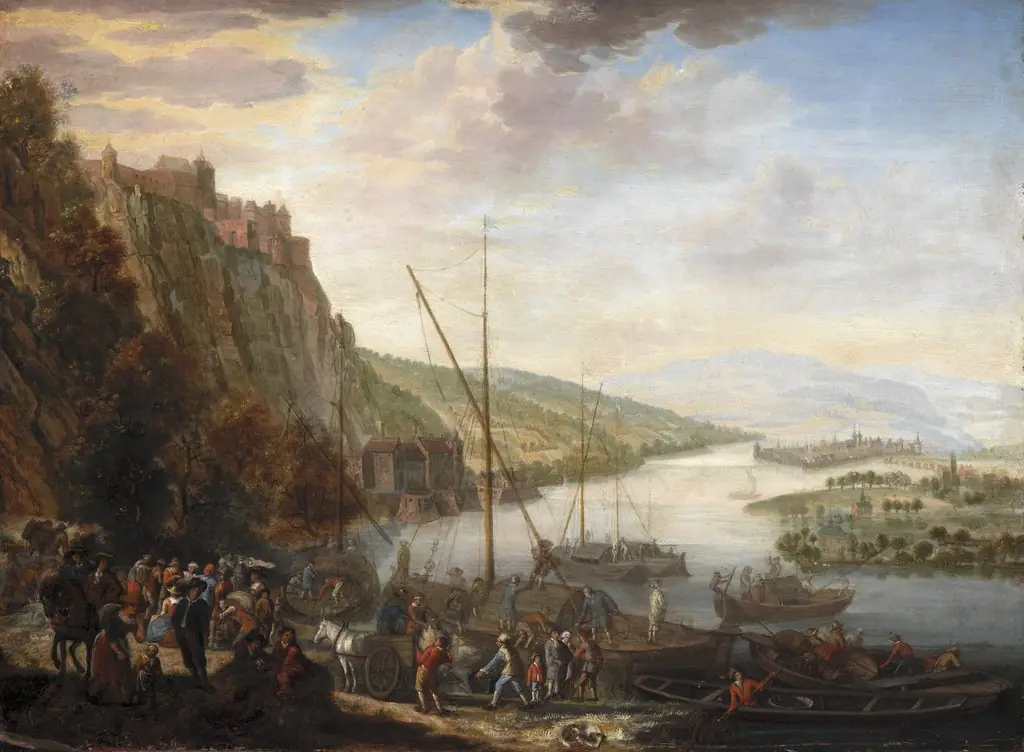 A River Landscape
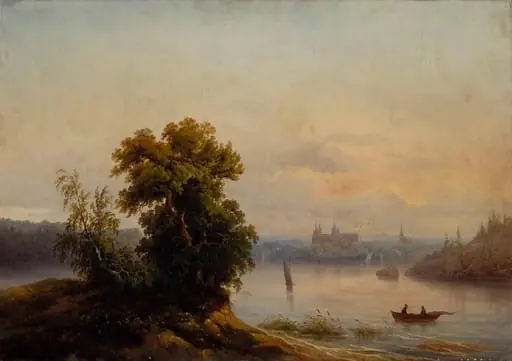 Gripsholmin linna
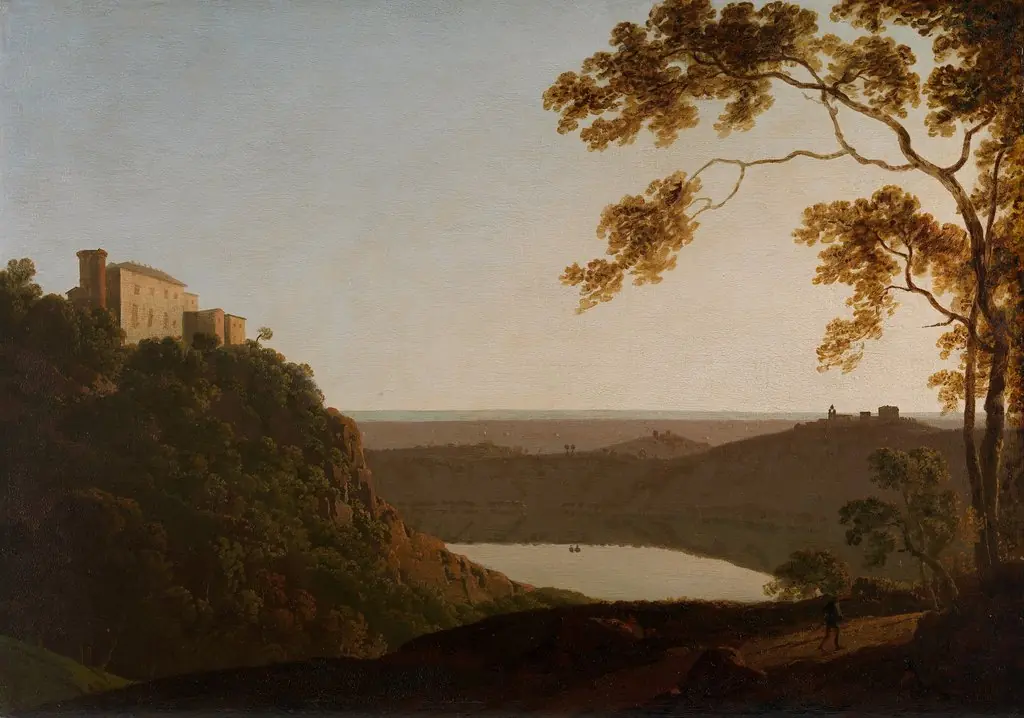 Lake Nemi, sunset
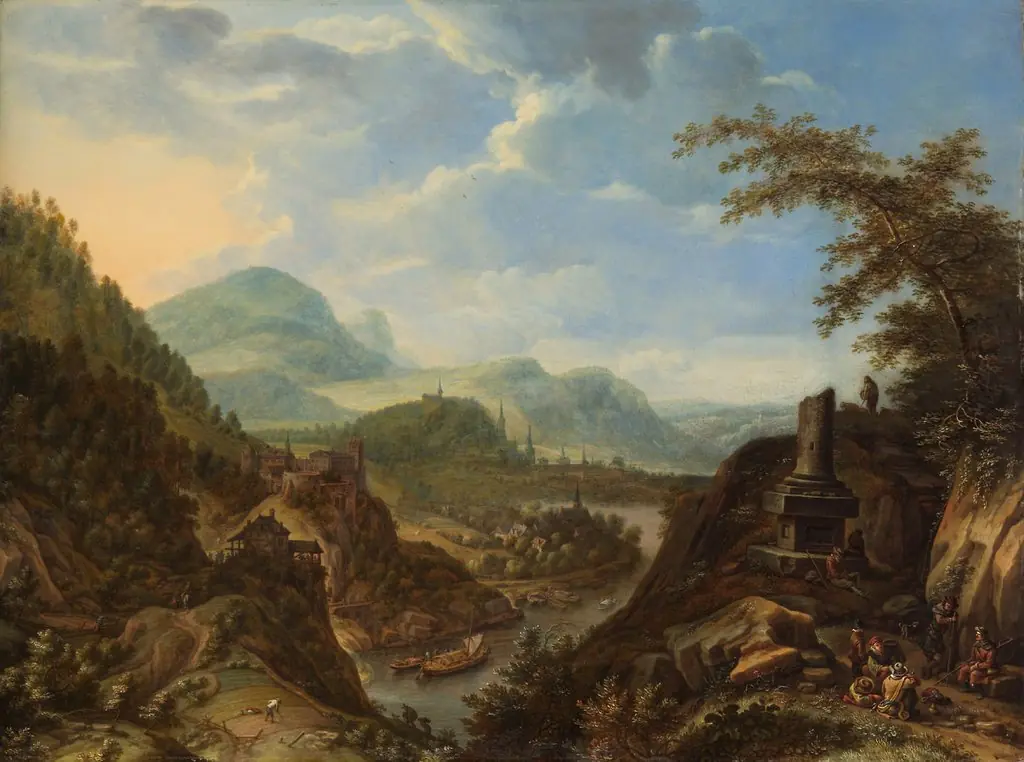 Rheinlandschaft mit Reisenden
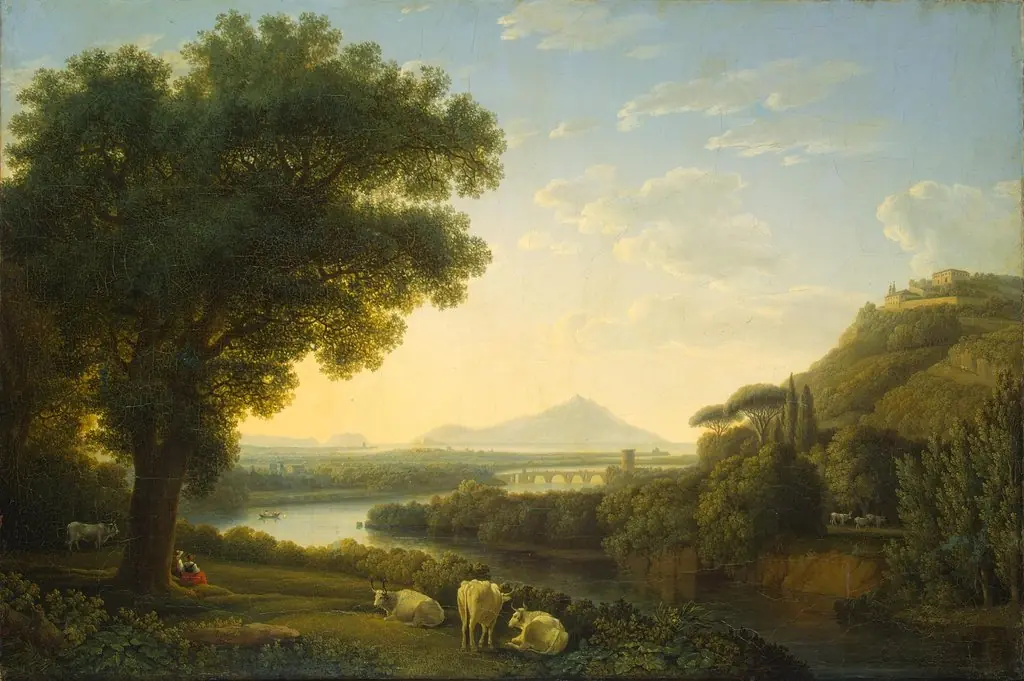 Italian Landscape
 River Landscape with Castles and Travelers
 Waterside landscape