Artwork
Southern Harbour Town
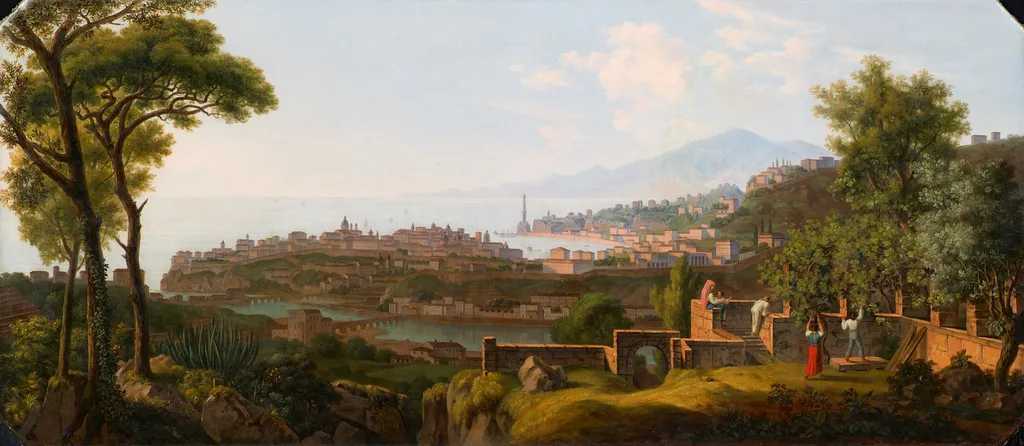
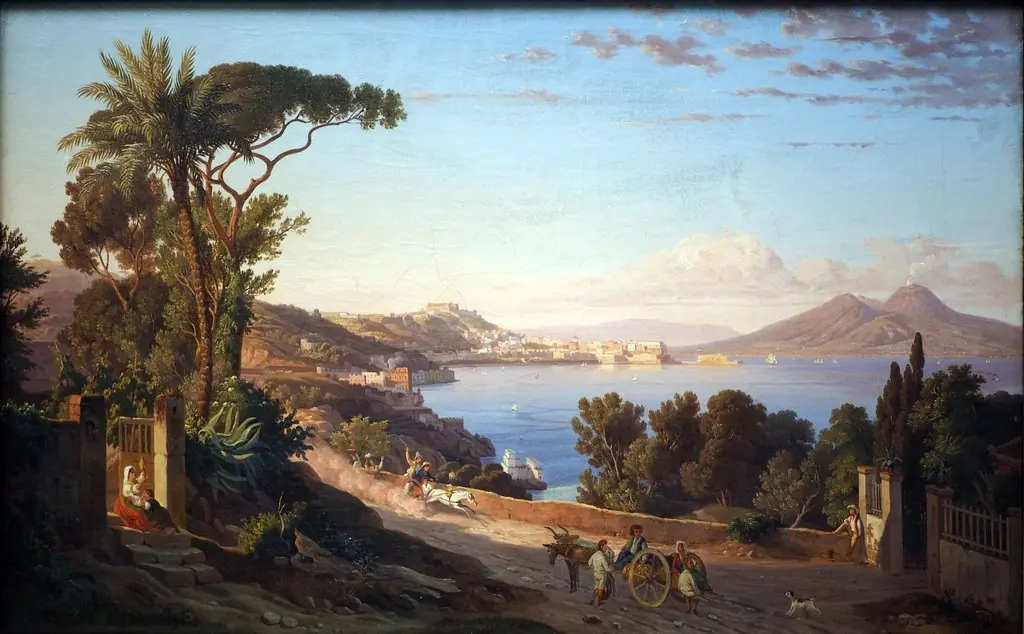
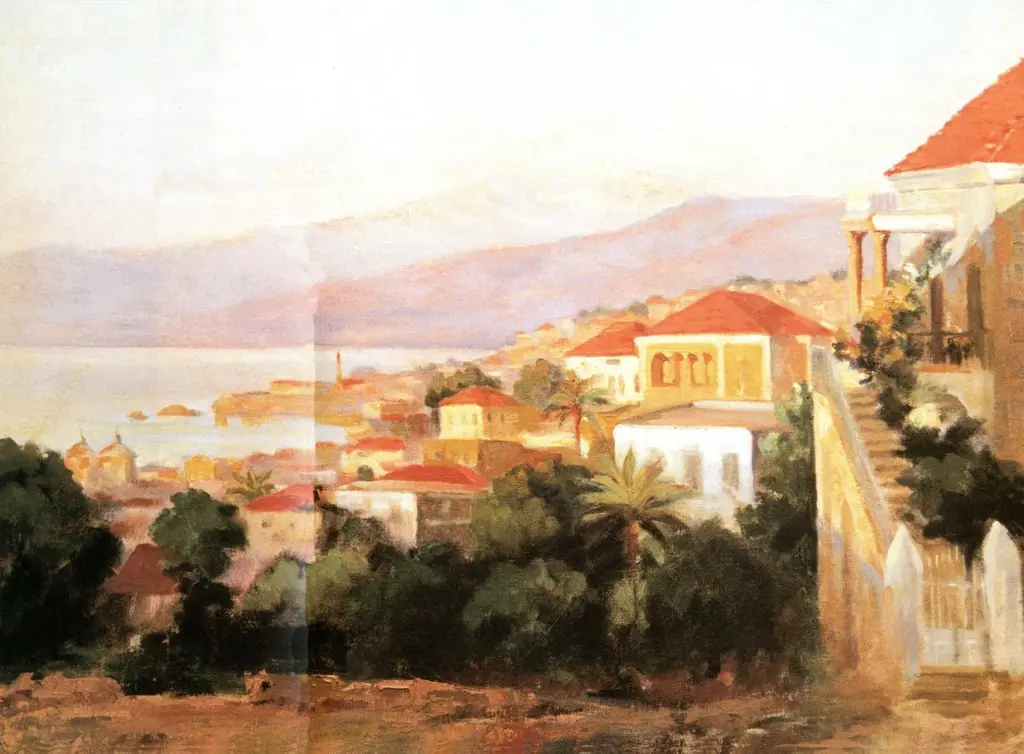
Southern Harbour Town is an oil painting by the Biedermeier artist Alois von Saar. It dates from 1831 and is held in the collection of the Belvedere.
About this work
Overview
Painted in 1831, Southern Harbour Town is an oil on canvas work by the Austrian artist Alois von Saar. It depicts a coastal settlement with architectural and maritime elements, rendered in a detailed, observational style typical of early 19th-century European landscape painting. The piece is part of the permanent collection at the Kunsthistorisches Museum in Vienna.
Subject & Meaning
The painting presents a quiet harbor town, likely in the Mediterranean region, with modest buildings, anchored vessels, and a calm shoreline. No dramatic events or figures dominate the scene; instead, the focus lies in the harmony between human settlement and the natural environment, suggesting a contemplative view of daily maritime life rather than a narrative.
Technique & Style
Von Saar employed fine brushwork and muted tonalities to convey atmospheric depth and texture. Light is handled subtly, with soft transitions between sky, water, and architecture. The composition follows a balanced, horizontal structure, emphasizing spatial recession and the quiet rhythm of the harbor’s built and natural forms.
History & Provenance
Created in 1831, the painting entered the Kunsthistorisches Museum’s collection in the 19th century, likely through acquisition or donation. Its provenance before museum ownership is not well documented, but its preservation suggests it was valued within Austrian artistic circles of the period for its technical restraint and regional character.
Context
During the 1830s, Austrian artists increasingly turned to landscape and genre scenes as national identity evolved beyond imperial portraiture. Von Saar’s work reflects this shift, aligning with broader European trends toward topographical accuracy and serene, unidealized views of everyday places, away from Romantic grandeur.
Legacy
Southern Harbour Town remains a representative example of Austrian landscape painting from the early Romantic era. While not widely exhibited outside Vienna, it contributes to the understanding of regional artistic practices and the quiet documentation of coastal life in the Habsburg territories during the early 19th century.
Own this work as a print
Artist & collection



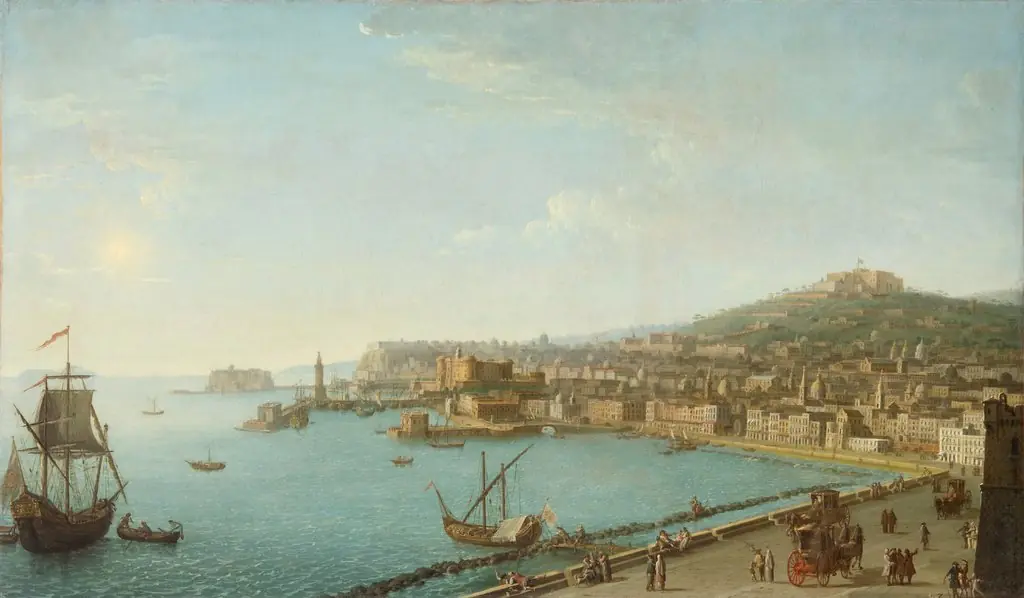 Ansicht von Neapel von Südosten
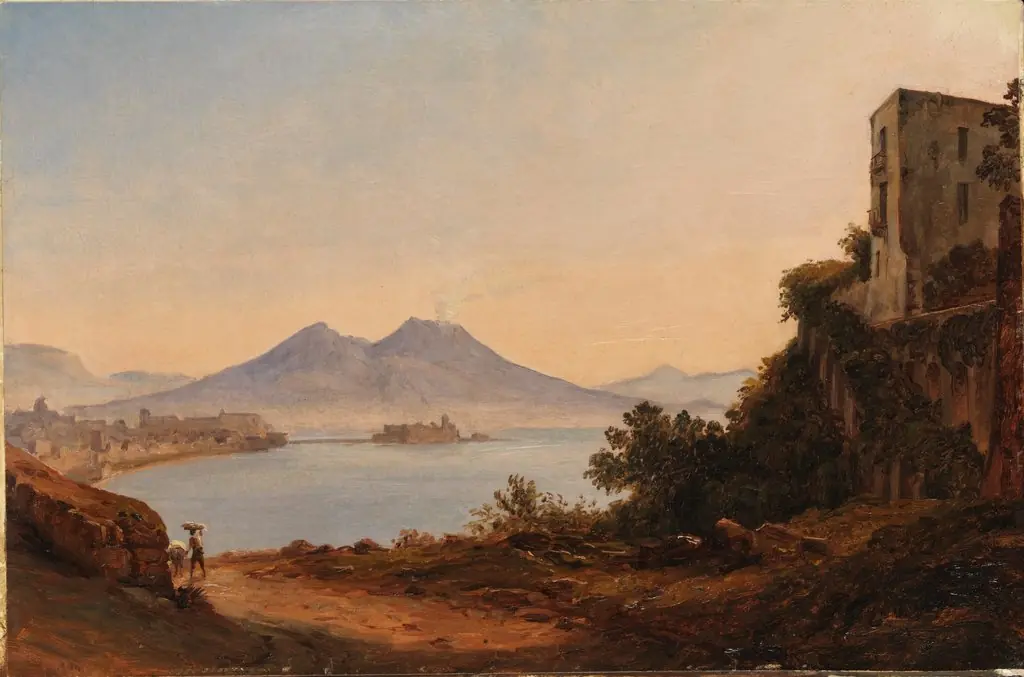 The Bay of Naples with Vesuvius and Castel dell'Ovo
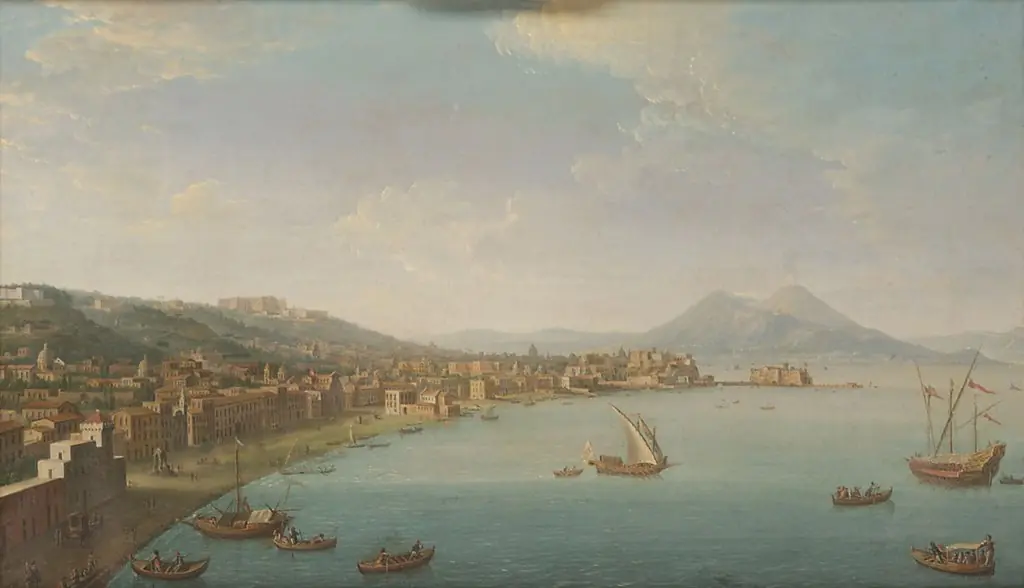 Ansicht von Neapel von Nordwesten
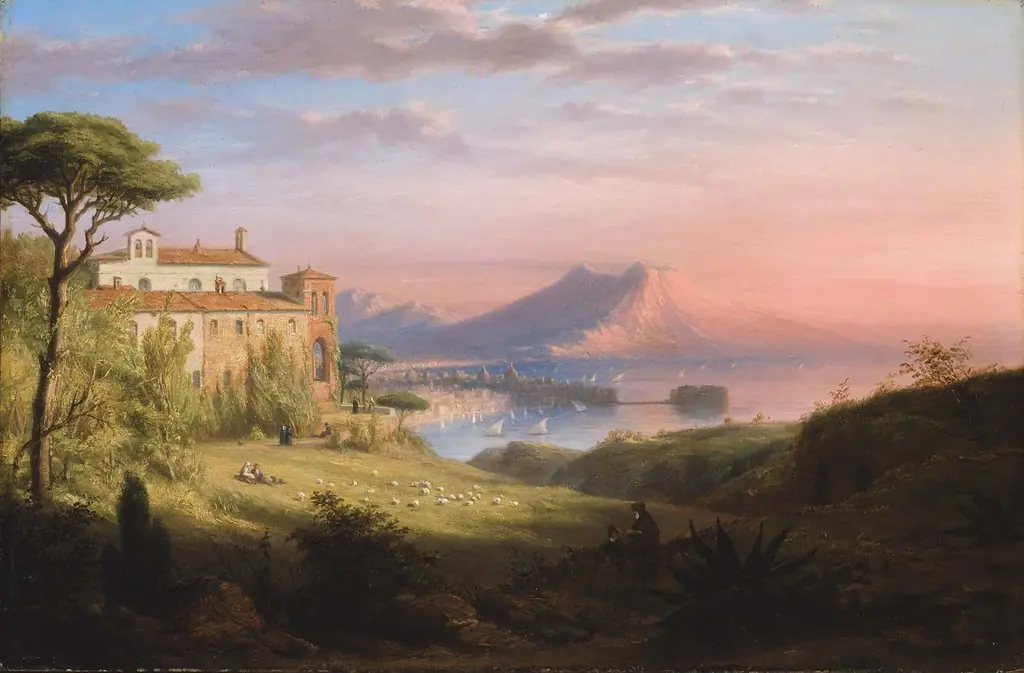 Bay of Naples
 View of Florence
 View of Naples
 View of Mainz on the Rhine
 View of Genoa
 View near Vietri
 Gezicht op het Nederlandse kasteel van Elmina aan de Goudkust
 A View From Beirut (2)
 View of Genoa