Artwork
Graz mit Schlossberg
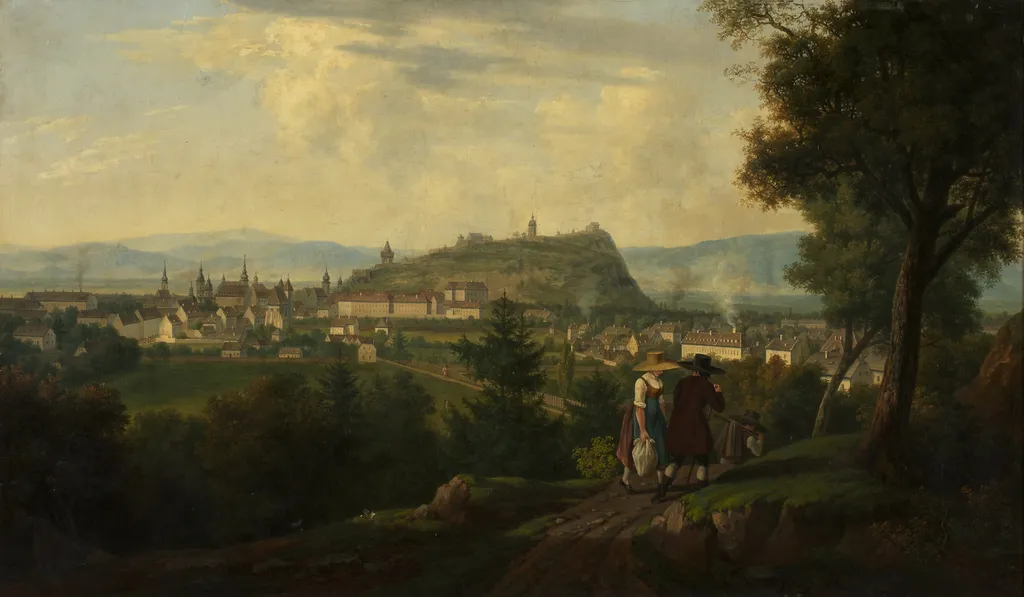
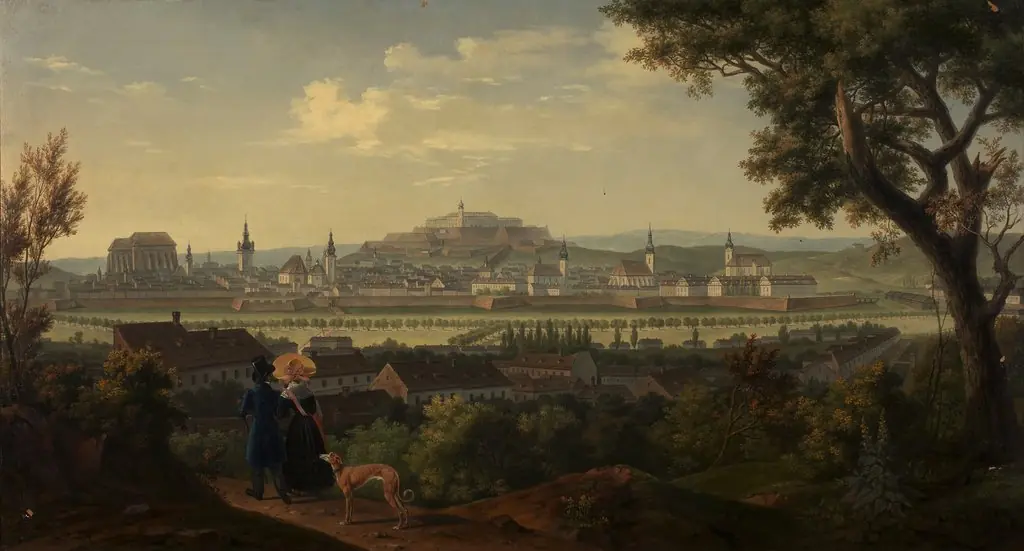
Graz mit Schlossberg is an oil painting by Alois von Saar. It dates from 1829 and is held in the collection of the Kunsthistorisches Museum.
About this work
Overview
Alois von Saar painted this oil landscape in 1829, depicting the Austrian town of Graz with its prominent Schlossberg hill.
Alois von Saar painted this oil landscape in 1829, depicting the Austrian town of Graz with its prominent Schlossberg hill. The work is part of the Kunsthistorisches Museum’s collection in Vienna. It presents a quiet, observational view of the town nestled in the rolling terrain of Styria, rendered with careful attention to natural light and spatial depth. The composition avoids dramatic elements, favoring a calm, contemplative mood.
Subject & Meaning
The painting shows Graz in the distance, its architecture softened by atmospheric perspective, while two figures in regional dress walk a path in the foreground. Their presence suggests daily life rather than narrative action. The inclusion of local attire and the unidealized landscape reflects an interest in regional identity and ordinary rural existence, aligning with early 19th-century trends in topographical and genre-inflected landscape painting.
Technique & Style
Saar employed layered oil glazes to achieve subtle transitions between the lush foreground vegetation and the hazy midground hills. The figures are rendered with precise detail in their clothing, contrasting with the looser brushwork in the sky and distant town. This contrast enhances the sense of depth and scale. The palette is restrained, dominated by greens and earth tones, with soft grays and whites in the clouds reinforcing the painting’s tranquil tone.
History & Provenance
Completed in 1829, the painting entered the collection of the Kunsthistorisches Museum in Vienna, likely through state acquisition or donation during the Habsburg era. It remained largely unaltered and was cataloged as part of the museum’s 19th-century Austrian landscape holdings. No significant ownership changes or restorations are documented, preserving its original condition and intent.
Context
Created during a period when Austrian artists increasingly turned to local scenery for inspiration, the work reflects a broader cultural shift away from idealized classical landscapes toward regional realism. Saar’s focus on Graz—a provincial capital with historical significance—mirrors growing interest in regional identity within the Austrian Empire, particularly in the decades before the 1848 revolutions.
Legacy
While Alois von Saar is not widely known outside Austria, this painting exemplifies a quiet, observational strand of 19th-century Austrian landscape art. It contributes to the understanding of how regional topography was documented and valued before the rise of Romanticism’s more dramatic interpretations. The work remains a reference point for studies of Austrian provincial life and early landscape documentation.
Artist & collection

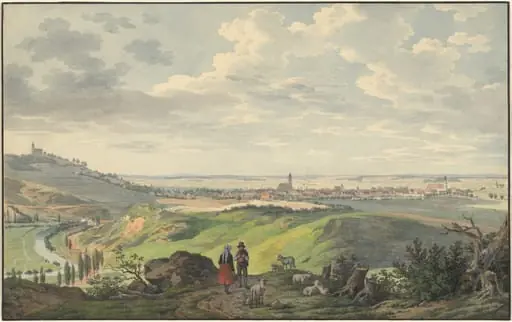 The City of Arnberg in the Oberpfalz
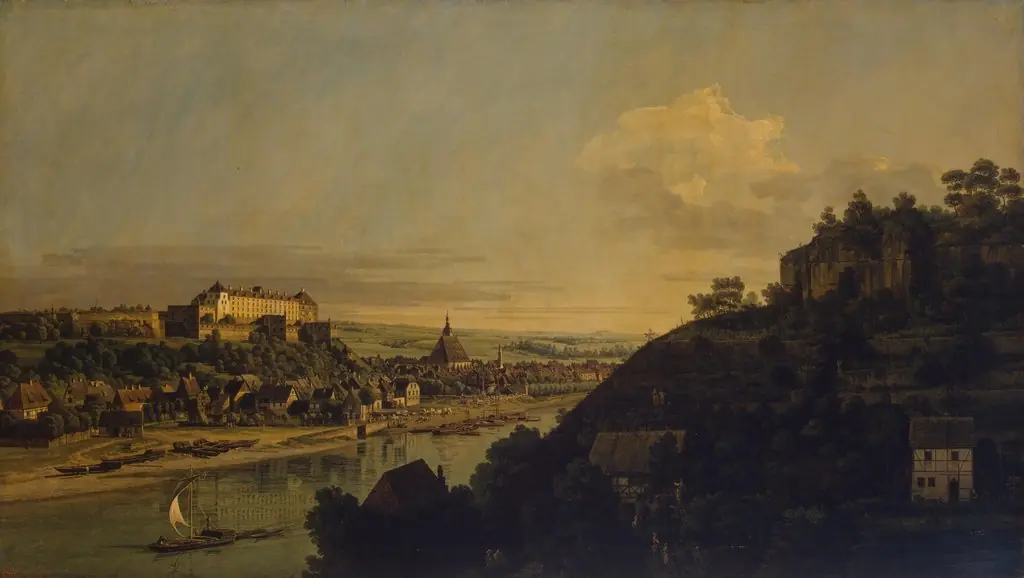 View of Pirna from the Right Bank of the Elba above the Town
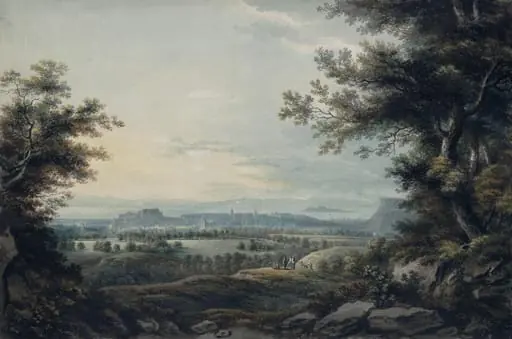 Edinburgh from the South
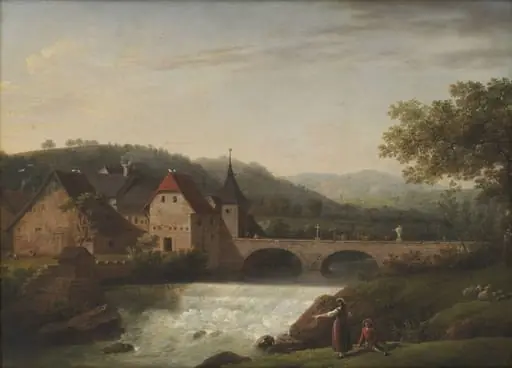 The Bridge and the Waterfall at Dornach, Switzerland
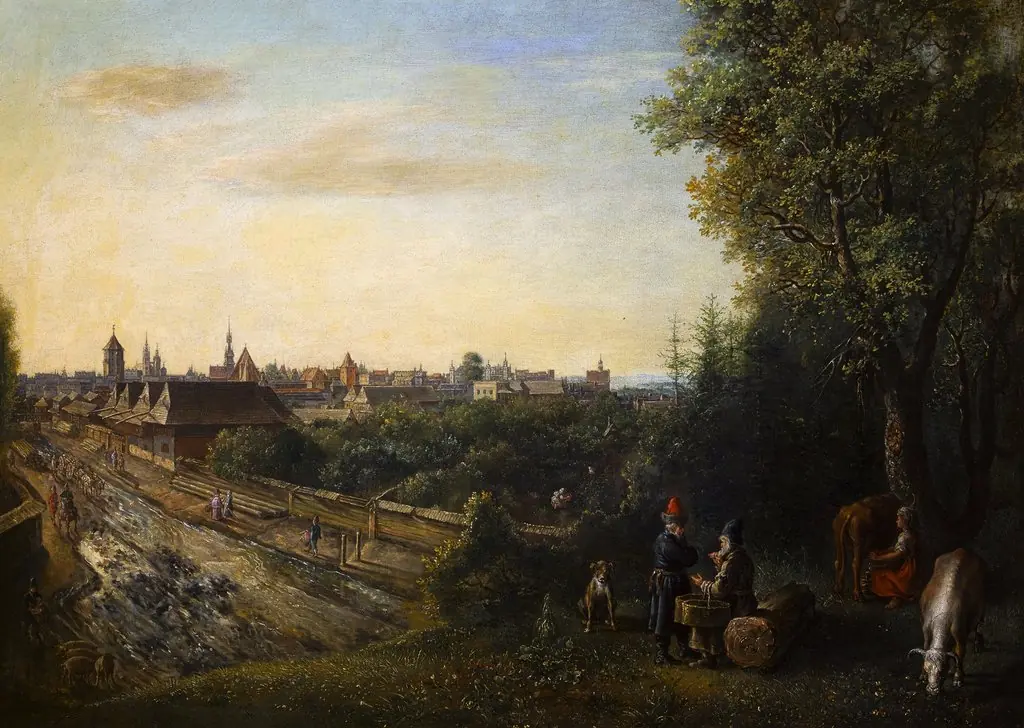 View of Krakow
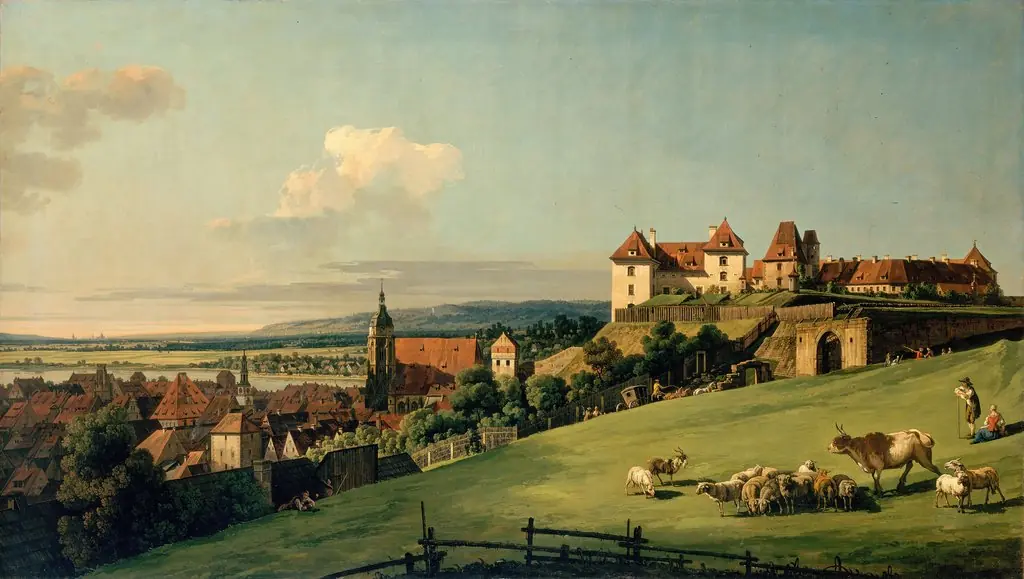 View of Pirna from the Sonnenstein Castle
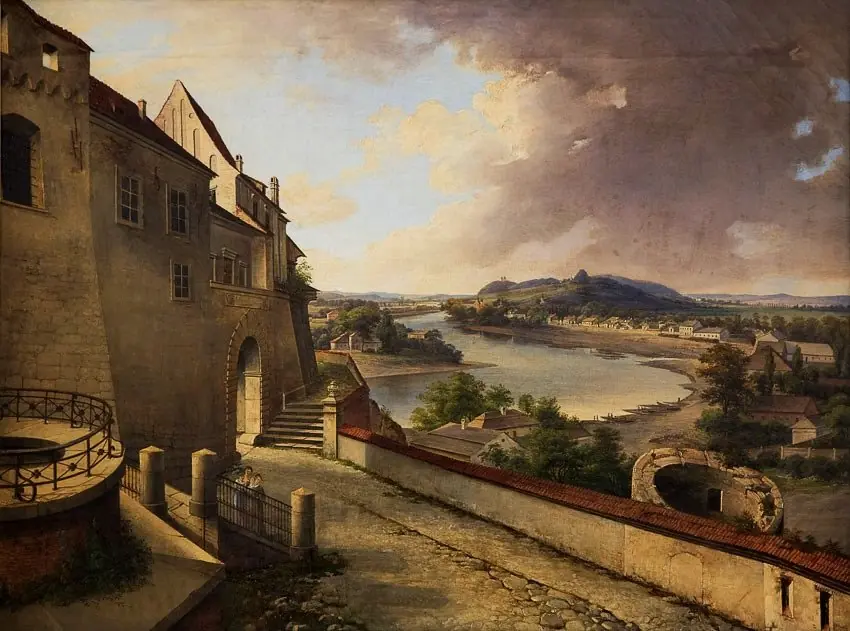 Widok z Wawelu na kopiec Kościuszki
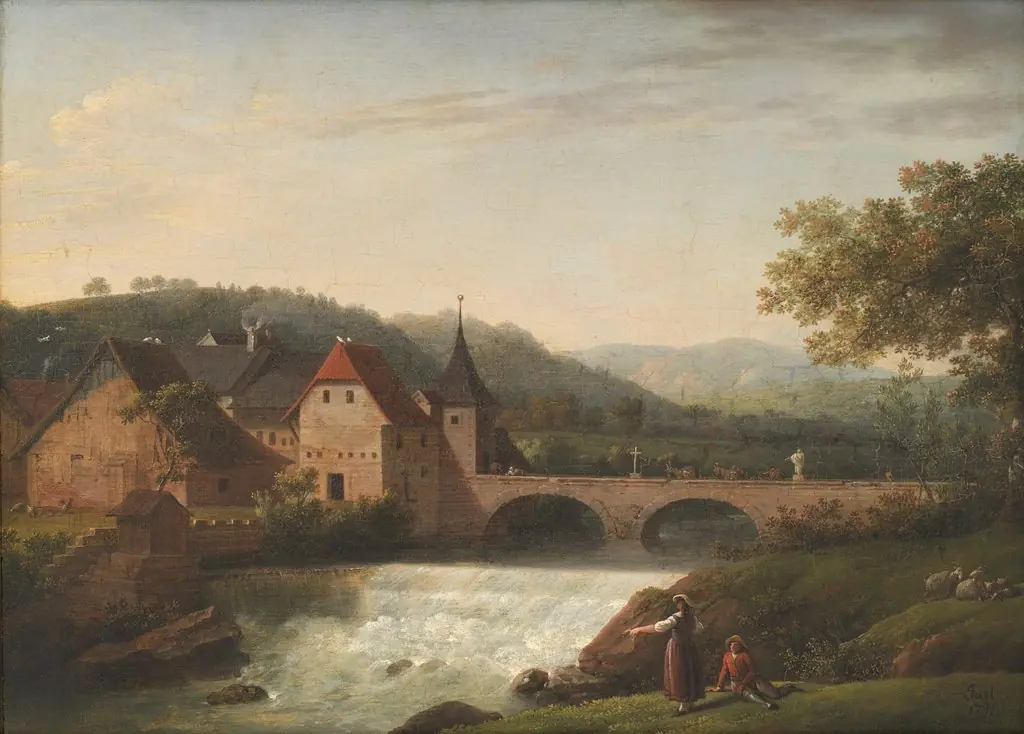 The Bridge and the Waterfall at Dornach, Switzerland
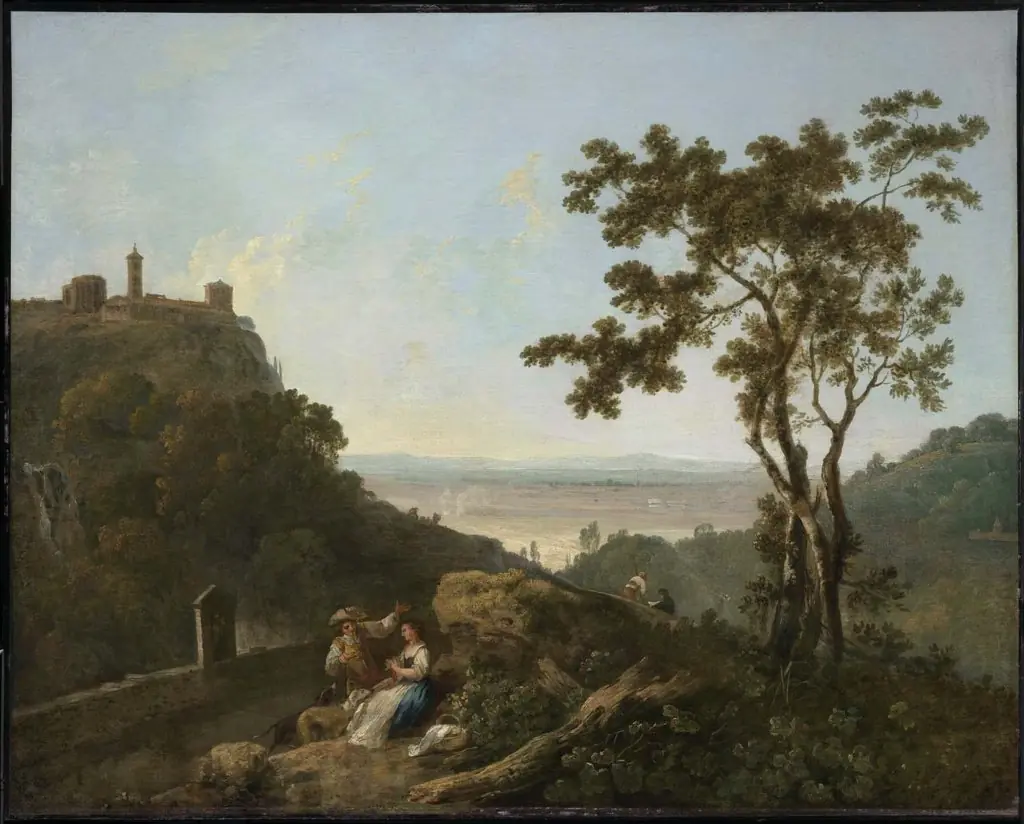 Tivoli and the Roman Campagna with a Man and Woman
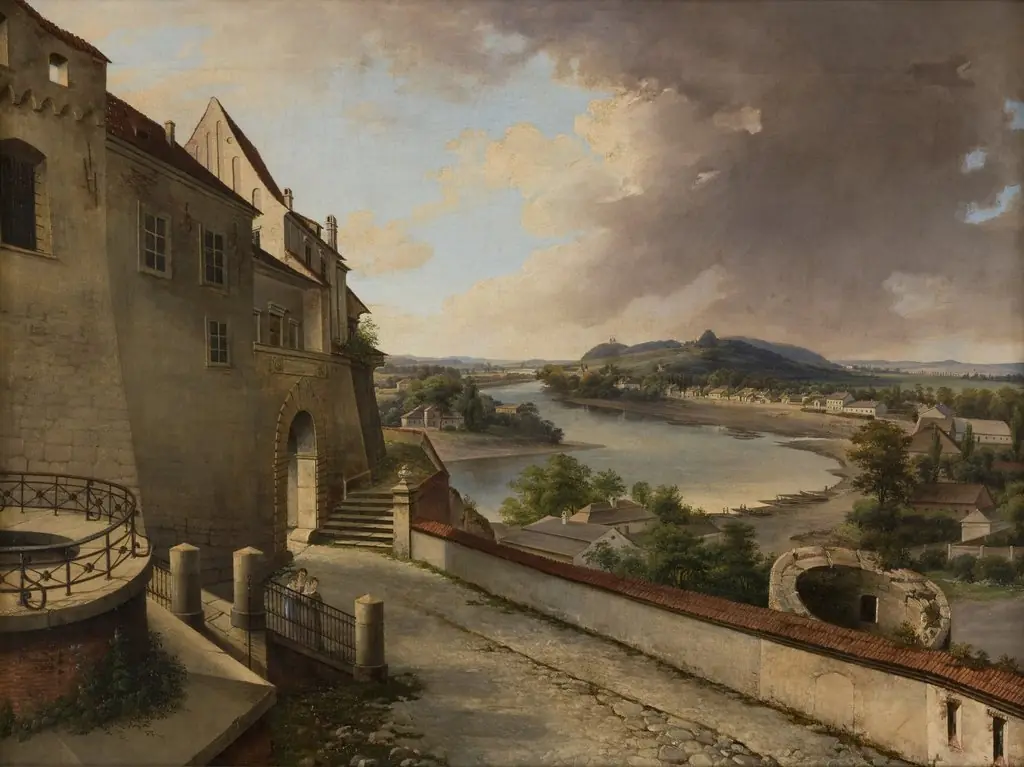 "View from Wawel" by Jan Nepomucen Głowacki