Artwork
View of Pirna from the Sonnenstein Castle
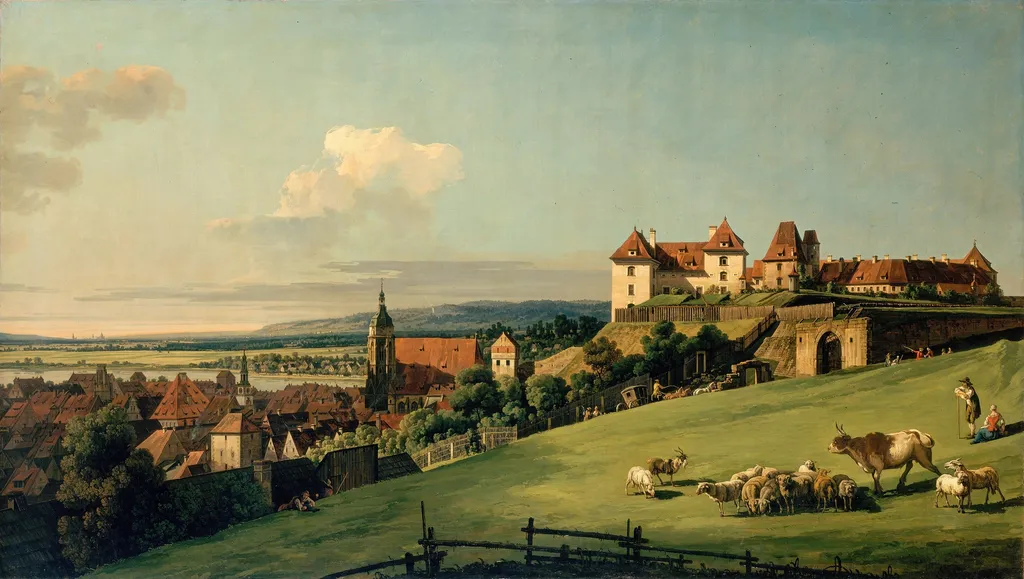
View of Pirna from the Sonnenstein Castle is an oil painting by the Rococo painting artist Bernardo Bellotto. It dates from 1750 and is held in the collection of the Hermitage Museum. Painted around 1750, this oil on canvas depicts the Saxon town of Pirna as seen from the elevated grounds of Sonnenstein Castle.
About this work
Overview
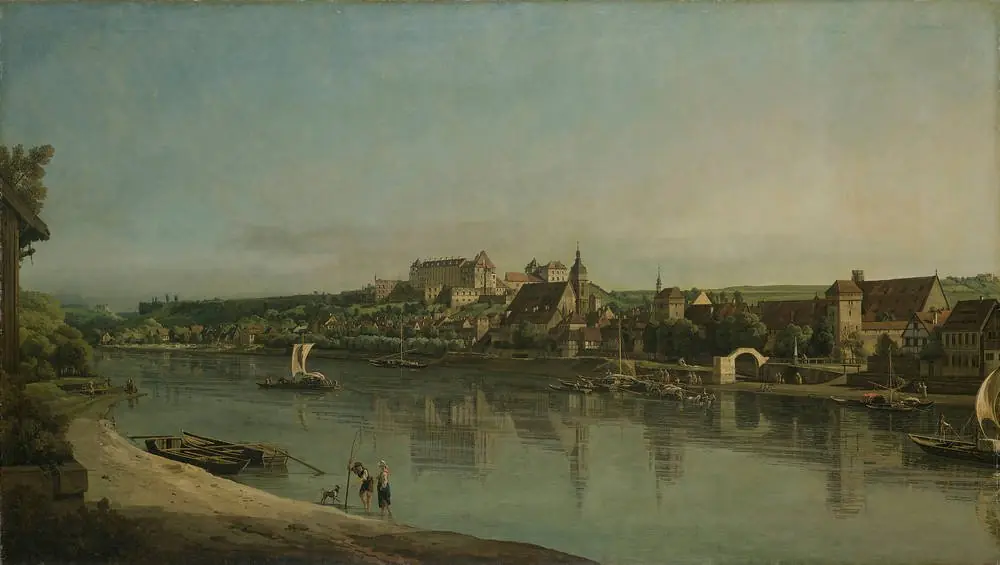
Painted around 1750, this oil on canvas depicts the Saxon town of Pirna as seen from the elevated grounds of Sonnenstein Castle. The work is part of Bernardo Bellotto’s series of topographical views, executed with precision and a restrained palette. It resides in the State Hermitage Museum in Saint Petersburg, where it contributes to a collection of 18th-century European landscape painting.
Subject & Meaning
The castle, perched above, anchors the composition as both a geographic landmark and a symbol of local authority.
The scene captures Pirna’s urban fabric nestled along the Elbe River, framed by gentle hills and a clear sky. The castle, perched above, anchors the composition as both a geographic landmark and a symbol of local authority. Foreground figures and grazing livestock suggest daily life, not as narrative drama but as quiet observation—emphasizing the harmony between human settlement and natural topography.
Technique & Style
Bellotto employed fine brushwork to render architectural details with cartographic clarity, from the castle’s turrets to the town’s tiled roofs. Atmospheric perspective is achieved through subtle gradations of blue and ochre, with warm earth tones in the foreground lending depth. The sky, lightly clouded, softens the transition between land and air, reinforcing the painting’s documentary tone without romantic embellishment.
History & Provenance
Commissioned during Bellotto’s time in Saxony, the painting likely served as a record of the region’s appearance under the rule of Augustus III. It entered the Hermitage collection in the late 18th century, possibly through imperial acquisition. Its survival through wars and reorganizations underscores its value as a historical document as much as an artistic work.
Context
Bellotto worked in the tradition of Canaletto, his uncle, but with a cooler, more analytical eye. His views of German and Polish cities were sought by royalty for their accuracy. This painting reflects the Enlightenment-era interest in documenting urban landscapes, aligning with broader efforts to map and understand the physical world through visual means.
Legacy
The painting remains a key reference for historians studying 18th-century Saxon townscape. Its fidelity to topography has aided reconstruction efforts, particularly after wartime destruction. While not widely exhibited, it continues to inform scholarly understanding of Bellotto’s role in bridging topographical accuracy with painterly discipline.
Artist & collection

Artist
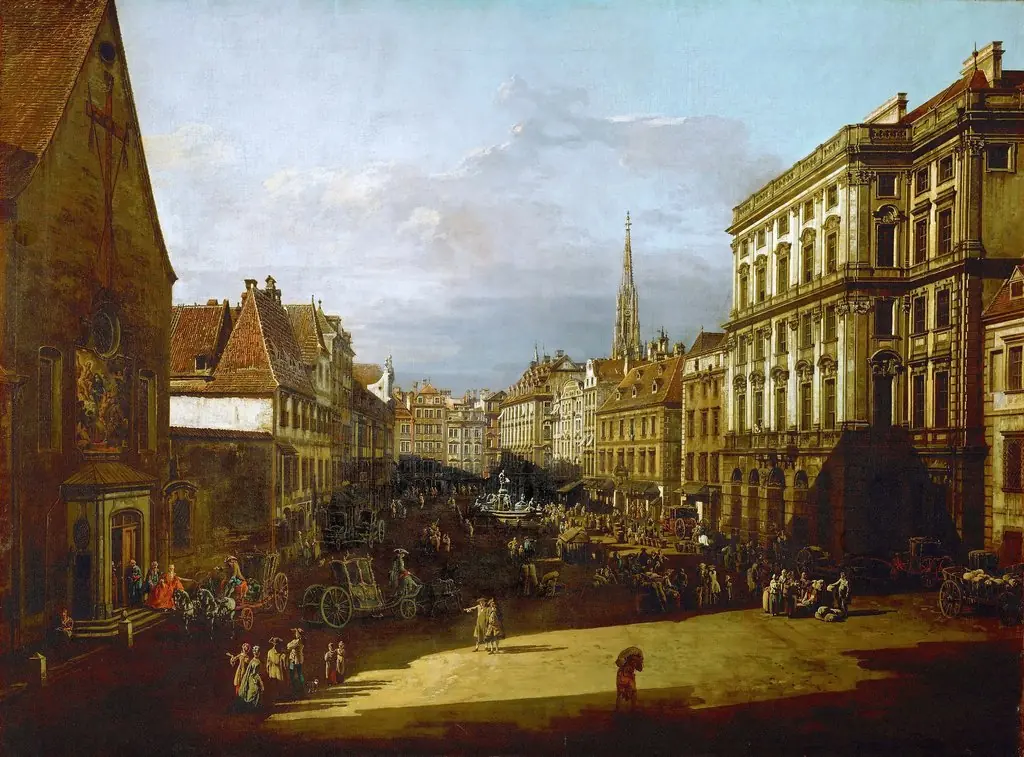
Bernardo Bellotto, was an Italian urban landscape painter or vedutista, and printmaker in etching famous for his vedute of European cities – Dresden, Vienna, Turin, and Warsaw.

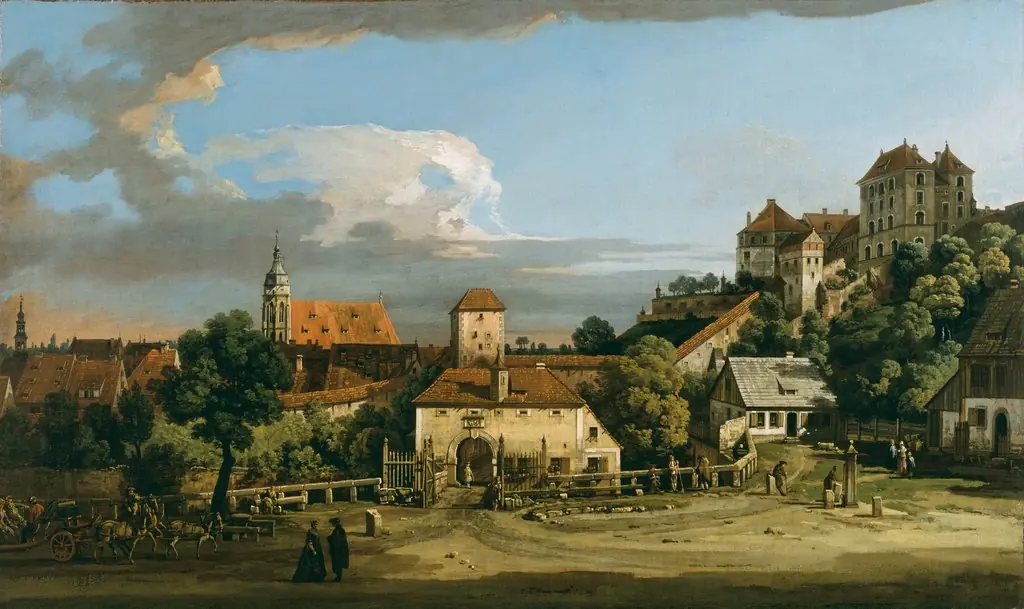
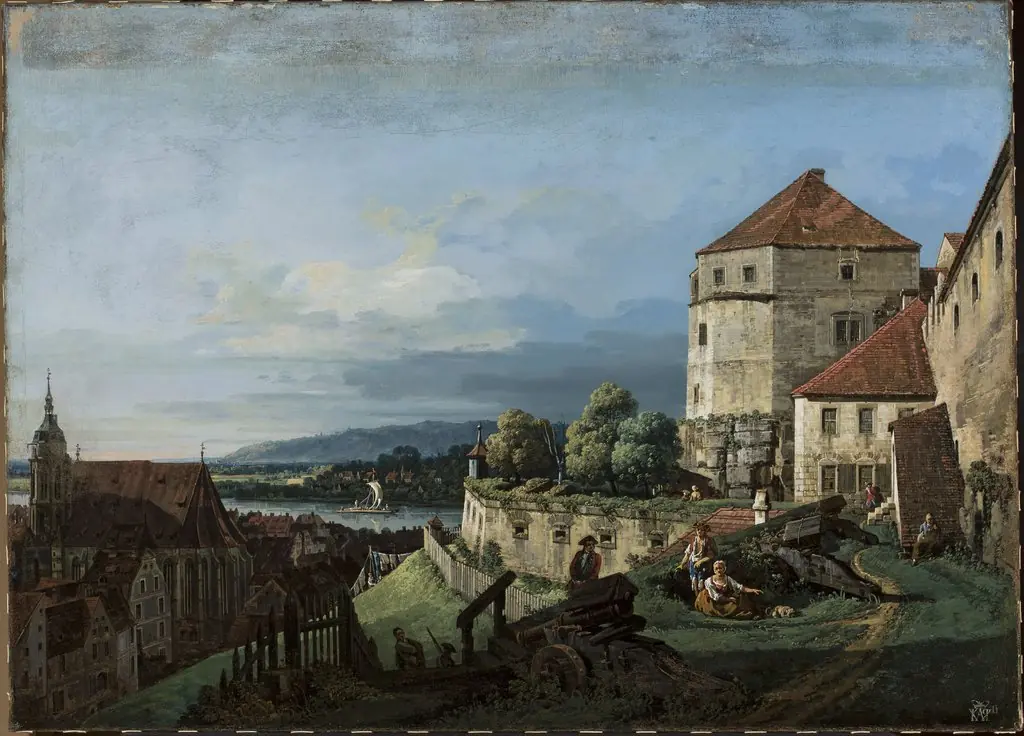 View of Pirna in Saxony
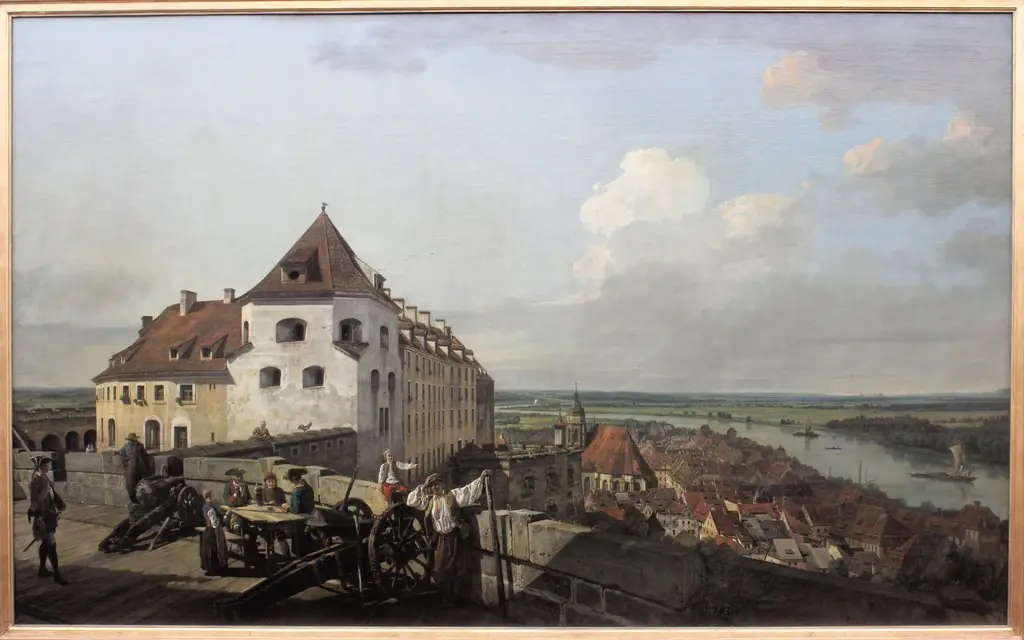 Sonnenstein fortress and Pirna from Hohes Werk, 1755
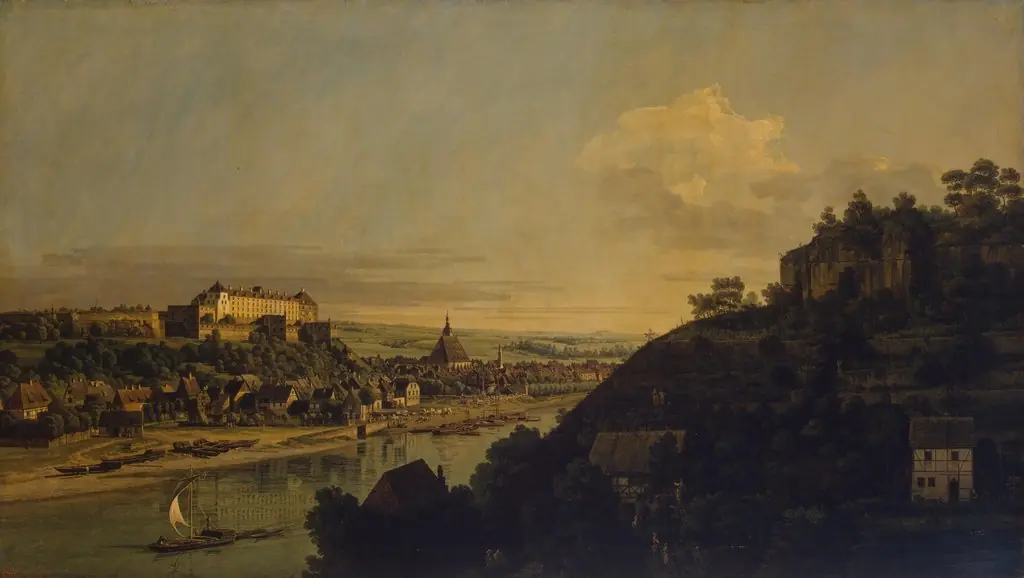 View of Pirna from the Right Bank of the Elba above the Town
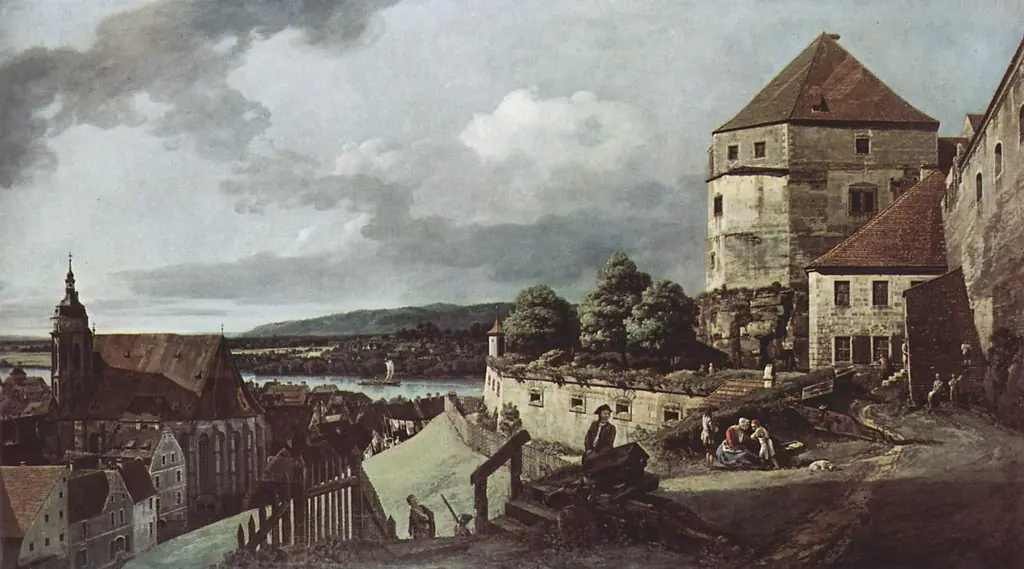 View of Pirna, from Sonnenstein Castle
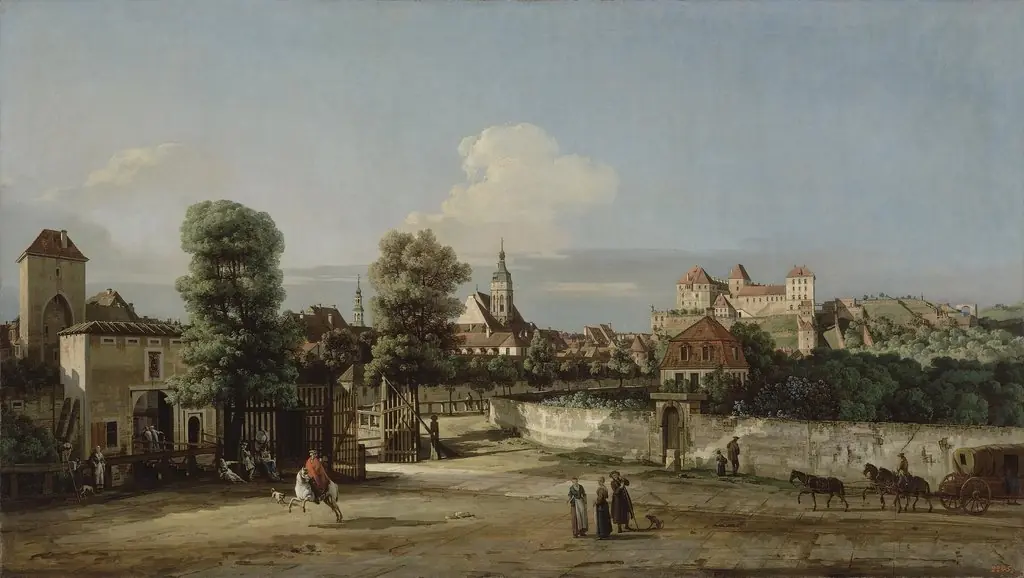 View of Pirna from the West, from the Corner of Wide Street
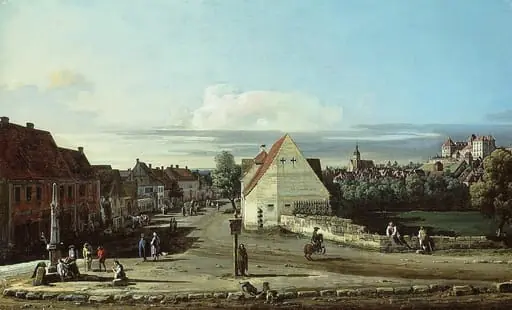 View of Pirna with the Fortress of Sonnenstein
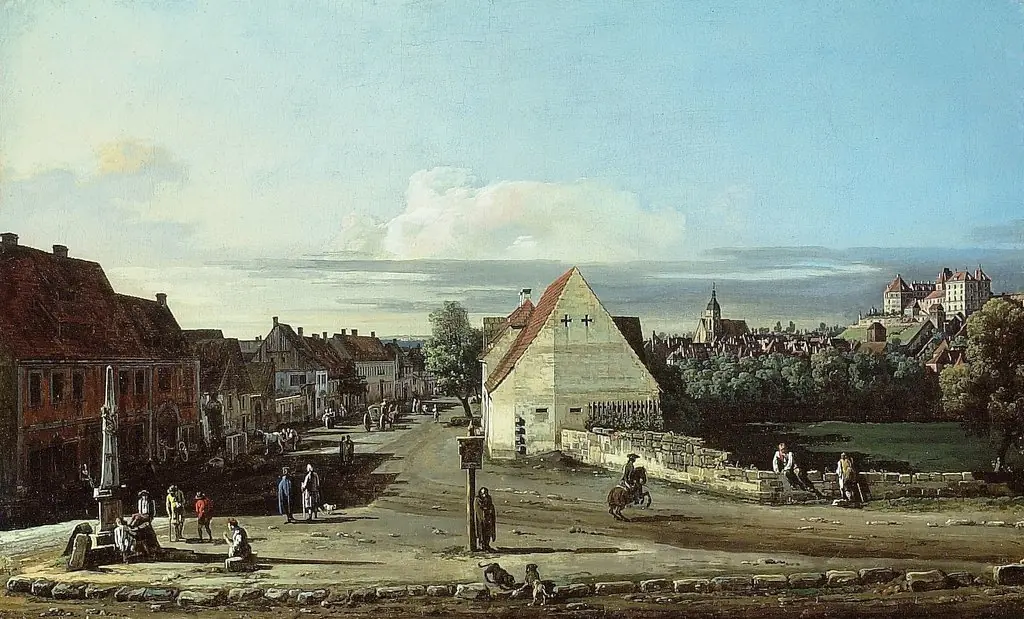 View of Pirna, from Sonnestein Castle
 Pirna from Kopitz
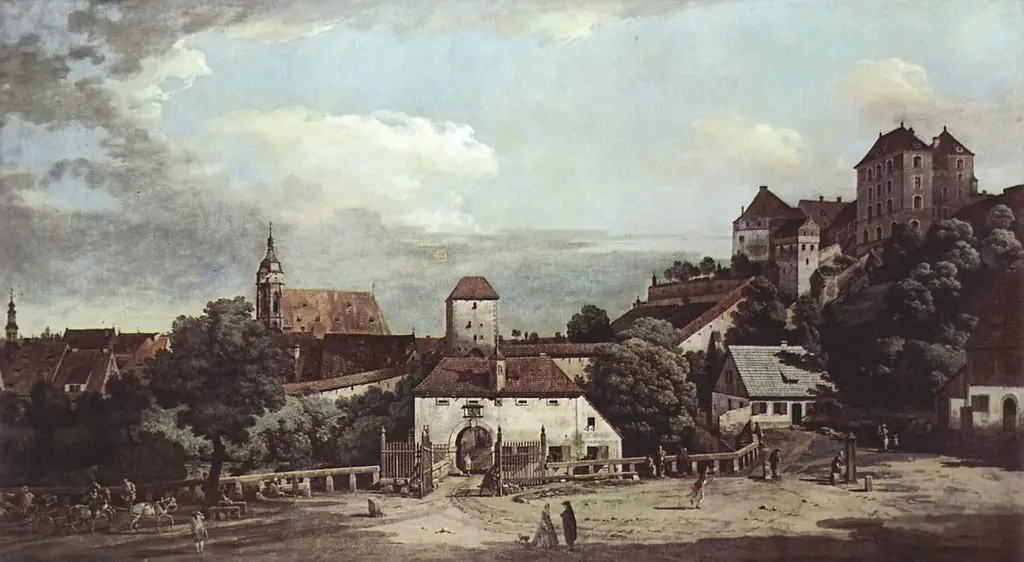 Pirna from the South
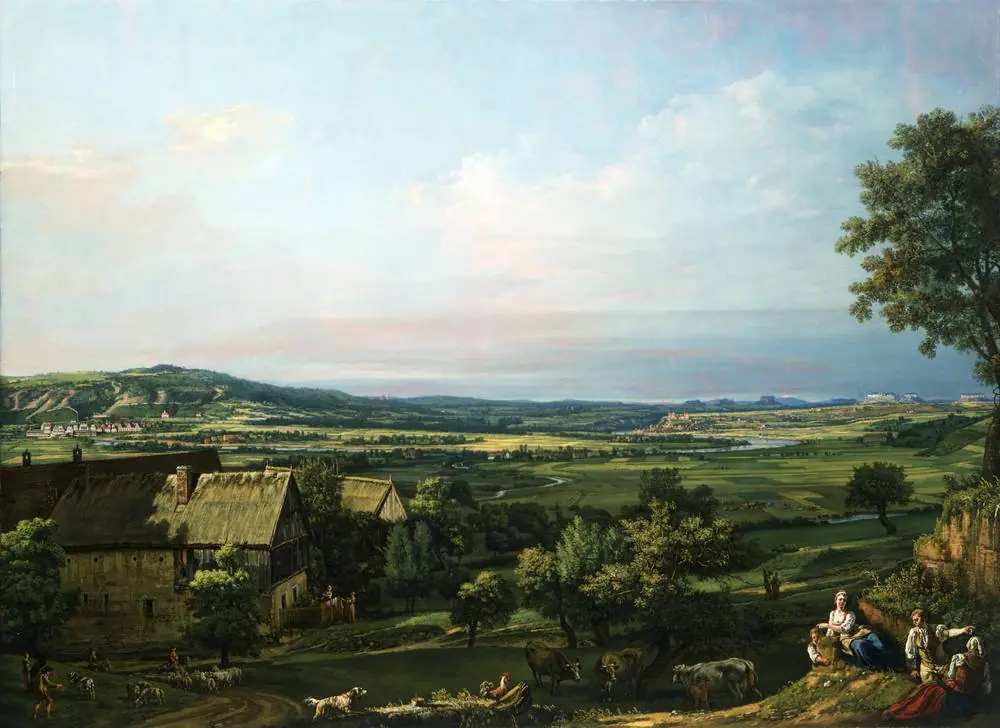 The Elbe between Pirna and Pillnitz
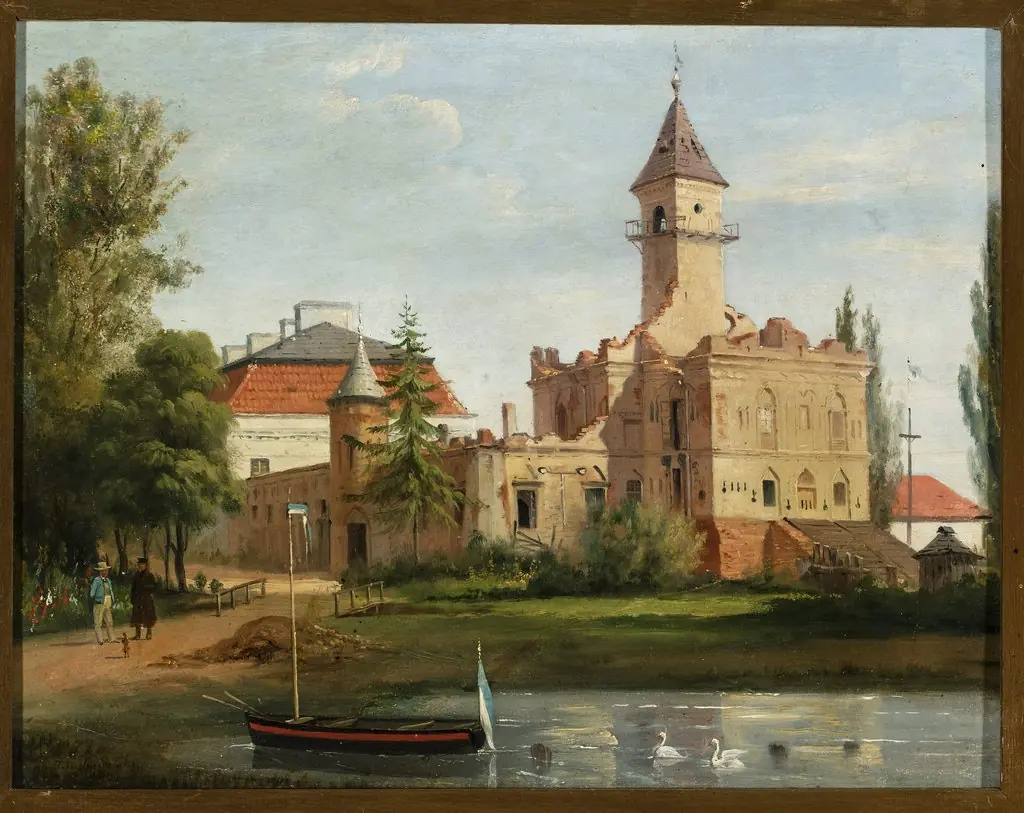 View of the castle in Radziejowice