Artwork
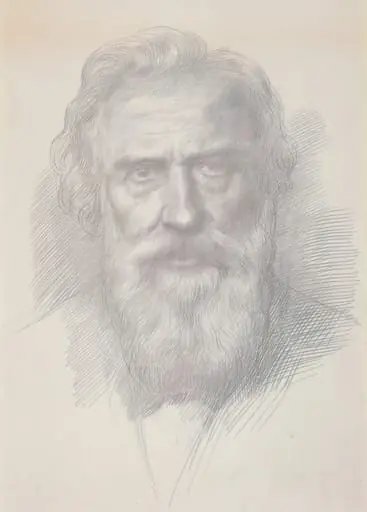
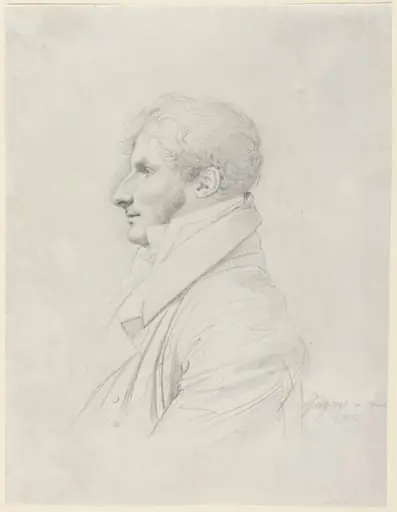
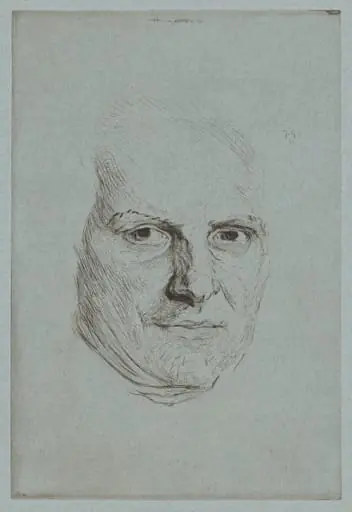
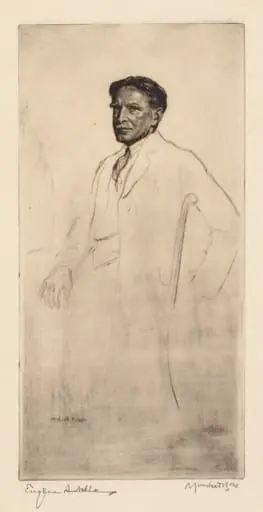
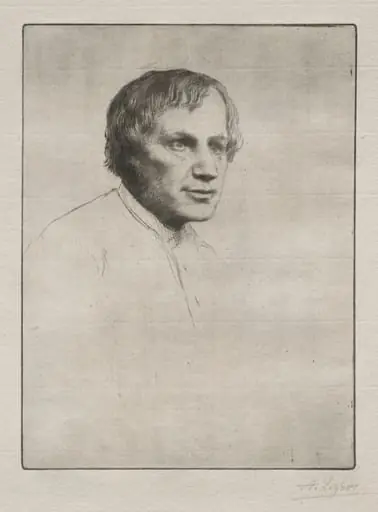
Portrait of Sir Charles Holroyd
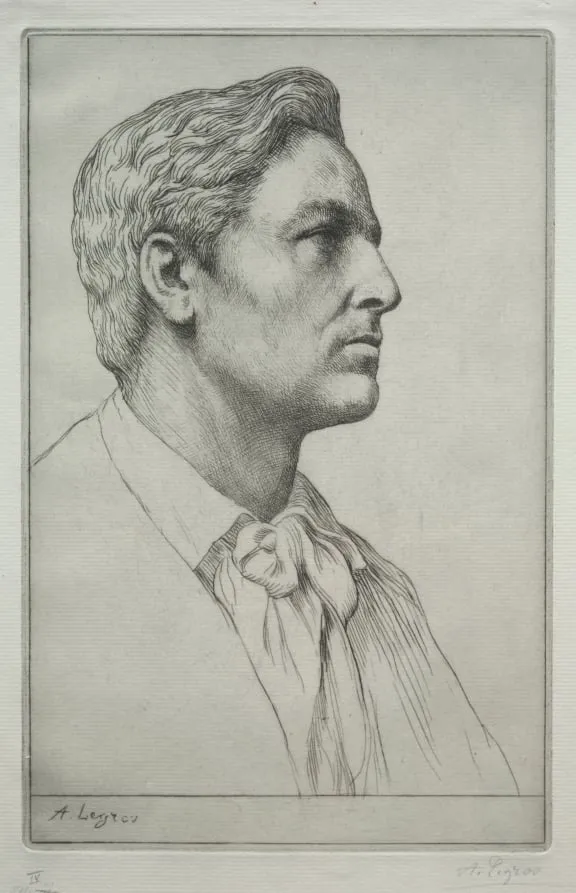
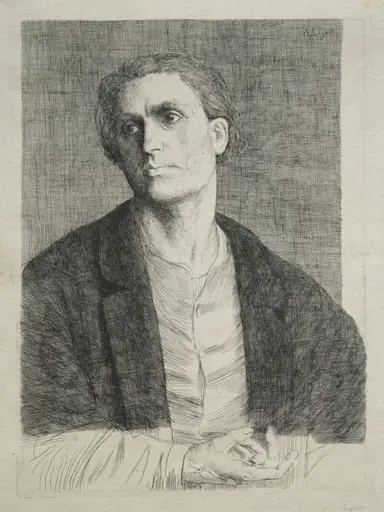
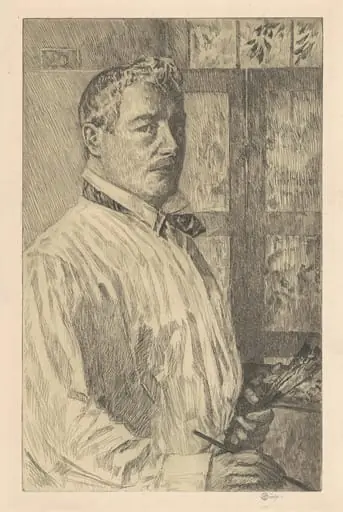
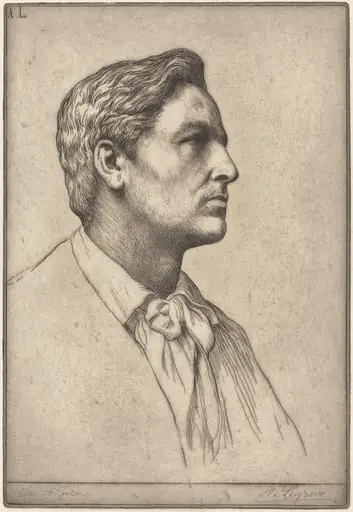
Portrait of Sir Charles Holroyd is a print by the Impressionist artist Alphonse Legros. It dates from 1884 and is held in the collection of the Cleveland Museum of Art.
About this work
Overview
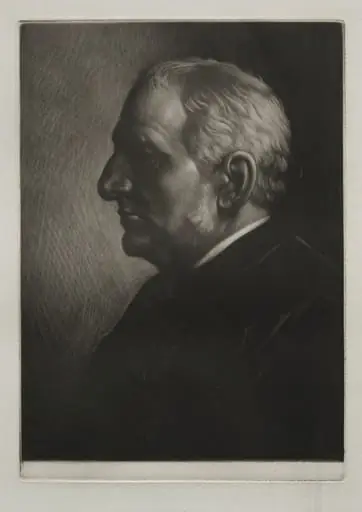
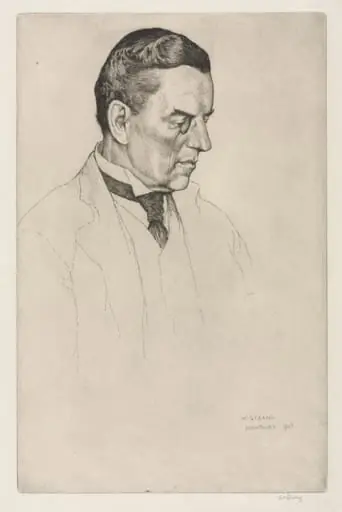
Created in 1884 by Alphonse Legros, this black-and-white print depicts Sir Charles Holroyd, a British artist and museum administrator. The work is held in the collection of The Cleveland Museum of Art. Executed in a tonal, linear style, it reflects Legros’s interest in capturing character through subtle gradations of light and shadow rather than bold outlines or color.
Subject & Meaning
Sir Charles Holroyd, then director of the National Gallery in London, is portrayed in quiet introspection, his head turned slightly away from the viewer.
Sir Charles Holroyd, then director of the National Gallery in London, is portrayed in quiet introspection, his head turned slightly away from the viewer. His formal attire—a white collar and bow tie—signals his professional status, while the restrained composition emphasizes dignity over flamboyance. The portrait conveys a sense of intellectual composure, aligning with Victorian ideals of reserved authority.
Technique & Style
Legros employed drypoint etching to render fine, deliberate lines and soft tonal transitions. The shading on Holroyd’s face, particularly around the cheekbones and jaw, creates a sense of volume without heavy contrast. The technique avoids sharp edges, favoring a muted, atmospheric quality that suggests depth through nuanced ink density rather than dramatic chiaroscuro.
History & Provenance
The print was made during Legros’s tenure as a professor at Slade School of Fine Art, where he influenced a generation of British artists. It entered The Cleveland Museum of Art’s collection in the early 20th century, likely through a donation or acquisition focused on European graphic arts. Its preservation reflects the museum’s interest in late 19th-century printmaking traditions.
Context
In the 1880s, portraiture in printmaking shifted toward psychological realism, moving away from idealized forms. Legros, trained in France but active in England, bridged these traditions. His approach aligned with contemporaries like Whistler and Meissonier, who valued quiet observation and technical precision over theatricality, reflecting broader cultural tastes of the era.
Legacy
This portrait exemplifies Legros’s role in elevating printmaking as a serious medium for portraiture. His emphasis on tonal subtlety and psychological presence influenced British etchers and helped establish the drypoint technique as a vehicle for intimate, lifelike representation. The work remains a reference point in studies of Victorian graphic art.
Artist & collection

Artist
Alphonse Legros (French pronunciation: ; 8 May 1837 – 8 December 1911) was a French, later British, painter, etcher, sculptor, and medallist.