Artwork
Hercules Bearing the Column of Gades
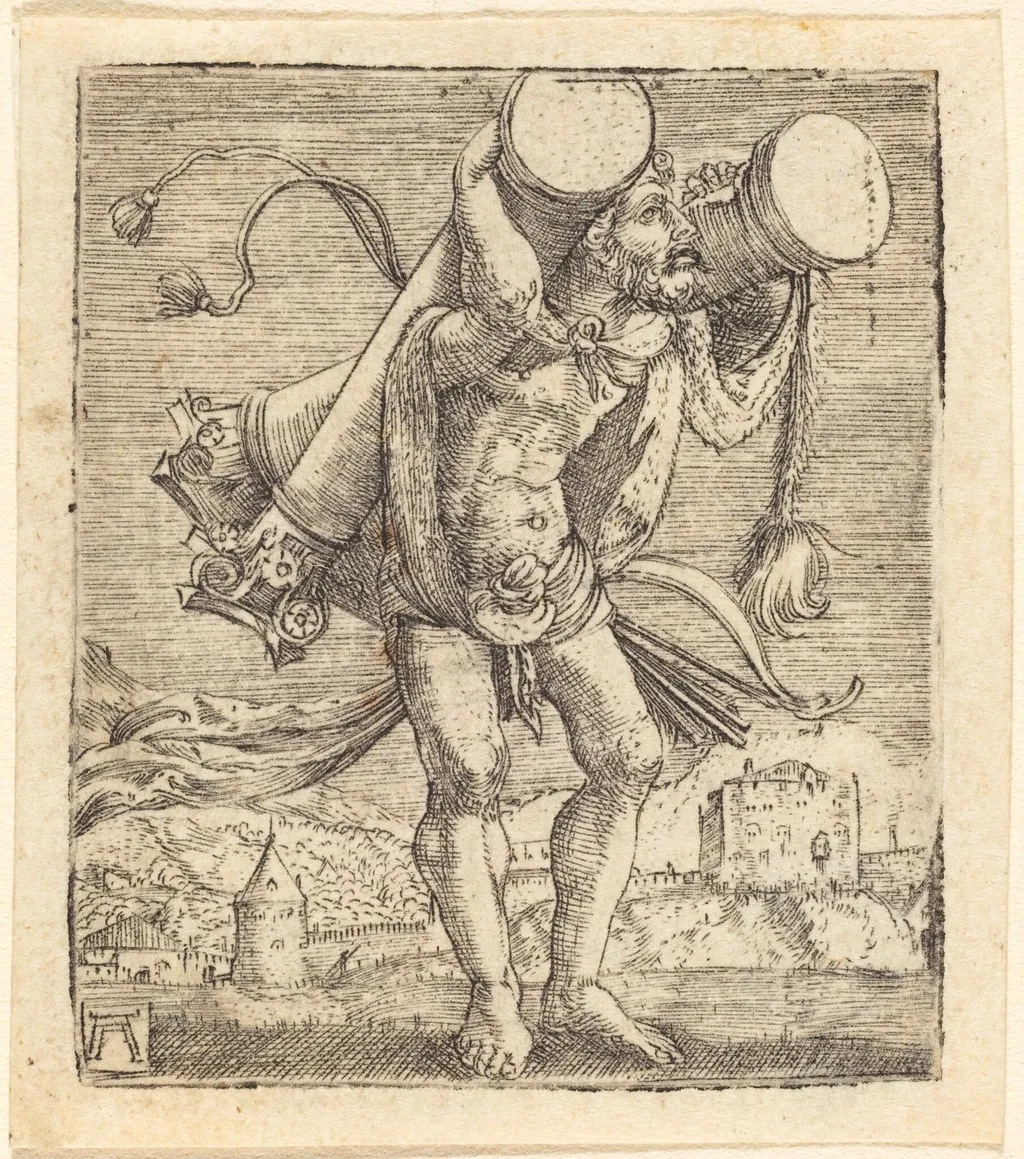
Hercules Bearing the Column of Gades is an ink print by the Renaissance artist Albrecht Altdorfer. It dates from 1522 and is held in the collection of the National Gallery of Art.
About this work
Overview
Though small in scale, the composition conveys monumental weight through precise draftsmanship and careful tonal gradation.
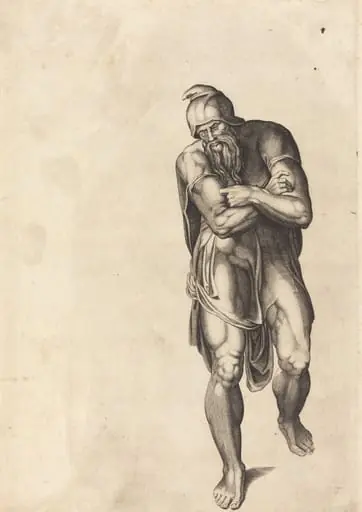
Created around 1522 by Albrecht Altdorfer, this engraving on laid paper portrays Hercules supporting the Column of Gades, a mythological symbol of the western limit of the known world. Executed in fine linear detail, the work reflects Altdorfer’s mastery of engraving and his interest in classical themes. Though small in scale, the composition conveys monumental weight through precise draftsmanship and careful tonal gradation.
Subject & Meaning
The image illustrates Hercules’ labor of carrying the Pillars of Hercules, traditionally associated with the Strait of Gibraltar. By depicting him burdened by the column, Altdorfer evokes themes of endurance and the limits of human strength. The figure’s strained posture and focused gaze suggest not triumph but solemn duty, aligning the myth with Renaissance humanist ideals of perseverance and moral resolve.
Technique & Style
Altdorfer employed fine, controlled lines typical of engraving, using cross-hatching and delicate stippling to model form and texture. The muscular anatomy of Hercules is rendered with precision, while the column’s capital and surface are detailed with ornamental care. The background landscape, though minimally developed, shows his signature attention to atmospheric depth, a hallmark of the Danube School’s emerging interest in nature as a contextual element.
History & Provenance
The print was made during Altdorfer’s active years in Regensburg, where he produced numerous engravings alongside his paintings and architectural projects. While no early ownership records are documented, the work aligns with the circulation patterns of Nuremberg-style prints among educated collectors. Its survival in multiple institutional collections suggests it was valued for its technical refinement and intellectual resonance in early 16th-century Europe.
Context
In the early 1520s, German artists were increasingly drawn to classical mythology as a vehicle for moral and philosophical expression. Altdorfer’s engagement with such subjects coincided with broader humanist currents and the rise of print culture, which allowed mythological imagery to reach wider audiences. His approach distinguished him from purely narrative illustrators by emphasizing psychological weight and environmental nuance.
Legacy
Though less celebrated than his landscape paintings, this engraving exemplifies Altdorfer’s role in elevating printmaking as a medium for complex, contemplative imagery. His integration of myth with subtle naturalism influenced later Northern engravers who sought to balance narrative clarity with atmospheric depth. The work remains a quiet testament to the intellectual ambitions of German Renaissance print culture.
Artist & collection
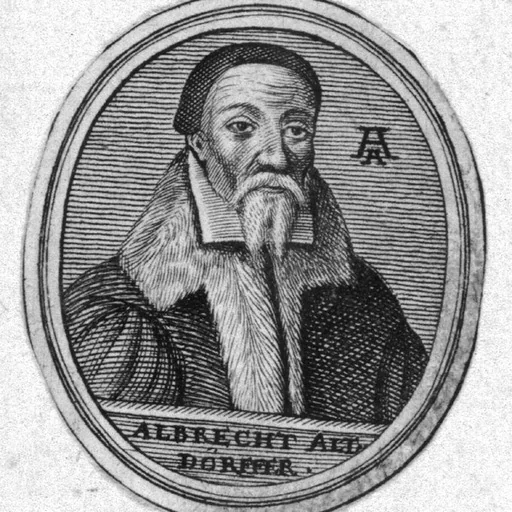
Artist
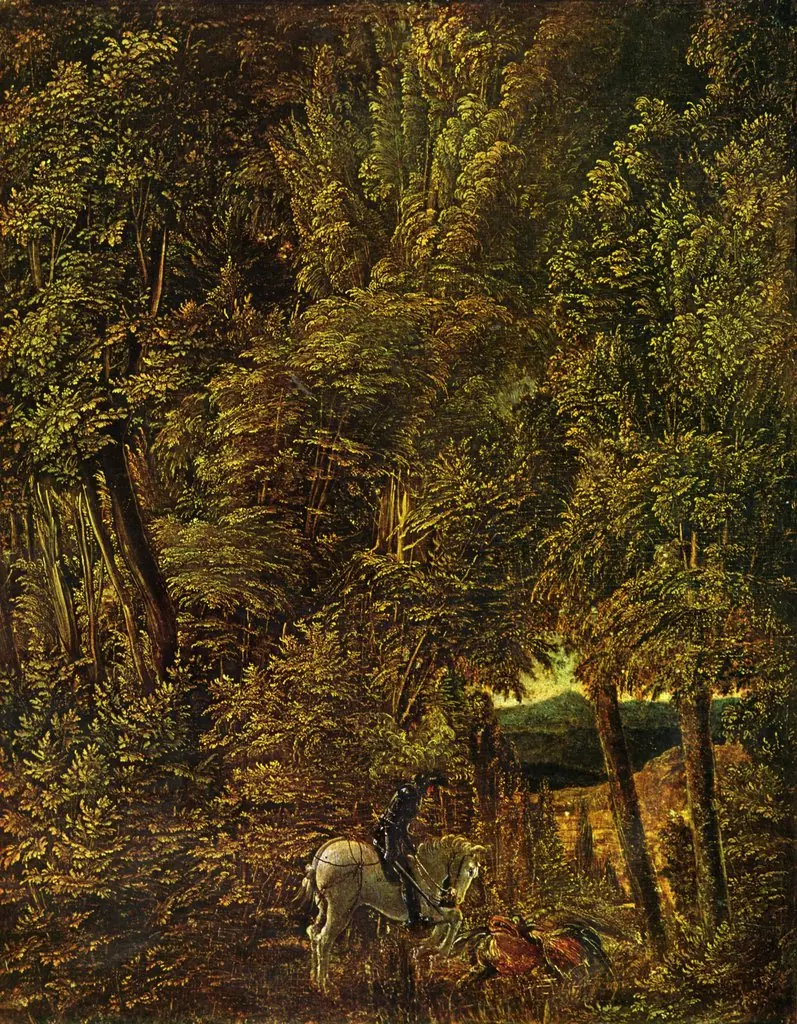
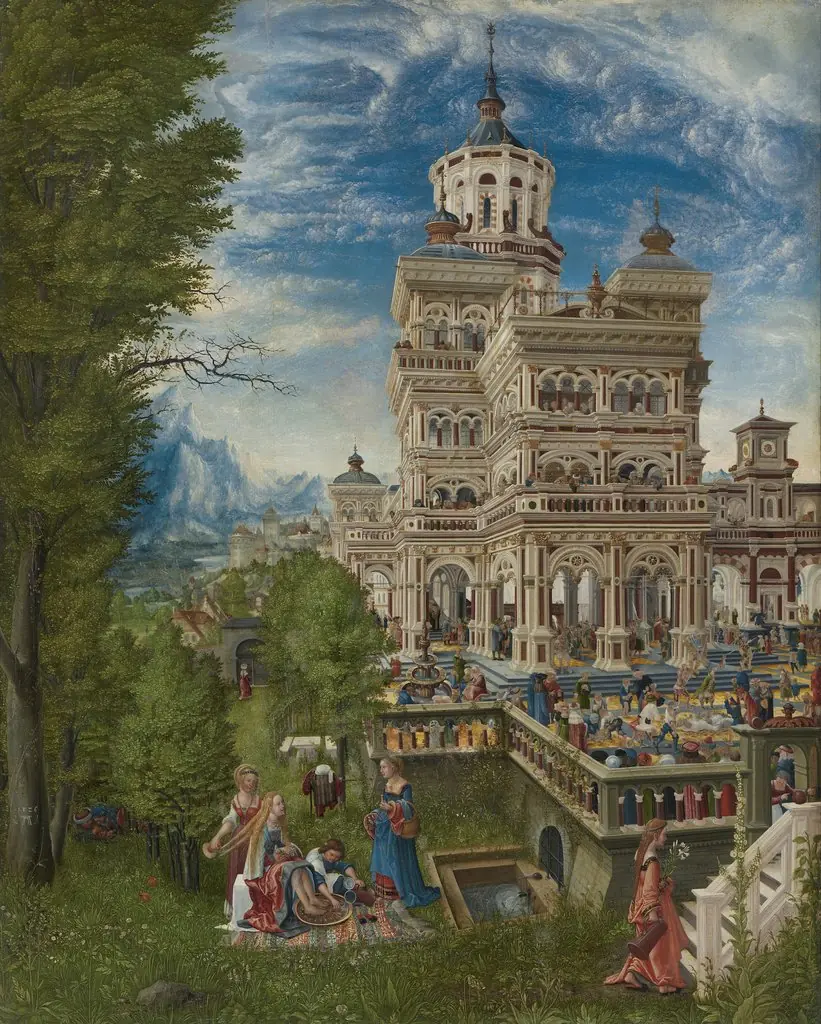
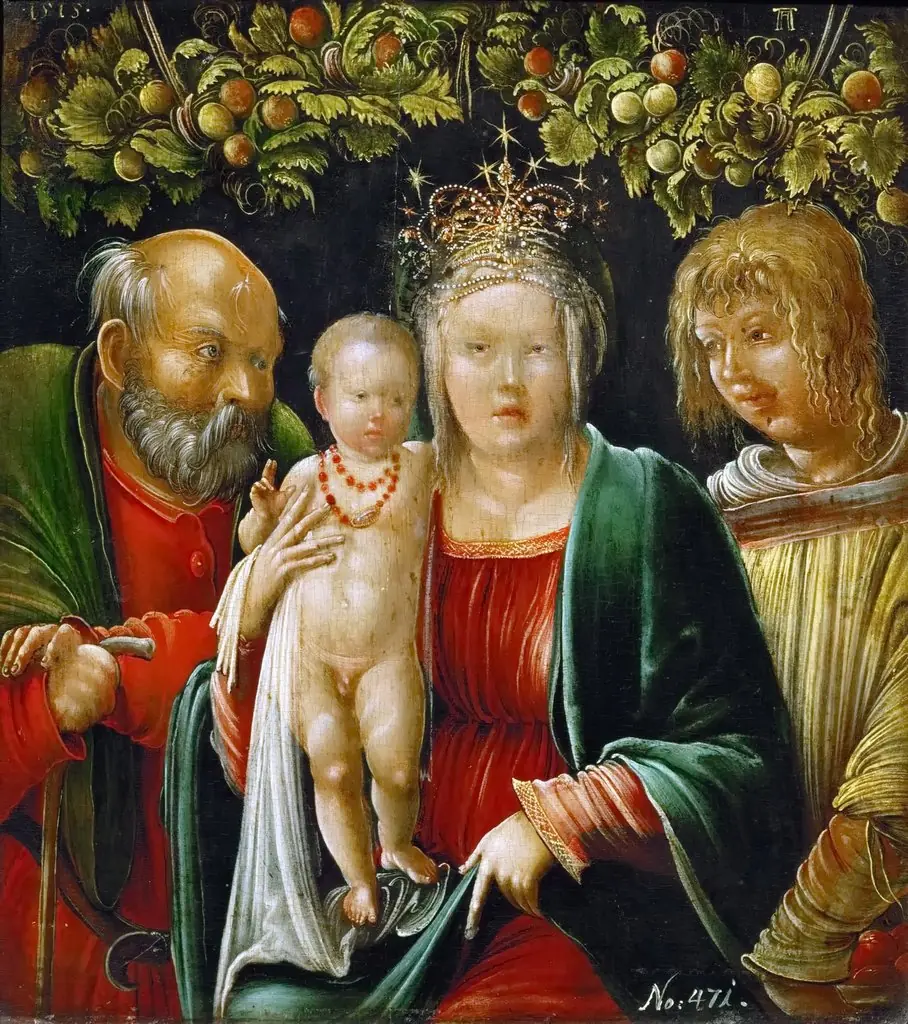
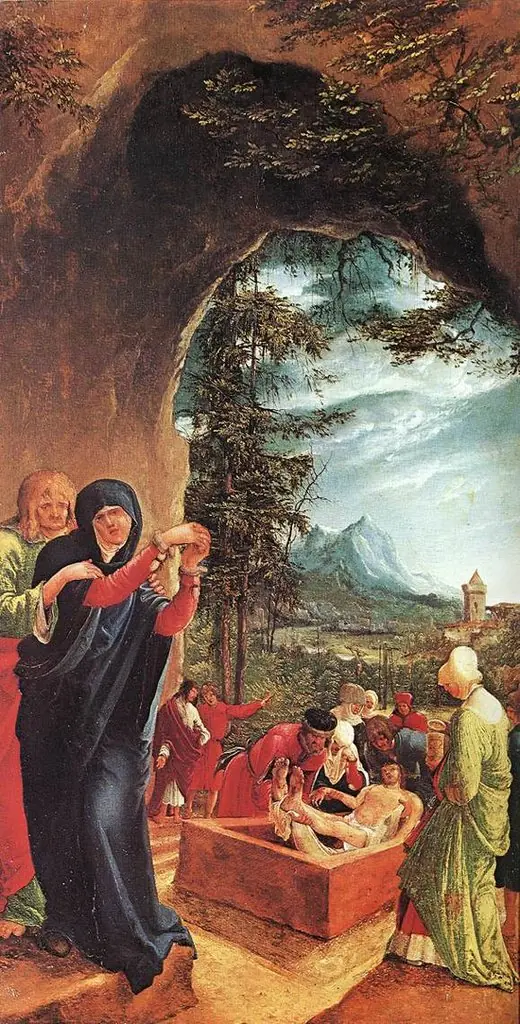
Albrecht Altdorfer (c. 1480 – 12 February 1538) was a German painter, engraver and architect of the Renaissance working in Regensburg. Along with Lucas Cranach the Elder and Wolf Huber he is regarded to be the main…