Artwork
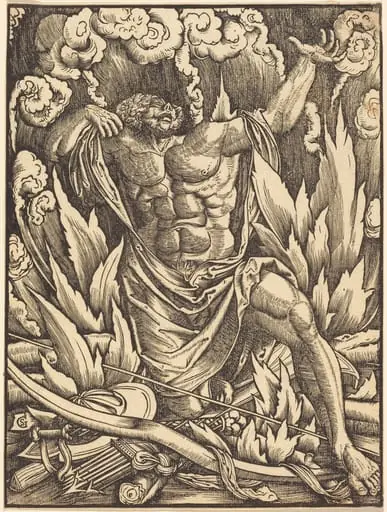
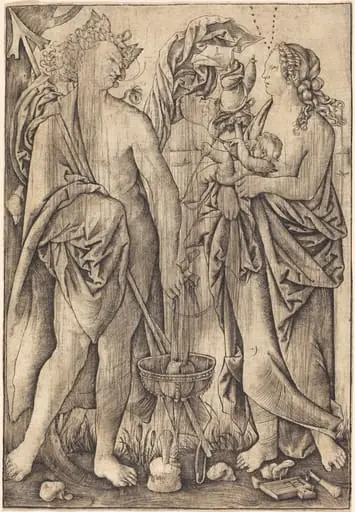
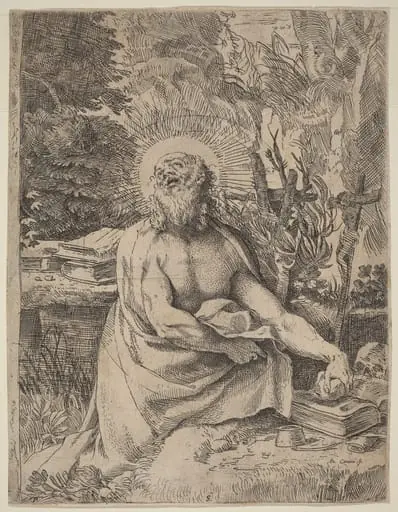
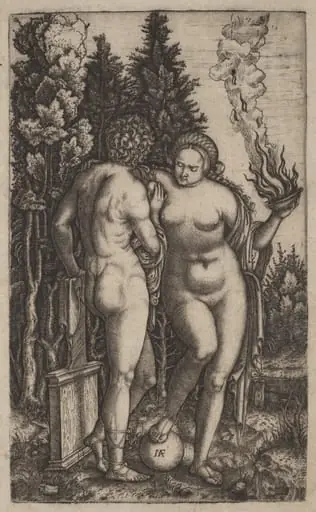
Mucius Scaevola Burning His Hand
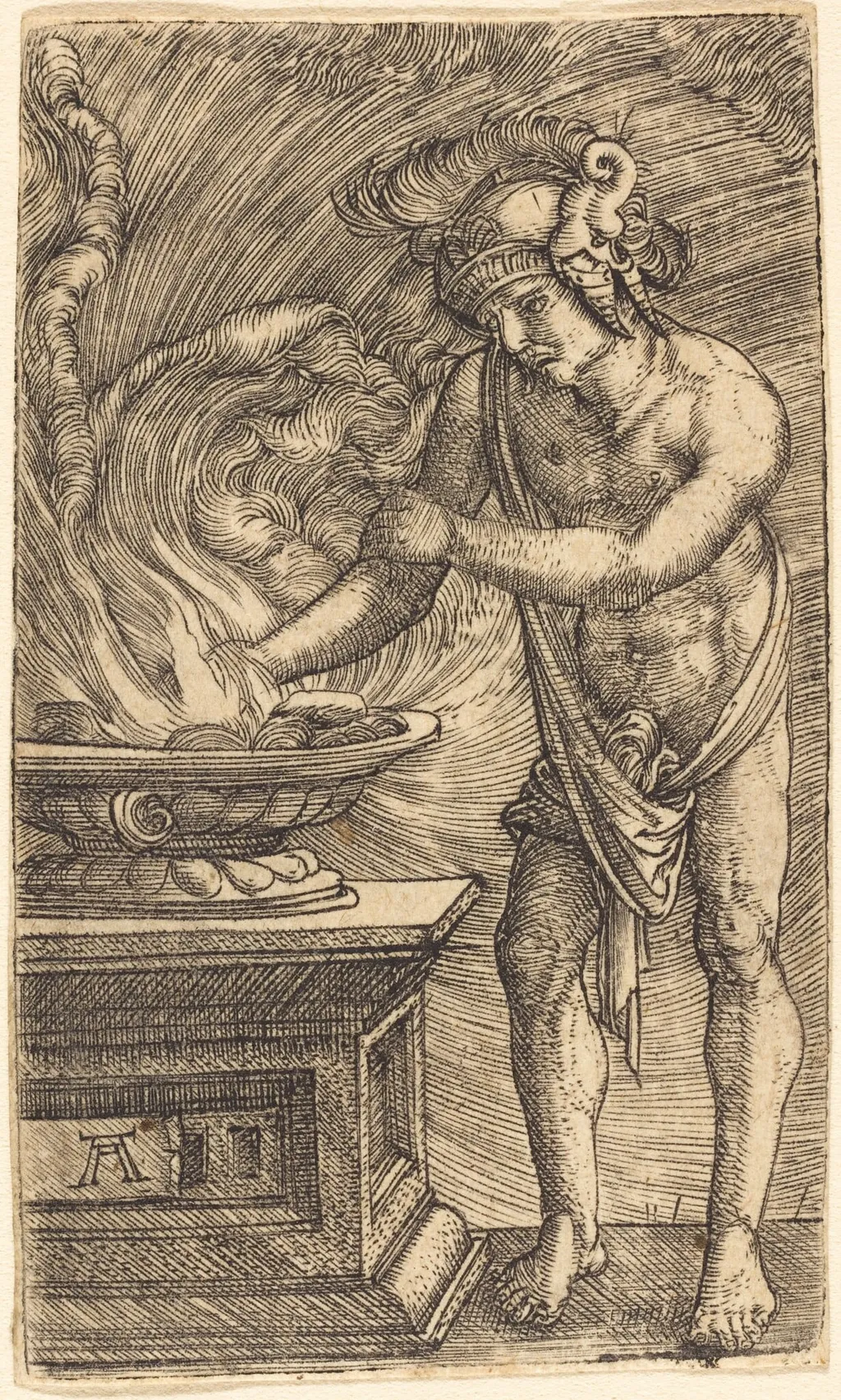
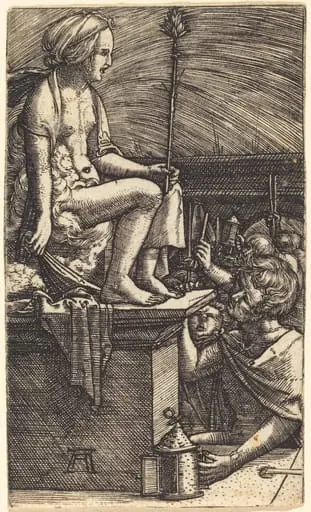
Mucius Scaevola Burning His Hand is an ink print by the Renaissance artist Albrecht Altdorfer. It dates from 1525 and is held in the collection of the National Gallery of Art.
About this work
Overview
Albrecht Altdorfer, a German artist of the early 16th century, produced the engraving titled *Mucius Scaevola Burning His Hand* circa 1525. Executed on laid paper, the work presents a single figure in a dramatic moment, rendered entirely in black‑and‑white line and tone.
Subject & Meaning
The image depicts the Roman youth Mucius Scaevola, who, according to legend, placed his right hand in a fire to demonstrate loyalty to Rome. He is shown holding a crown, his gaze fixed on the flames, while his left hand rests on a small table, emphasizing the act of self‑sacrifice.
Technique & Style
Altdorfer employed fine incised lines and cross‑hatching to model light and shadow, creating a stark contrast between the illuminated hand and the surrounding darkness. A swirling drapery behind the figure adds movement, while the overall composition reflects the detailed, miniature approach typical of the Nuremberg Little Masters.
History & Provenance
Created during Altdorfer’s mature period in Regensburg, the print aligns with his broader interest in integrating narrative scenes within carefully rendered settings. Though originally produced as a small, hand‑cut engraving, it later entered collections of early German prints, illustrating the artist’s engagement with both historical subject matter and the print market of his time.
Context
Altdorfer, a leading figure of the Danube School, is known for placing biblical and historical episodes against vivid landscapes. While this work focuses on a single figure rather than a broad view, it still demonstrates his concern for atmospheric detail and the independent value of landscape elements, even within a tightly framed narrative scene.
Artist & collection
Artist
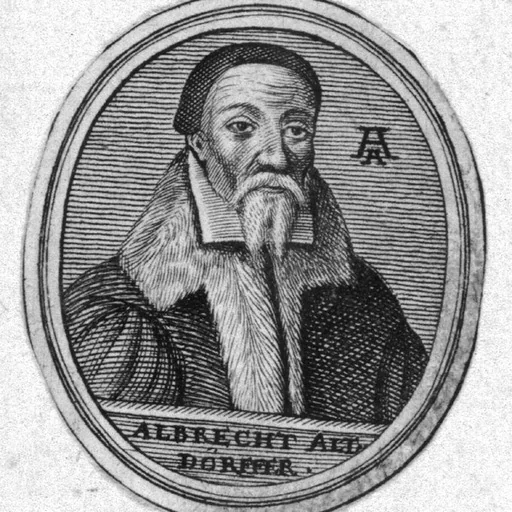
Albrecht Altdorfer (c. 1480 – 12 February 1538) was a German painter, engraver and architect of the Renaissance working in Regensburg. Along with Lucas Cranach the Elder and Wolf Huber he is regarded to be the main…