Artwork
The Ascension of Christ
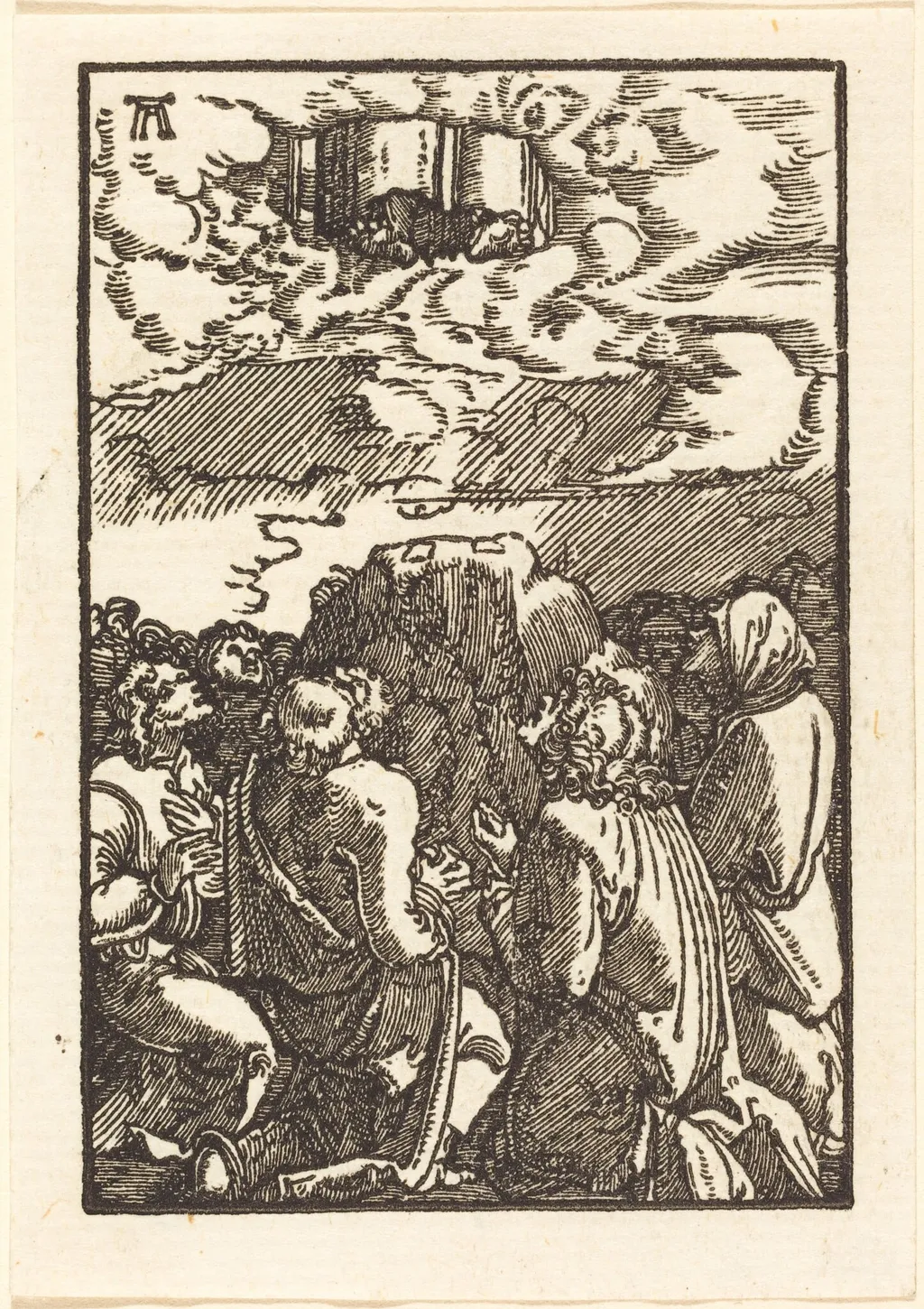
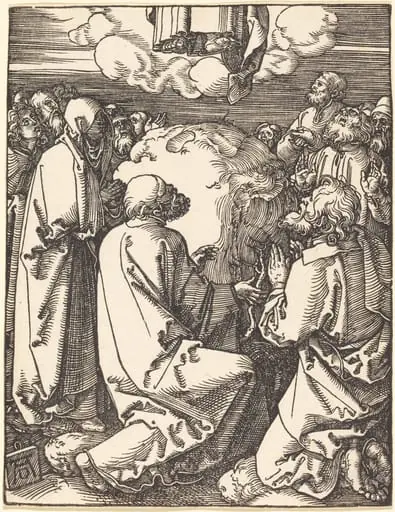
The Ascension of Christ is an ink print by the Renaissance artist Albrecht Altdorfer. It dates from 1513 and is held in the collection of the National Gallery of Art.
About this work
Overview
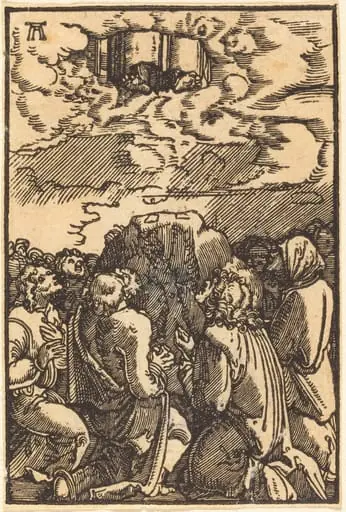
Created around 1513 by Albrecht Altdorfer, this woodcut on laid paper depicts the biblical Ascension of Christ. Executed in Regensburg, it reflects Altdorfer’s role in the Danube School, where landscape and spiritual narrative converged. The print’s stark black lines on a pale ground showcase the precision of woodcut technique, emphasizing contrast and clarity without color.
Subject & Meaning
The scene captures Christ ascending into a cloud-filled sky, surrounded by a group of observers on a rocky hillside. Figures below gesture upward in awe, their postures reinforcing the moment’s divine gravity. The composition centers spiritual transcendence within a tangible, earthly setting, aligning with devotional practices of the time while inviting contemplation of the sacred within nature.
Technique & Style
Altdorfer employed woodcut, carving lines into a wooden block to create a relief print. Inked surfaces transferred sharp, continuous lines onto paper, producing high contrast and fine detail. His style merges meticulous linear precision with expressive, almost restless contours, particularly in the rendering of foliage and rock, reflecting a fascination with natural texture and movement.
History & Provenance
Produced in Regensburg during Altdorfer’s mature period, the print was likely made for private devotion or scholarly circulation. Though specific early ownership records are sparse, its survival in multiple institutional collections suggests early appreciation among collectors of Northern Renaissance prints, particularly those drawn to the Danube School’s distinctive aesthetic.
Context
In early 16th-century Germany, religious imagery remained central, yet artists increasingly integrated naturalistic landscapes as more than mere backdrop.
In early 16th-century Germany, religious imagery remained central, yet artists increasingly integrated naturalistic landscapes as more than mere backdrop. Altdorfer’s work reflects this shift, positioning Christ’s ascension not in celestial abstraction but within a tangible, wooded terrain—mirroring broader cultural interests in nature’s spiritual resonance and the artist’s own experimental approach to environment.
Legacy
Altdorfer’s integration of landscape as a carrier of meaning influenced later Northern printmakers and contributed to the evolution of landscape as an independent genre. While not widely reproduced in his lifetime, this woodcut exemplifies his unique synthesis of religious subject matter and environmental detail, securing his place in the transition from medieval iconography to Renaissance naturalism.
Artist & collection
Artist
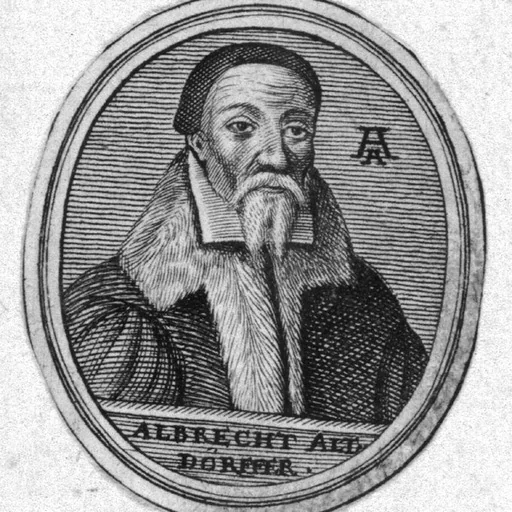
Albrecht Altdorfer (c. 1480 – 12 February 1538) was a German painter, engraver and architect of the Renaissance working in Regensburg. Along with Lucas Cranach the Elder and Wolf Huber he is regarded to be the main…

 The Ascension
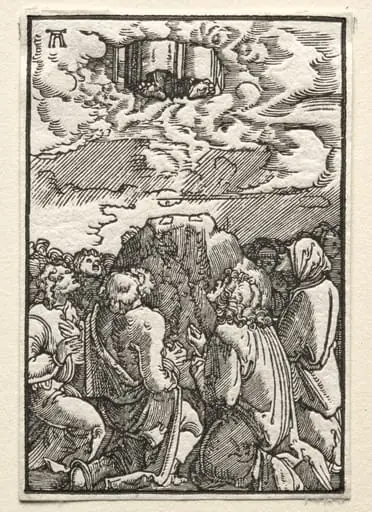 The Fall and Redemption of Man: The Ascension
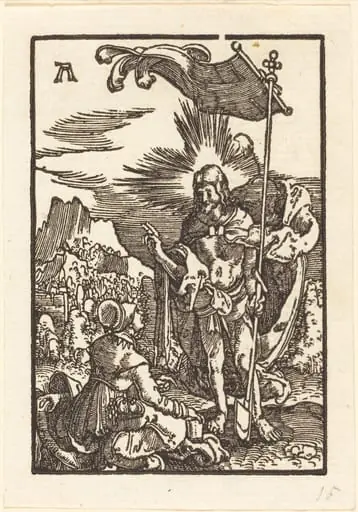 Noli me Tangere
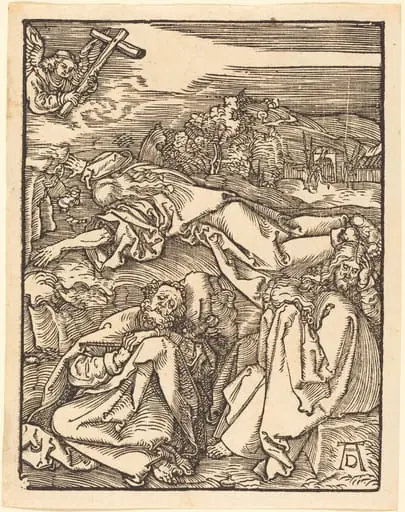 Christ on the Mount of Olives
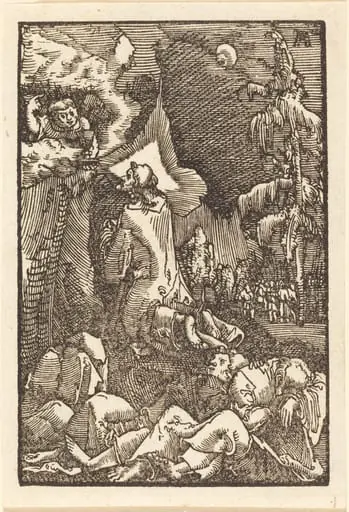 Christ on the Mount of Olives
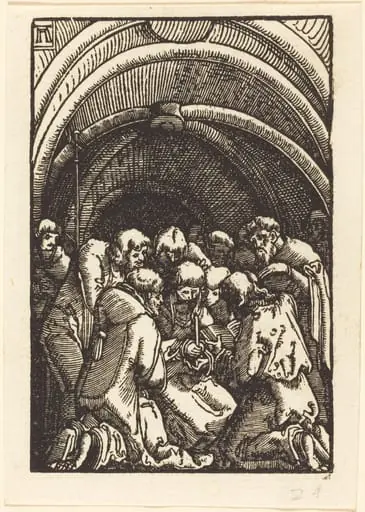 The Death of the Virgin
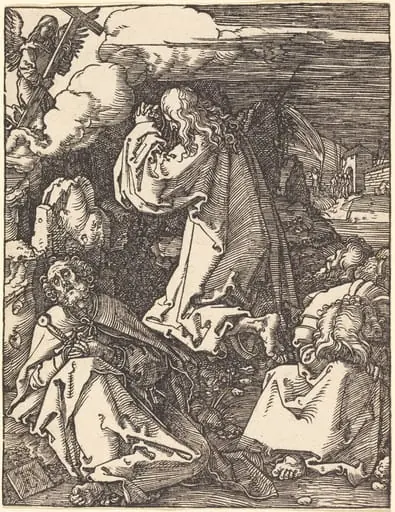 Christ on the Mount of Olives
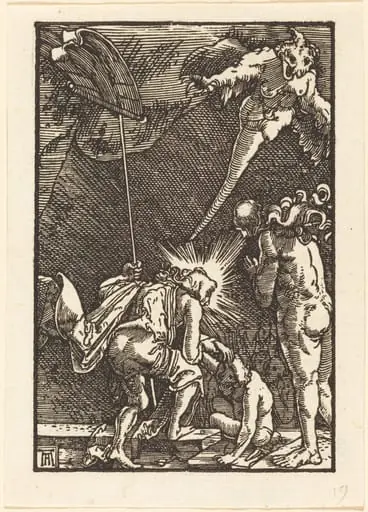 Christ Descending into Hell
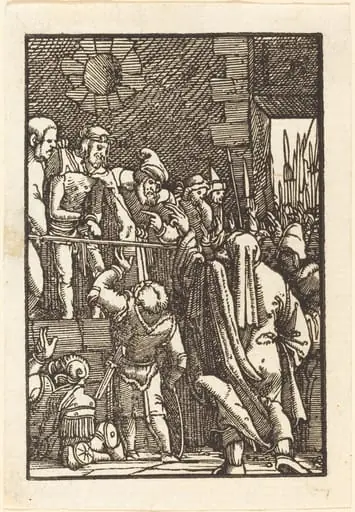 Ecce Homo
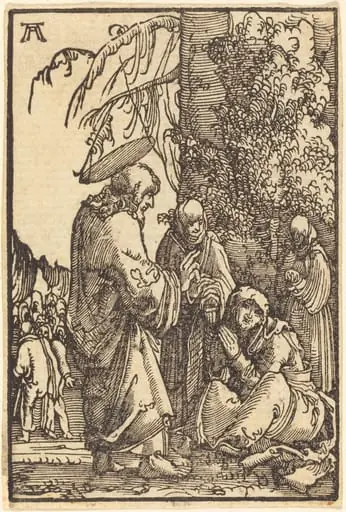 Christ Taking Leave of his Mother
 Christ Taking Leave of his Mother
 The Ascension of Christ